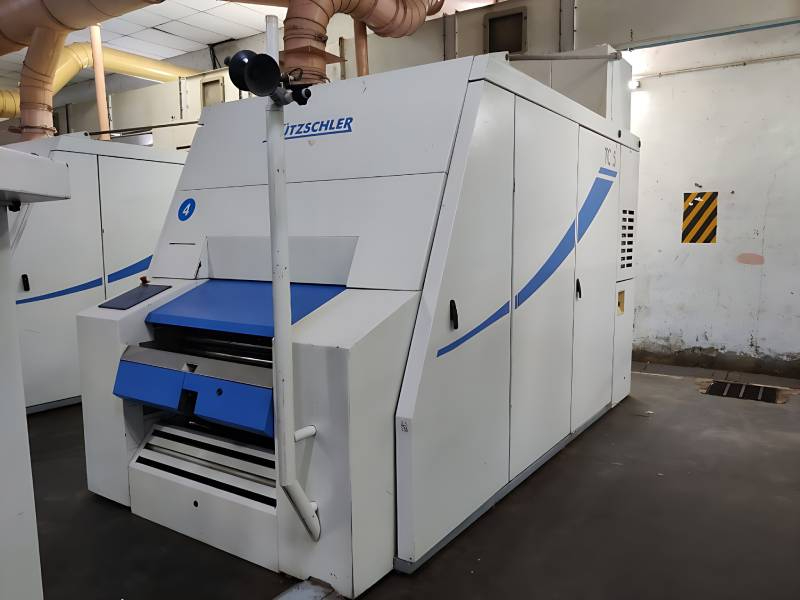
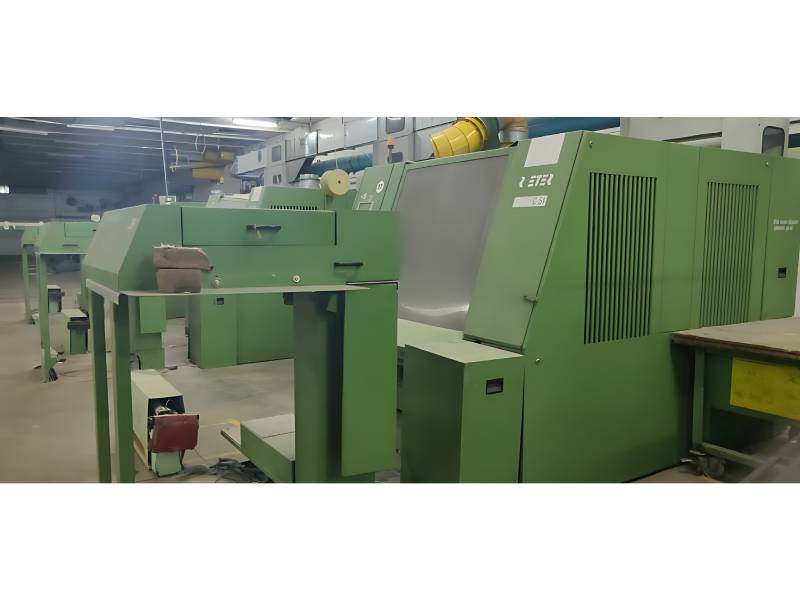
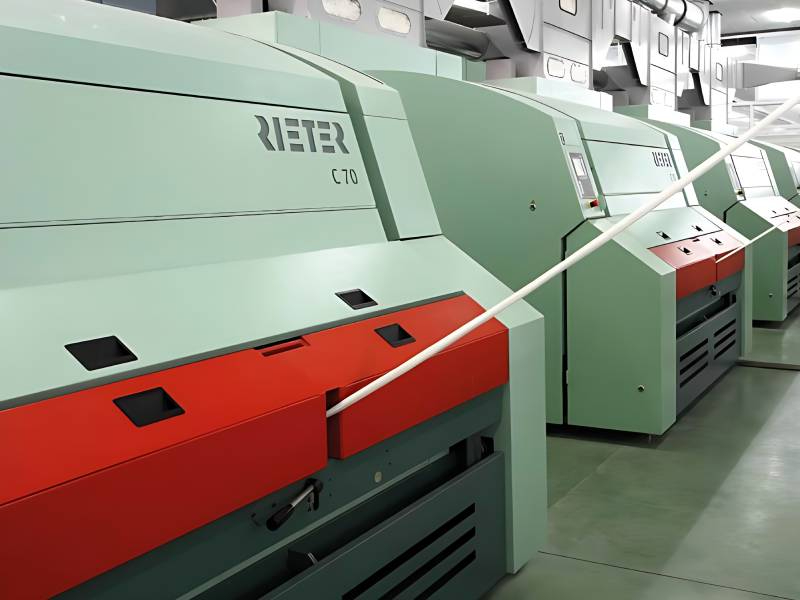
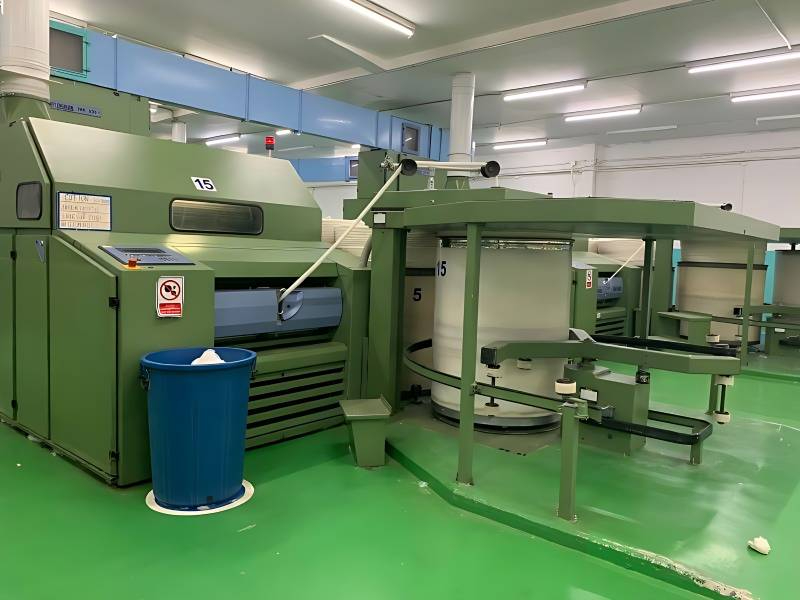
What are Carding Machines?
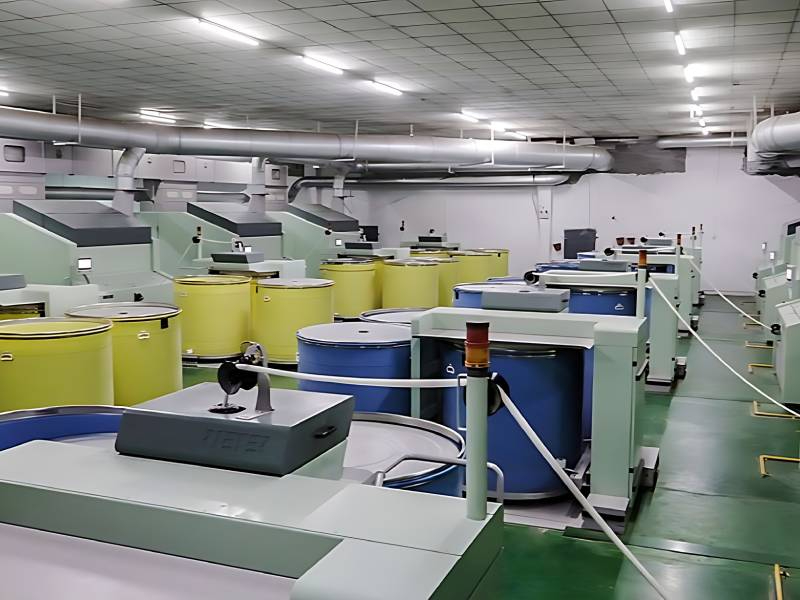
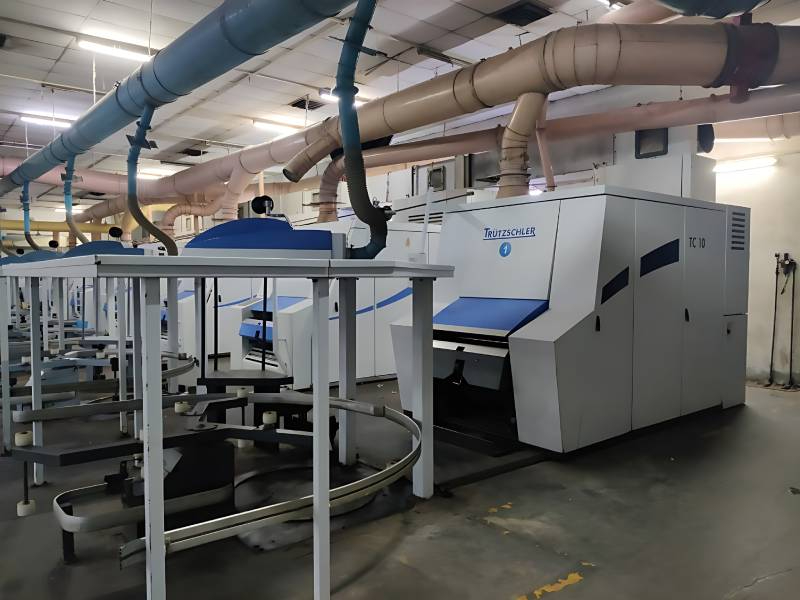
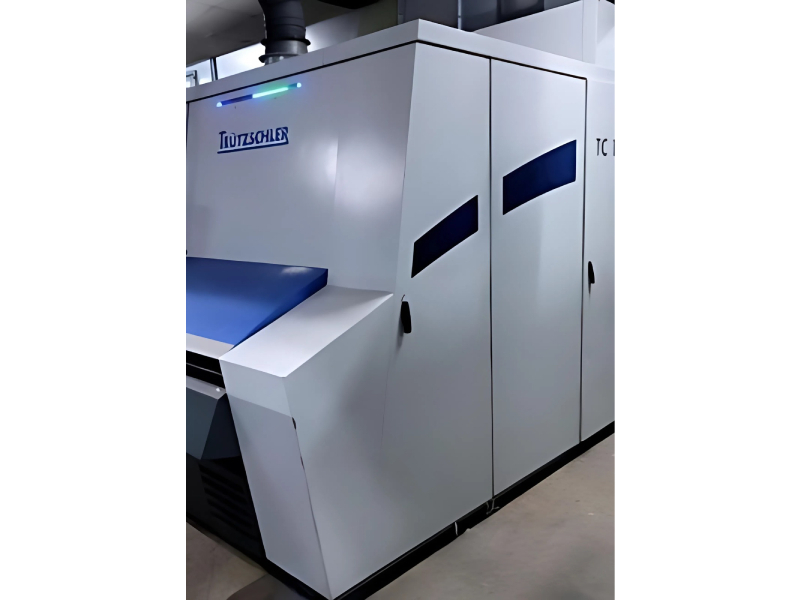
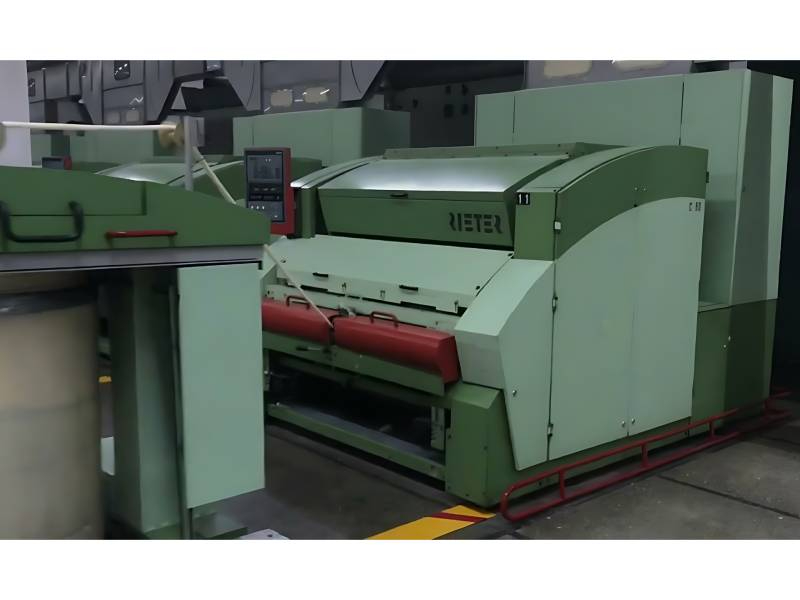
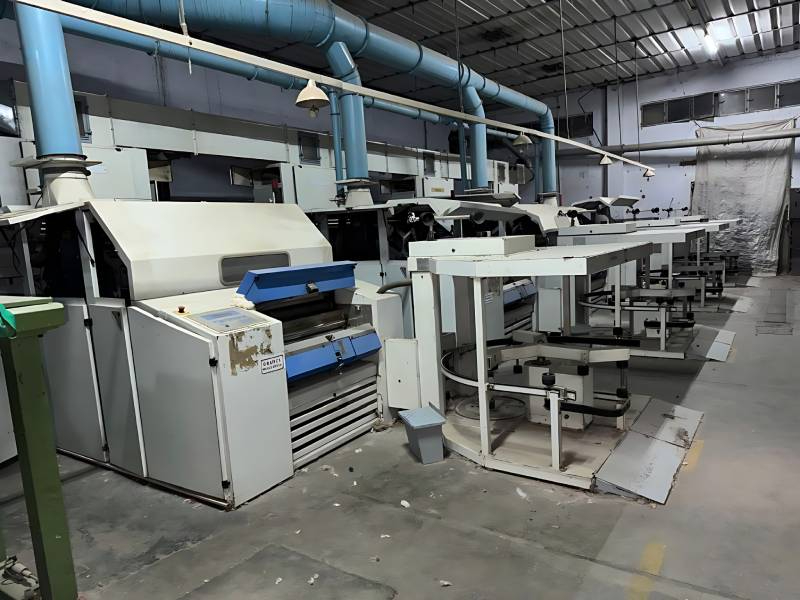
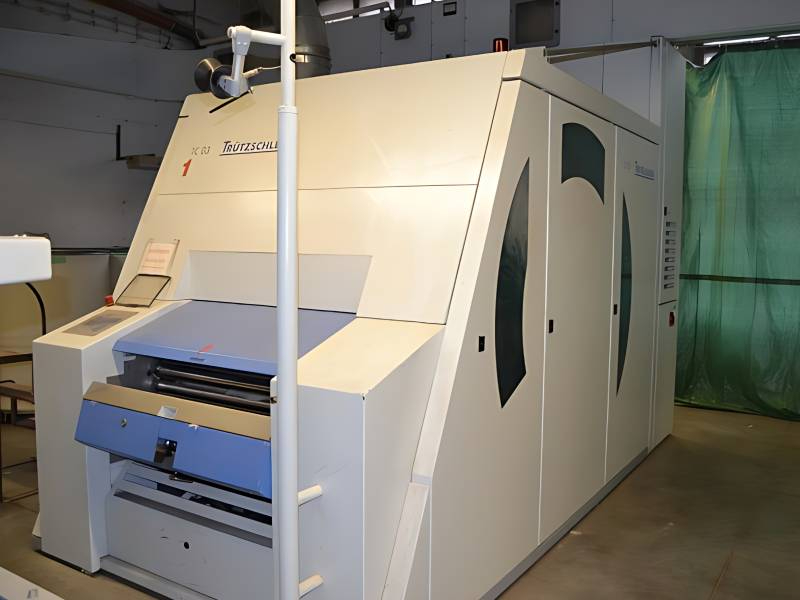
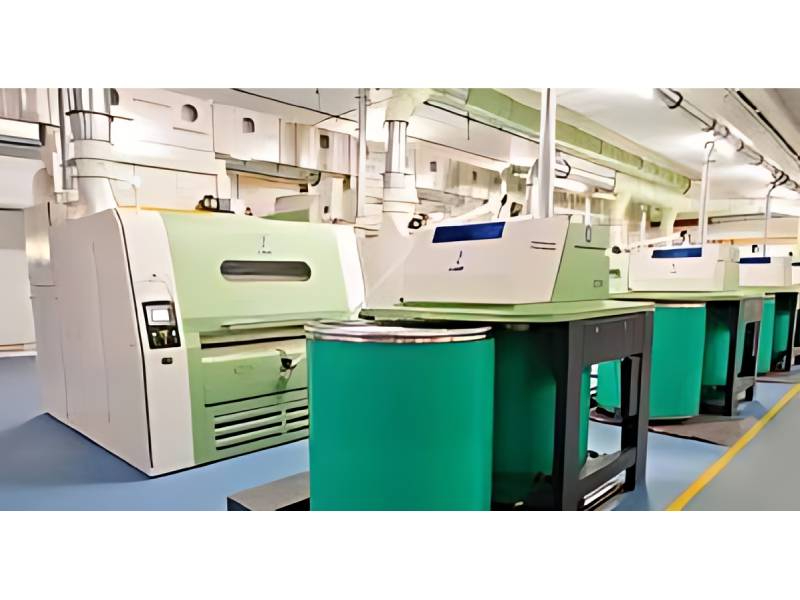
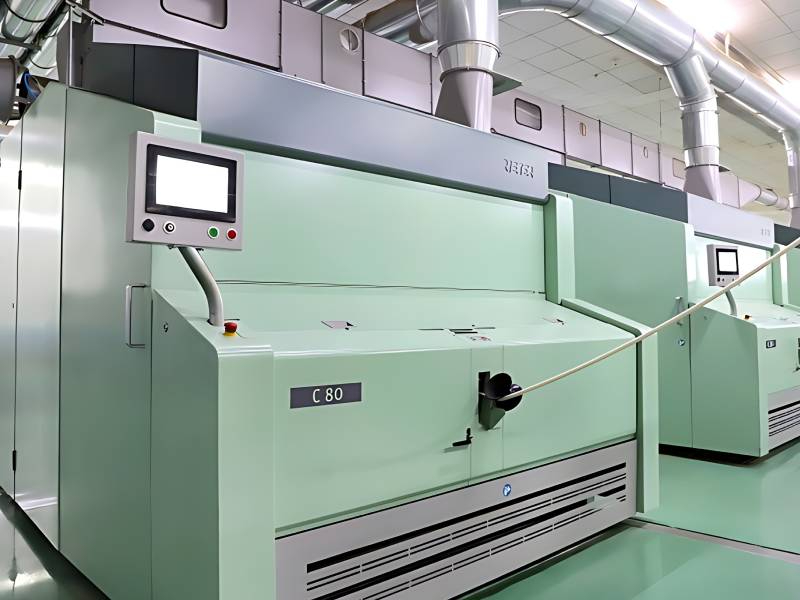
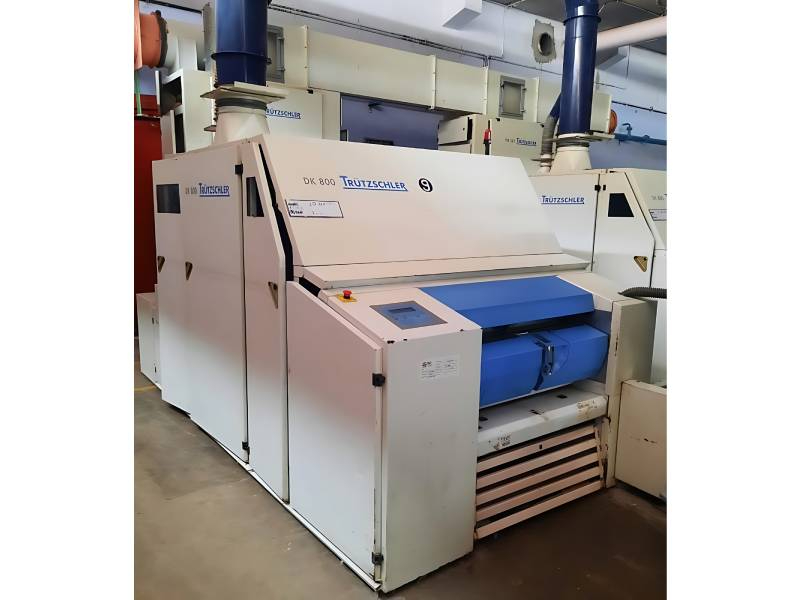
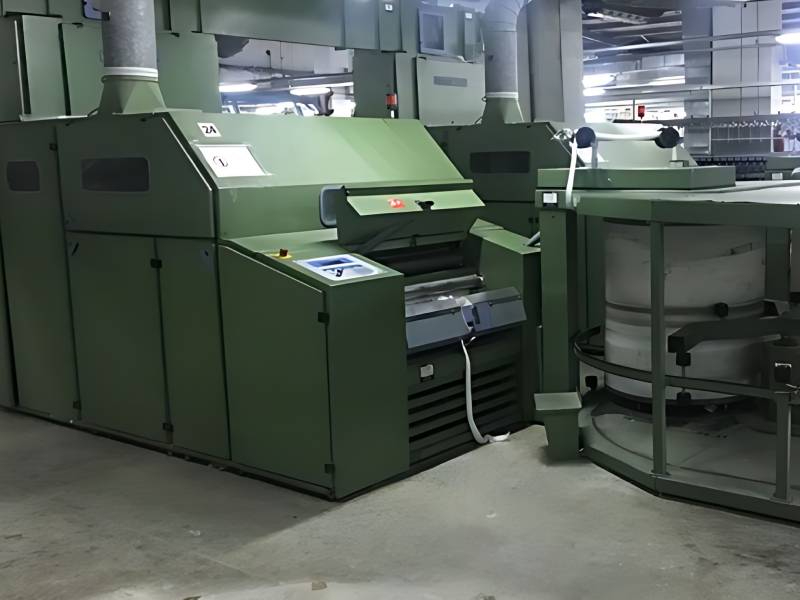
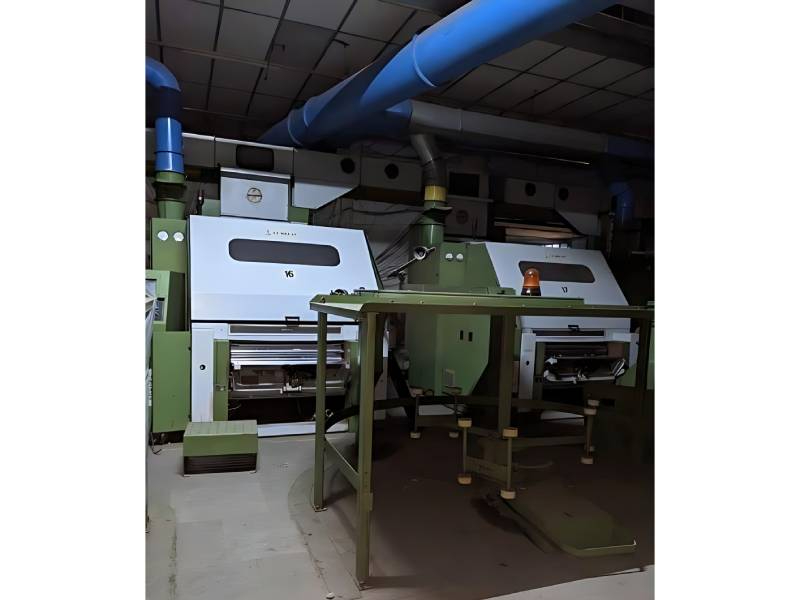
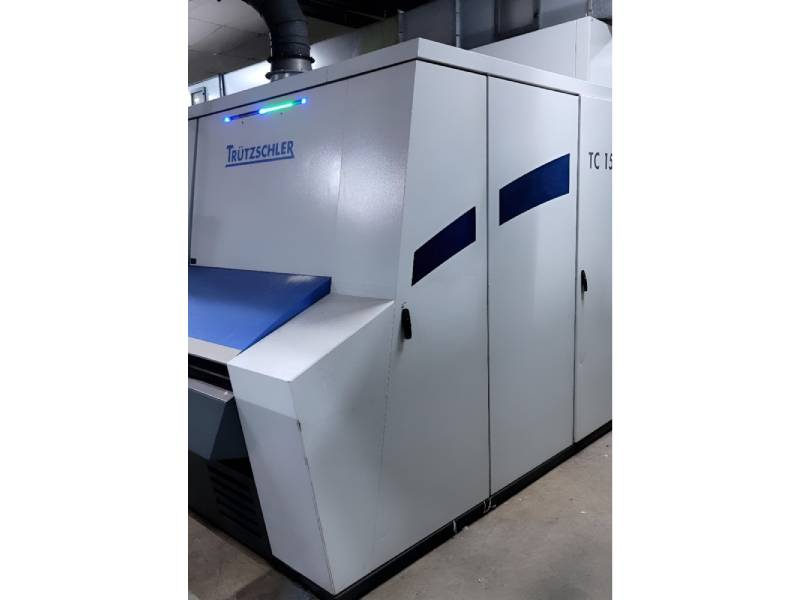
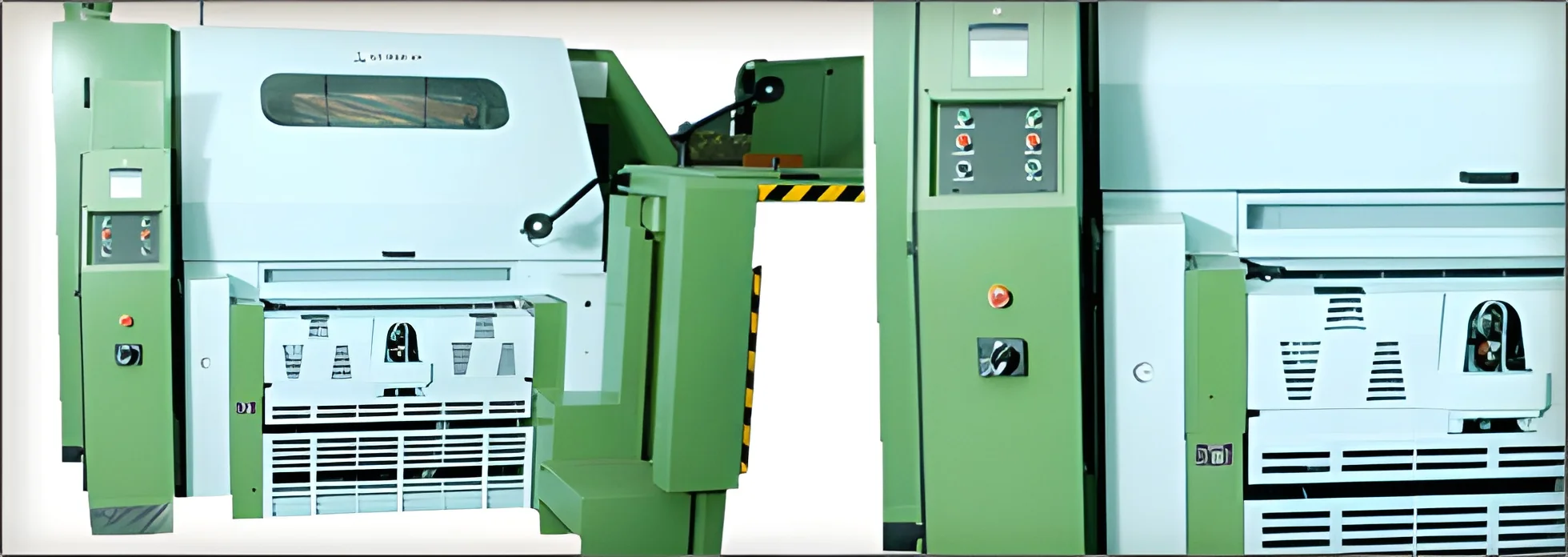
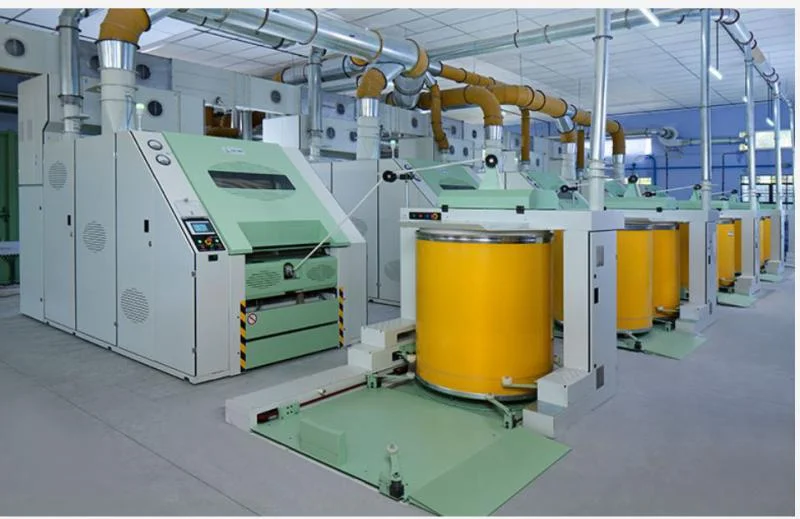
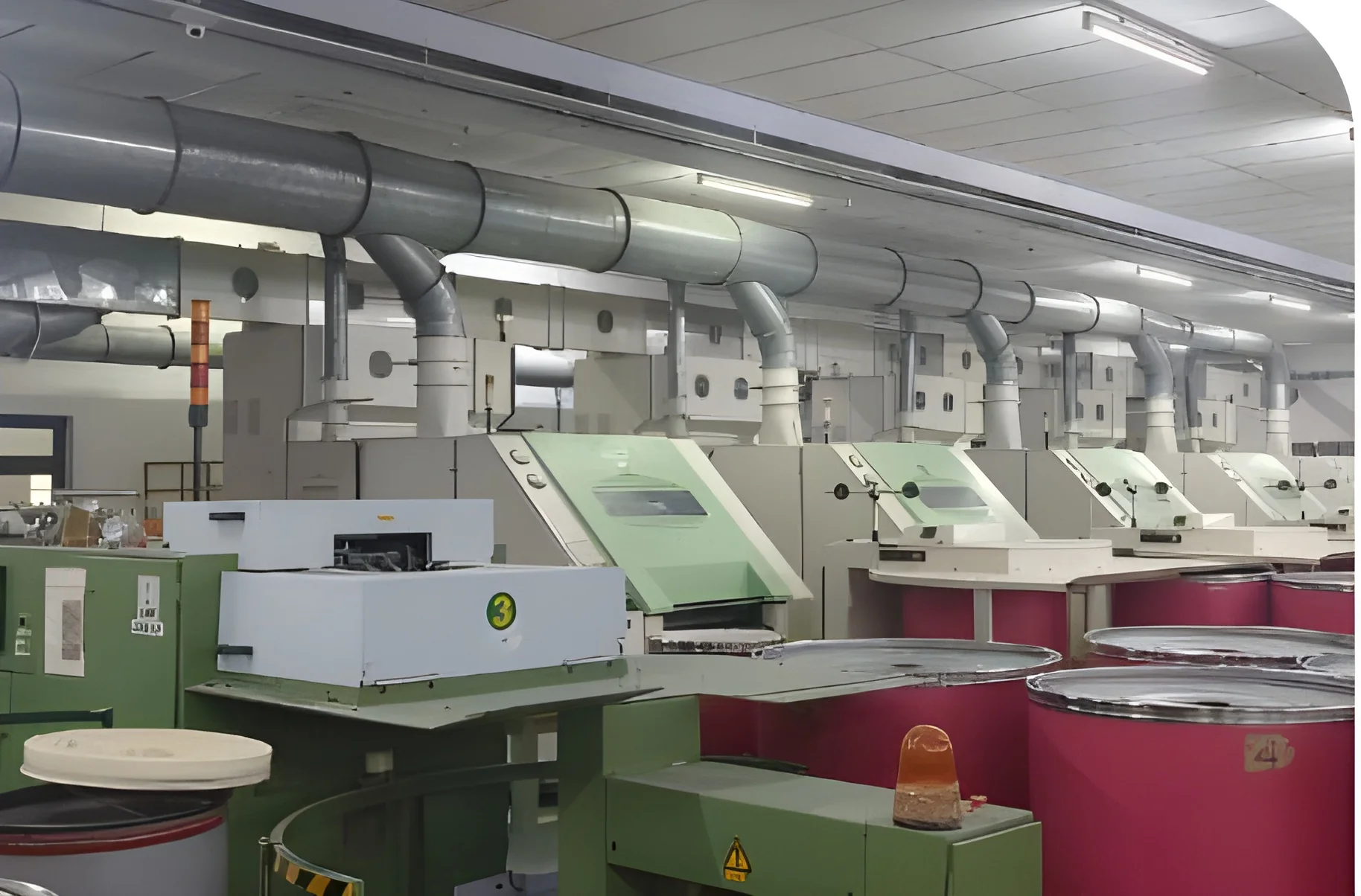
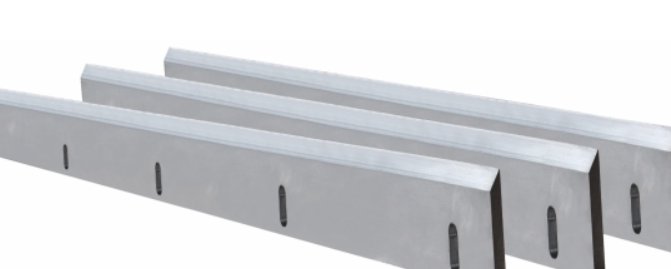
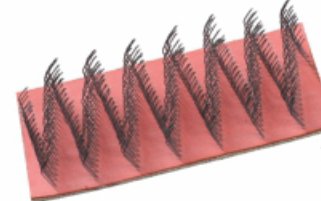
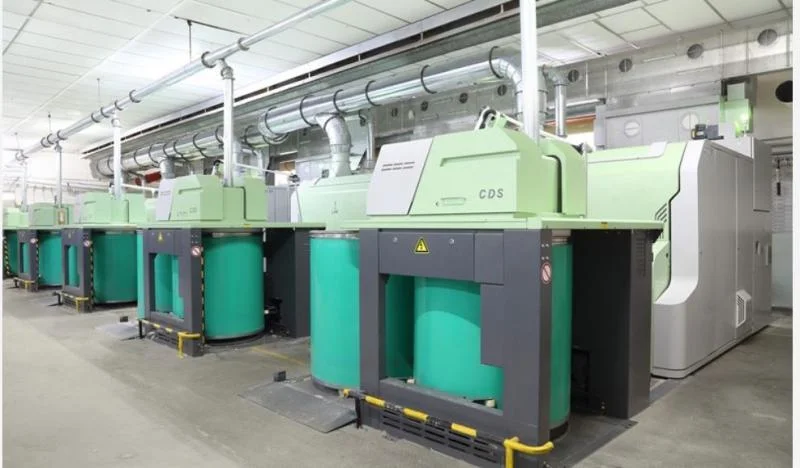
Carding machines are essential equipment in the textile industry, designed to separate and align fibers to prepare them for spinning into yarn. The carding process involves breaking up clumps of fibers, removing impurities, and converting them into a continuous web or sliver. This machine plays a critical role in ensuring that fibers, whether natural or synthetic, are adequately processed to achieve the desired quality in textile production.
These machines are primarily used in the manufacturing of various types of yarns and fabrics, making them integral to the production of clothing, upholstery, and industrial textiles. Carding machines are employed in spinning mills and textile plants, where they facilitate the creation of products such as cotton, wool, and synthetic blends. Their relevance in the industry is underscored by the increasing demand for high-quality textiles, as manufacturers strive to enhance production efficiency and product consistency.
Key Features and Specifications
Carding machines come equipped with several key features and specifications tailored to meet the diverse needs of the textile industry. Understanding these specifications is crucial for businesses looking to invest in this equipment.
Key specifications include:
1. Fiber Handling Capacity
- The ability to process a specific weight of fiber per hour.
- Typically ranges from hundreds to thousands of kilograms.
2. Roller Configuration
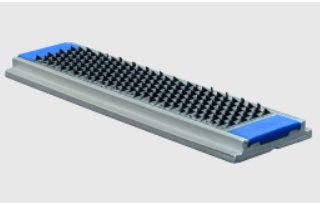
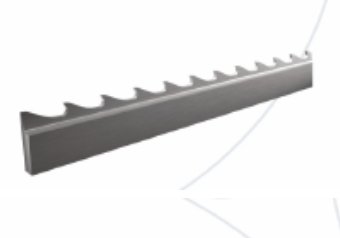
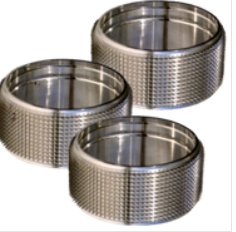
- Various roller arrangements to enhance fiber alignment and separation.
- Configurations may include flat and cylinder types.
3. Speed Settings
- Adjustable operating speeds to cater to different fiber types and production requirements.
- Speeds can vary widely based on machine design.
4. Maintenance Features
- Design elements to facilitate ease of maintenance and reduce downtime.
- Includes accessible parts for cleaning and repairs.
5. Control Systems
- Advanced electronic control systems for monitoring and adjusting machine functions.
- May include automated features for efficiency.
6. Safety Features
- Built-in safety mechanisms to protect operators.
- Compliance with industry safety standards.
7. Size and Footprint
- Variations in machine dimensions to fit different production floor layouts.
- Space-efficient designs are available for smaller facilities.
8. Energy Efficiency
- Specifications aimed at reducing energy consumption during operation.
- Eco-friendly designs are becoming more prevalent.
In summary, selecting a carding machine involves assessing these various specifications to ensure optimal performance and suitability for specific textile applications.
Common Applications and Use Cases
Carding machines are utilized across multiple industries, showcasing their versatility and importance in fiber processing.
1. Textile Manufacturing: Used for preparing cotton, wool, and synthetic fibers for spinning, ensuring quality yarn production.
2. Nonwoven Fabric Production: Employed to process fibers into nonwoven materials for applications in hygiene, medical, and industrial sectors.
3. Automotive Textiles: Carding machines play a role in producing fabrics for car interiors, enhancing comfort and aesthetic appeal.
4. Home Furnishings: Used in the production of upholstery fabrics, curtains, and carpets, contributing to the home decor industry.
5. Technical Textiles: Essential in creating specialized fabrics used in construction, healthcare, and protective clothing.
6. Apparel Industry: Crucial in the early stages of clothing production to ensure high-quality base materials.
7. Specialty Yarns: Facilitates the production of unique blends for niche markets, enhancing product offerings.
Product Variants and Subcategories
Carding machines are available in various configurations to cater to specific production needs. This diversity allows businesses to select machines that align with their operational requirements.
High-Speed Carding Machines
These machines are designed for maximum output, featuring advanced technology that allows for rapid processing of fibers while maintaining quality.
Semi-Automated Carding Machines
A balance between manual and automated processes, these machines offer flexibility for smaller operations that require a degree of human oversight.
Compact Carding Machines
Ideal for facilities with limited space, these machines provide essential carding functions without occupying extensive floor space.
Benefits and Advantages
Investing in carding machines offers numerous advantages that can significantly impact production efficiency and product quality.
1. Improved Fiber Quality: Carding machines enhance fiber alignment, leading to stronger and more consistent yarn.
2. Increased Production Efficiency: High-speed models can significantly reduce processing time, allowing for higher output levels.
3. Versatility: Capable of handling various fiber types, carding machines support diverse product lines.
4. Reduced Labor Costs: Automation features minimize the need for manual intervention, streamlining operations.
5. Enhanced Safety: Modern machines incorporate safety features that protect operators and reduce workplace accidents.
6. Lower Energy Consumption: Energy-efficient designs help reduce operational costs and environmental impact.
Buying Guide for B2B Buyers
When sourcing carding machines, several critical factors should be considered to ensure an informed purchase.
1. Quality Assessment: Evaluate the build quality and reliability of the machine. Look for certifications and customer reviews that attest to the performance of the equipment.
2. Supplier Verification: Vet suppliers for their reputation and reliability. Check references and inquire about their experience in the industry.
3. Pricing and MOQ: Understand the pricing structure and minimum order quantities required. This information is crucial for budgeting and financial planning.
4. Delivery and Lead Times: Discuss logistics with suppliers to ensure timely delivery. Factor in lead times to align with production schedules.
5. Compliance Requirements: Ensure that the machines meet relevant industry standards and regulations, which may vary by region.
Compliance and Certifications
Carding machines must adhere to various quality standards and certifications, ensuring they meet industry expectations for safety and performance.
Relevant quality standards, such as ISO 9001, provide frameworks for quality management systems, ensuring that manufacturers consistently produce high-quality machines. Additionally, compliance with industry certifications like CE indicates that the machines meet European safety and environmental requirements.
Safety testing is also crucial, as carding machines can pose risks if not designed and maintained correctly. Manufacturers should conduct thorough safety assessments to protect operators and ensure compliance with local regulations.
Regional compliance considerations may vary, requiring businesses to stay informed about specific requirements in their operational areas. Understanding these factors is essential for B2B buyers to ensure they are investing in compliant and high-quality machinery.
Why Source Carding Machines from Pepagora?
Pepagora offers a reliable platform for sourcing carding machines, providing several key advantages to buyers in the textile industry.
Verified Supplier Network: Pepagora features a network of verified suppliers, ensuring that buyers can trust the quality and reliability of the machines they purchase. This vetting process helps reduce risks associated with sourcing.
Streamlined RFQ Process: The platform simplifies the request-for-quote process, allowing buyers to efficiently compare offerings from multiple suppliers. This feature enhances transparency and aids in informed decision-making.
Trade Assurance and Support: Pepagora provides trade assurance to protect buyers throughout the purchasing process. This includes support for dispute resolution and quality assurance, fostering confidence in transactions.
Regional Coverage: With a strong presence in India and expanding reach in the GCC and Southeast Asia, Pepagora connects buyers with suppliers across key textile markets, facilitating easier access to quality carding machines.

 IN
IN