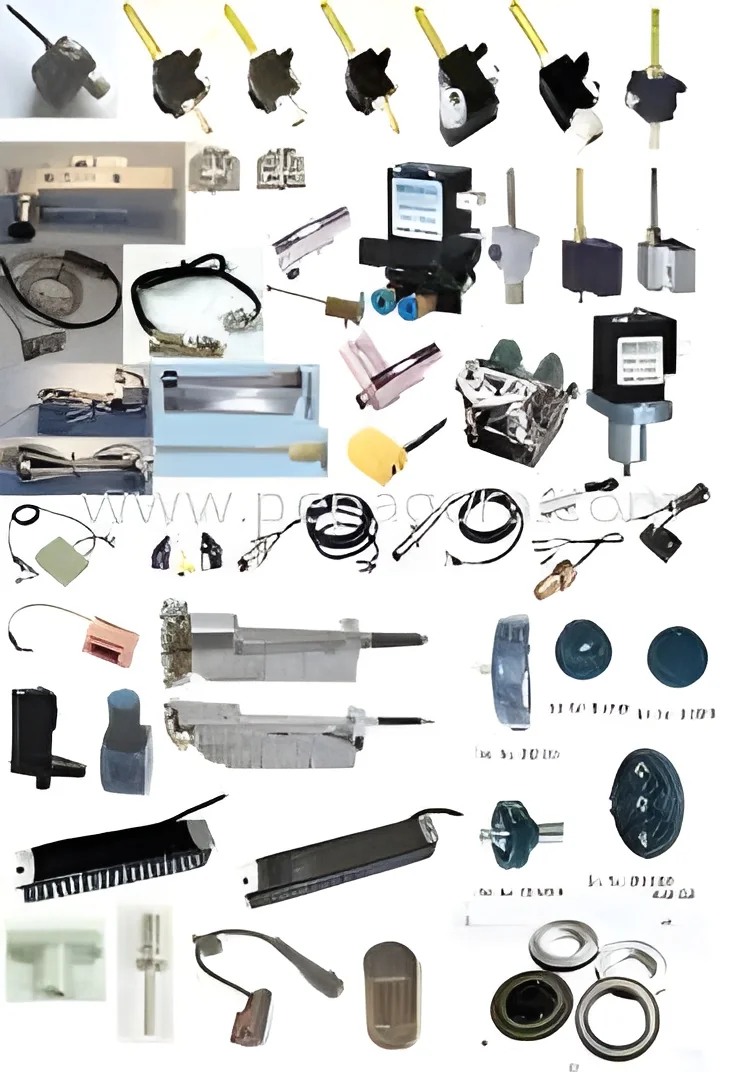
What are Air Jet Looms?
Air jet looms are advanced weaving machines that utilize high-speed jets of air to insert the weft yarn into the warp threads during the weaving process. This technology allows for faster production speeds compared to traditional looms, making them a preferred choice for manufacturers looking to enhance efficiency and output. The air jet mechanism not only speeds up the weaving process but also reduces mechanical wear and tear, leading to lower maintenance costs and improved longevity of the equipment.
These looms are primarily used in the textile industry for producing a wide range of fabrics, including cotton, polyester, and blended materials. They are particularly popular in applications requiring high-quality finishes and intricate patterns. The versatility of air jet looms allows manufacturers to cater to various market demands, from fashion textiles to industrial fabrics. In today's competitive landscape, the adoption of air jet looms can significantly enhance production capabilities and meet the growing needs of customers.
As the textile industry evolves, the relevance of air jet looms continues to grow. With increasing global demand for fabrics and the need for quick turnaround times, these machines offer a solution that balances speed, quality, and cost-effectiveness. Their integration into production lines is a critical factor for businesses aiming to maintain a competitive edge in the market.
Key Features and Specifications
Air jet looms come equipped with a variety of features designed to optimize performance and adaptability in diverse manufacturing settings. The following specifications highlight the key attributes of these machines that contribute to their efficiency and functionality.
Key specifications include:
1. Weaving Width
- Typically ranges from 140 cm to 360 cm depending on the model
- Accommodates various fabric widths for different applications
2. Weft Insertion Speed
- Can reach speeds of 1,000 to 1,600 picks per minute
- Allows for high production rates and adaptability to different fabric types
3. Thread Tension Control
- Automated tension control systems for consistent weft insertion
- Ensures uniformity in fabric quality
4. Loom Type
- Available in different configurations, such as plain, jacquard, and dobby
- Facilitates production of complex designs and patterns
5. Power Consumption
- Energy-efficient designs to minimize operational costs
- Generally consumes between 10 kW to 25 kW per loom
6. Control System
- Equipped with advanced electronic control systems for easy operation
- User-friendly interfaces for efficient monitoring and adjustments
7. Maintenance Requirements
- Designed for easy access to components for routine maintenance
- Reduces downtime and enhances operational efficiency
8. Safety Features
- Incorporates safety mechanisms to protect operators
- Complies with international safety standards
In summary, the features and specifications of air jet looms ensure they meet the demands of modern textile production. Their combination of speed, precision, and flexibility make them an essential asset for manufacturers seeking to enhance their capabilities.
Common Applications and Use Cases
Air jet looms serve various industries, providing flexibility and efficiency in fabric production.
1. Apparel Industry: Air jet looms are extensively used to produce high-quality fabrics for clothing, allowing for intricate designs and quick production times.
2. Home Textiles: These looms manufacture upholstery, curtains, and bedding, meeting the demand for fashionable and durable textiles in the home decor market.
3. Technical Textiles: In industries such as automotive and healthcare, air jet looms create specialized fabrics that require unique properties and performance characteristics.
4. Industrial Fabrics: Heavy-duty fabrics for applications like tarpaulins and tents are produced using air jet looms, benefiting from their durability and strength.
5. Carpet Manufacturing: Air jet looms are utilized to create intricate patterns and textures in carpets, enhancing both style and comfort.
6. Geotextiles: The production of geotextiles for civil engineering and construction applications is facilitated by the efficiency of air jet looms.
7. Medical Textiles: These looms contribute to the production of breathable and functional fabrics used in medical applications, ensuring compliance with industry standards.
Product Variants and Subcategories
Air jet looms come in various models, each tailored to specific production needs and fabric types.
High-Speed Air Jet Looms
These looms are designed for maximum efficiency, capable of high-speed operation while maintaining fabric quality. Ideal for mass production, they cater to high-demand markets.
Electronic Jacquard Air Jet Looms
Equipped with advanced jacquard technology, these looms allow for the creation of complex patterns and designs. They are suitable for high-fashion textiles and specialty fabrics.
Compact Air Jet Looms
These models are designed with a smaller footprint, perfect for manufacturers with limited space. They offer versatility without compromising on performance.
Benefits and Advantages
Air jet looms provide several key advantages that enhance manufacturing processes and product quality.
1. Increased Production Speed: The ability to operate at high speeds allows manufacturers to meet tight deadlines and respond quickly to market demands.
2. Improved Fabric Quality: The precision in weft insertion results in consistent fabric quality, reducing defects and ensuring customer satisfaction.
3. Cost Efficiency: Lower energy consumption and reduced maintenance needs contribute to overall cost savings for manufacturers.
4. Versatility: Air jet looms can produce a wide range of fabrics, making them suitable for various industries and applications.
5. Ease of Operation: User-friendly control systems simplify the operation and adjustment of looms, minimizing training time for operators.
6. Enhanced Design Capabilities: The ability to create intricate patterns and designs expands the creative possibilities for textile manufacturers.
Buying Guide for B2B Buyers
When sourcing air jet looms, several factors should be considered to ensure a successful purchase.
1. Quality Assessment: Evaluate the manufacturer's reputation and the quality of materials used in the loom's construction. Look for certifications that indicate compliance with industry standards.
2. Supplier Verification: Conduct thorough checks on suppliers to confirm their reliability and ability to provide ongoing support. Look for reviews and testimonials from previous clients.
3. Pricing and MOQ: Understand the pricing structure and minimum order quantities (MOQ) to ensure that the purchase aligns with your budget and production needs.
4. Delivery and Lead Times: Consider the logistics involved in shipping and installation. Ensure that the supplier can meet your required delivery schedules.
5. Compliance Requirements: Be aware of any regulatory standards that apply to the machinery and ensure that the supplier complies with these regulations.
Compliance and Certifications
Air jet looms must adhere to various quality standards and certifications that ensure their safety and reliability in production environments.
Relevant quality standards like ISO 9001 provide a framework for quality management systems, ensuring that manufacturers maintain consistent quality in their processes. Compliance with these standards is essential for manufacturers aiming to enhance their credibility and operational efficiency.
In addition to ISO certifications, air jet looms often carry industry certifications such as CE, which indicates conformity with health, safety, and environmental protection standards. This certification is crucial for manufacturers selling products in the European market, ensuring that their equipment meets stringent regulatory requirements.
Safety and testing requirements are also vital, as they ensure that the machinery operates safely and efficiently. Manufacturers should conduct regular safety assessments and testing to comply with regional regulations and industry standards.
Understanding regional compliance considerations is important, as different markets may have specific requirements for machinery. Buyers should familiarize themselves with local regulations to ensure full compliance when sourcing air jet looms.
Why Source Air Jet Looms from Pepagora?
Pepagora provides a trusted platform for sourcing air jet looms, offering several key advantages to B2B buyers.
Verified Supplier Network: Pepagora connects buyers with a network of verified suppliers, ensuring that manufacturers have access to high-quality equipment. This network allows buyers to choose from a range of reputable manufacturers.
Streamlined RFQ Process: The request for quotation (RFQ) system simplifies the sourcing process, allowing buyers to receive competitive quotes quickly. This efficiency helps buyers make informed decisions without unnecessary delays.
Trade Assurance and Support: Pepagora offers trade assurance, providing buyers with protection against transaction risks. This support ensures peace of mind when making significant investments in machinery.
Regional Coverage: With a strong presence in regions like India, the GCC, and Southeast Asia, Pepagora enables buyers to connect with local suppliers while accessing a broader market. This geographic reach enhances supply chain efficiency and reduces logistical challenges.
In conclusion, sourcing air jet looms through Pepagora offers a reliable solution for manufacturers seeking quality equipment while ensuring compliance and support throughout the purchasing process.

 IN
IN