What are Medical Textile Equipment?
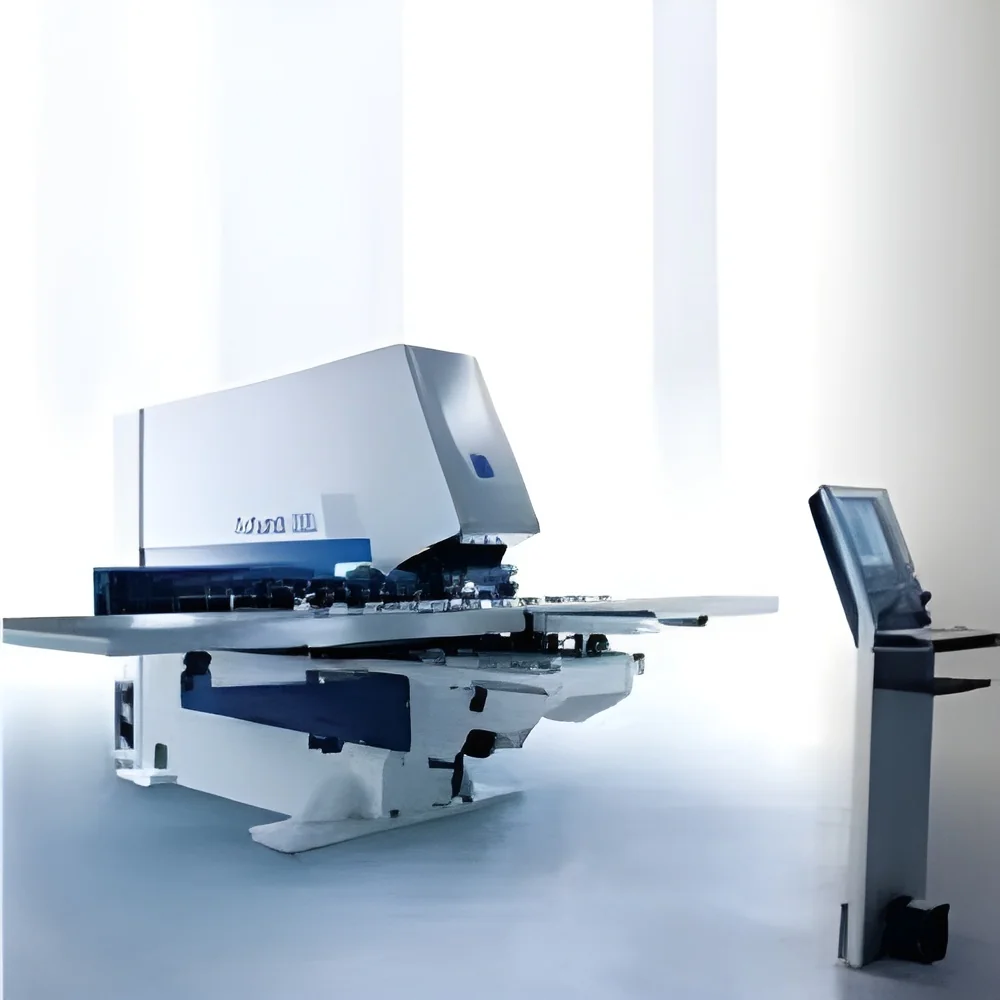
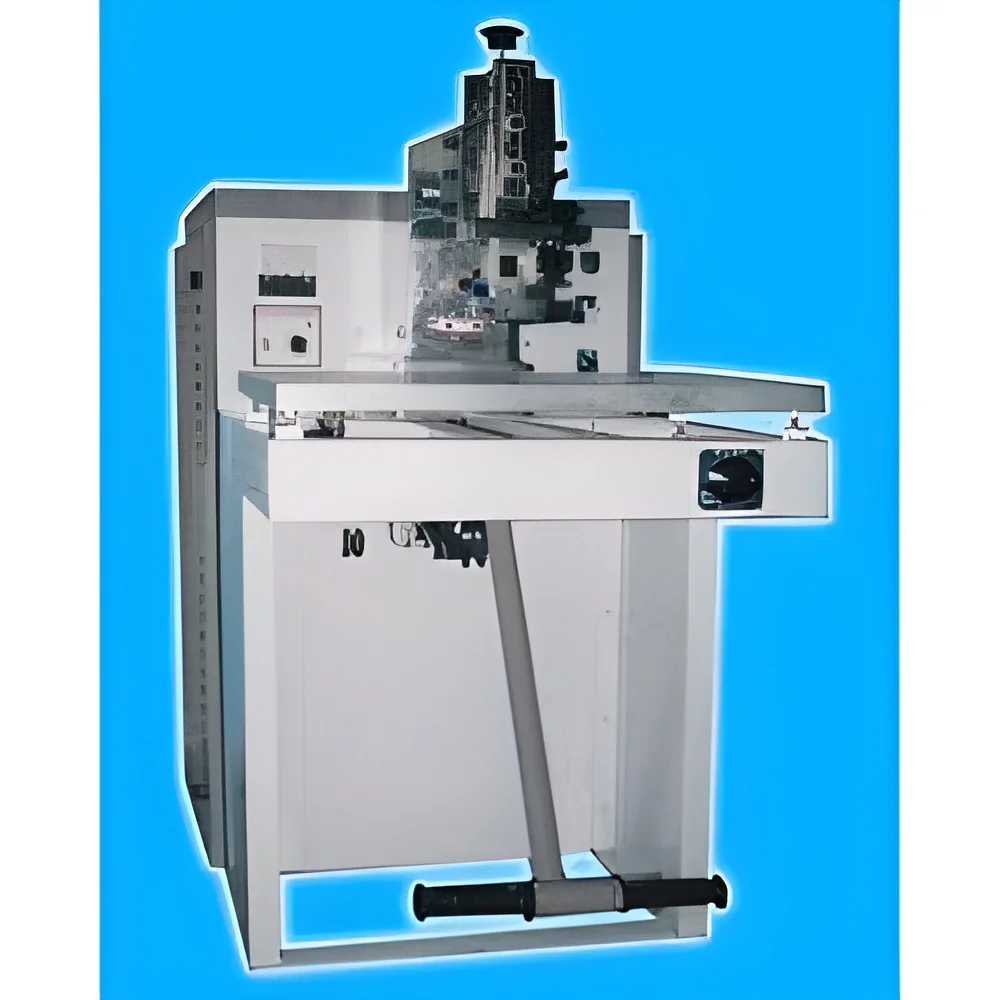
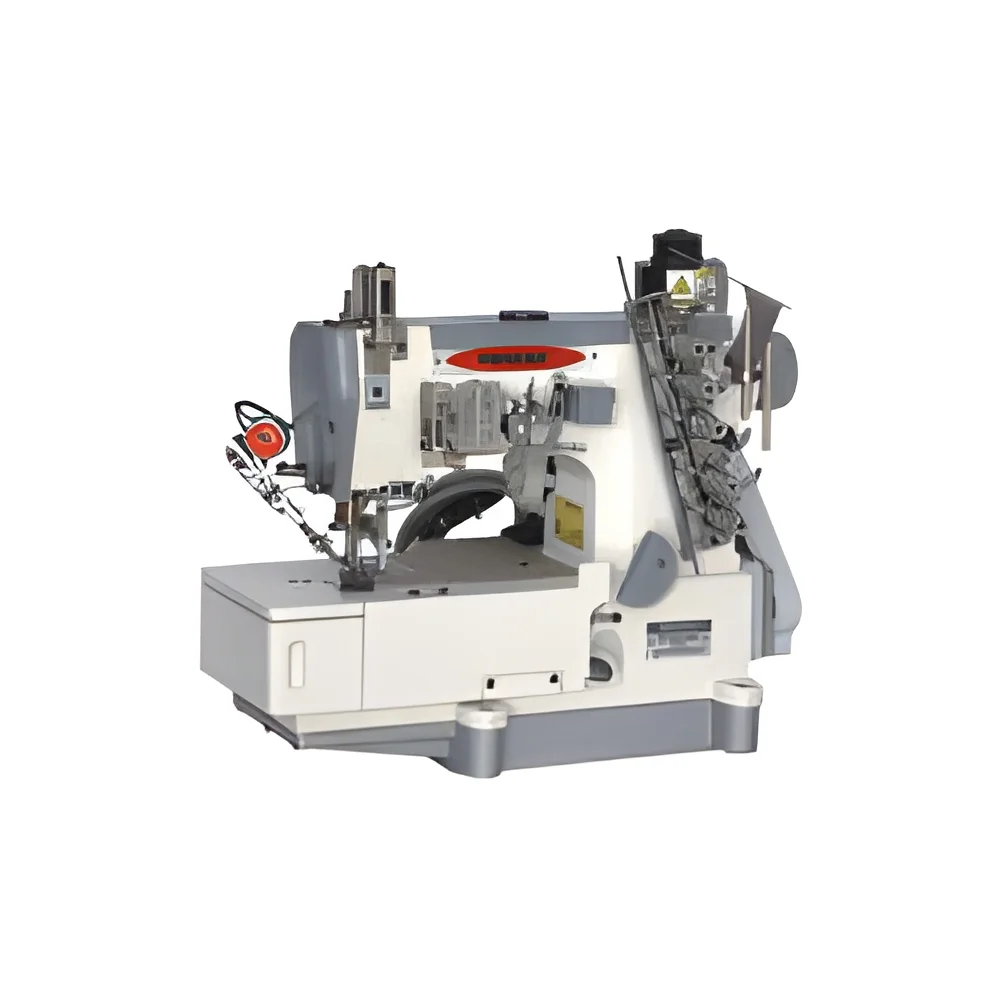
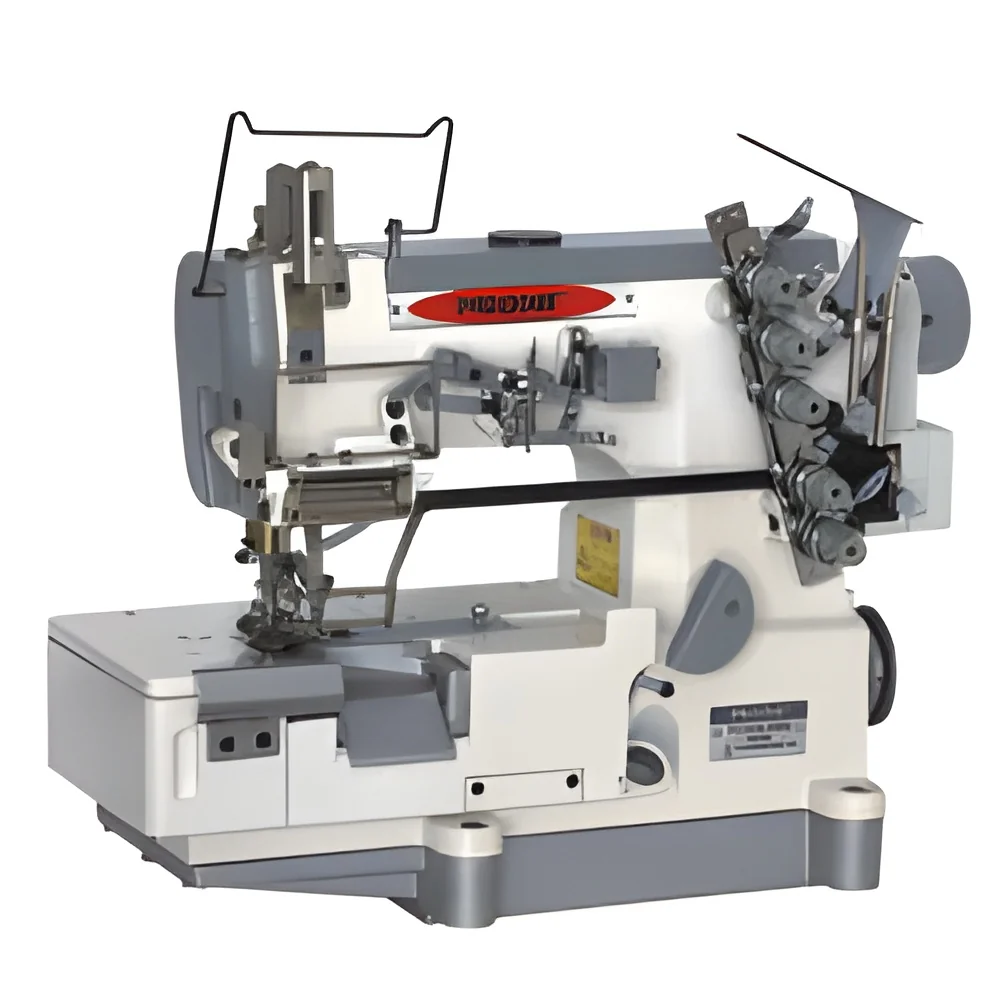
Medical textile equipment refers to specialized machinery and tools used in the production and processing of textiles specifically designed for medical applications. These textiles can include surgical gowns, wound dressings, and various types of implants. The equipment used in this sector is engineered to meet stringent safety and hygiene standards, ensuring that the end products are safe for use in healthcare environments.
The primary uses of medical textile equipment encompass both manufacturing and finishing processes. This includes weaving, knitting, and converting raw textile materials into finished medical products. Businesses such as hospitals, clinics, and manufacturers of medical devices rely on these products for their functionality and reliability. As the demand for advanced healthcare solutions continues to rise, the relevance of medical textile equipment in the market becomes increasingly significant, driving innovation and quality standards in the industry.
The medical textiles market is expanding rapidly due to advancements in technology and increasing healthcare needs globally. With a growing focus on patient safety and comfort, the demand for high-quality medical textile products is expected to rise, making it essential for manufacturers to invest in sophisticated medical textile equipment.
Key Features and Specifications
Medical textile equipment is characterized by several key features and specifications that ensure optimal performance and compliance with industry standards. These specifications are vital for manufacturers who need reliable machinery for producing high-quality medical textiles.
Key specifications include:
1. Production Capacity
- This specification indicates the volume of textiles the equipment can produce within a specified timeframe.
- Common ranges include 500 to 5,000 units per day, depending on the equipment type.
2. Automation Level
- This refers to the degree to which the equipment can operate independently with minimal human intervention.
- Equipment can range from fully automated systems to semi-automated models.
3. Material Compatibility
- Equipment must be able to handle various types of textile materials, such as synthetic fibers and natural fabrics.
- Specific compatibilities may vary based on the equipment design.
4. Temperature Control
- The ability to maintain specific temperature ranges during production processes is crucial for certain medical textiles.
- Typical ranges are not specified but should align with material requirements.
5. Safety Features
- Equipment should include safety measures to protect operators and ensure compliance with health regulations.
- Features may include emergency shut-off switches and protective guards.
6. Maintenance Requirements
- Clear guidelines on how often the equipment needs maintenance to ensure longevity and efficiency.
- Recommended schedules typically range from quarterly to annually.
7. Energy Efficiency
- Equipment should be designed to minimize energy consumption while maintaining performance standards.
- Specifications may include energy ratings or consumption metrics.
8. Compliance with Standards
- All equipment must meet relevant industry standards to ensure safety and efficacy in medical applications.
- Compliance with certifications such as CE is critical.
In summary, understanding these key specifications helps businesses select the right medical textile equipment that meets their production needs while adhering to industry regulations.
Common Applications and Use Cases
Medical textile equipment serves various industries, each with specific applications that highlight the importance of these products.
1. Healthcare: Medical textile equipment is used to manufacture surgical gowns, masks, and drapes that protect both patients and healthcare personnel during procedures.
2. Wound Care: Equipment is essential for producing dressings and bandages that are used in the treatment of wounds, ensuring they are sterile and effective.
3. Orthopedics: This equipment is utilized to create support bandages and implants that aid in patient recovery after surgeries or injuries.
4. Hygiene Products: Medical textile equipment is involved in the production of disposable items such as bed linens and underpads used in hospitals and clinics.
5. Biomedical Engineering: The equipment is important for fabricating textiles that are used in various biomedical applications, including scaffolding for tissue engineering.
6. Sports Medicine: Medical textiles are used to create supports and braces that help in recovery and injury prevention for athletes.
7. Military and Defense: Specialized medical textiles are produced for use in military applications, ensuring that soldiers have access to high-quality medical supplies in the field.
Product Variants and Subcategories
Medical textile equipment encompasses a range of diverse products designed for specific functions within the medical field.
Surgical Textile Equipment
This variant focuses on producing materials for surgical applications, such as sterile drapes and gowns. It often includes features for maintaining high cleanliness standards and includes automated sewing and cutting capabilities.
Wound Care Textile Equipment
This type of equipment is dedicated to manufacturing wound dressings and bandages. It is designed for precision and includes features for ensuring sterility and compliance with healthcare regulations.
Protective Clothing Equipment
This equipment specializes in creating protective clothing for healthcare professionals. It emphasizes barrier protection and comfort, often incorporating breathable materials.
Nonwoven Fabric Equipment
Nonwoven fabric technology is critical in medical textiles. This equipment is designed for rapid production of nonwoven fabrics used in a variety of medical applications, ensuring efficiency and material versatility.
Benefits and Advantages
Investing in medical textile equipment offers several key benefits that enhance production and product quality.
1. Improved Product Quality: High-quality equipment ensures that the medical textiles produced meet stringent industry standards, leading to better patient outcomes.
2. Increased Efficiency: Advanced machinery can significantly boost production speed and reduce labor costs, making operations more profitable.
3. Enhanced Safety: Medical textile equipment is designed with safety features that protect workers and ensure compliance with health regulations.
4. Versatility: The ability to produce a wide range of medical textiles allows manufacturers to adapt to changing market demands and customer needs.
5. Compliance Assurance: Equipment that meets industry standards helps manufacturers avoid regulatory issues and ensures product marketability.
6. Sustainable Practices: Many modern medical textile machines are designed to operate with energy efficiency in mind, reducing environmental impact.
Buying Guide for B2B Buyers
When sourcing medical textile equipment, it is crucial for businesses to consider several factors that will impact their purchasing decisions.
1. Quality Assessment: Buyers should evaluate the quality of machinery by reviewing specifications, customer reviews, and compliance with industry standards.
2. Supplier Verification: It is essential to vet suppliers to ensure they are reliable and capable of providing consistent support and service.
3. Pricing and MOQ: Understanding the pricing structure and minimum order quantities is vital for budgeting and aligning with production needs.
4. Delivery and Lead Times: Buyers must consider delivery schedules and lead times to ensure that production timelines are met without delays.
5. Compliance Requirements: It is imperative to understand the regulatory landscape pertinent to medical textiles to avoid compliance issues that could hinder market entry.
Compliance and Certifications
Medical textile equipment must adhere to various compliance and certification standards to ensure safety and effectiveness in healthcare applications.
Relevant quality standards such as ISO 9001 are crucial for maintaining quality management systems in manufacturing processes. This certification ensures that companies consistently meet customer and regulatory requirements.
Industry certifications like CE mark indicate that medical textile products comply with European health, safety, and environmental protection standards. This certification is critical for gaining access to the European market.
Safety and testing requirements often involve rigorous evaluation of equipment and materials to ensure they meet established health standards. This includes testing for biocompatibility and performance under specific conditions.
Regional compliance considerations can vary, and manufacturers must be aware of local regulations that may affect their operations and the products they offer.
Why Source Medical Textile Equipment from Pepagora?
Pepagora provides a trusted platform for sourcing medical textile equipment, offering several key advantages to B2B buyers looking for reliable solutions.
Verified Supplier Network: Pepagora boasts a network of verified suppliers who meet strict industry standards, ensuring that buyers can trust the quality of the equipment they are purchasing.
Streamlined RFQ Process: The platform features a user-friendly request for quotation (RFQ) system that simplifies the sourcing process, allowing buyers to receive competitive quotes quickly.
Trade Assurance and Support: Pepagora offers trade assurance programs that protect buyers from risk, providing peace of mind during transactions and ensuring support throughout the purchasing process.
Regional Coverage: With a strong presence in India, the GCC region, and Southeast Asia, Pepagora connects buyers with suppliers across these regions, facilitating easier access to high-quality medical textile equipment.

 IN
IN