IN
IN₹
Apparel & Fashion
Loading subcategories...
View More
Description
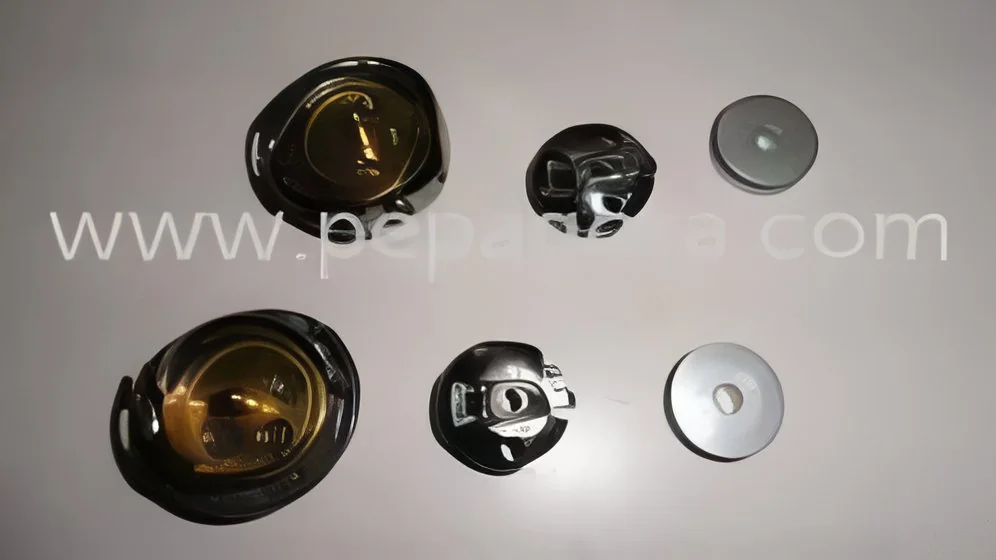
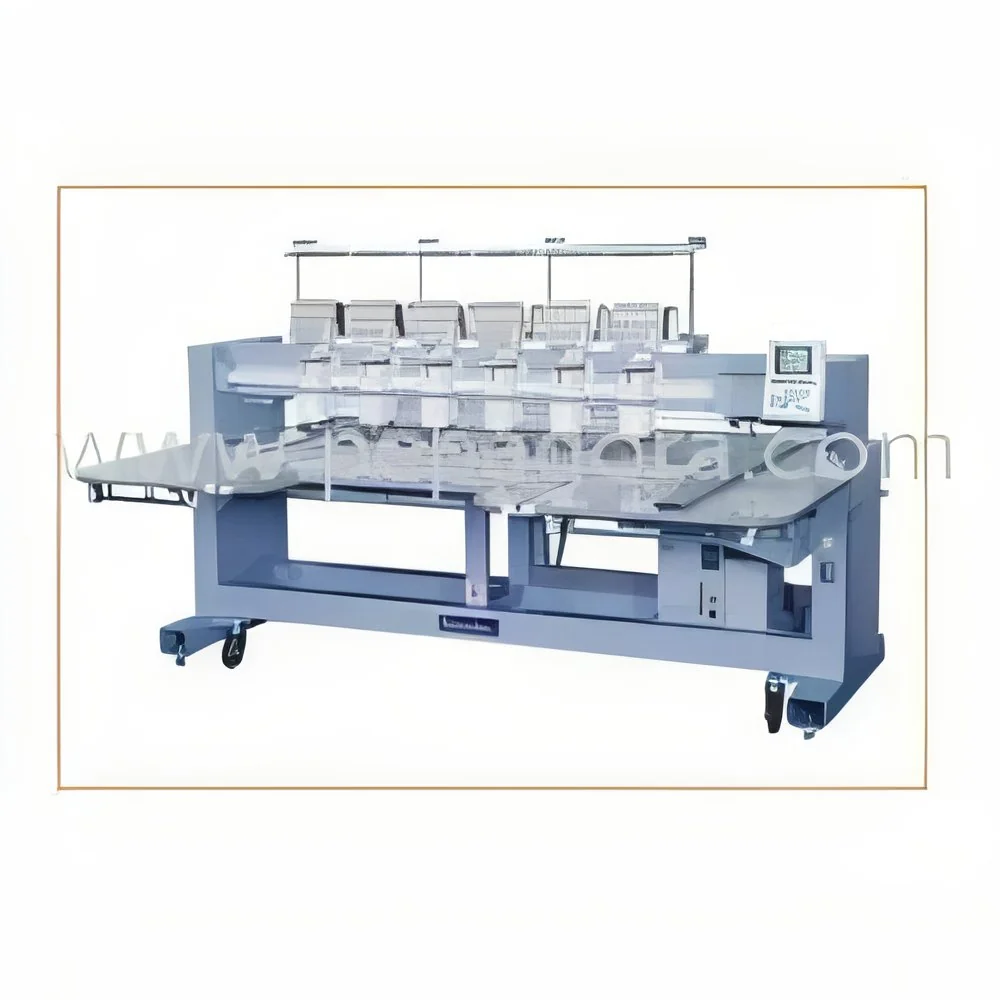
Industrial embroidery machines represent advanced automation technology specifically engineered for high-volume textile production environments. These systems combine precision engineering with operational efficiency to deliver consistent embroidery quality across diverse materials. Designed for continuous industrial use, they feature robust construction that withstands demanding production schedules while maintaining stitch accuracy and pattern integrity. The technology incorporates intelligent thread management systems and precise needle control mechanisms that adapt to different fabric types and thicknesses. This ensures reliable performance whether embroidering delicate apparel fabrics or heavier technical textiles, making these machines essential equipment for businesses requiring scalable embroidery capabilities.

Multiple industries benefit from the precision and reliability of these industrial embroidery systems. Apparel manufacturers utilize them for branding uniforms, fashion...
Industrial embroidery machines represent advanced automation technology specifically engineered for high-volume textile production environments. These systems combine precision engineering with operational efficiency to deliver consistent embroidery quality across diverse materials. Designed for continuous industrial use, they feature robust construction that withstands demanding production schedules while maintaining stitch accuracy and pattern integrity. The technology incorporates intelligent thread management systems and precise needle control mechanisms that adapt to different fabric types and thicknesses. This ensures reliable performance whether embroidering delicate apparel fabrics or heavier technical textiles, making these machines essential equipment for businesses requiring scalable embroidery capabilities.

Multiple industries benefit from the precision and reliability of these industrial embroidery systems. Apparel manufacturers utilize them for branding uniforms, fashion garments, and sportswear with consistent logo placement and design execution. Textile producers employ these machines for embellishing home decor items, upholstery fabrics, and decorative materials with intricate patterns. The promotional products sector relies on them for creating branded merchandise with professional finishing. Technical textile applications include embroidering identification marks and functional elements on industrial fabrics. Specialized production facilities use them for manufacturing embroidered patches, labels, and decorative components for various commercial applications, demonstrating their versatility across different market segments.

The business value of these industrial embroidery machines centers on their exceptional reliability and operational efficiency, delivering tangible return on investment for production-focused businesses. Their energy-efficient design reduces operational costs while maintaining high output capacity, directly impacting production economics. Durable components and robust construction minimize maintenance requirements and extend equipment lifespan, ensuring consistent performance over years of operation. The systems provide flexibility to handle diverse design complexities, from simple monograms to intricate patterns, meeting various client specifications without compromising quality. Reliable performance ensures minimal production interruptions, maintaining workflow continuity and meeting delivery schedules for commercial orders.

Key Features:
- High-speed embroidery heads designed for efficient production cycles and increased output capacity
- Robust frame construction ensuring operational stability and consistent stitch quality during extended use
- User-friendly digital interface for simplified pattern management and operational control
- Compatibility with various thread types and materials including synthetic and natural fibers
- Advanced tension control systems maintaining thread integrity across different fabric densities

Benefits:
- Increased production efficiency through high-speed operation and reduced cycle times
- Consistent embroidery quality ensuring professional results across all production batches
- Reduced operational costs through energy-efficient design and minimal maintenance requirements
- Enhanced design flexibility accommodating various pattern complexities and material types
- Extended equipment lifespan through durable construction and reliable performance components
Specifications
| Additional Information | |
|---|---|
| Country of Origin | India |
| Customisable | No |
Application
These industrial embroidery machines are engineered specifically for demanding production environments that require consistent, high-quality embroidery across various materials. They handle everything from delicate fabrics to heavy textiles with precision, maintaining stitch integrity even during extended operation cycles. The machines integrate smoothly into existing manufacturing workflows, supporting both standard and complex embroidery patterns while minimizing operational disruptions.
Built for continuous industrial use, these embroidery systems deliver reliable performance across diverse commercial applications. Their robust construction withstands the rigors of high-volume production while maintaining precise needle control for intricate designs. The technology adapts to different material thicknesses and textures, ensuring quality results whether working with apparel fabrics, technical textiles, or promotional materials. This versatility makes them suitable for both large manufacturing facilities and specialized production units.
- Apparel manufacturing: Embroidering logos, designs, and decorative elements on uniforms, fashion garments, and sportswear
- Textile production: Adding intricate patterns and embellishments to home textiles, upholstery fabrics, and decorative materials
- Promotional merchandise: Creating branded caps, bags, and accessories for marketing campaigns and retail distribution
- Technical textiles: Embroidering identification marks, serial numbers, and functional elements on industrial fabrics
- Specialized production: Manufacturing embroidered patches, labels, and decorative elements for various commercial applications
Trade Details
| Available Stock | In Stock |
| Sample Availability | No |
Payment Terms
| Payment Terms |
|
Company Profile
Iigm Pvt Ltd, Karnataka
 Karnataka, India
Karnataka, IndiaElectronics & Electrical•Trading Company
Factory Details
Factory SizeBelow 1000 sqm
Annual Production Capacity0
Industrial Embroidery Machines For High Volume Textile Production
Industrial embroidery machines deliver high-volume textile production with premium reliability and cost efficiency. Ideal for apparel, textile, and promotional industries requiring durable automation solutions for consistent embroidery output.
Min. Order Quantity: 1 unit
Shipping
Shipping fee and delivery date to be negotiated. Contact supplier now for more details.
Iigm Pvt Ltd
 Karnataka, India
Karnataka, IndiaElectronics & ElectricalTrading Company