What are Nonwoven Machines?
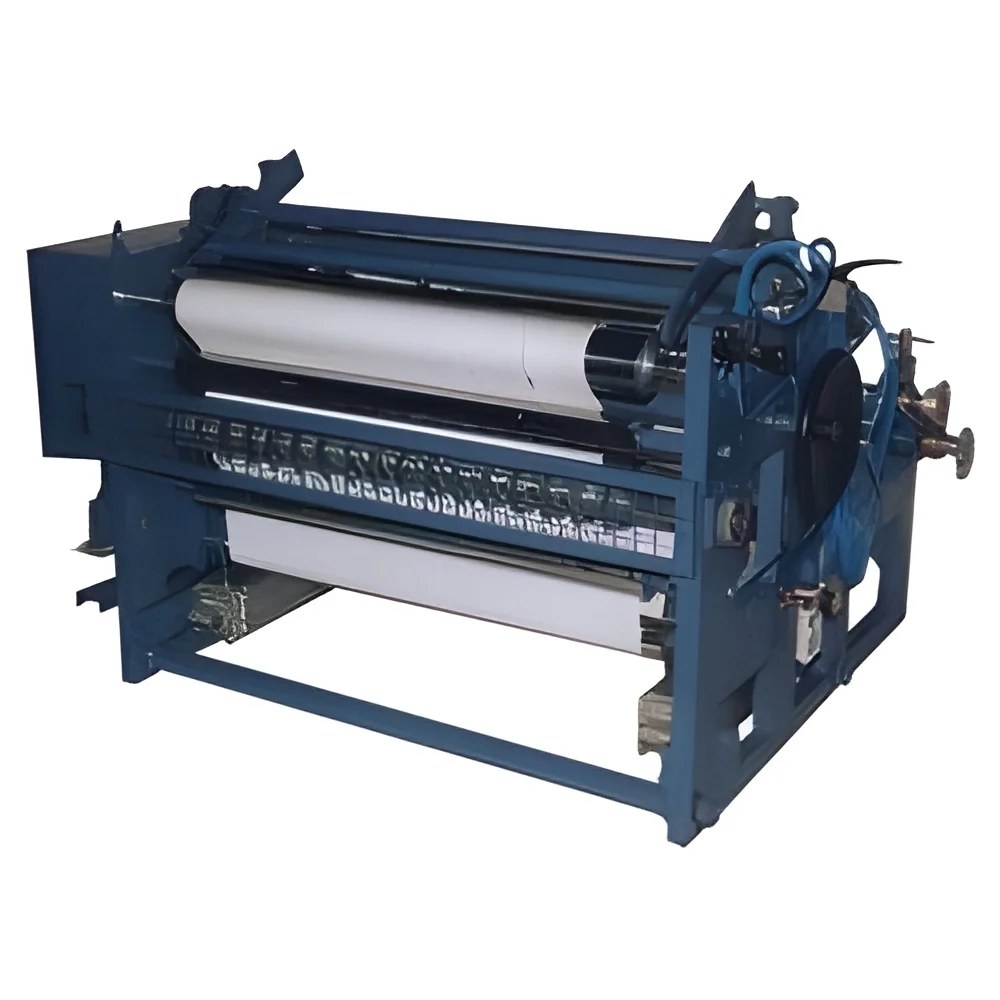
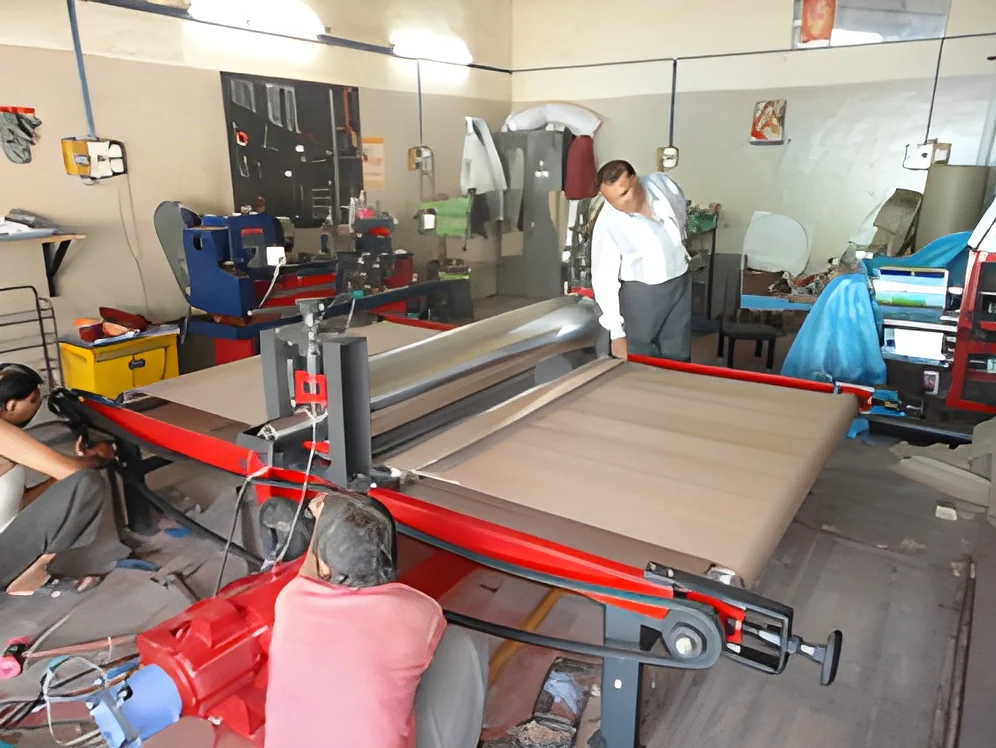
Nonwoven machines are specialized equipment designed for producing nonwoven fabrics. Unlike traditional weaving or knitting processes, nonwoven technology combines fibers through methods such as bonding, felting, or stitching to create fabric without the need for yarns. These machines can vary in complexity, from simple needle punch systems to advanced spunbond and meltblown technologies, each serving specific applications in the fabric production process.
The primary uses of nonwoven machines span various industries, including hygiene, medical, automotive, and construction. They are integral in manufacturing products like disposable diapers, surgical masks, automotive upholstery, and geotextiles. The versatility of nonwoven fabrics makes them crucial for companies looking to innovate and meet the growing demand for sustainable and efficient materials in their products.
In the current market context, the demand for nonwoven fabrics is on the rise due to increasing applications in personal protective equipment and hygiene products, especially highlighted during global health crises. As industries shift towards sustainable practices, nonwoven machines play a vital role in producing eco-friendly alternatives, positioning themselves as essential assets for manufacturers.
Key Features and Specifications
Nonwoven machines come equipped with several key features that enhance their functionality and efficiency. These specifications can vary widely depending on the type of machine and its intended use.
Key specifications include:
1. Production Capacity
- This specification indicates the amount of fabric produced within a specific timeframe.
- Typical ranges can vary from hundreds to thousands of kilograms per hour depending on the machine model.
2. Fabric Width
- This detail specifies the maximum width of the nonwoven fabric that the machine can produce.
- Common widths range from 1.6 meters to over 3 meters.
3. Fiber Types
- Nonwoven machines can handle various fiber types, including polypropylene, polyester, and biodegradable materials.
- Compatibility with fiber types often dictates the machine's versatility.
4. Process Technology
- Different machines employ specific technologies such as spunbond, meltblown, or needle punching.
- Each technology affects the fabric characteristics, such as strength and softness.
5. Automation Level
- Machines may range from fully automated to semi-automated setups.
- Higher automation levels typically improve production efficiency and reduce labor costs.
6. Energy Consumption
- This specification reflects the energy efficiency of the machines.
- Lower energy consumption rates contribute to cost savings and environmental sustainability.
7. Maintenance Requirements
- This detail indicates how often machines need servicing and the ease of maintenance.
- Machines designed for easier maintenance can reduce downtime.
8. Safety Features
- Many machines include safety mechanisms to protect operators and ensure compliance with industry standards.
- Features may involve emergency stops, safety guards, and monitoring systems.
In summary, understanding the key features and specifications of nonwoven machines is essential for manufacturers seeking to optimize production and meet market demands effectively.
Common Applications and Use Cases
Nonwoven machines serve a wide range of industries, producing fabrics for various applications that enhance product functionality.
1. Hygiene Industry: Nonwoven machines are pivotal in manufacturing hygiene products such as diapers, feminine hygiene products, and adult incontinence items. The softness and absorbency of nonwoven fabrics make them ideal for these applications.
2. Medical Sector: In the medical field, nonwoven machines produce surgical masks, gowns, and drapes. The ability to create sterile, disposable products helps maintain hygiene standards in healthcare settings.
3. Automotive Industry: Nonwoven fabrics produced by these machines are used for interior components, insulation, and soundproofing materials. Their durability and lightweight properties contribute to vehicle efficiency.
4. Construction Sector: Nonwoven machines produce geotextiles used in construction for soil stabilization and erosion control. These fabrics enhance the longevity and reliability of infrastructure projects.
5. Filtration Systems: Nonwoven fabrics made using advanced technologies are utilized in air and liquid filtration applications, providing effective barriers against contaminants.
6. Apparel and Fashion: Nonwoven machines also cater to the apparel industry, creating disposable garments and innovative fashion materials that meet unique design needs.
7. Agriculture: Nonwoven fabrics are used in agricultural applications for crop protection and weed control, aiding in sustainable farming practices.
Product Variants and Subcategories
Nonwoven machines come in various configurations to meet specific production needs.
Spunbond Nonwoven Machines
These machines use a spunbond process to create strong, lightweight fabrics. They are ideal for applications requiring durability, such as agriculture and construction.
Meltblown Nonwoven Machines
Meltblown technology produces very fine fiber materials, which are essential for filtration applications. They are commonly used in the medical and hygiene sectors for products like masks.
Needle Punch Nonwoven Machines
These machines use barbed needles to interlace fibers, creating a thick and durable fabric. They are typically used in upholstery and automotive applications.
Hydroentanglement Nonwoven Machines
This technology uses high-pressure water jets to bond fibers, resulting in soft and absorbent fabrics. They are often applied in hygiene products and medical textiles.
Benefits and Advantages
Nonwoven machines offer numerous benefits that enhance manufacturing efficiency and product quality.
1. Versatility: Nonwoven machines can produce a wide range of fabric types, accommodating different industries and applications.
2. Cost Efficiency: The production methods of nonwoven fabrics often reduce material costs and labor, leading to overall savings for manufacturers.
3. Customization: Manufacturers can tailor nonwoven fabrics to meet specific customer requirements, enhancing product appeal.
4. Sustainability: Many nonwoven machines support the use of biodegradable and recyclable materials, aligning with global sustainability goals.
5. High Production Rates: These machines are designed for efficiency, allowing for high-volume production without compromising quality.
6. Reduced Waste: Nonwoven manufacturing processes typically generate less waste compared to traditional textile production methods.
Buying Guide for B2B Buyers
When sourcing nonwoven machines, several critical factors should be considered to ensure the best purchase decision.
1. Quality Assessment: Evaluate the quality of machines by reviewing manufacturer credentials, customer feedback, and product samples. Machines that meet international standards are preferable.
2. Supplier Verification: Conduct thorough research on suppliers to verify their reliability and reputation in the industry. Check for certifications and past performance.
3. Pricing and MOQ: Consider the price range of the machines and the minimum order quantity required. Compare different suppliers to find competitive pricing while ensuring quality.
4. Delivery and Lead Times: Understand the lead times for delivery to ensure that production schedules are met. Timely delivery is crucial for maintaining operational efficiency.
5. Compliance Requirements: Be aware of any regulatory compliance needed for nonwoven production in your region. This may include safety standards and environmental regulations.
Compliance and Certifications
Nonwoven machines must adhere to various quality standards and certifications to ensure safety and performance.
ISO 9001 is a widely recognized standard that specifies requirements for a quality management system. Machines compliant with this standard demonstrate consistency in quality and customer satisfaction.
CE certification indicates that the machines meet European safety, health, and environmental protection standards. This certification is crucial for manufacturers looking to sell products in European markets.
Safety and testing requirements are vital to ensure that nonwoven machines operate safely and effectively. Regular testing and maintenance can help prevent accidents and ensure compliance with industry standards.
Regional compliance considerations may also apply, depending on the market for which the machines are intended. Buyers should be aware of local regulations that may affect machine operation and safety.
Why Source Nonwoven Machines from Pepagora?
Pepagora offers a trusted platform for sourcing nonwoven machines, providing several key advantages to buyers.
Verified Supplier Network: Pepagora connects buyers with a network of verified suppliers. This ensures that manufacturers can find reputable partners who meet their quality and compliance standards.
Streamlined RFQ Process: The platform facilitates a streamlined request for quotation (RFQ) process, allowing buyers to compare multiple offers and select the best options quickly.
Trade Assurance and Support: Pepagora provides trade assurance, protecting buyers against potential risks associated with their purchases. This support adds an extra layer of security during transactions.
Regional Coverage: With a strong presence in India, the GCC, and Southeast Asia, Pepagora offers extensive regional coverage. This allows buyers to access a diverse range of nonwoven machines tailored to their specific market needs.

 IN
IN