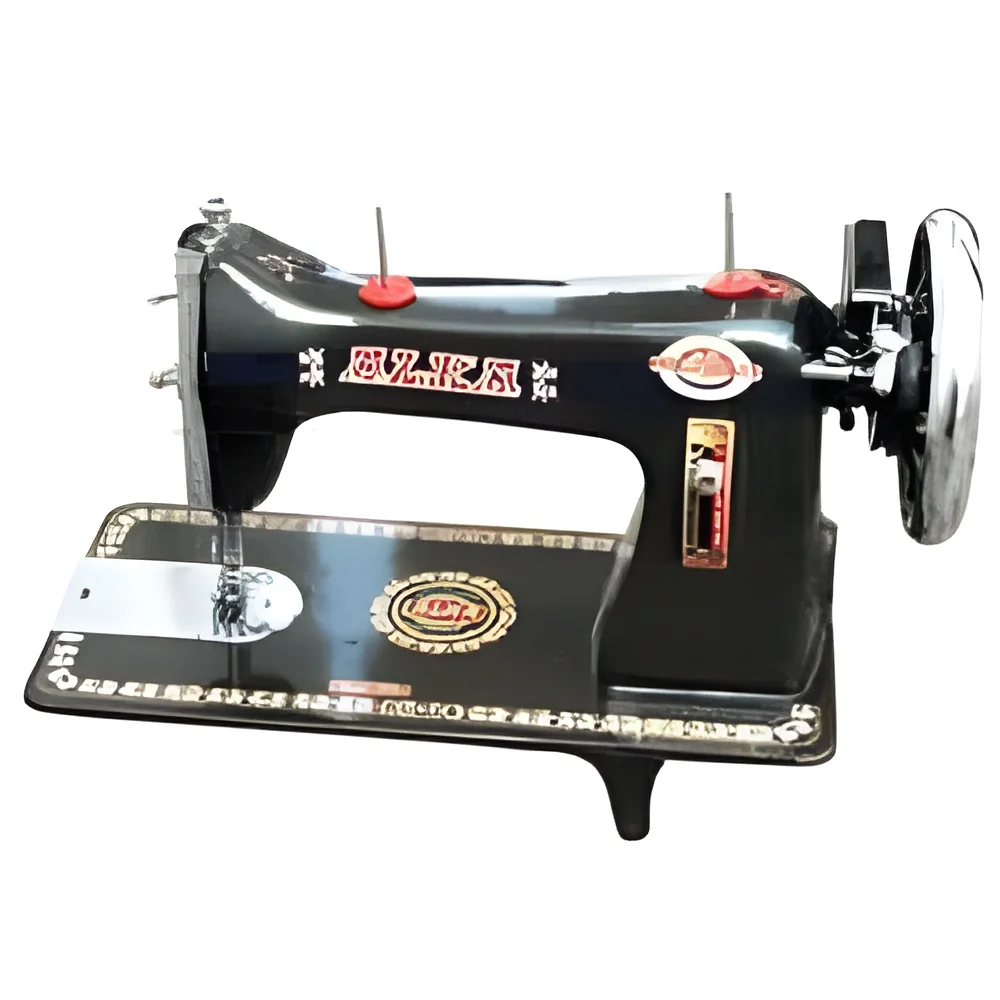
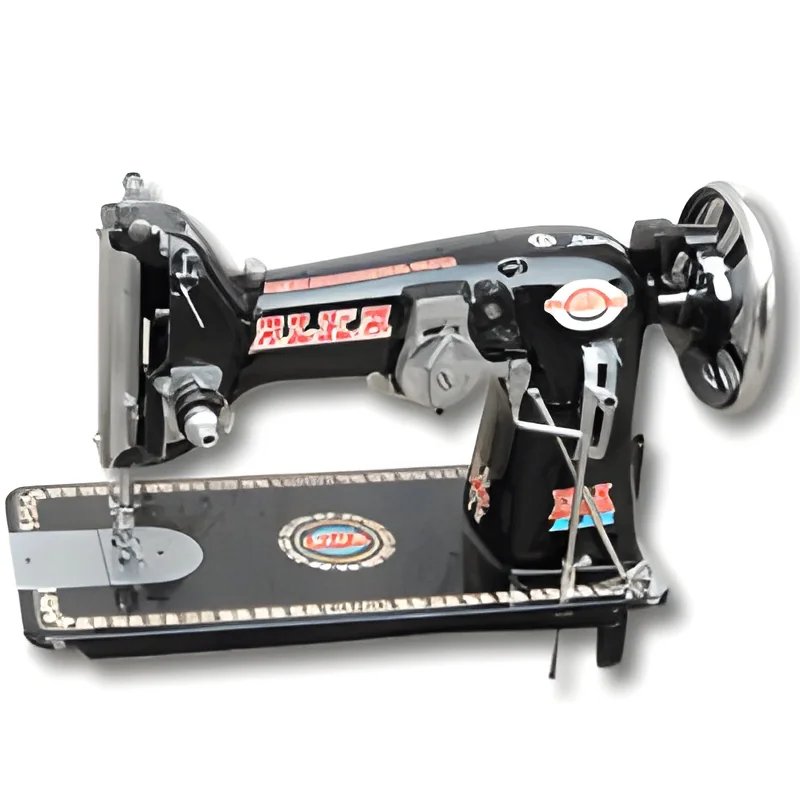
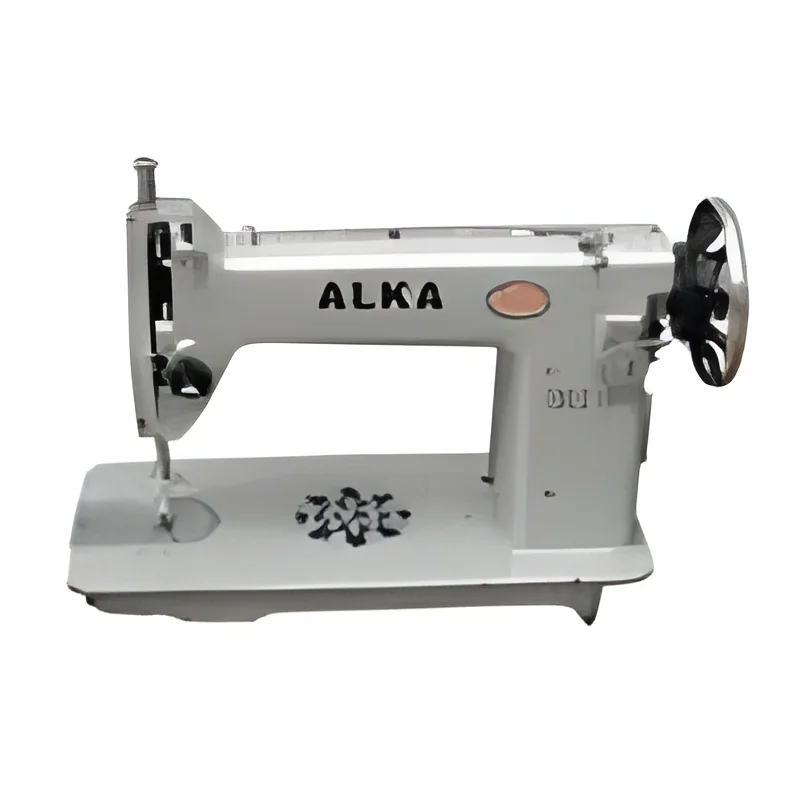
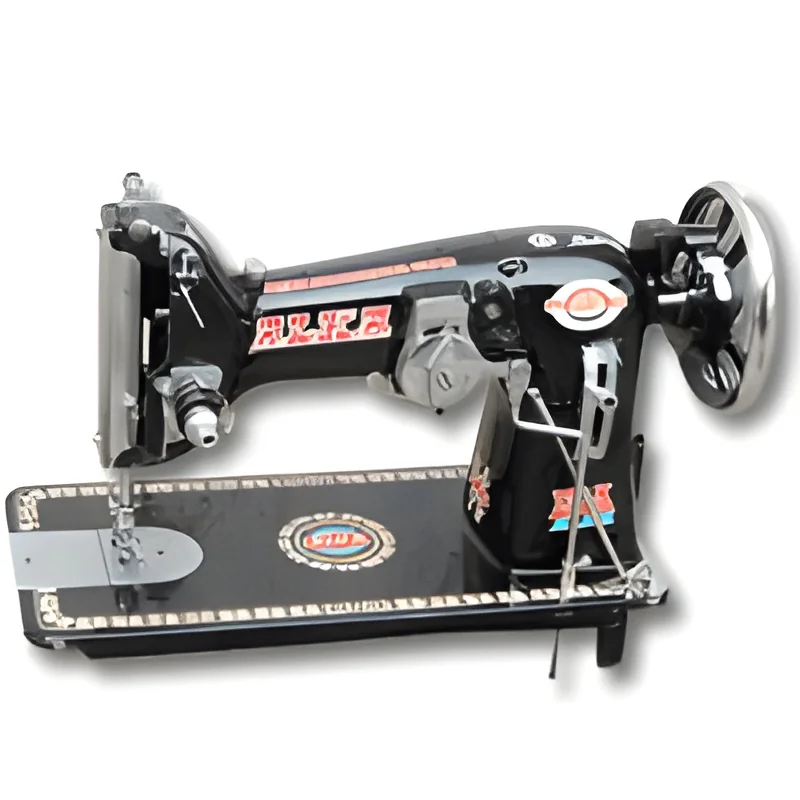
What are Quilting Machines?
Quilting machines are specialized sewing equipment designed to create quilt patterns by stitching multiple layers of fabric together. These machines can vary in size and complexity, catering to both home crafters and large-scale manufacturers. Quilting machines are equipped with features that enhance stitching efficiency, accuracy, and the overall quality of the finished product.
These machines find primary use in the textile and quilting industries, where they streamline the process of producing quilts, blankets, and other layered fabric items. Businesses use quilting machines for mass production or custom projects, allowing them to meet diverse customer demands. The significance of these machines has grown with the increasing popularity of quilting as both a hobby and a commercial venture, making them essential tools in today's fabric production landscape.
Key Features and Specifications
Quilting machines come with a variety of features that enhance their functionality and performance. Understanding these specifications is crucial for businesses looking to invest in the right equipment for their needs.
Key specifications include:
1. Stitch Speed
- The speed at which the machine can stitch, typically measured in stitches per minute (SPM).
- Common ranges are between 800 to 2000 SPM.
2. Needle Type
- The specific needle size and type compatible with the machine.
- Options include universal needles, quilting needles, and specialty needles.
3. Throat Space
- The area between the needle and the body of the machine, measured in inches.
- Standard throat spaces vary from 8 to 14 inches, impacting the size of quilts that can be accommodated.
4. Stitch Width and Length
- The adjustable width and length of stitches available on the machine.
- Widths typically range from 0 to 7 mm, while lengths can vary from 1 to 5 mm.
5. Tension Control
- A feature that allows users to adjust the tension on the thread to ensure even stitching.
- Types include manual and automatic tension control.
6. Presser Foot Types
- Different types of presser feet for various quilting techniques.
- Common types include walking feet, free motion feet, and quilting feet.
7. Built-in Patterns
- The availability of pre-programmed quilting patterns for ease of use.
- Machines may offer anywhere from a few to over 100 patterns.
8. Computerization
- The presence of a computerized system for advanced functionality.
- Features may include touch screens, pattern customization, and USB connectivity.
In summary, selecting a quilting machine with the right specifications can greatly enhance productivity and quality in quilt production.
Common Applications and Use Cases
Quilting machines are versatile tools used in various industries, catering to different production needs.
1. Textile Manufacturing: In this sector, quilting machines are used to produce a wide range of fabric products, from comforters to upholstery, ensuring high-quality stitching and durability.
2. Custom Quilting Services: Small businesses offering custom quilting services utilize these machines to create unique, personalized quilts for clients, enhancing customer satisfaction and loyalty.
3. Educational Institutions: Many schools and community centers provide quilting programs, using quilting machines to teach students the craft of quilting while promoting creativity.
4. Fashion Industry: Designers incorporate quilting techniques into garments and accessories, utilizing machines to create intricate patterns and textures.
5. Home Décor: Quilting machines enable manufacturers to produce a variety of home décor items, such as decorative pillows and wall hangings, combining artistry with functionality.
6. Craftsmanship and Hobbies: Hobbyists and crafters employ quilting machines for personal projects, allowing them to explore creativity and produce handmade items.
7. Non-Profit Organizations: Many non-profits use quilting machines for social causes, creating quilts for donation to shelters or for fundraising events.
Product Variants and Subcategories
Quilting machines come in various forms, each designed to meet specific user needs.
Heavy-Duty Quilting Machines
These machines are engineered for high-volume production and can handle thick layers of fabric. They are ideal for businesses focusing on large-scale quilt manufacturing.
Portable Quilting Machines
Designed for ease of transport, these machines are lightweight and compact. They cater to hobbyists and those who attend quilting workshops or classes.
Commercial Quilting Machines
These are high-performance machines intended for industrial use. They offer advanced features and automation for businesses needing to produce quilts at scale.
Longarm Quilting Machines
These specialized machines have extended throat space and are used for larger quilting projects. They are popular among professional quilters for their speed and precision.
Benefits and Advantages
Investing in quilting machines provides numerous advantages for businesses and individual users alike.
1. Increased Efficiency: Quilting machines enhance production speed, allowing businesses to meet tighter deadlines and increase output.
2. Consistent Quality: Automated stitching ensures uniformity in the final product, reducing human error and enhancing the overall quality of quilts.
3. Versatility: With various features and settings, quilting machines can handle different types of fabrics and techniques, making them suitable for diverse projects.
4. Cost-Effectiveness: While the initial investment may be significant, the long-term savings in labor and material costs make quilting machines a wise choice for production.
5. Enhanced Creativity: Many machines come with built-in patterns and customization options, allowing users to explore creative designs effortlessly.
6. User-Friendly Features: Modern quilting machines often include intuitive controls and digital interfaces, making them accessible for users of all skill levels.
Buying Guide for B2B Buyers
When sourcing quilting machines, it is essential to consider several key factors to ensure a successful purchase.
1. Quality Assessment: Examine the build quality and performance of the machine. Look for reliable brands with a history of producing durable equipment that meets industry standards.
2. Supplier Verification: Vet potential suppliers by checking their credentials, customer reviews, and track record in the market. Ensure they have a reputation for delivering quality products.
3. Pricing and MOQ: Understand the pricing structure and minimum order quantities (MOQ) to ensure they align with your budget and operational needs. Consider negotiating terms for bulk orders.
4. Delivery and Lead Times: Confirm the expected delivery dates and lead times for orders. Reliable logistics are crucial to maintaining production schedules.
5. Compliance Requirements: Research any regulatory requirements or compliance standards relevant to your industry, ensuring the machines meet necessary certifications.
Compliance and Certifications
Quilting machines must adhere to various quality and safety standards essential for reliable operation. Many manufacturers pursue certifications such as ISO 9001, which indicates a commitment to quality management systems. This certification helps businesses ensure that their quilting machines are produced consistently and meet customer expectations.
Industry certifications, such as CE marking, are also crucial for machines sold in regions requiring compliance with safety and environmental regulations. This marking indicates that the product meets European safety standards, providing assurance to buyers.
Safety and testing requirements are vital in the manufacturing process to mitigate risks associated with machine operation. Regular inspections and adherence to safety protocols can prevent accidents and injuries.
Additionally, it is essential to consider regional compliance issues, as regulations may vary significantly based on location. Understanding these requirements will help manufacturers and suppliers navigate the complexities of international trade.
Why Source Quilting Machines from Pepagora?
Pepagora provides a trusted platform for sourcing quilting machines, offering several key advantages for B2B buyers.
Verified Supplier Network: Our platform features a network of verified suppliers who have undergone a rigorous vetting process. This ensures buyers can trust the quality and reliability of the products offered.
Streamlined RFQ Process: Pepagora simplifies the request for quotation (RFQ) process, allowing buyers to easily compare offers from multiple suppliers. This efficiency saves time and helps make informed purchasing decisions.
Trade Assurance and Support: We prioritize buyer protection through our trade assurance policies. This commitment ensures that transactions are secure and that buyers receive the quality products they expect.
Regional Coverage: Pepagora has a strong presence in India, the GCC, and Southeast Asia, providing access to a wide range of suppliers and products. This regional focus helps buyers find the right machines to suit their specific needs and preferences.

 IN
IN