What are Nonwoven Machinery?
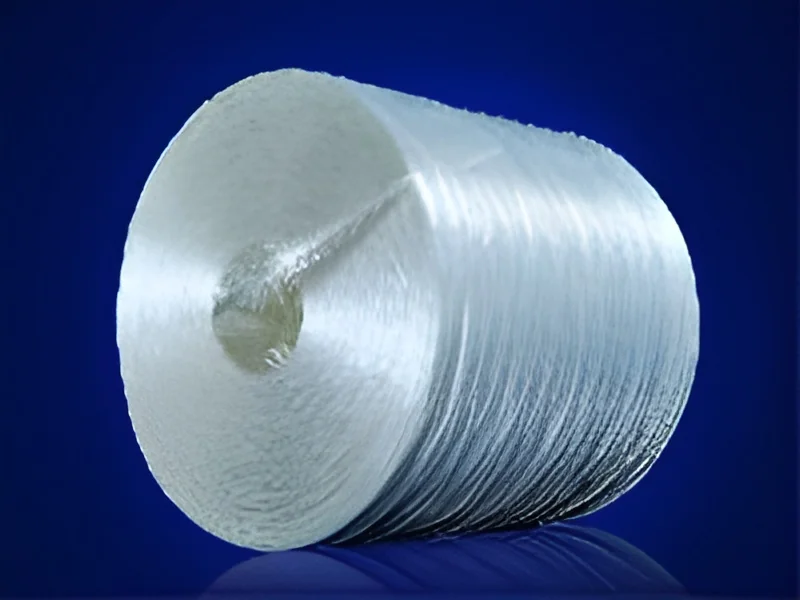
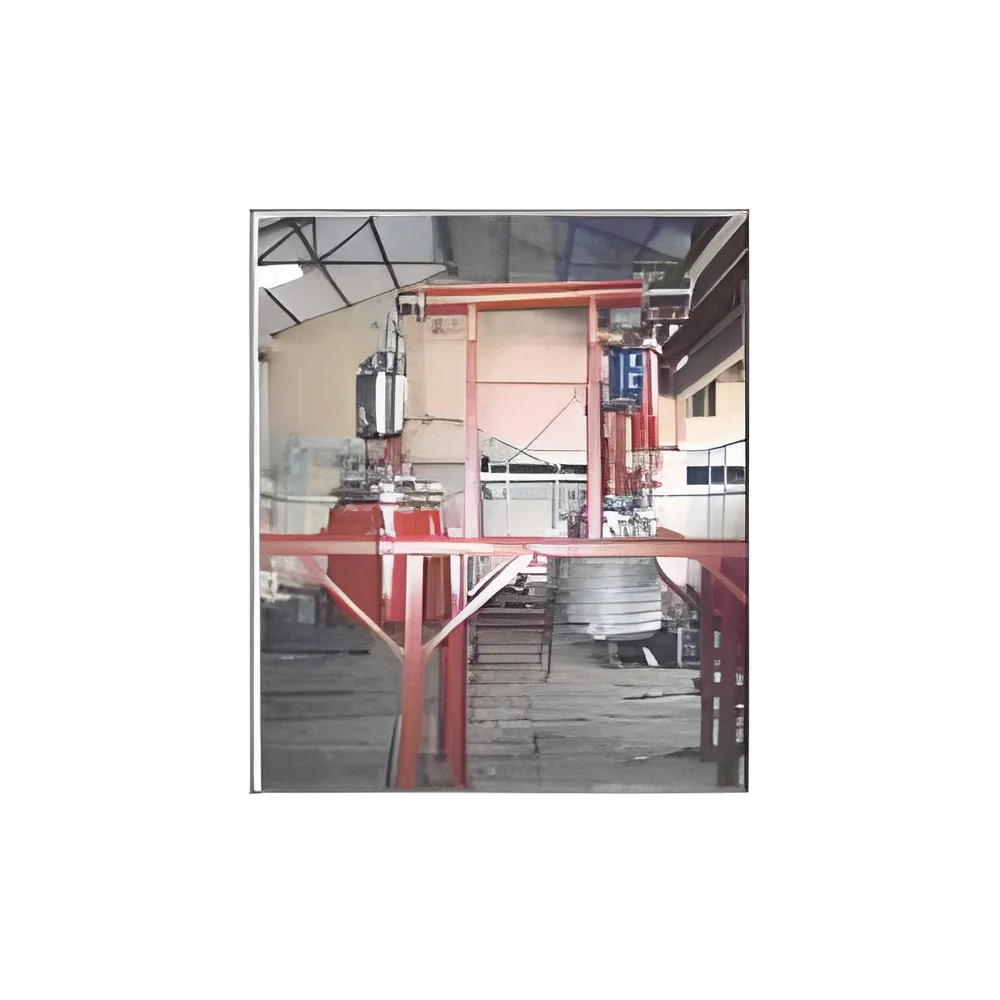
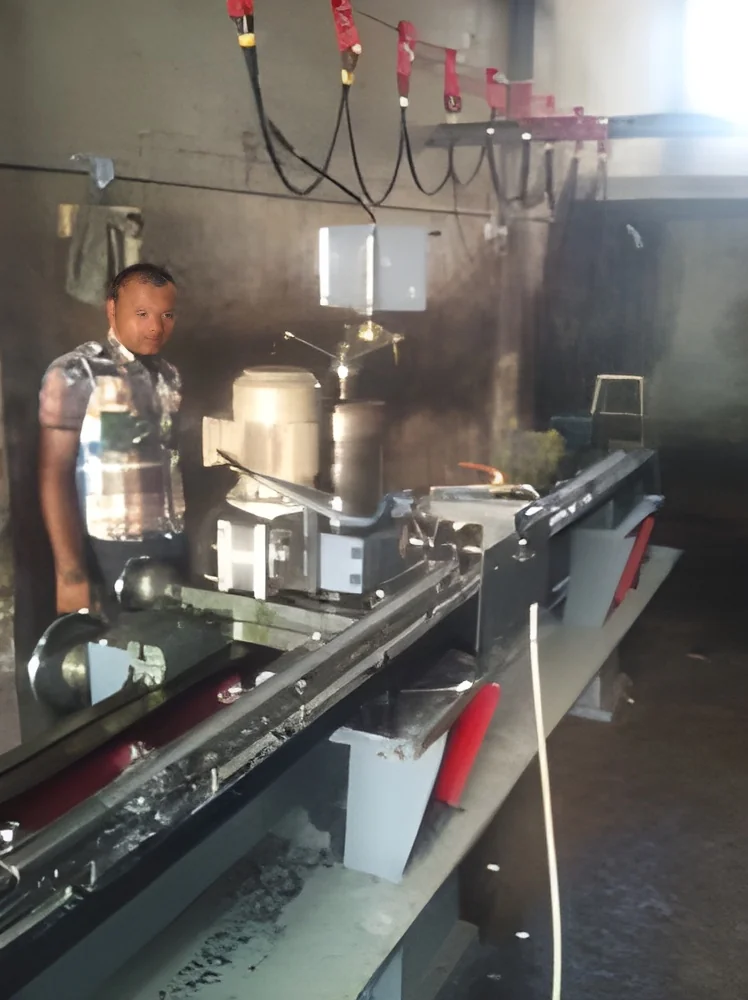
Nonwoven machinery refers to the equipment used in the production of nonwoven fabrics. These fabrics are created by bonding fibers together through mechanical, thermal, or chemical processes, bypassing the traditional weaving or knitting methods. Nonwoven fabrics are characterized by their versatility, durability, and cost-effectiveness, making them suitable for a wide array of applications.
The primary uses of nonwoven machinery span several industries, including medical, automotive, and textile sectors. In the medical field, nonwoven fabrics are often utilized for surgical gowns, masks, and hygiene products. In the automotive industry, they serve as soundproofing materials and insulation. Textiles use nonwoven technology for products like geotextiles and disposable items. As the demand for sustainable and efficient materials grows, nonwoven machinery continues to hold significant relevance in the market.
Key Features and Specifications
Nonwoven machinery is designed to meet various production needs and specifications. The following key features ensure efficiency and quality in the manufacturing process.
Key specifications include:
1. Production Capacity
- This specification refers to the volume of fabric produced within a given timeframe.
- Ranges can vary significantly based on machine type, from small-scale to high-capacity industrial machines.
2. Fiber Type Compatibility
- Nonwoven machinery can accommodate various fiber types, including synthetic and natural fibers.
- This flexibility allows for tailored fabric characteristics.
3. Bonding Method
- Different machines utilize various bonding techniques such as thermal bonding, chemical bonding, or mechanical bonding.
- Each method impacts the final product's properties.
4. Control Systems
- Advanced control systems offer monitoring and automation capabilities.
- Features may include temperature control, speed regulation, and efficiency tracking.
5. Machine Dimensions
- Overall dimensions of the machinery impact the layout of the production facility.
- Compact machines are available for limited spaces.
6. Maintenance Requirements
- Regular maintenance specifications ensure prolonged machine life and consistent output quality.
- Maintenance schedules are typically outlined in the user manual.
7. Customization Options
- Options for customization enable specific requirements to be met.
- This includes adjustments for different fabric thicknesses or patterns.
In summary, the specifications of nonwoven machinery are crucial for optimizing production efficiency and product quality.
Common Applications and Use Cases
Nonwoven machinery finds its place in numerous industries, each benefiting from the unique properties of nonwoven fabrics.
1. Medical: Nonwoven fabrics are used for surgical gowns, masks, and disposable bed linens, ensuring hygiene and protection in healthcare settings.
2. Automotive: In this sector, nonwoven materials contribute to sound insulation, filtration, and interior linings, enhancing vehicle performance and comfort.
3. Textiles: Nonwoven products are prevalent in the production of geotextiles, disposable items, and industrial wipes, showcasing their versatility.
4. Filtration: Nonwoven fabrics are employed in air and liquid filtration systems, providing efficient and effective filtration solutions.
5. Agriculture: Nonwoven materials serve as weed control fabrics, crop covers, and plant protection products, promoting healthy crop growth.
6. Packaging: Nonwoven fabrics are also used in packaging solutions, offering lightweight and protective options for various goods.
7. Hygiene: Products like adult incontinence pads and feminine hygiene products rely on nonwoven technology for comfort and absorbency.
Product Variants and Subcategories
Nonwoven machinery encompasses a range of variants tailored to different production needs and applications.
Spunbond Nonwoven Machinery
This variant is designed for producing spunbond nonwoven fabrics, which are characterized by their strength and durability. They are commonly used in hygiene products, medical applications, and agricultural covers.
Meltblown Nonwoven Machinery
This type specializes in creating meltblown nonwovens, known for their filtration efficiency. Ideal for applications in masks and high-filtration products, this machinery offers advanced capabilities for producing fine fiber structures.
Needle Punch Nonwoven Machinery
Needle punch machines are used to create nonwoven fabrics through mechanical bonding. They are particularly effective for producing carpets, geotextiles, and insulation materials.
Benefits and Advantages
Investing in nonwoven machinery offers several key benefits for businesses.
1. Cost Efficiency: Nonwoven production often requires less labor and time, resulting in lower operational costs compared to traditional fabric manufacturing methods.
2. Versatility: Nonwoven fabrics can be manufactured for a wide range of applications, from medical to industrial, providing businesses with diverse product offerings.
3. Sustainability: Nonwoven technology allows for the use of recycled materials, supporting eco-friendly practices and appealing to environmentally conscious consumers.
4. Customization: Many machines offer options for customization, allowing businesses to meet specific market demands and improve product differentiation.
5. High Performance: Nonwoven fabrics exhibit superior strength, absorbency, and filtration capabilities, making them suitable for high-demand applications.
6. Quick Production Turnaround: Nonwoven machinery typically enables rapid production, assisting businesses in meeting tight deadlines and market demands.
Buying Guide for B2B Buyers
When sourcing nonwoven machinery, several factors should be considered to ensure a suitable investment.
1. Quality Assessment: Evaluate the build quality, performance metrics, and production reliability of the machinery. Look for reviews and case studies from existing users.
2. Supplier Verification: Conduct thorough research on potential suppliers. Check their reputation in the market and request references to ensure they meet quality standards.
3. Pricing and MOQ: Understand the pricing structures and minimum order quantities. Compare costs across different suppliers to identify the best value for your investment.
4. Delivery and Lead Times: Factor in logistics and delivery times when making your decision. Ensure the supplier can meet your production schedule.
5. Compliance Requirements: Verify that the machinery meets necessary regulatory standards and industry certifications. This is vital for ensuring product quality and safety.
Compliance and Certifications
Compliance and certifications are crucial for nonwoven machinery to ensure quality and safety standards are met.
Relevant quality standards, such as ISO 9001, help ensure that manufacturing processes are efficient and consistent. Adhering to these standards can enhance product quality and customer satisfaction.
Industry certifications, including CE marking, signify that products meet European safety and environmental protection standards. This is particularly important for machinery used in regulated industries like healthcare.
Safety and testing requirements are essential for minimizing risks during production. Regular maintenance and adherence to safety protocols safeguard operators and machinery alike.
Regional compliance considerations may vary, so businesses should be aware of local regulations that govern nonwoven fabric production and machinery.
Why Source Nonwoven Machinery from Pepagora?
Pepagora offers a reliable platform for sourcing nonwoven machinery with numerous advantages that appeal to B2B buyers.
The verified supplier network ensures that buyers can connect with reputable manufacturers and suppliers. This reduces the risk of partnering with unreliable sources and enhances trust in the procurement process.
The streamlined RFQ process simplifies the quotation system, allowing buyers to easily request and compare offers from multiple suppliers. This efficiency helps businesses make informed decisions quickly.
Trade assurance and support provide an added layer of security for buyers. Pepagora's platform assists in protecting transactions, ensuring that buyers receive what they expect.
Finally, Pepagora's regional coverage extends across India, the GCC, and Southeast Asia, enabling businesses to access a broad market while catering to local needs. This geographical reach enhances opportunities for partnership and growth in the nonwoven machinery sector.

 IN
IN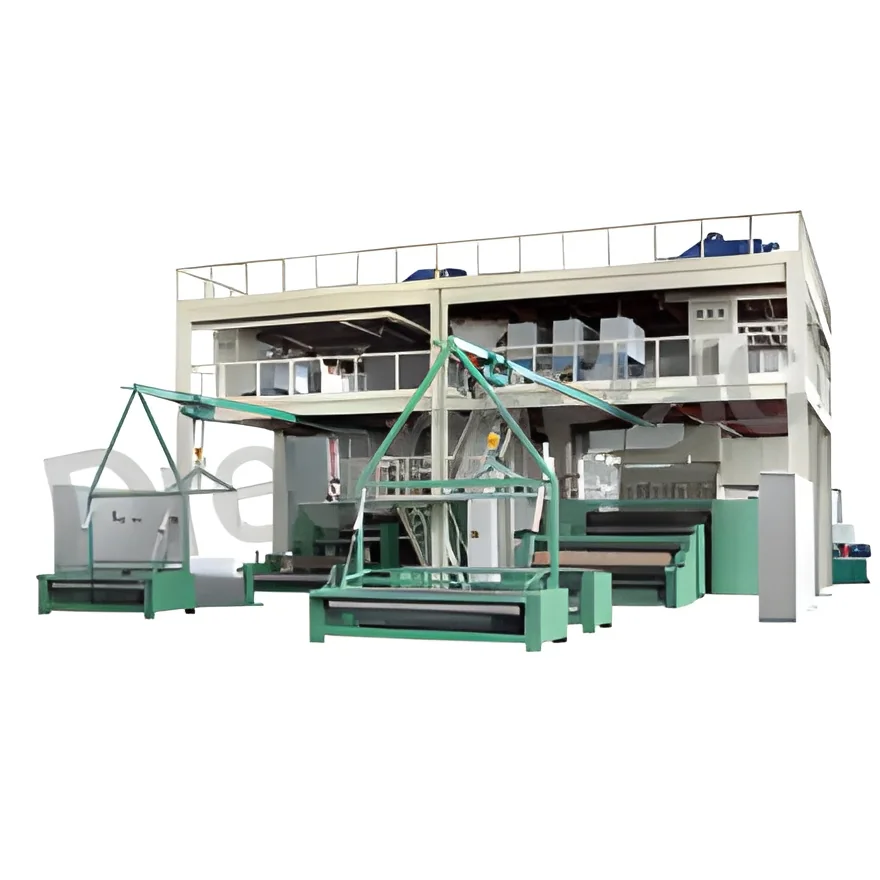

.webp)