What are Soft Flow Dyeing Equipment?
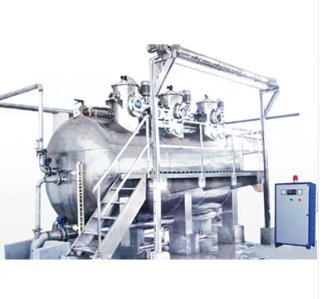
Soft Flow Dyeing Equipment is a type of textile processing machinery designed for dyeing fabrics in a gentle and efficient manner. This equipment uses a unique method that allows for the continuous flow of dye liquor, which results in uniform dyeing without damaging the fabric. The soft flow technique is particularly beneficial for delicate fabrics, providing high-quality results while minimizing water and energy consumption.
These machines are primarily used in the textile industry, specifically for dyeing woven and knitted fabrics. They are suitable for various materials, including cotton, polyester, and blends. Soft flow dyeing is popular among manufacturers looking to enhance the quality of their products and reduce waste, making it an essential tool in the competitive textile market.
As the textile industry faces increasing pressure to adopt sustainable practices, soft flow dyeing equipment is becoming more relevant. This technology not only meets the demands for high-quality dyeing but also aligns with eco-friendly initiatives by reducing water usage and chemical waste. The growing market for sustainable textiles further highlights the importance of soft flow dyeing in modern manufacturing.
Key Features and Specifications
Soft flow dyeing equipment is characterized by several key features that contribute to its efficiency and effectiveness. These machines are designed to handle a variety of fabrics while ensuring optimal dye penetration and color consistency.
Key specifications include:
1. Capacity
- Common capacities range from 100 kg to 2000 kg per batch.
- Suitable for small to large-scale operations.
2. Operating Temperature
- Typically operates within a temperature range of 30°C to 100°C.
- Adjustable settings for different dyeing processes.
3. Water Consumption
- Low water usage compared to traditional dyeing methods.
- Approximately 50% less water required, promoting sustainability.
4. Chemical Usage
- Designed to minimize chemical waste.
- Compatible with a range of eco-friendly dyes.
5. Automation Level
- Available in fully automated and semi-automated models.
- Enhanced control for consistent results.
6. Design
- Compact designs available for space-saving.
- User-friendly interfaces for easy operation.
7. Energy Efficiency
- Incorporates energy-saving features.
- Reduced energy consumption during operation.
In summary, soft flow dyeing equipment combines advanced technology with eco-friendly practices, making it an ideal choice for textile manufacturers aiming to improve quality while reducing environmental impact.
Common Applications and Use Cases
Soft flow dyeing equipment serves various industries with its versatility and efficiency.
1. Textile Manufacturing: Used predominantly for dyeing cotton, polyester, and blended fabrics. It ensures even color distribution and high-quality finishes.
2. Fashion Industry: Ideal for dyeing unique patterns and colors for garments. This equipment caters to fashion brands looking for innovative and sustainable production methods.
3. Home Textiles: Employed in dyeing bed linens, curtains, and upholstery fabrics. It provides the necessary quality and durability for home textile products.
4. Sportswear: Suitable for dyeing performance fabrics used in activewear. It helps maintain the integrity of the fabric while achieving vibrant colors.
5. Industrial Textiles: Used for dyeing technical textiles required in automotive and protective gear. The equipment meets specific industry standards for durability and performance.
6. Eco-Friendly Textiles: Increasingly used by manufacturers focusing on sustainable products. The low water and chemical usage align with green production goals.
7. Specialty Fabrics: Effective for dyeing delicate or specialized fabrics that require careful handling. It ensures that the fabric's quality is preserved during the dyeing process.
Product Variants and Subcategories
Soft flow dyeing equipment comes in various models to cater to diverse needs within the textile industry. Each variant offers unique features tailored for specific applications.
Standard Model
This model is designed for general-purpose dyeing, suitable for a wide range of fabrics. It offers reliable performance and is ideal for small to medium-sized textile operations.
High-Capacity Model
Designed for industrial-scale operations, this variant features larger batch capacities. It is perfect for manufacturers requiring high throughput without compromising quality.
Automated Model
Equipped with advanced automation features, this model enhances precision and consistency. It is suitable for businesses looking to streamline their production processes.
Benefits and Advantages
Soft flow dyeing equipment offers several benefits that make it a preferred choice for textile manufacturers.
1. Improved Fabric Quality: The gentle dyeing process minimizes damage to delicate fabrics, ensuring high-quality end products.
2. Reduced Water Usage: This equipment operates with significantly lower water consumption, promoting sustainable practices in the textile industry.
3. Lower Chemical Waste: By minimizing the use of chemicals, soft flow dyeing equipment supports eco-friendly production methods.
4. Energy Efficiency: Many models are designed to consume less energy, reducing operational costs and environmental impact.
5. Versatility: Capable of dyeing various types of fabrics, making it a flexible solution for manufacturers.
6. Consistency and Precision: Advanced technology ensures uniform dyeing results, enhancing overall product quality.
Buying Guide for B2B Buyers
When sourcing soft flow dyeing equipment, it is essential for buyers to consider various factors to ensure they make informed decisions.
1. Quality Assessment: Evaluate the quality of the equipment by reviewing manufacturer specifications and customer feedback. Look for machines that meet industry standards.
2. Supplier Verification: Research and vet suppliers to ensure they have a reputation for reliability and quality. Check for certifications and previous client testimonials.
3. Pricing and MOQ: Analyze the pricing structure and minimum order quantities. Compare costs across different suppliers to find a competitive deal without compromising quality.
4. Delivery and Lead Times: Confirm the expected delivery times and logistics arrangements. Understand lead times to plan production schedules effectively.
5. Compliance Requirements: Ensure that the equipment complies with relevant industry regulations and standards, including safety and environmental considerations.
Compliance and Certifications
Soft flow dyeing equipment must adhere to various compliance standards and certifications to ensure quality and safety in operations.
ISO 9001: This standard focuses on quality management systems, ensuring that manufacturers consistently meet customer requirements.
CE Certification: Compliance with European safety standards is crucial for equipment sold in the European market. The CE mark indicates that the equipment meets these essential safety requirements.
Safety and Testing Requirements: Equipment must undergo rigorous testing to ensure it operates safely and effectively. This includes evaluation of mechanical parts and operational safety features.
Regional Compliance Considerations: Depending on the geographical market, specific regulations may apply. Buyers should be aware of local laws regarding textile manufacturing to ensure compliance.
Why Source Soft Flow Dyeing Equipment from Pepagora?
Pepagora provides a trusted platform for sourcing soft flow dyeing equipment, featuring several key advantages that benefit B2B buyers.
Verified Supplier Network: Pepagora connects buyers with a network of verified suppliers, ensuring that manufacturers meet quality and reliability standards. This reduces the risk of sourcing subpar equipment.
Streamlined RFQ Process: The platform simplifies the request for quotation process, allowing buyers to easily compare multiple suppliers. This efficiency saves time and helps identify the best offers.
Trade Assurance and Support: Pepagora offers trade assurance, providing buyers with protection during transactions. Support teams are available to assist with inquiries and resolve any issues that may arise.
Regional Coverage: With a focus on markets in India, the GCC, and Southeast Asia, Pepagora ensures that buyers have access to a diverse range of suppliers and products tailored to regional needs.
In conclusion, sourcing soft flow dyeing equipment through Pepagora offers a comprehensive and secure approach for B2B buyers seeking quality textile machinery.

 IN
IN