
 IN
Weaving Machines
9 products available
What are Weaving Machines?
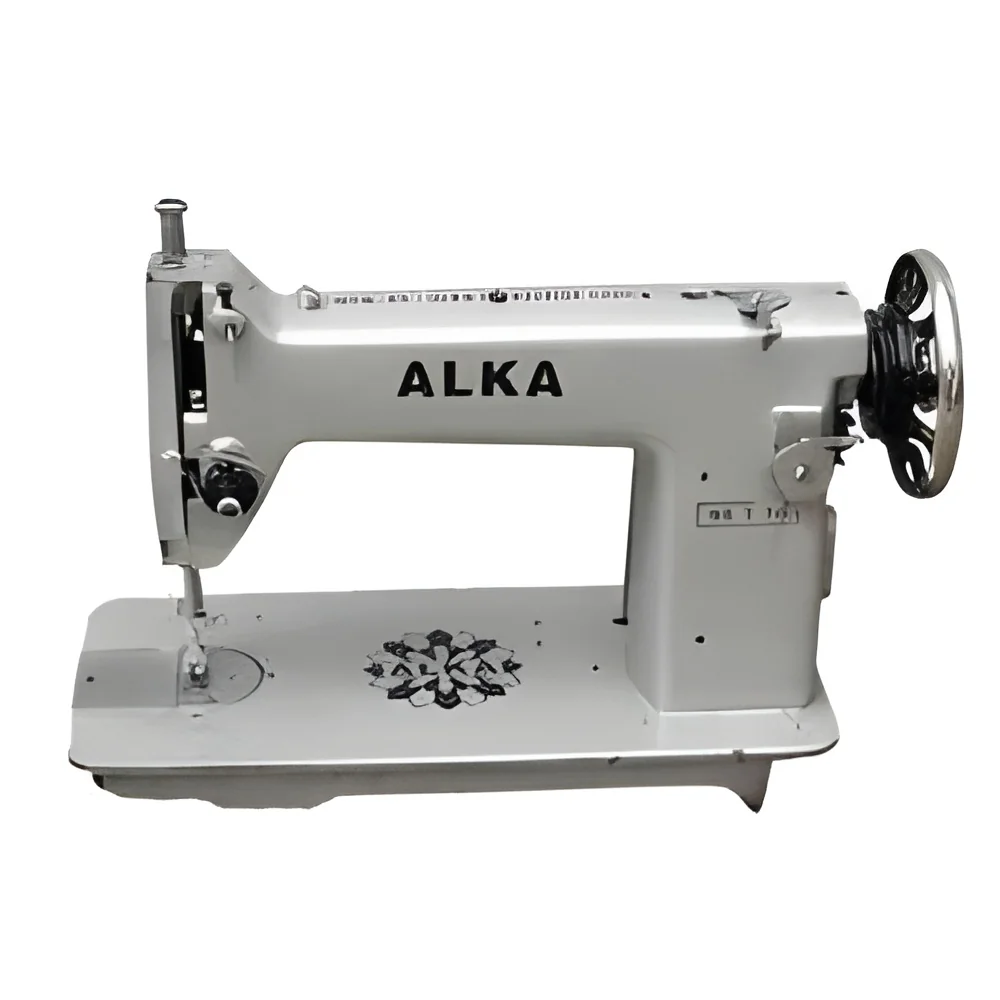
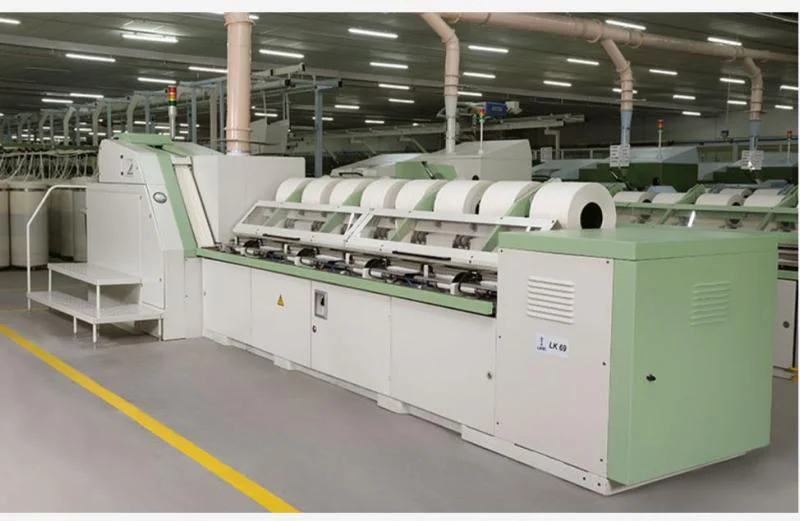
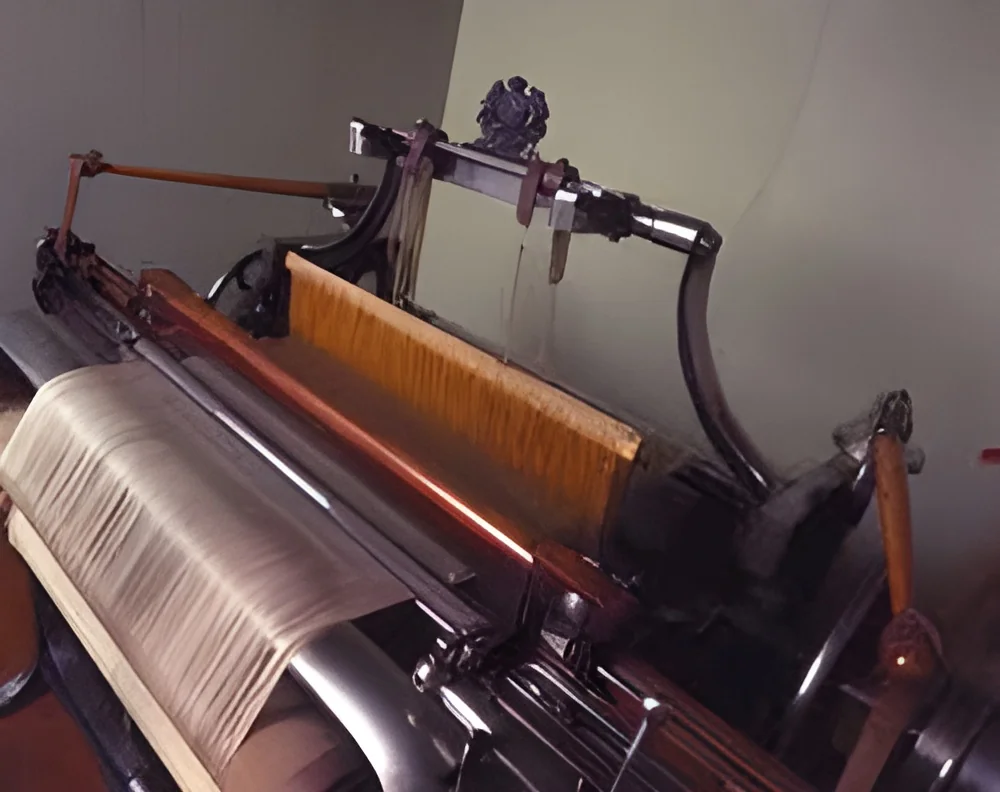
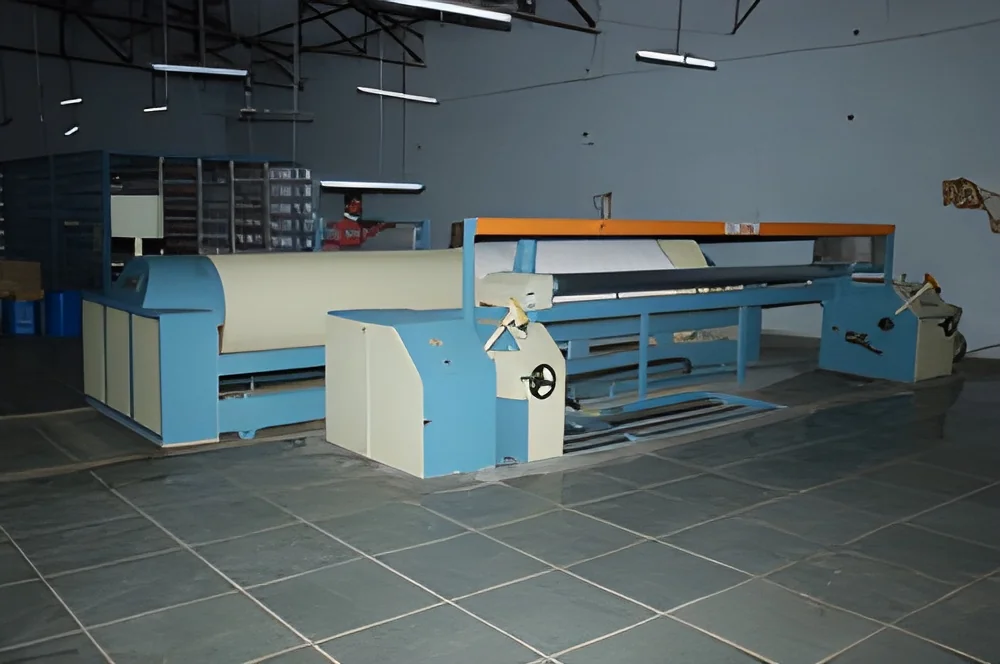
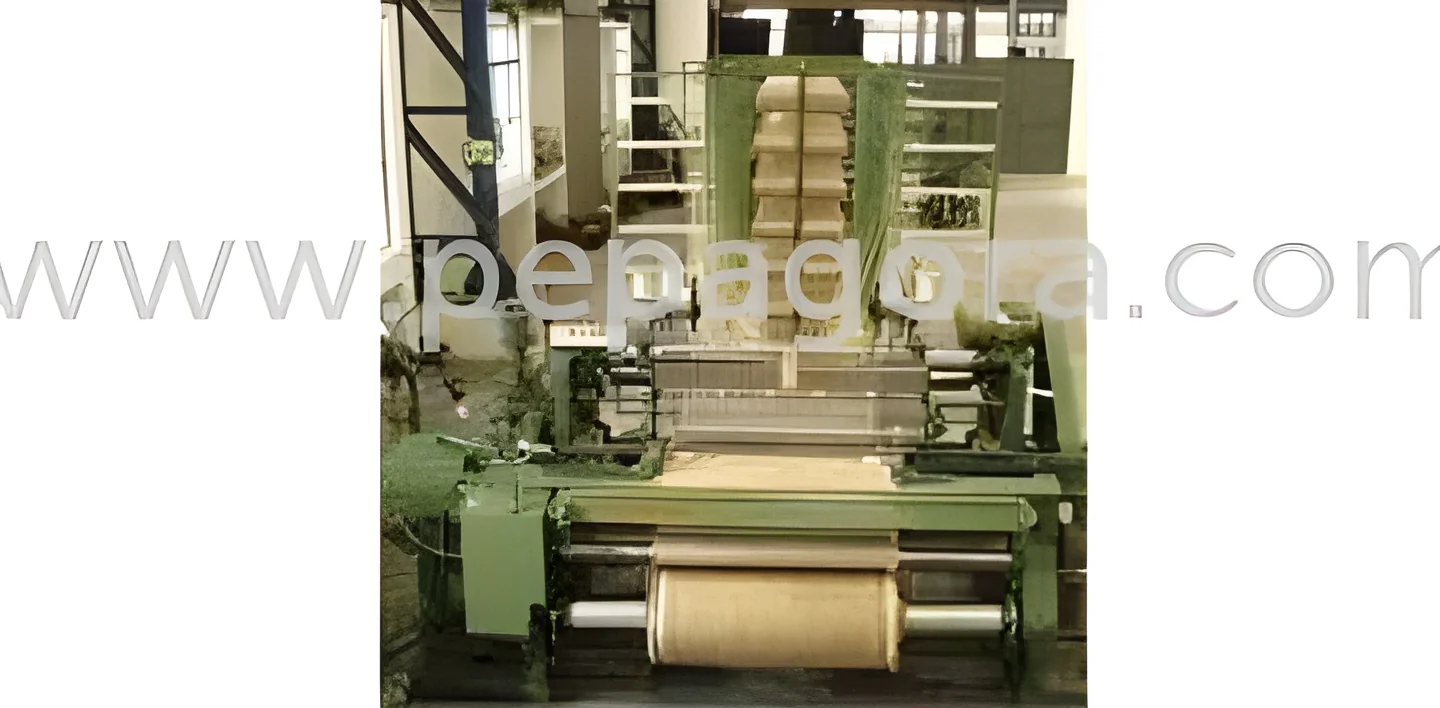
Weaving machines are industrial devices used to create fabric by interlacing threads, known as yarns, at right angles. They play a crucial role in the textile industry by transforming raw materials into finished textile products. Weaving machines vary in complexity and capability, accommodating different types of yarns and fabrics. These machines can be broadly classified into various categories, including shuttle looms, rapier looms, and air-jet looms, among others.
The primary uses of weaving machines extend across multiple industries, including apparel manufacturing, upholstery production, and technical textiles. Businesses utilize these machines to produce a wide array of woven fabrics, ranging from simple cotton textiles to complex synthetic materials used in specialized applications such as automotive and aerospace. The relevance of weaving machines in today’s market is significant, as they are essential for meeting the growing demand for high-quality fabrics in a competitive landscape.
Key Features and Specifications
Weaving machines are equipped with several key features that enhance their performance and versatility. Understanding these specifications is crucial for businesses looking to invest in such equipment.
Key specifications include:
1. Loom Type
- Different types of looms include shuttle, rapier, air-jet, and water-jet.
- Each type has specific applications and operational efficiencies.
2. Maximum Weaving Width
- This specification indicates the maximum width of fabric that can be produced.
- Ranges typically vary from 1.5 meters to over 3 meters depending on the machine.
3. Production Speed
- Measured in meters per minute, this indicates how fast the machine can weave fabric.
- Speeds can range from 100 to 1500 meters per minute based on machine type.
4. Yarn Compatibility
- Weaving machines can handle various yarn types such as cotton, polyester, and blends.
- Some machines are optimized for specific yarn characteristics.
5. Control Systems
- Modern weaving machines often feature computerized control systems for precision.
- Advanced systems allow for pattern programming and adjustments on the fly.
6. Energy Consumption
- Efficiency ratings indicate how much energy the machine uses during operation.
- Lower energy consumption improves operating costs for businesses.
7. Maintenance Requirements
- Specifications on maintenance frequency and ease of service are crucial for long-term operation.
- Machines with lower maintenance needs can reduce downtime.
In summary, understanding the key features and specifications of weaving machines is essential for making informed purchasing decisions. Businesses must consider these elements in conjunction with their specific manufacturing needs.
Common Applications and Use Cases
Weaving machines find their applications across various industries, reflecting their versatility and importance in fabric production.
1. Apparel Industry: Weaving machines are essential in producing fabrics for garments, ranging from casual wear to high-fashion textiles.
2. Home Textiles: They are used to create upholstery fabrics, curtains, and bedding materials, meeting both aesthetic and functional requirements.
3. Technical Textiles: Industries such as automotive and aerospace rely on specialized woven fabrics for applications like seat covers and safety gear.
4. Industrial Fabrics: Weaving machines produce heavy-duty fabrics used in construction, filtration, and geotextiles.
5. Medical Textiles: Specialized woven materials are employed in medical applications, such as surgical fabrics and wound dressings.
6. Fashion Accessories: Weaving machines contribute to the production of belts, bags, and other fashion items that require unique fabric designs.
7. Sports Equipment: High-performance fabrics for sportswear and equipment are increasingly produced using advanced weaving technologies.
Product Variants and Subcategories
Weaving machines come in various models, each designed to meet specific needs within the textile industry.
Shuttle Looms
Shuttle looms are traditional machines that utilize a shuttle to carry the weft yarn across the warp threads. They are suitable for producing a wide range of fabrics, particularly those requiring intricate patterns.
Rapier Looms
Rapier looms use a rapier mechanism to insert the weft yarn, making them highly efficient for high-speed production. They are ideal for woven fabrics that demand precision and speed.
Air-Jet Looms
Air-jet looms utilize a jet of air to propel the weft yarn through the warp, allowing for rapid production speeds and reduced noise levels. These machines are well-suited for lightweight fabrics.
Benefits and Advantages
Investing in weaving machines brings several benefits to manufacturers across various sectors.
1. High Production Efficiency: Weaving machines operate at high speeds, significantly increasing fabric output while minimizing labor costs.
2. Versatility in Fabric Production: With various loom types available, businesses can produce a diverse range of fabrics to meet market demands.
3. Precision and Consistency: Modern weaving machines offer precise control over fabric production, ensuring consistent quality in every batch.
4. Cost-Effectiveness: By improving production efficiency and reducing waste, weaving machines can lead to lower overall manufacturing costs.
5. Advanced Technology Integration: Many machines come equipped with smart technologies, allowing for real-time monitoring and adjustments.
6. Durability and Reliability: Weaving machines are built to withstand rigorous industrial use, providing long-term value for manufacturers.
Buying Guide for B2B Buyers
When sourcing weaving machines, buyers should consider several critical factors to ensure they make informed decisions.
1. Quality Assessment: Evaluate the build quality, durability, and performance of the weaving machines. Look for machines that have a track record of reliability in the industry.
2. Supplier Verification: Vet potential suppliers to ensure they are reputable and have a history of delivering quality products. Check for customer reviews and industry reputation.
3. Pricing and MOQ: Understand the pricing structure and minimum order quantities. Compare offers from different suppliers to find the best value.
4. Delivery and Lead Times: Inquire about delivery schedules and lead times to ensure that the machines can be integrated into your production line without delays.
5. Compliance Requirements: Ensure that the machines meet relevant industry standards and certifications, such as CE, to avoid issues with regulatory compliance.
Compliance and Certifications
Weaving machines must adhere to various quality standards and certifications to ensure safety and reliability in their operation.
Relevant quality standards include ISO 9001, which outlines the requirements for a quality management system. Compliance with this standard signifies that the manufacturer maintains high product quality and efficient processes.
Additionally, many weaving machines are certified with CE marking, indicating that they meet European safety standards. This certification is crucial for machines intended for use in markets that require adherence to strict safety regulations.
Safety and testing requirements also play a vital role in the manufacturing of weaving machines. This includes ensuring that machines are designed with safety mechanisms and that they undergo rigorous testing before being released to the market.
Lastly, businesses must consider regional compliance requirements, as different countries may have specific regulations governing machinery use. Understanding these requirements can prevent legal complications and ensure smooth operations.
Why Source Weaving Machines from Pepagora?
Pepagora provides a trusted platform for sourcing weaving machines, offering several key advantages for B2B buyers.
Verified Supplier Network: Pepagora connects buyers with a network of verified suppliers, ensuring that all listed manufacturers meet stringent quality standards. This verification process helps buyers make informed choices and reduces the risk of subpar purchases.
Streamlined RFQ Process: The platform features a user-friendly Request for Quotation (RFQ) system, simplifying the process of obtaining quotes from multiple suppliers. This allows buyers to compare prices and specifications easily.
Trade Assurance and Support: Pepagora offers trade assurance, providing buyers with protection throughout the purchasing process. This includes support for resolving disputes and ensuring that products meet the agreed-upon specifications.
Regional Coverage: Pepagora has a strong presence in regions such as India, the GCC, and Southeast Asia, ensuring that buyers can find suitable suppliers within their geographic area. This regional focus helps facilitate faster communication and logistics.
By leveraging Pepagora's platform, businesses can confidently source weaving machines that align with their production needs and quality expectations.


Frequently Asked Questions
What are Weaving Machines?
Weaving machines are industrial equipment used to interlace threads to produce fabric. They operate by weaving multiple yarns together to create textiles of various patterns and textures.
What are the different types of Weaving Machines?
There are several types of weaving machines, including shuttle looms, shuttle-less looms, and jacquard looms. Each type serves different fabric production needs and offers various weaving techniques.
How do I choose the right Weaving Machines?
Selecting the right weaving machine depends on factors such as the type of fabric you want to produce, production volume, and budget. It's essential to assess the machine's features and capabilities to match your specific requirements.
What are the standard specifications for Weaving Machines?
Standard specifications for weaving machines typically include the width of the fabric, the type of yarn used, the speed of operation, and the type of loom mechanism. These specifications can vary significantly based on the intended use of the machine.
What is the price range for Weaving Machines?
The price of weaving machines can vary widely, typically ranging from a few thousand to several lakhs of Indian Rupees. Factors influencing the price include the machine type, brand, and advanced features.
What quality standards apply to Weaving Machines?
Weaving machines must adhere to various quality standards, including ISO certifications and industry-specific guidelines. These standards ensure that machines are reliable, efficient, and safe for use in textile manufacturing.
Where can I find Weaving Machines suppliers in India?
You can find weaving machine suppliers in India through online B2B marketplaces like Pepagora. Additionally, attending textile trade shows and exhibitions can help you connect with manufacturers and suppliers.
Can Weaving Machines be customized?
Yes, many manufacturers offer customization options for weaving machines to meet specific production needs. Customization can include modifications in size, features, and technology used.
What is the typical minimum order quantity for Weaving Machines?
The typical minimum order quantity (MOQ) for weaving machines can vary depending on the supplier and the machine type. Generally, it ranges from one unit for standard machines to several units for custom or large-scale orders.
What is the typical lead time for Weaving Machines?
The lead time for weaving machines usually depends on the manufacturer's production schedule and customization requirements. Typically, it can range from a few weeks to several months.
Why Businesses Trust Pepagora
Thousands of companies trust Pepagora to source smarter and sell faster
Expand Your Sales Globally

Source Smarter,Grow Faster
