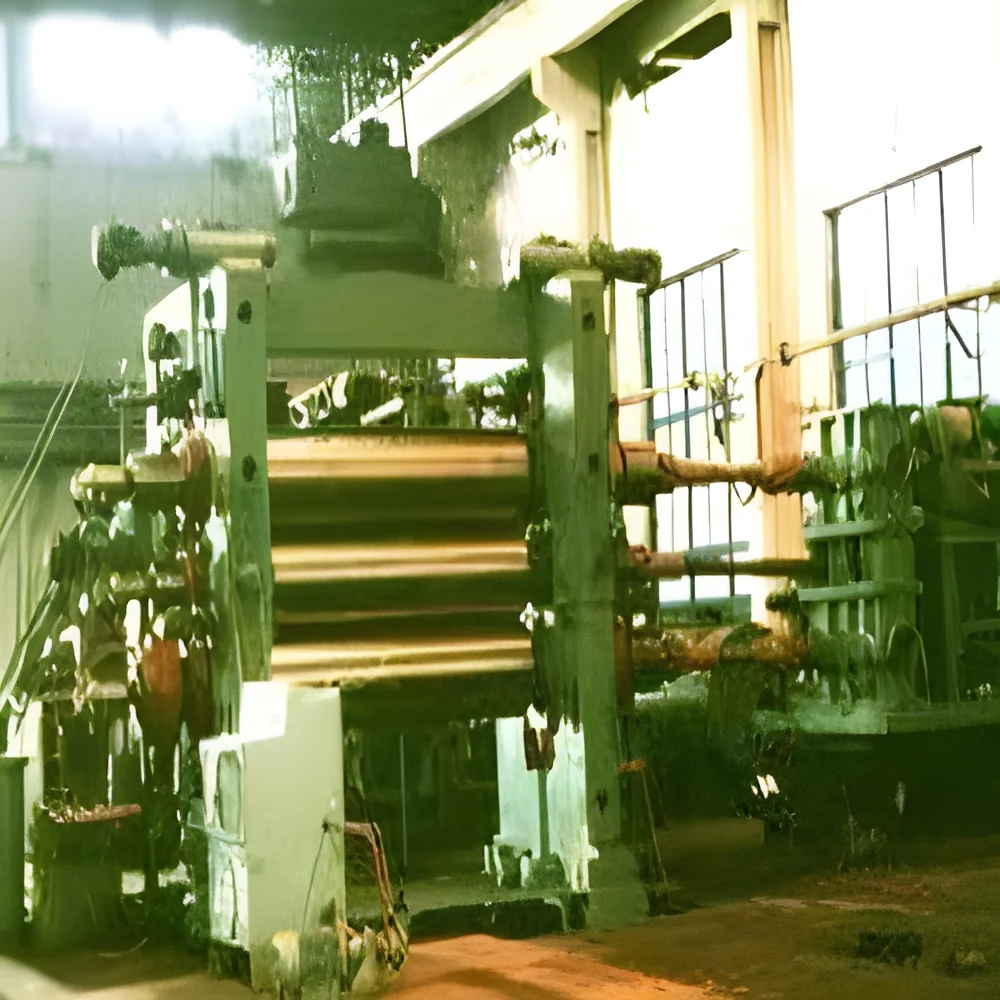
What are Calendering & Compacting Machines?
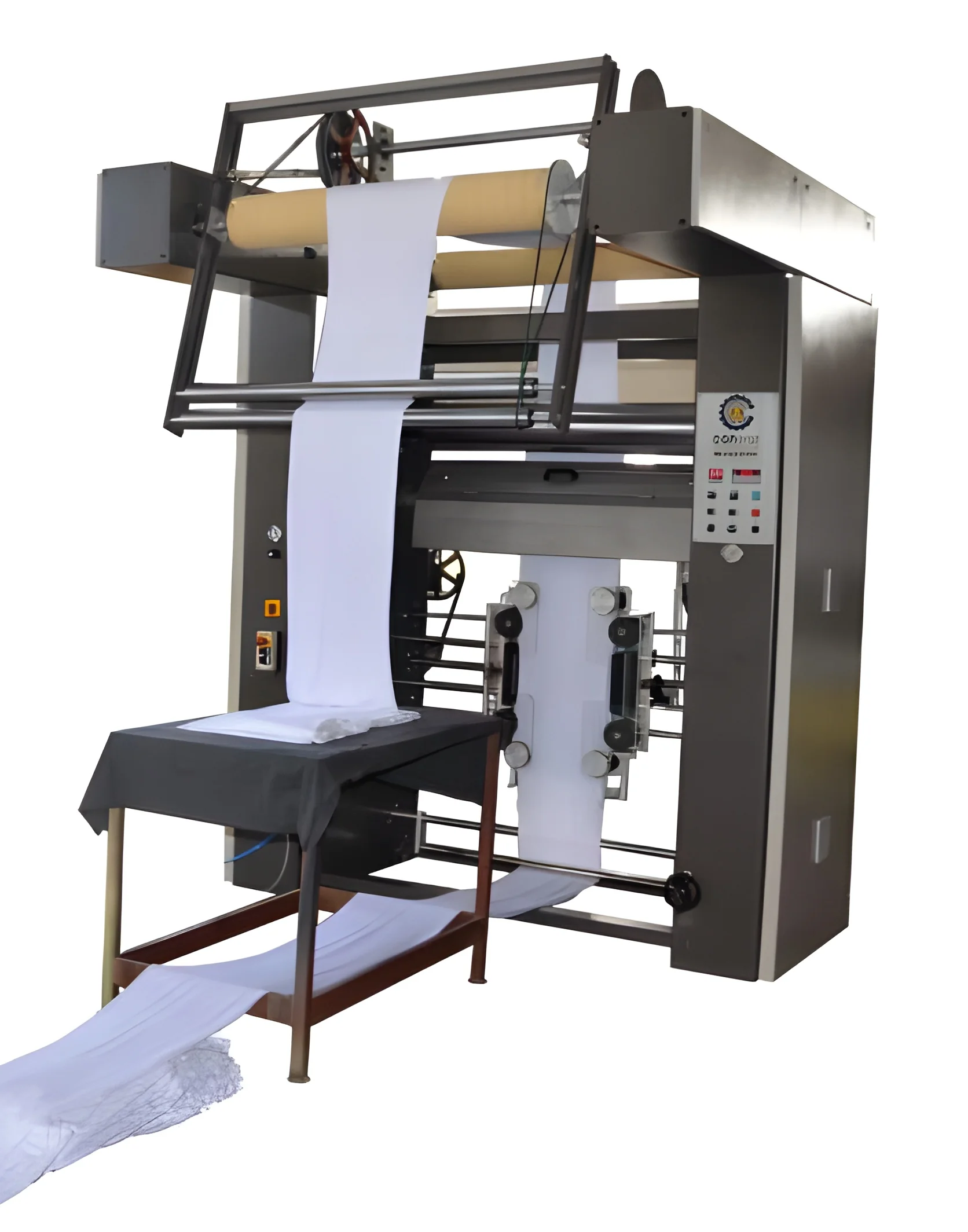
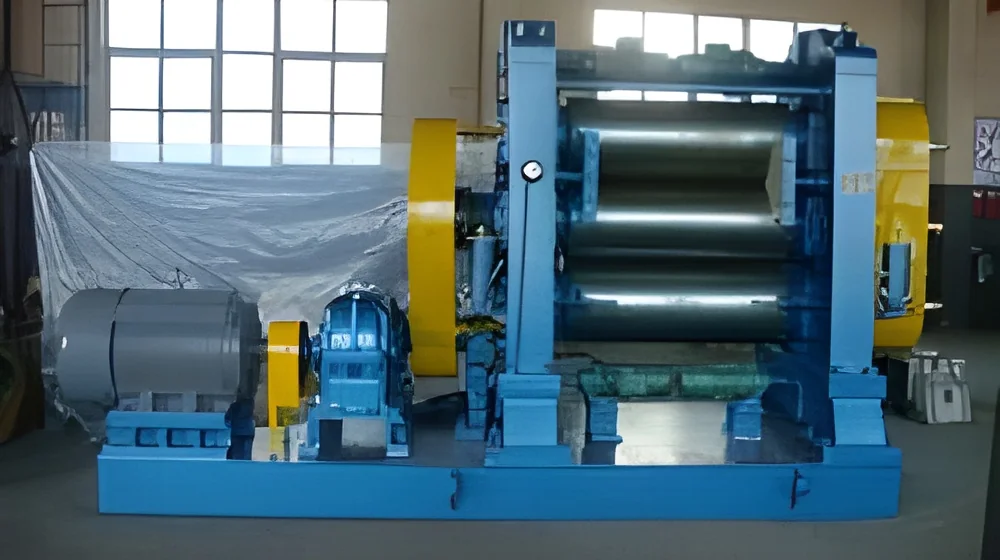
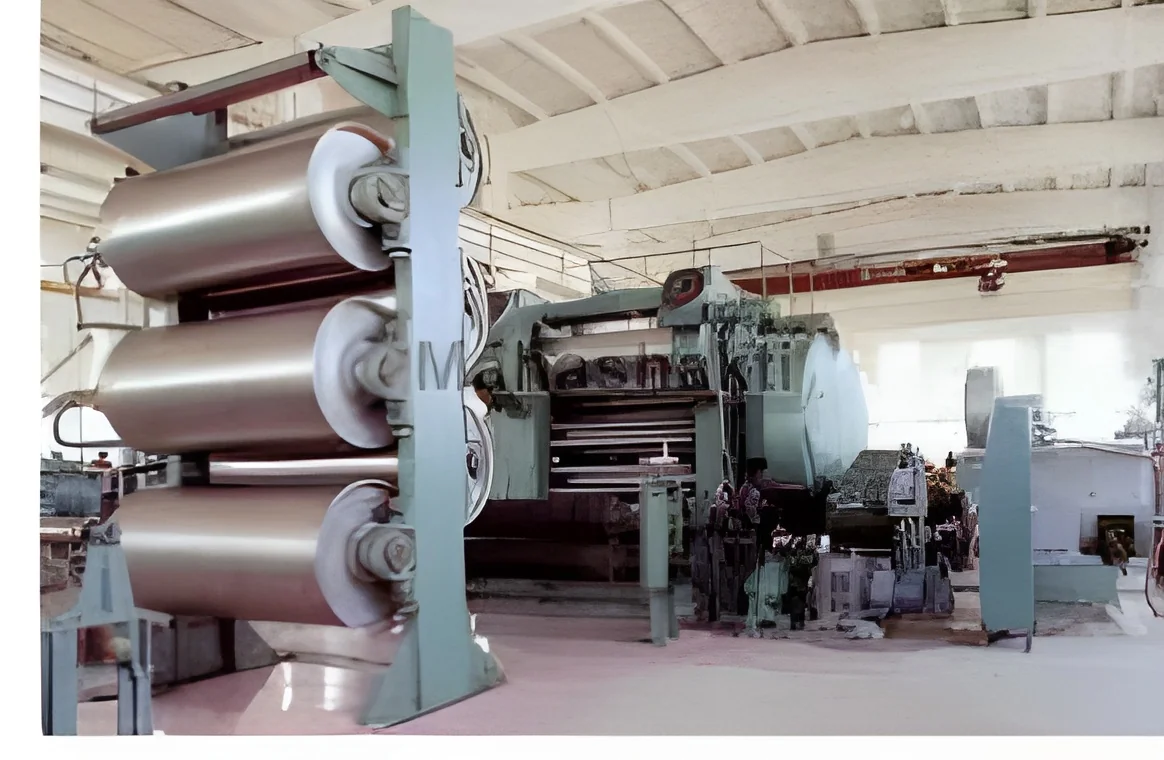
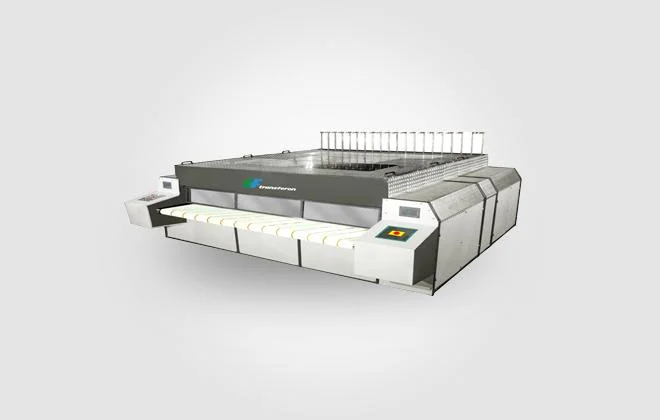
Calendering and compacting machines are specialized industrial equipment used to process materials into uniform sheets or compacted forms. Calendering involves passing materials through a series of rollers to create a desired thickness and texture, while compacting is the process of compressing materials to reduce volume and enhance density. These machines are commonly utilized in the manufacturing of rubber, plastics, textiles, and other composite materials.
These machines play a vital role in various business applications, including the production of flooring materials, packaging films, and automotive components. By achieving precise thickness and density, calendering and compacting machines help ensure product consistency and quality. This is crucial for industries that demand high-performance materials and compliance with stringent specifications.
In today's competitive market, the relevance of calendering and compacting machines cannot be overstated. As industries continue to evolve, the demand for advanced manufacturing processes that increase efficiency and reduce waste is growing. Thus, these machines are essential investments for businesses looking to enhance their production capabilities and meet customer expectations.
Key Features and Specifications
Calendering and compacting machines come equipped with a range of features designed to optimize performance and efficiency. Understanding these specifications is crucial for buyers looking to invest in the right equipment.
Key specifications include:
1. Roller Diameter
- Typically ranges from 200 mm to 1000 mm
- Larger diameters allow for better material processing and throughput
2. Maximum Working Width
- Varies from 600 mm to 3000 mm, depending on machine design
- Wider machines enable processing of larger sheets or materials
3. Temperature Control
- Equipped with heating and cooling systems to maintain optimal processing temperatures
- Essential for materials sensitive to heat, such as rubber and certain plastics
4. Pressure Range
- Generally adjustable from 0 to 100 bar
- Higher pressure settings enhance the compacting process for denser materials
5. Speed Control
- Variable speed settings from 0 to 20 meters per minute
- Allows for customization based on material type and desired output
6. Control System
- Often features PLC (Programmable Logic Controller) for precise operation
- Enhances automation and reduces manual intervention
7. Safety Features
- Includes emergency stop buttons and safety guards
- Ensures operator safety during operation
8. Material Compatibility
- Suitable for various materials, including rubber, plastics, and composites
- Versatile design caters to multiple industry needs
These specifications highlight the diversity and capability of calendering and compacting machines, making them suitable for a wide range of applications.
Common Applications and Use Cases
Calendering and compacting machines are utilized across numerous industries, showcasing their versatility and importance.
1. Rubber Industry: These machines are essential in producing rubber sheets for tires, gaskets, and seals. The precise thickness and density achieved are critical for product performance.
2. Plastics Industry: Calendering is widely used to create films and sheets for packaging, ensuring uniform thickness and quality in final products.
3. Textile Industry: In textiles, these machines help in the production of non-woven fabrics and coated materials, enhancing durability and functionality.
4. Construction Industry: Compacting machines are instrumental in creating composite materials used in flooring and insulation, contributing to structural integrity and energy efficiency.
5. Food Industry: Certain calendering processes are applied in food packaging, emphasizing the need for materials that are safe and compliant with health regulations.
6. Automotive Industry: These machines assist in manufacturing components such as dashboards and interior panels, where material consistency is paramount.
7. Electronics Industry: Calendering is used in producing materials for circuit boards and insulation, supporting the demand for precision in electronic devices.
Product Variants and Subcategories
Calendering and compacting machines come in various designs to cater to specific processing needs.
High-Temperature Calendering Machine: Designed to handle materials that require elevated processing temperatures, this variant ensures optimal performance for heat-sensitive applications. It features advanced temperature control systems for consistent results.
Hydraulic Compacting Machine: This machine utilizes hydraulic pressure to achieve high-density compaction. It is ideal for applications requiring significant pressure, such as in the production of dense composite materials.
Roller Calender Machine: Specifically designed for producing thin sheets, this variant offers adjustable roller spacing and speed controls. It is commonly used in the rubber and plastics industries for high-speed production.
Multi-Function Calendering Machine: This versatile machine can perform multiple processes, including calendering and embossing. It is suitable for manufacturers seeking flexibility in production.
Benefits and Advantages
Investing in calendering and compacting machines offers numerous advantages for businesses.
1. Enhanced Product Quality: These machines provide uniform thickness and density, ensuring high-quality output that meets strict industry standards.
2. Increased Efficiency: Automated processes and adjustable settings minimize downtime and maximize production rates, leading to improved operational efficiency.
3. Versatile Applications: Suitable for a variety of materials, these machines can adapt to different production requirements, making them valuable assets across industries.
4. Cost Savings: By reducing material waste and improving production speed, businesses can achieve significant cost savings in the long run.
5. Customization Options: Many machines allow for tailored settings and configurations, enabling manufacturers to meet specific customer demands.
6. Safety Features: Modern machines come equipped with advanced safety systems to protect operators and ensure compliance with industry regulations.
Buying Guide for B2B Buyers
When sourcing calendering and compacting machines, it is crucial to consider several factors to make an informed purchase.
1. Quality Assessment: Look for machines that meet industry standards and have a track record of reliability. Assess materials used in construction and overall build quality.
2. Supplier Verification: Vet potential suppliers by checking their certifications and reputation in the industry. Engage with existing customers to understand their experiences.
3. Pricing and MOQ: Consider the cost of the machines while evaluating the minimum order quantity (MOQ). Compare prices across multiple suppliers to ensure competitive rates.
4. Delivery and Lead Times: Understand the logistics involved in delivery. Confirm lead times to ensure that the machines will be available when needed.
5. Compliance Requirements: Ensure that the machines meet relevant industry regulations and safety standards. This may include certifications such as CE and ISO compliance.
Compliance and Certifications
Calendering and compacting machines must adhere to various quality standards and certifications to ensure safety and performance.
ISO 9001: This standard emphasizes quality management systems and is crucial for manufacturers to ensure consistent quality in their production processes.
CE Certification: This certification indicates compliance with European health, safety, and environmental protection standards. It is essential for machines sold within the European Union.
Safety and Testing Requirements: These machines must undergo rigorous testing to verify their safety and operational effectiveness. Regular maintenance checks are also necessary to ensure continued compliance.
Regional compliance considerations may vary, so it is important for buyers to understand the specific regulatory requirements applicable in their region, especially when sourcing from international suppliers.
Why Source Calendering & Compacting Machines from Pepagora?
Pepagora offers a reliable platform for sourcing calendering and compacting machines, addressing the needs of B2B buyers with several key advantages.
Verified Supplier Network: Pepagora connects buyers with a network of verified suppliers, ensuring that all vendors meet stringent quality and reliability standards. This reduces the risk associated with sourcing equipment.
Streamlined RFQ Process: The request for quotation (RFQ) process is designed to be efficient, allowing buyers to receive competitive quotes quickly. This speeds up the procurement process and helps businesses make timely decisions.
Trade Assurance and Support: Buyers are protected through trade assurance mechanisms that offer support throughout the purchasing process. This includes assistance with negotiations and logistics, ensuring a smooth transaction.
Regional Coverage: Pepagora has a strong presence in key markets such as India, GCC, and Southeast Asia. This geographic reach allows buyers to access a wide range of machines while benefiting from local supplier expertise and support.

 IN
IN