
 IN
Flat Knitting Machines
13 products available
What are Flat Knitting Machines?
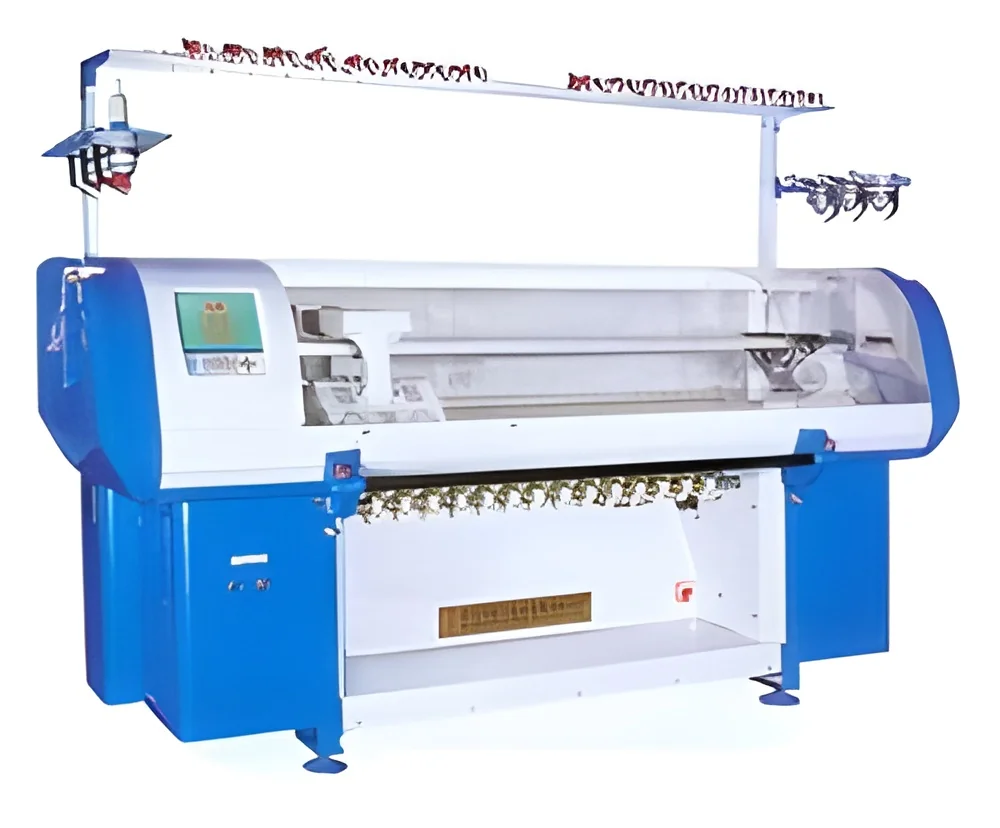
Flat knitting machines are specialized industrial machines designed to create knitted fabrics through a flat knitting process. These machines utilize multiple needles arranged in a straight line to produce a variety of textile products. The knitting process involves yarn being fed through the needles, resulting in a wide range of patterns and textures suitable for various applications.
Flat knitting machines are primarily used in the textile and apparel industries. They are ideal for producing garments such as sweaters, cardigans, and other knitted clothing items. Additionally, these machines are employed in creating technical textiles for automotive, medical, and other specialized applications, showcasing their versatility in commercial use. The market for flat knitting machines is growing, driven by advancements in technology and increasing demand for custom and high-quality knitted products.
Key Features and Specifications
Flat knitting machines come with a variety of features that enhance their performance and usability. These features are tailored to meet the needs of different applications, ensuring efficiency and versatility in production processes.
Key specifications include:
1. Needle Count
- Determines the number of needles used in the machine
- Common ranges include 4 to 30 needles
2. Gauge
- Refers to the distance between the needles
- Typical gauges range from 2.5 to 14
3. Stitch Length
- Specifies the length of each stitch produced
- Adjustable from 2mm to 5mm
4. Speed
- Indicates the maximum number of stitches per minute
- Ranges can vary from 400 to 1800 stitches per minute
5. Yarn Type Compatibility
- Supports various yarn types including cotton, wool, and synthetic fibers
6. Control System
- Typically features computerized control for ease of operation
- Allows for intricate pattern programming
7. Power Consumption
- Important for energy efficiency
- Generally ranges from 1.5 kW to 5 kW
8. Machine Size and Weight
- Dimensions vary based on machine capacity
- Weight can range from 300 kg to 1000 kg
In summary, the specifications of flat knitting machines highlight their adaptability and precision, making them essential tools in the textile manufacturing sector.
Common Applications and Use Cases
Flat knitting machines are employed across several industries due to their flexibility and efficiency.
1. Apparel Industry: They are widely used to produce knitted garments such as sweaters, shirts, and activewear, offering various designs and styles.
2. Automotive Industry: Flat knitting machines create specialized textiles for seat covers and interior components, focusing on durability and comfort.
3. Medical Sector: Knitted fabrics produced by these machines are used in medical textiles, such as prosthetics and bandages, highlighting their technical applications.
4. Home Textiles: These machines are used to manufacture knitted items like blankets, curtains, and upholstery, contributing to home decor.
5. Fashion Industry: Designers use flat knitting machines for creating unique and custom knitwear, allowing for innovative fabric designs.
6. Sportswear: The machines are instrumental in producing high-performance sports apparel that requires flexibility and moisture-wicking properties.
7. Industrial Textiles: Flat knitting is also used in producing industrial textiles, such as protective clothing and specialty fabrics for various applications.
Product Variants and Subcategories
Flat knitting machines come in various designs tailored for different production needs. Each variant offers unique features that cater to specific manufacturing requirements.
High-Speed Flat Knitting Machines
These machines are designed for high-volume production, offering faster stitching speeds and advanced automation features. They are ideal for manufacturers looking to increase output without compromising quality.
Computerized Flat Knitting Machines
Equipped with advanced computerized systems, these machines allow for intricate pattern designs and precise control over production. They are suitable for fashion designers and textile companies that prioritize creativity and customization.
Circular Knitting Machines
Although not strictly flat knitting, circular knitting machines are often included in discussions about knitting technology. They produce tubular knitted fabrics and are commonly used in the production of socks and seamless garments.
Benefits and Advantages
Flat knitting machines provide several advantages that contribute to their popularity in the textile industry.
1. Versatility: These machines can produce a wide range of knitted products, making them suitable for various applications.
2. Efficiency: High-speed operation reduces production time, helping businesses meet demand swiftly.
3. Customization: The ability to program intricate designs allows manufacturers to create unique products tailored to customer specifications.
4. Cost-Effectiveness: Reduced material waste and efficient production processes lead to lower overall manufacturing costs.
5. Quality Control: Advanced technology ensures consistent fabric quality, minimizing defects.
6. Easy Operation: Many flat knitting machines feature user-friendly interfaces, simplifying operation and reducing the learning curve for new operators.
Buying Guide for B2B Buyers
When sourcing flat knitting machines, several key factors should be considered to ensure a successful purchase.
1. Quality Assessment: Evaluate the build quality and reliability of the machines. Consider manufacturers with a good reputation for producing durable and efficient equipment.
2. Supplier Verification: Perform due diligence on potential suppliers. Look for established companies with positive reviews and a history of delivering quality products.
3. Pricing and MOQ: Understand the pricing structure and minimum order quantities. This can vary significantly based on the machine specifications and supplier.
4. Delivery and Lead Times: Inquire about the expected delivery timelines. Understand the logistics involved to ensure timely receipt of equipment.
5. Compliance Requirements: Be aware of any regulatory standards applicable to flat knitting machines in your region. Ensure that the machines meet relevant safety and quality certifications.
Compliance and Certifications
Compliance with quality standards is crucial for manufacturers of flat knitting machines. Relevant standards such as ISO 9001 ensure that products meet international quality management criteria. Certifications like CE indicate that the machines comply with European safety and environmental regulations.
In addition to these standards, manufacturers must adhere to safety protocols during the production process. Regular testing of machines for reliability and performance is essential to meet market demands.
Regional compliance considerations may also vary, depending on local regulations governing textile machinery. It is important for buyers to understand these requirements to ensure that the machines they purchase are legally compliant in their operating regions.
Why Source Flat Knitting Machines from Pepagora?
Pepagora provides a trusted platform for sourcing flat knitting machines, offering several key advantages that enhance the buying experience for businesses.
Verified Supplier Network: Pepagora maintains a robust directory of verified suppliers, ensuring that buyers can connect with reputable manufacturers. This validation process helps mitigate risks associated with purchasing industrial equipment.
Streamlined RFQ Process: The platform offers an efficient Request for Quotation (RFQ) system that simplifies the process of obtaining quotes from multiple suppliers. This feature enables buyers to compare options easily and make informed decisions.
Trade Assurance and Support: Pepagora offers trade assurance, providing buyers with protection against potential issues during the purchasing process. This added layer of security increases buyer confidence.
Regional Coverage: With a focus on regions such as India, the GCC, and Southeast Asia, Pepagora connects buyers with suppliers who understand local market dynamics. This geographic reach facilitates smoother transactions and better communication.
In summary, Pepagora serves as a comprehensive resource for businesses looking to source flat knitting machines, combining reliability, efficiency, and regional expertise.


Frequently Asked Questions
What are Flat Knitting Machines?
Flat Knitting Machines are industrial machines used for producing knitted fabrics by interlocking yarns. They operate by moving a set of needles in a flat formation, allowing for the creation of various patterns and textures in garments and textiles.
What are the different types of Flat Knitting Machines?
There are primarily two types of Flat Knitting Machines: manual and automatic. Manual machines require operators to control the knitting process, while automatic machines can produce fabrics with minimal human intervention, enhancing efficiency and productivity.
How do I choose the right Flat Knitting Machines?
Choosing the right Flat Knitting Machine depends on several factors including the type of fabric you intend to produce, production volume, and your budget. It is advisable to assess the machine's features, such as gauge, speed, and pattern capabilities, based on your specific knitting requirements.
What are the standard specifications for Flat Knitting Machines?
Standard specifications for Flat Knitting Machines include gauge (the number of needles per inch), knitting speed (usually measured in RPM), and the maximum width of the fabric produced. Additionally, features like electronic controls and pattern programming capabilities are also important considerations.
What is the price range for Flat Knitting Machines?
The price range for Flat Knitting Machines can vary significantly based on brand, features, and technology. Generally, prices can range from a few thousand to several lakh Indian Rupees, with more advanced automatic machines typically costing more.
What quality standards apply to Flat Knitting Machines?
Flat Knitting Machines are subject to various quality standards, including ISO certifications, which ensure reliability and safety in manufacturing. Additionally, machines may need to meet specific industry requirements related to performance and durability.
Where can I find Flat Knitting Machines suppliers in India?
Flat Knitting Machines suppliers in India can be found through B2B marketplaces like Pepagora.com, trade fairs, and industry directories. Networking with industry professionals and attending textile exhibitions can also help locate reputable suppliers.
Can Flat Knitting Machines be customized?
Yes, many manufacturers offer customization options for Flat Knitting Machines to meet specific production needs. Customizations may include modifications in size, gauge, and additional features tailored to the client's requirements.
What is the typical minimum order quantity for Flat Knitting Machines?
The typical minimum order quantity (MOQ) for Flat Knitting Machines varies by supplier but often starts at one unit for standard models. However, larger orders may qualify for discounts or additional customization options.
What is the typical lead time for Flat Knitting Machines?
The typical lead time for Flat Knitting Machines can range from a few weeks to several months, depending on the manufacturer's production capacity and the complexity of the order. It is recommended to confirm lead times with the supplier during the purchasing process.
Why Businesses Trust Pepagora
Thousands of companies trust Pepagora to source smarter and sell faster
Expand Your Sales Globally

Source Smarter,Grow Faster
