What are Garment Washing Machines?
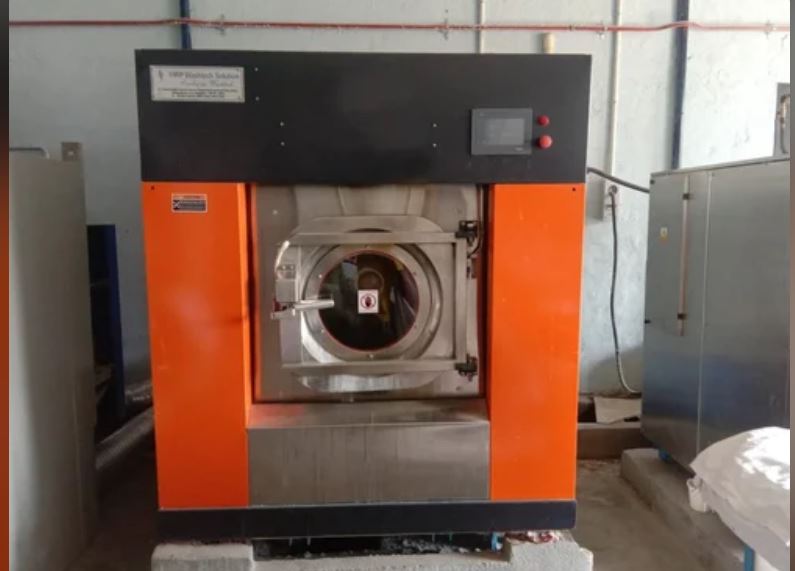
Garment washing machines are specialized industrial machines designed for the washing and finishing of garments. They employ advanced washing techniques to ensure cleanliness, color preservation, and fabric integrity. These machines typically incorporate various washing methods, including tumbling, soaking, and agitation, to achieve optimal results. They are engineered to handle large volumes of textiles efficiently, making them essential in the garment manufacturing and processing sectors.
These machines are primarily used in textile industries, laundry services, and garment manufacturing facilities. They play a crucial role in preparing garments for retail by removing impurities, excess dyes, and finishing fabrics to meet consumer standards. Their ability to provide consistent washing results makes them invaluable in maintaining quality across large production runs. With the increasing demand for high-quality garments, the relevance of garment washing machines in today’s market continues to grow.
The garment washing machine market is influenced by trends such as sustainability, automation, and the demand for quicker turnaround times. As manufacturers strive to meet consumer expectations for clean and well-finished products, the evolution of garment washing machines is vital. The industry is seeing a shift towards machines that are energy-efficient, environmentally friendly, and capable of integrating with modern manufacturing processes.
Key Features and Specifications
Garment washing machines come with a range of features and specifications that enhance their performance and efficiency. Understanding these specifications is crucial for businesses looking to invest in the right equipment for their operations.
Key specifications include:
1. Washing Capacity
- The total weight of garments the machine can wash in one cycle.
- Typically ranges from 50 kg to over 200 kg, depending on the model.
2. Energy Efficiency
- Measures the machine’s energy consumption during operation.
- Many models meet or exceed energy-saving standards.
3. Water Consumption
- The amount of water used per wash cycle.
- Efficient models use as little as 50 liters per cycle.
4. Cycle Time
- Time required for a complete washing cycle.
- Can range from 30 minutes to several hours based on the program selected.
5. Control System
- Types of controls available, such as digital displays or programmable options.
- Advanced models offer touch-screen interfaces for ease of use.
6. Build Material
- Quality of materials used in construction, often stainless steel for durability.
- Ensures longevity and resistance to corrosion.
7. Safety Features
- Includes automatic shut-off, door locks, and emergency stop buttons.
- Compliance with safety regulations is critical.
8. Noise Levels
- The sound produced during operation, measured in decibels.
- Quieter machines are preferred for environments where noise reduction is necessary.
In summary, selecting a garment washing machine requires careful consideration of these specifications to ensure optimal performance and efficiency in operations.
Common Applications and Use Cases
Garment washing machines are versatile and serve multiple industries, each with specific applications that enhance operational efficiency.
1. Textile Manufacturing: These machines are used to wash raw fabrics before dyeing and finishing, ensuring cleanliness and color retention.
2. Commercial Laundries: They handle large volumes of garments, including uniforms and linens, providing thorough cleaning and maintenance.
3. Fashion Retail: Garment washing machines are essential in preparing samples and production runs, offering consistent quality for retail display.
4. Hospitality Industry: Hotels and restaurants utilize these machines for washing table linens, uniforms, and other fabric items, ensuring hygiene and presentation.
5. Automotive: Some garment washing machines are adapted for cleaning workwear and protective clothing used in the automotive sector.
6. Health Care: Hospitals and clinics use specialized machines for laundering scrubs and linens, focusing on sanitation and infection control.
7. Sportswear Manufacturing: These machines help in washing performance apparel, ensuring that elasticity and fabric integrity are preserved.
Product Variants and Subcategories
Garment washing machines come in various configurations to accommodate different business needs.
Front-Loading Garment Washing Machines: These machines allow for easy loading and unloading of garments. They typically offer advanced washing programs and are known for their energy efficiency.
Top-Loading Garment Washing Machines: Ideal for smaller operations, these machines are easier to operate and handle smaller loads, making them suitable for boutique laundries.
Continuous Batch Washing Machines: Designed for high-throughput environments, these machines allow for a continuous flow of garments, significantly enhancing productivity.
Benefits and Advantages
Investing in garment washing machines brings numerous benefits to businesses in the textile and laundry industries.
Key benefits include:
1. Enhanced Fabric Care: These machines use precise washing techniques that prevent damage to delicate fabrics while ensuring thorough cleaning.
2. Increased Efficiency: With larger capacities and faster cycle times, these machines improve operational efficiency and reduce labor costs.
3. Consistent Quality: Automatic controls and programmable settings ensure consistent washing results, maintaining the quality of garments.
4. Energy and Water Savings: Modern garment washing machines are designed to minimize resource consumption, leading to lower operational costs.
5. Customization Options: Many machines can be tailored to meet specific washing needs, accommodating various fabric types and washing requirements.
6. Compliance with Standards: Investing in quality machines ensures adherence to industry standards for hygiene and fabric care, essential for maintaining market competitiveness.
Buying Guide for B2B Buyers
When sourcing garment washing machines, several factors need to be considered to ensure the best fit for your business needs.
1. Quality Assessment: Evaluate machines based on their build quality and performance history. Look for reputable brands known for reliability and durability.
2. Supplier Verification: Conduct thorough checks on potential suppliers. Verify their credentials, customer reviews, and after-sales support to ensure they can meet your needs.
3. Pricing and MOQ: Understand the price range for different models and inquire about minimum order quantities. This will help in budget planning and supplier negotiations.
4. Delivery and Lead Times: Discuss logistics and delivery timelines with suppliers to ensure timely installation and operation.
5. Compliance Requirements: Ensure that the machines meet local and international standards, including safety and environmental regulations.
Compliance and Certifications
Garment washing machines must adhere to various quality standards and regulations to ensure safety and performance.
Relevant quality standards include ISO 9001, which focuses on quality management systems, and HACCP for safety in operations. These certifications demonstrate a manufacturer’s commitment to quality processes.
Industry certifications such as CE indicate compliance with European safety standards, which is crucial for machines sold in international markets.
Safety and testing requirements are also essential, with machines needing to pass rigorous testing for electrical safety and operational performance.
Regionally, compliance considerations may vary, with specific certifications required in different countries. It is essential for buyers to understand these requirements to avoid legal issues.
Why Source Garment Washing Machines from Pepagora?
Pepagora offers a reliable platform for sourcing garment washing machines, providing several advantages that benefit B2B buyers.
Verified Supplier Network: Pepagora maintains a network of verified suppliers, ensuring that buyers connect with trustworthy manufacturers and vendors. This reduces the risk of fraud and ensures quality products.
Streamlined RFQ Process: The Request for Quotation (RFQ) process is designed to simplify procurement. Buyers can easily compare multiple offers, making informed decisions based on pricing and specifications.
Trade Assurance and Support: Pepagora provides trade assurance, protecting buyers from potential issues during transactions. This includes support for disputes and ensuring that products meet agreed-upon standards.
Regional Coverage: With a focus on markets in India, the GCC, and Southeast Asia, Pepagora caters to businesses looking for local suppliers while providing access to a broader range of international options. This geographic reach enhances sourcing flexibility and efficiency.

 IN
IN