What are Draw Frames & Combers?
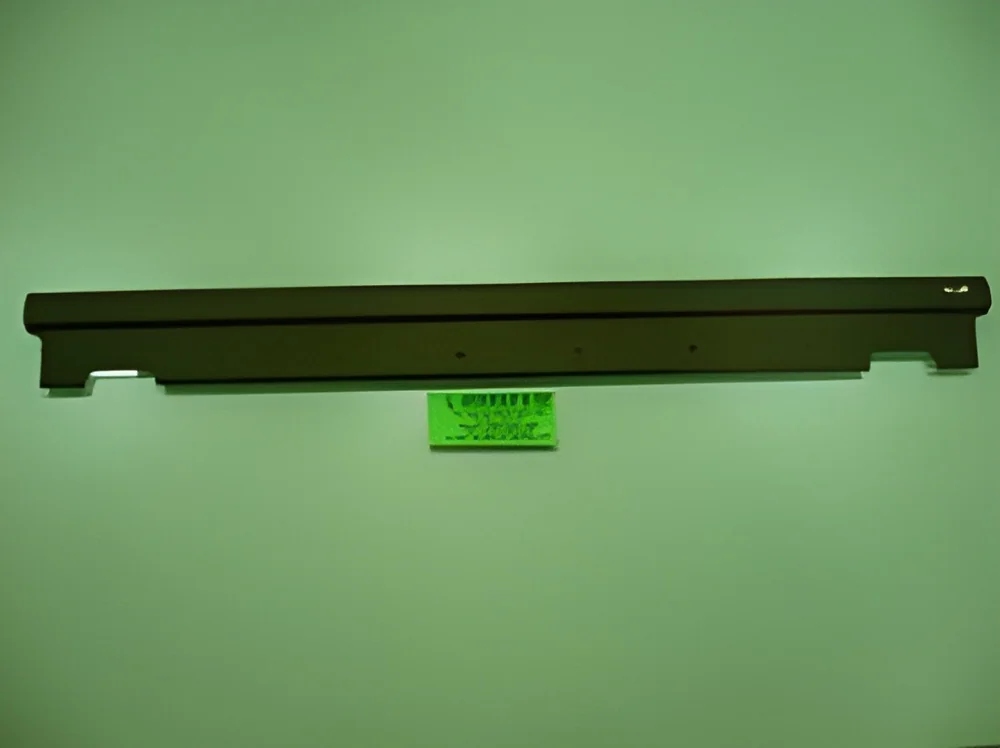
Draw frames and combers are essential textile machinery used in the preparation of fibers for spinning. Draw frames are designed to align and draw out the fiber strands, creating a more uniform thickness and improving the quality of the yarn produced. Combers, on the other hand, work to remove short fibers and impurities from the fiber mass, resulting in a finer and smoother final product. Together, these machines enhance the efficiency and quality of textile production.
These machines find primary applications in the textile industry, particularly in spinning mills. They are crucial for processing various types of fibers, including cotton, wool, and synthetic materials. The use of draw frames and combers is vital for achieving high-quality yarns that meet the stringent demands of modern textile applications. With the growing focus on quality and efficiency in manufacturing, the relevance of these machines continues to increase in the highly competitive market.
In today's industry context, draw frames and combers are integral to the supply chain of textile production. As manufacturers seek to optimize their processes and produce high-quality yarns, investing in advanced draw frames and combers has become a strategic priority. This machinery not only contributes to better final products but also enhances overall production efficiency, making them a vital component of modern textile manufacturing.
Key Features and Specifications
Draw frames and combers come equipped with various features designed to enhance their performance and efficiency. Understanding these specifications is essential for making informed purchasing decisions.
Key specifications include:
1. Fiber Type Compatibility
- Suitable for various fibers, including cotton, wool, and synthetic blends
- Adaptability to different textile applications
2. Production Capacity
- Varies by model, typically ranging from 100 to 300 kg/hour
- Higher capacity models available for larger operations
3. Automation Level
- Options range from manual to fully automated systems
- Automation enhances efficiency and reduces labor costs
4. Energy Efficiency
- Designed to minimize energy consumption during operation
- Eco-friendly models available
5. Maintenance Requirements
- Low maintenance designs that reduce downtime
- Easy access to parts for servicing
6. Control Systems
- Equipped with advanced monitoring and control features
- User-friendly interfaces for easier operation
7. Build Quality
- Constructed from durable materials to withstand industrial use
- Robust designs to ensure longevity and reliability
8. Safety Features
- Compliant with industry safety standards
- Emergency stop mechanisms and safety guards included
In summary, draw frames and combers are equipped with crucial features and specifications that enhance their functionality, operational efficiency, and safety, making them indispensable in the textile manufacturing process.
Common Applications and Use Cases
Draw frames and combers serve a wide range of applications across various industries.
1. Textile Manufacturing: These machines are primarily used in spinning mills to prepare fibers for yarn production, ensuring high quality and uniformity.
2. Wool Processing: Combers play a vital role in the wool industry by removing impurities and short fibers, resulting in premium wool yarns.
3. Cotton Processing: Draw frames are essential in cotton production, helping to align and draw out fibers for smoother yarn.
4. Synthetic Fiber Production: Both draw frames and combers are used to process synthetic fibers, ensuring they meet industry standards for quality and durability.
5. Nonwoven Fabric Production: These machines are also utilized in nonwoven fabric applications, where fiber preparation is crucial for product performance.
6. Specialty Yarn Production: In niche markets, draw frames and combers help create specialty yarns with unique properties, catering to specific customer needs.
7. Research and Development: Textile research facilities often use these machines for experimental purposes to develop new fiber blends and yarn types.
Product Variants and Subcategories
The diversity of draw frames and combers allows for specialized applications in the textile industry.
Standard Draw Frame
This basic model is designed for high-volume yarn production. It offers essential features for fiber alignment and drawing, making it suitable for general textile manufacturing.
High-Performance Draw Frame
Engineered for efficiency, this variant incorporates advanced automation and control systems. It is ideal for large-scale operations looking to maximize productivity.
Standard Comber
This model focuses on removing short fibers and impurities from wool and cotton. It provides a reliable solution for producing high-quality yarns.
High-Capacity Comber
Designed for larger mills, this variant offers increased throughput and efficiency. It is suitable for operations that require high-quality yarn in large quantities.
Benefits and Advantages
Investing in draw frames and combers can provide numerous advantages for textile manufacturers.
Key benefits include:
1. Improved Yarn Quality: These machines enhance fiber alignment and remove impurities, resulting in superior yarn quality.
2. Increased Production Efficiency: Automation and optimized processes lead to higher output and reduced labor costs.
3. Versatility: Suitable for a wide range of fibers and applications, making them adaptable to different manufacturing needs.
4. Reduced Waste: By effectively removing short fibers, these machines help minimize material waste during production.
5. Enhanced Durability: High-quality construction ensures longevity, reducing the need for frequent replacements.
6. Compliance with Standards: These machines often meet industry safety and quality standards, ensuring compliance in production processes.
Buying Guide for B2B Buyers
When sourcing draw frames and combers, it's important to consider several factors to ensure a successful purchase.
1. Quality Assessment: Inspect the machine’s build quality and features to ensure they meet your production needs. Look for reputable brands known for reliability.
2. Supplier Verification: Vet suppliers thoroughly by checking references and previous customer feedback. Ensure they have a track record of delivering high-quality equipment.
3. Pricing and MOQ: Understand the pricing structure and minimum order quantities. Compare different suppliers to get the best value for your investment.
4. Delivery and Lead Times: Confirm logistical details, including delivery schedules and lead times, to ensure timely installation and production.
5. Compliance Requirements: Be aware of any regulatory needs that may apply to your operation, including safety and environmental standards.
Compliance and Certifications
Compliance and certifications play an important role in ensuring that draw frames and combers meet industry standards.
These machines often adhere to quality standards such as ISO 9001, which ensures that manufacturers maintain a consistent quality management system. Compliance with HACCP and GDP may also be relevant, particularly in textile applications that require stringent quality control.
Additionally, many draw frames and combers are certified with CE marks, indicating compliance with European safety standards. This certification is crucial for manufacturers looking to sell their products in international markets.
Safety and testing requirements should also be considered, as machines must undergo rigorous testing to ensure they operate safely and efficiently. Regional compliance requirements may vary, so it's essential for manufacturers to be aware of local regulations concerning textile machinery.
Why Source Draw Frames & Combers from Pepagora?
Pepagora provides a trusted platform for sourcing draw frames and combers, offering several key advantages to buyers.
Verified Supplier Network: Pepagora connects buyers with verified suppliers, ensuring that the equipment meets quality standards and comes from reputable sources. This network helps mitigate risks associated with purchasing machinery.
Streamlined RFQ Process: The platform features a user-friendly RFQ process that simplifies the quotation system. Buyers can easily request quotes from multiple suppliers, making it easier to compare options.
Trade Assurance and Support: Pepagora offers trade assurance and support to buyers, providing a layer of protection throughout the purchasing process. This commitment to buyer safety helps foster trust and confidence.
Regional Coverage: With a broad geographic reach that includes India, the GCC, and Southeast Asia, Pepagora caters to a diverse market. This regional focus allows buyers to access a wide range of products tailored to their specific needs.

 IN
IN