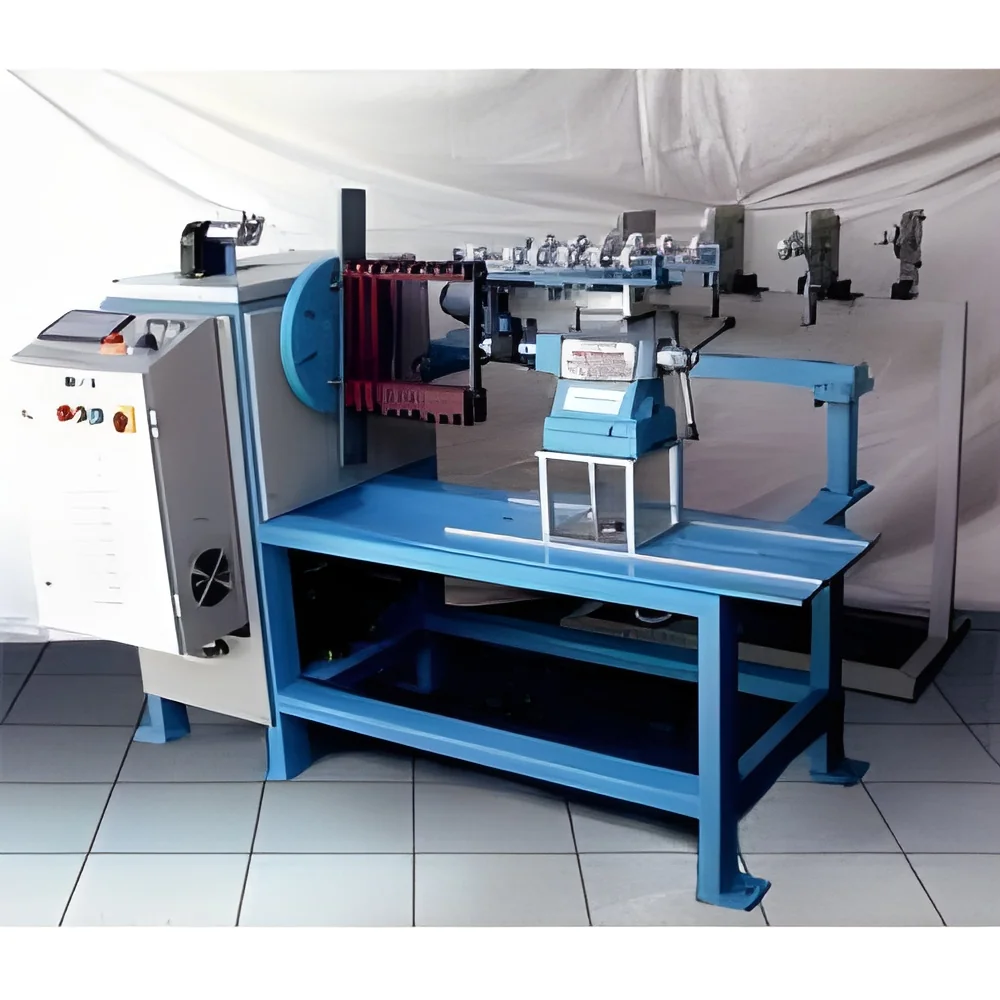
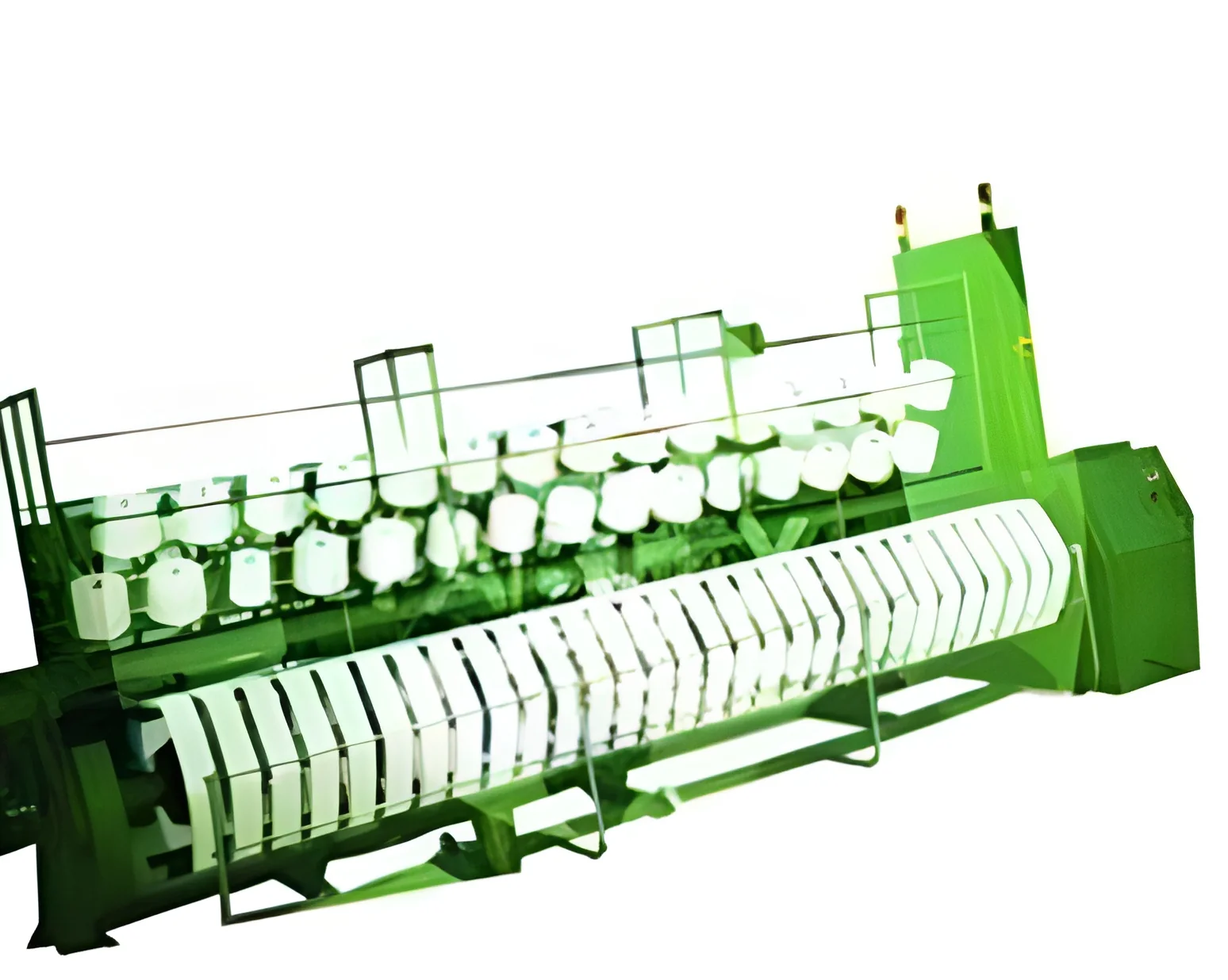
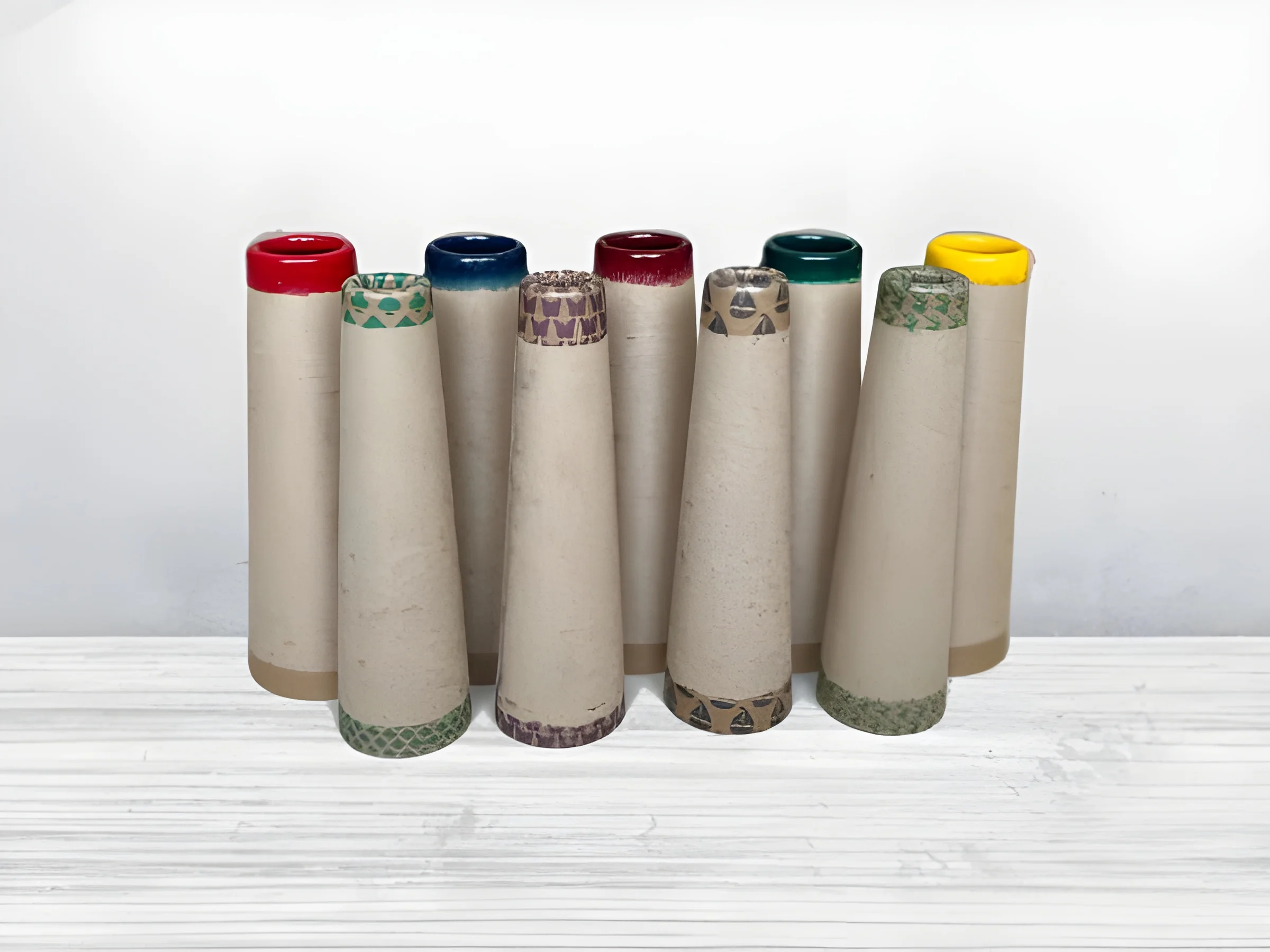
What are Cone Winding Machines?
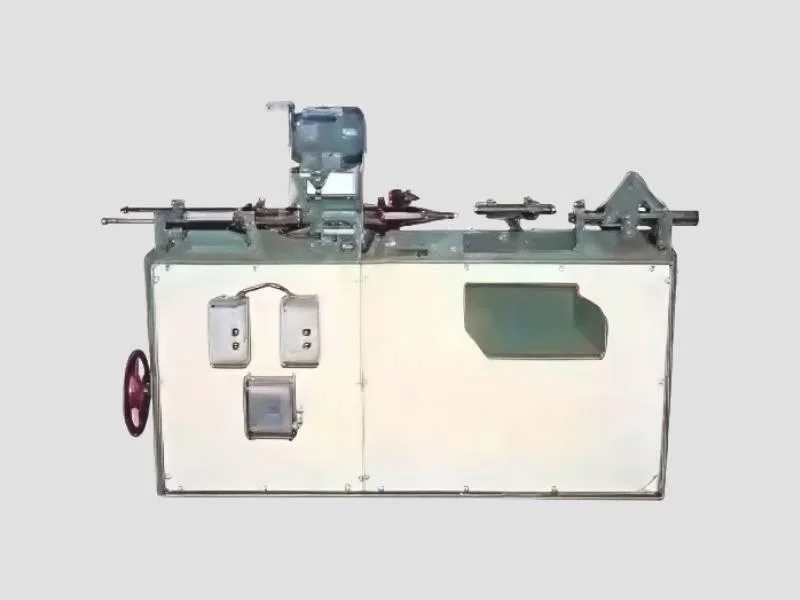
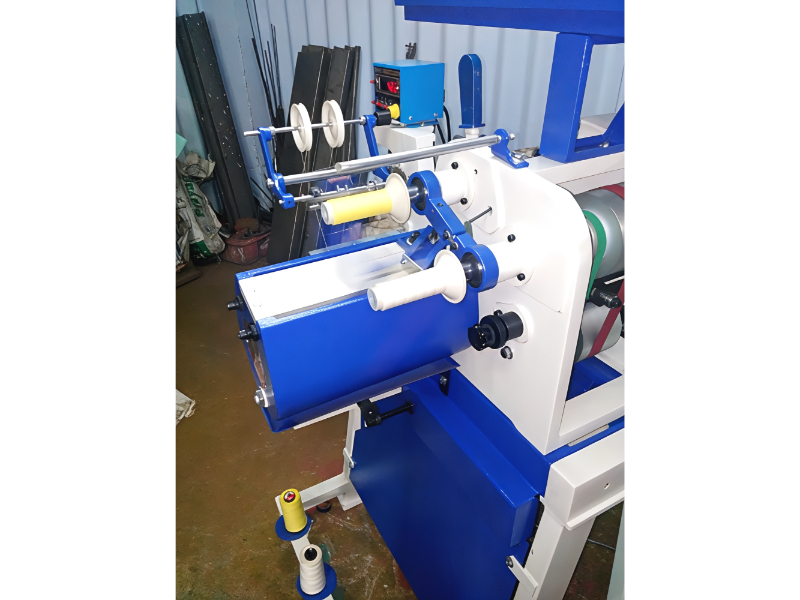
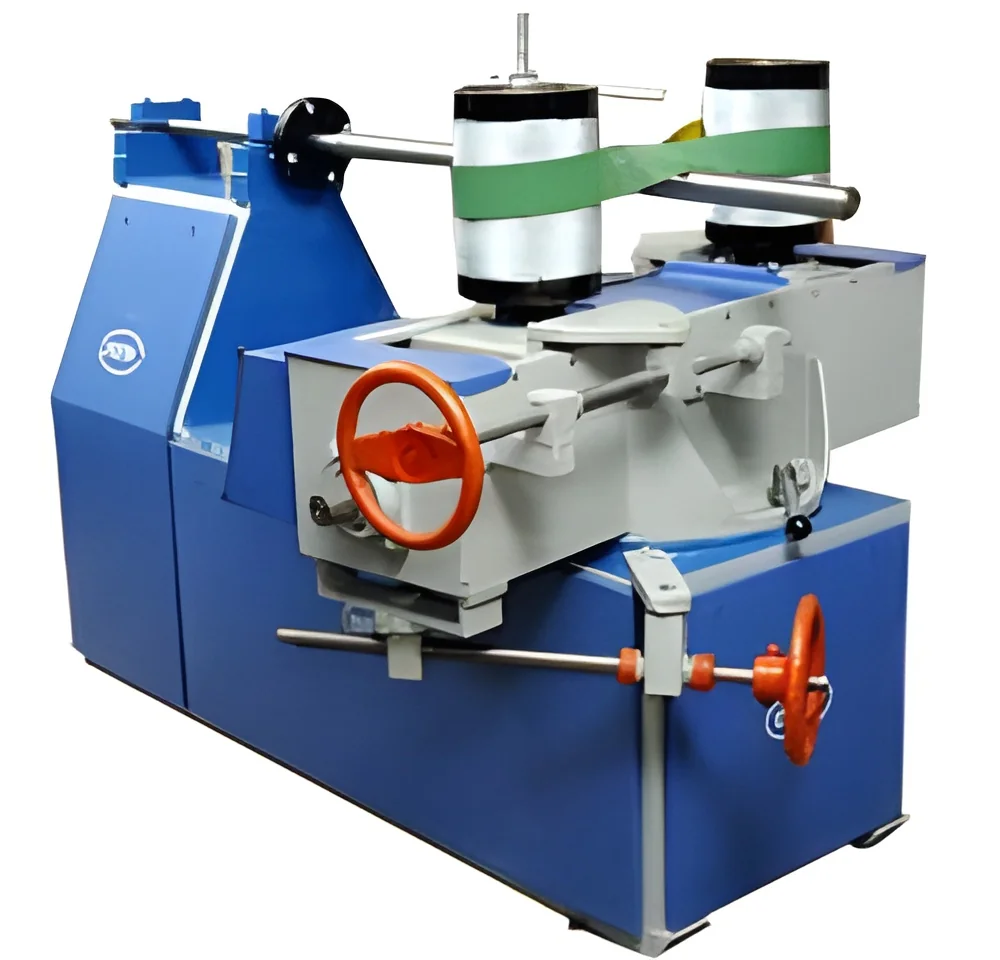
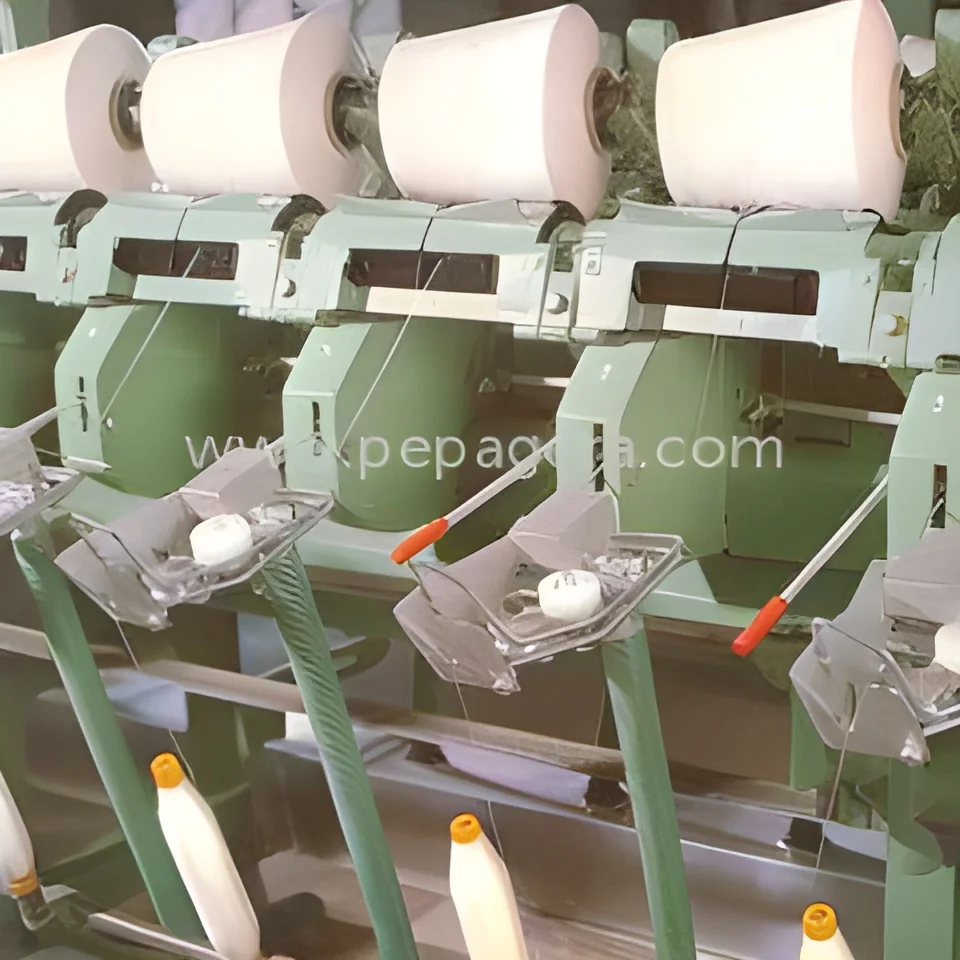
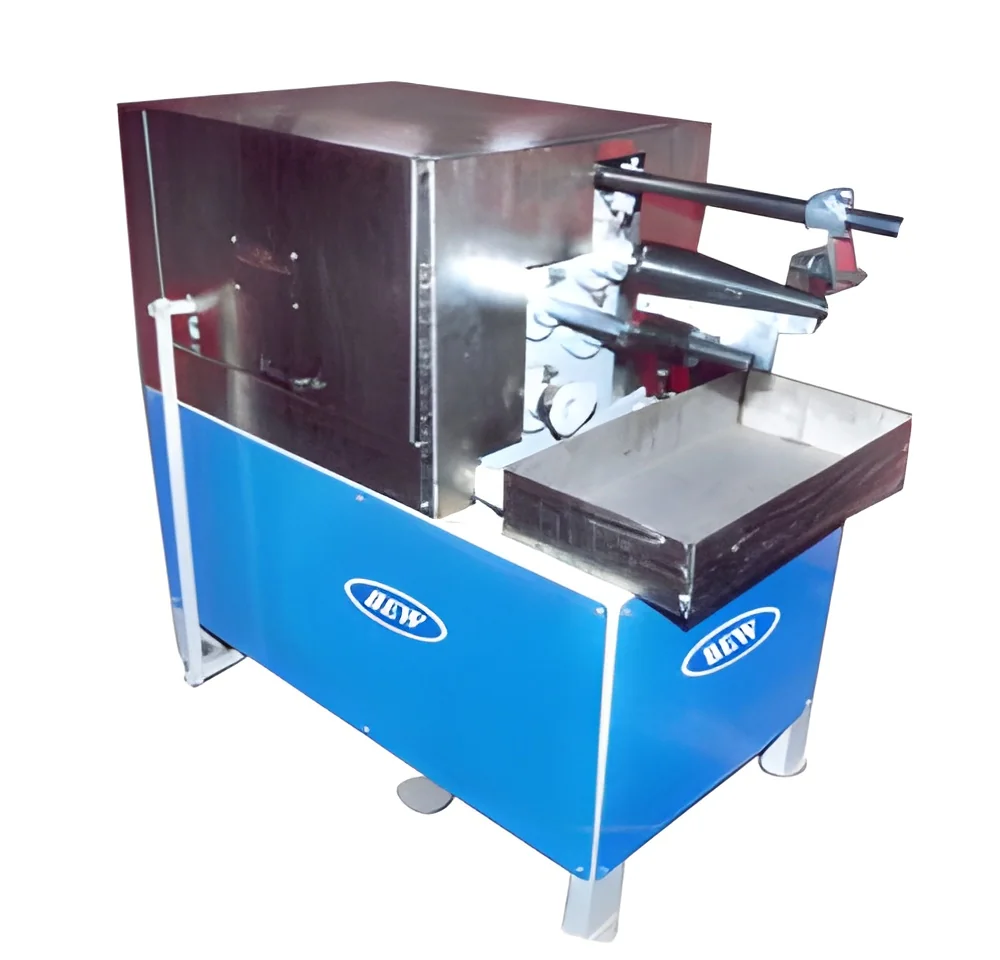
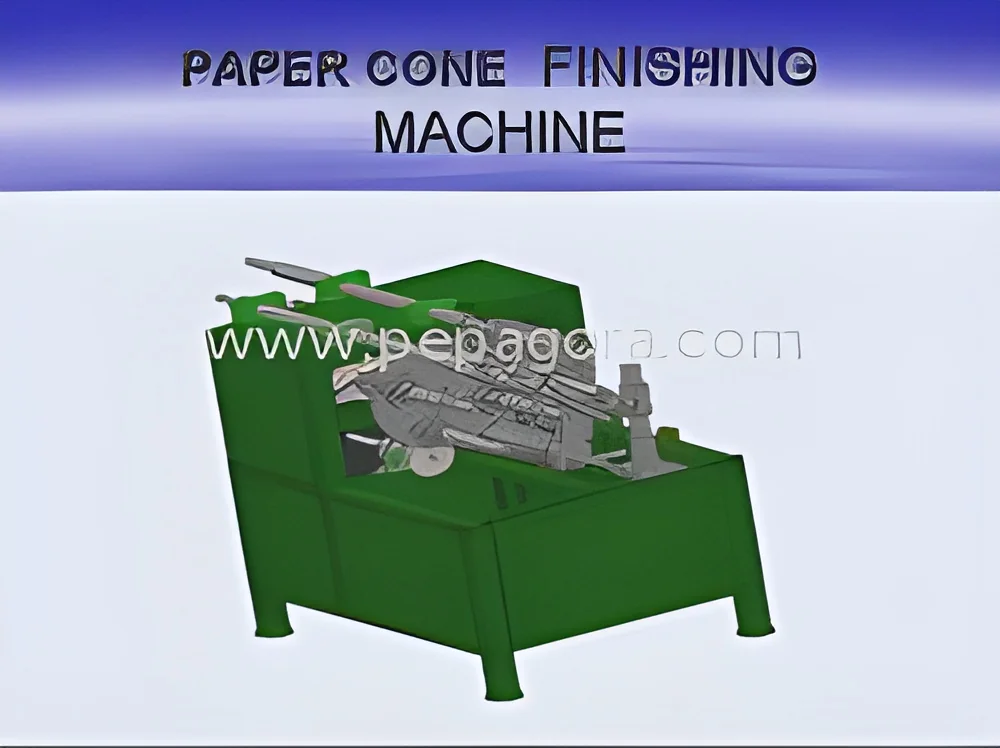
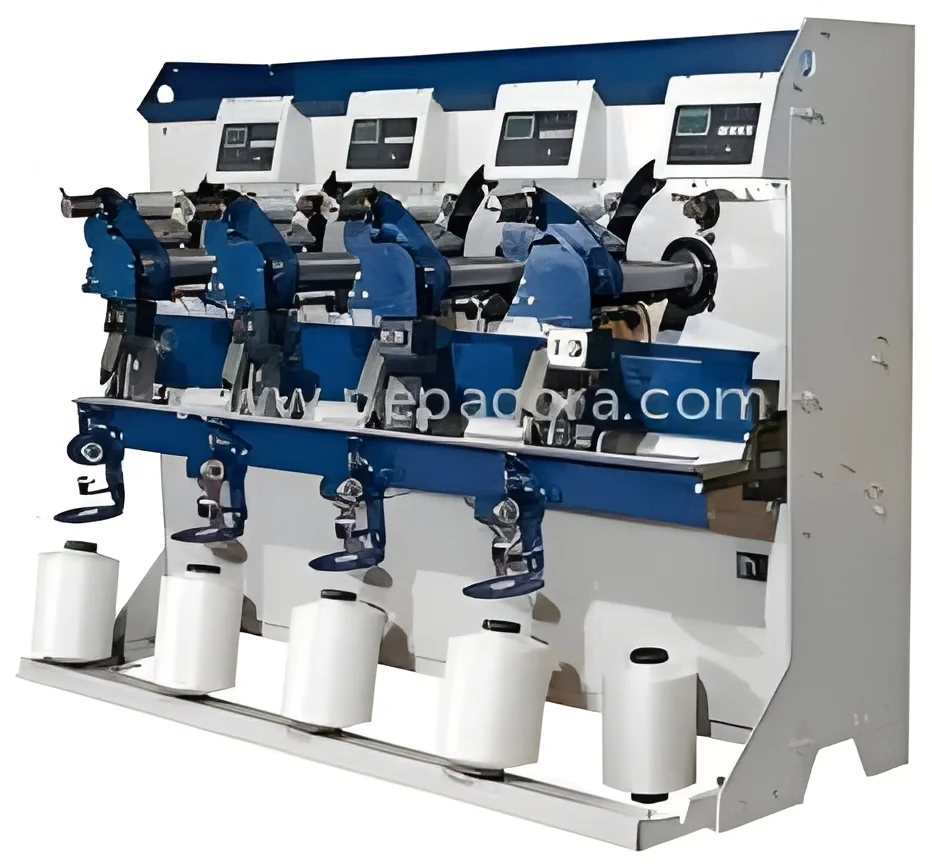
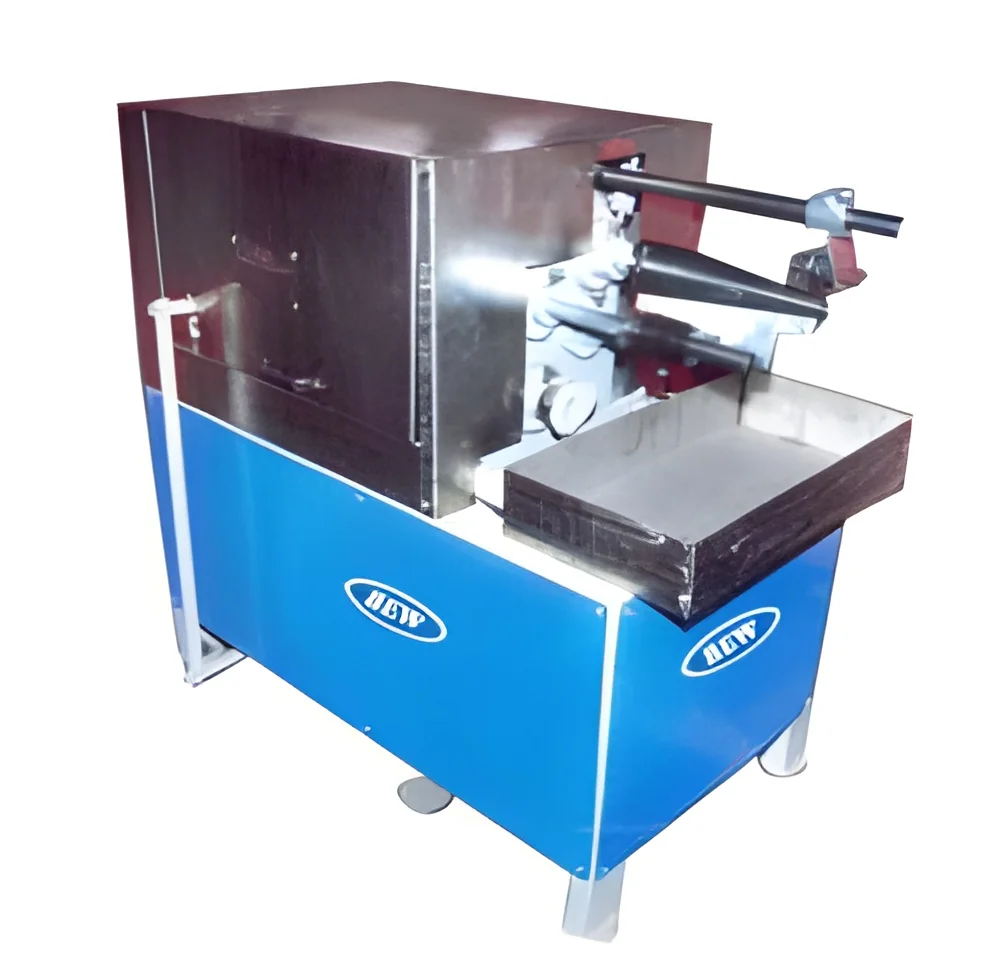
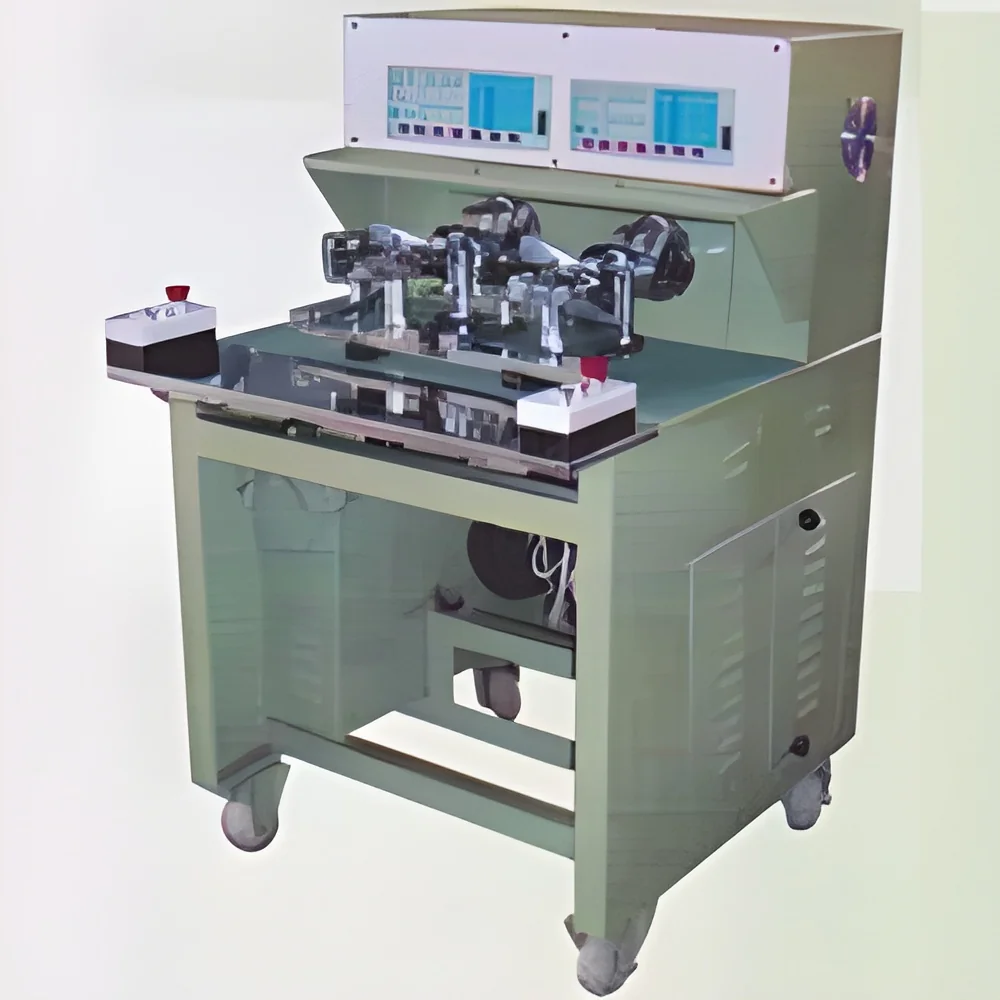
Cone winding machines are specialized industrial devices used for winding yarn or thread onto cone-shaped packages. These machines are essential in the textile industry as they ensure that the yarn is wound uniformly and efficiently, ready for subsequent processes like dyeing or weaving. They offer a high level of automation, which helps in maintaining consistent quality and reducing labor costs.
The primary applications of cone winding machines include textile manufacturing, where they facilitate the production of various types of yarns for fabrics. They are also utilized in industries that require precise winding of fibers, such as those producing sewing threads or technical textiles. With the growing demand for high-quality yarn and the need for increased production efficiency, cone winding machines have become vital in modern manufacturing processes.
In the current market context, the demand for cone winding machines is rising due to the expansion of the textile sector globally. As manufacturers seek to improve productivity and product quality, investing in advanced winding technology is becoming increasingly important.
Key Features and Specifications
Cone winding machines are designed with several key features that enhance their functionality and efficiency. Understanding these specifications is crucial for making informed purchasing decisions.
Key specifications include:
1. Yarn Tension Control
- Allows for consistent tension during winding
- Ensures quality and uniformity of the yarn package
2. Automatic Stop Mechanism
- Detects yarn breakage or end of the yarn supply
- Reduces waste and downtime during operation
3. Speed Settings
- Adjustable winding speeds to accommodate different yarn types
- Typical ranges vary from 300 to 1000 meters per minute
4. Package Size Compatibility
- Designed to handle various cone sizes
- Common diameters include 4 inches to 12 inches
5. Control Interface
- User-friendly touchscreen for easy operation
- Provides real-time monitoring and adjustments
6. Energy Efficiency
- Low power consumption designs
- Contributes to cost savings over time
7. Maintenance Features
- Easy access for routine maintenance
- Designed for longevity and reduced downtime
In summary, these features collectively enhance the performance and reliability of cone winding machines, making them integral to the manufacturing process.
Common Applications and Use Cases
Cone winding machines serve various industries with specific applications tailored to their needs.
1. Textile Industry: These machines are extensively used for winding cotton, polyester, and other synthetic yarns into cones for fabric production.
2. Apparel Manufacturing: They play a crucial role in preparing sewing threads, ensuring efficient production lines in garment factories.
3. Home Textiles: Cone winding machines are utilized in producing yarn for home textile items such as curtains and upholstery.
4. Technical Textiles: In industries that require specialized yarns for applications like geotextiles, these machines are essential for creating high-performance products.
5. Carpet Manufacturing: They are used to wind yarns for carpets, ensuring consistent quality and reducing production waste.
6. Specialty Fibers: Cone winding machines are also employed in winding non-traditional fibers used in various technical applications.
7. Knitting and Weaving Mills: These machines provide essential support for both knitting and weaving processes, ensuring that the yarn is ready for production.
Product Variants and Subcategories
Cone winding machines come in various models to cater to different needs and production scales.
High-Speed Cone Winding Machines
These machines are designed for high production rates, accommodating large volumes of yarns while maintaining quality. They are ideal for large textile manufacturers looking to increase output.
Compact Cone Winding Machines
These variants are designed for smaller production environments. Their compact size makes them suitable for businesses with limited space while still delivering efficient winding capabilities.
Automatic Cone Winding Machines
These machines offer advanced automation features, such as automatic threading and yarn tension control, making them suitable for operations that prioritize efficiency and minimal labor involvement.
Benefits and Advantages
Investing in cone winding machines offers several key benefits for businesses in the textile industry.
1. Increased Efficiency: These machines automate the winding process, significantly reducing production times and labor costs.
2. Consistent Quality: With precise tension control and monitoring features, cone winding machines ensure uniform yarn packages, which enhances the quality of end products.
3. Reduced Waste: Automatic stop mechanisms minimize material waste due to yarn breakage or supply issues, contributing to overall cost savings.
4. Versatility: Cone winding machines can handle various yarn types and sizes, making them adaptable to different production needs.
5. Improved Production Capacity: High-speed models allow manufacturers to ramp up production, meeting increased market demands without compromising quality.
6. User-Friendly Operation: Advanced control interfaces simplify operation, reducing the learning curve for new operators and improving overall productivity.
Buying Guide for B2B Buyers
When sourcing cone winding machines, it is essential to consider various factors to ensure an informed purchase.
1. Quality Assessment: Look for machines that meet industry standards. Evaluate the build quality and performance reliability through product reviews and case studies.
2. Supplier Verification: Vet suppliers by checking their credentials, customer feedback, and industry reputation to ensure you are dealing with trustworthy manufacturers.
3. Pricing and MOQ: Understand the pricing structures and minimum order quantities. Compare quotes from different suppliers to ensure you get a fair deal.
4. Delivery and Lead Times: Inquire about the delivery schedules and lead times. Timely delivery is crucial for maintaining production schedules.
5. Compliance Requirements: Ensure that the machines meet necessary compliance and safety regulations in your region, such as CE certification.
Compliance and Certifications
Cone winding machines are subject to various quality standards and compliance requirements that ensure their reliability and safety in operation.
ISO 9001 is a widely recognized standard that focuses on quality management systems. It ensures that manufacturers maintain consistent quality in their production processes.
CE certification indicates that the machines meet European safety and health requirements. This certification is critical for businesses looking to market their products in Europe.
Safety and testing requirements include regular inspections and adherence to operational guidelines to prevent accidents and ensure safe usage.
Regional compliance considerations may vary, so it is essential for buyers to be aware of local regulations affecting machinery in their operating regions.
Why Source Cone Winding Machines from Pepagora?
Pepagora offers a trusted platform for sourcing cone winding machines, providing several key advantages for B2B buyers.
Verified Supplier Network: Pepagora works with a network of verified suppliers, ensuring that buyers can access high-quality machines from reputable manufacturers. This reduces the risk of purchasing substandard products.
Streamlined RFQ Process: The request for quotation (RFQ) process is designed to be efficient, allowing buyers to receive multiple quotes quickly, facilitating better decision-making based on price and specifications.
Trade Assurance and Support: Pepagora provides trade assurance, offering buyers protection throughout the purchasing process. This includes support for any issues that may arise post-purchase, ensuring a smoother experience.
Regional Coverage: Pepagora has a strong presence in regions such as India, the GCC, and Southeast Asia, making it easier for buyers to find suitable suppliers within their geographic area. This regional focus helps to facilitate logistics and communication, further enhancing the sourcing process.

 IN
IN