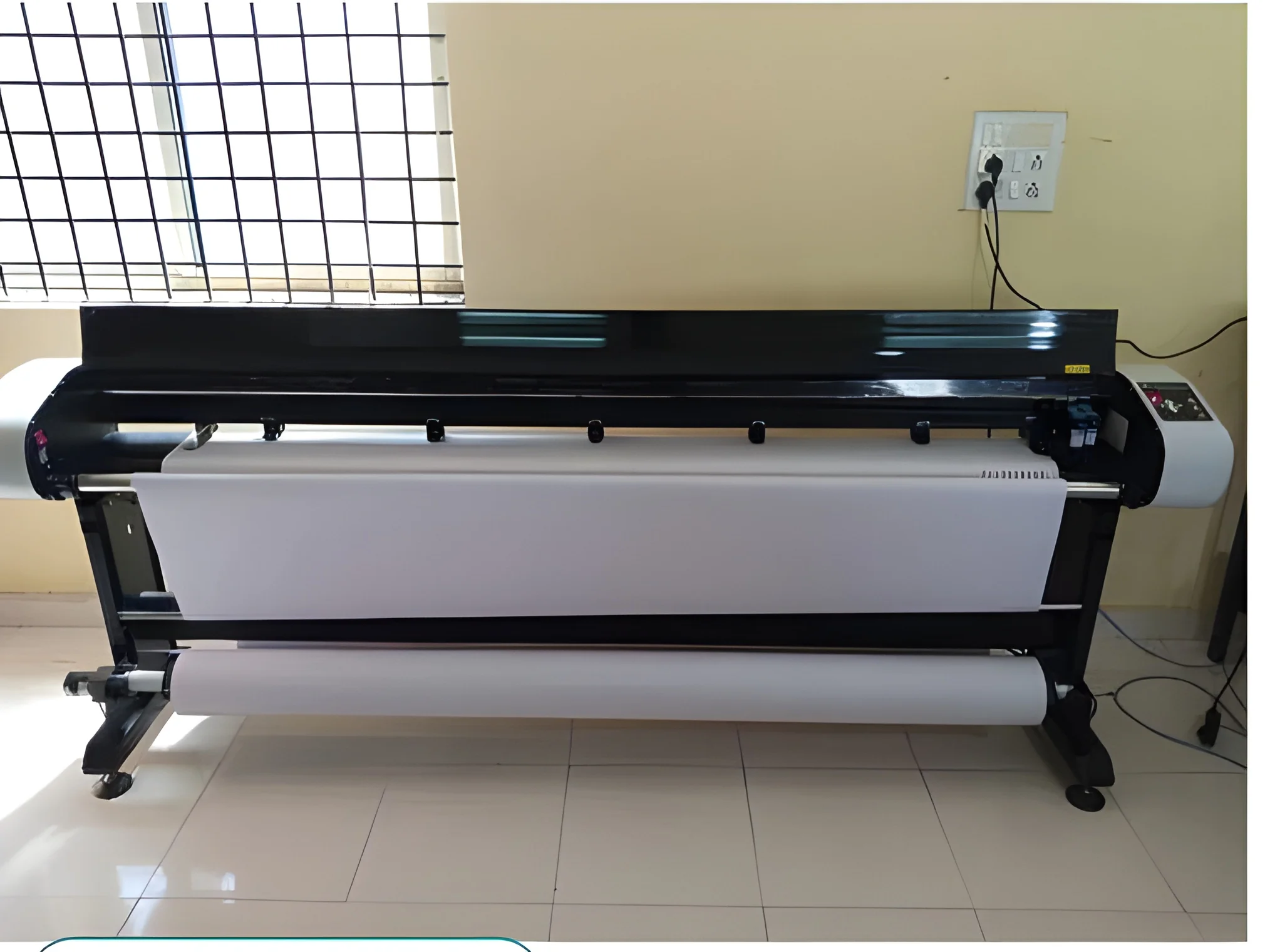
What are Textile CAD/CAM Systems?
Textile CAD/CAM systems are advanced software solutions designed for the textile industry that facilitate the design, manufacturing, and production processes of textile products. These systems enable designers and manufacturers to create intricate patterns, optimize fabric usage, and streamline the workflow from concept to finished product. By integrating computer-aided design (CAD) with computer-aided manufacturing (CAM), these systems enhance precision, reduce errors, and improve the overall efficiency of textile production.
These systems find primary applications in various aspects of the textile industry, including apparel design, textile printing, and fabric cutting. Businesses utilize these systems to create detailed designs, simulate fabrics, and prepare patterns for cutting machines, which significantly reduces the time and cost involved in the production process. The relevance of textile CAD/CAM systems in the industry is underscored by the increasing demand for customized textile products and the need for faster turnaround times, making them essential tools for modern textile manufacturers.
Key Features and Specifications
Textile CAD/CAM systems come equipped with a range of features that enhance their functionality and usability. Key specifications include:
1. Design Tools
- Comprehensive design capabilities for creating intricate patterns and layouts
- Support for various file formats to ensure compatibility with different software
2. Fabric Simulation
- Realistic simulation of fabric behavior and appearance
- Ability to visualize how designs will look on actual textiles
3. Pattern Making
- Automated pattern generation based on design inputs
- Tools for editing and modifying existing patterns
4. Nesting Optimization
- Algorithms that optimize fabric layout to minimize waste
- Considerations for fabric grain direction and cutting methods
5. Production Planning
- Tools for scheduling and managing production workflows
- Integration with inventory management systems
6. User Interface
- Intuitive interface that allows for easy navigation
- Customizable workspaces to suit user preferences
7. Software Integration
- Compatibility with other software tools used in the textile industry
- Support for data exchange between systems
8. Technical Support and Training
- Availability of training resources for users
- Ongoing technical support to resolve issues and enhance user experience
These features collectively contribute to a more efficient and effective textile production process, making these systems valuable assets for manufacturers.
Common Applications and Use Cases
Textile CAD/CAM systems serve a variety of industries, each with specific applications that benefit from the technology.
1. Apparel Industry: These systems are widely used for designing clothing and creating patterns that can be directly sent to cutting machines, allowing for quick adjustments and customizations.
2. Home Textiles: Manufacturers of curtains, upholstery, and bedding utilize CAD/CAM systems to design and produce intricate patterns that enhance aesthetic appeal while ensuring fabric efficiency.
3. Automotive Textiles: CAD/CAM technology is employed to design seat covers and interior fabrics, ensuring high durability and compliance with industry standards.
4. Technical Textiles: Industries producing specialized fabrics for applications such as medical or safety gear rely on CAD/CAM systems for precise design and manufacturing processes.
5. Fashion Design: Designers leverage these systems for high-fashion creations, enabling rapid prototyping and adjustments to meet market trends.
6. Fabric Printing: These systems facilitate the design and printing of unique patterns on fabrics, allowing for custom designs tailored to client specifications.
7. Industrial Textiles: Manufacturers of industrial fabrics utilize CAD/CAM systems for efficient production processes, ensuring high-quality outputs for various applications.
Product Variants and Subcategories
Textile CAD/CAM systems exhibit a diversity of functionalities and features tailored to specific user needs.
Basic Textile CAD Software
This variant focuses primarily on design capabilities, offering tools for pattern creation and editing. It is ideal for smaller businesses or startups looking to enter the textile market with basic design needs.
Advanced CAD/CAM Systems
These systems integrate both design and manufacturing functionalities, allowing for comprehensive workflow management. They are suitable for larger manufacturers that require sophisticated pattern making and production planning tools.
Cloud-Based Solutions
These systems provide flexibility and accessibility, allowing users to access design tools from anywhere. They are particularly beneficial for businesses with remote teams or those that require collaboration across multiple locations.
Benefits and Advantages
Textile CAD/CAM systems offer numerous benefits that enhance the efficiency and effectiveness of textile production.
1. Increased Efficiency: These systems streamline the design and production processes, reducing the time required to bring products to market.
2. Cost Savings: By optimizing fabric usage and minimizing waste, businesses can achieve significant cost reductions in material procurement.
3. Enhanced Accuracy: The precision of CAD/CAM systems reduces errors in pattern making and cutting, resulting in higher quality products.
4. Flexibility in Design: Users can easily modify designs and create custom patterns, allowing for rapid response to market demands.
5. Improved Collaboration: Many systems support multi-user environments, enabling teams to work together seamlessly on designs and production plans.
6. Integration Capabilities: These systems can be integrated with other software solutions, enhancing overall operational efficiency and data management.
Buying Guide for B2B Buyers
When sourcing Textile CAD/CAM systems, it is essential to consider several key factors to ensure that the chosen solution meets business needs effectively.
1. Quality Assessment: Evaluate the software's features, user reviews, and case studies. Consider testing the software with a demo to assess usability and functionality.
2. Supplier Verification: Research potential suppliers for their reputation in the industry. Look for certifications and customer testimonials to validate their reliability.
3. Pricing and MOQ: Understand the pricing structure, including any licensing fees or subscriptions. Consider the minimum order quantity and potential bulk purchase discounts.
4. Delivery and Lead Times: Inquire about the delivery timeline for the software and any accompanying hardware. Ensure that the supplier can meet your project deadlines.
5. Compliance Requirements: Ensure that the system complies with relevant industry standards and regulations, particularly if your textiles serve specialized markets.
Compliance and Certifications
Textile CAD/CAM systems must adhere to various compliance standards and certifications to ensure quality and safety in production processes.
Relevant quality standards, such as ISO 9001, focus on maintaining high-quality management systems, thereby ensuring the reliability of the software solutions.
Industry certifications like CE indicate that the products meet European safety and health requirements, making them suitable for use in various applications.
Safety and testing requirements are critical, especially for textiles used in sensitive environments. Systems should comply with relevant safety protocols to guarantee user and consumer safety.
Regional compliance considerations may vary based on location. It is essential to verify that the systems meet local regulations and standards to avoid compliance issues.
Why Source Textile CAD/CAM Systems from Pepagora?
Pepagora provides a trusted platform for sourcing Textile CAD/CAM systems, offering several key advantages to B2B buyers.
Verified Supplier Network: Pepagora ensures that all suppliers are thoroughly vetted to guarantee reliability and quality. Buyers can access a comprehensive list of verified manufacturers, enhancing procurement security.
Streamlined RFQ Process: The platform simplifies the request for quotation process, allowing buyers to quickly obtain competitive quotes from multiple suppliers, saving time and effort.
Trade Assurance and Support: Pepagora offers trade assurance, protecting buyers from potential disputes and ensuring smooth transactions. Additionally, customer support is readily available to assist with any issues.
Regional Coverage: With a strong presence in regions like India, the GCC, and Southeast Asia, Pepagora connects buyers with suppliers in crucial markets, facilitating easier access to quality textile CAD/CAM systems.

 IN
IN