What are Winding Machines?
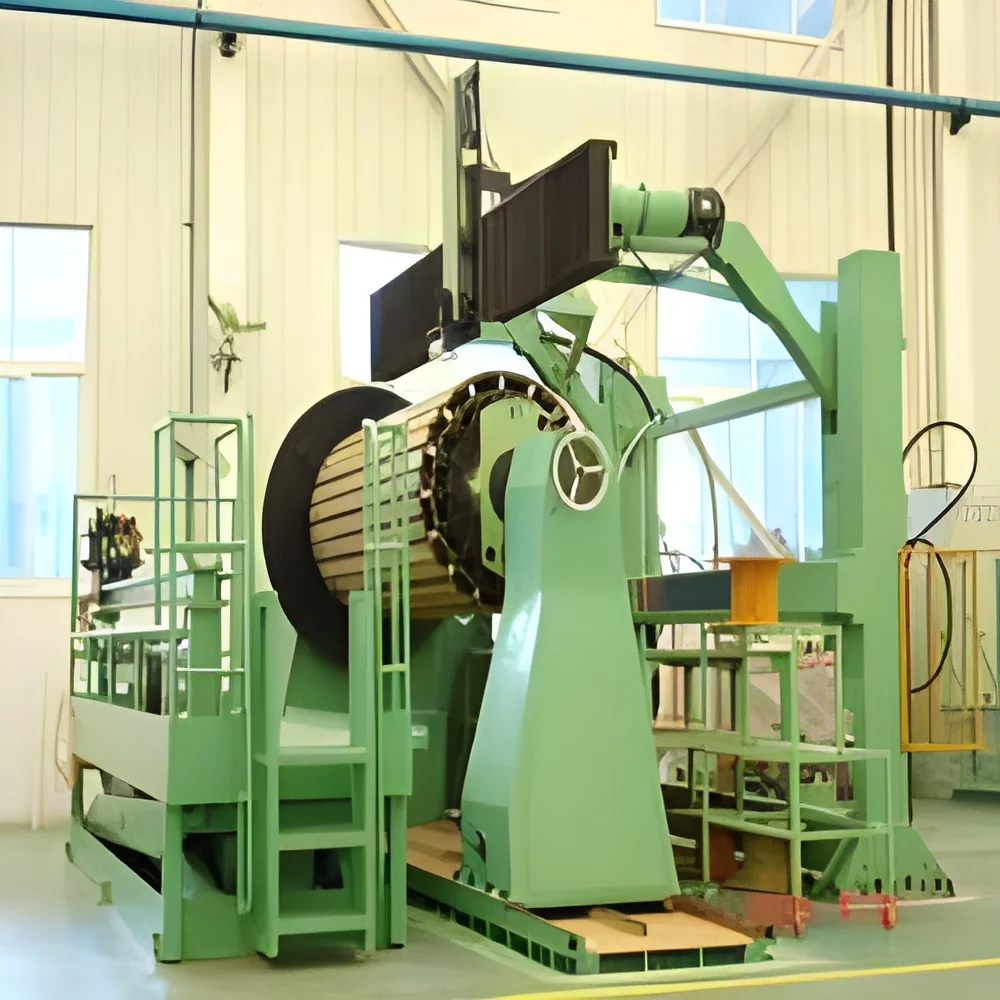
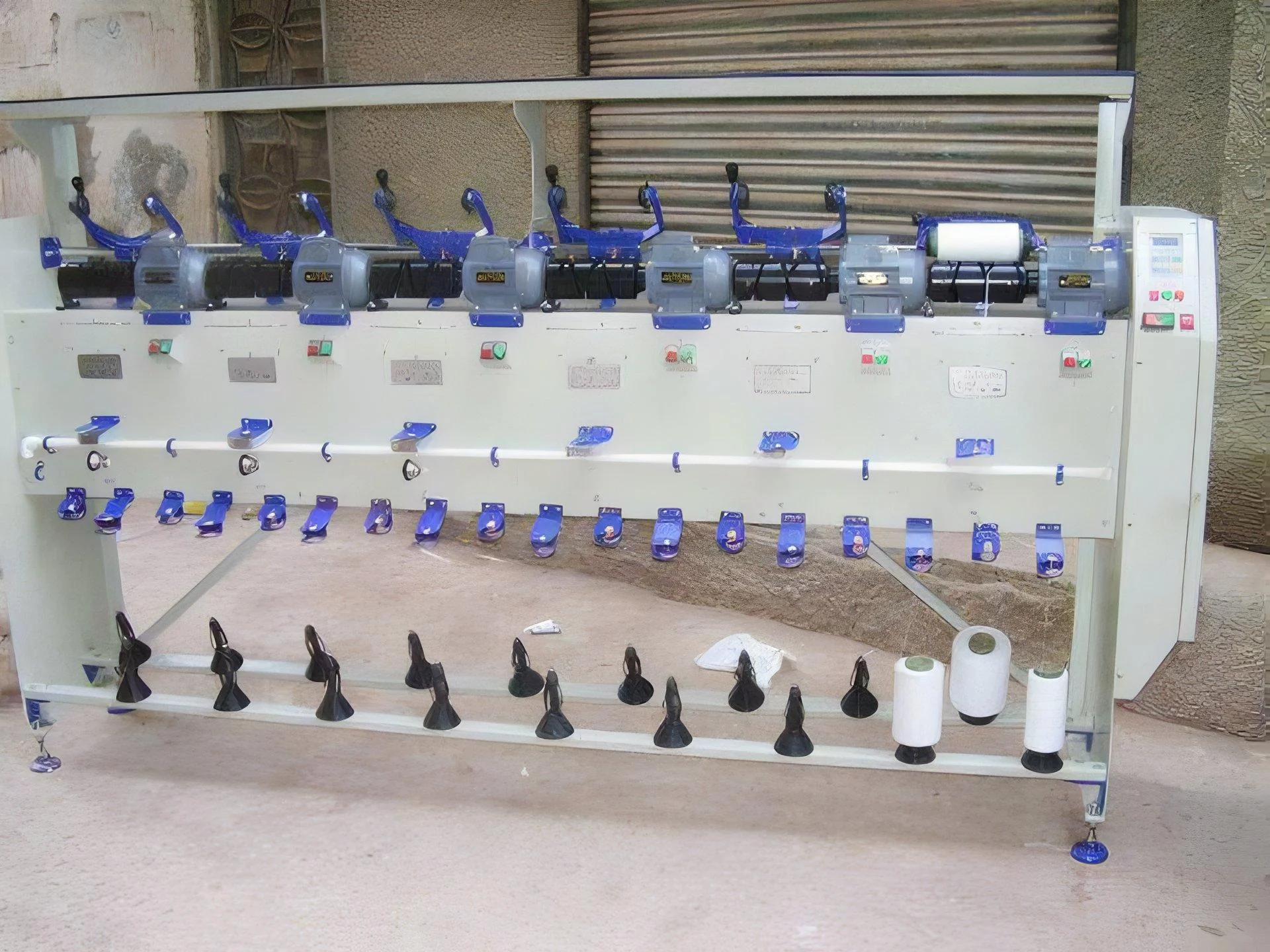
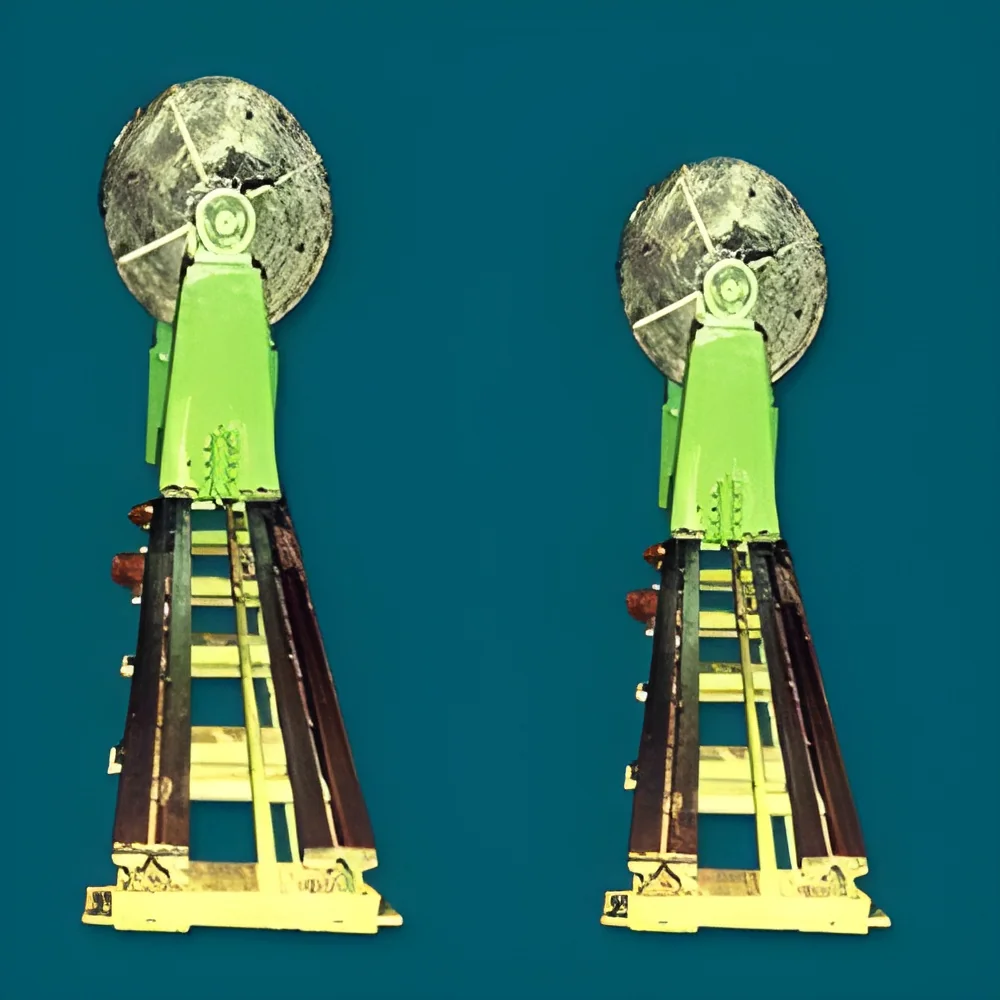
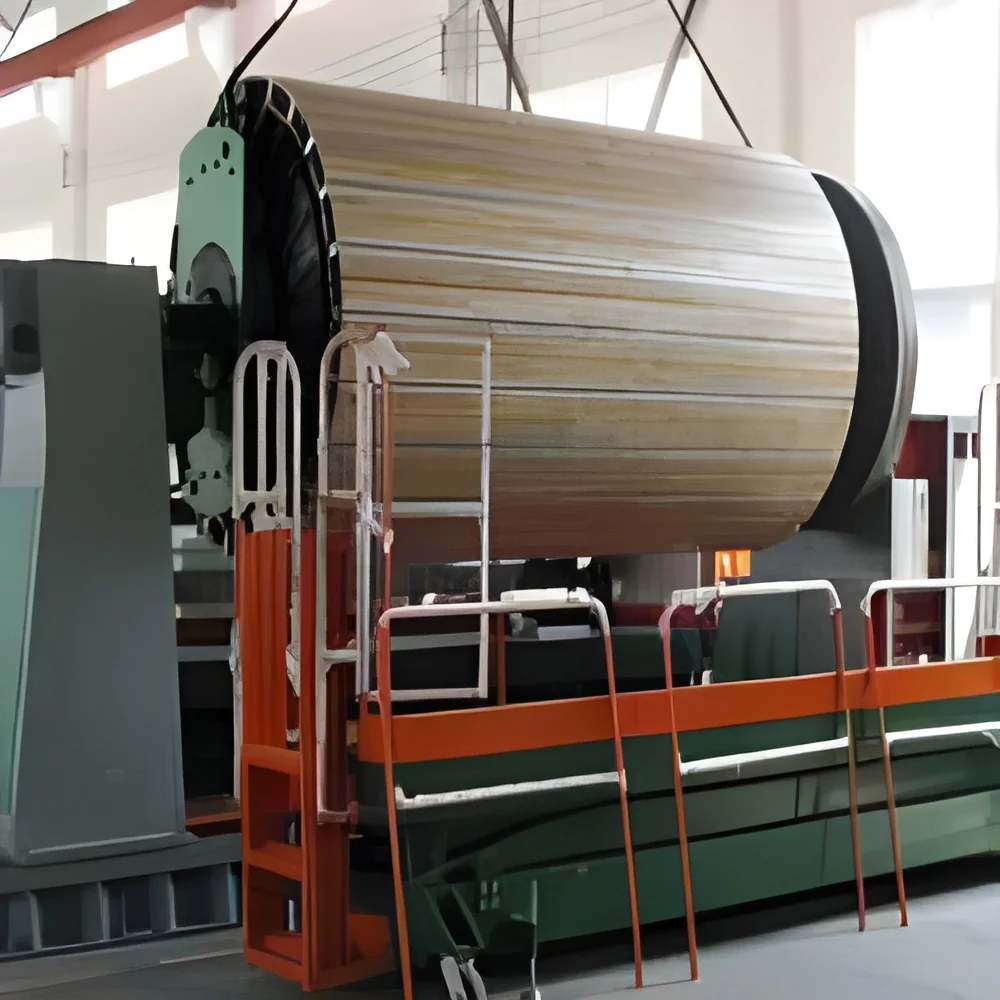
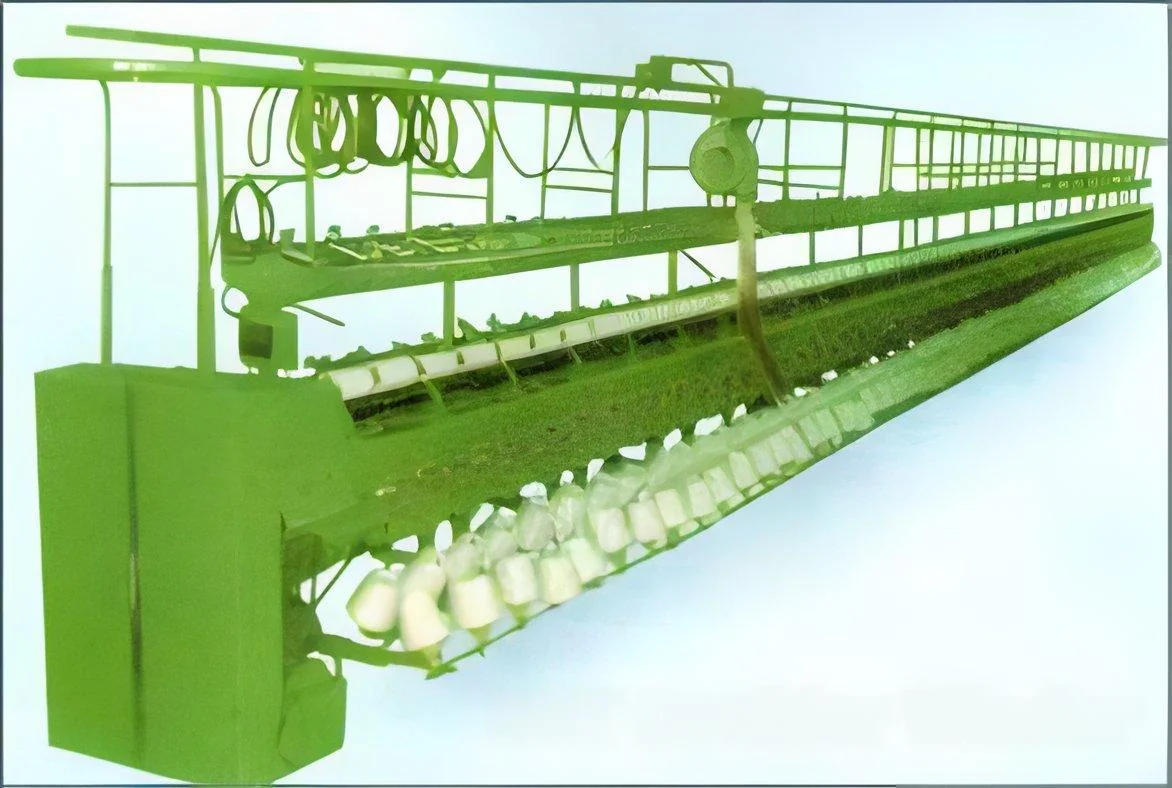
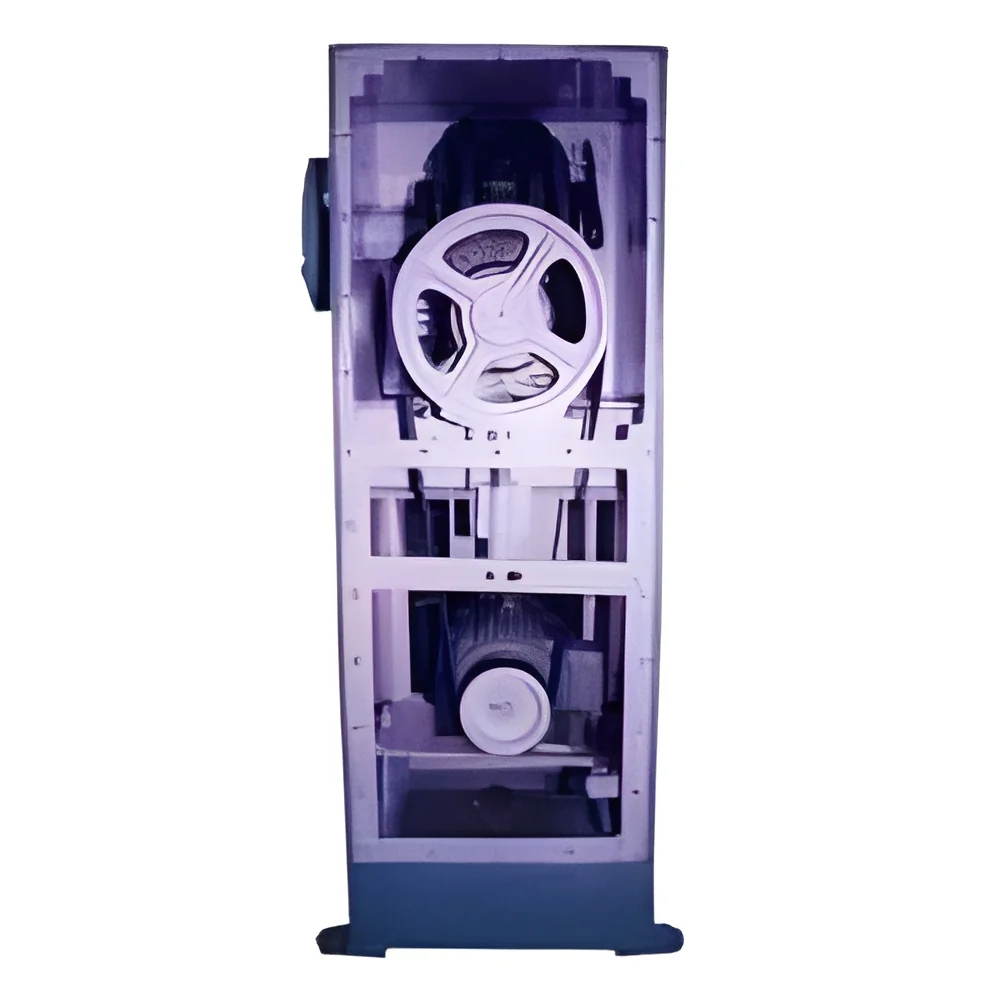
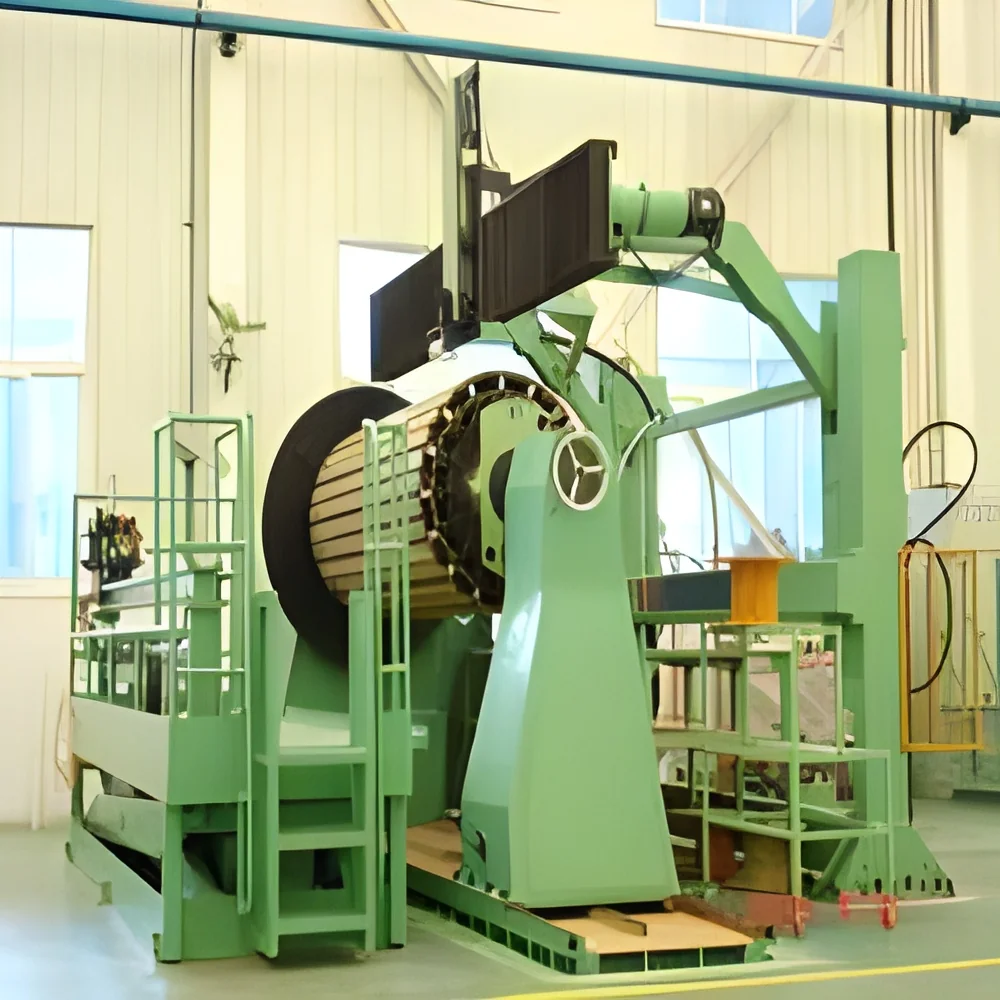
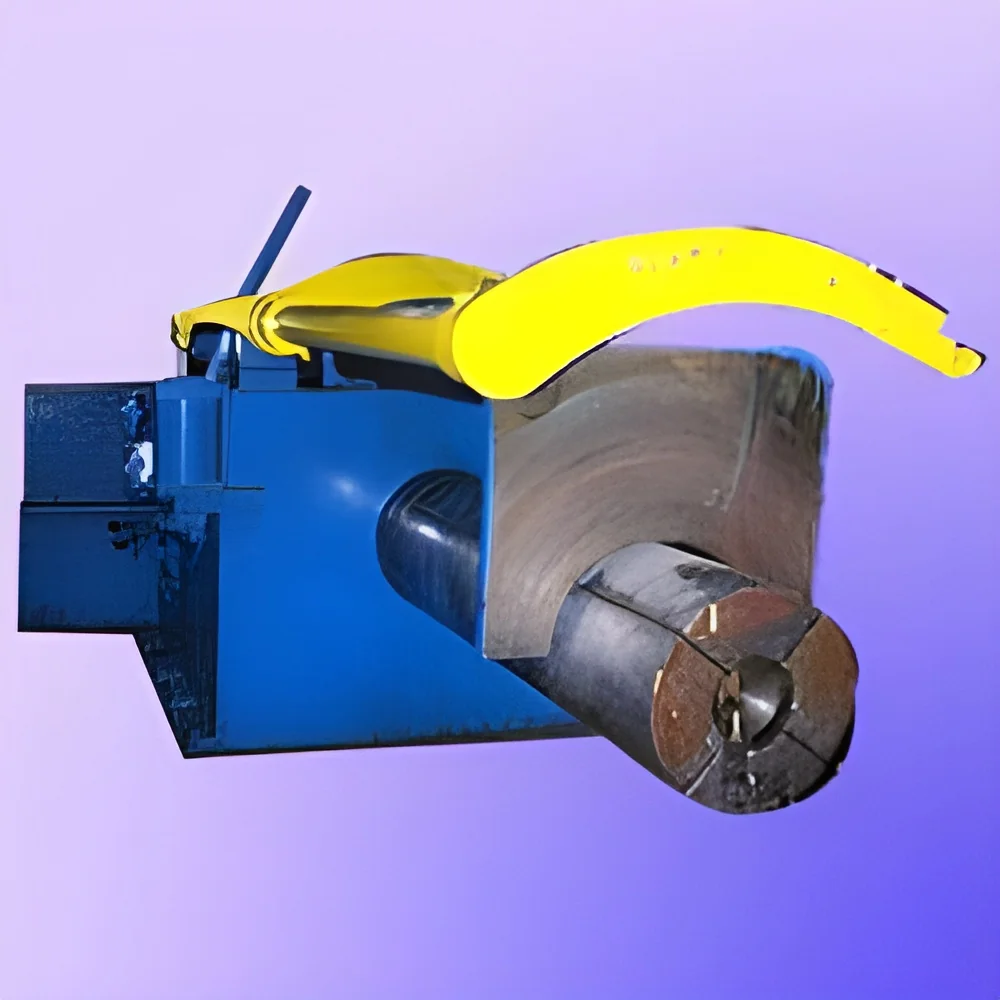
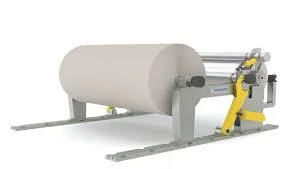
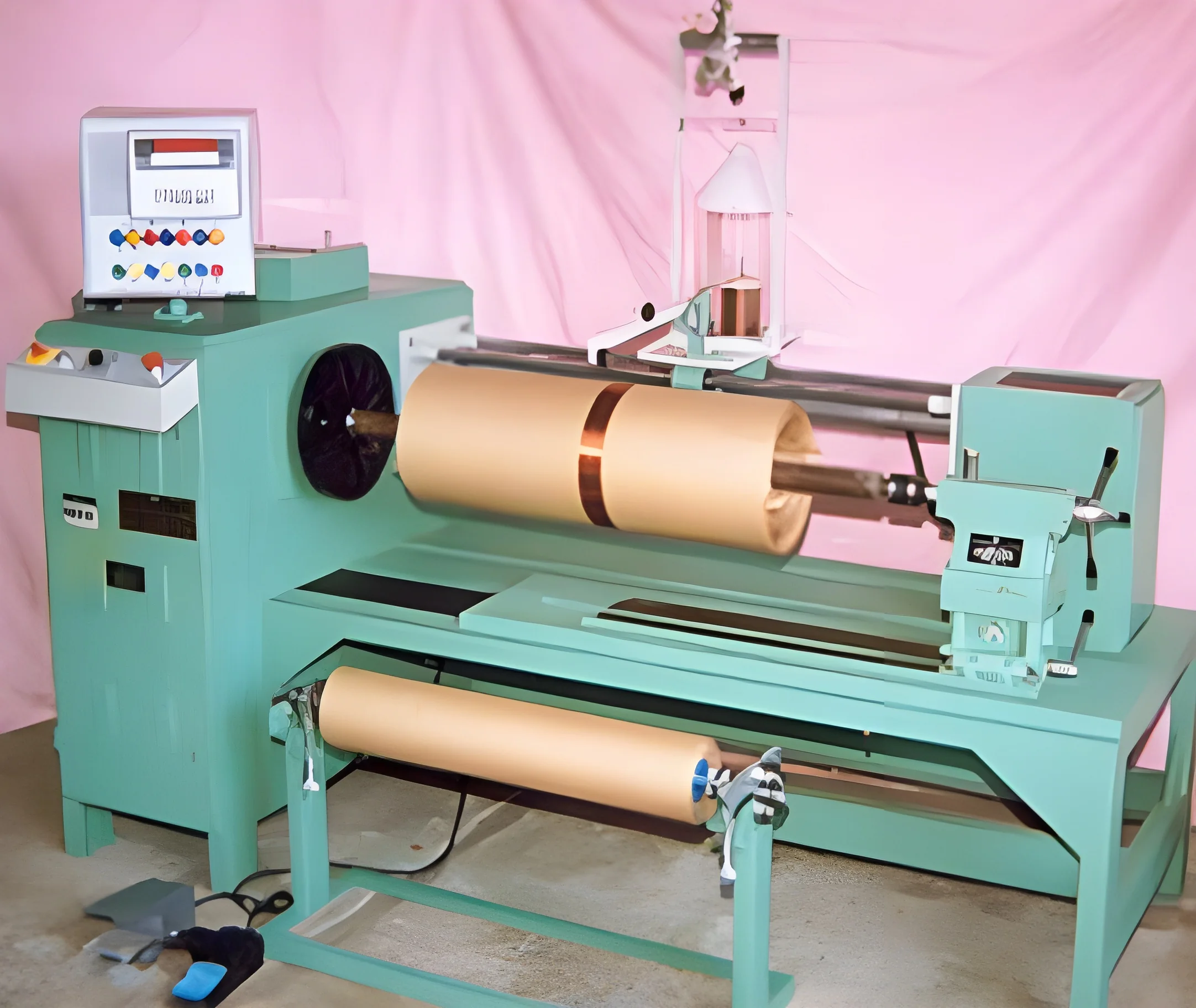
Winding machines are specialized equipment used to wind materials such as wire, cable, and yarn onto spools or reels. These machines automate the winding process, ensuring consistent tension and reducing material waste. They are designed to handle various types of materials and can be adjusted to accommodate different winding specifications. The automation involved enhances productivity and accuracy, making winding machines essential in manufacturing settings.
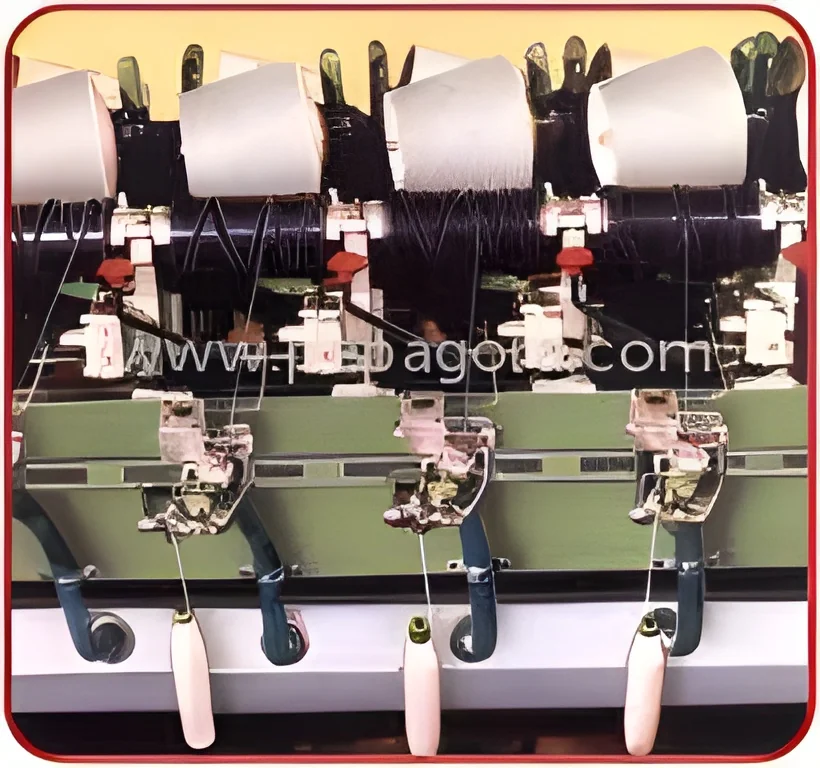
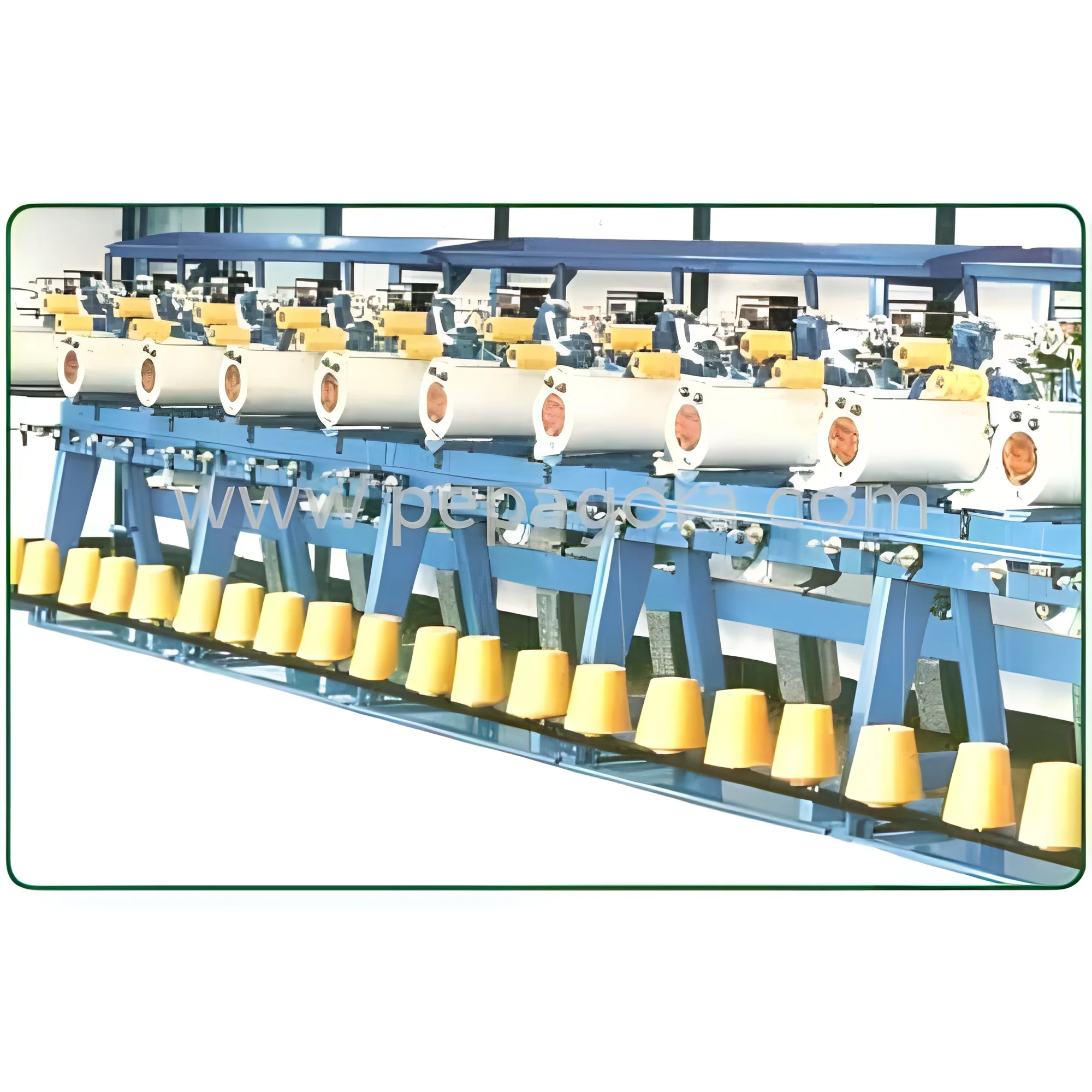
Winding machines are primarily used in industries such as telecommunications, textiles, and electrical manufacturing. In telecommunications, they are vital for winding fiber optic cables. In the textile industry, these machines are used to wind yarn for further processing. Electrical manufacturers utilize winding machines to create coils for motors and transformers. The versatility of these machines makes them relevant in various sectors, allowing businesses to enhance their production capabilities.
The market for winding machines is expanding as industries increasingly seek automation solutions to improve efficiency and reduce labor costs. As technology advances, newer models feature enhanced control systems and monitoring capabilities, further driving their adoption across different sectors.
Key Features and Specifications
Winding machines come equipped with various features that enhance their functionality and efficiency. These specifications help businesses select the right machine based on their production needs.
Key specifications include:
1. Winding Speed
- Determines how quickly the machine can wind material.
- Ranges from 50 to 200 meters per minute, depending on the model.
2. Spool Size Compatibility
- Refers to the size of spools the machine can accommodate.
- Typically supports spool diameters of 100mm to 500mm.
3. Tension Control
- Essential for maintaining consistent tension during winding.
- Can be manual or automated with feedback systems.
4. Material Type
- Suitable for various materials like wire, fiber, or yarn.
- Some models are specialized for specific materials.
5. Motor Power
- Indicates the power of the motor used in the machine.
- Common ranges are from 0.5 kW to 5 kW.
6. Control System
- Refers to the interface used to operate the machine.
- May include digital displays and programmable logic controllers.
7. Footprint
- The physical space the machine occupies.
- Sizes vary significantly based on capabilities and design, ranging from compact units to larger industrial models.
8. Safety Features
- Includes emergency stop buttons, guards, and overload protection.
- Ensures safe operation in manufacturing environments.
In summary, understanding these features and specifications will allow businesses to make informed decisions when purchasing winding machines that best meet their production requirements.
Common Applications and Use Cases
Winding machines serve a broad range of industries by providing efficient winding solutions tailored to specific applications.
1. Telecommunications: Winding machines are used extensively for winding fiber optic cables, ensuring the cables are neatly stored for installation.
2. Textile Industry: These machines wind various types of yarn for weaving and knitting processes, allowing manufacturers to produce textiles efficiently.
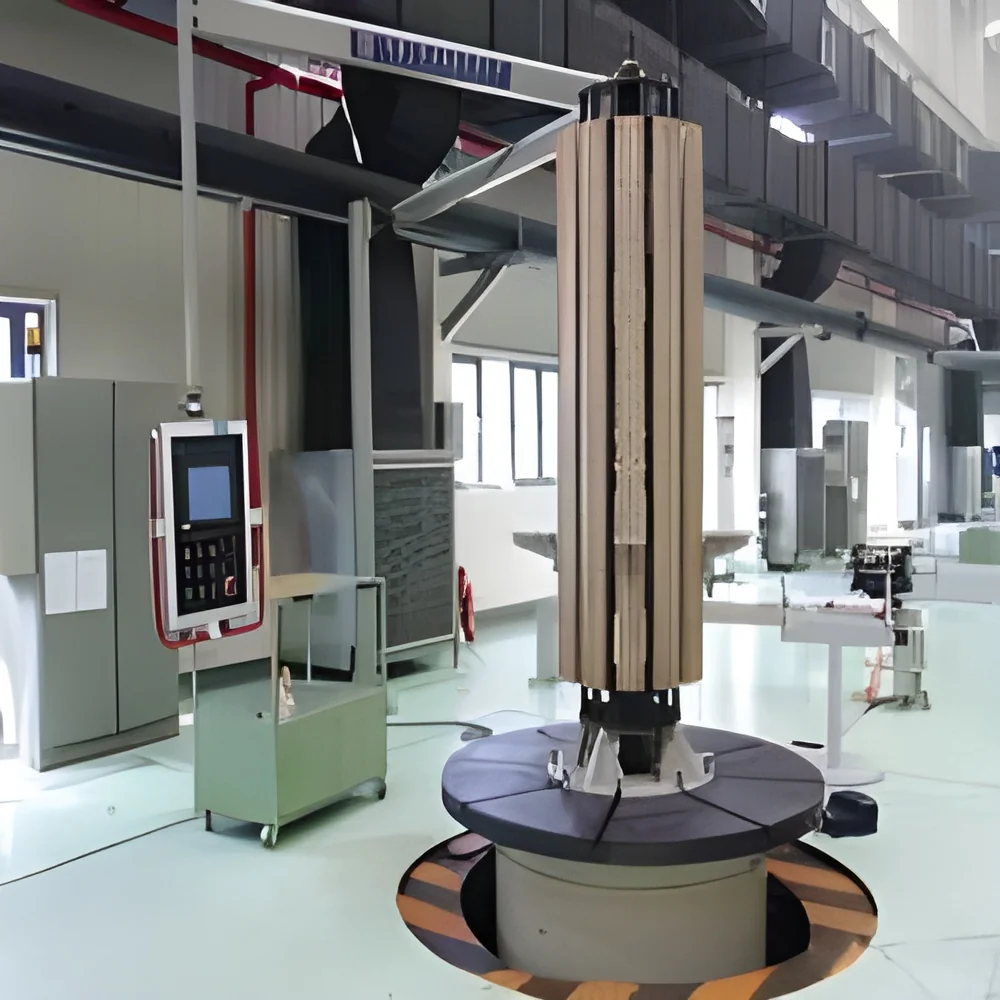
3. Electrical Manufacturing: Winding machines create coils for transformers and motors, which are crucial components in electrical devices.
4. Automotive Industry: Used for winding wires and cables for automotive electrical systems, contributing to the assembly of vehicles.
5. Aerospace: Winding machines are employed to wind components for aircraft systems, ensuring reliability and performance.
6. Medical Devices: These machines are utilized in the production of coiled components for medical instruments and devices, emphasizing precision.
7. Renewable Energy: Winding machines play a role in manufacturing coils for generators and motors used in wind and solar energy systems.
Product Variants and Subcategories
Winding machines come in a variety of designs and configurations to meet different industry needs.
Automatic Winding Machines
These machines feature fully automated processes, reducing labor costs and increasing efficiency. They are suitable for high-volume production environments and can handle complex winding patterns.
Semi-Automatic Winding Machines
These machines require some manual intervention but still offer automation benefits. They are ideal for businesses that have moderate production requirements or need flexibility in winding processes.
Portable Winding Machines
Designed for mobility, these machines are compact and lightweight. They are perfect for on-site applications or smaller production runs where space is limited.
Multi-Spindle Winding Machines
These machines can wind multiple spools simultaneously, significantly increasing productivity. They are beneficial for large-scale operations that require high output.
Benefits and Advantages
Investing in winding machines offers numerous advantages for businesses seeking to optimize their production processes.
1. Increased Efficiency: Winding machines automate the winding process, significantly reducing production time compared to manual methods.
2. Consistent Quality: Automation ensures uniform tension and winding quality, minimizing defects and enhancing product reliability.
3. Labor Cost Reduction: By automating winding processes, businesses can reduce reliance on manual labor, lowering overall operational costs.
4. Versatility: Winding machines can be adapted to work with various materials and spool sizes, making them suitable for multiple applications.
5. Enhanced Safety: Modern winding machines come equipped with safety features that protect operators and reduce the risk of accidents.
6. Improved Scalability: Businesses can easily scale their operations by adding more winding machines to meet increased demand without major disruptions.
Buying Guide for B2B Buyers
When sourcing winding machines, buyers should consider several critical factors to ensure they select the right equipment for their needs.
1. Quality Assessment: Evaluate machines based on build quality and reliability. Look for manufacturers that comply with industry standards and have a proven track record.
2. Supplier Verification: Conduct thorough research on potential suppliers. Check references and reviews to ensure they are reputable and deliver quality products.
3. Pricing and MOQ: Understand the pricing structures and minimum order quantities. Compare prices from different suppliers to find a competitive offer that fits your budget.
4. Delivery and Lead Times: Inquire about delivery timelines and logistics. Ensure that the supplier can meet your production schedules without delays.
5. Compliance Requirements: Verify that the machines meet necessary regulatory and safety standards relevant to your industry. This may include certifications like CE.
Compliance and Certifications
Compliance and certifications are crucial in ensuring that winding machines meet industry standards and safety regulations. Many winding machines are manufactured according to ISO 9001 standards, which focus on quality management systems. Adhering to such standards ensures consistent product quality and customer satisfaction.
In addition, winding machines may carry certifications like CE, indicating that they conform to European health, safety, and environmental protection standards. This certification is vital for businesses operating in or exporting to Europe.
Safety and testing requirements are a significant aspect of winding machine production. Manufacturers must ensure that their machines are tested for operational safety and reliability before being introduced to the market. Regional compliance considerations may vary, so businesses should be aware of local regulations governing machinery and equipment to ensure adherence.
Why Source Winding Machines from Pepagora?
Pepagora offers a trusted platform for sourcing winding machines, providing several key advantages to buyers.
Verified Supplier Network: Pepagora has established a network of verified suppliers, ensuring that buyers connect with reputable manufacturers that meet high-quality standards. This reduces the risk associated with procurement.
Streamlined RFQ Process: The platform features a simplified request for quotation (RFQ) process, allowing buyers to easily compare offers from multiple suppliers. This efficiency helps businesses make informed purchasing decisions quickly.
Trade Assurance and Support: Pepagora provides trade assurance to protect buyers throughout the purchasing process. This includes support for resolving disputes and ensuring that products meet agreed-upon specifications.
Regional Coverage: With a focus on regions like India, GCC, and Southeast Asia, Pepagora enables businesses to easily access winding machines tailored to their local market needs. This geographic reach ensures that buyers can find the right solutions without extensive searching.

 IN
IN