What are Needle Punching Machines?
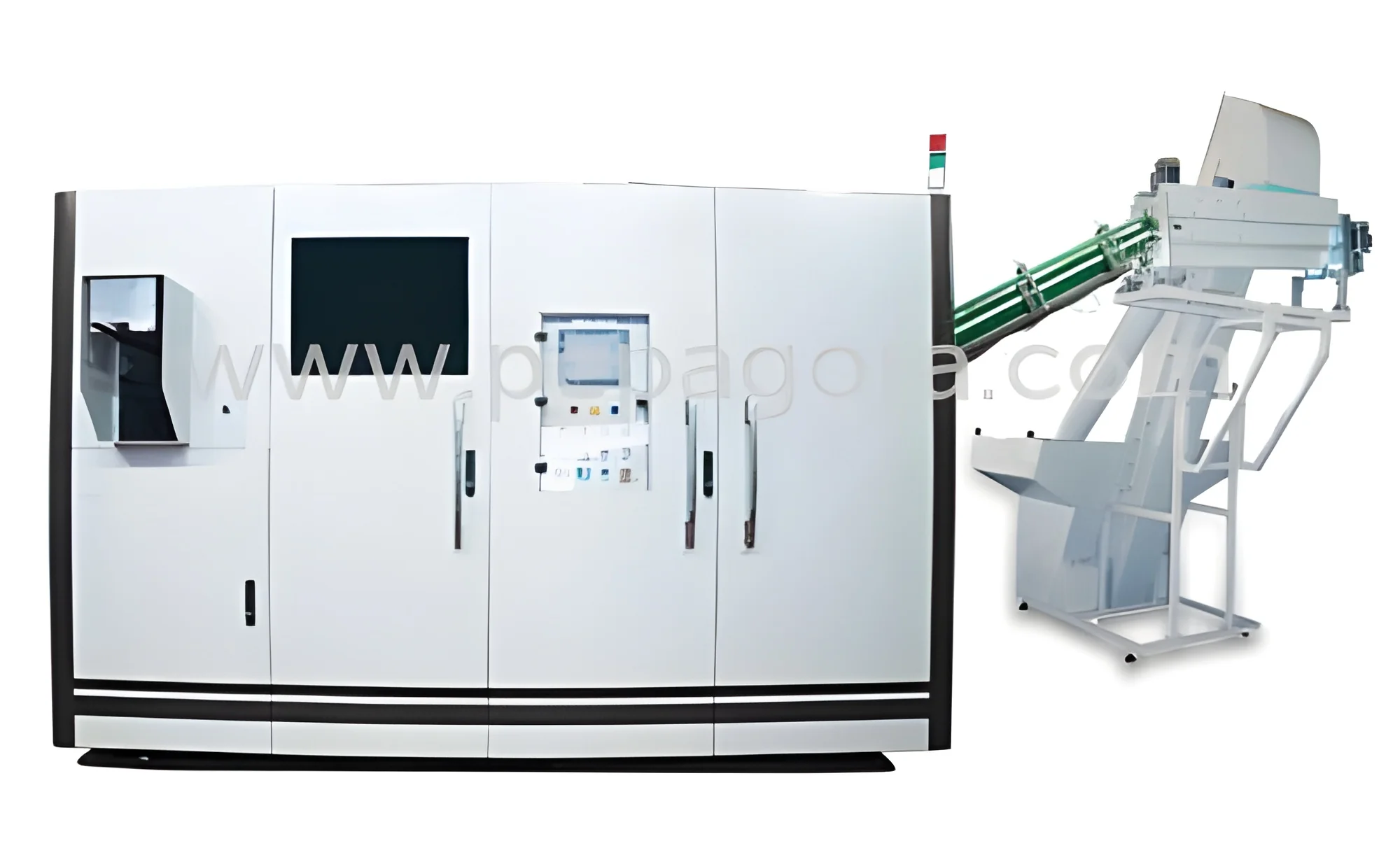
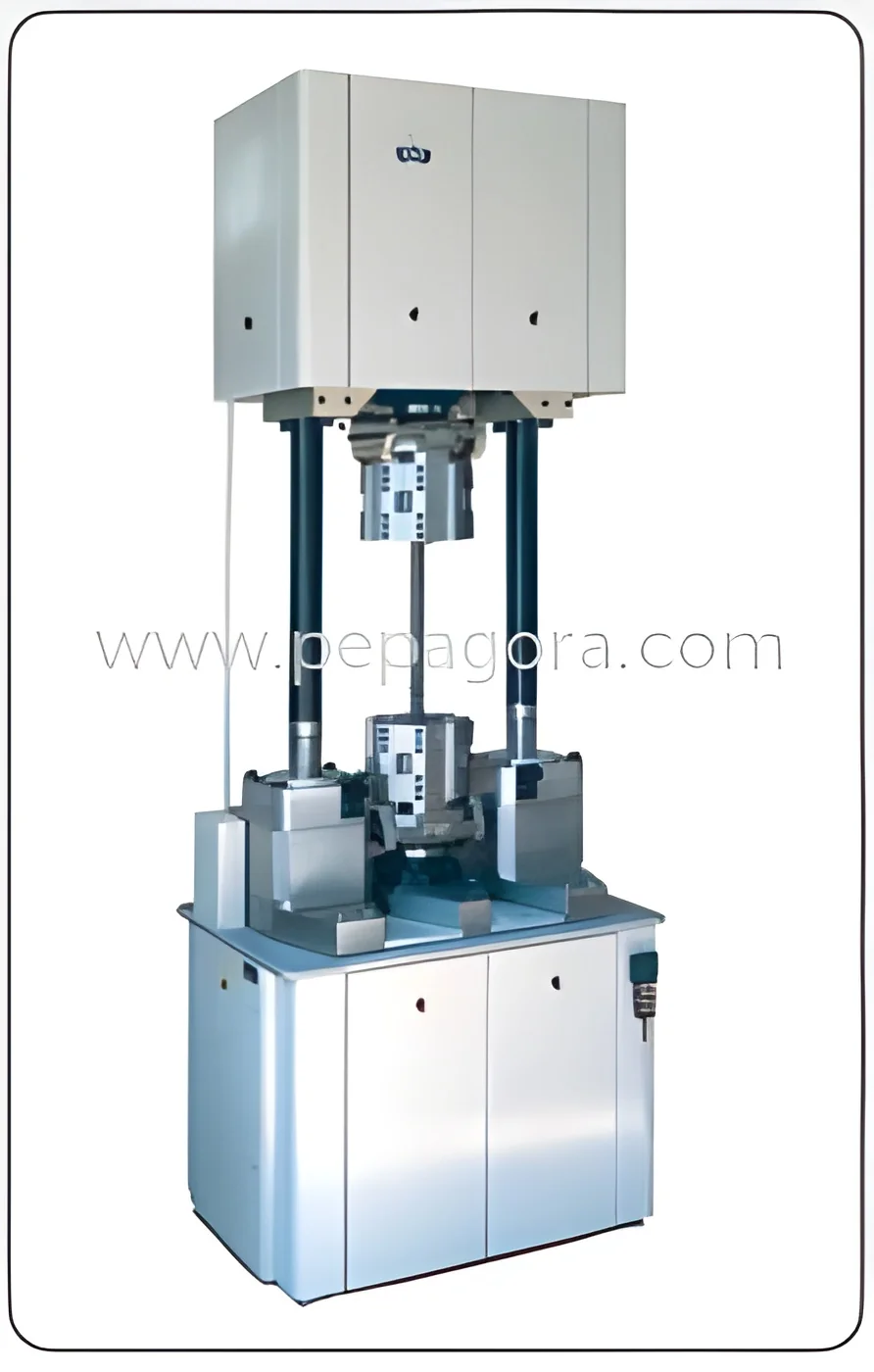
Needle punching machines are specialized equipment used in the textile and nonwoven fabric industries. These machines utilize barbed needles to interlock fibers, creating a dense fabric without the need for adhesives or weaving. The process involves pushing needles through a fiber web, entangling the fibers together to form a solid structure. This technique is efficient and versatile, making it a popular choice for various applications.
The primary uses of needle punching machines include the production of geotextiles, automotive interiors, carpet backing, and insulation materials. Businesses in industries such as construction, automotive, and home furnishings rely on these machines to produce high-quality nonwoven fabrics. The demand for sustainable and eco-friendly materials has further increased the relevance of needle punching technology in today’s market, as it allows for the use of recycled fibers and reduces waste.
In terms of industry relevance, needle punching machines play a critical role in the manufacturing processes of many sectors. With advancements in technology, these machines have become more automated and efficient, offering manufacturers the ability to scale production while maintaining quality. As industries continue to innovate and seek cost-effective production methods, the needle punching machine market is expected to grow significantly.
Key Features and Specifications
Needle punching machines come equipped with several key features that enhance their performance and usability. These machines vary in size and capabilities, making them suitable for both small-scale and large-scale production. Their specifications typically reflect their intended applications, with varying needle densities, speeds, and fabric widths.
Key specifications include:
1. Needle Density
- Refers to the number of needles per unit area.
- Typically ranges from 300 to 700 needles per square meter.
2. Production Speed
- Indicates the speed at which the machine can operate.
- Common speeds range from 10 to 30 meters per minute.
3. Fabric Width
- The width of the fabric that can be processed.
- Standard widths range from 1.0 to 3.5 meters.
4. Power Consumption
- The electrical power required to operate the machine.
- Usually between 5 to 30 kW depending on machine size.
5. Control System
- Describes the automation and control features.
- Many machines include PLC (Programmable Logic Controller) for precision control.
6. Needle Type
- Indicates the type of needles used for different applications.
- Options include standard barbed needles and specialized needles for specific fabrics.
7. Machine Dimensions
- The physical size of the machine.
- Varies widely, typically from 3 to 10 meters in length.
8. Weight
- The overall weight of the machine.
- Generally ranges from 1,000 kg to 5,000 kg based on the model.
In summary, needle punching machines are equipped with features that cater to various manufacturing needs, making them a valuable investment for businesses in the textile and nonwoven industries.
Common Applications and Use Cases
Needle punching machines serve various industries due to their versatility and efficiency. They are particularly effective in creating nonwoven fabrics that meet specific industry requirements.
1. Automotive: Needle punching machines are used to produce automotive interiors, including headliners, carpets, and sound insulation materials, providing durability and aesthetic appeal.
2. Construction: In the construction sector, these machines create geotextiles used for soil stabilization, erosion control, and drainage, contributing to sustainable building practices.
3. Home Furnishings: The production of carpets and rugs is another key application, with needle punching machines enabling manufacturers to create stylish and functional floor coverings.
4. Medical: In the medical industry, needle punching technology is applied to produce nonwoven fabrics for surgical gowns, masks, and other personal protective equipment, ensuring safety and comfort.
5. Filtration: Needle punching is used in the manufacture of filtration media for air and liquid filtration systems, enhancing effectiveness and longevity.
6. Padding: These machines create padding materials for furniture and bedding, providing comfort and insulation.
7. Sports: In the sports industry, needle punching machines are utilized to produce synthetic turf and protective padding, offering durability and performance.
Product Variants and Subcategories
Needle punching machines are diverse and offer various configurations to meet specific production needs. While subcategories are not specified, manufacturers often customize machines to suit particular applications.
High-Speed Needle Punching Machine
This variant is designed for high-volume production, featuring advanced automation and increased needle density for faster output. It is ideal for businesses looking to scale operations without compromising on quality.
Compact Needle Punching Machine
This model is designed for smaller operations or businesses with limited space. It delivers efficient needle punching capabilities while maintaining a compact footprint, making it suitable for startups or smaller manufacturers.
Multi-Needle Punching Machine
This machine is equipped with multiple needle bars, allowing for the simultaneous processing of different fiber types. It is beneficial for manufacturers aiming to produce diverse product lines.
Benefits and Advantages
Investing in needle punching machines offers numerous advantages for businesses in the textile and nonwoven fabric industries. These benefits significantly enhance production efficiency and product quality.
1. Cost-Effectiveness: Needle punching technology reduces material waste and eliminates the need for adhesives, leading to lower production costs.
2. Versatility: These machines can process a wide range of fibers, including natural and synthetic materials, allowing manufacturers to diversify their product offerings.
3. High Production Efficiency: Needle punching machines operate at high speeds, enabling businesses to meet large orders and tight deadlines.
4. Eco-Friendly Processes: The ability to use recycled materials in production aligns with sustainability goals, appealing to environmentally conscious consumers.
5. Minimal Maintenance: Modern needle punching machines are designed for durability and ease of maintenance, reducing downtime and operational costs.
6. Enhanced Product Quality: The interlocking of fibers creates a strong and consistent fabric, improving the overall quality of the final product.
Buying Guide for B2B Buyers
When sourcing needle punching machines, it is essential for buyers to consider several key factors to ensure they make informed purchasing decisions.
1. Quality Assessment: Evaluate the quality of the machine by reviewing manufacturer certifications and customer testimonials. Look for machines that meet industry standards for performance and reliability.
2. Supplier Verification: Conduct thorough research on potential suppliers. Check their reputation, history, and customer feedback to ensure they are credible and reliable.
3. Pricing and MOQ: Understand the pricing structure and minimum order quantities. Consider the total cost of ownership, including maintenance and operational costs, when evaluating pricing.
4. Delivery and Lead Times: Inquire about delivery schedules and lead times. Ensure that the supplier can meet your production timelines to avoid delays.
5. Compliance Requirements: Verify that the machine complies with relevant safety and quality standards, such as CE certification. This ensures that the machine meets regulatory requirements in your region.
Compliance and Certifications
Compliance and certifications are critical for needle punching machines, ensuring that they meet industry standards for quality and safety. ISO 9001 is a key quality management standard that applies to manufacturing processes, indicating the manufacturer’s commitment to consistent quality and continuous improvement.
In addition, CE certification is essential for machines sold in Europe, confirming that they meet health, safety, and environmental protection standards. This certification is important for compliance with European market regulations.
Safety and testing requirements also play a vital role in the manufacturing of needle punching machines. Manufacturers must ensure that their machines undergo rigorous testing to guarantee operational safety and reliability.
Regional compliance considerations can vary. It is crucial for buyers to familiarize themselves with local regulations and standards to ensure that the machines they purchase will be compliant in their specific markets.
Why Source Needle Punching Machines from Pepagora?
Pepagora provides a trusted platform for sourcing needle punching machines, offering several key advantages to B2B buyers.
Verified Supplier Network: Pepagora has established a robust network of verified suppliers, ensuring that buyers have access to reputable manufacturers. This reduces the risk of sourcing from unreliable vendors.
Streamlined RFQ Process: The platform features a user-friendly Request for Quotation (RFQ) process, allowing buyers to easily submit their requirements and receive competitive quotes from multiple suppliers.
Trade Assurance and Support: Pepagora offers trade assurance and support, providing buyers with protection throughout the procurement process. This includes assistance with negotiations and dispute resolution if necessary.
Regional Coverage: With a strong presence in regions such as India, the GCC, and Southeast Asia, Pepagora enables buyers to connect with local suppliers, facilitating easier communication and logistics.
By choosing Pepagora as your sourcing partner, you can streamline your procurement process and ensure access to high-quality needle punching machines that meet your business needs.

 IN
IN