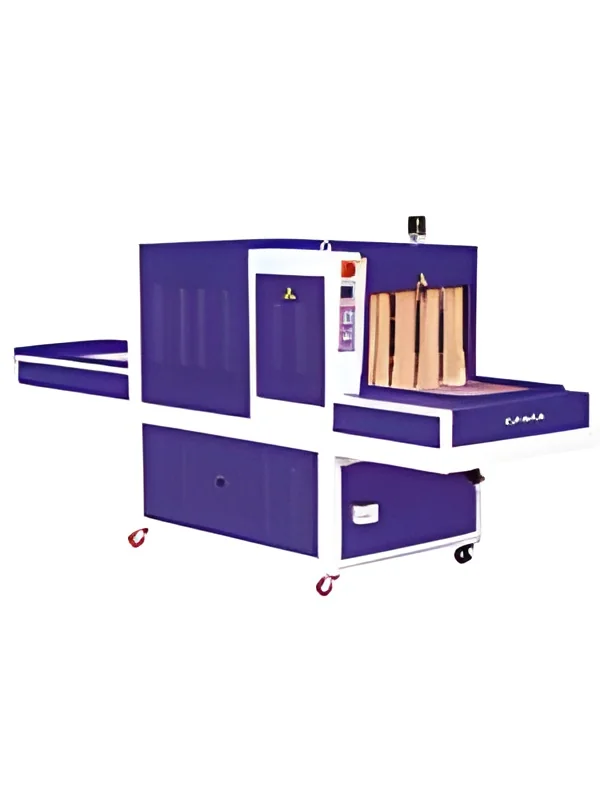
What are Stenter Machines?
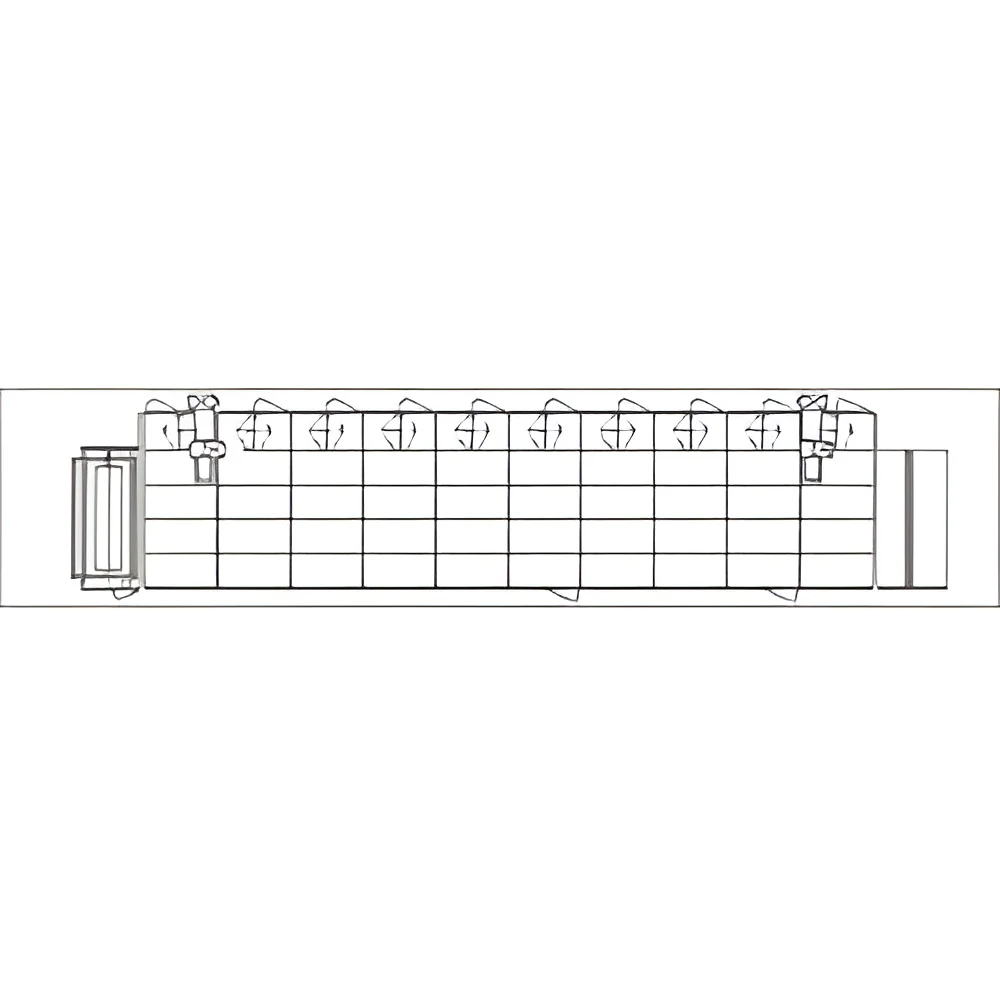
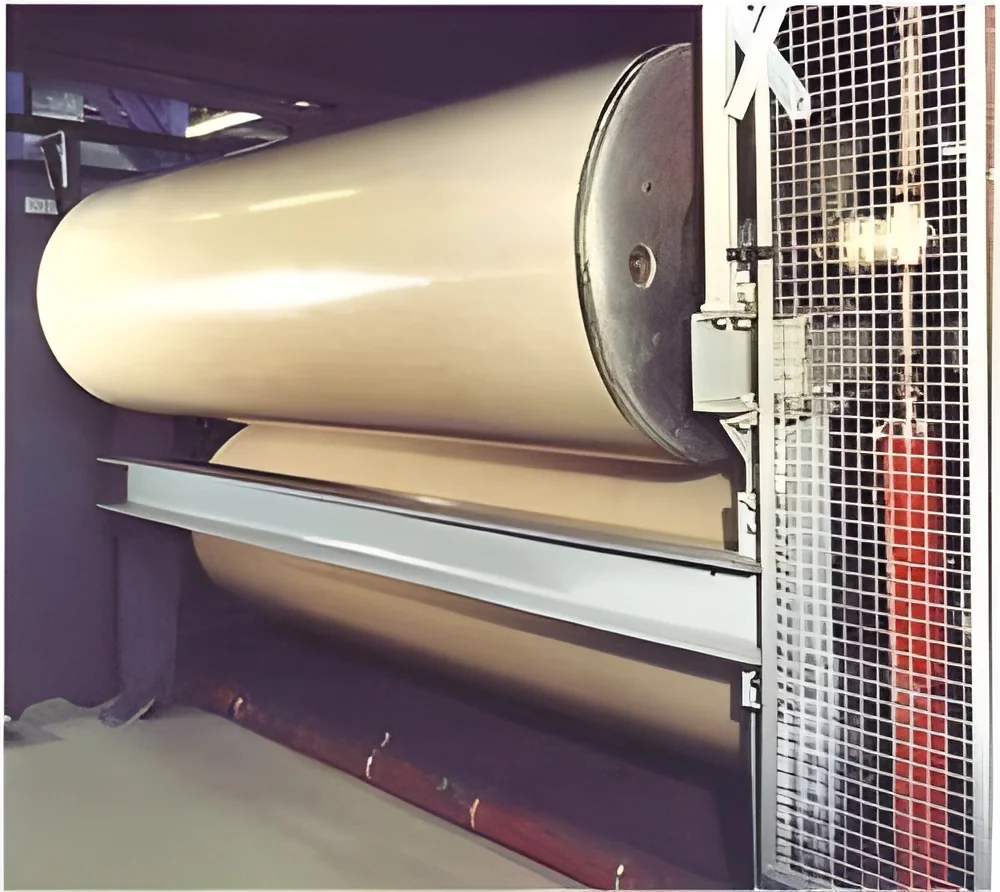
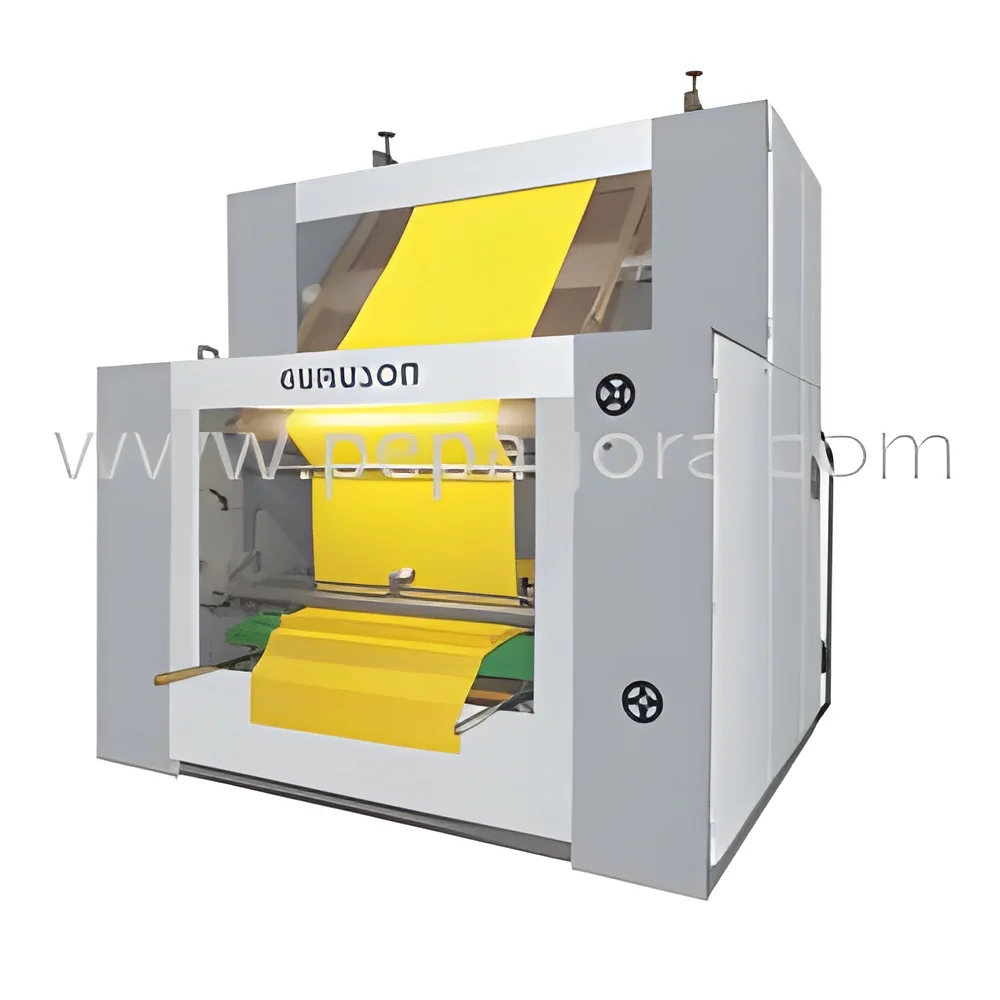
Stenter machines are specialized textile finishing equipment used to process woven and knitted fabrics. Their primary function is to stretch and stabilize fabric during the drying process after dyeing or printing. The machine employs heated rollers and a series of pins or clips to hold the fabric in place, ensuring it retains its intended shape and dimensions as it dries.
These machines are widely used in the textile industry, particularly for cotton, polyester, and blended fabrics. They play a crucial role in enhancing fabric quality by improving its dimensional stability, reducing shrinkage, and ensuring uniform drying. Stenter machines also facilitate the application of various finishes, such as water repellency or flame retardance, making them essential in the production of high-performance textiles. The demand for stenter machines continues to grow as the textile industry evolves, focusing on efficiency and sustainability.
Key Features and Specifications
Stenter machines are equipped with various features designed to optimize the finishing process of textiles. Their specifications can vary based on the intended application and production capacity.
Key specifications include:
1. Heating System
- Type of heating (e.g., steam, electric, or gas)
- Temperature control range for different fabric types
2. Fabric Width
- Maximum width capacity of the machine
- Compatibility with various fabric types
3. Speed Control
- Adjustable speed settings for different drying requirements
- Maximum operational speed measurements
4. Humidity Control
- Systems in place for managing moisture levels during processing
- Specifications of humidity control ranges
5. Monitoring Features
- Advanced monitoring systems for fabric tension and temperature
- Alerts for operational anomalies
6. Energy Efficiency
- Energy consumption metrics
- Features aimed at reducing energy usage
7. Safety Standards
- Compliance with industry safety regulations
- Emergency shut-off systems
8. Durability and Maintenance
- Materials used in construction to ensure longevity
- Recommended maintenance schedules
In summary, stenter machines come with a range of specifications that can be tailored to meet specific production needs, enhancing both efficiency and the quality of finished textiles.
Common Applications and Use Cases
Stenter machines are utilized across various industries, demonstrating their versatility in textile processing.
1. Textile Industry: Stenter machines are essential for finishing processes in the textile sector, providing dimensional stability and improving fabric quality after dyeing or printing.
2. Apparel Manufacturing: In garment production, stenter machines ensure that fabrics maintain their shape and appearance, resulting in high-quality finished garments.
3. Home Textiles: Stenter machines are used in the production of curtains, upholstery, and bed linens, enhancing their durability and aesthetic appeal.
4. Technical Textiles: Industries producing specialized textiles, such as automotive or medical textiles, rely on stenter machines for precise finishing and performance enhancements.
5. Nonwovens: In the nonwoven sector, stenter machines help in the drying and processing of fabrics used in hygiene products, filters, and insulation materials.
6. Upholstery: Stenter machines are instrumental in ensuring that upholstery fabrics maintain their structural integrity and appearance throughout production.
7. Industrial Fabrics: Stenter machines are also applied in the manufacturing of industrial textiles, ensuring that they meet specific performance standards for various applications.
Product Variants and Subcategories
Stenter machines come in diverse configurations to cater to varying production needs.
High-Speed Stenter Machines
These machines are designed for high throughput, allowing for faster processing of fabrics. They are ideal for large-scale operations requiring efficient drying and finishing.
Compact Stenter Machines
Suitable for smaller production facilities, these machines occupy less floor space while still delivering effective finishing results, making them perfect for small to medium-sized textile operations.
Automatic Stenter Machines
Equipped with advanced technology, these machines offer automation features for improved efficiency. They can monitor and adjust settings in real-time to optimize the finishing process.
Benefits and Advantages
Stenter machines offer numerous advantages to textile manufacturers.
1. Enhanced Fabric Quality: These machines ensure that fabrics maintain their dimensions, reducing shrinkage and distortion during drying.
2. Increased Production Efficiency: Stenter machines significantly speed up the drying process, allowing manufacturers to meet high demand while maintaining quality.
3. Versatility: They can handle a variety of fabric types, making them suitable for different applications across the textile industry.
4. Customization Options: Stenter machines can be tailored to meet specific production requirements, ensuring optimal performance for various fabrics.
5. Energy Efficiency: Many modern stenter machines are designed to minimize energy consumption, helping manufacturers reduce operational costs.
6. Improved Safety Features: Compliance with safety standards and the inclusion of emergency systems enhance operational safety in manufacturing environments.
Buying Guide for B2B Buyers
When considering the purchase of stenter machines, it is vital for B2B buyers to evaluate several factors.
1. Quality Assessment: Ensure that the machines meet international quality standards, such as ISO certifications. Assess the build quality and material used in construction for durability.
2. Supplier Verification: Vet potential suppliers to confirm their credibility and reputation in the industry. Check references and past client reviews to ensure reliability.
3. Pricing and MOQ: Understand the pricing structure, including potential bulk discounts. Be aware of the minimum order quantities typically required by suppliers.
4. Delivery and Lead Times: Discuss delivery expectations and lead times. Ensure that the supplier can meet your production schedules without delays.
5. Compliance Requirements: Be informed about any regulatory standards that must be adhered to in your region, such as safety and environmental regulations.
Compliance and Certifications
Stenter machines must adhere to relevant quality standards to ensure reliability and safety. Industry standards such as ISO 9001 provide guidelines for quality management systems. Compliance with CE certification ensures that the machines meet European health, safety, and environmental protection standards.
Additionally, manufacturers should consider safety and testing requirements tailored to their specific markets. It is essential to be aware of regional compliance considerations that may vary based on local regulations. This ensures that the machines not only meet operational needs but also align with industry-wide expectations for safety and performance.
Why Source Stenter Machines from Pepagora?
Pepagora is a trusted platform for sourcing stenter machines, offering several key advantages to buyers.
Verified Supplier Network: Pepagora has a robust network of verified suppliers, ensuring that buyers have access to reputable manufacturers. This network is built on rigorous vetting processes, enhancing trust in the sourcing process.
Streamlined RFQ Process: The platform features a user-friendly Request for Quotation (RFQ) system that simplifies the process of obtaining quotes from multiple suppliers. This efficiency allows buyers to compare options easily.
Trade Assurance and Support: Pepagora provides trade assurance, protecting buyers throughout the procurement process. Dedicated support ensures that any inquiries or issues are addressed promptly, fostering a smooth transaction.
Regional Coverage: With a strong presence in India, the GCC, and Southeast Asia, Pepagora offers extensive geographic reach. This broad coverage enables buyers to connect with suppliers in various markets, enhancing their sourcing flexibility.

 IN
IN