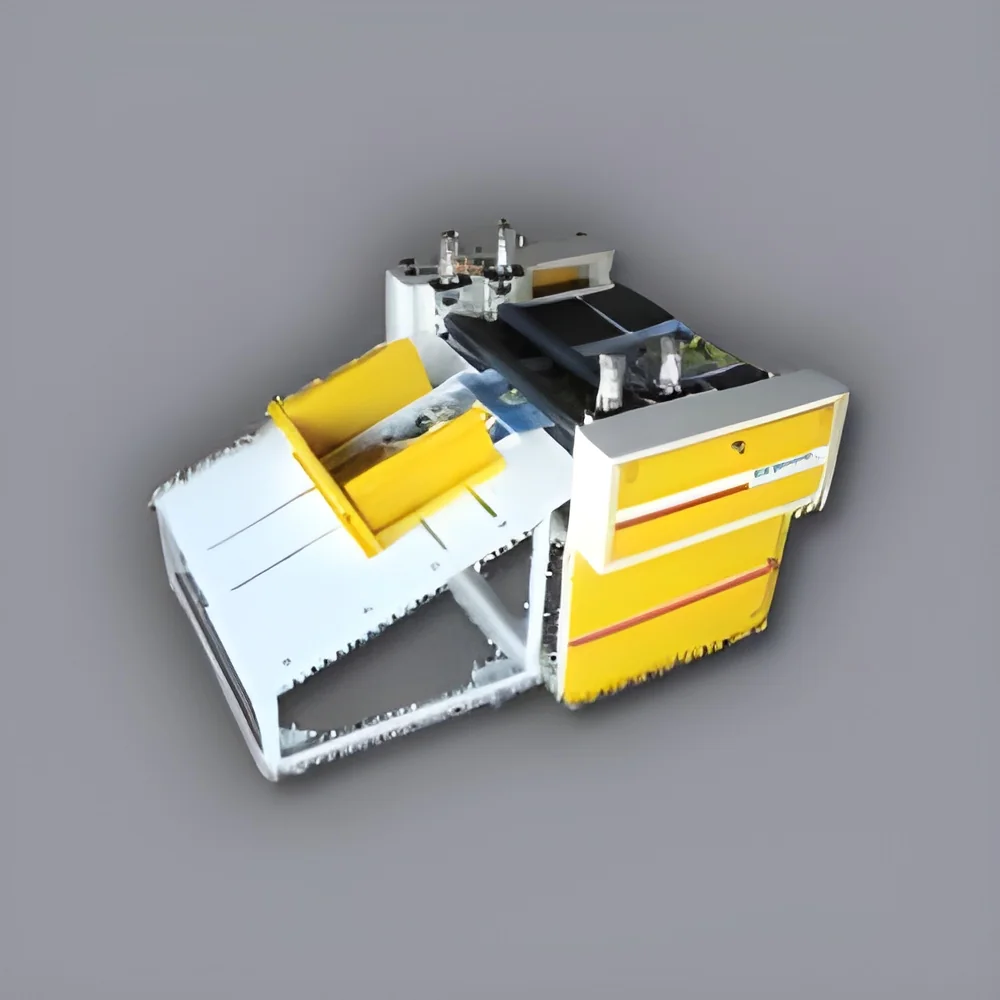
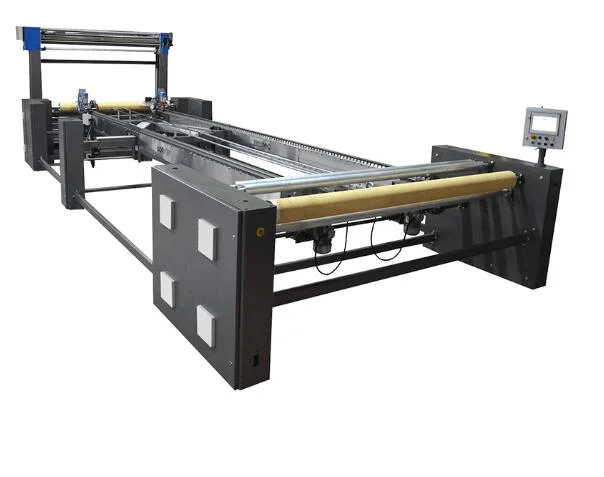
What are Textile Finishing Machines?
Textile finishing machines are specialized equipment designed to enhance the appearance, feel, and performance of textiles after they have been woven or knitted. These machines perform various finishing processes that may include bleaching, dyeing, printing, and applying chemical treatments. The primary goal of these machines is to prepare fabrics for their intended use by improving their physical properties and ensuring they meet specific quality standards.
These machines are widely used in the textile manufacturing industry, where they play a crucial role in producing finished products that meet market demands. They are essential for various applications, including apparel, home textiles, and industrial fabrics. As the textile industry becomes increasingly competitive, manufacturers rely on advanced finishing technologies to differentiate their products and meet the evolving expectations of consumers. The market for textile finishing machines continues to grow, driven by innovations in technology and increasing automation in the production process.
Key Features and Specifications
Textile finishing machines come with a variety of features and technical specifications that enhance their functionality and efficiency. Businesses looking to invest in these machines should be aware of the following key specifications.
1. Temperature Control
- Precision control of heating elements to ensure optimal processing temperatures
- Typical ranges may vary based on the fabric type and finishing process
2. Humidity Control
- Systems designed to maintain humidity levels for specific fabric treatments
- Critical for processes like dyeing and printing to ensure uniform results
3. Speed Settings
- Adjustable speeds to accommodate different fabric types and finishing requirements
- Enhanced automation allows for consistent production rates
4. Chemical Application Systems
- Advanced mechanisms for applying finishing chemicals evenly and efficiently
- Options for spray, dip, or foam application methods
5. Monitoring and Control Systems
- User-friendly interfaces for real-time monitoring of machine performance
- Integration with factory management systems for streamlined operations
6. Energy Efficiency
- Features designed to reduce energy consumption during operation
- Compliance with energy-saving regulations to decrease operating costs
7. Safety Features
- Built-in safety mechanisms to protect operators during machine use
- Compliance with industry safety standards
8. Maintenance Accessibility
- Design elements that facilitate easy maintenance and servicing
- Clear documentation and support for troubleshooting and repairs
In summary, textile finishing machines are equipped with advanced features that enhance their performance and adaptability in various manufacturing environments.
Common Applications and Use Cases
Textile finishing machines serve several industries and applications, making them versatile tools in the textile production process.
1. Apparel Industry: These machines are crucial in preparing fabrics for garments, ensuring they have the desired finish, color, and texture before they are cut and sewn.
2. Home Textiles: In the production of items like curtains, upholstery, and bed linens, finishing machines help achieve the necessary aesthetic qualities and durability.
3. Technical Textiles: Industries such as automotive and healthcare utilize finishing machines to create specialized fabrics that meet stringent performance specifications.
4. Fashion Industry: Designers rely on finishing machines to create unique fabric finishes that enhance the visual appeal of their collections.
5. Industrial Fabrics: Finishing processes are essential for creating fabrics that meet specific functional requirements, such as flame resistance or water repellency.
6. Non-Woven Fabrics: These machines help in the finishing of non-woven materials used in products like filters and medical textiles.
7. Eco-Friendly Textiles: Innovations in finishing technology are being applied to produce sustainable and environmentally friendly textile options.
Product Variants and Subcategories
Textile finishing machines come in various configurations and types to cater to different manufacturing needs. Each variant offers unique features tailored to specific applications.
Continuous Finishing Machines: These machines allow for the uninterrupted processing of large volumes of fabric, making them ideal for mass production. They often include multiple finishing stages, enhancing efficiency.
Batch Finishing Machines: Designed for smaller production runs, batch machines provide flexibility for custom finishes. They are suitable for specialty fabrics requiring unique treatments.
Roll-to-Roll Finishing Machines: These are used for processing fabrics in rolls, enabling efficient handling and treatment of material lengths.
Benefits and Advantages
Investing in textile finishing machines provides numerous advantages for manufacturers.
1. Enhanced Product Quality: These machines improve the overall quality of fabrics, leading to better finished products and higher customer satisfaction.
2. Increased Efficiency: Automation and advanced features streamline production processes, reducing labor costs and increasing output.
3. Customization Capabilities: Manufacturers can achieve unique finishes tailored to market demands, allowing for creative and competitive product offerings.
4. Reduced Waste: Precision in chemical application and processing minimizes fabric waste, contributing to sustainability goals.
5. Improved Durability: Finishing processes enhance the longevity of textiles, making them more resistant to wear and tear.
6. Compliance with Standards: Proper finishing ensures that fabrics meet industry standards and regulatory requirements, facilitating market entry.
Buying Guide for B2B Buyers
When sourcing textile finishing machines, buyers should consider several important factors to make informed decisions.
1. Quality Assessment: It is crucial to evaluate the quality of machines based on performance, durability, and the reputation of the manufacturer. Buyers should request samples and inspect previous work.
2. Supplier Verification: Vetting suppliers is essential to ensure reliability. Buyers should check certifications, customer reviews, and references to select credible manufacturers.
3. Pricing and MOQ: Understanding the pricing structure and minimum order quantities (MOQ) is vital for budget planning. Buyers should compare prices across multiple suppliers to find the best value.
4. Delivery and Lead Times: Assessing delivery schedules and lead times will help buyers plan their production timelines. Clear communication with suppliers about logistics is essential.
5. Compliance Requirements: Buyers should be aware of industry-specific compliance and certification requirements that their machines must meet to operate legally and successfully.
Compliance and Certifications
Textile finishing machines must adhere to various compliance and certification standards to ensure quality and safety. Relevant quality standards such as ISO 9001 guarantee that manufacturers maintain high-quality management practices. Additionally, certifications like CE indicate that the machines meet European safety, health, and environmental protection standards.
Safety and testing requirements are critical, especially for machines that handle chemicals or operate at high temperatures. Regional compliance considerations can vary, so manufacturers must ensure their machines comply with local regulations to avoid operational issues.
Why Source Textile Finishing Machines from Pepagora?
Pepagora offers a trusted platform for sourcing textile finishing machines, providing several key advantages to buyers.
Verified Supplier Network: Pepagora carefully vets its suppliers, ensuring that businesses can source machines from reliable manufacturers with proven track records in quality and service.
Streamlined RFQ Process: The platform offers an efficient request for quotation system that simplifies the procurement process, allowing buyers to receive competitive pricing from multiple suppliers quickly.
Trade Assurance and Support: Pepagora provides buyer protection through trade assurance, ensuring that transactions are secure and that buyers receive the support they need throughout the purchasing process.
Regional Coverage: With a strong presence in India, the Gulf Cooperation Council (GCC), and Southeast Asia, Pepagora connects buyers with suppliers across diverse markets, enhancing accessibility and convenience for all business needs.

 IN
IN