What are Textile Raw Material Machines?
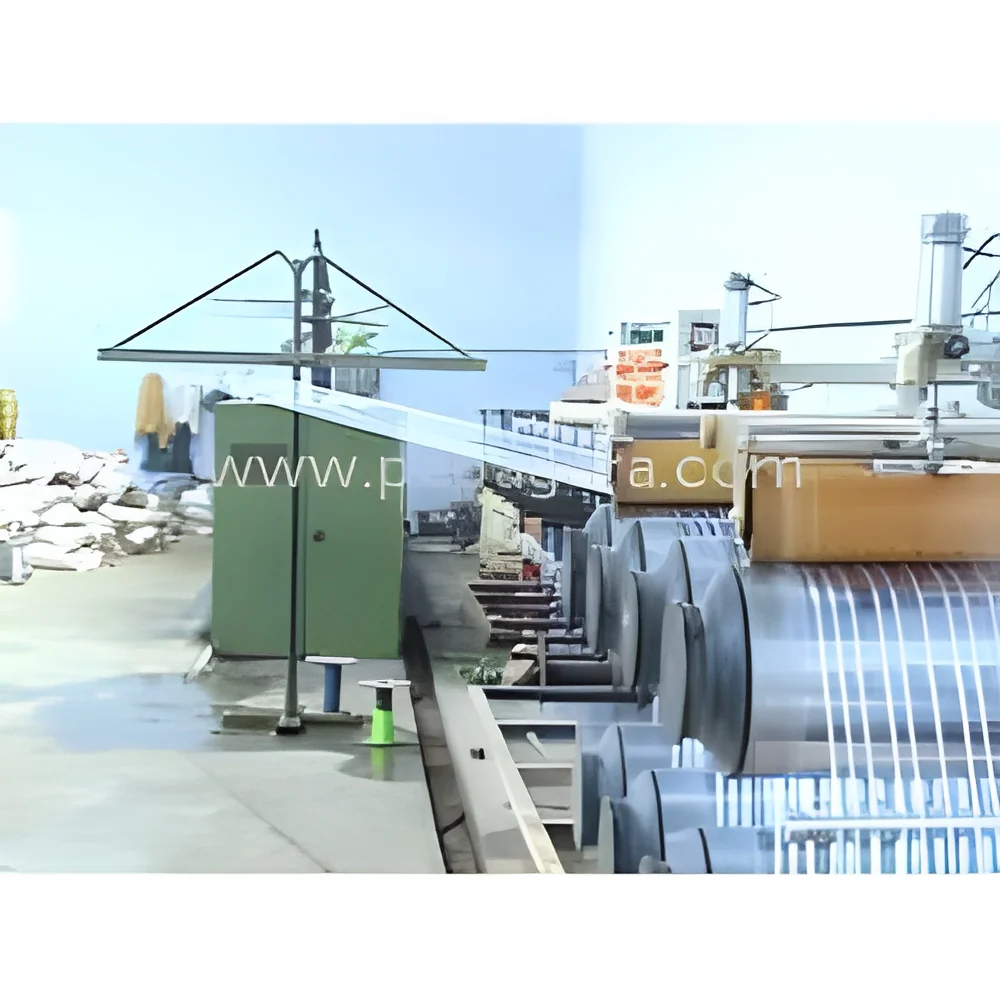
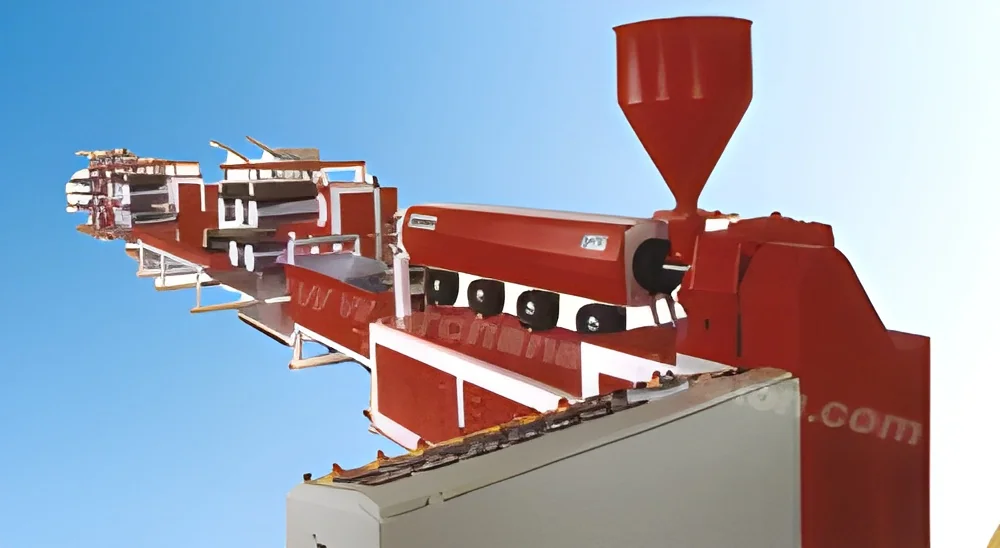
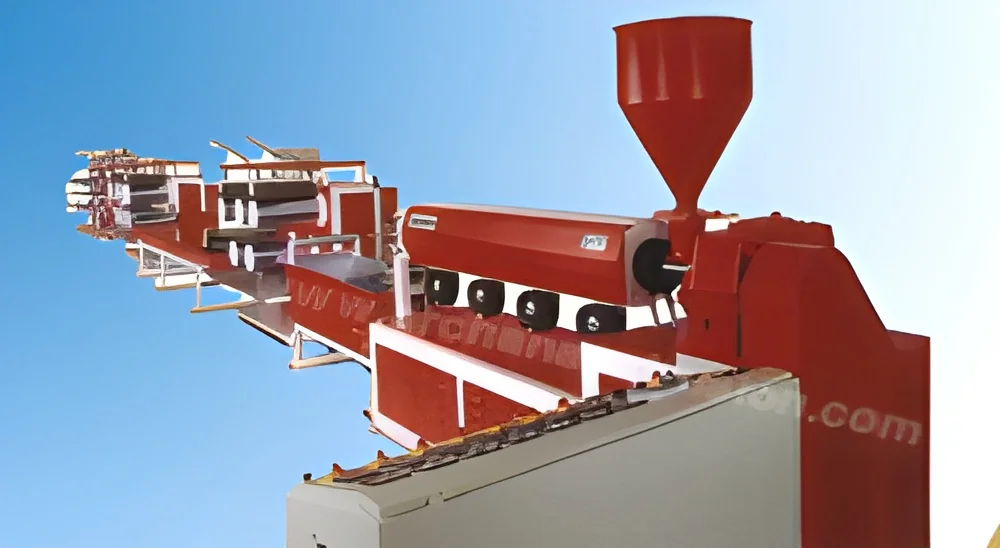
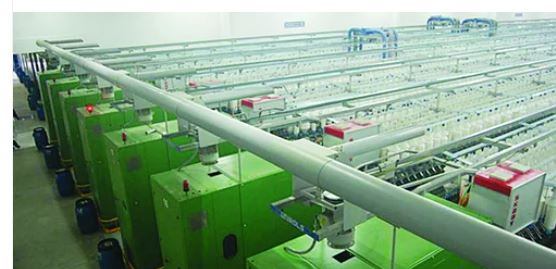
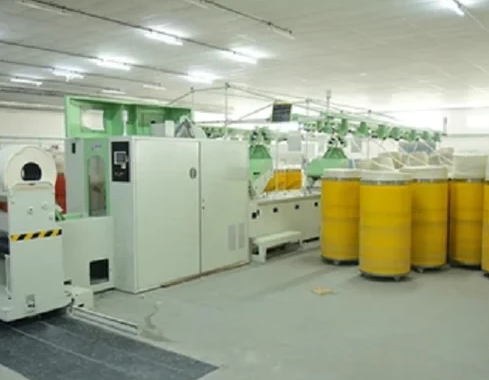
Textile Raw Material Machines are specialized pieces of equipment used in the textile manufacturing process to prepare raw materials for production. These machines play a critical role in transforming fibers, yarns, and fabrics into finished products. They encompass a range of functions, including fiber opening, blending, carding, and spinning, which are essential for producing high-quality textiles.
These machines are primarily used in industries such as apparel manufacturing, home textiles, and industrial textiles. Businesses utilize these machines to enhance productivity, improve material quality, and reduce production costs. Their automation features and precision engineering help manufacturers meet the increasing demand for textiles in various sectors, thereby maintaining competitiveness in the market.
The textile industry is experiencing significant growth, driven by rising consumer demand and technological advancements. As a result, Textile Raw Material Machines have become indispensable in modern production lines. Their efficiency and performance directly impact the overall quality of textile products, making them a crucial investment for manufacturers looking to thrive in this dynamic market.
Key Features and Specifications
Textile Raw Material Machines come equipped with various features designed to enhance efficiency and performance. Understanding these specifications is crucial for making informed purchasing decisions.
Key specifications include:
1. Processing Capacity
- Indicates the amount of raw material processed within a given timeframe
- Typically ranges from hundreds to thousands of kilograms per hour
2. Automation Level
- Refers to the extent of automated functions in the machine
- Can vary from semi-automatic to fully automatic operations
3. Energy Consumption
- Measures the machine's energy efficiency
- Usually specified in kilowatts per hour
4. Size and Dimensions
- Physical dimensions of the machine, which can affect installation and workspace
- Varies significantly based on machine type and purpose
5. Material Compatibility
- Specifies the types of raw materials the machine can handle
- Includes cotton, synthetic fibers, and blends
6. Maintenance Requirements
- Outlines the frequency and type of maintenance needed
- Generally includes routine checks and part replacements
7. Safety Features
- Highlights built-in safety mechanisms to protect operators
- May include emergency stop functions and protective guards
8. Warranty and Support
- Details the warranty period and available technical support services
- Typically ranges from one to five years, depending on the manufacturer
In summary, understanding the key features and specifications of Textile Raw Material Machines helps buyers choose equipment that aligns with their production needs, ensuring operational efficiency and product quality.
Common Applications and Use Cases
Textile Raw Material Machines serve a wide array of industries, each with unique applications.
1. Apparel Manufacturing: These machines are essential for preparing fabrics used in clothing production. They ensure consistency in material quality and enhance production efficiency.
2. Home Textiles: In the production of bed linens, curtains, and upholstery, these machines help in processing various fabrics, ensuring that they are ready for dyeing and finishing.
3. Industrial Textiles: They play a crucial role in manufacturing textiles used in automotive, construction, and medical applications, where durability and performance are critical.
4. Non-Woven Fabrics: Machines are used to create non-woven textiles for products like diapers, sanitary pads, and filters, focusing on specific material characteristics.
5. Technical Textiles: In fields such as aerospace and agriculture, these machines help in producing textiles that meet stringent performance standards.
6. Sustainable Textiles: With a growing focus on eco-friendly materials, these machines can process organic fibers and recycled materials, supporting sustainable practices.
7. Specialty Fabrics: They are also utilized in the production of fabrics with unique properties, such as flame resistance or moisture-wicking capabilities, tailored for niche markets.
Product Variants and Subcategories
Textile Raw Material Machines encompass a variety of product types, each designed for specific tasks within the textile production process.
Carding Machines
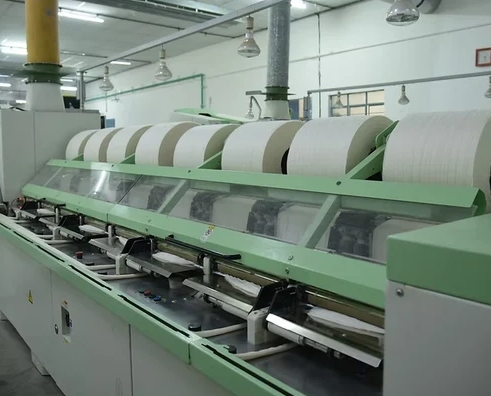
These machines are used to separate and clean fibers, producing a continuous web of material. They are essential for yarn production and ensure uniform quality in the final product.
Spinning Machines
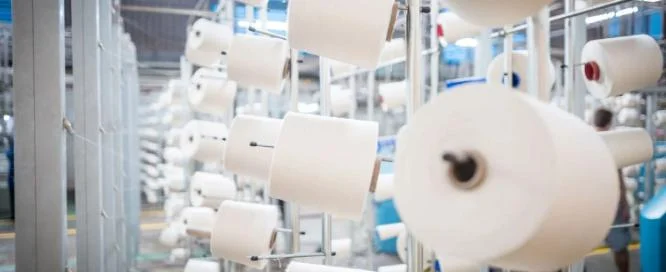
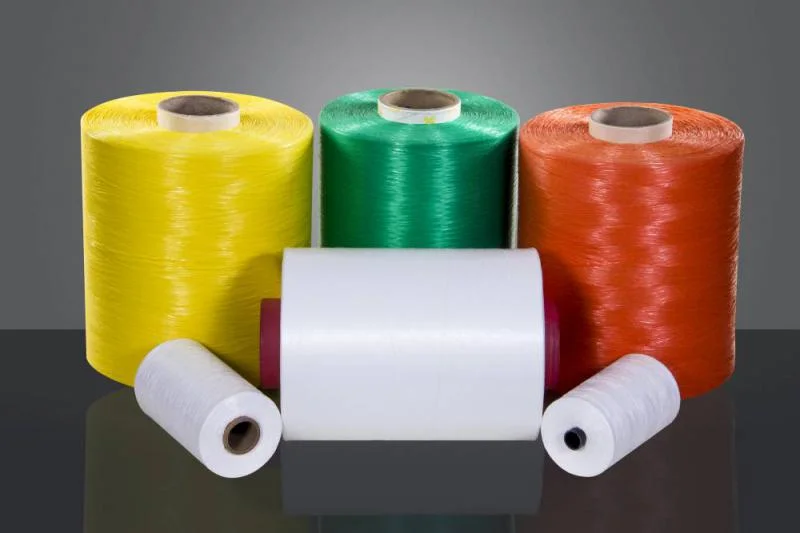
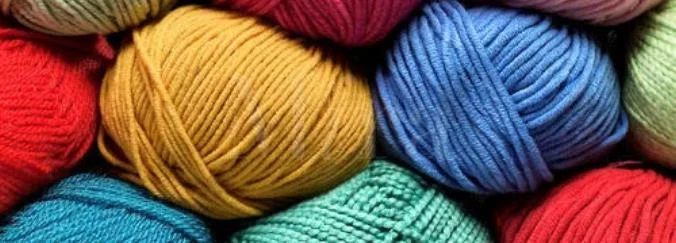
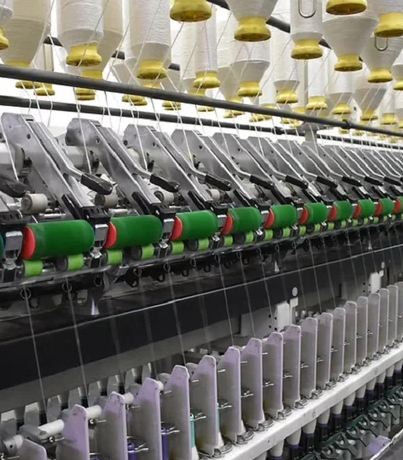
Spinning machines twist fibers into yarn, which is a critical step in textile manufacturing. They come in various configurations, catering to different fiber types and yarn specifications.
Dyeing Machines
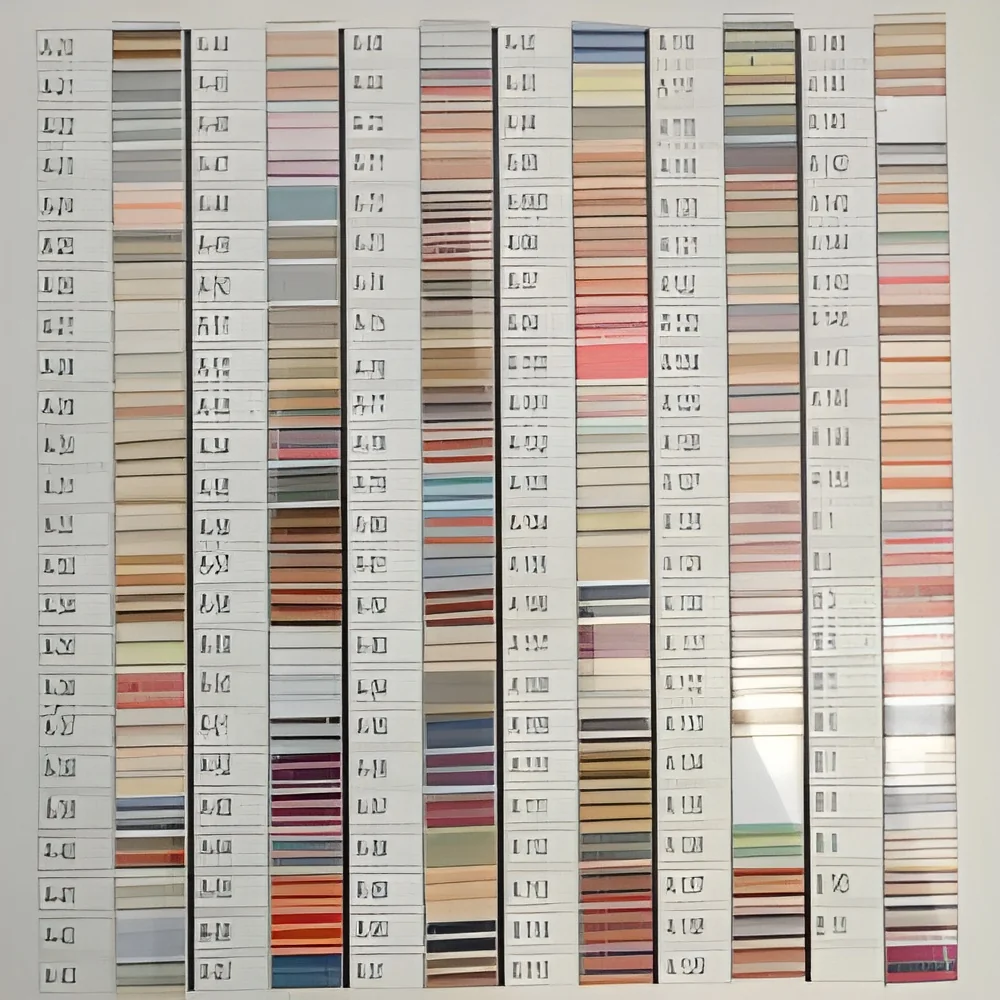
Dyeing machines are employed to impart color to fabrics. They ensure even dye distribution and are vital for meeting colorfastness standards in finished textiles.
Finishing Machines
These machines enhance the texture and appearance of textiles. They are used for processes like heat setting, coating, and laminating, adding value to the final product.
Benefits and Advantages
Investing in Textile Raw Material Machines offers several significant benefits for manufacturers.
1. Increased Efficiency: These machines streamline the production process, allowing for higher throughput and reduced labor costs.
2. Improved Quality Control: With advanced technology, manufacturers can achieve consistent product quality and minimize defects.
3. Versatility: Many machines can handle different materials and processes, making them suitable for a wide range of applications.
4. Cost Savings: By optimizing resource use and reducing waste, these machines can lead to significant cost reductions over time.
5. Enhanced Flexibility: Manufacturers can quickly adapt to changing market demands by utilizing machines that accommodate various production needs.
6. Sustainability: Modern machines are designed to be more energy-efficient, helping businesses reduce their environmental footprint.
Buying Guide for B2B Buyers
When sourcing Textile Raw Material Machines, it is essential for buyers to consider several factors to ensure they make sound purchasing decisions.
1. Quality Assessment: Evaluate the quality of machines by reviewing manufacturer certifications and customer testimonials. Focus on technology used and the reliability of the machine's performance.
2. Supplier Verification: Conduct thorough research to vet suppliers. Look for established companies with a good reputation in the industry and check their track record for reliability.
3. Pricing and MOQ: Understand the pricing structure and minimum order quantities. Compare quotes from different suppliers to ensure you are getting a competitive rate while considering the total cost of ownership.
4. Delivery and Lead Times: Inquire about the expected delivery times and logistics involved in shipping the machines. This is crucial for planning production schedules and minimizing downtime.
5. Compliance Requirements: Familiarize yourself with any regulatory or compliance standards relevant to the machines. Ensure that suppliers can provide machines that meet these standards.
Compliance and Certifications
Textile Raw Material Machines must adhere to various compliance and certification standards to ensure safety and quality.
ISO 9001 is a widely recognized quality management standard that ensures manufacturers maintain consistent quality in their production processes. Compliance with this standard can enhance credibility and customer trust.
CE certification indicates that the machines meet European safety, health, and environmental protection standards. This certification is crucial for international trade and assures buyers of the machine's compliance with regulations.
In addition to these standards, manufacturers should consider safety testing requirements. Regular testing ensures that machines operate safely and effectively while protecting operators and minimizing workplace hazards.
Regional compliance may also be relevant, depending on where the machines will be used. Understanding local regulations ensures that all operational and safety standards are met, especially in diverse markets.
Why Source Textile Raw Material Machines from Pepagora?
Pepagora provides a trusted platform for sourcing Textile Raw Material Machines, offering numerous advantages for businesses in the textile industry.
Verified Supplier Network: Pepagora connects buyers with a network of verified suppliers, ensuring that companies can source machines from reputable manufacturers. This network fosters trust and reliability in purchasing decisions.
Streamlined RFQ Process: The Request for Quotation (RFQ) process on Pepagora simplifies the sourcing experience. Buyers can easily compare multiple quotations, making it easier to find the right machines at competitive prices.
Trade Assurance and Support: Pepagora offers trade assurance, providing buyers with protection throughout the purchasing process. This support includes assistance with negotiations and post-purchase inquiries, enhancing buyer confidence.
Regional Coverage: With a strong presence in India, the Gulf Cooperation Council (GCC) countries, and Southeast Asia, Pepagora facilitates access to a broad market. This regional coverage enables buyers to tap into diverse supply sources and meet their specific production needs.

 IN
IN