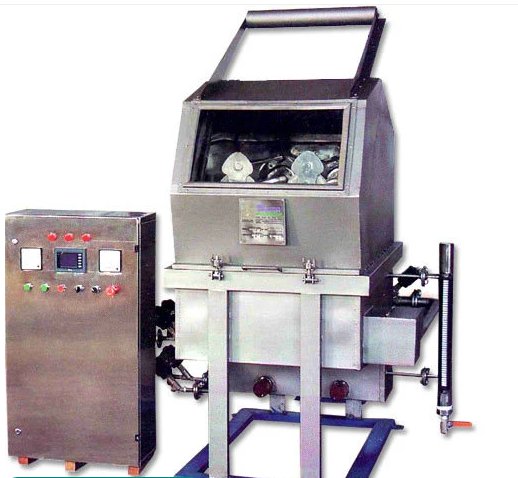
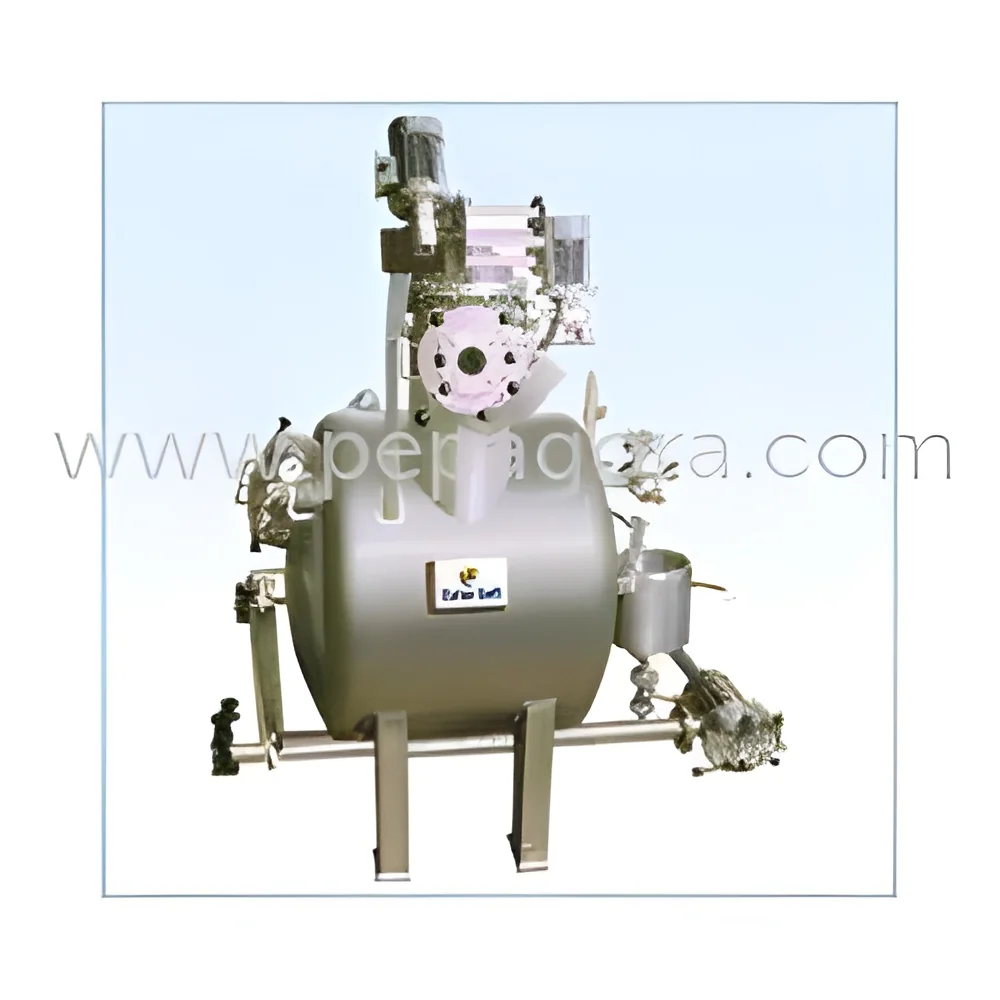
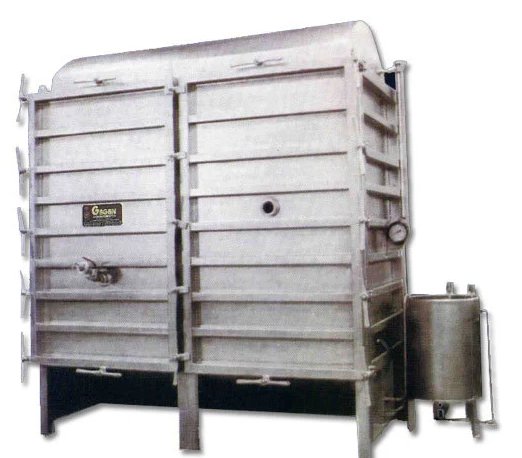
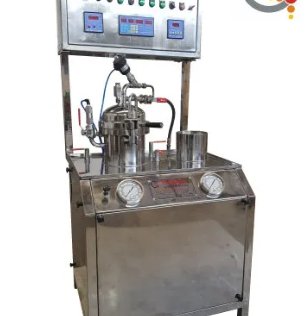
What are Textile Dyeing Machines?
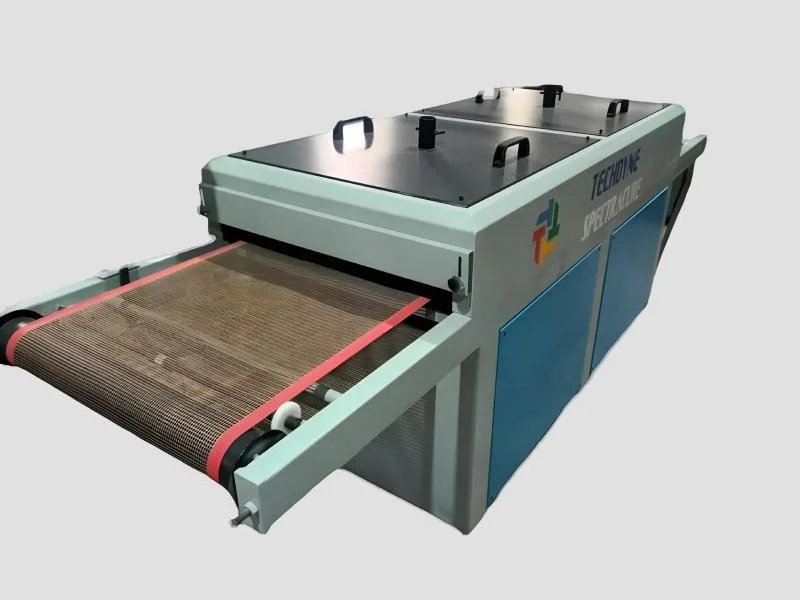
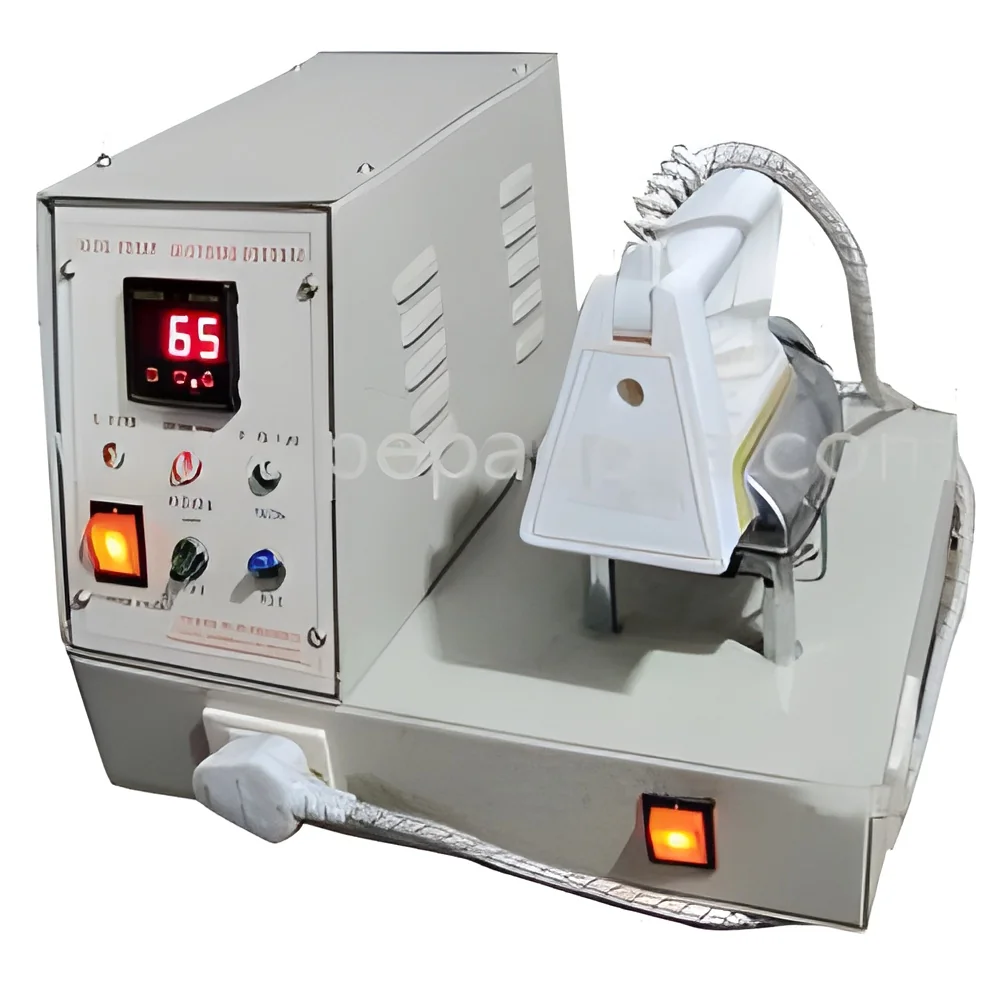
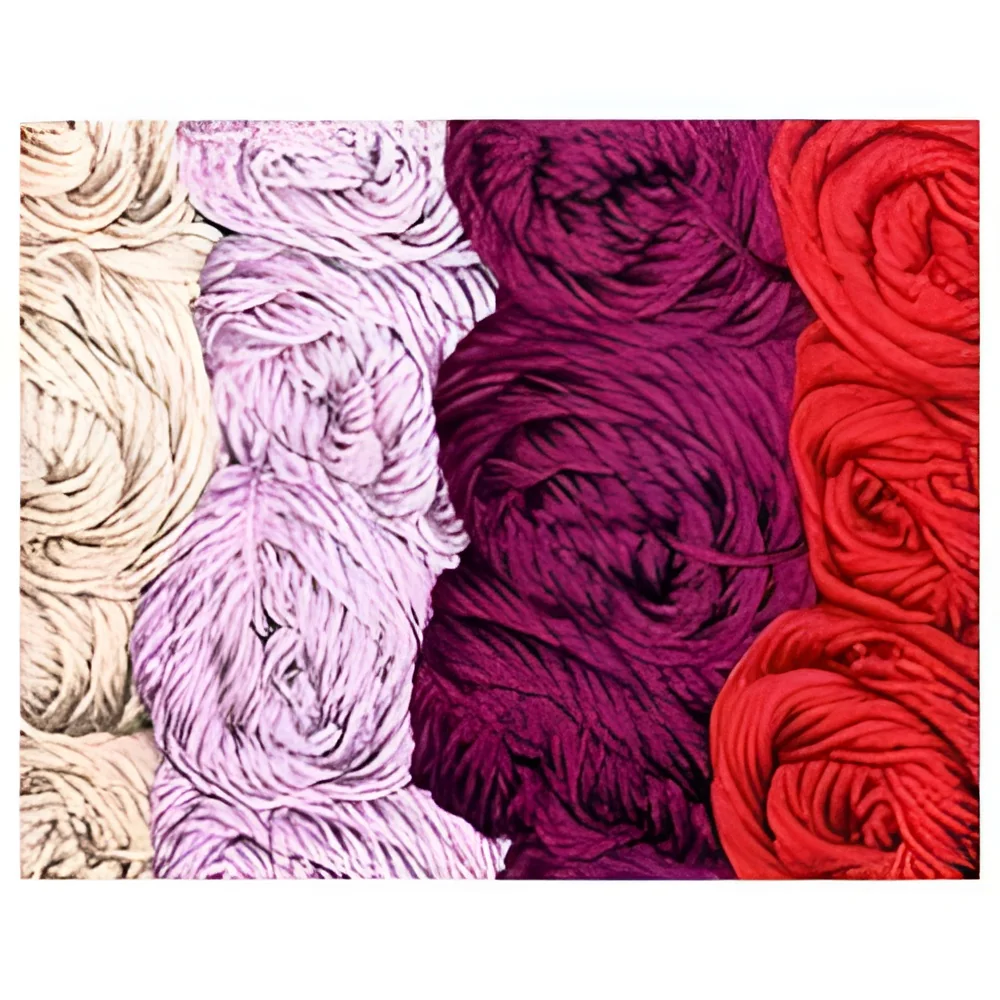
Textile dyeing machines are specialized equipment used in the textile industry to apply color to fabrics and materials. These machines utilize various dyeing techniques and processes to ensure even and consistent color application. They are designed to handle a wide range of textile substrates, including cotton, polyester, and blends, offering versatility in color application.
The primary use of textile dyeing machines is in the manufacturing of clothing, home textiles, and industrial fabrics. Businesses leverage these machines to achieve specific colors, patterns, and finishes that meet market demands. The machines cater to both large-scale production and smaller, custom dye lots, making them essential in both fast fashion and traditional textile production settings.
In the current market context, textile dyeing machines are relevant due to increasing consumer preferences for vibrant colors and sustainable dyeing processes. Technological advancements have led to more efficient, eco-friendly machines that reduce water and energy consumption. As sustainability becomes a priority in the textile industry, the demand for high-quality dyeing machines that meet these needs is growing.
Key Features and Specifications
Textile dyeing machines come equipped with various features designed to enhance efficiency and output quality. Key specifications help businesses understand the technical capabilities and performance of these machines.
Key specifications include:
1. Dyeing Capacity
- This specification indicates the maximum amount of fabric the machine can dye in a single batch.
- Typical capacities range from 200 kg to 3000 kg per batch.
2. Temperature Control
- Precise temperature control is crucial for effective dye application.
- Machines often operate within a temperature range of 30°C to 140°C.
3. Dyeing Method
- Different machines utilize various dyeing methods, such as continuous, batch, or semi-continuous dyeing.
- Method selection impacts dye penetration and fabric quality.
4. Fabric Compatibility
- Machines are designed to work with specific types of fabrics, including natural and synthetic fibers.
- Compatibility ensures optimal dye adhesion and finish.
5. Automation Level
- Automation features can vary from manual operation to fully automated systems.
- Higher automation levels reduce labor costs and increase production speed.
6. Water Consumption
- Efficient machines minimize water usage while maintaining dyeing effectiveness.
- Water consumption rates vary, but advanced models can achieve as low as 30 liters per kg of fabric.
7. Control Systems
- Modern machines are equipped with advanced control systems for monitoring dyeing processes.
- Features may include digital displays and remote monitoring capabilities.
8. Energy Efficiency
- Energy-efficient models contribute to lower operational costs and reduced environmental impact.
- Machines often comply with energy-saving standards.
These specifications allow businesses to select the right textile dyeing machines that meet their production needs while adhering to sustainability goals.
Common Applications and Use Cases
Textile dyeing machines serve a wide range of industries, each with unique applications.
1. Apparel Industry: Textile dyeing machines are extensively used to dye fabrics for clothing. They enable manufacturers to create a variety of colors and patterns for different garments, from casual wear to high-end fashion.
2. Home Textiles: Companies producing curtains, bed linens, and upholstery fabrics rely on dyeing machines to achieve specific colors and finishes that enhance the aesthetic appeal of their products.
3. Industrial Fabrics: The industrial sector utilizes dyeing machines for specialized fabrics used in applications such as automotive interiors, awnings, and protective clothing. These fabrics often require specific color and durability standards.
4. Sportswear: The sportswear industry demands vibrant colors and quick-drying properties. Dyeing machines are essential for achieving these features while ensuring colorfastness and performance.
5. Technical Textiles: In the production of technical textiles, dyeing machines help in applying colors and finishes that meet specific functional requirements, such as water resistance and UV protection.
6. Fashion Accessories: Accessories like scarves and handbags also benefit from textile dyeing machines, allowing for diverse color options that match current fashion trends.
7. Decorative Textiles: Decorative fabrics used in home décor and crafts are dyed using these machines, enabling creativity and variety in color choices.
Product Variants and Subcategories
Textile dyeing machines come in various configurations to meet different production needs.
Continuous Dyeing Machines: These machines are designed for high-volume production, allowing for uninterrupted dyeing processes. They are ideal for large textile manufacturers looking to optimize efficiency and reduce lead times.
Batch Dyeing Machines: Suitable for smaller production runs, batch dyeing machines allow for flexibility in dyeing different types of fabrics and colors. This variant is often used by businesses that require custom dye lots.
Airflow Dyeing Machines: These machines utilize air circulation technology to enhance dye penetration and reduce water consumption. They are particularly popular for dyeing delicate fabrics.
Benefits and Advantages
Investing in textile dyeing machines offers numerous advantages for businesses in the textile industry.
Key benefits include:
1. Improved Efficiency: Modern dyeing machines are designed for high-speed operation, significantly reducing dyeing times compared to traditional methods.
2. Cost Savings: Efficient use of water and energy leads to lower operational costs, making these machines cost-effective in the long run.
3. Versatility: The ability to dye various fabric types and colors allows businesses to cater to diverse market demands.
4. Consistent Quality: Advanced features ensure uniform dye application, resulting in high-quality finished products.
5. Sustainability: Many modern dyeing machines are designed with eco-friendly processes, reducing environmental impact.
6. Scalability: Businesses can choose machines that match their production scale, from small custom runs to large mass production.
Buying Guide for B2B Buyers
When sourcing textile dyeing machines, several factors should be taken into account to ensure a wise investment.
1. Quality Assessment: Evaluate the machine's build quality and performance capabilities. Look for brands that adhere to recognized quality standards to ensure reliability and longevity.
2. Supplier Verification: Vet suppliers by checking their credentials, customer reviews, and service support. Reliable suppliers should offer warranties and technical assistance.
3. Pricing and MOQ: Understand the pricing structure and minimum order quantities. Compare options to find machines that fit your budget and production needs.
4. Delivery and Lead Times: Consider logistics and lead times when planning your production schedule. Ensure that suppliers can meet your deadlines without compromising quality.
5. Compliance Requirements: Verify that the machines meet relevant industry regulations and safety standards to ensure compliance in your operations.
Compliance and Certifications
Textile dyeing machines must adhere to various quality and safety standards to operate effectively within the industry.
ISO 9001 is a widely recognized quality management standard that ensures manufacturers maintain consistent quality in their processes. Compliance with this standard is critical for gaining customer trust and market credibility.
CE certification indicates that the equipment meets European safety, health, and environmental protection standards. This certification is essential for machines sold within the European market.
Safety and testing requirements involve regular maintenance checks and performance evaluations to ensure machines operate safely and efficiently. Manufacturers should provide documentation of these tests.
Regional compliance considerations may vary based on local regulations. It is important for buyers to understand specific compliance needs within their operational regions to avoid legal issues.
Why Source Textile Dyeing Machines from Pepagora?
Pepagora provides a trusted platform for sourcing textile dyeing machines with several key advantages that cater to B2B buyers.
Verified Supplier Network: Pepagora has a robust network of verified suppliers, ensuring that buyers can access high-quality machines from reputable manufacturers. This verification process builds trust and confidence in the sourcing process.
Streamlined RFQ Process: Buyers can easily request quotations from multiple suppliers through a simplified process, enabling them to compare options and make informed purchasing decisions efficiently.
Trade Assurance and Support: The platform offers trade assurance, providing protection to buyers against potential transaction risks. Additionally, dedicated support teams are available to assist throughout the purchasing journey.
Regional Coverage: Pepagora serves a wide geographic area, including India, the GCC, and Southeast Asia. This regional reach ensures that buyers have access to the latest technology and trends in textile dyeing machines tailored to their specific markets.

 IN
IN