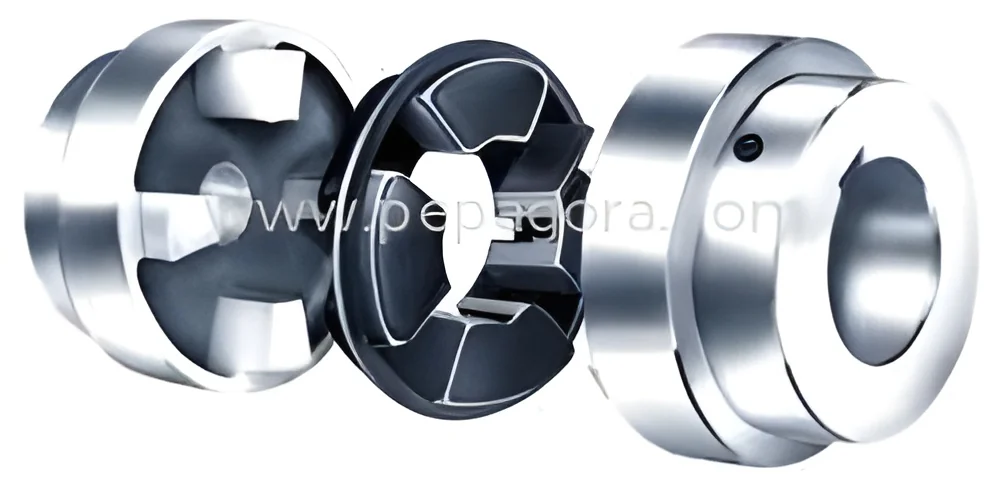
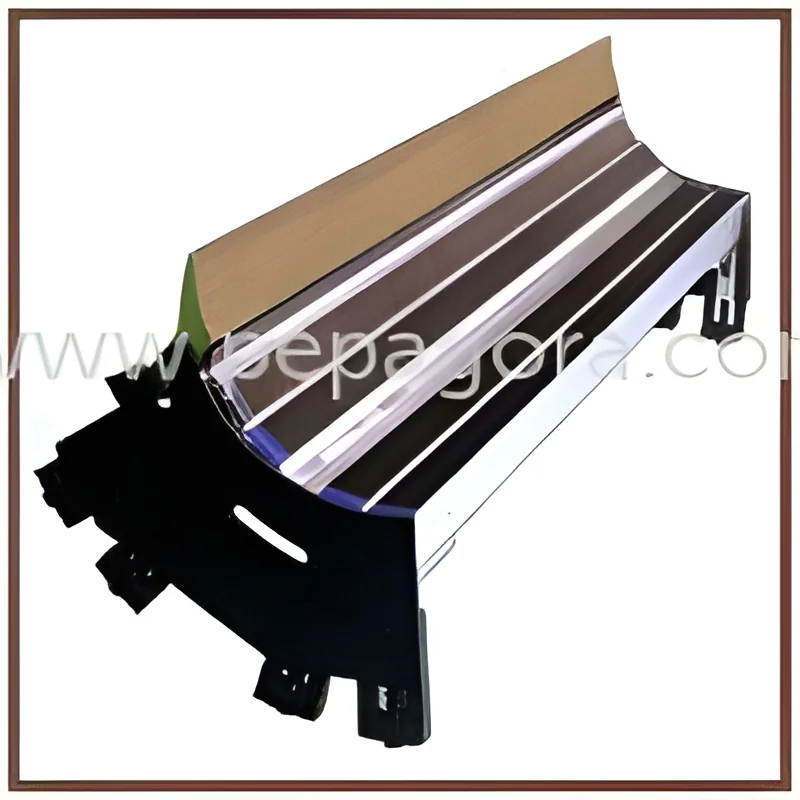
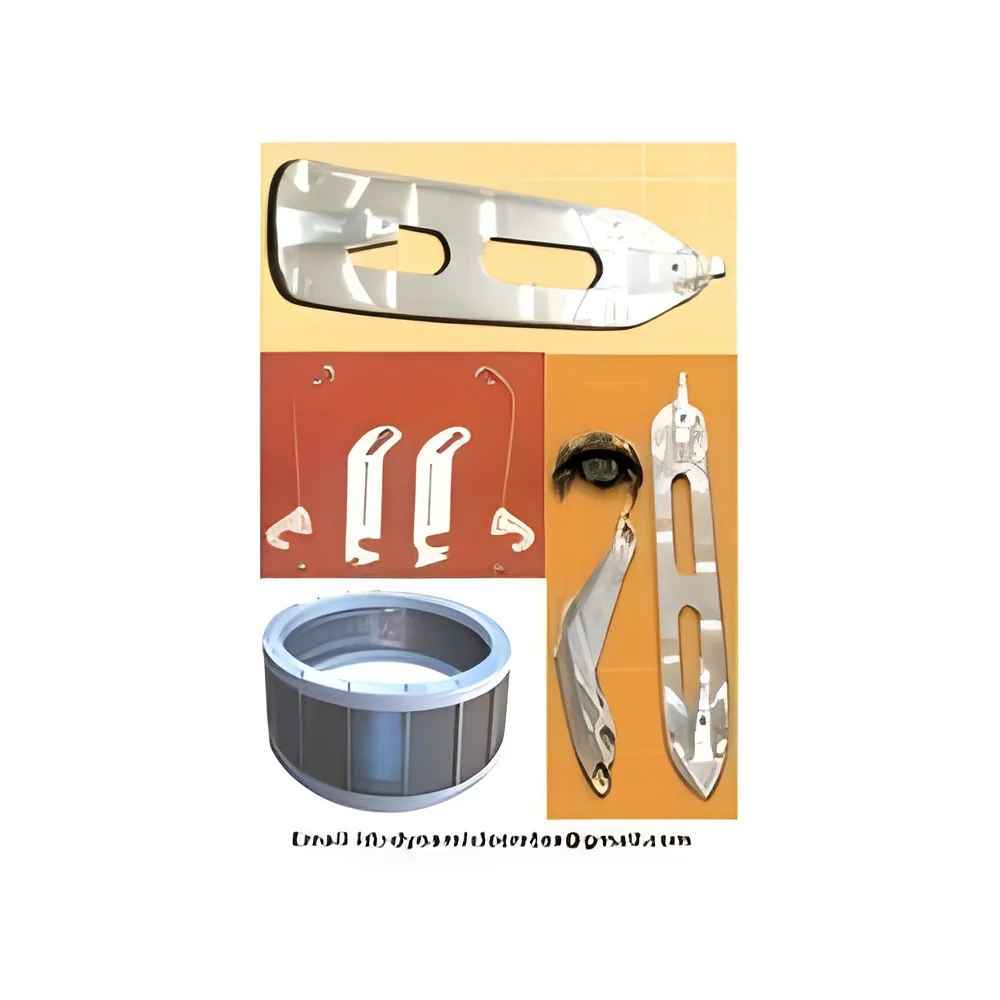
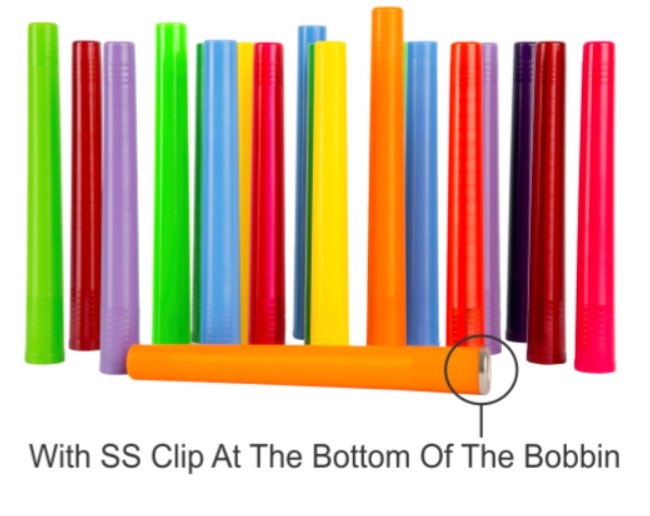
What are Textile Machine Spare Parts & Accessories?
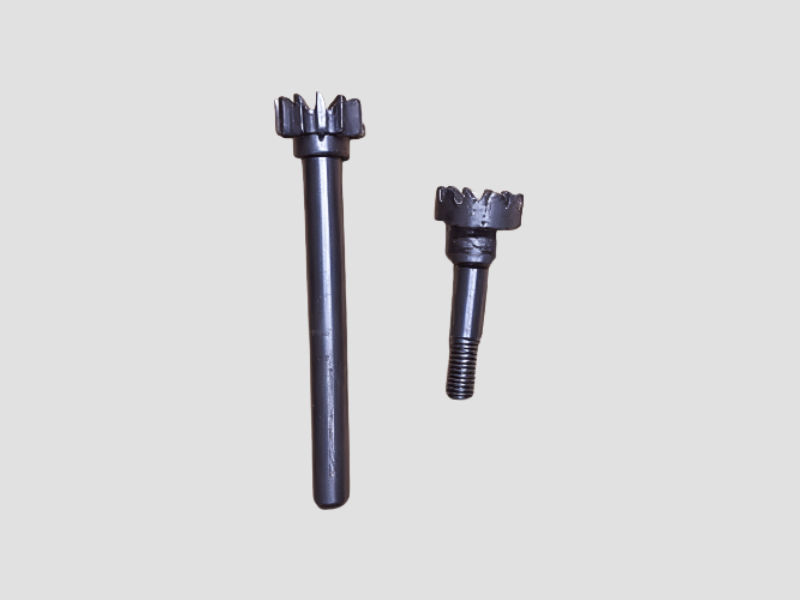
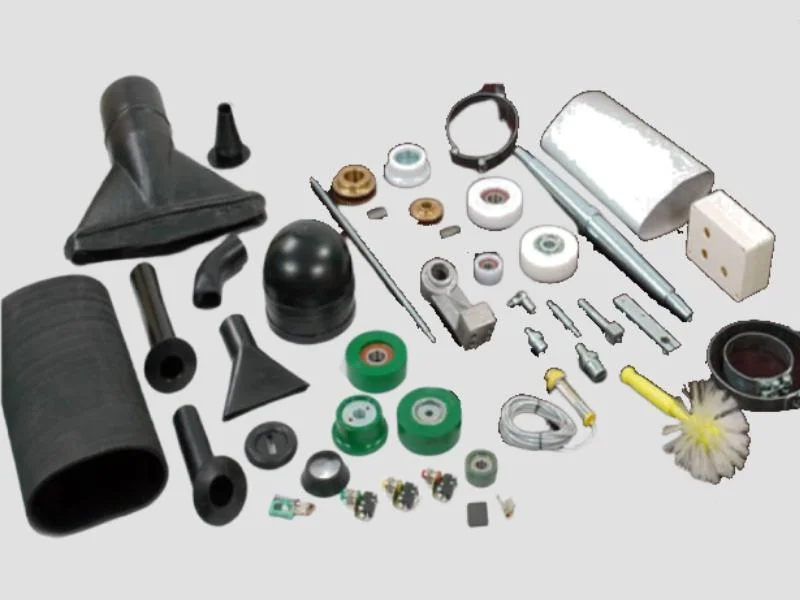
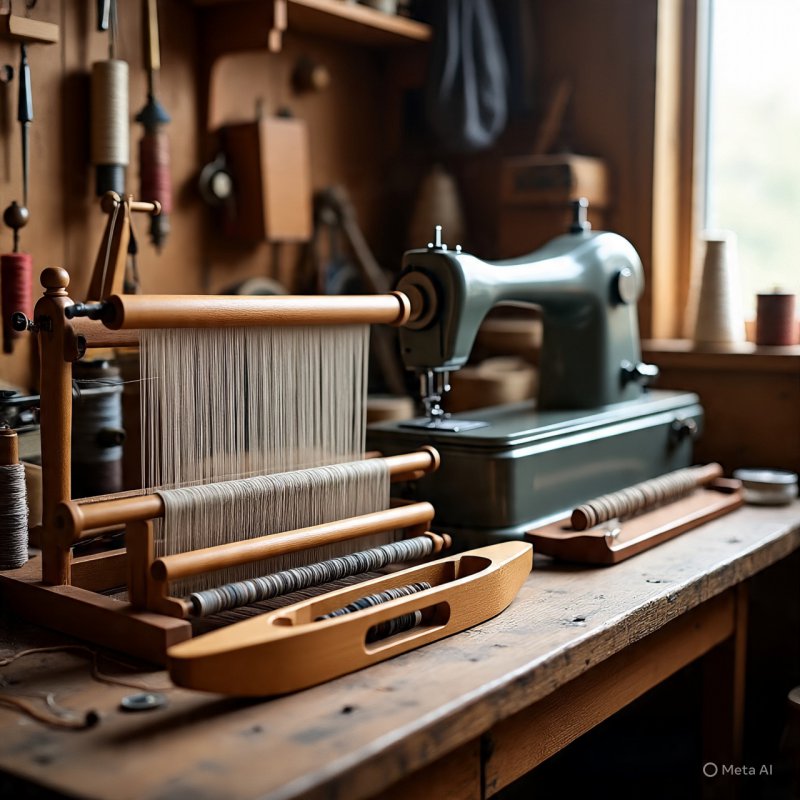
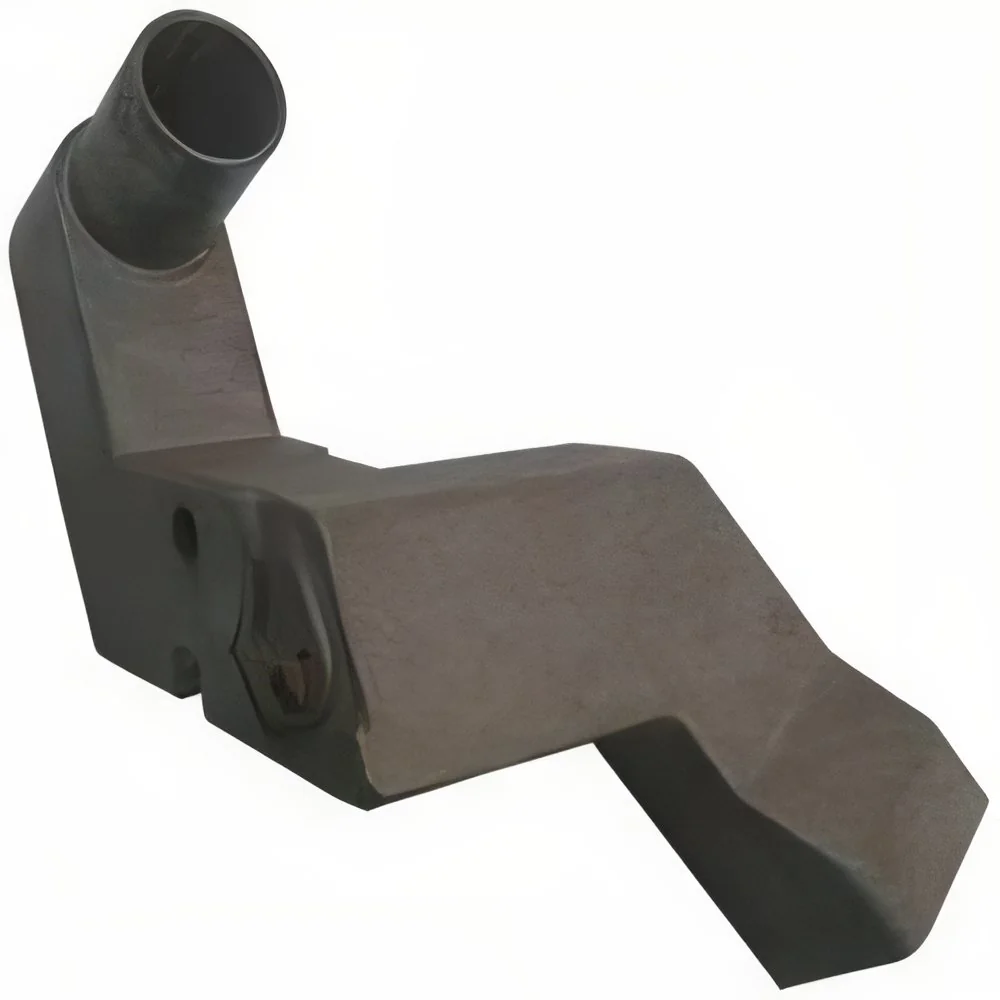
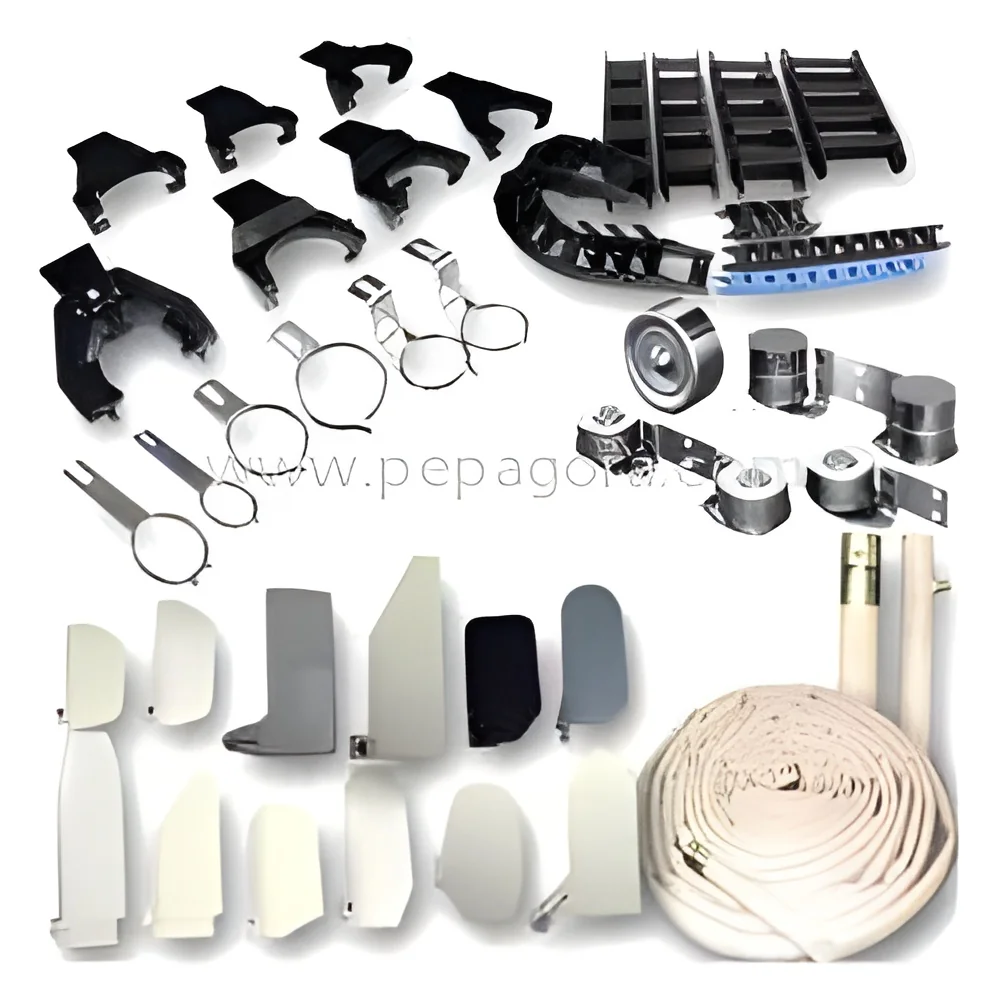
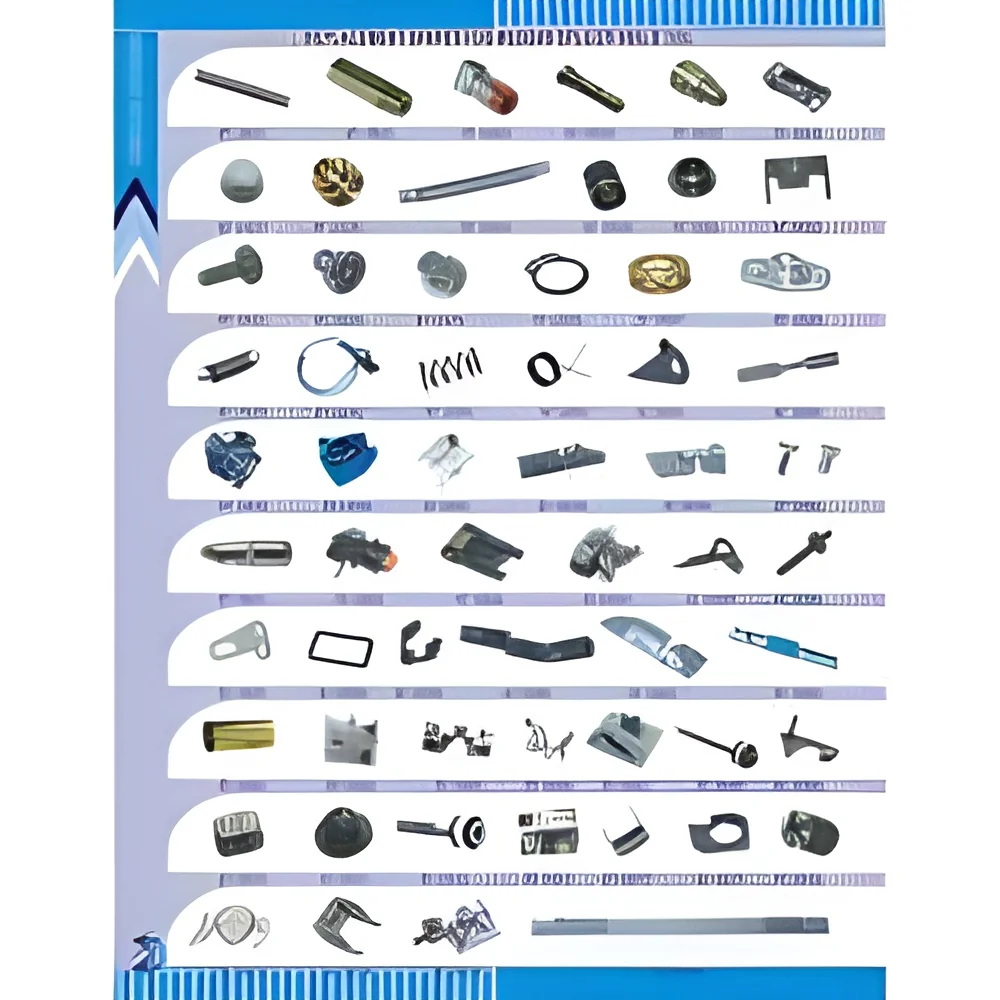
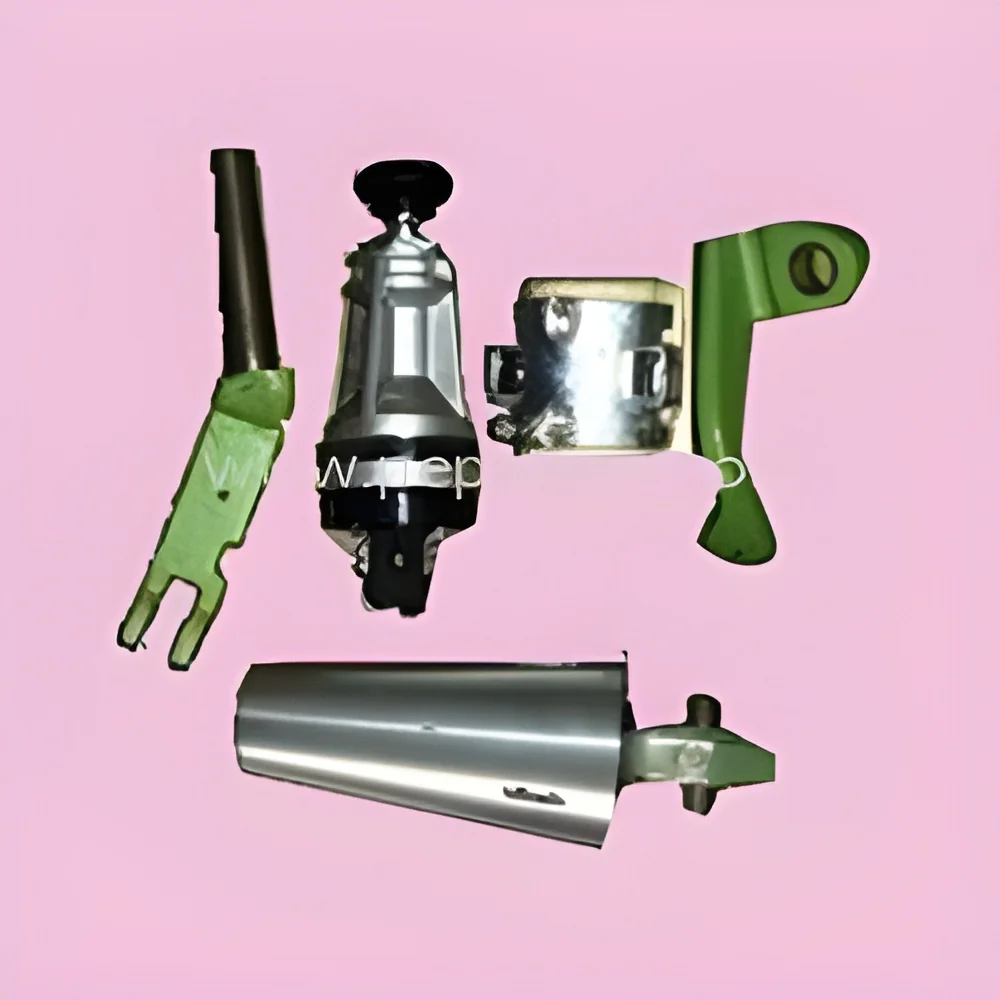
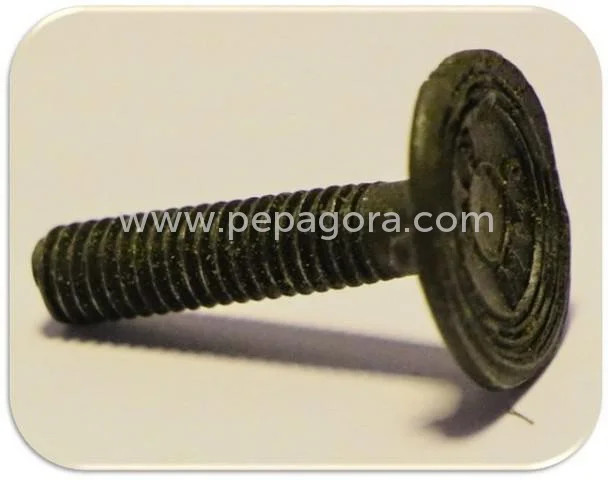
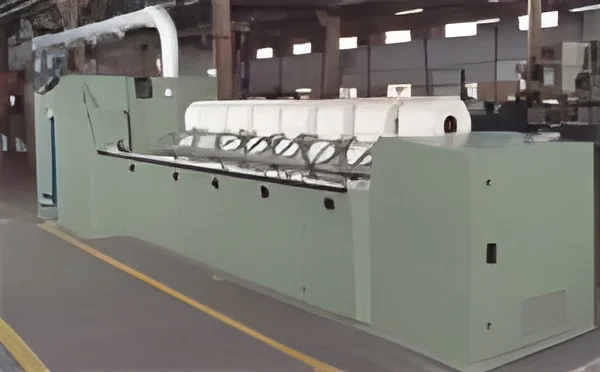
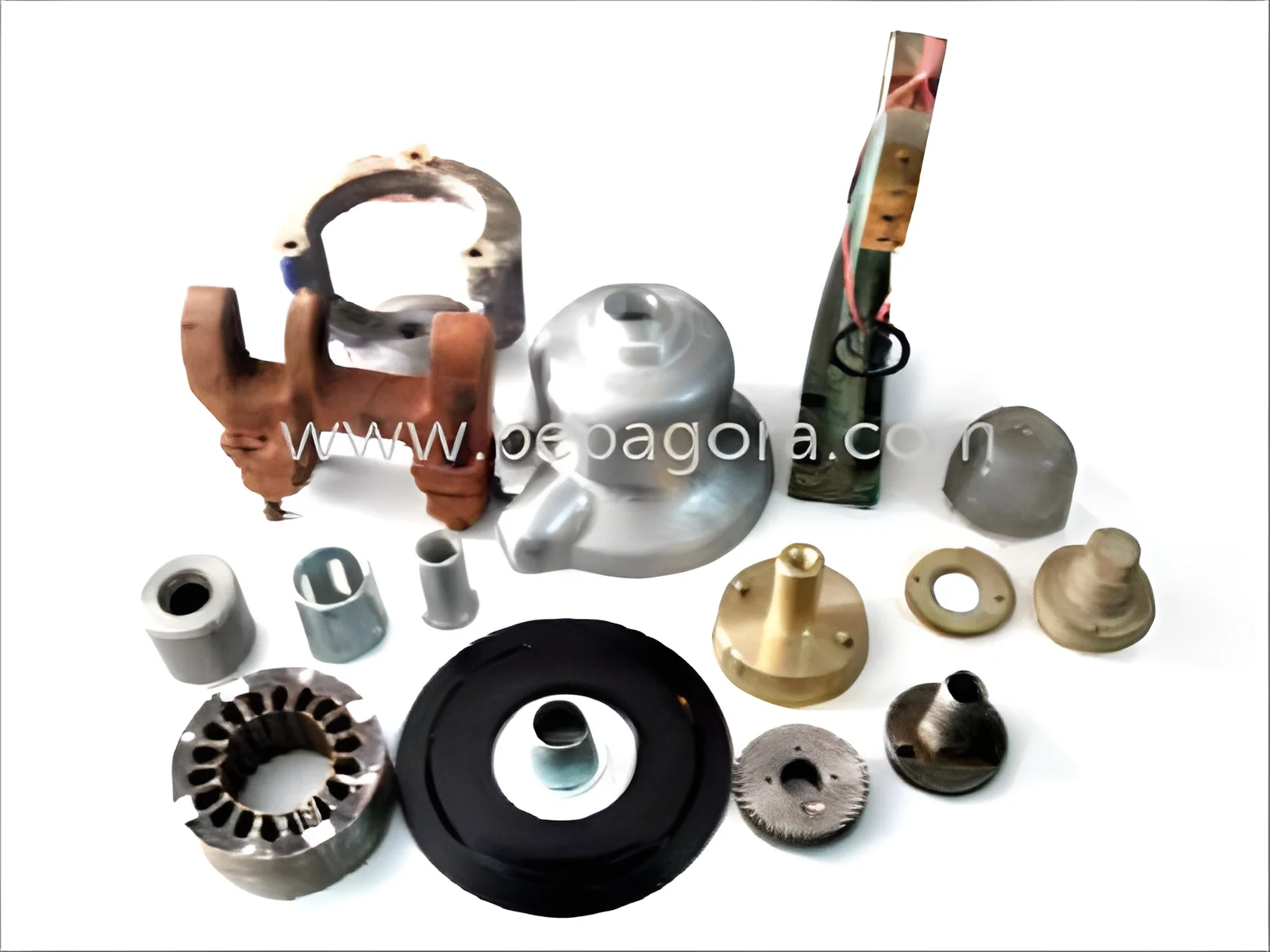
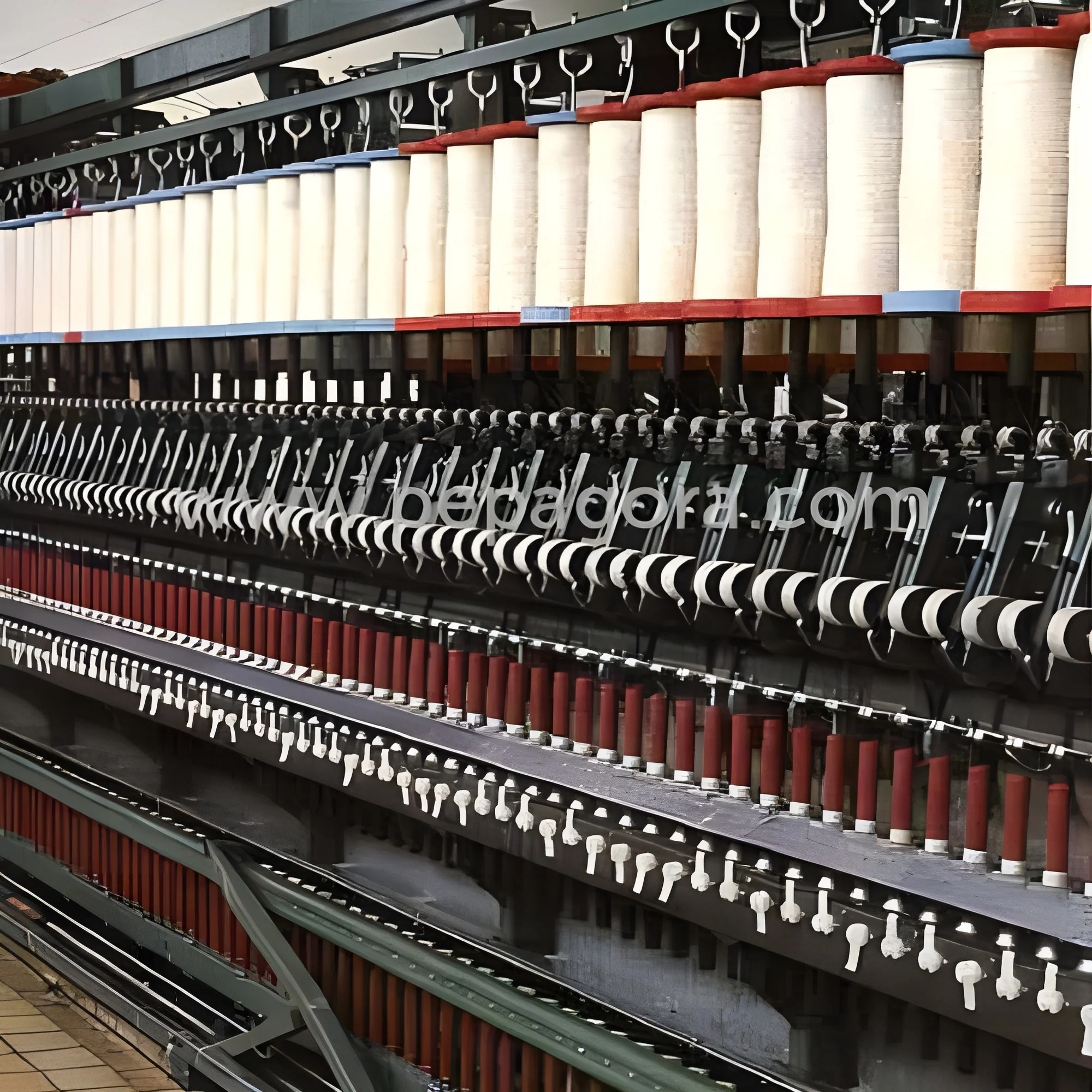
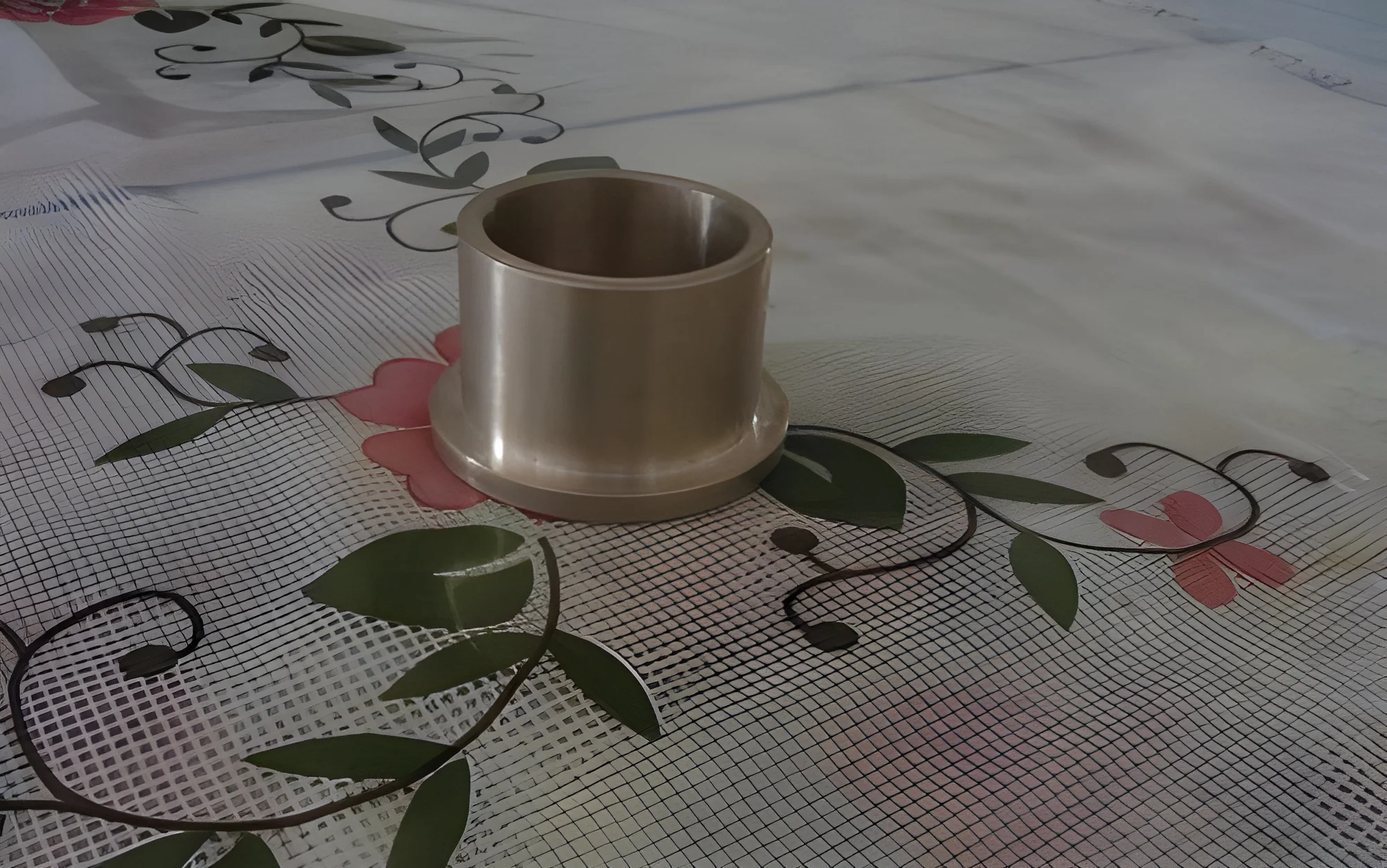
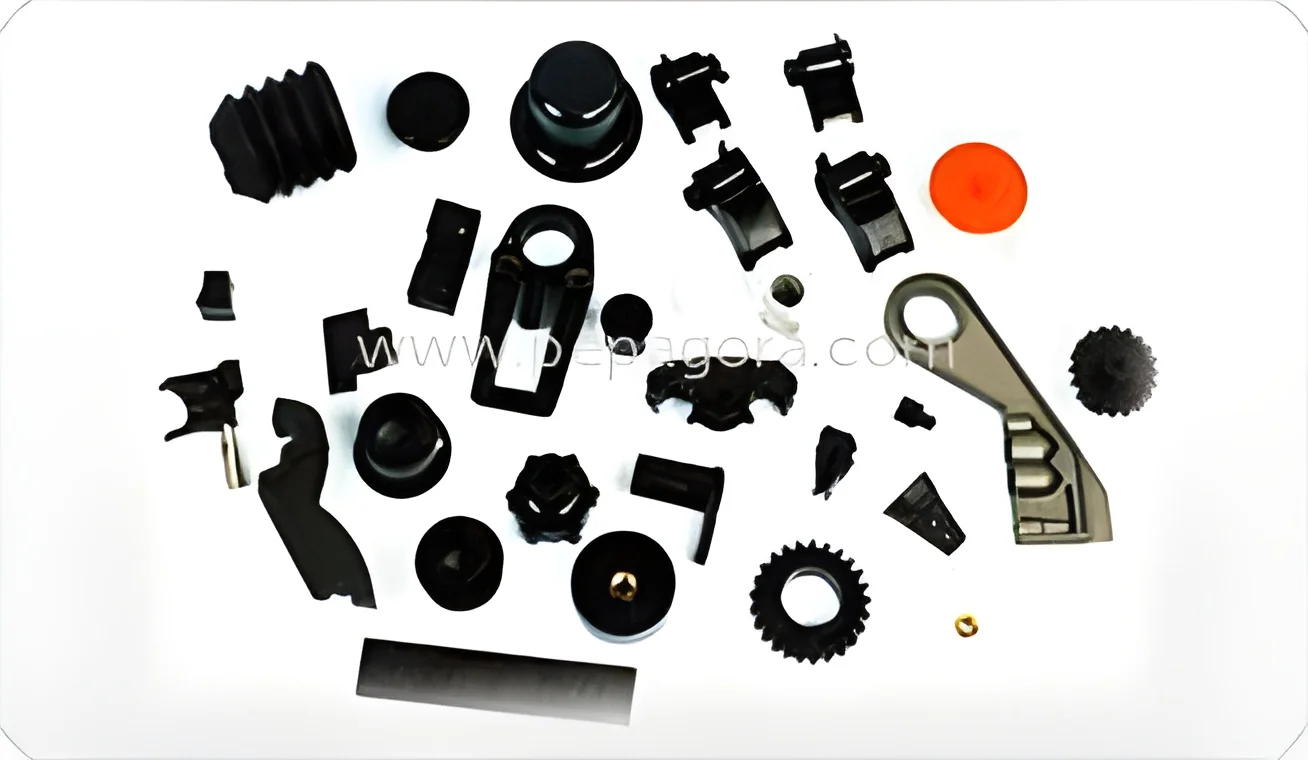
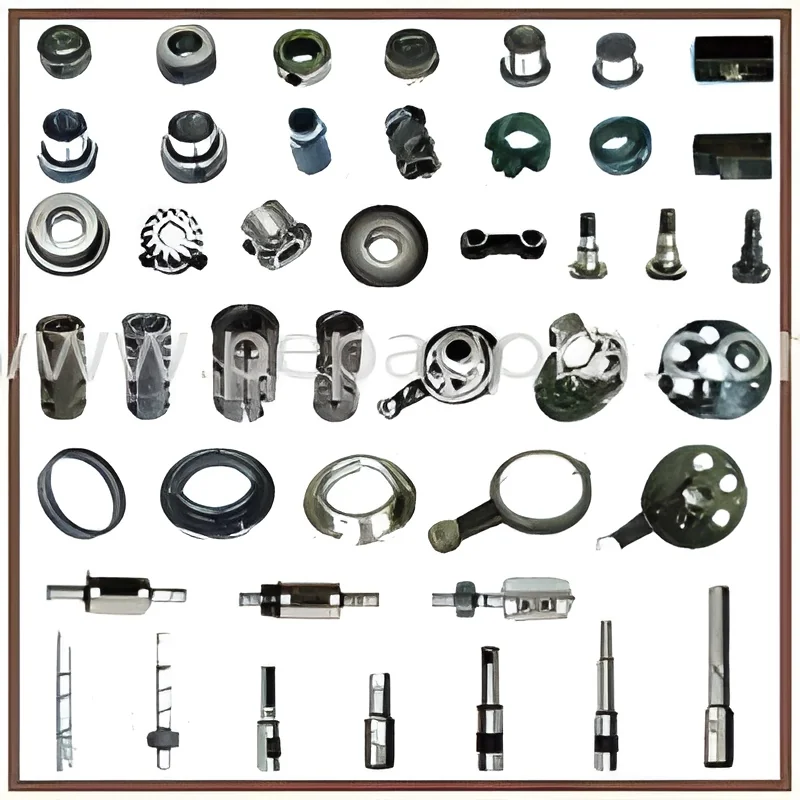
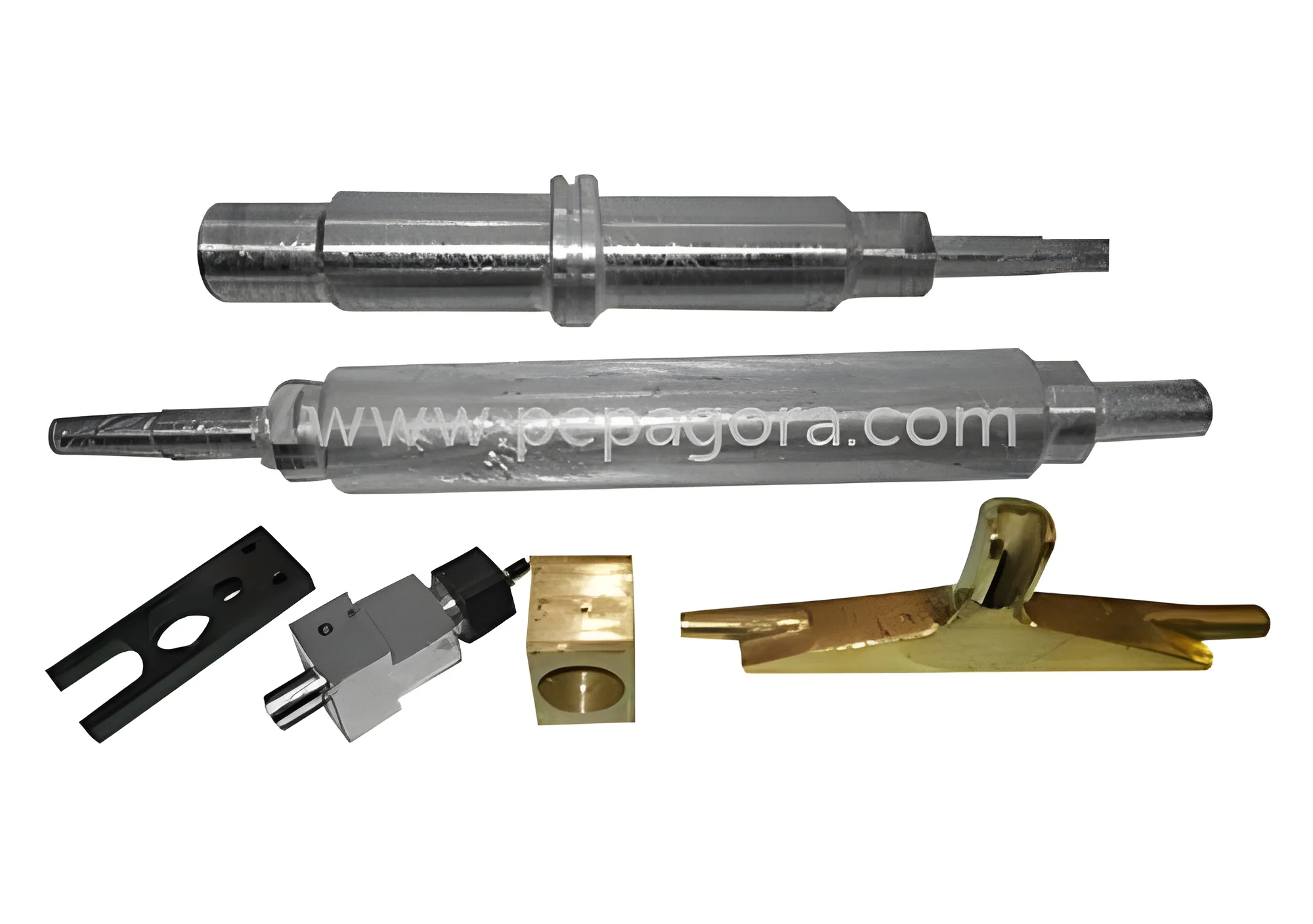
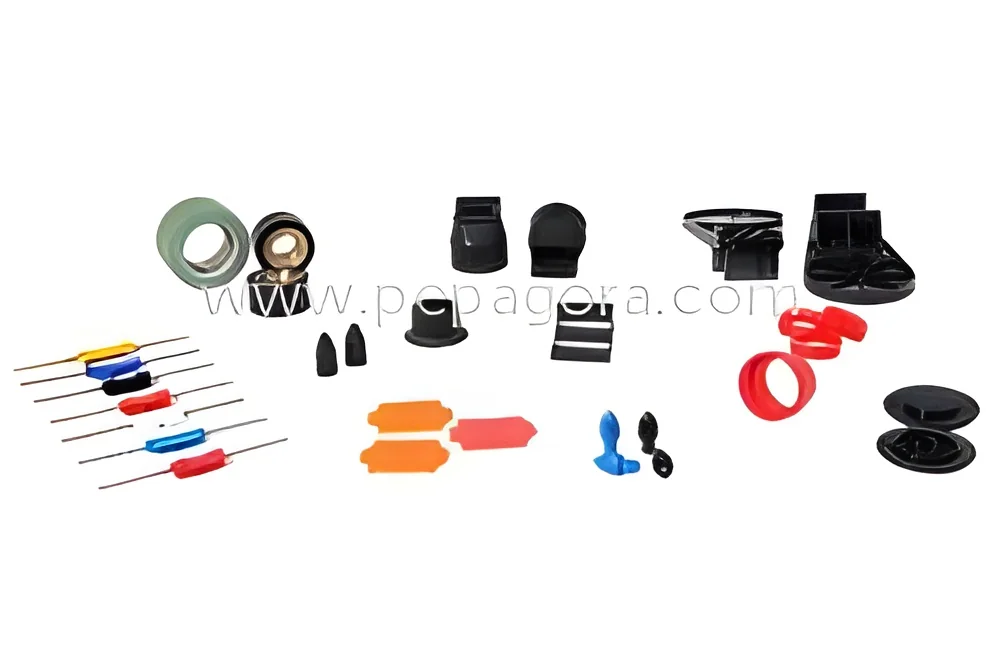
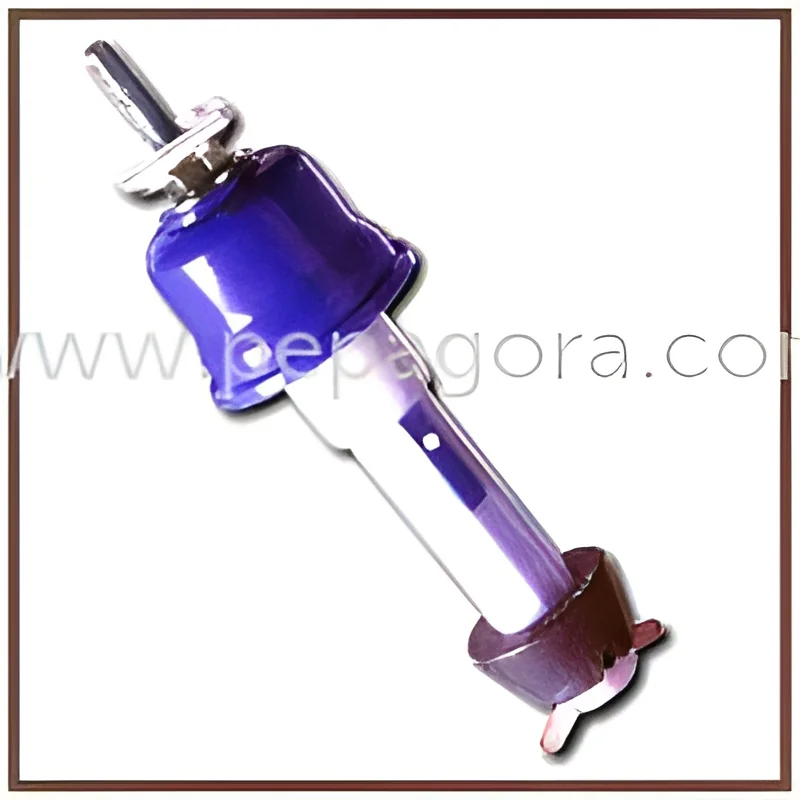
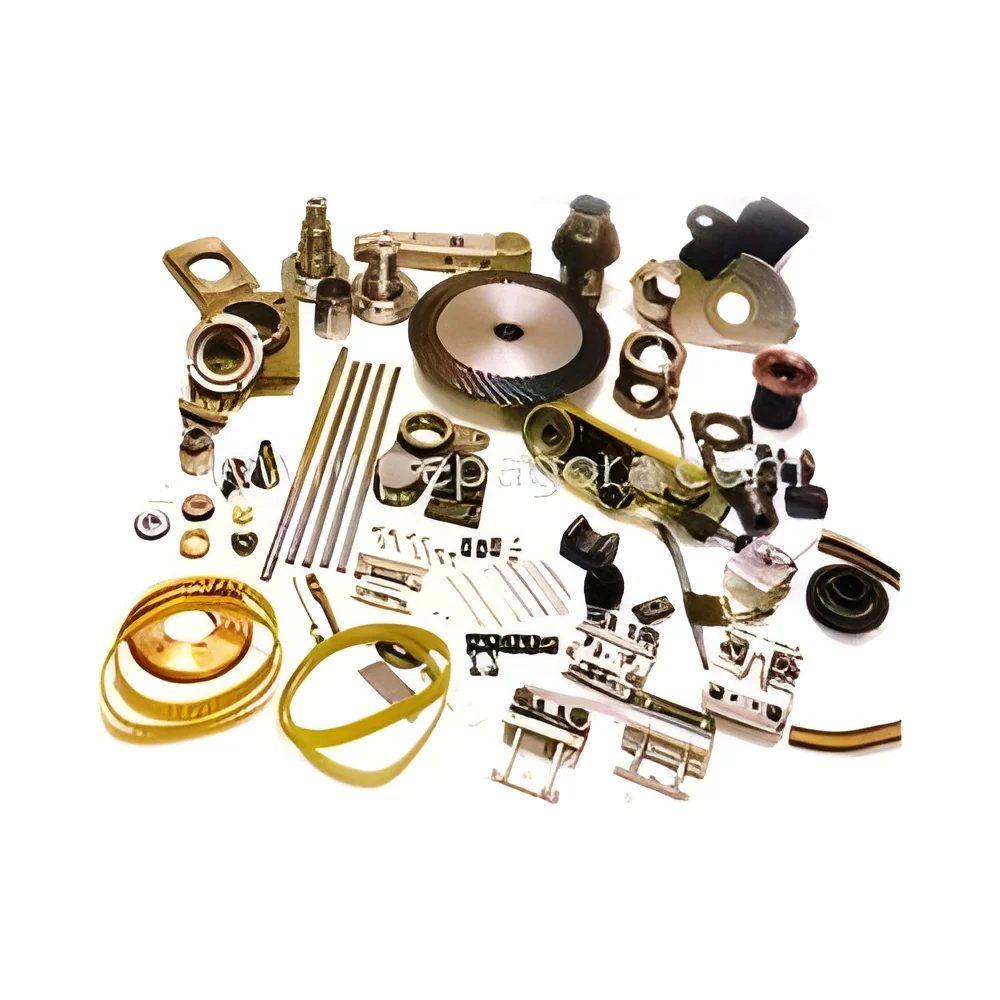
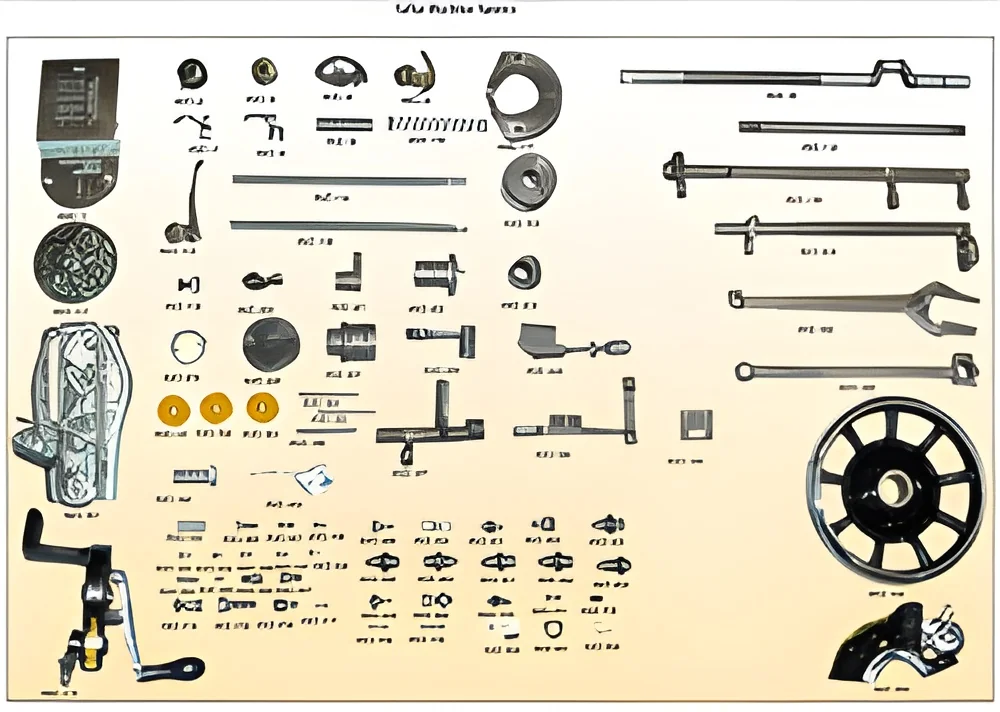
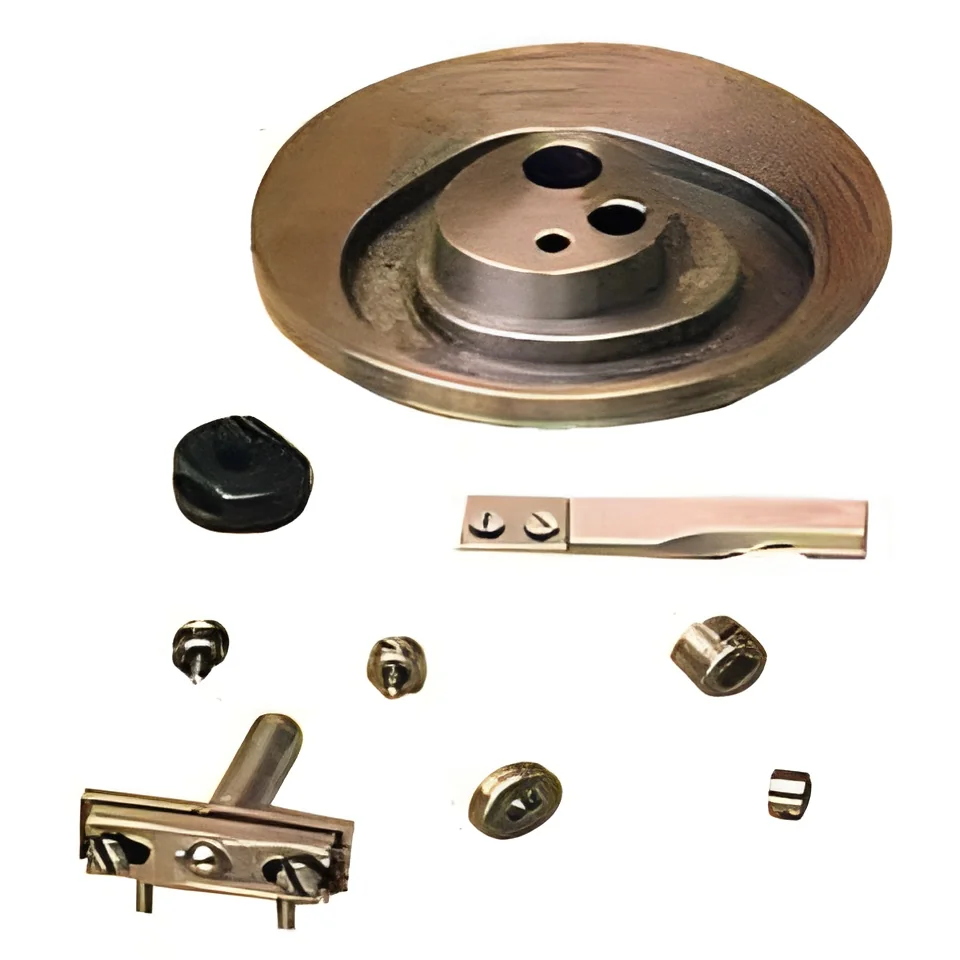
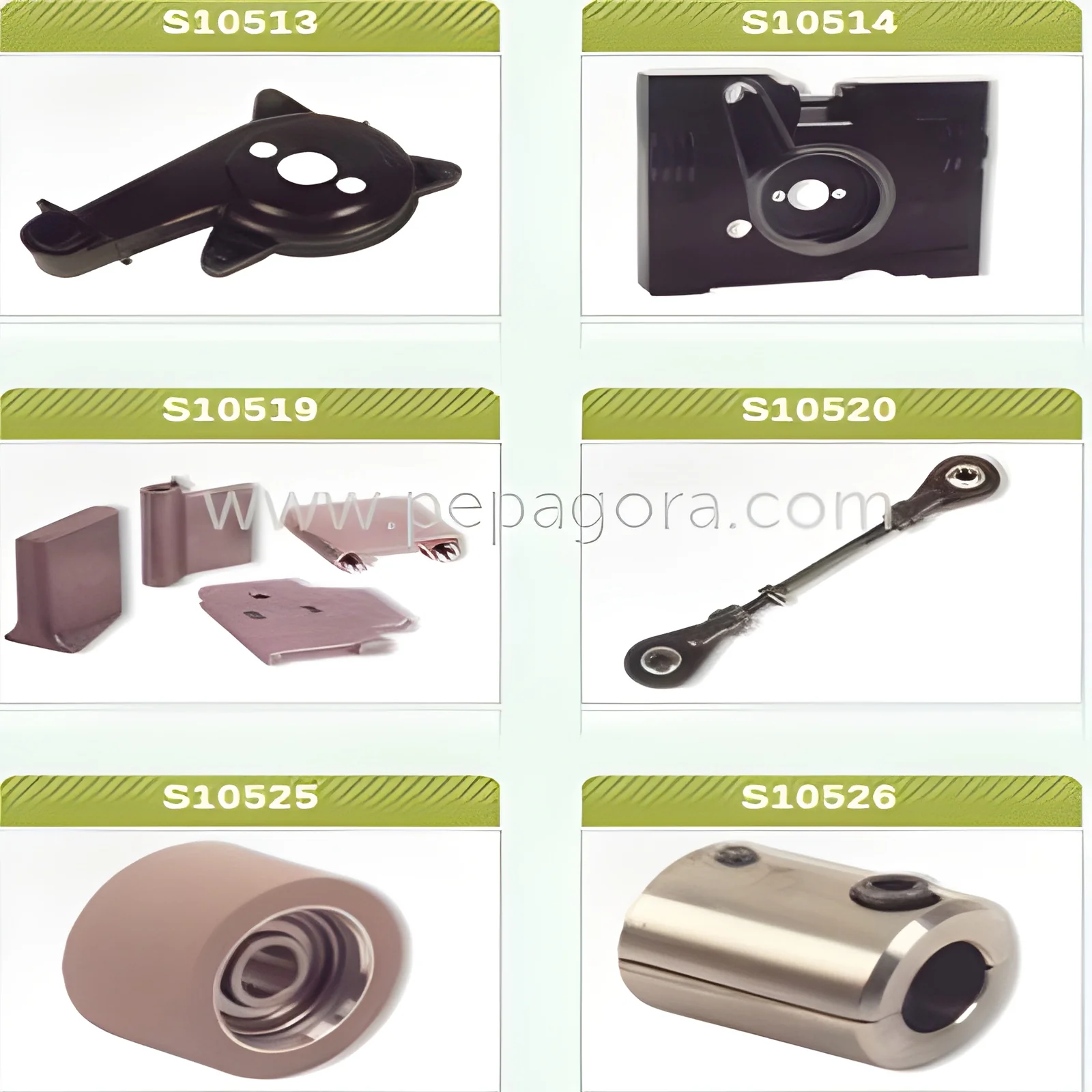
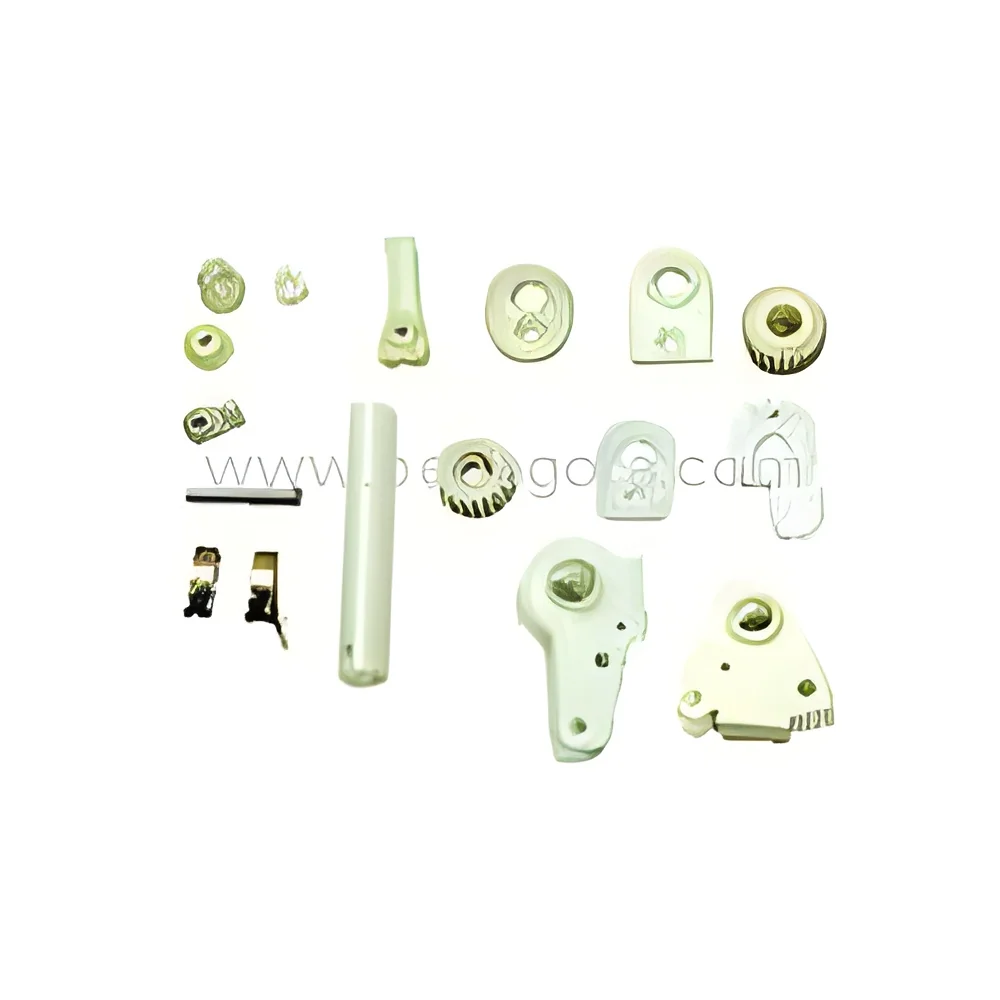
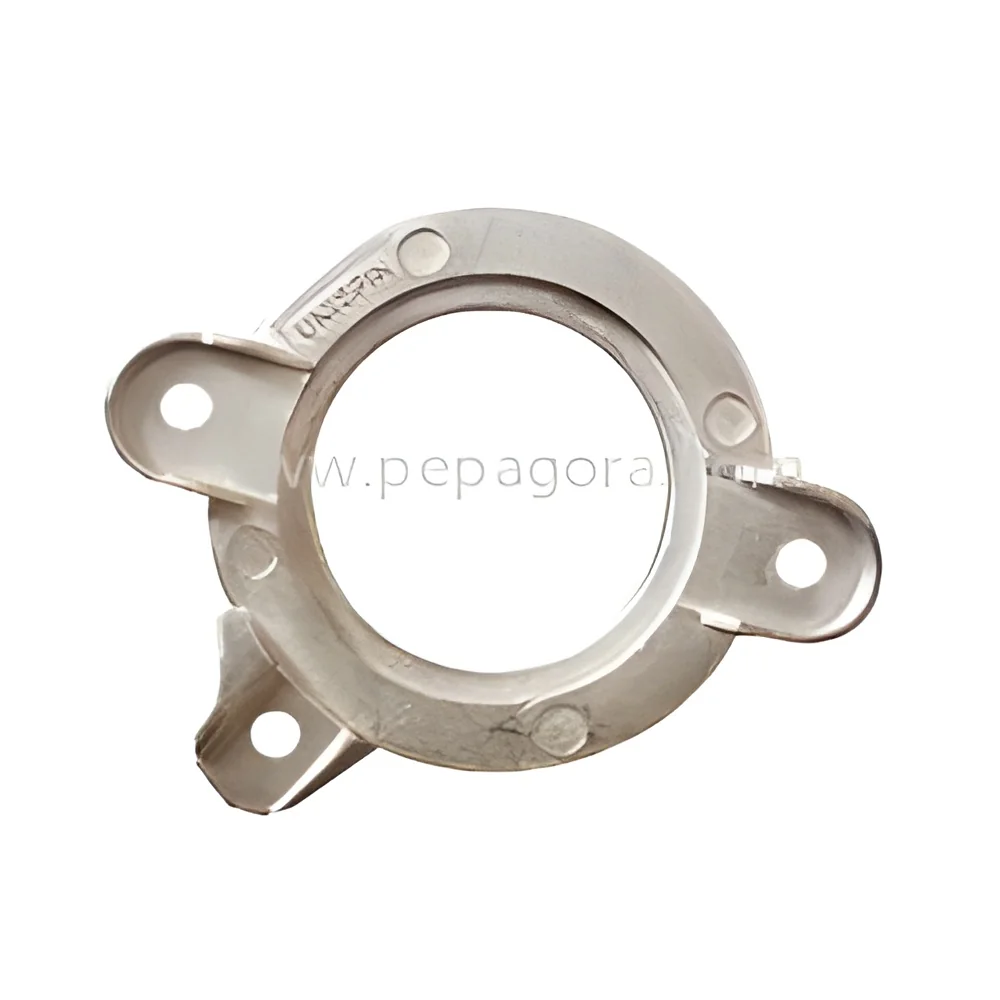
Textile machine spare parts and accessories are essential components that ensure the smooth operation and maintenance of various textile machinery. These parts include items such as spindles, looms, rollers, and belts, which are crucial for the manufacturing and processing of textiles. The proper functioning of textile machines relies heavily on these spare parts, as they are designed to replace worn or damaged components, thereby maximizing machine efficiency and performance.
The primary uses of these spare parts lie in the textile manufacturing industry, where they facilitate the production of fabrics, garments, and other textile products. Businesses in this sector rely on high-quality spare parts to minimize downtime and maintain productivity. Additionally, these parts can be used in various applications, including weaving, knitting, dyeing, and finishing processes. The relevance of textile spare parts in the industry cannot be overstated, as they contribute significantly to the overall quality and output of textile products. With the increasing demand for textiles globally, the market for spare parts and accessories continues to grow, making them vital for manufacturers looking to stay competitive.
Key Features and Specifications
Textile machine spare parts and accessories come with a range of features and specifications that cater to various industrial needs. Understanding these specifications is crucial for ensuring compatibility and performance.
Key specifications include:
1. Material Composition
- Common materials include steel, aluminum, and high-grade plastics.
- These materials are selected for their durability and resistance to wear.
2. Size and Dimensions
- Parts are available in various sizes to fit different machine models.
- Precise measurements ensure a proper fit for optimal functionality.
3. Compatibility
- Many parts are designed to be compatible with specific machine brands.
- Identifying the right match is essential for seamless operation.
4. Performance Ratings
- Specifications often include ratings for load capacity and operational speed.
- These ratings help determine the suitability of parts for specific applications.
5. Surface Treatment
- Parts may undergo treatments like coating or plating for enhanced durability.
- Surface finishes can also provide resistance to corrosion and wear.
6. Certification Standards
- Many components comply with industry standards such as CE certification.
- Compliance ensures quality and safety in manufacturing processes.
7. Temperature and Humidity Resistance
- Some parts are designed to withstand high-temperature or humid environments.
- This is crucial for maintaining performance in various production conditions.
In summary, understanding the key features and specifications of textile machine spare parts is essential for making informed purchasing decisions.
Common Applications and Use Cases
Textile machine spare parts and accessories serve various industries, each with specific applications that highlight their importance.
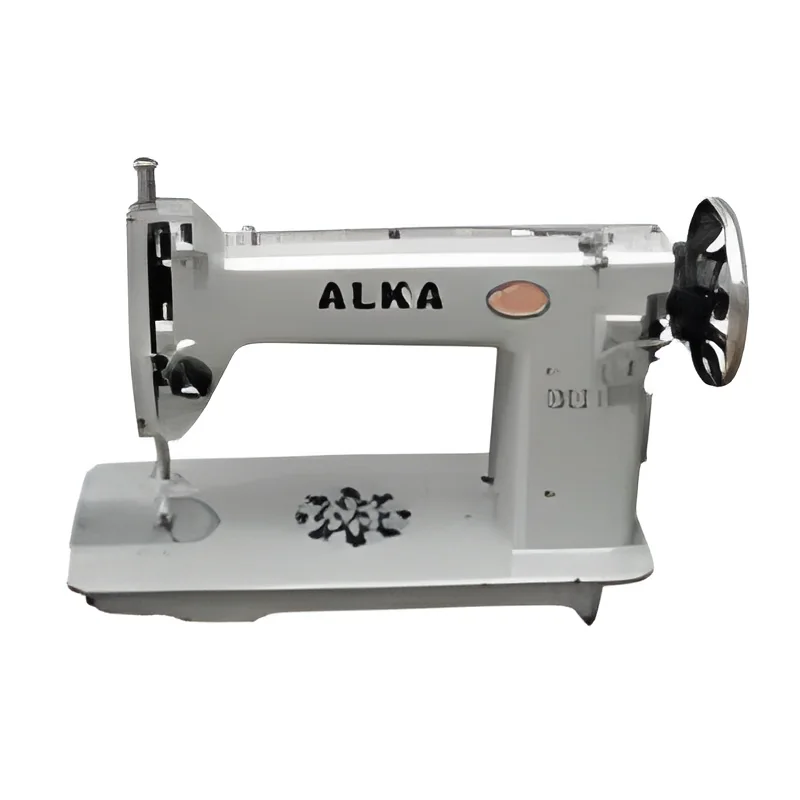
1. Apparel Manufacturing: Spare parts are used in sewing machines and cutting equipment, enabling efficient garment production and quality control.
2. Home Textiles: Components are essential in machines producing curtains, bed linens, and upholstery, ensuring consistency and durability.
3. Technical Textiles: Parts are vital for machinery used in the production of specialized fabrics for automotive, medical, and industrial applications.
4. Carpet Manufacturing: Spare parts support weaving and tufting machines, contributing to the production of high-quality carpets and rugs.
5. Nonwoven Fabrics: These components are critical in the manufacturing of nonwoven textiles, such as filters and disposable medical products.
6. Dyeing and Finishing: Spare parts help in dyeing machines and finishing equipment, crucial for achieving the desired colors and textures in textiles.
7. Textile Recycling: Parts are utilized in recycling machines to process used textiles into new products, promoting sustainability in the industry.
Product Variants and Subcategories
Textile machine spare parts and accessories come in a variety of forms to meet distinct operational needs.
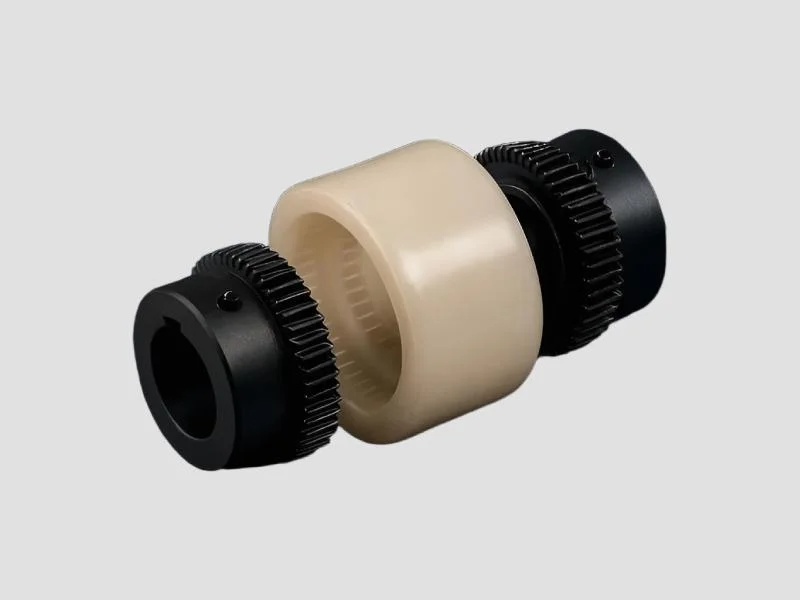
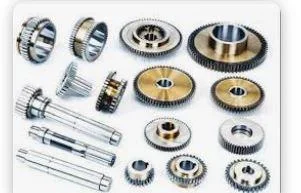
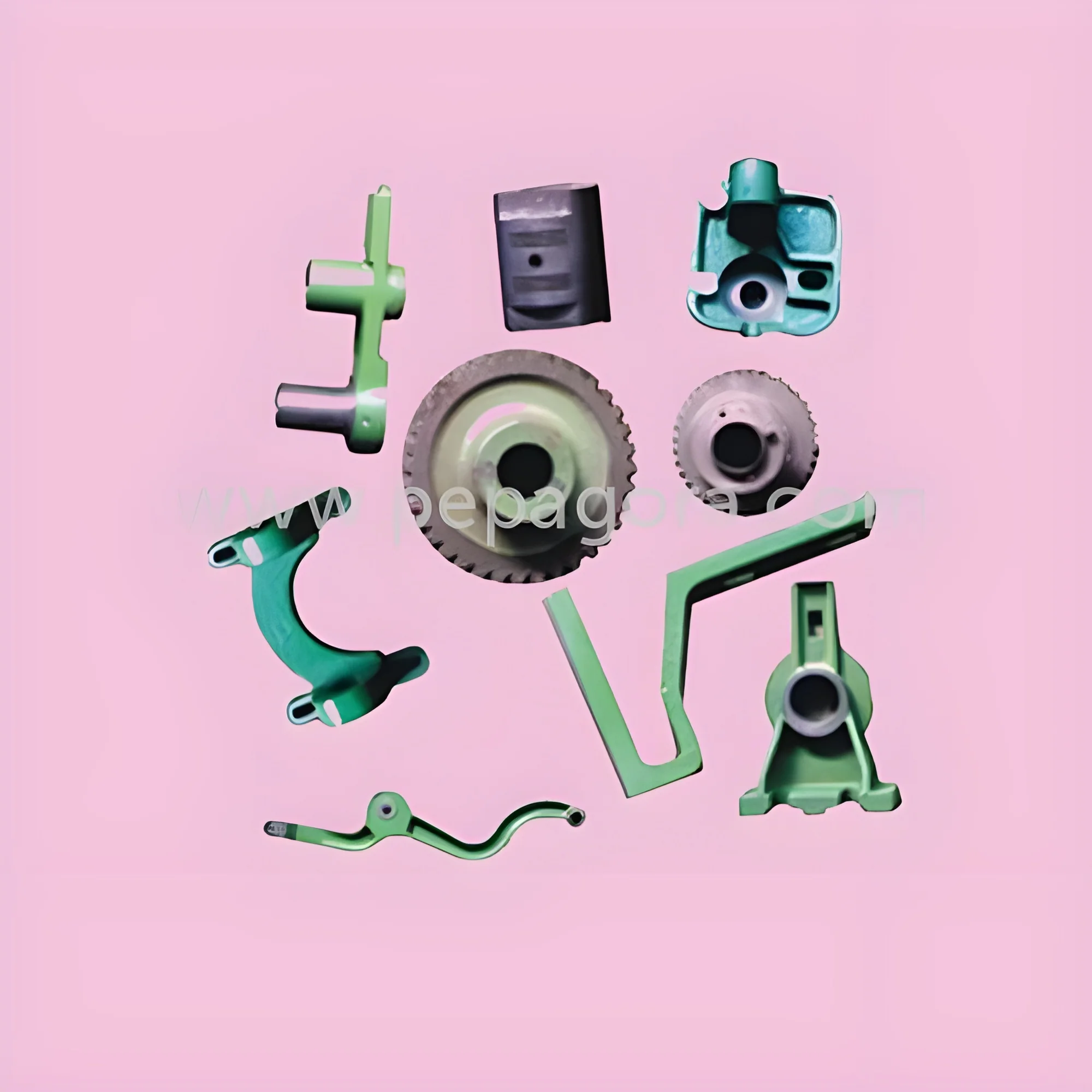
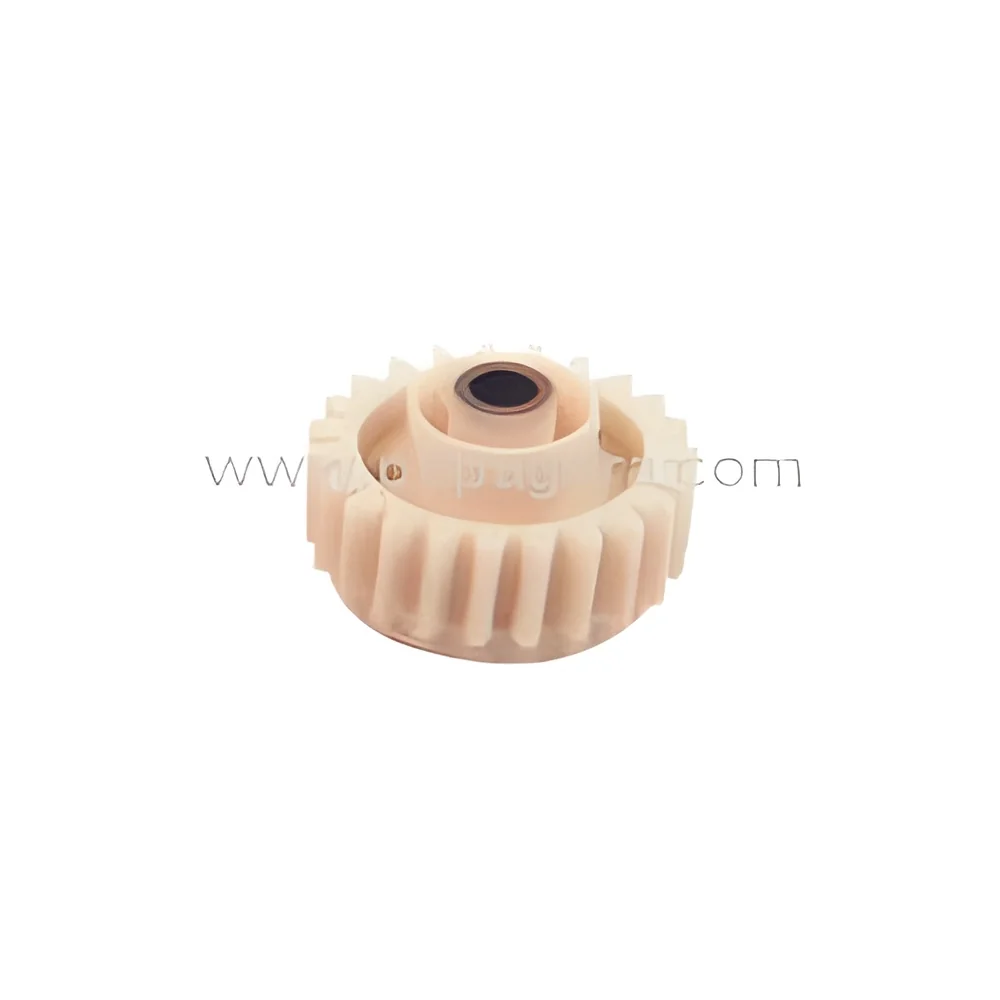
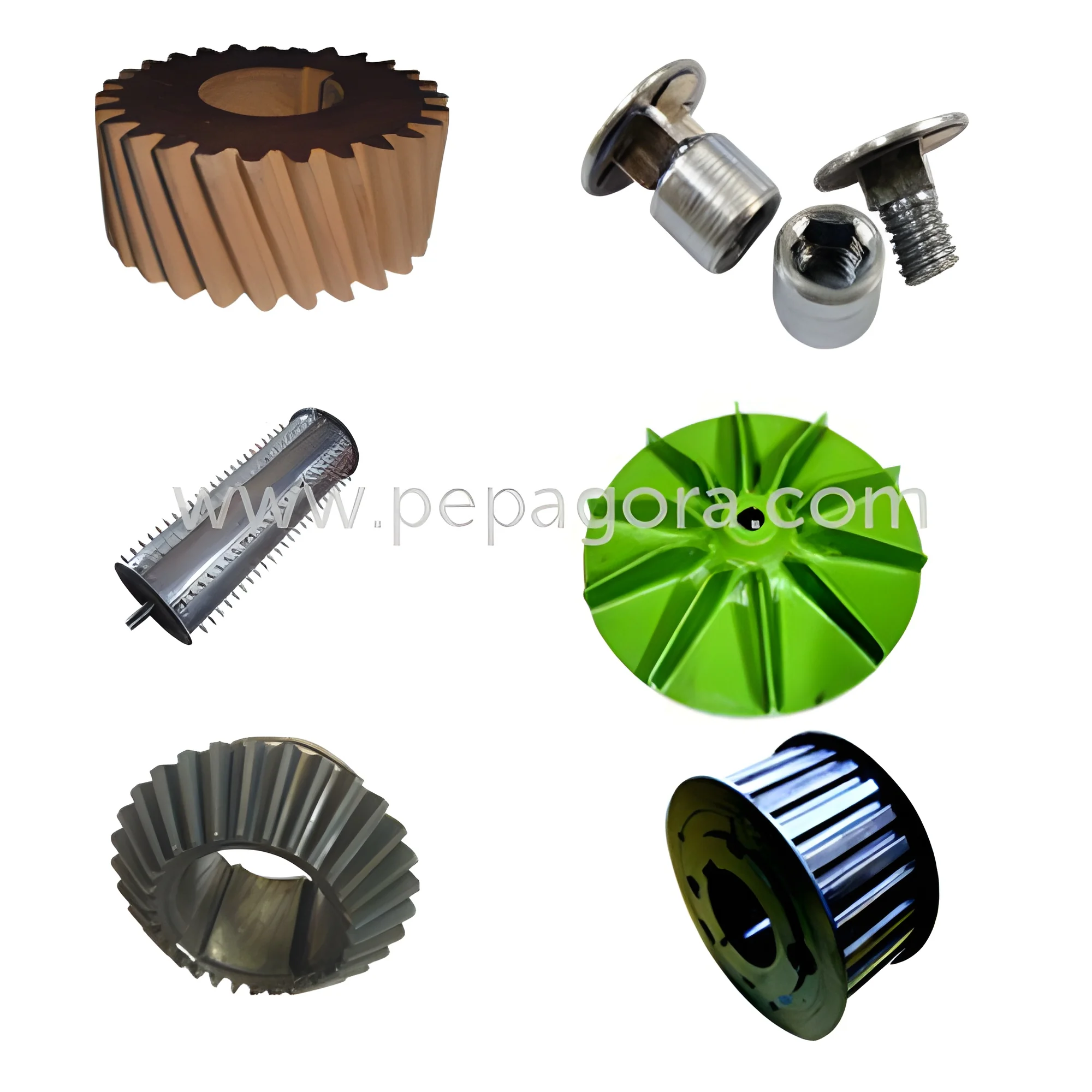
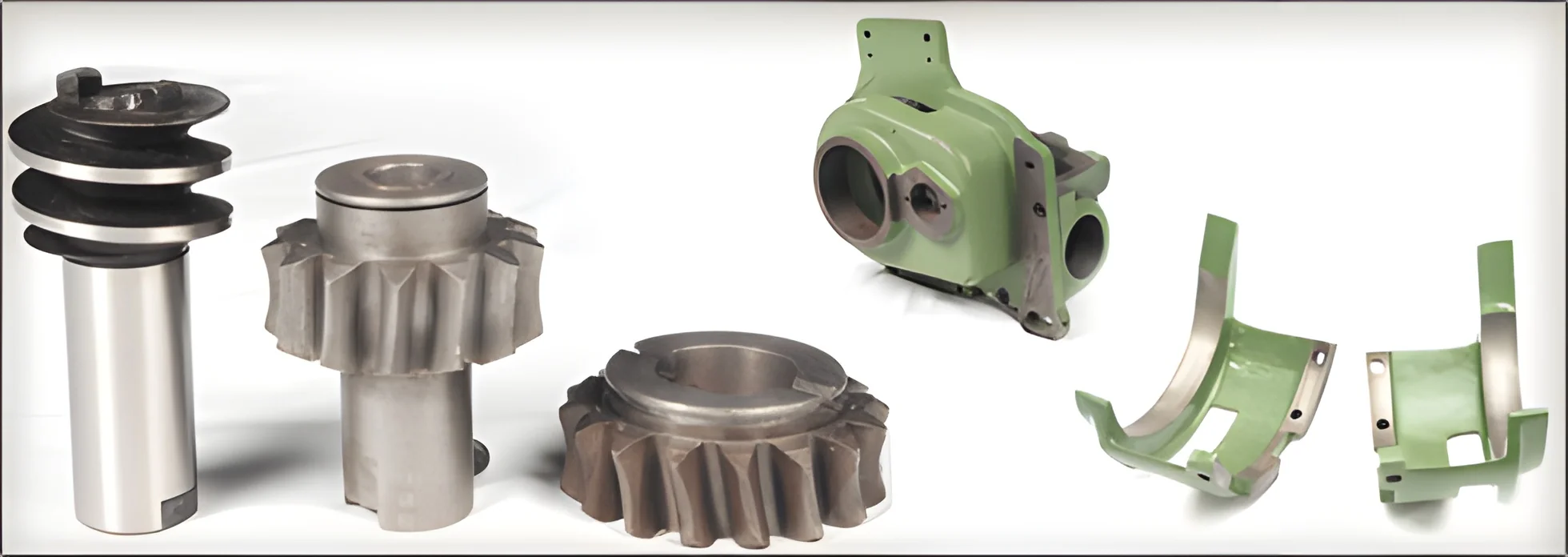
Gear Assemblies: These parts are crucial for the transmission of power within machines, ensuring smooth operation and efficiency. They are essential in various textile machines, from looms to knitting machines.
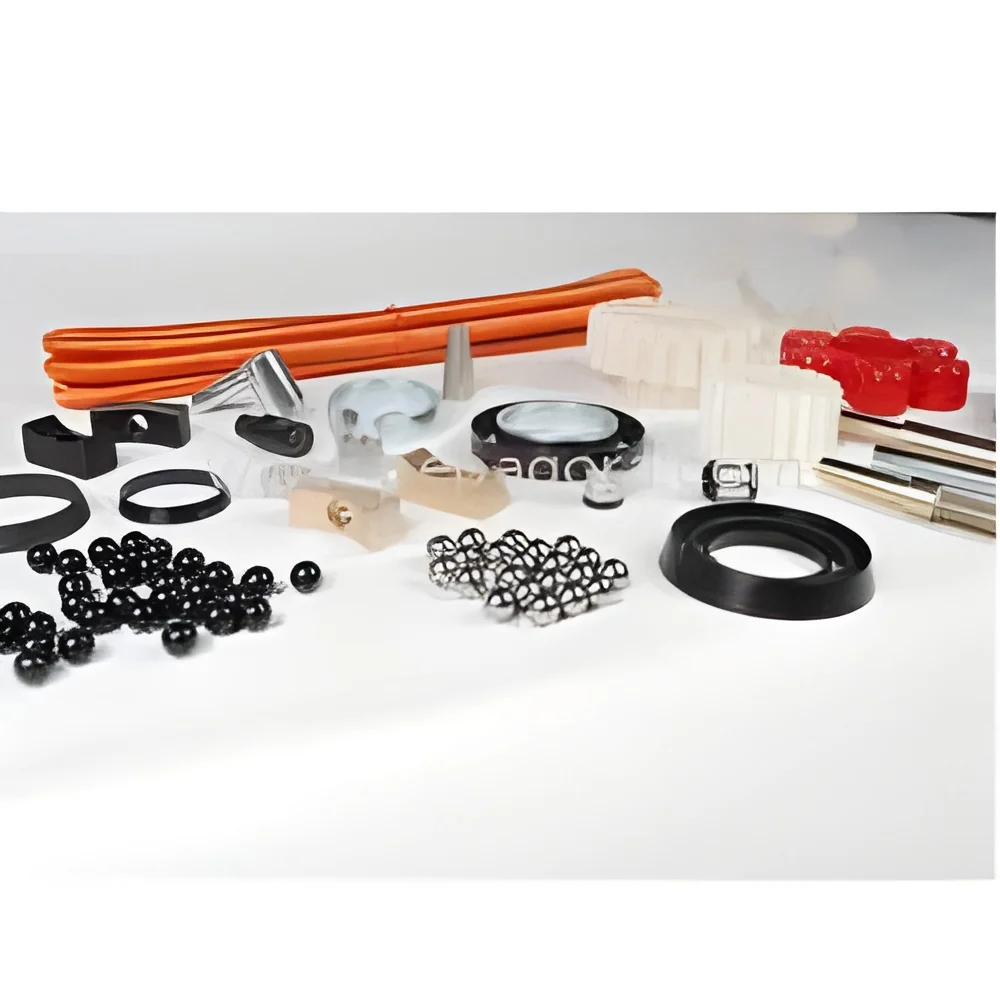
Belts and Chains: Used for the movement of various components in textile machinery, these accessories are designed for durability and flexibility, enabling reliable performance under continuous use.
Rollers: These components are integral to processes such as fabric feeding and tension control. They are designed to minimize friction and wear, enhancing overall machine efficiency.
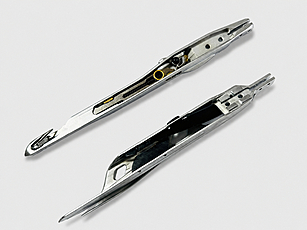
Needles and Cutting Blades: Essential for sewing and cutting applications, these parts are crafted for precision and longevity, ensuring high-quality finishes in textile products.
Benefits and Advantages
Investing in high-quality textile machine spare parts and accessories offers numerous advantages for manufacturers.
1. Enhanced Productivity: Reliable spare parts enable machines to operate efficiently, minimizing downtime and increasing output.
2. Cost Savings: Using durable components reduces the frequency of replacements and repairs, leading to lower operational costs over time.
3. Improved Quality: High-quality spare parts contribute to the production of superior textile products, enhancing brand reputation and customer satisfaction.
4. Increased Machine Lifespan: Regular replacement of worn parts ensures that machinery remains in optimal working condition, extending its lifespan.
5. Simplified Maintenance: Compatibility with existing machinery simplifies installation and maintenance, allowing for quick repairs.
6. Access to Expertise: Sourcing from reputable suppliers often includes access to technical support and expertise, aiding in efficient operations.
Buying Guide for B2B Buyers
When sourcing textile machine spare parts and accessories, it is essential to consider several factors to ensure a successful purchase.
1. Quality Assessment: Evaluate the quality of parts through certifications and supplier reputation. High-quality components are crucial for maintaining machine performance.
2. Supplier Verification: Vet potential suppliers by checking their track record, customer reviews, and compliance with industry standards. A reliable supplier is key to a successful partnership.
3. Pricing and MOQ: Understand the pricing structures and minimum order quantities. This information is vital for budgeting and inventory management.
4. Delivery and Lead Times: Consider logistics and delivery schedules, as timely receipt of spare parts is critical for minimizing production delays.
5. Compliance Requirements: Ensure that the spare parts meet relevant regulatory and safety standards. Compliance reduces risks associated with non-conformity.
Compliance and Certifications
Textile machine spare parts and accessories must adhere to various compliance and certification standards to ensure quality and safety.
Relevant quality standards, such as ISO 9001, are critical in establishing a framework for consistent quality management. Adhering to these standards assures buyers of the reliability and performance of the spare parts.
Industry certifications, including CE marking, signify that the products meet essential health and safety requirements within the European market. These certifications provide assurance to manufacturers about the quality of the components they are sourcing.
Additionally, safety and testing requirements are crucial in the textile industry, where machinery must operate safely under various conditions. Regular testing of components helps mitigate risks associated with equipment failure.
Regional compliance considerations should also be taken into account, as different markets may have specific regulations that affect the sourcing and use of textile machine spare parts.
Why Source Textile Machine Spare Parts & Accessories from Pepagora?
Pepagora provides a trusted platform for sourcing textile machine spare parts and accessories, offering several key advantages to B2B buyers.
The verified supplier network ensures that buyers can connect with reputable manufacturers and distributors. This verification process helps mitigate risks associated with sourcing from unknown suppliers, providing peace of mind.
The streamlined RFQ process allows buyers to quickly request quotations from multiple suppliers. This efficiency saves time and facilitates competitive pricing, enabling businesses to make informed purchasing decisions.
Trade assurance and support are integral aspects of the Pepagora experience. Buyers benefit from protection measures that help secure transactions, ensuring that their investments are safeguarded.
Regional coverage is another significant advantage, as Pepagora connects buyers with suppliers across India, the GCC, and Southeast Asia. This extensive network enhances accessibility to quality textile machine spare parts, supporting businesses in meeting their operational needs effectively.

 IN
IN