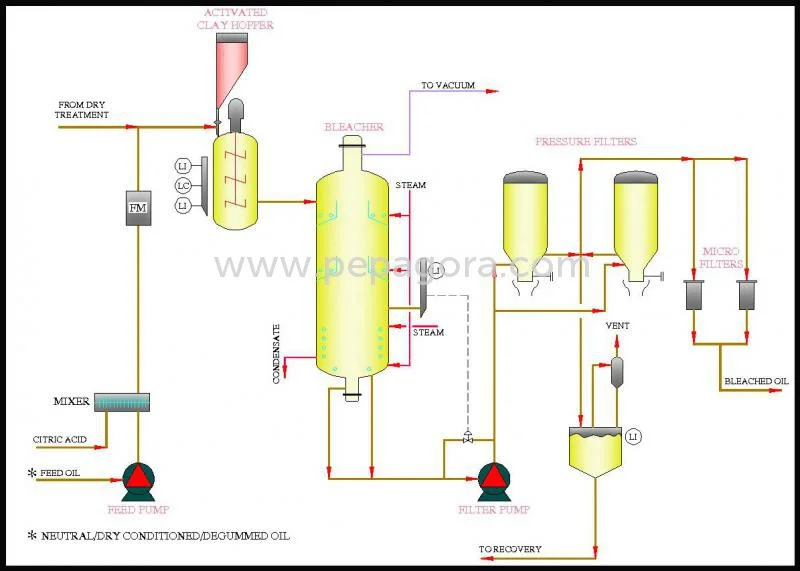
What are Bleaching Machinery?
Bleaching machinery refers to specialized equipment used in various manufacturing processes to remove color from materials. It is predominantly utilized in industries such as textiles, paper, and food processing. The primary function of this machinery is to enhance the whiteness or brightness of raw materials through chemical or physical means. This equipment can vary in complexity, from simple bleaching agents applied in a batch process to advanced continuous systems that integrate various stages of production.
The applications of bleaching machinery are extensive, with significant relevance in industries that require high standards of quality and appearance. For instance, in the textile industry, bleaching machinery is crucial for preparing fabrics before dyeing, ensuring that colors are vibrant and uniform. In the paper industry, this machinery is essential for achieving the desired whiteness in paper products. With increasing demand for high-quality products, the market for bleaching machinery continues to grow, driven by technological advancements and the need for efficient production processes.
Key Features and Specifications
Bleaching machinery is designed with several key features that enhance its performance and efficiency. Understanding these specifications is crucial for businesses looking to invest in such equipment.
Key specifications include:
1. Capacity
- This specification refers to the amount of material the machinery can process within a given time frame.
- Typical ranges may vary based on the type of machinery and its design.
2. Chemical Compatibility
- This indicates the types of bleaching agents that can be effectively used with the machinery.
- It is essential for ensuring optimal results and preventing damage to the equipment.
3. Energy Consumption
- This specification measures how much energy the machinery uses during operation.
- Lower energy consumption rates can lead to reduced operational costs.
4. Automation Level
- This refers to the extent to which the machinery can operate without manual intervention.
- Higher automation levels can increase efficiency and reduce labor costs.
5. Maintenance Requirements
- This specification outlines the maintenance needs of the machinery to ensure optimal performance.
- Regular maintenance can extend the lifespan of the equipment.
6. Safety Features
- This includes any built-in safety mechanisms to protect operators during use.
- Essential for compliance with industry safety standards.
7. Size and Dimensions
- This specification relates to the physical footprint of the machinery.
- It is crucial for space planning within manufacturing facilities.
8. Control Systems
- This refers to the technology used to operate and monitor the machinery during the bleaching process.
- Advanced control systems can provide real-time data and enhance precision.
In summary, understanding the key features and specifications of bleaching machinery aids businesses in selecting the right equipment that meets their production needs while ensuring efficiency and safety.
Common Applications and Use Cases
Bleaching machinery serves various industries, each with specific applications that highlight its importance.
1. Textile Industry: In textiles, bleaching machinery is essential for preparing fabrics by removing impurities and achieving desired whiteness before dyeing processes. This ensures that colors adhere properly and remain vibrant.
2. Paper Industry: The paper industry relies on bleaching machinery to enhance the brightness of pulp and finished products. This is crucial for producing high-quality paper that meets consumer expectations.
3. Food Processing: Bleaching machinery is also used in food processing to improve the appearance of products such as flour and sugar. This helps meet regulatory standards and consumer preferences for aesthetics.
4. Chemical Manufacturing: In chemical production, bleaching machinery assists in synthesizing compounds that require color removal for purity and quality.
5. Water Treatment: Some bleaching machinery is utilized in water treatment processes to eliminate contaminants and improve water quality for various applications.
6. Cosmetics Industry: The cosmetics sector employs bleaching machinery to ensure that products such as creams and lotions maintain a consistent and appealing appearance.
7. Pharmaceuticals: In the pharmaceutical industry, bleaching machinery is used to process raw materials to achieve necessary purity levels and aesthetic qualities.
Product Variants and Subcategories
Bleaching machinery comes in various forms to suit different industrial needs. These variants cater to specific applications and operational requirements.
Batch Bleaching Equipment
This variant is designed for processing smaller quantities of materials in discrete batches. It allows for flexibility in production and is ideal for specialty applications where precise control over the bleaching process is required.
Continuous Bleaching Systems
Continuous systems are designed for high-volume production, allowing materials to be processed without interruption. These systems are efficient for large-scale operations and are often integrated with other production processes.
High-Temperature Bleaching Machines
These machines operate at elevated temperatures to enhance the bleaching efficiency of certain materials. They are particularly beneficial for industries that require rapid processing times and high-quality results.
Low-Temperature, Energy-Efficient Machines
These variants focus on reducing energy consumption while still achieving effective bleaching. They cater to businesses that prioritize sustainability and cost savings.
Benefits and Advantages
Investing in bleaching machinery offers several key benefits that can enhance operational efficiency and product quality.
1. Improved Product Quality: Bleaching machinery ensures consistent and high-quality output by removing impurities and achieving desired whiteness.
2. Increased Production Efficiency: With advanced automation and continuous processing capabilities, businesses can significantly increase their production rates.
3. Cost Savings: Efficient machinery can lead to lower operational costs through reduced energy consumption and minimized labor needs.
4. Flexibility: The availability of different types of bleaching machinery allows businesses to choose equipment that fits their specific production requirements.
5. Compliance with Standards: High-quality bleaching machinery often meets industry regulations, ensuring that products are safe and marketable.
6. Enhanced Sustainability: Energy-efficient models help reduce environmental impact, aligning with modern sustainability goals.
Buying Guide for B2B Buyers
When sourcing bleaching machinery, it is essential to consider several key factors to make an informed purchase.
1. Quality Assessment: Buyers should evaluate the build quality of the machinery, looking for durable materials and construction that can withstand heavy usage.
2. Supplier Verification: It is crucial to vet suppliers for their reliability and reputation in the industry. Checking references and reviews can help ensure a trustworthy partnership.
3. Pricing and MOQ: Buyers need to understand the cost implications, including the typical minimum order quantity (MOQ) required by suppliers. This helps in budgeting and planning for production.
4. Delivery and Lead Times: Timing is critical in production, so it is important to inquire about delivery schedules and lead times to ensure timely availability of the machinery.
5. Compliance Requirements: Understanding regulatory standards applicable to bleaching machinery is vital. Buyers should confirm that the equipment meets necessary compliance for their specific industry.
Compliance and Certifications
Bleaching machinery must adhere to various compliance and certification standards to ensure safety and quality. Relevant quality standards include ISO 9001, which focuses on quality management systems, and HACCP, which outlines critical control points in production to ensure food safety.
Industry certifications, such as CE marking, indicate that the machinery meets European safety, health, and environmental protection standards. This is particularly important for businesses operating in regions with stringent regulatory requirements.
In addition to these standards, safety and testing requirements play a crucial role in the design and operation of bleaching machinery. Manufacturers must conduct thorough testing to ensure that their equipment operates safely under various conditions.
Regional compliance considerations may vary depending on the geographical area of operation. Buyers should be aware of local regulations that may impact their selection and use of bleaching machinery.
Why Source Bleaching Machinery from Pepagora?
Pepagora provides a trusted platform for sourcing bleaching machinery, offering several key advantages for B2B buyers.
Verified Supplier Network: The platform connects buyers with a network of verified suppliers, ensuring that businesses can find quality machinery from reputable sources. This reduces the risk of subpar products and enhances trust in the purchasing process.
Streamlined RFQ Process: Pepagora's quotation system simplifies the request for quotations (RFQ) process, allowing buyers to compare offers from multiple suppliers efficiently. This saves time and helps businesses make informed decisions.
Trade Assurance and Support: With trade assurance programs, Pepagora offers buyer protection, ensuring that transactions are secure and that buyers receive the products as promised. This added layer of security fosters confidence in the purchasing process.
Regional Coverage: Pepagora has a broad geographic reach, serving markets in India, the GCC, and Southeast Asia. This regional focus allows buyers to access local suppliers and understand market dynamics that may affect their purchasing decisions.
By choosing Pepagora for sourcing bleaching machinery, businesses can benefit from quality assurance, streamlined processes, and extensive support in their procurement efforts.

 IN
IN