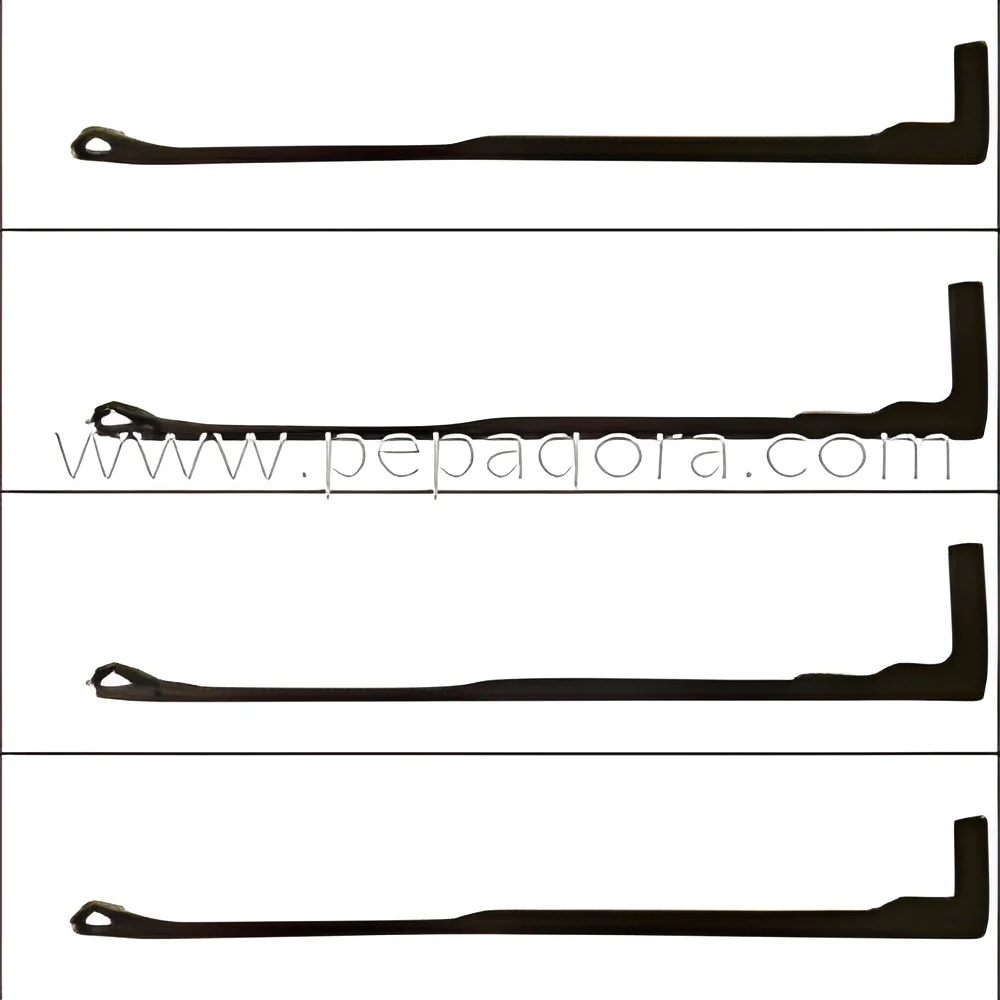
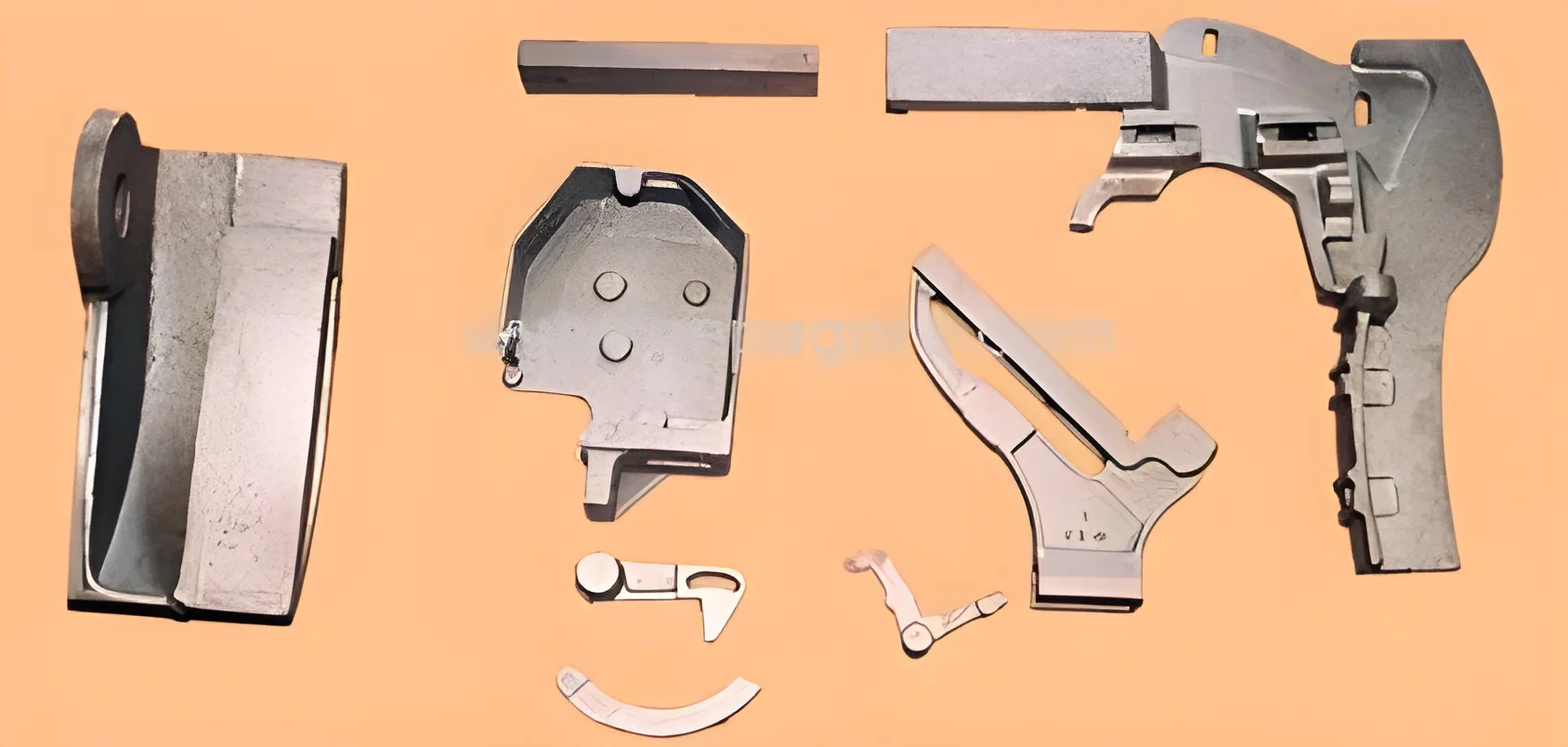
What are Socks Knitting Machines?
Socks knitting machines are specialized equipment designed to manufacture socks efficiently and at scale. These machines use advanced knitting technology to create various types of socks, from casual wear to athletic socks. They automate the knitting process, allowing for precise control over stitch patterns, sizes, and textures. This automation significantly enhances productivity and reduces the time and labor costs associated with sock production.
The primary uses of socks knitting machines are found in textile manufacturing companies, where they contribute to mass production. Businesses rely on these machines to meet market demands for high-quality, durable, and comfortable socks. The ability to produce a wide range of styles and designs makes these machines vital in the competitive apparel industry. As consumer preferences shift toward more customized and fashionable products, the role of socks knitting machines becomes increasingly relevant, ensuring manufacturers can adapt to changing trends efficiently.
In the current market context, the demand for socks knitting machines is on the rise, influenced by the growing apparel sector. Innovations in technology and design are driving manufacturers to invest in these machines to enhance their production capabilities. As sustainability becomes a focal point in manufacturing practices, companies are also exploring efficient, eco-friendly knitting solutions to align with consumer expectations.
Key Features and Specifications
Socks knitting machines come equipped with a variety of advanced features and specifications that enhance their performance and usability. These specifications can vary depending on the model and manufacturer, but some key aspects are common across the industry.
Key specifications include:
1. Production Speed
- Typically ranges from 120 to 250 pairs of socks per hour
- Allows manufacturers to meet high volume demands efficiently
2. Needle Count
- Commonly ranges from 84 to 200 needles
- Determines the thickness and type of socks that can be produced
3. Yarn Types
- Capable of handling various yarn materials such as cotton, nylon, and wool
- Flexibility in yarn selection allows for diverse sock styles
4. Control Systems
- Integrated computer systems for precise programming and monitoring
- Facilitates easy adjustments for different sock patterns and sizes
5. Power Consumption
- Varies by machine type, generally low to moderate
- Energy-efficient models available to reduce operational costs
6. Machine Dimensions
- Compact designs for easier integration into existing manufacturing setups
- Standard dimensions ensure compatibility with factory layouts
7. Maintenance Requirements
- Designed for low maintenance with easy access to parts
- Regular maintenance schedules can prolong machine lifespan
8. Automation Features
- Equipped with automatic yarn changing and tension control
- Reduces manual intervention, streamlining the production process
These features collectively enhance the functionality of socks knitting machines, making them essential for modern textile manufacturing.
Common Applications and Use Cases
Socks knitting machines are utilized across several industries, each with specific applications that benefit from their capabilities.
1. Apparel Manufacturing: These machines are primarily used in large-scale apparel manufacturing companies to produce a wide variety of socks for different market segments.
2. Sportswear: In the sportswear sector, socks knitting machines create specialized athletic socks designed for performance and comfort, catering to professional athletes and casual sports enthusiasts.
3. Fashion Retail: Fashion retailers use socks knitting machines to produce trendy and stylish socks that appeal to fashion-conscious consumers, allowing for quick turnarounds on new designs.
4. Medical Sector: Custom medical socks, including compression and diabetic socks, are produced using these machines to meet specific healthcare needs.
5. Promotional Products: Companies often utilize socks knitting machines to create branded promotional socks for marketing and corporate gifts, enhancing brand visibility.
6. Home Textiles: Some manufacturers use these machines to produce cozy home socks and slipper socks, adding a touch of comfort to home textiles.
7. Children's Wear: Socks knitting machines are also employed to create colorful and fun designs for children's socks, catering to both comfort and aesthetics.
Product Variants and Subcategories
Socks knitting machines come in various configurations to suit different production needs. While there are no subcategories specified, the diversity in machine capabilities allows for tailored solutions.
High-Speed Socks Knitting Machines: These machines are designed for maximum efficiency, capable of producing large quantities of socks in a short time. Ideal for high-demand markets, they feature advanced automation and control systems.
Computerized Socks Knitting Machines: Equipped with sophisticated digital technology, these machines allow for precision in design and flexibility in production. They can quickly switch between different sock styles, making them suitable for fashion-forward brands.
Eco-Friendly Socks Knitting Machines: These machines focus on sustainability by using energy-efficient technologies and materials. They cater to manufacturers aiming to reduce their environmental impact while producing high-quality socks.
Benefits and Advantages
Investing in socks knitting machines offers numerous advantages for manufacturers.
1. Increased Efficiency: These machines automate the production process, significantly increasing output and reducing labor costs.
2. Versatility: Socks knitting machines can produce a wide range of sock styles and designs, allowing manufacturers to cater to diverse consumer preferences.
3. Quality Control: Advanced technology ensures consistent quality in each pair of socks produced, minimizing defects.
4. Cost Savings: With high production speeds and reduced manual labor, manufacturers can achieve lower per-unit costs, improving profit margins.
5. Customization: Many machines allow for easy modifications to patterns and sizes, enabling businesses to offer customized products.
6. Reduced Waste: Efficient production processes and advanced monitoring reduce material waste, contributing to more sustainable manufacturing practices.
Buying Guide for B2B Buyers
When sourcing socks knitting machines, B2B buyers should consider several key factors to ensure they make informed decisions.
1. Quality Assessment: Buyers should evaluate the build quality and performance of the machines. Look for reputable brands with proven track records in the industry.
2. Supplier Verification: It is essential to thoroughly vet suppliers to ensure they are reliable and have good customer support. Request references and check reviews to gauge their reputation.
3. Pricing and MOQ: Understand the pricing structure and the minimum order quantities (MOQ) that suppliers require. This will help in budgeting and planning production schedules.
4. Delivery and Lead Times: Consider the logistics of delivery and inquire about lead times. Timely delivery is crucial to maintaining production schedules.
5. Compliance Requirements: Ensure that the machines comply with relevant industry standards and certifications, such as CE. This is important for safety and regulatory adherence.
Compliance and Certifications
Socks knitting machines are subject to various quality standards and industry certifications that ensure safety and performance.
Quality standards such as ISO 9001 are essential for manufacturers, as they define requirements for a quality management system. Adhering to these standards helps ensure consistent production quality and customer satisfaction.
Industry certifications, notably CE certification, indicate compliance with European health, safety, and environmental protection standards. Machines bearing this certification are recognized for meeting strict safety regulations.
Manufacturers must also consider safety and testing requirements specific to their region. This includes ensuring that machines meet local electrical safety standards and operational guidelines.
Additionally, regional compliance considerations can affect the choice of machines. Manufacturers should be aware of specific regulations in the markets they intend to serve.
Why Source Socks Knitting Machines from Pepagora?
Pepagora provides a trusted platform for sourcing socks knitting machines, offering several key advantages for buyers.
Verified Supplier Network: Pepagora features a robust network of verified suppliers, ensuring that buyers can connect with reputable manufacturers. This verification process helps mitigate risks associated with sourcing.
Streamlined RFQ Process: The platform simplifies the request for quotation (RFQ) process, allowing buyers to receive competitive quotes from multiple suppliers quickly. This efficiency saves time and facilitates better decision-making.
Trade Assurance and Support: Pepagora offers trade assurance, providing protection for buyers in their transactions. This support ensures that buyers can source machines with confidence, knowing they are protected.
Regional Coverage: With a strong presence in regions such as India, the GCC, and Southeast Asia, Pepagora enables buyers to tap into local markets effectively. This regional coverage enhances access to a diverse range of products and suppliers.

 IN
IN