
 IN
Spinning Machinery
37 products available
What are Spinning Machinery?
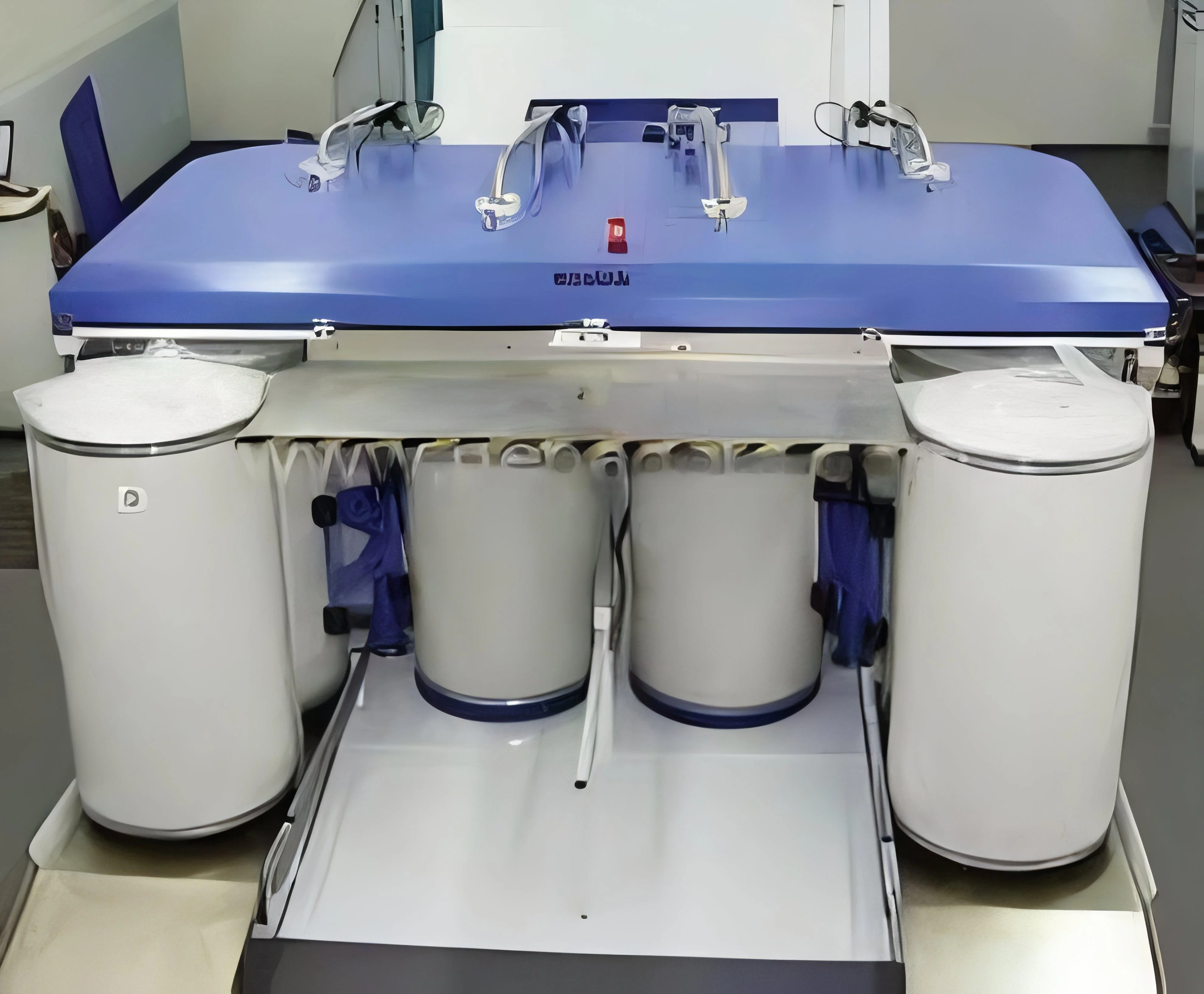
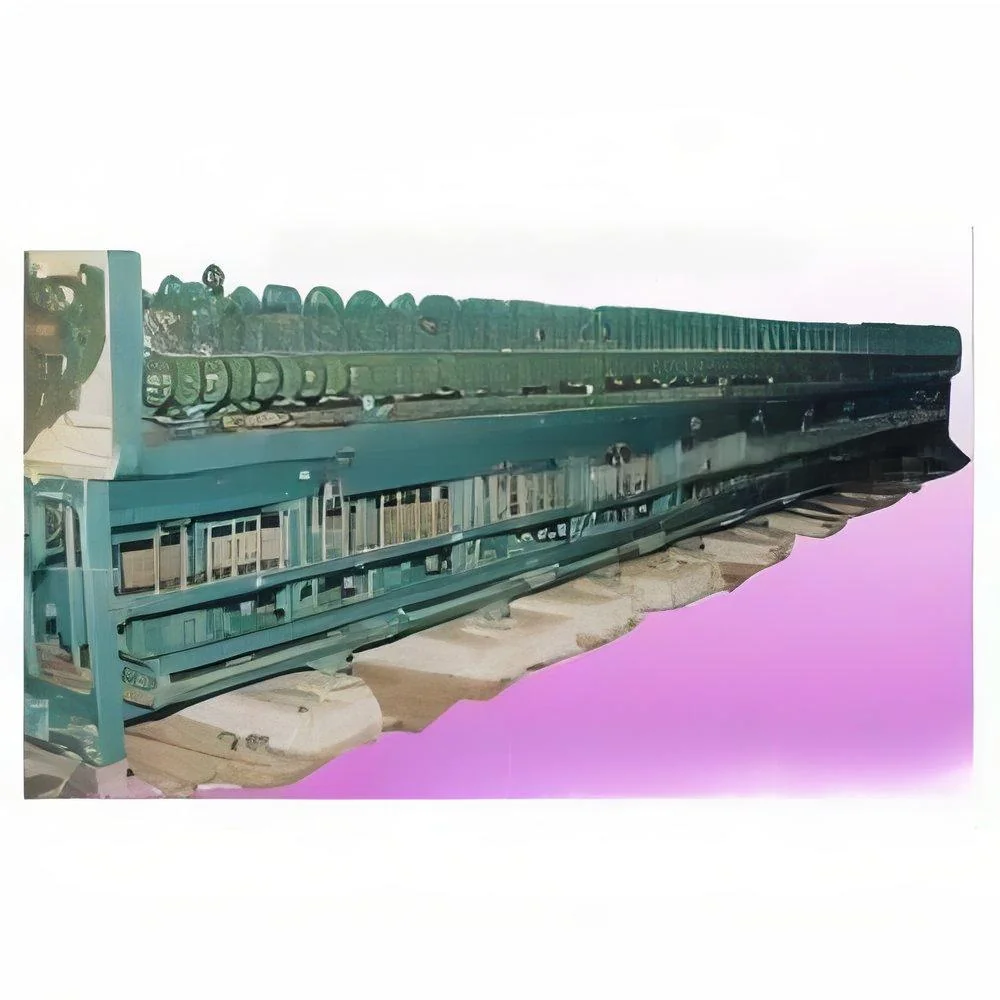
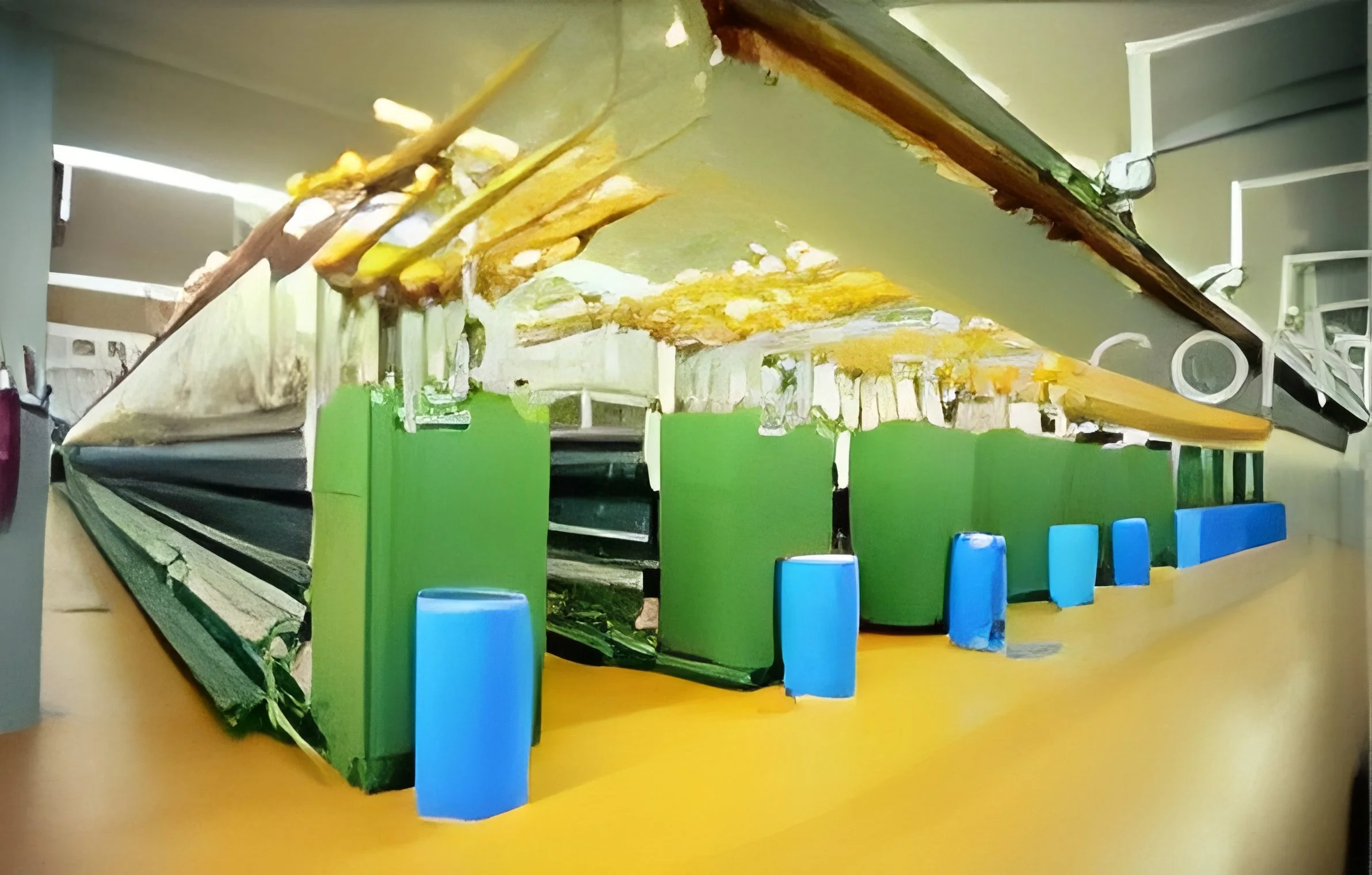
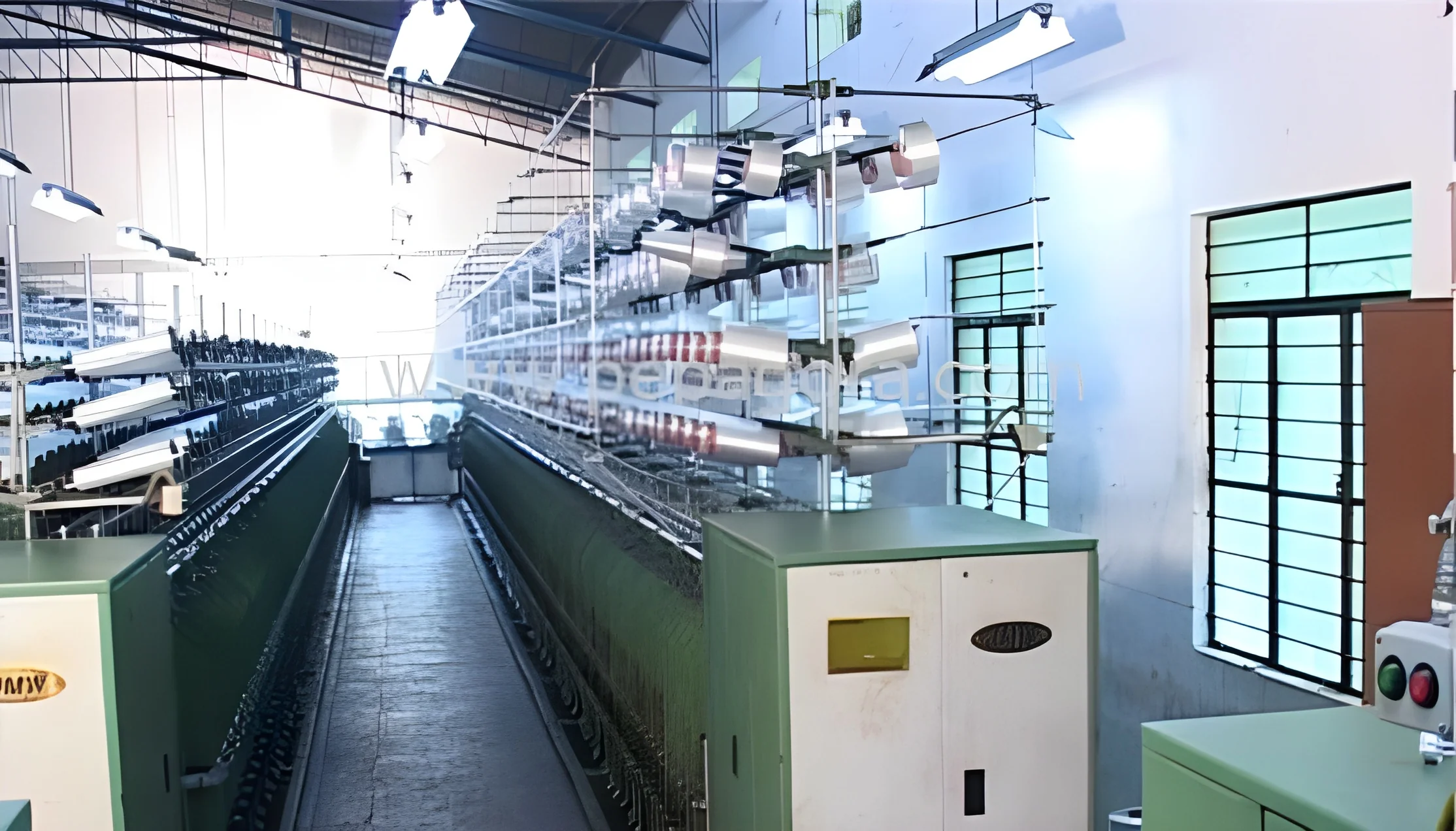
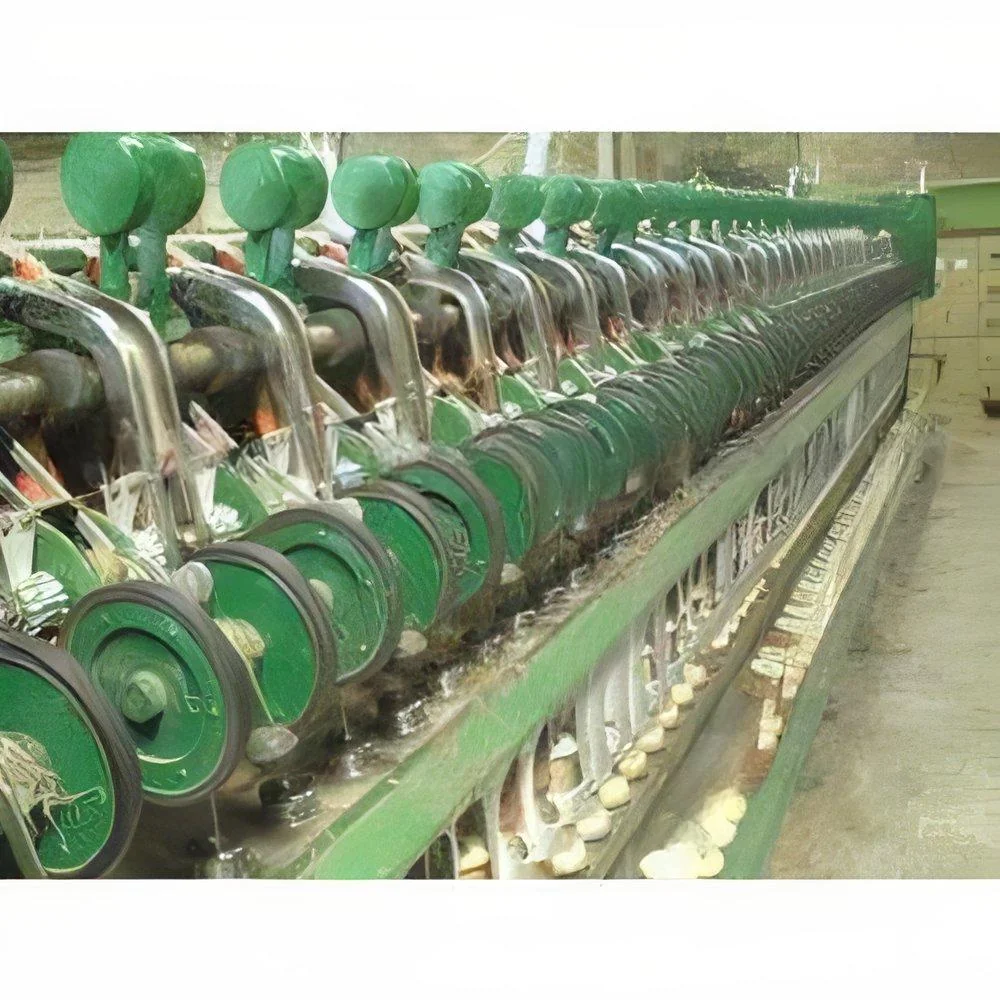
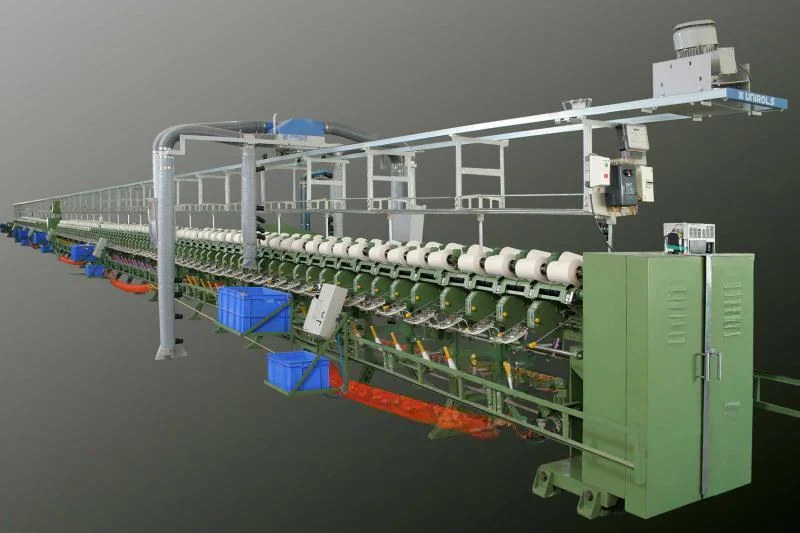
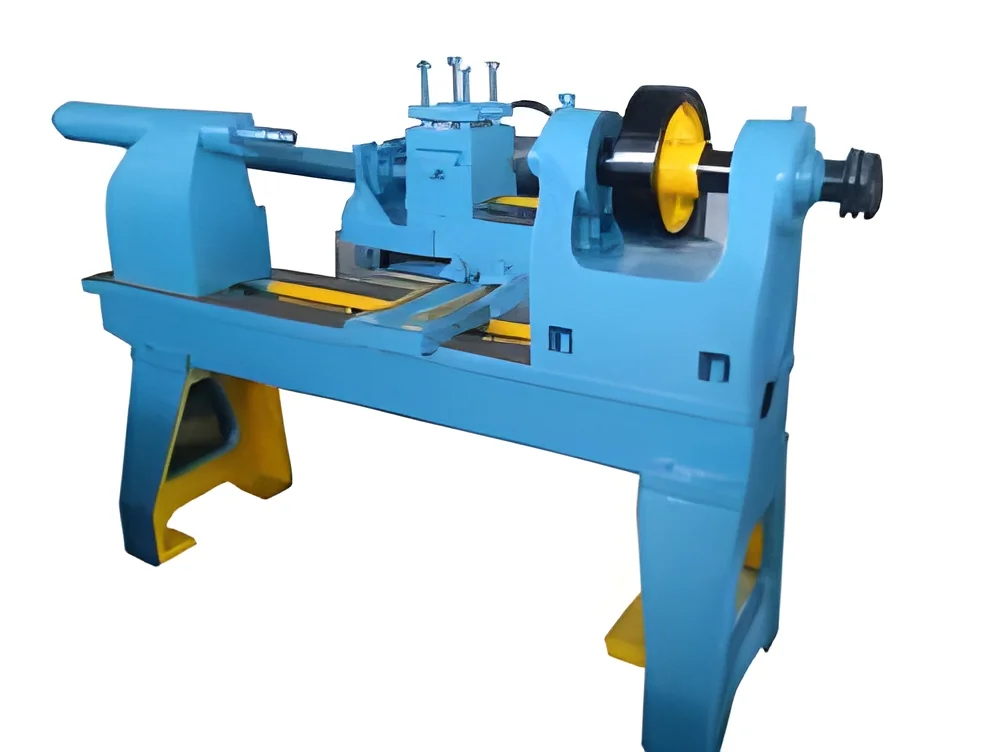
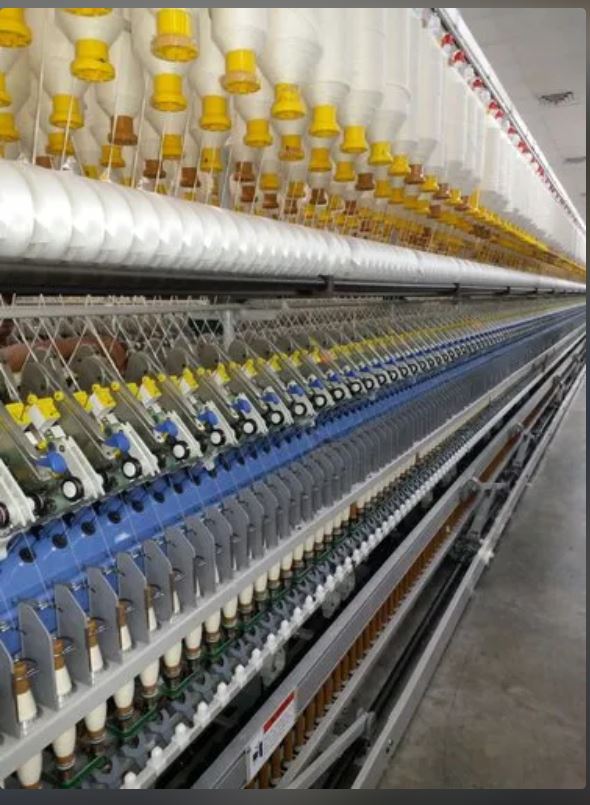
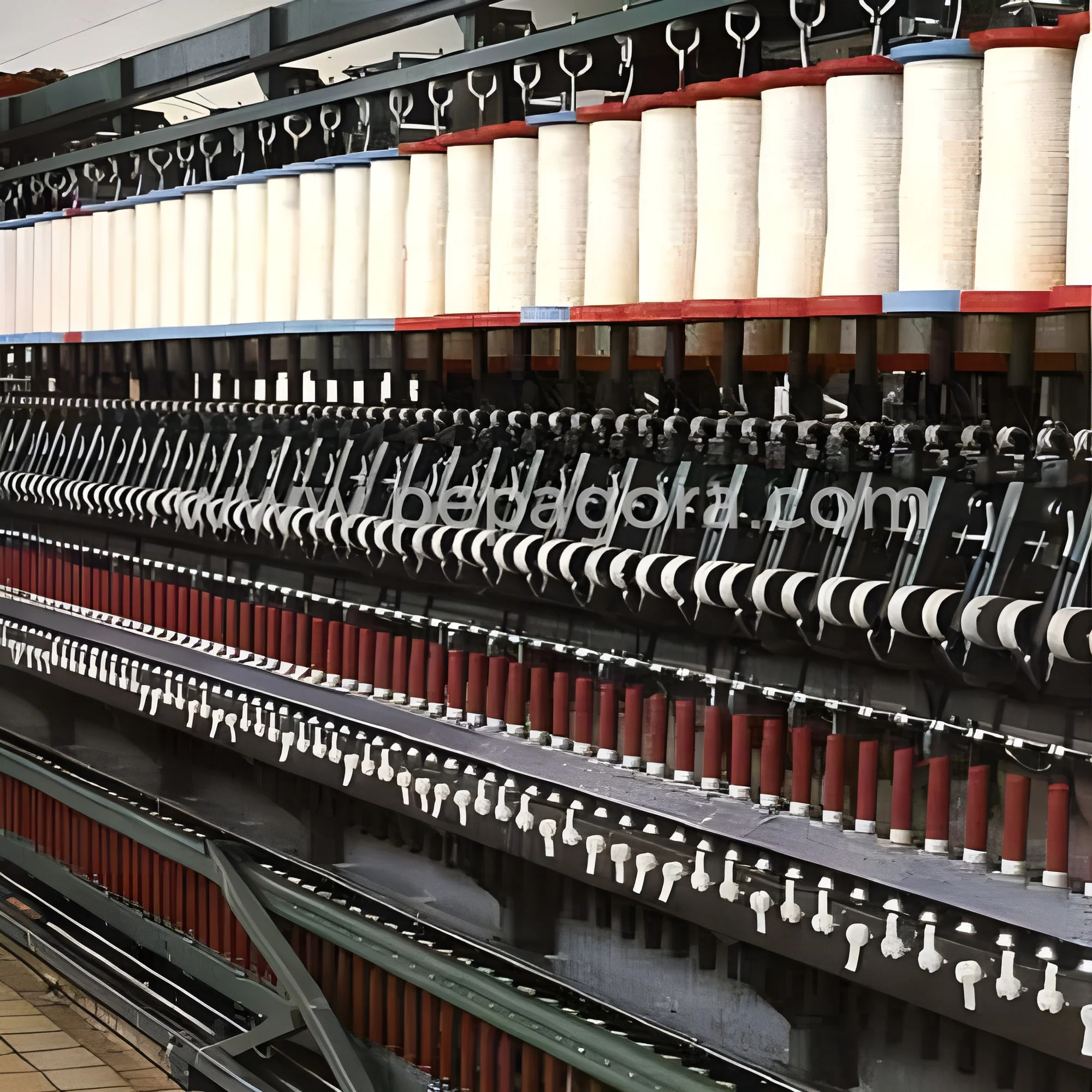
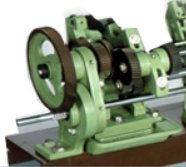
Spinning machinery refers to the equipment and technology used in the textile industry to convert fibers into yarn. This process involves twisting and drawing out fibers to create a continuous strand of thread or yarn, which can then be used for weaving or knitting. Spinning machinery encompasses a variety of machines, including ring spinning frames, open-end spinning machines, and air-jet spinning machines, each designed to cater to different types of fibers and production needs.
The primary applications of spinning machinery are found in the production of textiles for clothing, home furnishings, and industrial uses. Businesses in the fashion industry, automotive sector, and technical textiles rely on spinning machinery to produce high-quality yarns that meet specific performance standards. Given the growing demand for sustainable and innovative textile solutions, spinning machinery plays a crucial role in enhancing production efficiency and supporting advancements in material technology.
With the textile industry continually evolving, spinning machinery remains a vital component in the supply chain. It not only contributes to the production of traditional textiles but also supports the development of new materials, such as eco-friendly fibers and smart textiles. The market for spinning machinery is competitive, driven by technological advancements and the need for increased productivity and quality in yarn production.
Key Features and Specifications
Spinning machinery comes with a range of features that enhance its functionality and efficiency in producing high-quality yarns. Understanding these specifications is essential for manufacturers looking to invest in the right equipment for their production processes.
Key specifications include:
1. Yarn Production Capacity
- Refers to the amount of yarn produced per hour.
- Typically ranges from 10 kg/h to over 200 kg/h depending on the machine type.
2. Fiber Compatibility
- Indicates the types of fibers the machine can process.
- Capable of handling natural fibers, synthetic fibers, and blends.
3. Twist Rate
- Measurement of the number of twists per unit length of yarn.
- Ranges from 200 to 600 twists per meter for various applications.
4. Machine Efficiency
- Reflects the operational efficiency and downtime of the machinery.
- Efficiency ratings are often around 80% to 95%.
5. Automation Level
- Describes the extent of automated processes in the machine.
- Ranges from manual operation to fully automated systems.
6. Maintenance Requirements
- Indicates how often the machinery needs maintenance and servicing.
- Typically requires routine checks every few months.
7. Energy Consumption
- Specifies the energy efficiency of the machinery.
- Energy usage can vary from 5 kW to 20 kW based on operational settings.
8. Safety Features
- Includes mechanisms to ensure operator safety during operation.
- Features may include emergency stop buttons and protective enclosures.
Understanding these specifications helps businesses select the appropriate spinning machinery that meets their production needs while ensuring quality and efficiency.
Common Applications and Use Cases
Spinning machinery finds applications across various industries, each with specific requirements and functions.
1. Textile Industry: Spinning machinery is essential for producing yarn used in fabric manufacturing. It caters to both natural and synthetic fibers, supporting the creation of diverse textiles.
2. Automotive Industry: Yarn produced by spinning machines is utilized in automotive upholstery and safety features, such as airbags and seat belts, requiring high-strength and durable materials.
3. Home Textiles: Spinning machinery is used to create yarns for home furnishings, including curtains, carpets, and bedding, focusing on aesthetics and comfort.
4. Technical Textiles: In this sector, spinning machinery produces specialized yarns used in industrial applications such as filtration systems, geotextiles, and medical textiles, emphasizing performance and durability.
5. Fashion Industry: The machinery produces high-quality yarns for clothing, enabling designers to create innovative and fashionable garments that meet consumer demands.
6. Knitting Industry: Spinning machines provide the yarn essential for knitting applications, which include everything from casual wear to high-performance athletic gear.
7. Craft and Hobby Markets: Smaller-scale spinning machinery is also popular among crafters and hobbyists, allowing for the creation of unique, handmade yarn products.
Product Variants and Subcategories
Spinning machinery comes in various types, each designed for specific applications and production methods.
Ring Spinning Machines
These machines produce high-quality yarn through a traditional spinning process that involves drawing and twisting fibers. They are widely used in the textile industry for their ability to create a variety of yarn types, including fine and coarse yarns.
Open-End Spinning Machines
Open-end spinning technology allows for the production of yarn without the need for a traditional spindle. This method is efficient for producing bulk yarn, especially for low-cost textiles.
Air-Jet Spinning Machines
These machines utilize air jets to twist fibers together, resulting in a unique type of yarn with excellent strength and low hairiness. They are ideal for producing specialty yarns.
Benefits and Advantages
Investing in spinning machinery offers several advantages that can enhance production efficiency and quality.
1. Increased Production Efficiency: Advanced spinning machinery enables higher output rates, allowing manufacturers to meet growing demand without sacrificing quality.
2. Improved Yarn Quality: Modern spinning technology ensures consistent yarn quality, which is essential for maintaining standards in textile production.
3. Versatility: Spinning machines can handle various fiber types and blends, providing flexibility for manufacturers to adapt to changing market trends.
4. Cost Savings: Automation and energy-efficient designs reduce operational costs, ultimately benefiting the bottom line.
5. Reduced Labor Costs: Automated systems minimize the need for manual labor, streamlining operations and reducing workforce expenses.
6. Enhanced Safety Features: Modern spinning machinery is equipped with safety mechanisms that protect operators, ensuring a safer working environment.
Buying Guide for B2B Buyers
When sourcing spinning machinery, buyers should consider several important factors to ensure a suitable investment.
1. Quality Assessment: Evaluate the quality of the machinery by examining manufacturer credentials, customer reviews, and product certifications. Look for machines that meet industry standards.
2. Supplier Verification: Vet suppliers by checking their background, reputation, and track record in the industry. Ensure they have a history of reliable service and support.
3. Pricing and MOQ: Understand the pricing structure, including any minimum order quantities. Compare quotes from multiple suppliers to ensure competitive pricing.
4. Delivery and Lead Times: Discuss delivery schedules and lead times with suppliers to ensure timely production and minimize downtime.
5. Compliance Requirements: Ensure that the machinery meets local and international compliance standards, including safety and environmental regulations.
Compliance and Certifications
Spinning machinery must adhere to various industry standards and certifications to ensure safety and quality.
ISO 9001 is a widely recognized quality management standard that ensures manufacturers maintain high-quality processes in their production.
The CE mark indicates conformity with European safety standards, ensuring that the machinery meets essential health and safety requirements.
Safety and testing requirements are essential in the spinning machinery sector, protecting operators and ensuring reliable machinery performance.
Regional compliance considerations may vary, so it is crucial to understand local regulations when sourcing machinery for specific markets.
Why Source Spinning Machinery from Pepagora?
Pepagora provides a trusted platform for sourcing spinning machinery, offering several key advantages to B2B buyers.
Verified Supplier Network: Pepagora connects buyers with a network of verified suppliers, ensuring that they can find reliable manufacturers with a proven track record.
Streamlined RFQ Process: The platform simplifies the request for quotation process, allowing buyers to quickly gather and compare offers from multiple suppliers to make informed decisions.
Trade Assurance and Support: Pepagora offers trade assurance, providing buyers with protection and support throughout the purchasing process, ensuring a secure transaction.
Regional Coverage: With a strong presence in India, the GCC, and Southeast Asia, Pepagora enables buyers to access a wide range of suppliers and products tailored to their regional needs.

Frequently Asked Questions
What are Spinning Machinery?
Spinning machinery refers to the equipment used in the textile industry for the process of spinning fibers into yarn. This machinery can include various types of machines like ring spinning frames, open-end spinning machines, and air-jet spinning machines. These machines play a critical role in producing high-quality yarn from natural and synthetic fibers.
What are the different types of Spinning Machinery?
The different types of spinning machinery include ring spinning machines, open-end spinning machines, and air-jet spinning machines. Each type has its unique process and is suitable for different yarn production needs. Additionally, there are specialty machines designed for specific fibers or production techniques.
How do I choose the right Spinning Machinery?
Choosing the right spinning machinery involves considering factors such as the type of fibers you will be using, the desired yarn quality, and the production capacity. It is also essential to evaluate the technical features of the machinery and how they align with your production goals. Consulting with manufacturers or industry experts can provide valuable insights.
What are the standard specifications for Spinning Machinery?
Standard specifications for spinning machinery can vary based on the type of machine but generally include parameters such as production speed, fiber compatibility, and power consumption. Other specifications might involve the size of the machine, the types of controls and automation available, and maintenance requirements. Always refer to the manufacturer's specifications for precise details.
What is the price range for Spinning Machinery?
The price range for spinning machinery can vary significantly based on the type, brand, and technology of the machine. Generally, prices can range from several thousand to several lakh Indian Rupees. It is advisable to compare quotes from multiple suppliers to get a better understanding of the market pricing.
What quality standards apply to Spinning Machinery?
Spinning machinery is subject to various quality standards that ensure safety, efficiency, and performance. Common standards include ISO certifications, which focus on quality management systems, and specific industry standards that relate to machine performance and safety regulations. Compliance with these standards is crucial for manufacturers and suppliers.
Where can I find Spinning Machinery suppliers in India?
You can find spinning machinery suppliers in India through online B2B marketplaces, industry trade shows, and textile machinery exhibitions. Websites like Pepagora.com serve as a comprehensive platform for connecting with various manufacturers and suppliers. Additionally, industry directories and local textile associations can provide leads.
Can Spinning Machinery be customized?
Yes, many manufacturers offer customization options for spinning machinery to meet specific production requirements. This can include modifications to machine features, sizes, and configurations tailored to the needs of the buyer. Discussing customization options with suppliers can help you achieve optimal performance for your operations.
What is the typical minimum order quantity for Spinning Machinery?
The typical minimum order quantity (MOQ) for spinning machinery can vary depending on the manufacturer and the type of machinery being purchased. Generally, MOQs can range from one unit to several units for larger machines. It is best to directly inquire with suppliers to understand their specific MOQ policies.
What is the typical lead time for Spinning Machinery?
The typical lead time for spinning machinery can range from a few weeks to several months, depending on factors such as the complexity of the machine and the manufacturer's production schedule. Custom orders may take longer due to additional fabrication and testing requirements. Always confirm lead times with suppliers before placing an order.
Why Businesses Trust Pepagora
Thousands of companies trust Pepagora to source smarter and sell faster
Expand Your Sales Globally

Source Smarter,Grow Faster
