
 IN
INSteam Presses & Ironing Systems
43 products available
What are Steam Presses & Ironing Systems?
Key Features and Specifications
Common Applications and Use Cases
Product Variants and Subcategories
Benefits and Advantages
Buying Guide for B2B Buyers
Compliance and Certifications
Why Source Steam Presses & Ironing Systems from Pepagora?



Frequently Asked Questions
What are Steam Presses & Ironing Systems?
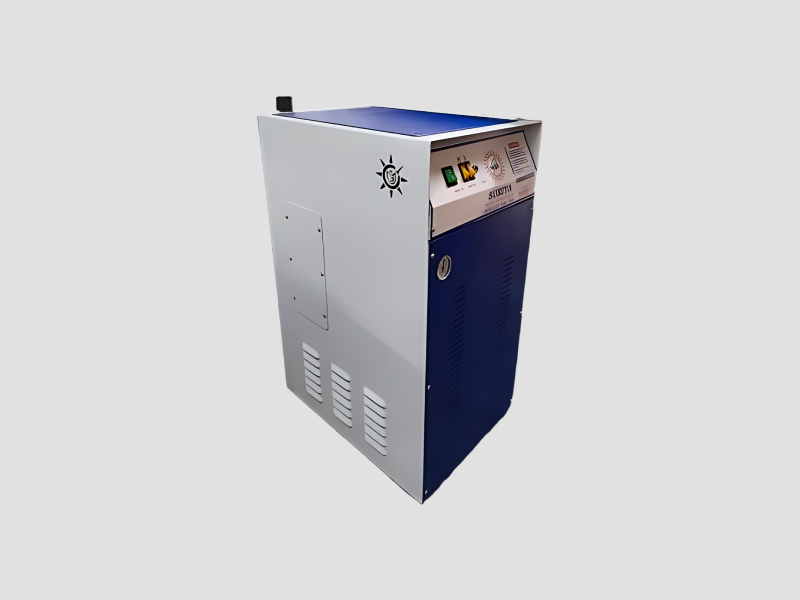
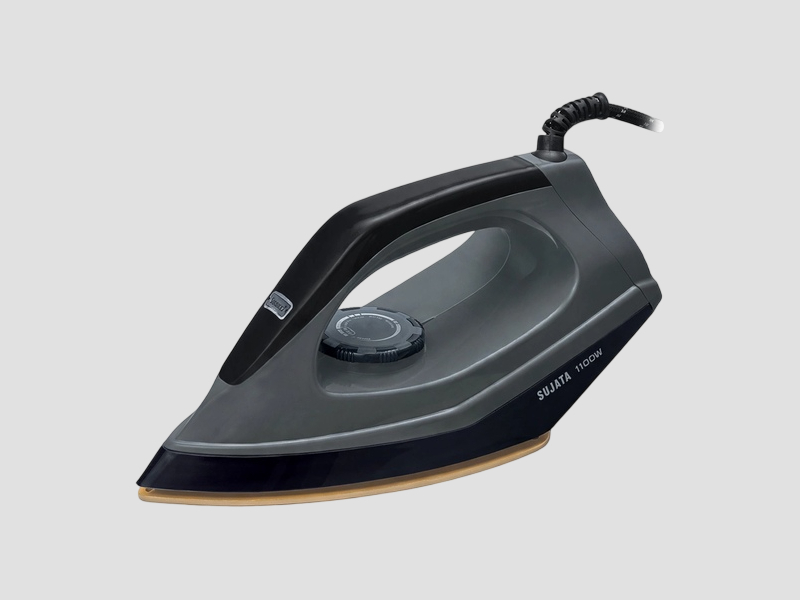
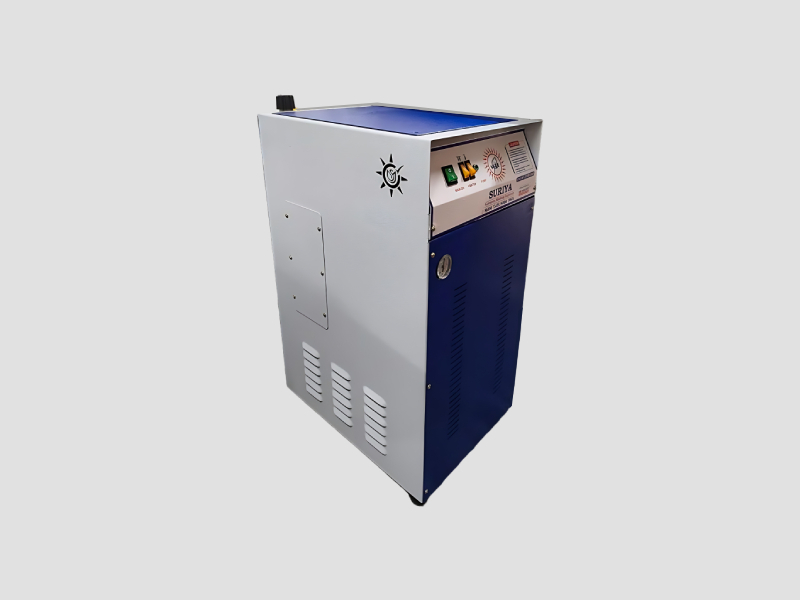
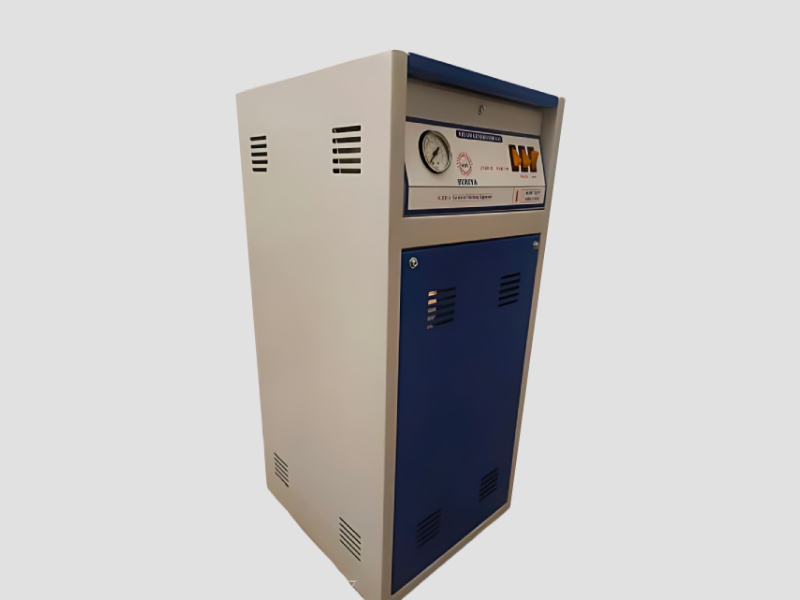
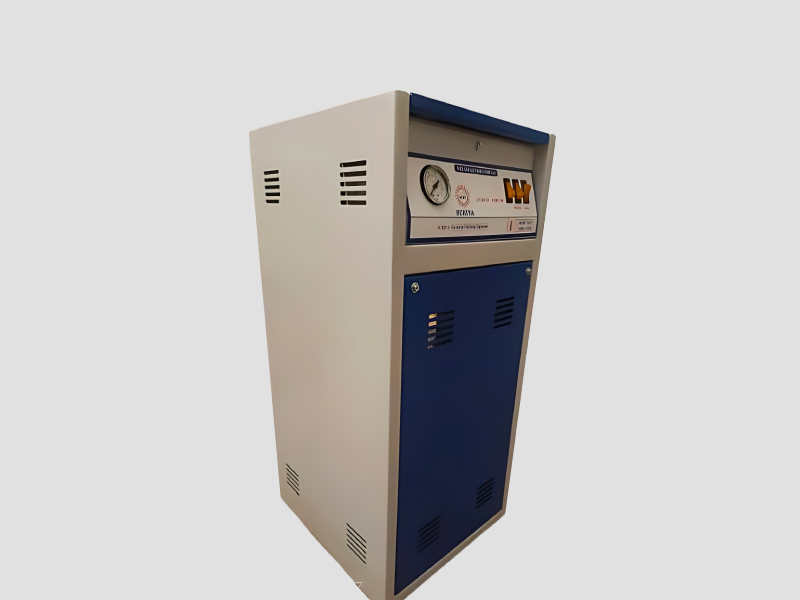
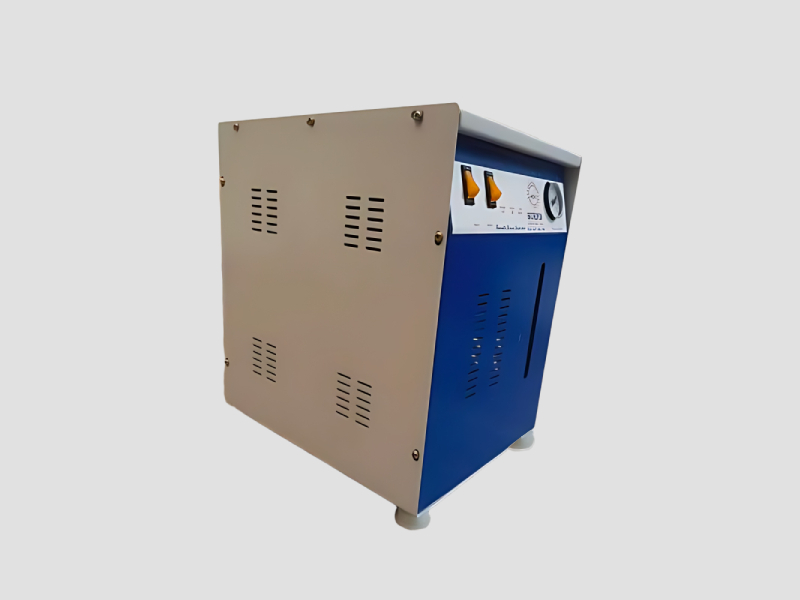
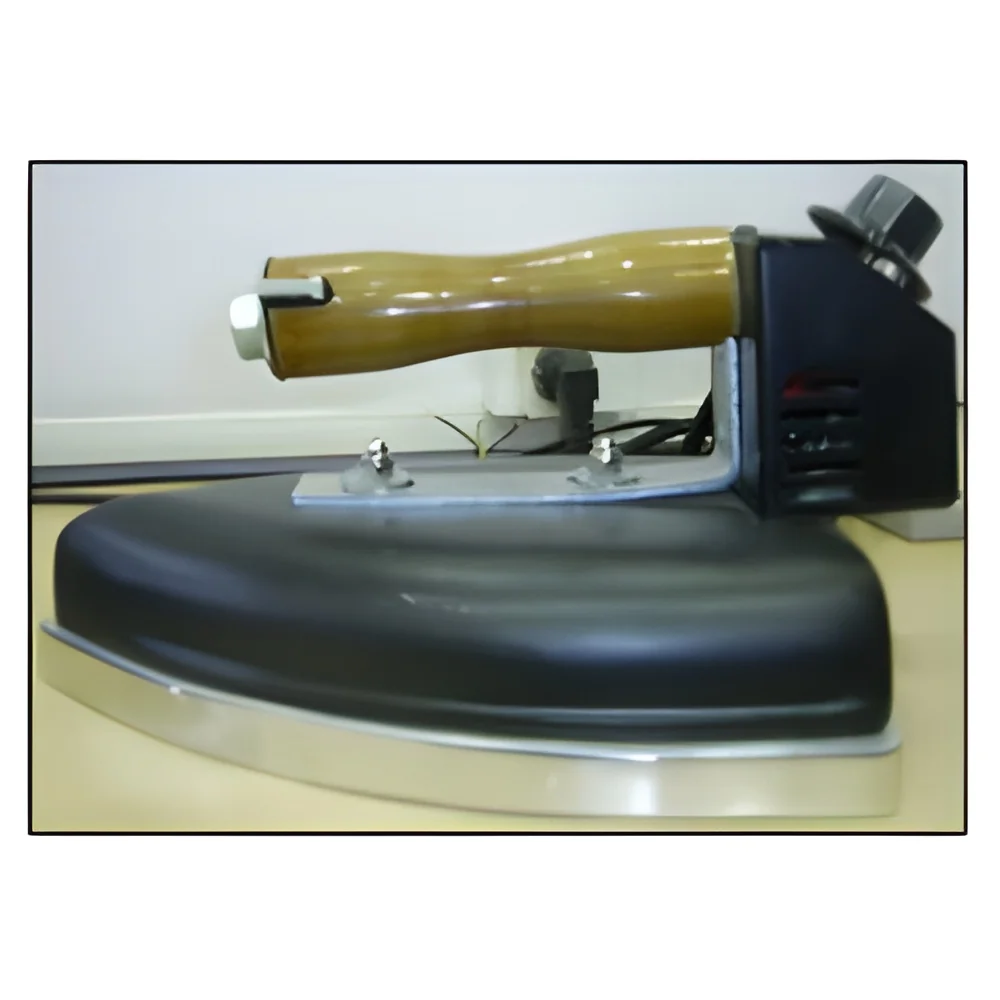
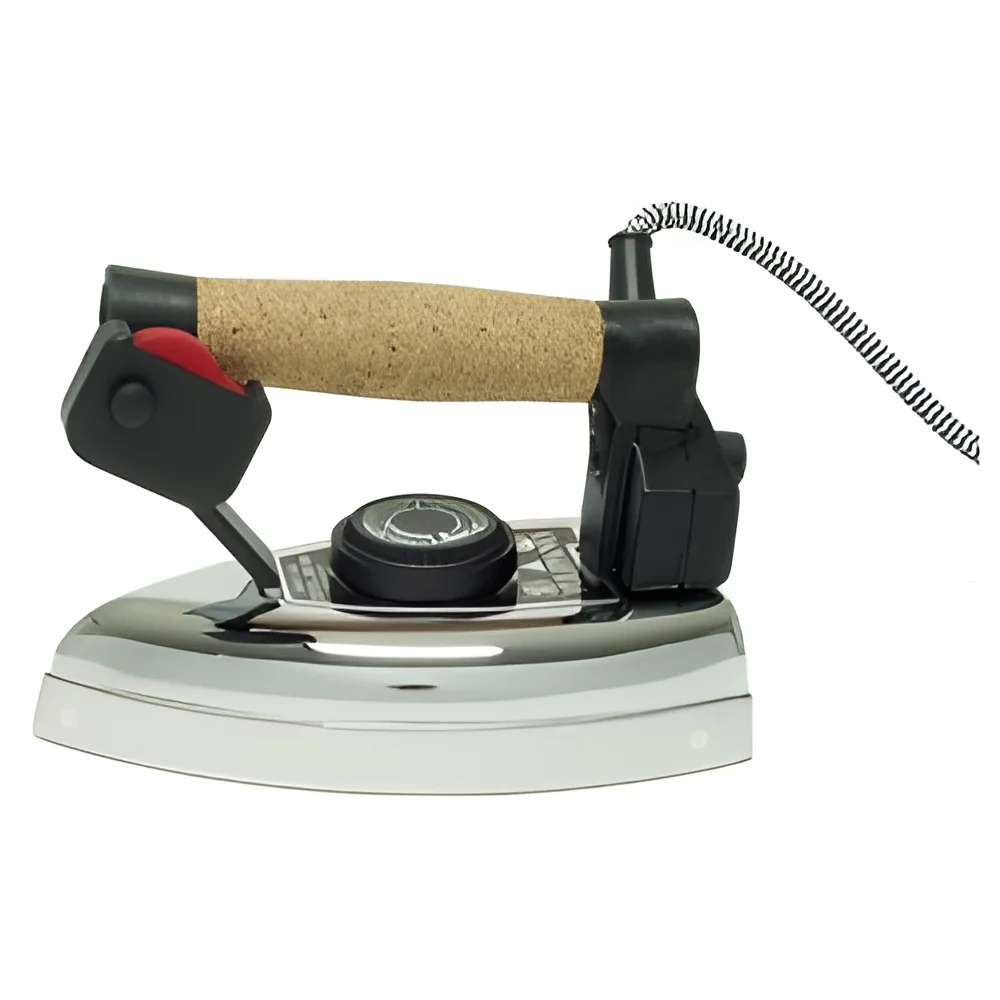
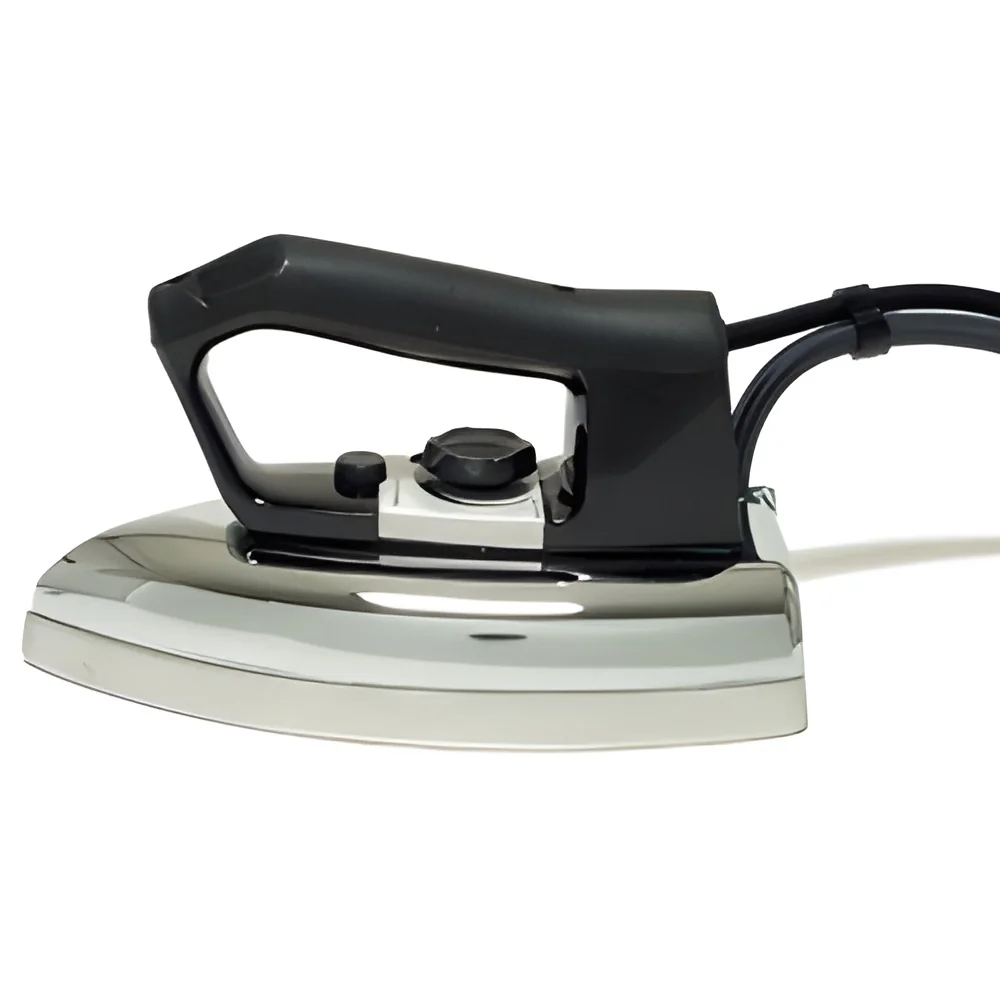
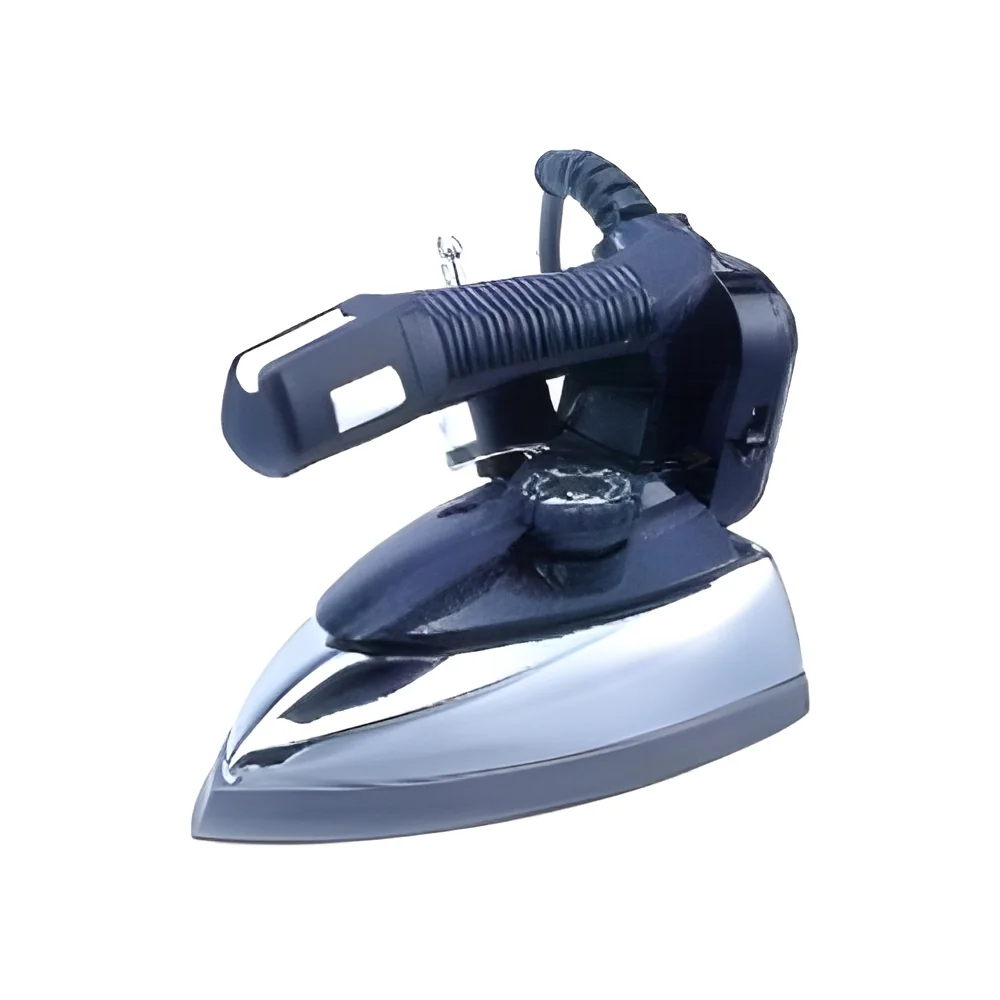
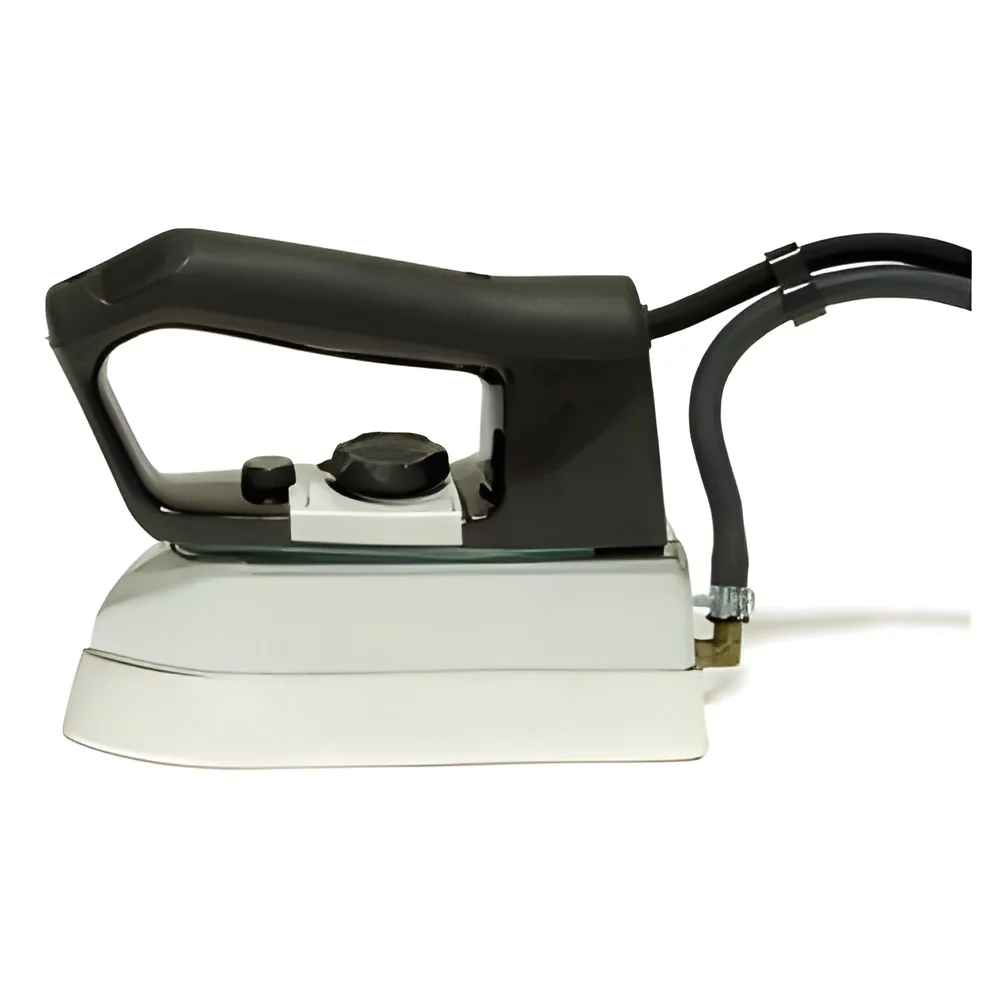
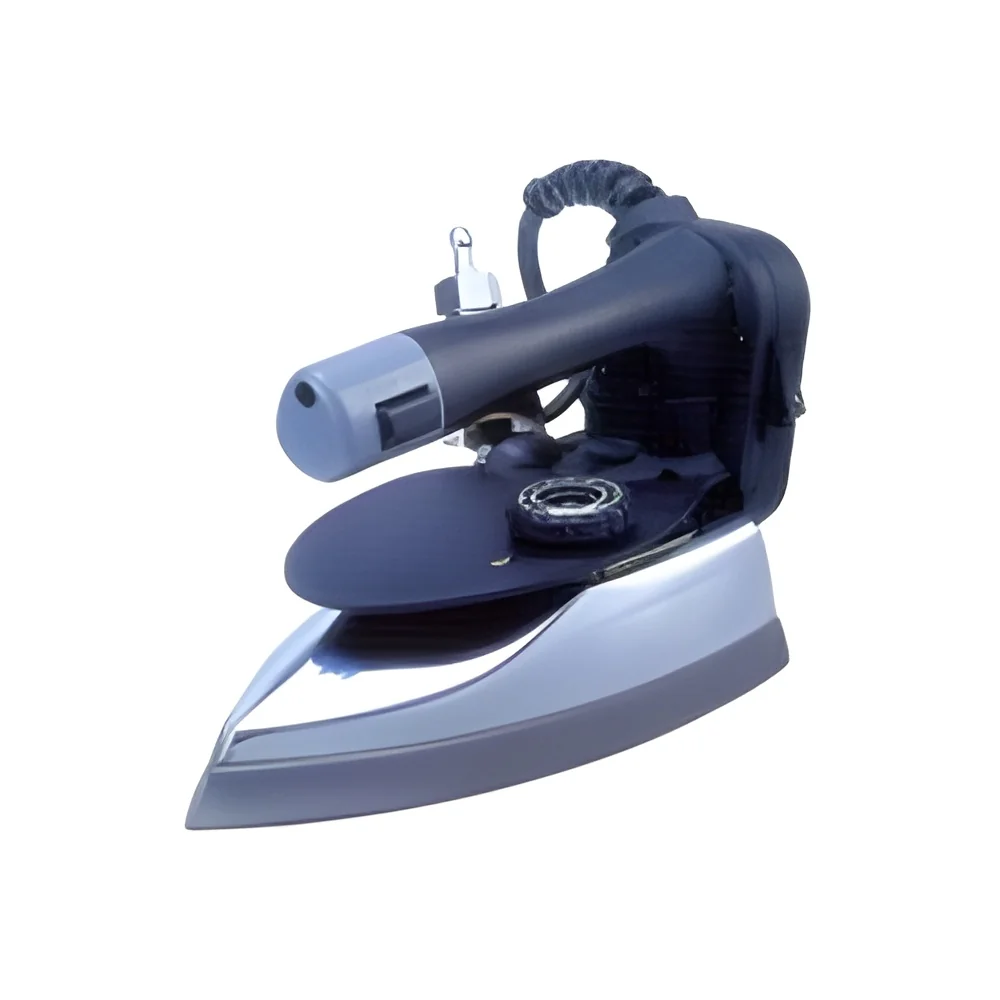
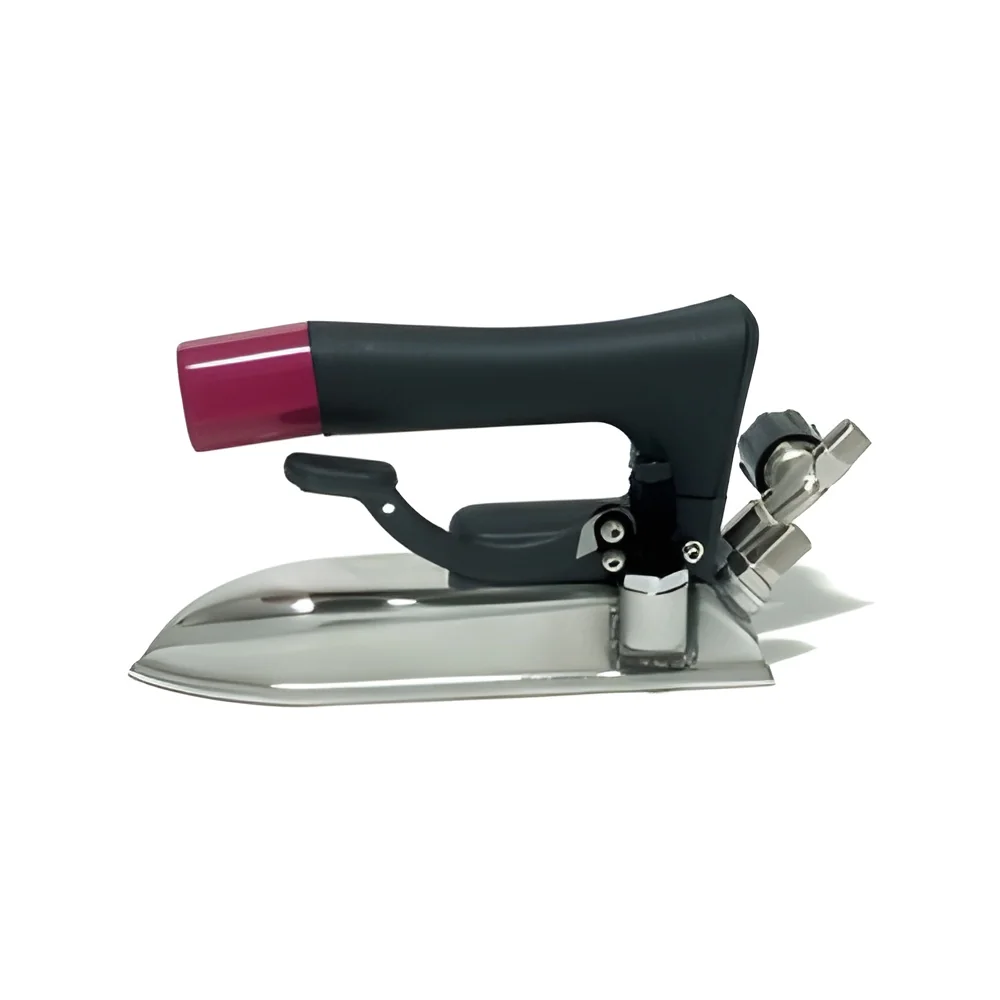
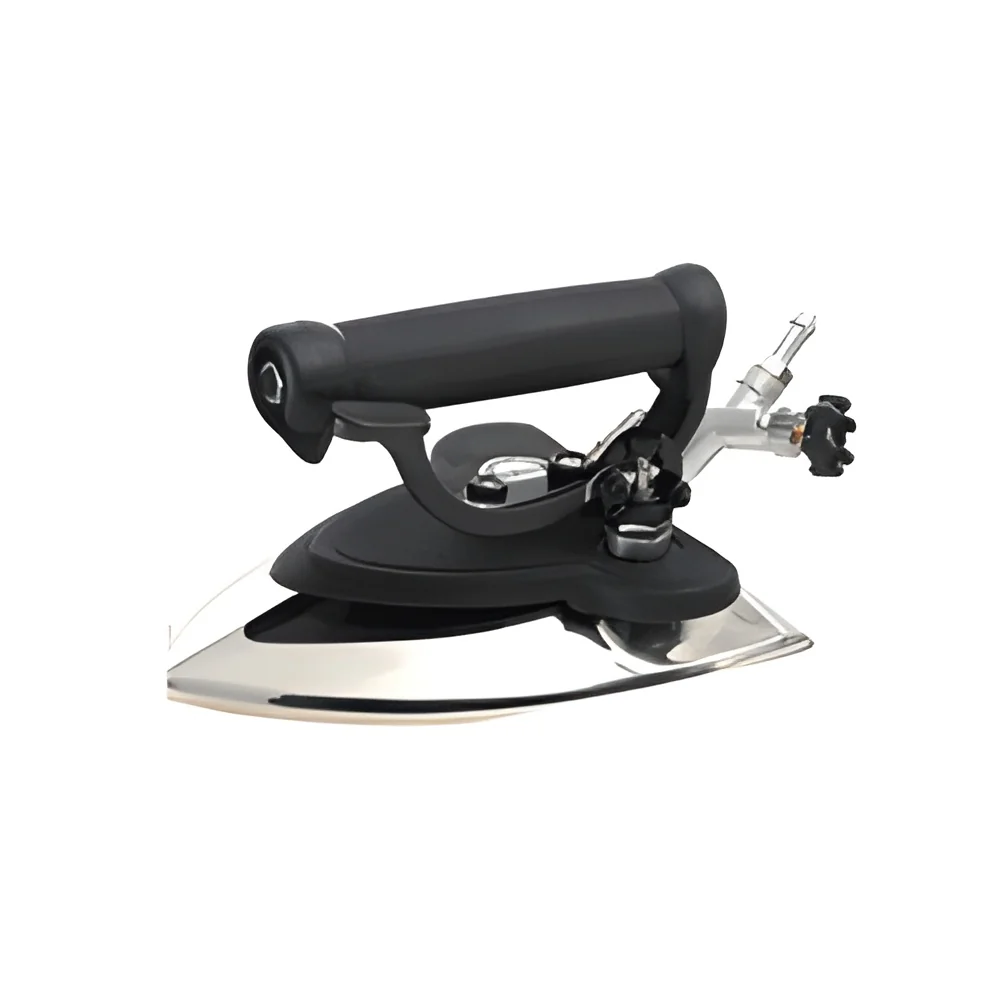
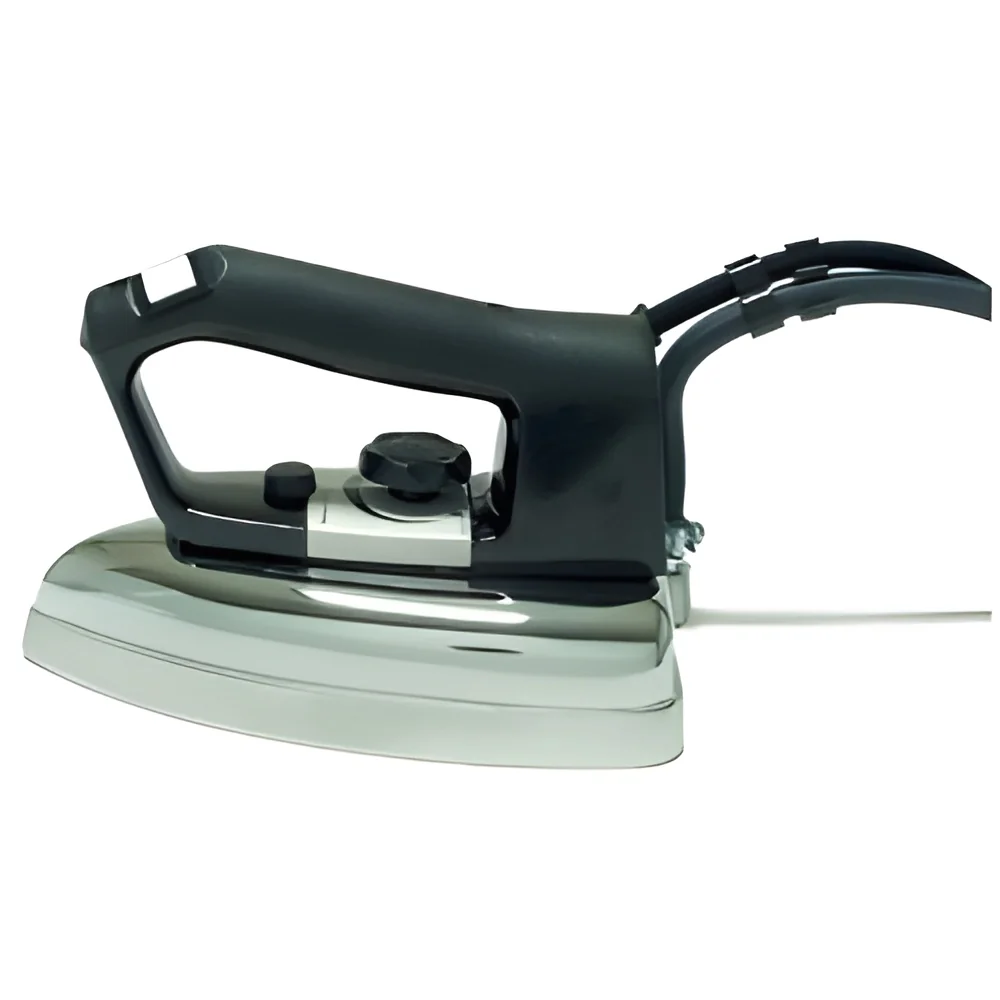
Steam Presses & Ironing Systems are specialized devices designed to smooth and finish fabrics using steam and heat. They are commonly used in both commercial and residential settings to achieve professional-quality results on garments, linens, and upholstery.
What are the different types of Steam Presses & Ironing Systems?
There are several types of Steam Presses & Ironing Systems, including household steam presses, industrial steam presses, and professional ironing systems. Each type is tailored for specific uses, with varying capacities, sizes, and features to accommodate different fabric types and volumes.
How do I choose the right Steam Presses & Ironing Systems?
When selecting a Steam Press or Ironing System, consider factors such as the volume of ironing needed, types of fabrics you will be pressing, and available space. Additionally, look for features like adjustable temperature settings, steam output, and ease of use to ensure it meets your specific requirements.
What are the standard specifications for Steam Presses & Ironing Systems?
Standard specifications for Steam Presses & Ironing Systems typically include steam pressure (measured in bar), heat-up time, steam output (measured in grams per minute), and plate size. It's important to review these specifications to ensure the device aligns with your ironing needs.
What is the price range for Steam Presses & Ironing Systems?
The price range for Steam Presses & Ironing Systems can vary widely based on the type and brand. Generally, household models may start from around INR 5,000, while professional or industrial units can exceed INR 50,000, depending on features and capabilities.
What quality standards apply to Steam Presses & Ironing Systems?
Quality standards for Steam Presses & Ironing Systems often include certifications such as ISO, CE, and RoHS, which ensure safety and environmental compliance. Manufacturers typically adhere to these standards to guarantee the reliability and performance of their products.
Where can I find Steam Presses & Ironing Systems suppliers in India?
You can find Steam Presses & Ironing Systems suppliers in India through online B2B marketplaces, trade shows, and industry directories. Websites like Pepagora.com provide a platform to connect with reputable manufacturers and suppliers across the country.
Can Steam Presses & Ironing Systems be customized?
Yes, many manufacturers offer customization options for Steam Presses & Ironing Systems to meet specific business needs. Customizations may include features such as branding, size adjustments, and additional functionalities tailored to particular fabric types or production processes.
What is the typical minimum order quantity for Steam Presses & Ironing Systems?
The typical minimum order quantity (MOQ) for Steam Presses & Ironing Systems can vary by supplier but often ranges from 5 to 50 units. It's advisable to inquire with specific manufacturers to understand their MOQ policies and any flexibility they may offer.
What is the typical lead time for Steam Presses & Ironing Systems?
The typical lead time for Steam Presses & Ironing Systems can range from 2 to 6 weeks, depending on the supplier and whether the order is standard or customized. Factors such as production schedules and shipping times can also influence the overall delivery timeline.
Why Businesses Trust Pepagora
Thousands of companies trust Pepagora to source smarter and sell faster
Expand Your Sales Globally

Source Smarter,Grow Faster
