What are Rotor Spinning Equipment?
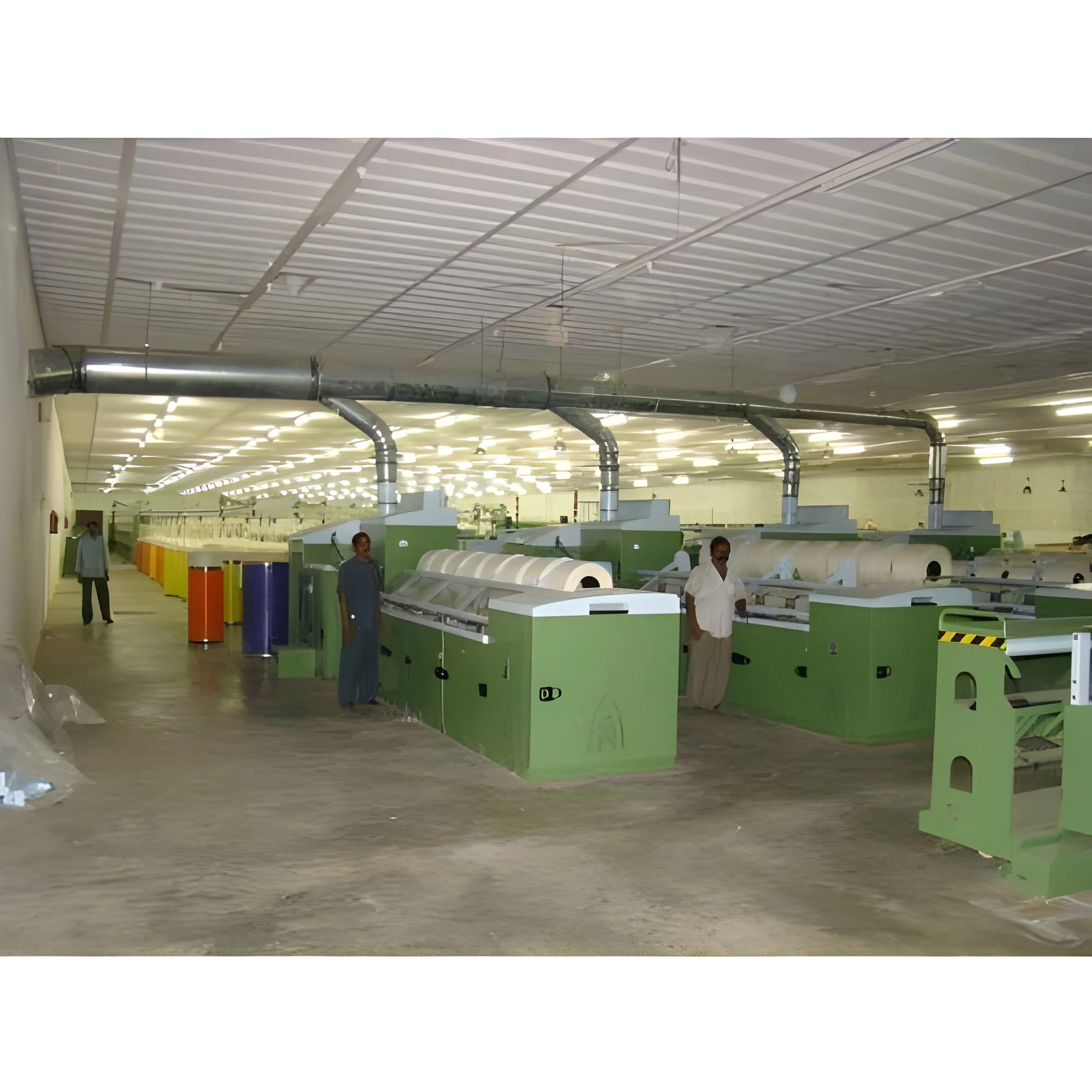
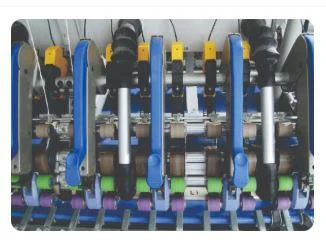
Rotor spinning equipment is a type of textile machinery used primarily in the production of yarn. This technology allows for the spinning of fiber into yarn through a unique rotor system. In rotor spinning, fibers are fed into a rotor, where they are twisted and drawn out into a continuous yarn. The process is known for its efficiency and ability to produce high-quality yarns from various fiber types, including cotton, polyester, and blends.
The primary applications of rotor spinning equipment are found in the textile and apparel industries. Manufacturers use this technology for producing yarns that can be woven or knitted into fabrics. Rotor spinning is especially favored for its capability to handle a wide range of fiber lengths and types, making it a versatile choice for textile production. As the demand for innovative and sustainable textiles continues to grow, rotor spinning equipment plays a significant role in meeting these market needs.
In the current industrial landscape, rotor spinning equipment has gained relevance due to its efficiency and cost-effectiveness. As manufacturers strive for higher productivity and lower operational costs, the adoption of advanced spinning technologies is becoming increasingly common. This trend positions rotor spinning as a crucial component of modern textile manufacturing.
Key Features and Specifications
Rotor spinning equipment is characterized by several key features that enhance its functionality and efficiency. These specifications are critical for businesses looking to optimize their yarn production processes.
Key specifications include:
1. Yarn Production Rate
- The capacity of the rotor spinning machine to produce yarn, typically measured in kilograms per hour.
2. Fiber Type Compatibility
- The range of fibers that can be processed, including natural and synthetic fibers, ensuring versatility in production.
3. Rotor Speed
- The operational speed of the rotor, often expressed in revolutions per minute (RPM), which impacts the quality and efficiency of yarn production.
4. Energy Consumption
- The amount of energy required for operation, influencing overall production costs and sustainability practices.
5. Automation Features
- The level of automation in the equipment, which can include automatic bobbin change features and monitoring systems for enhanced operational efficiency.
6. Maintenance Requirements
- The ease of maintenance and serviceability, which can affect downtime and operational efficiency.
7. Size and Footprint
- The dimensions of the equipment, important for space planning in manufacturing facilities.
8. Control Systems
- The type of control systems used, such as programmable logic controllers (PLC), which enhance precision and flexibility in operations.
In summary, understanding these key specifications is essential for businesses when selecting rotor spinning equipment that aligns with their production goals.
Common Applications and Use Cases
Rotor spinning equipment serves a wide range of industries, making it a vital tool in the textile sector.
1. Apparel Manufacturing: Rotor spinning is commonly used in the production of yarn for clothing and fashion items, offering quick turnaround times and high-quality outputs.
2. Home Textiles: Manufacturers utilize rotor spinning to produce yarns that are woven into products like bed linens, curtains, and upholstery fabrics.
3. Automotive Textiles: The equipment is also used to create technical textiles for automotive applications, ensuring durability and performance.
4. Industrial Fabrics: Rotor spinning equipment is essential for producing strong and resilient yarns for industrial applications, such as geotextiles and tarpaulins.
5. Nonwoven Fabrics: The versatility of rotor spinning allows for the production of yarns used in nonwoven fabric applications, including medical supplies and disposable products.
6. Specialty Yarns: Manufacturers can use rotor spinning to create unique yarns for niche markets, such as eco-friendly or high-performance textiles.
7. Composite Materials: Rotor-spun yarns are increasingly used in composites for their lightweight and strong characteristics.
Product Variants and Subcategories
The diversity of rotor spinning equipment allows manufacturers to choose from various models tailored to specific production needs.
Standard Rotor Spinning Machine
This variant is designed for general-purpose yarn production, equipped with features that enhance efficiency and quality. It is suitable for processing a range of fiber types and is commonly used in large-scale textile manufacturing.
High-Performance Rotor Spinning Machine
This variant focuses on producing high-quality yarns at increased speeds. It is ideal for manufacturers aiming to achieve superior yarn characteristics while maintaining high throughput.
Compact Rotor Spinning Machine
Designed for limited space, this variant offers a compact footprint while still delivering efficient yarn production. It is perfect for smaller textile operations or those looking to optimize floor space without sacrificing performance.
Benefits and Advantages
Rotor spinning equipment offers numerous benefits that can significantly enhance production capabilities for manufacturers.
Key benefits include:
1. High Efficiency: Rotor spinning allows for faster yarn production compared to traditional spinning methods, improving overall productivity.
2. Versatility: The ability to process different fiber types makes rotor spinning a flexible solution for diverse textile applications.
3. Cost-Effectiveness: Reduced energy consumption and waste lead to lower operational costs, making rotor spinning an economically viable option.
4. Quality Yarn Production: The technology enables the creation of high-quality yarns with consistent properties, meeting the demands of various industries.
5. Reduced Labor Costs: Automation features in modern rotor spinning equipment minimize the need for manual intervention, resulting in lower labor costs.
6. Enhanced Yarn Characteristics: Rotor spinning can produce yarns with unique properties, such as increased strength and better dye absorption.
Buying Guide for B2B Buyers
When sourcing rotor spinning equipment, it is essential for B2B buyers to consider several key factors to ensure they make an informed decision.
1. Quality Assessment: Buyers should evaluate the build quality and durability of the equipment, ensuring it meets industry standards and can withstand continuous operation.
2. Supplier Verification: It is important to vet suppliers through research and previous customer feedback. This ensures reliability and quality of service.
3. Pricing and MOQ: Understanding the pricing structure and minimum order quantities (MOQ) is crucial for budgeting and inventory planning.
4. Delivery and Lead Times: Buyers should inquire about delivery schedules and lead times to align with their production timelines.
5. Compliance Requirements: Ensuring that the equipment meets relevant regulatory and safety standards is vital for operational compliance.
Compliance and Certifications
Compliance and certifications are critical aspects of rotor spinning equipment that ensure quality and safety in production.
Relevant quality standards like ISO 9001 ensure that manufacturers maintain consistent quality management practices. This standard is crucial for companies aiming for operational excellence.
Industry certifications such as CE indicate that the equipment meets European safety and environmental requirements. This is particularly important for businesses looking to export products to international markets.
Safety and testing requirements must be adhered to, ensuring that the equipment operates safely and effectively within the production environment. Regular safety checks and maintenance contribute to this compliance.
Regional compliance considerations may vary, so manufacturers should be aware of specific regulations in their operating areas. This ensures that their equipment is suitable for local market demands.
Why Source Rotor Spinning Equipment from Pepagora?
Pepagora provides a trusted platform for sourcing rotor spinning equipment, offering several key advantages for businesses in the textile industry.
Verified Supplier Network: Pepagora features a network of verified suppliers, ensuring that buyers have access to high-quality equipment from reputable manufacturers. This reduces the risk associated with sourcing machinery.
Streamlined RFQ Process: The request for quotation (RFQ) process on Pepagora is designed to be efficient, allowing buyers to quickly compare options and make informed purchasing decisions.
Trade Assurance and Support: Pepagora offers trade assurance, providing buyers with protection throughout the purchasing process. This includes support for any issues that may arise post-purchase.
Regional Coverage: With a focus on key markets like India, GCC, and Southeast Asia, Pepagora ensures that businesses can find suitable rotor spinning equipment tailored to their regional needs, enhancing accessibility and convenience.

 IN
IN