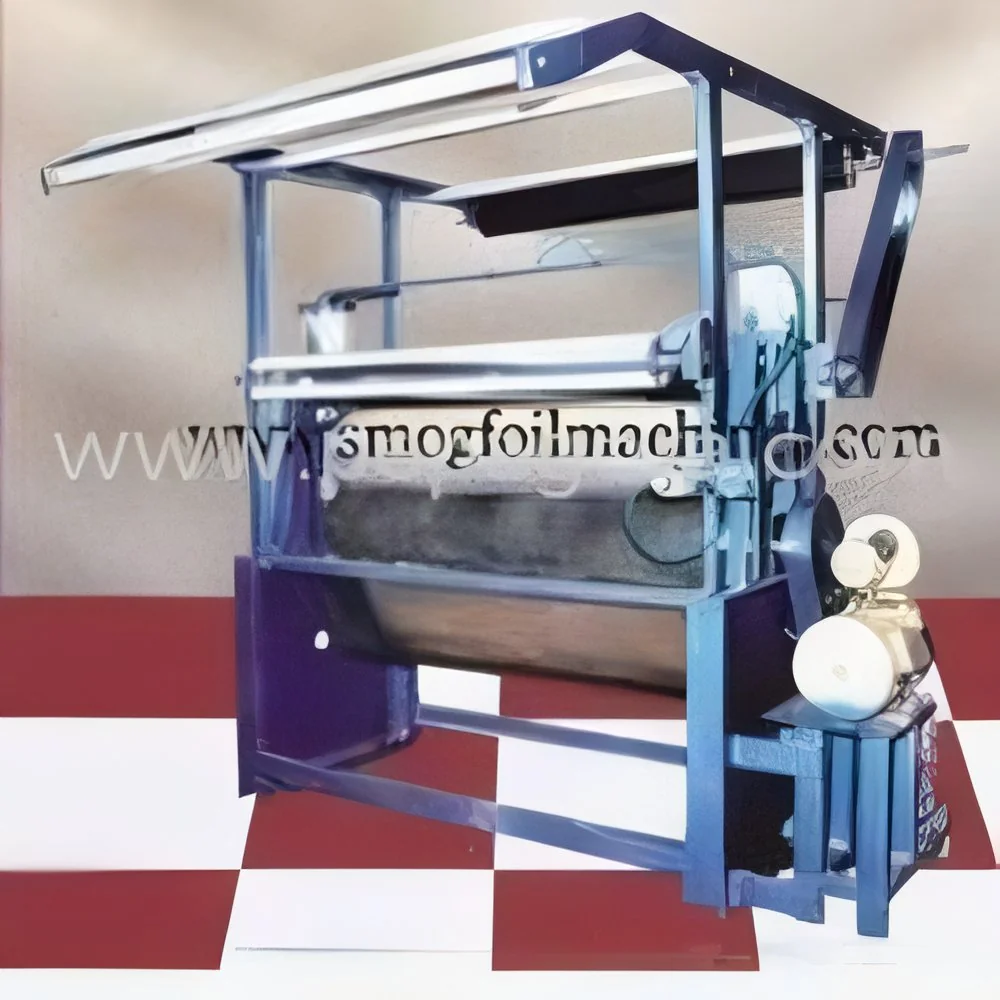
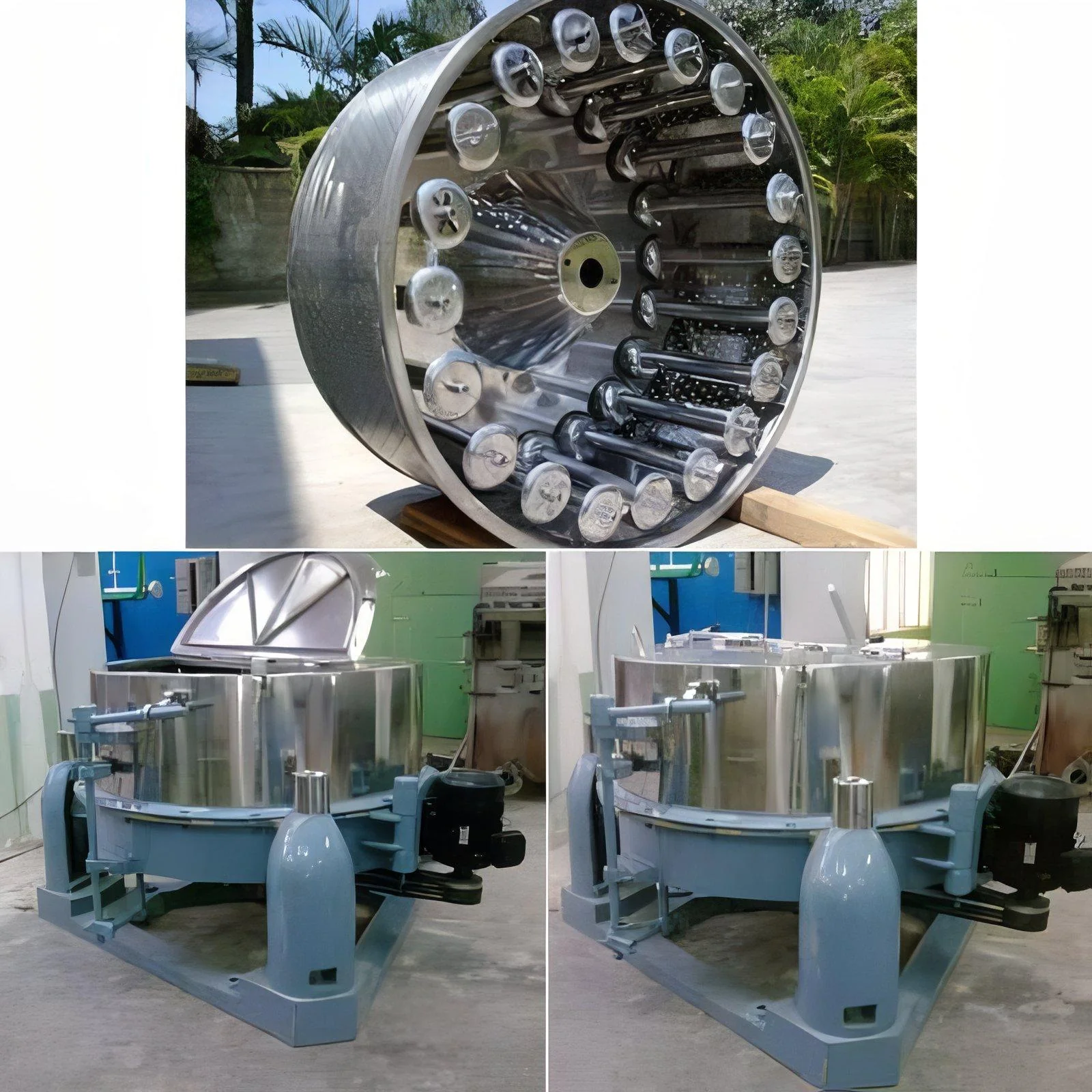
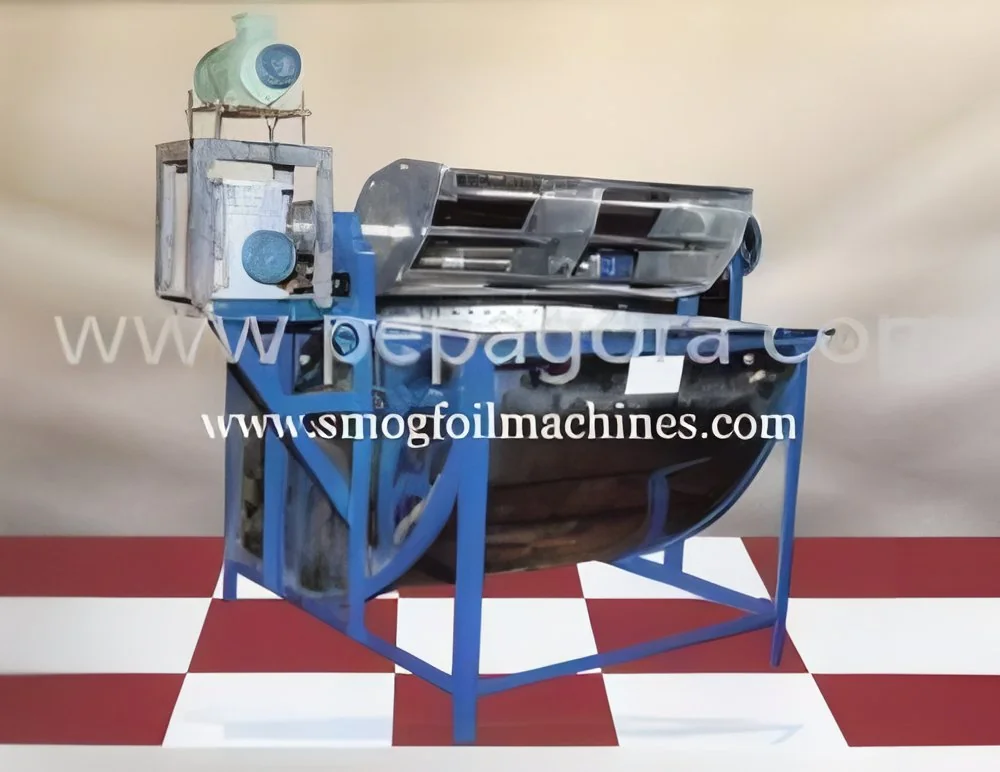
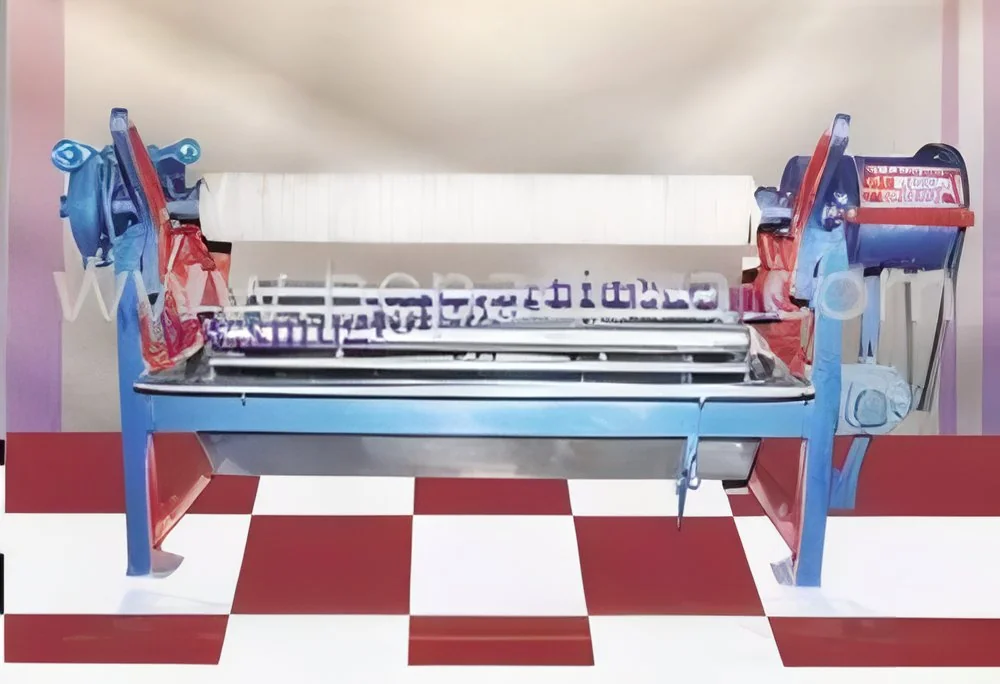
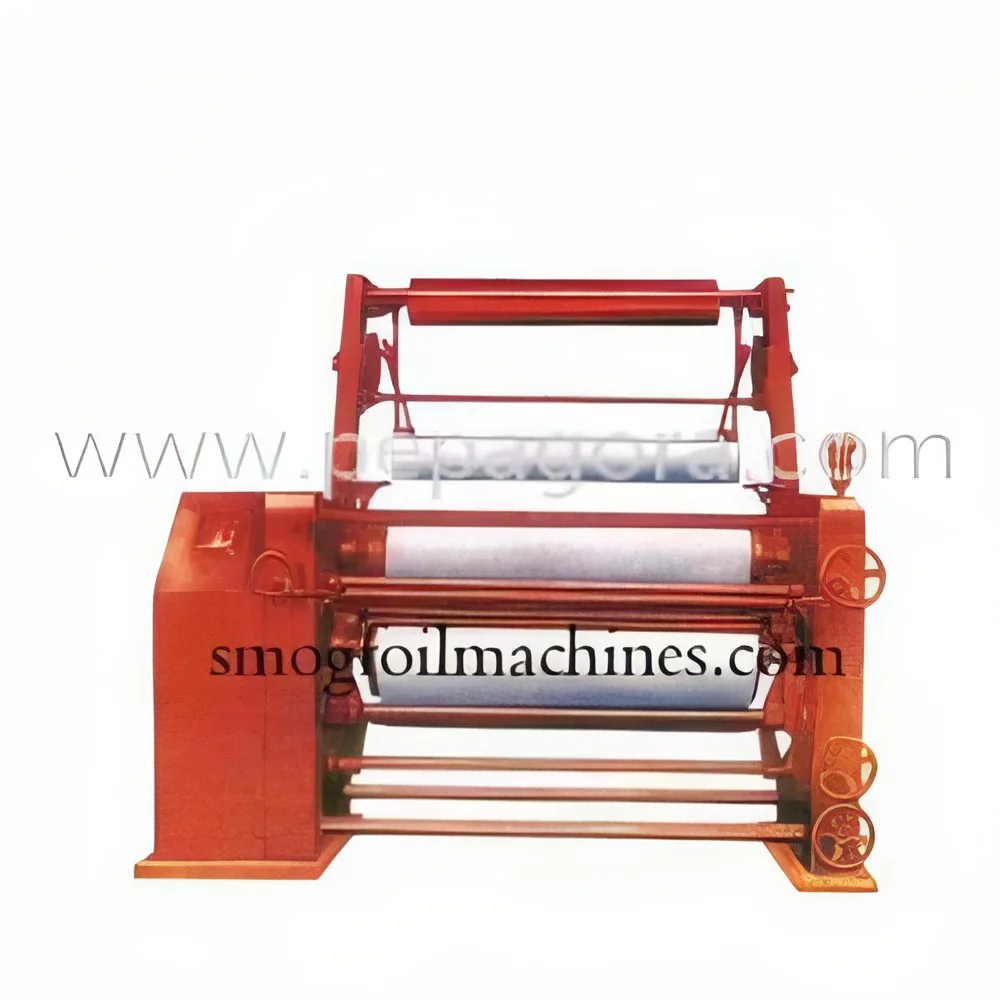
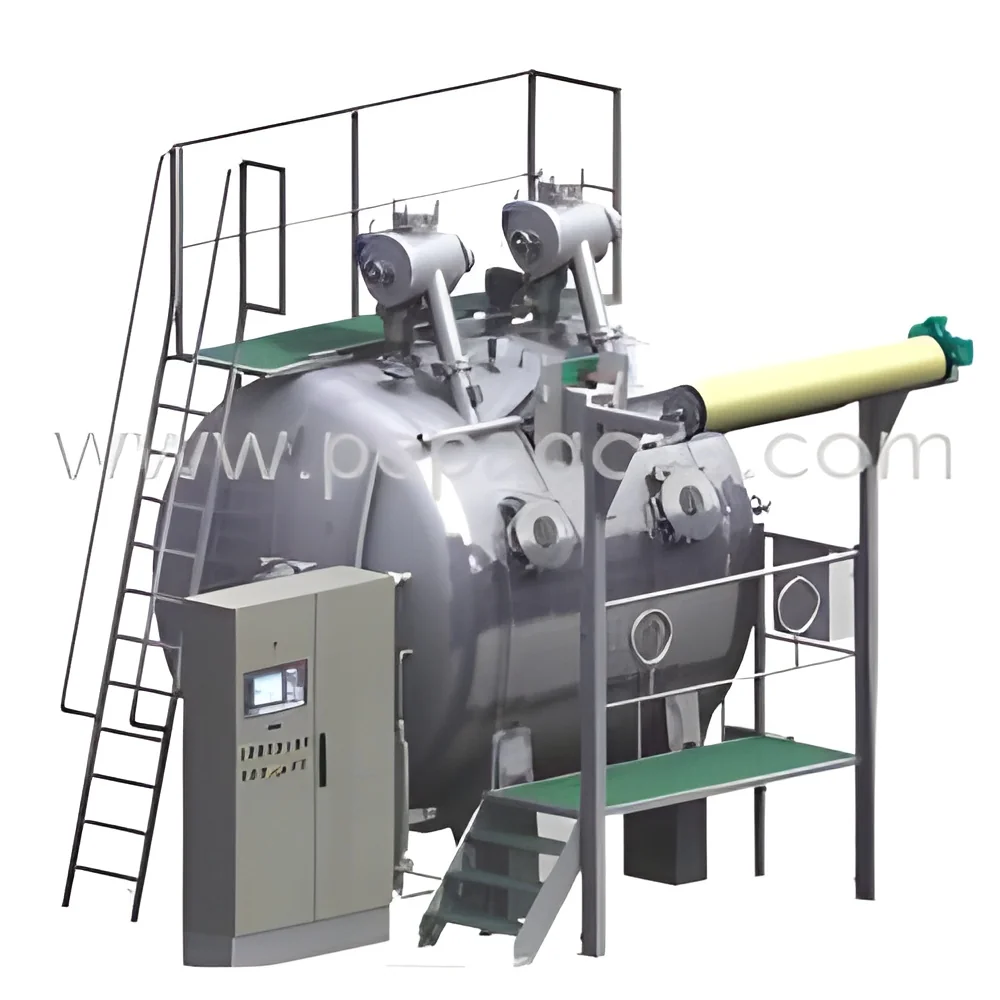
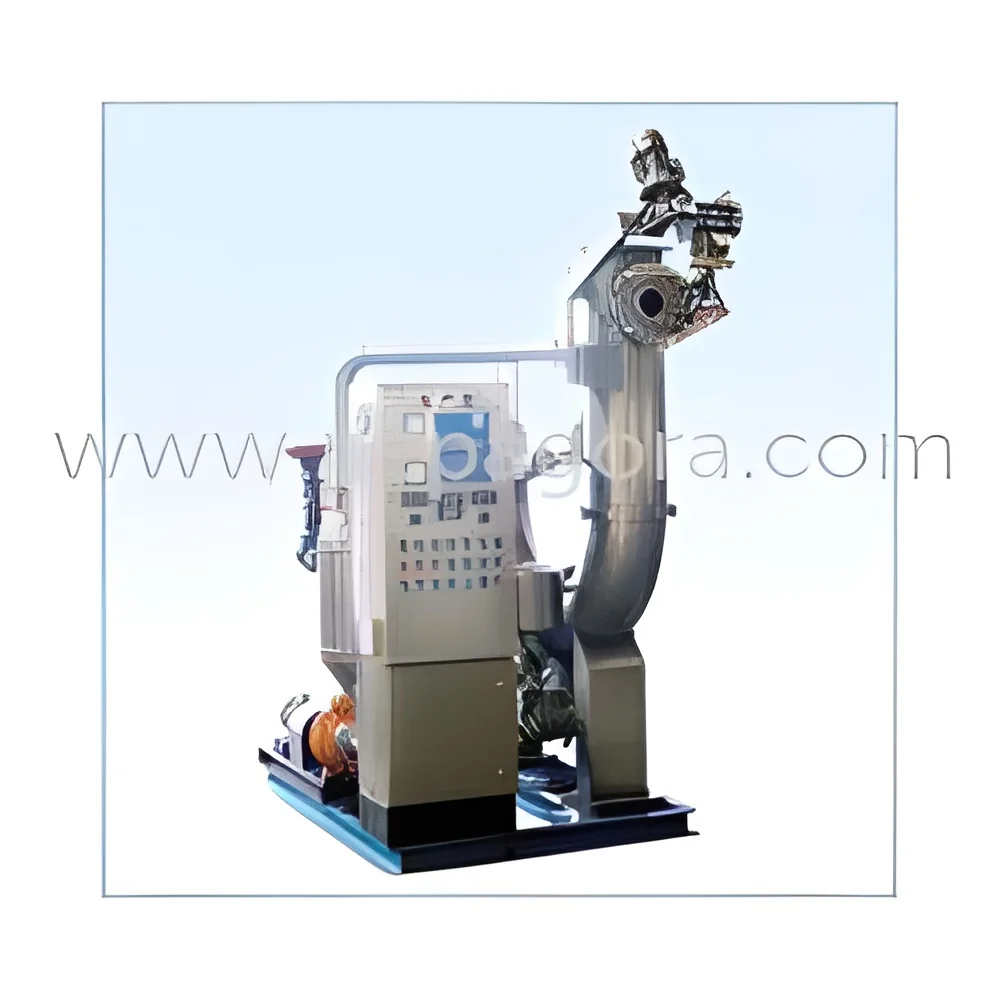
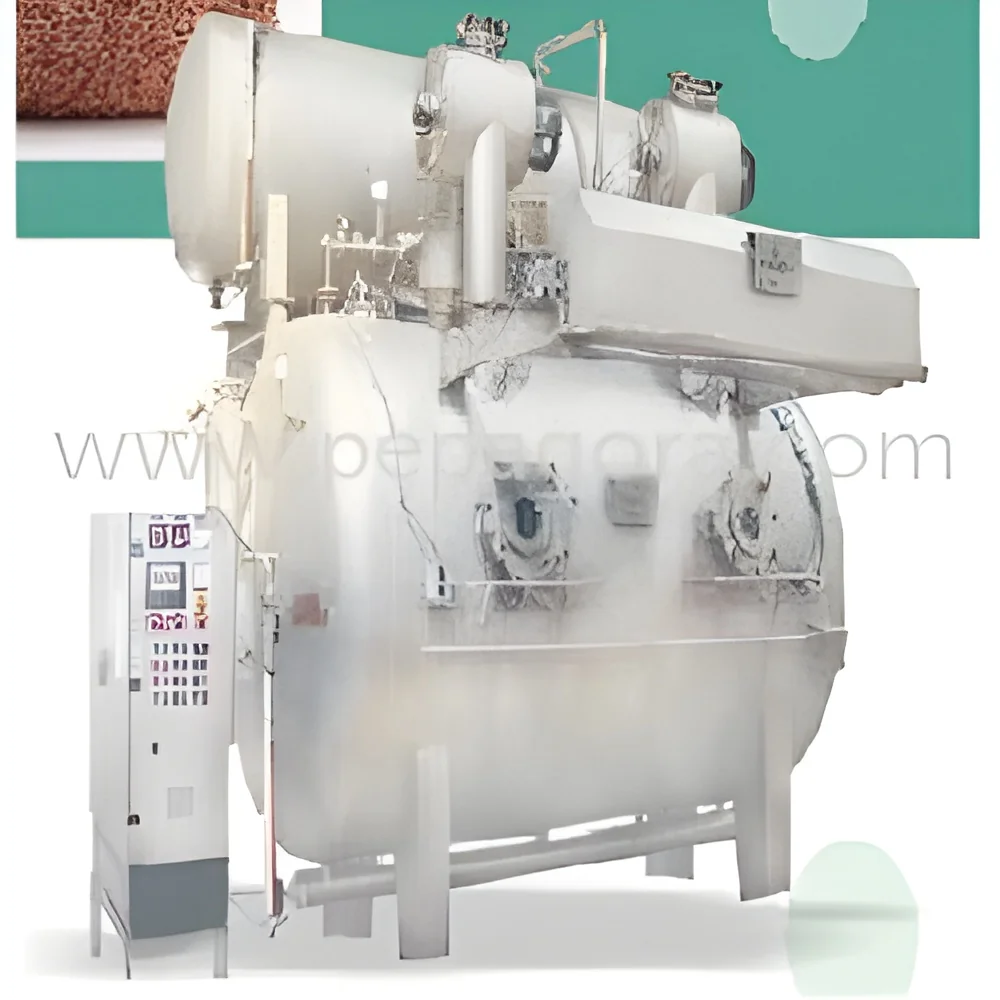
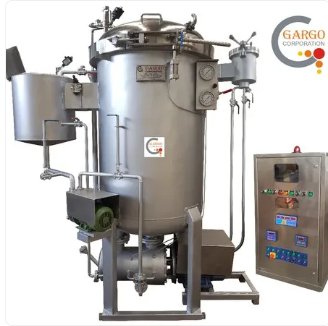
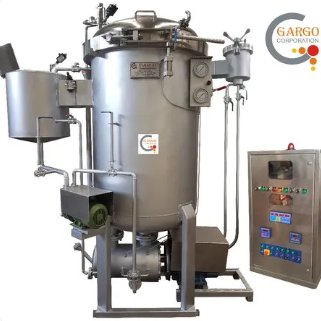
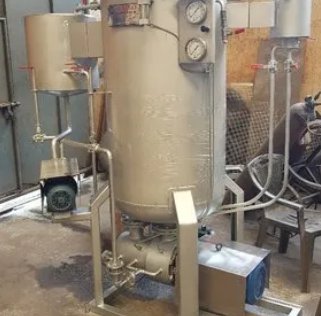
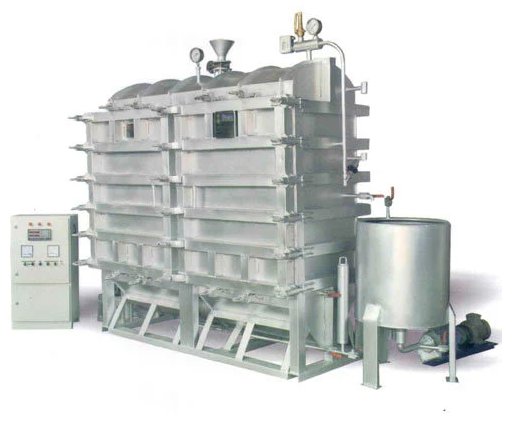
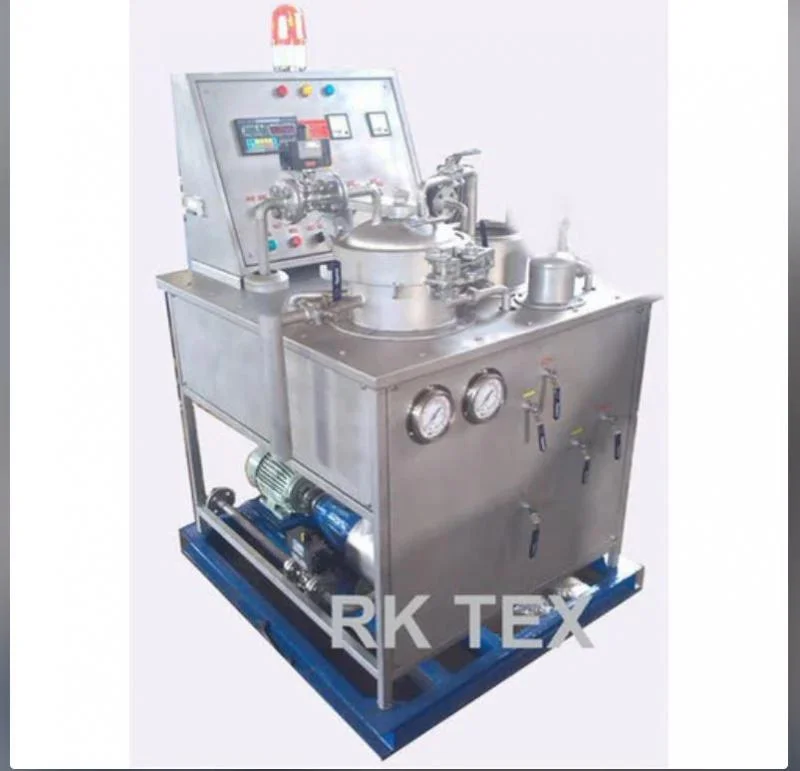
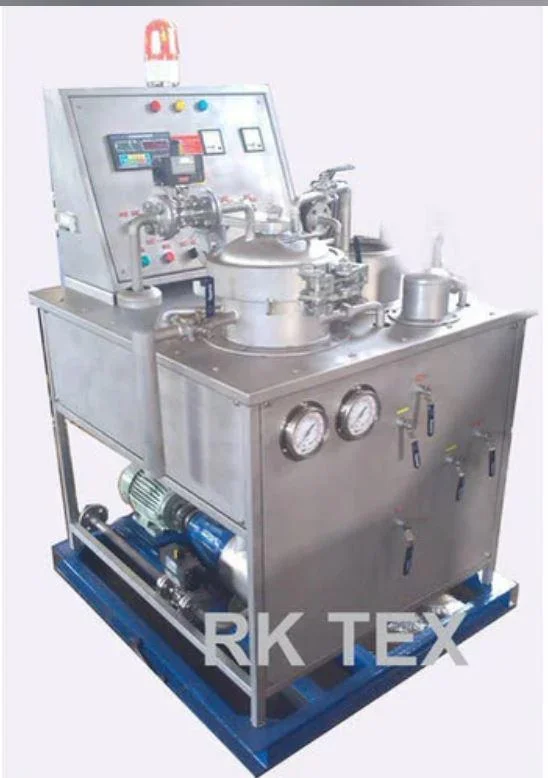
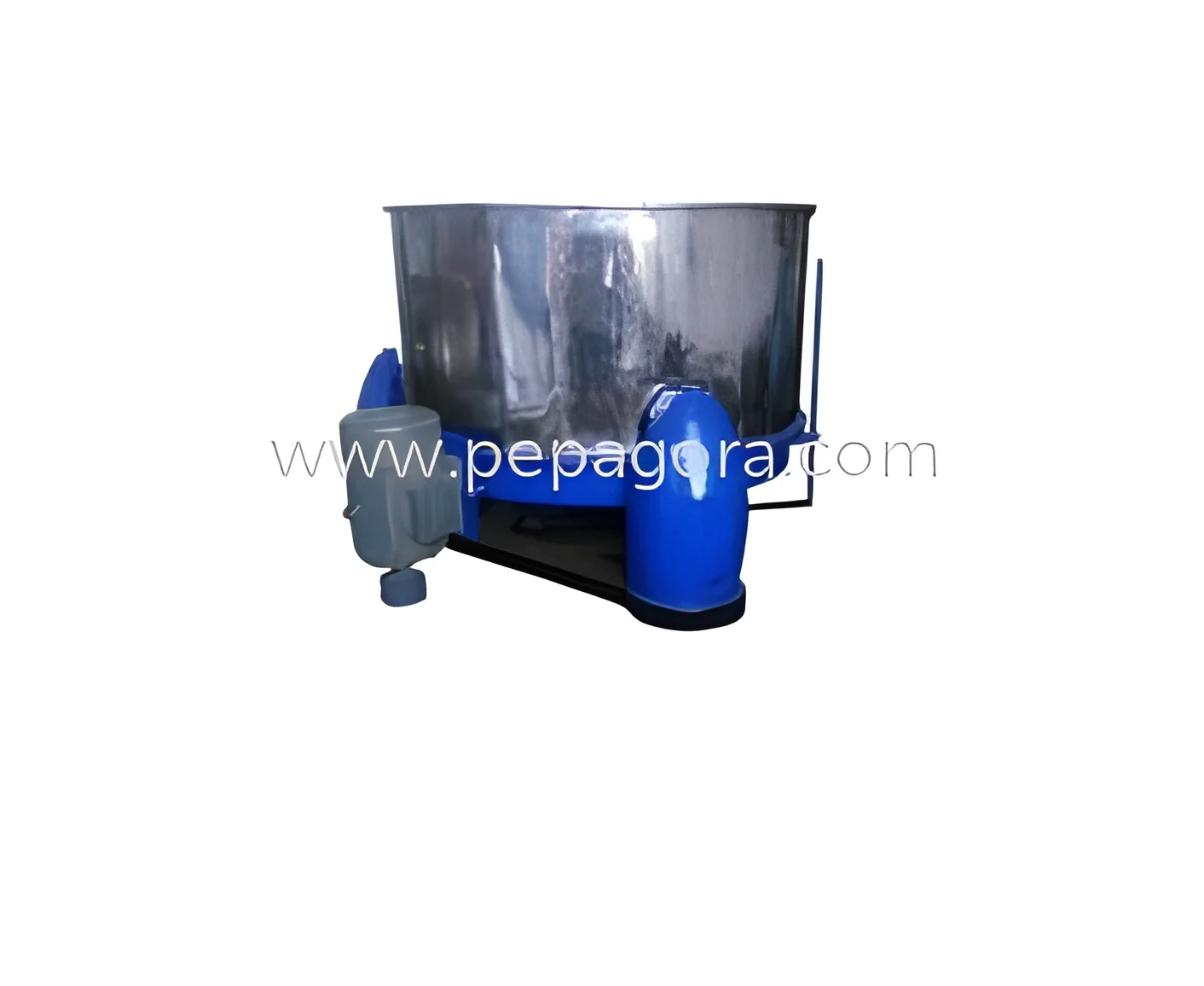
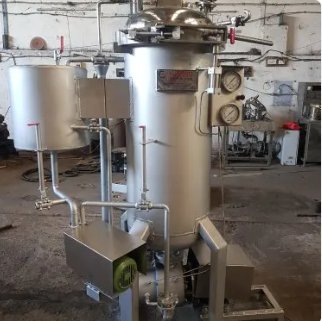
What are Textile Dyeing Machinery?
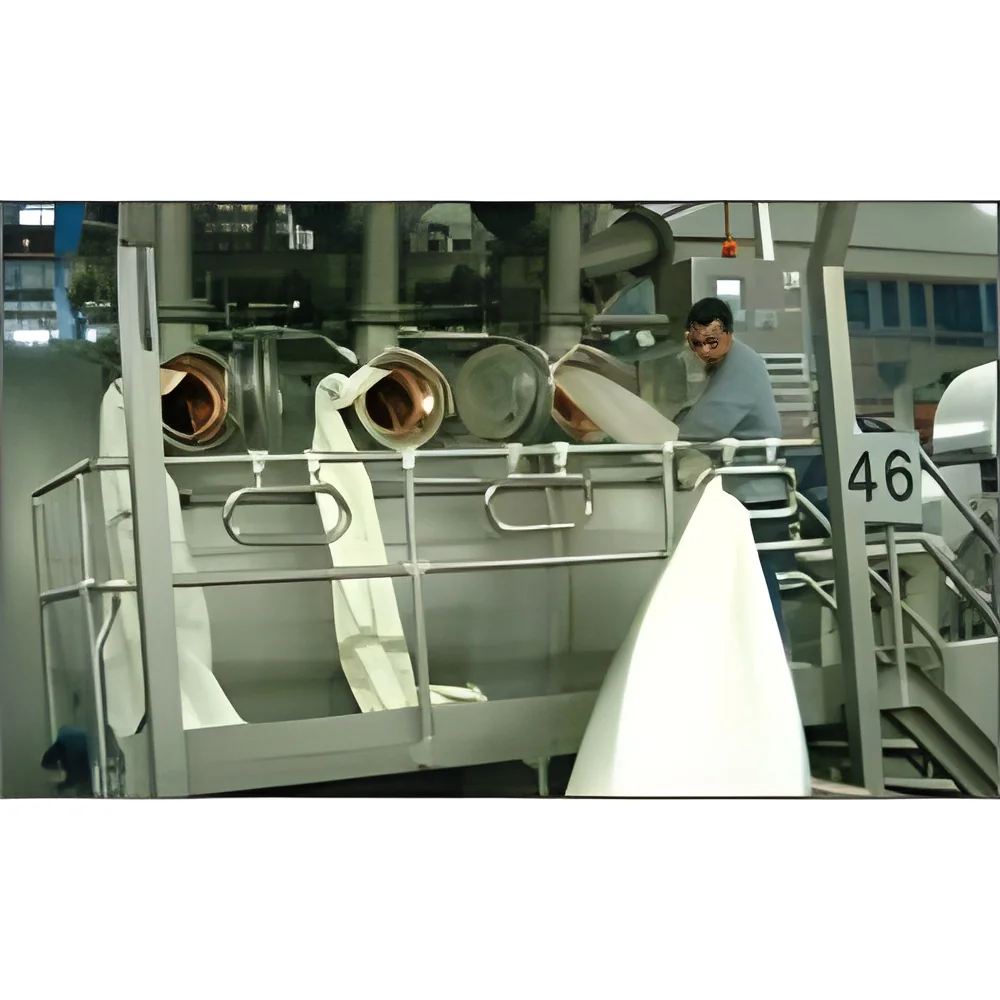
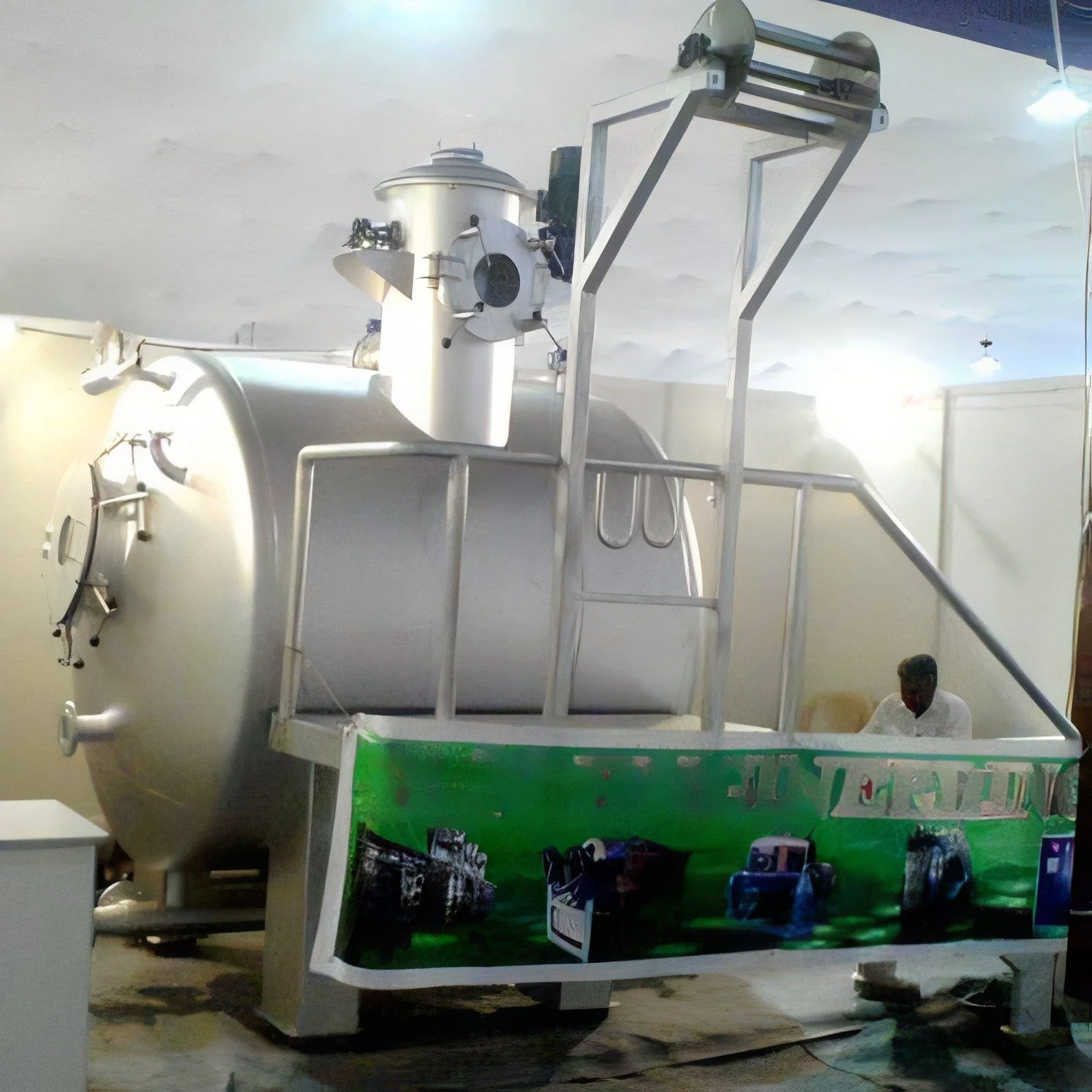
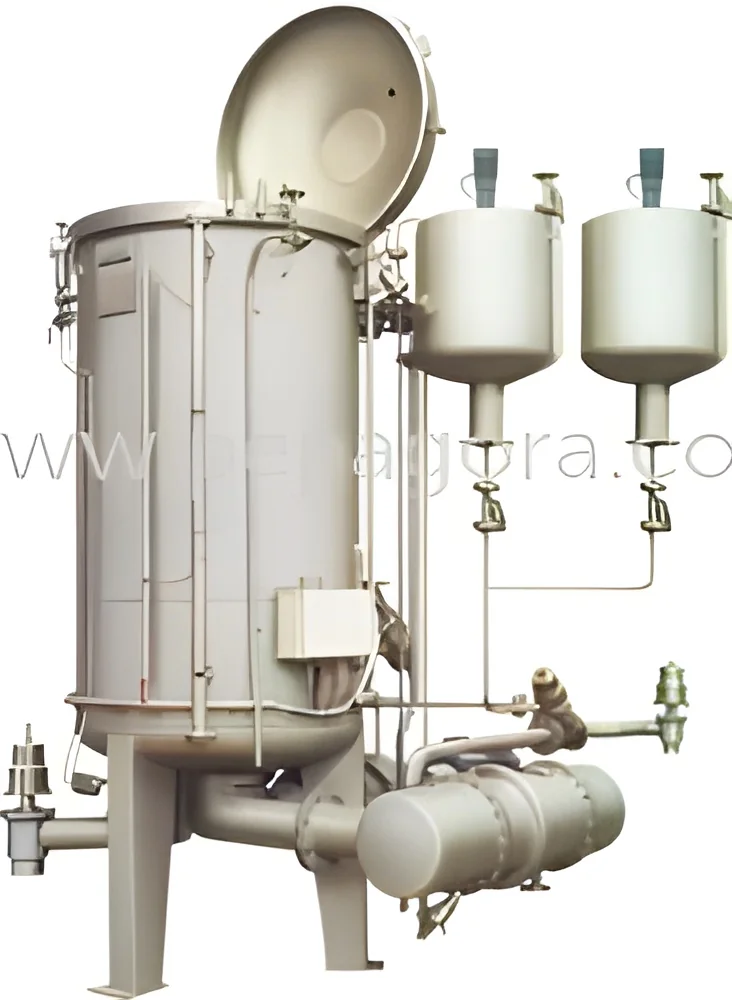
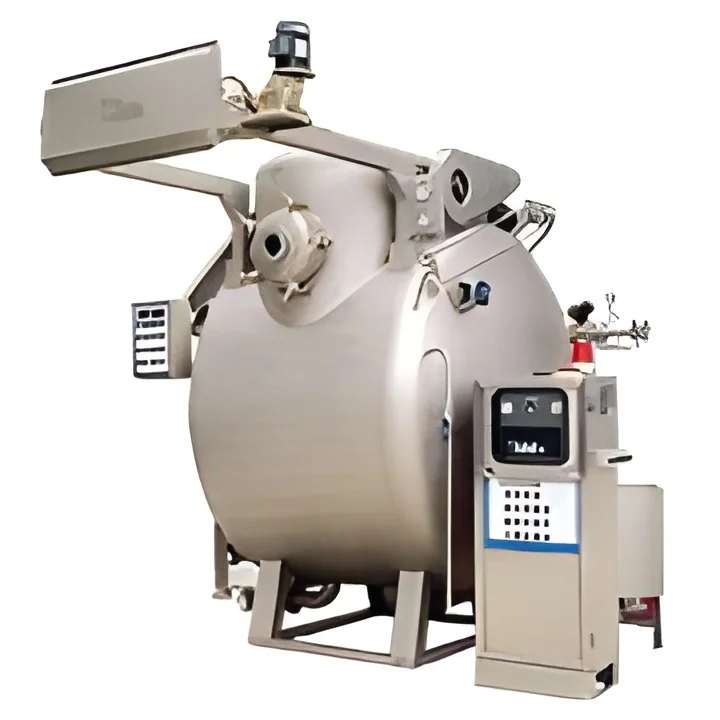
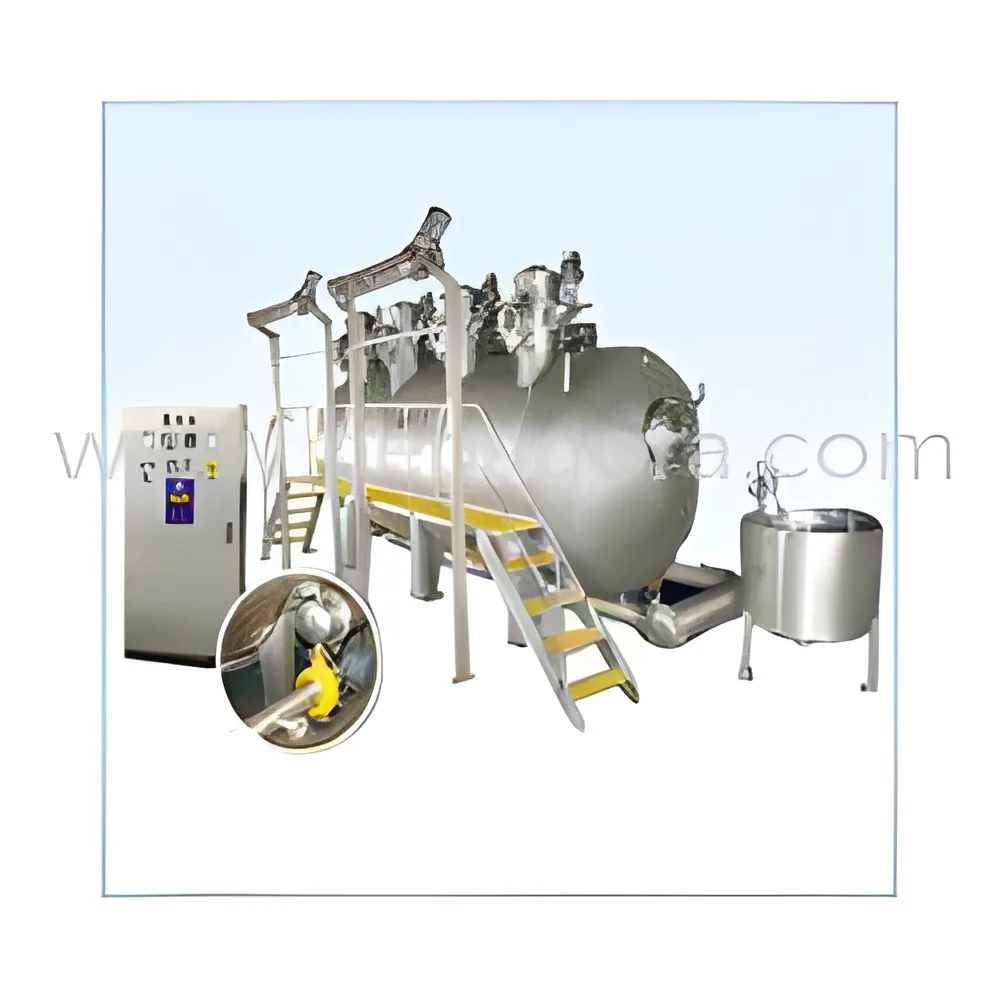
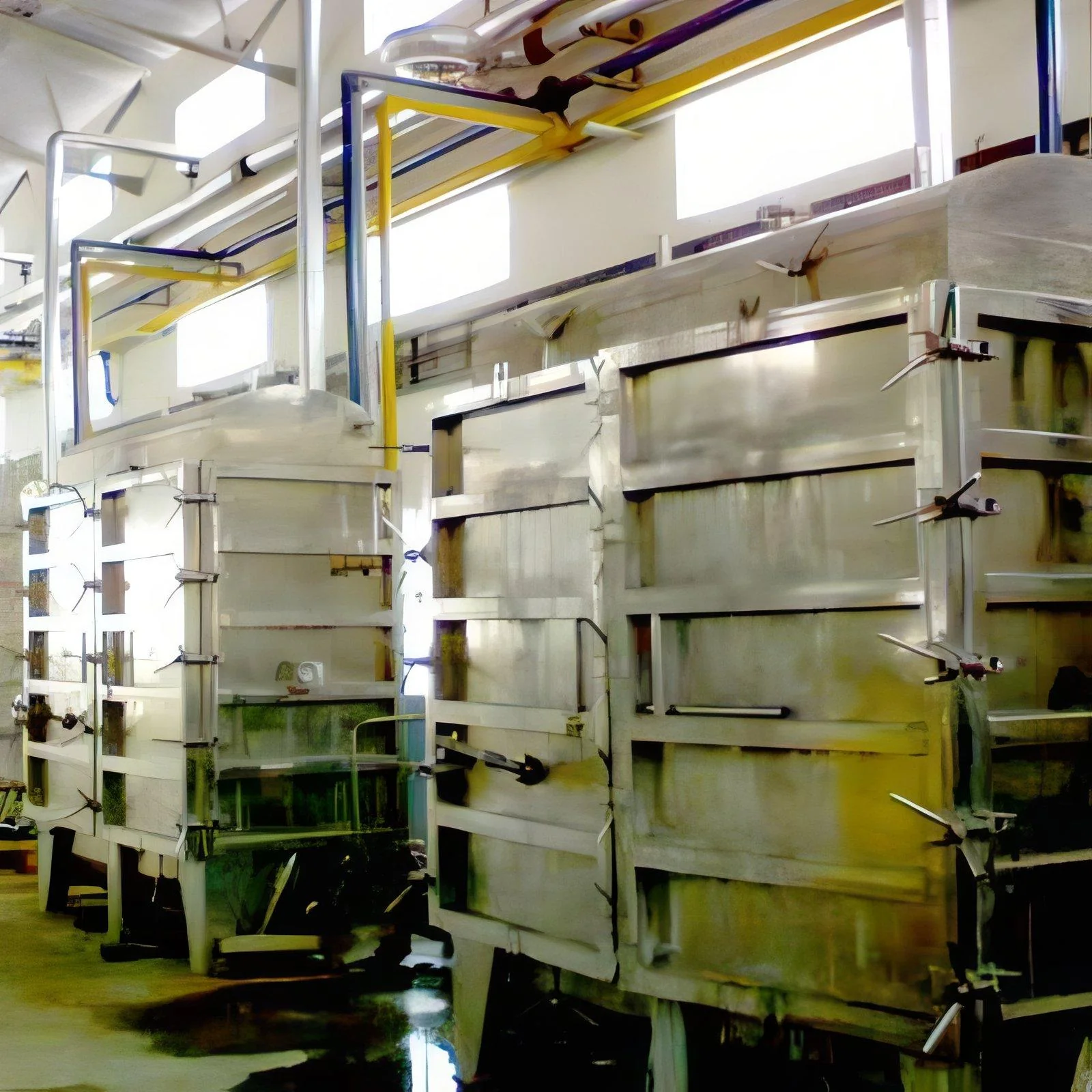
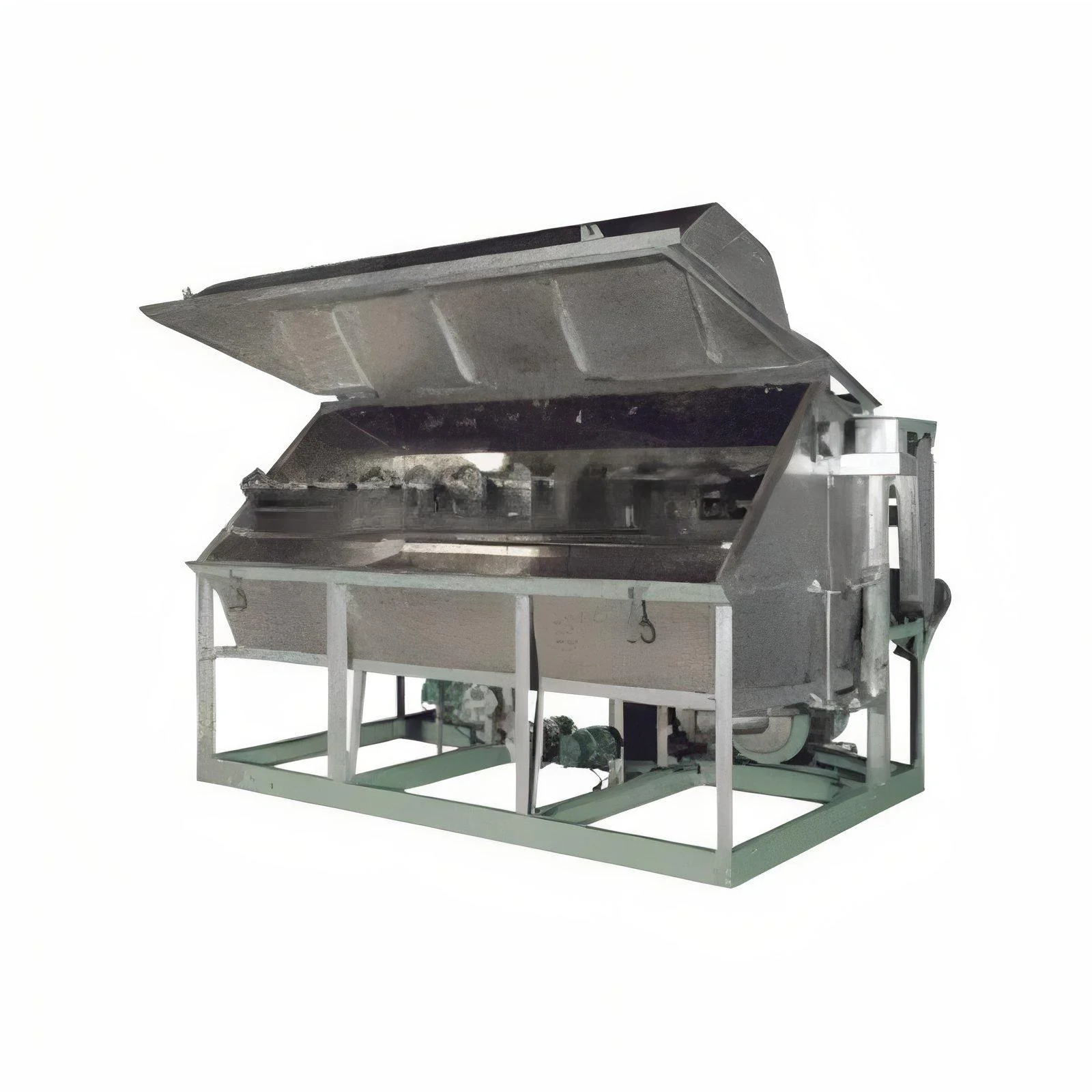
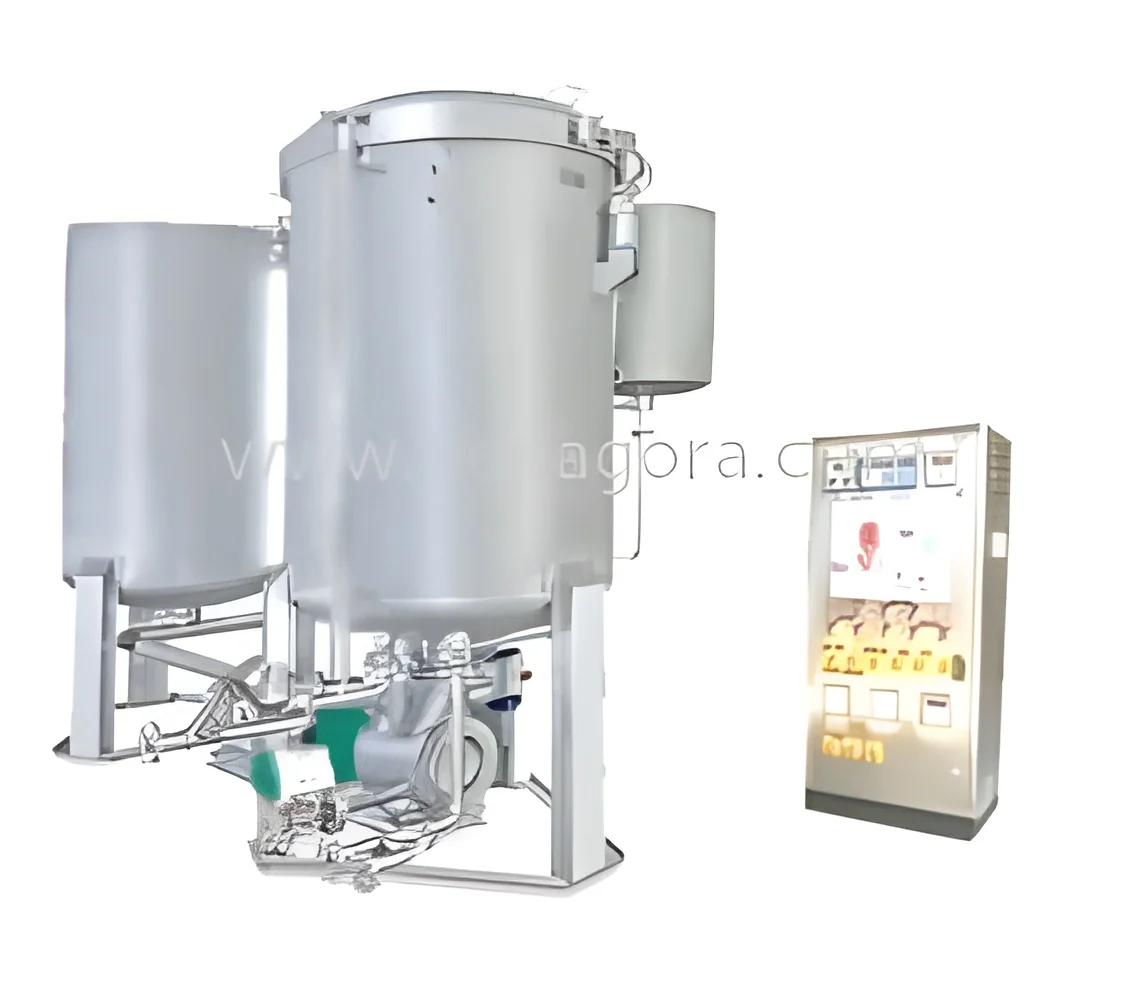
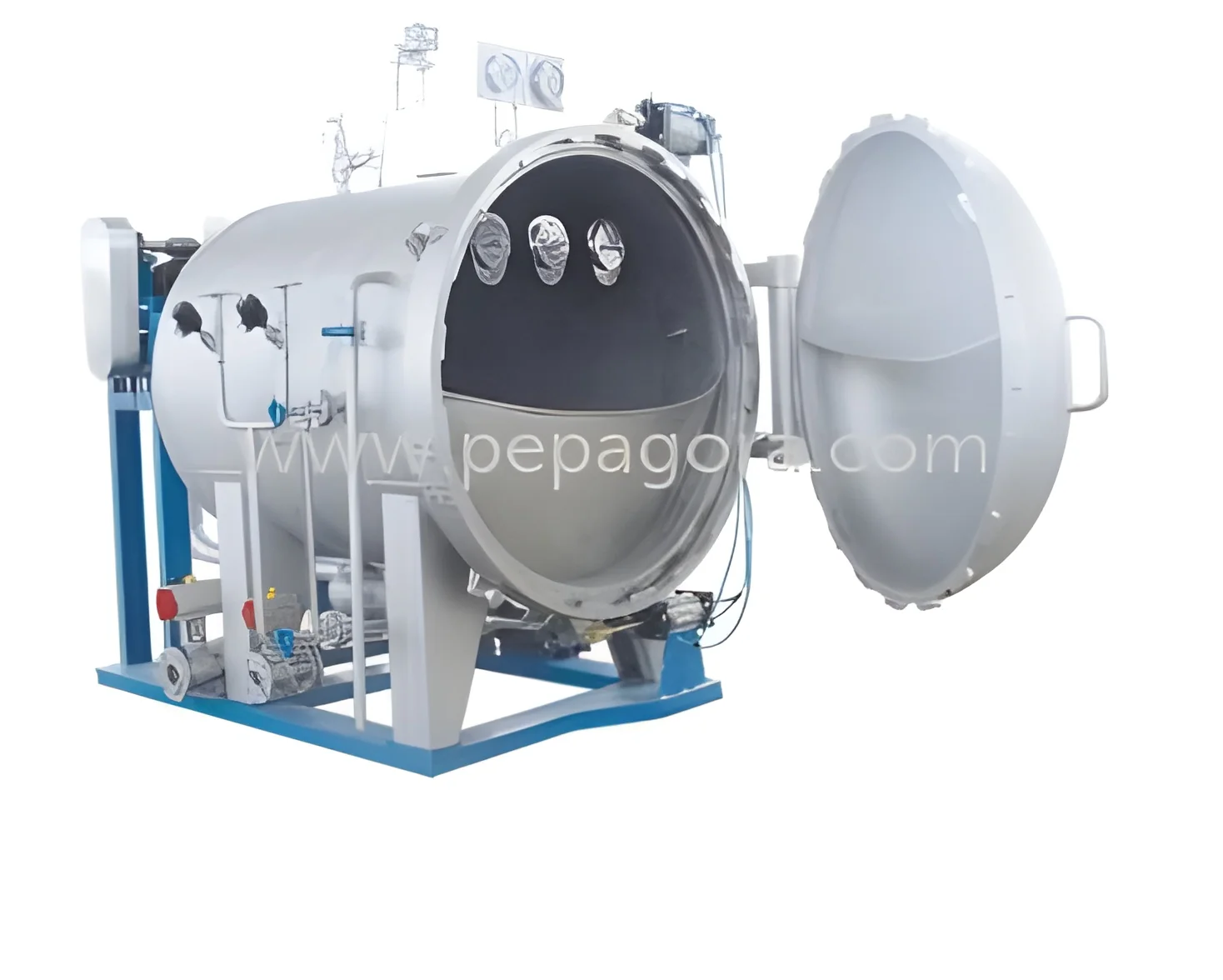
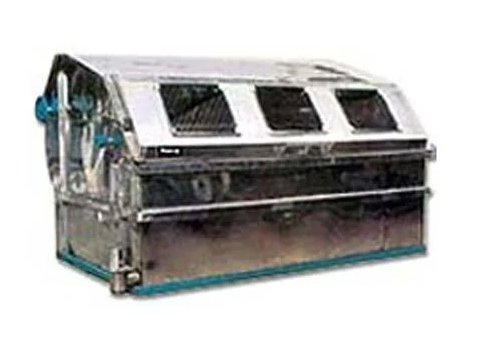
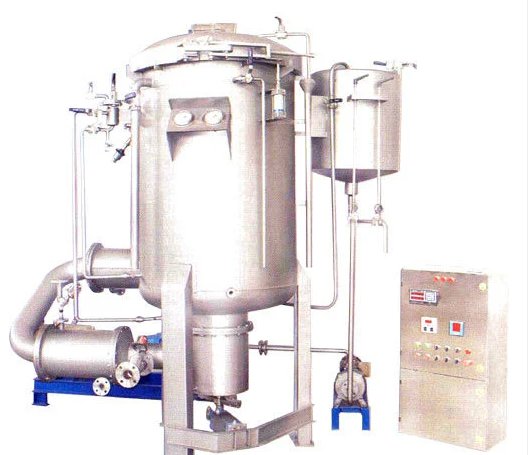
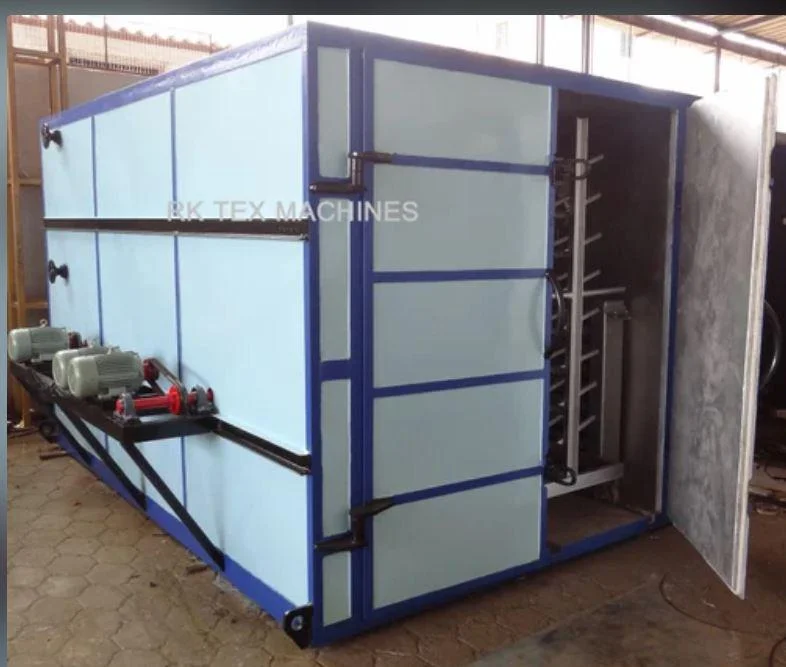
Textile dyeing machinery refers to a range of industrial equipment used to apply color to fabrics and textiles. This machinery is designed to ensure uniform dye distribution, efficient processing, and optimal color fastness. Various technologies are employed, including batch dyeing, continuous dyeing, and digital dyeing machines, each tailored to meet specific production needs.
These machines find primary use in the textile and fashion industries, where they are integral to the production of dyed fabrics. Applications range from cotton and polyester dyeing to more specialized processes for silk and wool. The significance of textile dyeing machinery extends beyond mere color application; it plays a crucial role in enhancing the aesthetic value and marketability of textile products, thereby influencing consumer choices.
In the current market context, the demand for high-quality dyeing machinery is driven by the growing emphasis on sustainable practices and eco-friendly dyes. As manufacturers seek to improve production efficiency and reduce waste, textile dyeing machinery continues to evolve, integrating advanced technologies that address both environmental concerns and production demands.
Key Features and Specifications
Textile dyeing machinery boasts a variety of features and specifications that enhance performance and efficiency. Understanding these specifications is essential for selecting the right equipment for specific production needs.
Key specifications include:
1. Batch Capacity
- Determines the volume of fabric that can be dyed in a single operation.
- Typically ranges from 50 kg to over 500 kg, depending on the machine type.
2. Temperature Control
- Essential for achieving precise dyeing conditions.
- Machines may operate within a temperature range of 40°C to 140°C.
3. Dyeing Method
- Various methods, including exhaust, continuous, and digital dyeing.
- Each method offers unique advantages based on fabric type and production scale.
4. Humidity Control
- Helps maintain optimal dye penetration and fixation.
- Machines may feature built-in humidity control systems for consistency.
5. Energy Efficiency
- Many modern machines are designed to minimize energy consumption.
- Features may include heat recovery systems and variable speed drives.
6. User Interface
- Advanced machines often come with digital displays and programmable settings.
- User-friendly interfaces enhance operational efficiency and ease of use.
7. Compliance Standards
- Machines may comply with certain industry standards such as CE certification.
- Ensures safety and reliability in operation.
8. Maintenance Requirements
- Vary by machine type; some may offer automated cleaning features.
- Regular maintenance is crucial for ensuring longevity and performance.
In summary, the specifications of textile dyeing machinery significantly impact production efficiency, quality, and cost-effectiveness. Understanding these features is essential for making informed purchasing decisions.
Common Applications and Use Cases
Textile dyeing machinery serves a diverse array of industries, each with specific applications that leverage dyeing technologies.
1. Apparel Industry: Dyeing machinery is fundamental in the apparel sector, where fabrics are dyed to meet fashion trends and consumer demands. This includes everything from basic t-shirts to high-end garments.
2. Home Textiles: Manufacturers of bed linens, curtains, and upholstery fabrics utilize dyeing machinery to create vibrant patterns and colors that enhance product appeal.
3. Sportswear: The sportswear industry often requires specialized dyeing processes to achieve moisture-wicking and quick-drying properties while maintaining color integrity.
4. Automotive Textiles: Dyeing machinery is used in the production of automotive fabrics, ensuring durability and color stability under various environmental conditions.
5. Medical Textiles: In the medical sector, dyeing machinery plays a role in producing textiles that meet specific safety and hygiene standards while providing necessary color coding.
6. Industrial Textiles: Machinery is employed to dye heavy-duty fabrics used in industrial applications, such as tarpaulins and protective clothing.
7. Upholstery: The furniture industry relies on dyeing machinery to create attractive upholstery fabrics that meet consumer design preferences.
Product Variants and Subcategories
Textile dyeing machinery comes in various types and configurations to meet diverse production needs. Each variant offers specific features that cater to different applications.
Batch Dyeing Machine: This type is designed for dyeing large quantities of fabric in discrete batches. It is ideal for small to medium-sized production runs and offers flexibility in dyeing different colors.
Continuous Dyeing Machine: Suitable for high-volume production, these machines allow for the continuous processing of fabric. They are often used in large-scale operations where speed and efficiency are prioritized.
Digital Dyeing Machine: This modern variant uses digital technology to apply dyes precisely. It is particularly advantageous for producing intricate designs and patterns, making it ideal for fashion and custom textile applications.
Benefits and Advantages
Investing in textile dyeing machinery offers numerous advantages for manufacturers aiming to optimize their production processes.
Key benefits include:
1. Improved Efficiency: Modern machines are designed for high throughput, reducing dyeing time and increasing overall production capacity.
2. Consistent Quality: Advanced control systems ensure uniform dye application, resulting in consistent color and quality across batches.
3. Reduced Environmental Impact: Many machines incorporate eco-friendly technologies that minimize waste and energy consumption, aligning with sustainable manufacturing practices.
4. Enhanced Flexibility: The ability to switch between dyeing methods and adjust parameters allows manufacturers to respond quickly to market changes or custom orders.
5. Lower Operational Costs: Energy-efficient designs and automated features can lead to significant cost savings over time.
6. Compliance with Standards: Many machines meet industry certifications, ensuring safety and reliability in operations.
Buying Guide for B2B Buyers
When sourcing textile dyeing machinery, several factors should be considered to ensure a successful purchase.
1. Quality Assessment: Evaluate the quality of machinery based on performance history, brand reputation, and user reviews. Consider machines that meet recognized industry standards.
2. Supplier Verification: Conduct thorough research on potential suppliers. Look for established companies with a solid track record in the industry and positive customer feedback.
3. Pricing and MOQ: Compare pricing across different suppliers and understand the minimum order quantities. Ensure that the pricing aligns with your budget while evaluating the total cost of ownership.
4. Delivery and Lead Times: Inquire about the expected delivery times and logistics. Timely delivery can be crucial for maintaining production schedules.
5. Compliance Requirements: Ensure that the machinery complies with relevant safety and operational standards. Verify any regional regulations that may apply to your business.
Compliance and Certifications
Textile dyeing machinery must adhere to various compliance and certification standards to ensure safety and efficiency.
Relevant quality standards include ISO 9001, which emphasizes quality management systems, and HACCP, which addresses food safety when textiles are used in food-related applications. GDP, or good distribution practice, may also be relevant for manufacturers involved in the supply chain.
Industry certifications, such as CE marking, indicate that the machinery meets European safety and health requirements. This certification is vital for gaining access to certain markets and ensuring product reliability.
In addition to these standards, safety and testing requirements must be adhered to, ensuring that the machinery operates safely under specified conditions. Regional compliance considerations may vary, so it is essential to be aware of local regulations governing textile manufacturing and dyeing processes.
Why Source Textile Dyeing Machinery from Pepagora?
Pepagora provides a trusted platform for sourcing textile dyeing machinery, offering several key advantages to B2B buyers.
Verified Supplier Network: Pepagora connects buyers with a network of verified suppliers known for their quality products and services. This verification process helps ensure that buyers can trust the suppliers they engage with.
Streamlined RFQ Process: The platform features a user-friendly Request for Quotation (RFQ) system, allowing buyers to easily compare offers from multiple suppliers. This simplifies the procurement process and saves valuable time.
Trade Assurance and Support: Pepagora offers trade assurance features that protect buyers during transactions. This includes support for resolving disputes and ensuring that orders are fulfilled as agreed.
Regional Coverage: With a strong presence in India, the GCC, and Southeast Asia, Pepagora provides geographic reach that enables buyers to connect with suppliers across multiple regions, enhancing sourcing opportunities.
By choosing Pepagora, businesses can navigate the complexities of sourcing textile dyeing machinery with confidence, ensuring they find the right solutions for their operational needs.

 IN
IN