
 IN
Laser Fading Machines
3 products available
What are Laser Fading Machines?
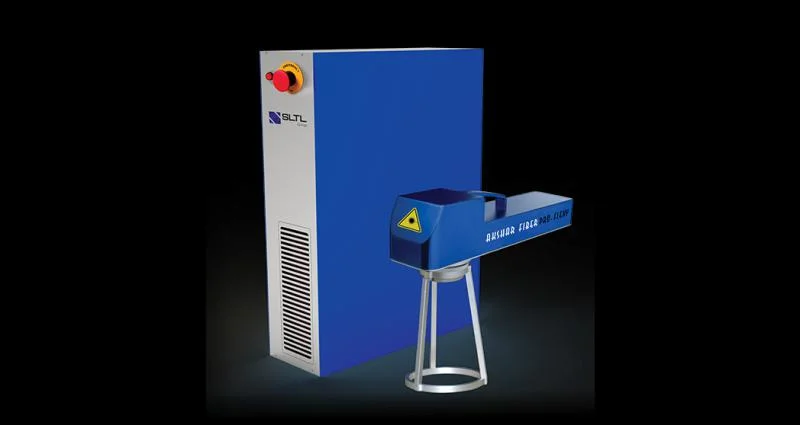
Laser fading machines are specialized industrial tools designed to alter the appearance of materials through precise laser application. These machines utilize laser technology to create fading effects, which can be used to enhance aesthetic appeal, simulate wear, or prepare surfaces for additional processing. The accuracy and efficiency of lasers allow for highly controlled fading, minimizing material waste while achieving intricate designs.
These machines find primary usage in industries such as textiles, automotive, and electronics. In the textile industry, for example, laser fading machines can produce unique fabric patterns that meet fashion trends. In the automotive sector, they are employed to create surface finishes that enhance the visual quality of car interiors. Furthermore, electronics manufacturers use laser fading technology for branding and marking products. The relevance of laser fading machines in today’s market is underscored by the growing demand for customization and short-run production capabilities across various sectors.
Key Features and Specifications
Laser fading machines are characterized by several key features that enhance their functionality and efficiency. Understanding these specifications is essential for businesses looking to invest in this technology.
Key specifications include:
1. Power Output
- Typically ranges from 30W to 300W
- Determines the intensity and speed of the fading process
2. Wavelength
- Commonly operates at wavelengths of 1064 nm, 532 nm, or 355 nm
- Influences the type of materials that can be effectively processed
3. Working Area
- Varies from small (200mm x 200mm) to large (1000mm x 1000mm)
- Affects the size of the materials that can be processed
4. Speed
- Fading speeds can reach up to 1000 mm/sec
- Crucial for production efficiency in high-demand environments
5. Control System
- Features include software compatibility for design inputs
- May support various file formats for ease of use
6. Cooling System
- Air-cooled or water-cooled options available
- Important for maintaining optimal operating temperatures
7. Safety Features
- Includes protective enclosures and emergency shut-off switches
- Ensures operator safety during operation
8. Maintenance Requirements
- Regular maintenance schedules and requirements vary
- Essential for longevity and consistent performance
In summary, understanding the key features and specifications of laser fading machines is vital for making informed purchasing decisions that align with specific business needs.
Common Applications and Use Cases
Laser fading machines serve a diverse array of industries, each leveraging the technology for unique applications.
1. Textile Industry: These machines enable the creation of intricate fading patterns on fabrics, allowing fashion brands to offer customized designs that attract consumers.
2. Automotive Industry: Laser fading is applied to enhance the interior aesthetics of vehicles, providing a bespoke touch to dashboards and seats.
3. Electronics Industry: Manufacturers use laser fading for branding and product marking, ensuring high precision and quality in finishing touches.
4. Woodworking: Laser fading machines can create unique patterns and finishes on wooden surfaces, adding value to custom furniture pieces.
5. Packaging: In the packaging sector, these machines create eye-catching designs that help products stand out on store shelves.
6. Jewelry: Laser fading technology is used to add intricate designs to jewelry pieces, enhancing their appeal in the marketplace.
7. Signage: Businesses utilize laser fading for creating custom signs and displays, ensuring high visibility and aesthetic appeal.
Product Variants and Subcategories
Laser fading machines exhibit a range of variants that cater to different operational needs and industry demands. Each variant offers unique features tailored to specific applications.
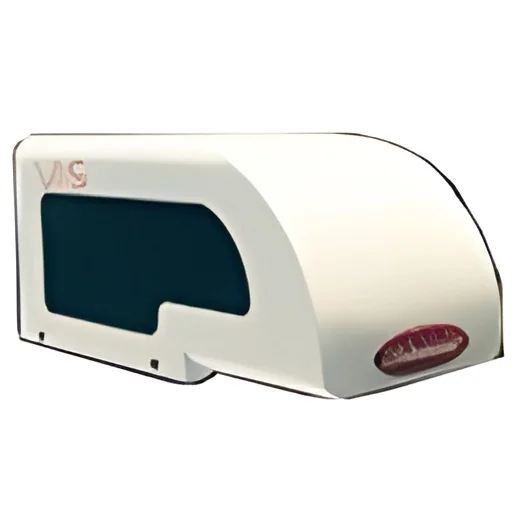
Compact Laser Fading Machine: This variant is designed for small-scale operations and is ideal for businesses needing versatility in a limited space. It often features a smaller working area but maintains high precision and speed.
Industrial Laser Fading Machine: Built for large-scale production, this machine can handle extensive workloads and larger materials. It is equipped with advanced cooling systems and robust safety features to ensure continuous operation.
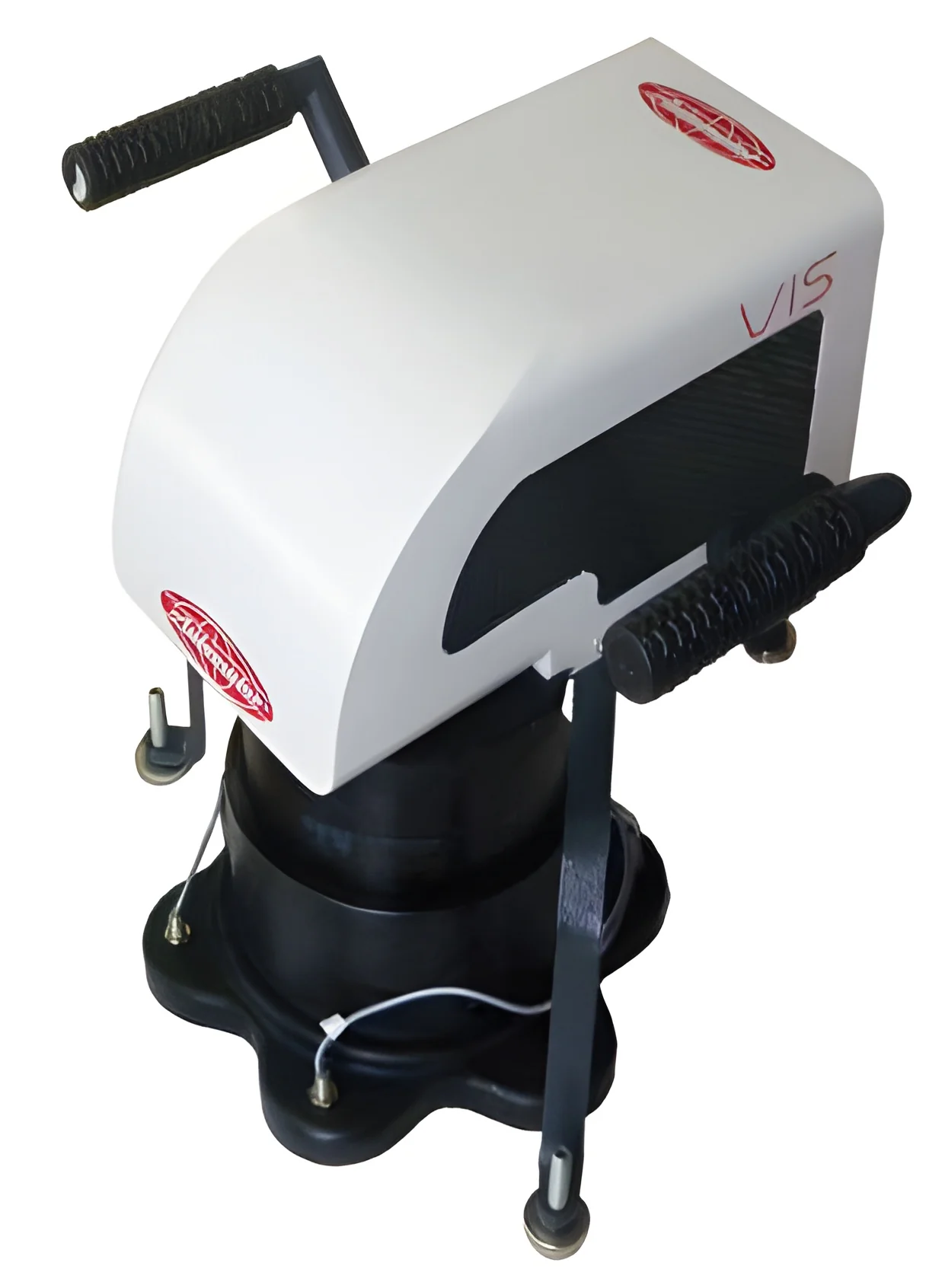
Portable Laser Fading Machine: This option is designed for ease of movement and flexibility. It is suitable for on-site applications, allowing businesses to perform laser fading wherever needed.
Benefits and Advantages
Investing in laser fading machines offers numerous advantages for businesses looking to enhance their production capabilities.
Key benefits include:
1. High Precision: Laser fading machines provide unmatched accuracy, ensuring consistent quality in designs and finishes.
2. Reduced Material Waste: The precision of laser technology minimizes waste, making it more cost-effective for businesses.
3. Versatility: These machines can process a wide range of materials, from textiles to metals, allowing for diverse applications.
4. Customization: Laser fading technology enables businesses to offer personalized products, catering to consumer demands for uniqueness.
5. Enhanced Productivity: High-speed operations lead to increased output, meeting the needs of fast-paced production environments.
6. Low Maintenance: Laser fading machines typically require less maintenance compared to traditional fading methods, reducing downtime and operational costs.
Buying Guide for B2B Buyers
When sourcing laser fading machines, there are several critical factors to consider to ensure a successful purchase.
1. Quality Assessment: Evaluate the quality of the machines by checking for industry certifications and standards. Look for machines that have been tested for reliability and performance.
2. Supplier Verification: Vet potential suppliers by reviewing their track record, customer feedback, and delivery history. A reliable supplier will have a proven reputation in the industry.
3. Pricing and MOQ: Understand the pricing structure and minimum order quantities. Compare quotes from various suppliers to ensure competitive pricing without compromising quality.
4. Delivery and Lead Times: Confirm the expected delivery timelines and logistics involved. Ensure the supplier can meet your deadlines while considering any potential delays.
5. Compliance Requirements: Be aware of any regulatory standards that apply to laser fading machines in your region. Compliance with safety and quality standards is essential for smooth operations.
Compliance and Certifications
Laser fading machines must adhere to various industry standards to ensure quality and safety. Compliance with ISO 9001 is essential, as it signifies a commitment to quality management systems. Additionally, certifications such as CE indicate that the machines meet European safety requirements.
Safety regulations often include guidelines for operation, maintenance, and operator training to prevent accidents. Furthermore, industries may have specific compliance needs based on regional regulations. It is crucial for manufacturers to stay updated on these requirements to ensure that their laser fading machines are compliant and safe for use.
Why Source Laser Fading Machines from Pepagora?
Pepagora offers a trusted platform for sourcing laser fading machines, providing several key advantages for B2B buyers.
Verified Supplier Network: Pepagora connects buyers with a network of verified suppliers, ensuring that all vendors meet industry standards for quality and reliability. This verification process helps buyers make informed decisions and reduces the risk associated with purchasing equipment.
Streamlined RFQ Process: The request for quotation (RFQ) process on Pepagora is designed to be efficient and user-friendly. Buyers can easily submit their requirements and receive competitive quotes from multiple suppliers, allowing for quick comparison and selection.
Trade Assurance and Support: Pepagora provides trade assurance, protecting buyers from potential disputes. Their dedicated support team is available to assist throughout the purchasing process, ensuring a smooth transaction.
Regional Coverage: With a strong presence in India, the GCC, and Southeast Asia, Pepagora offers comprehensive regional coverage. This geographic reach enables buyers to access local suppliers and services, facilitating better logistics and support.
In summary, sourcing laser fading machines through Pepagora combines quality assurance, competitive pricing, and regional support, making it an ideal choice for businesses looking to enhance their production capabilities.

Frequently Asked Questions
What are Laser Fading Machines?
Laser Fading Machines are specialized tools used to create fading effects on textiles and other materials using laser technology. They precisely remove layers of fabric to achieve desired patterns and colors, making them popular in the garment and textile industries.
What are the different types of Laser Fading Machines?
There are several types of Laser Fading Machines, including CO2 laser machines, fiber laser machines, and hybrid models. Each type varies in terms of laser source and application, catering to different materials and fading techniques.
How do I choose the right Laser Fading Machines?
When selecting a Laser Fading Machine, consider factors such as the type of materials you will work with, the desired fading effects, and the machine's power and speed. It's also important to assess the manufacturer's reputation and after-sales support.
What are the standard specifications for Laser Fading Machines?
Standard specifications for Laser Fading Machines typically include laser type (CO2 or fiber), power output (measured in watts), working area size, and engraving speed. Additionally, features like software compatibility and cooling systems are important to review.
What is the price range for Laser Fading Machines?
The price range for Laser Fading Machines can vary significantly based on specifications and features, typically starting from INR 1,00,000 to over INR 10,00,000. Higher-end models with advanced technology and larger capabilities will generally cost more.
What quality standards apply to Laser Fading Machines?
Laser Fading Machines should comply with various quality standards, including ISO certifications related to manufacturing and safety. Additionally, it's essential to ensure that machines are tested for precision and durability to maintain high production quality.
Where can I find Laser Fading Machines suppliers in India?
You can find Laser Fading Machines suppliers in India through various online marketplaces, trade shows, and industry directories. Websites like Pepagora.com specialize in connecting businesses with reputable manufacturers and suppliers.
Can Laser Fading Machines be customized?
Yes, many manufacturers offer customization options for Laser Fading Machines to meet specific operational needs. This can include adjustments in size, laser power, and software features tailored to the buyer's requirements.
What is the typical minimum order quantity for Laser Fading Machines?
The typical minimum order quantity (MOQ) for Laser Fading Machines can vary by supplier but usually starts at one unit. Bulk orders may be required for specific models or customizations, so it's best to check with individual suppliers.
What is the typical lead time for Laser Fading Machines?
The typical lead time for Laser Fading Machines can range from 4 to 8 weeks, depending on the manufacturer and any customization requested. It's advisable to confirm the estimated delivery time with the supplier when placing an order.
Why Businesses Trust Pepagora
Thousands of companies trust Pepagora to source smarter and sell faster
Expand Your Sales Globally

Source Smarter,Grow Faster
