IN
IN₹
Apparel & Fashion
Description
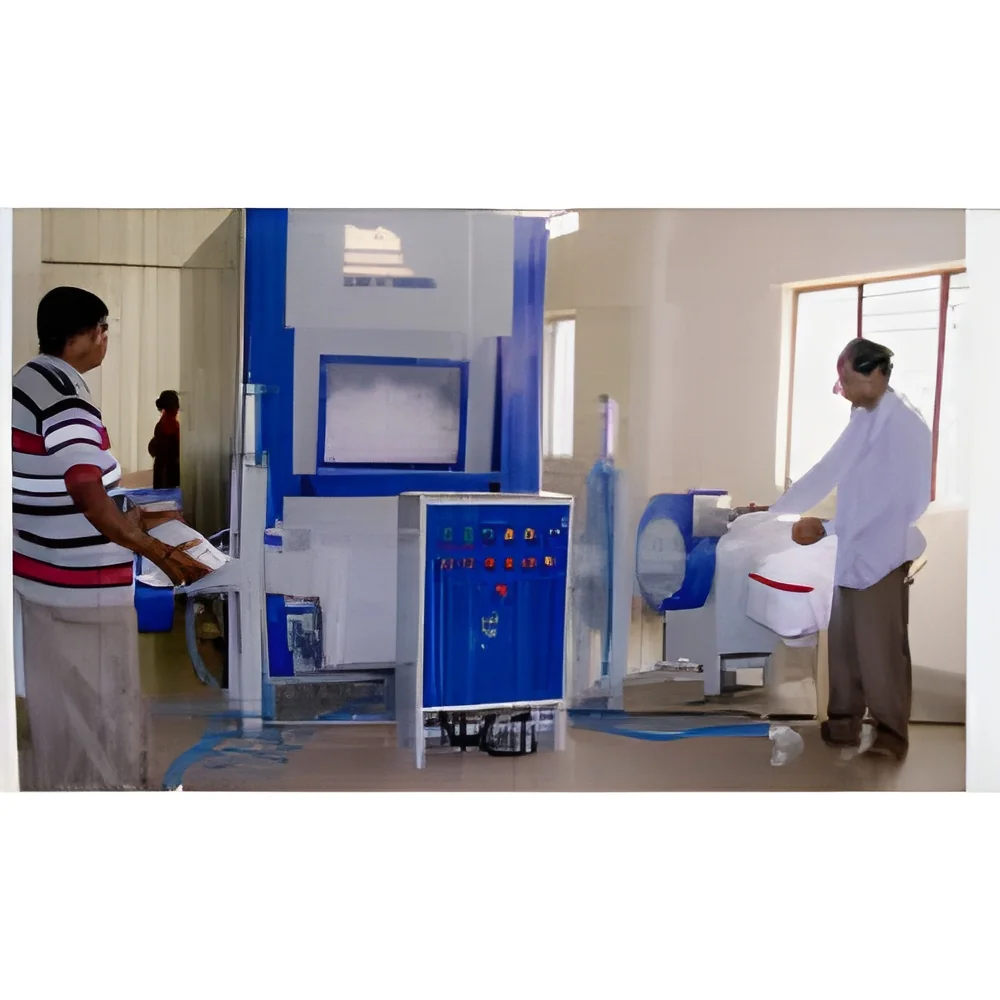
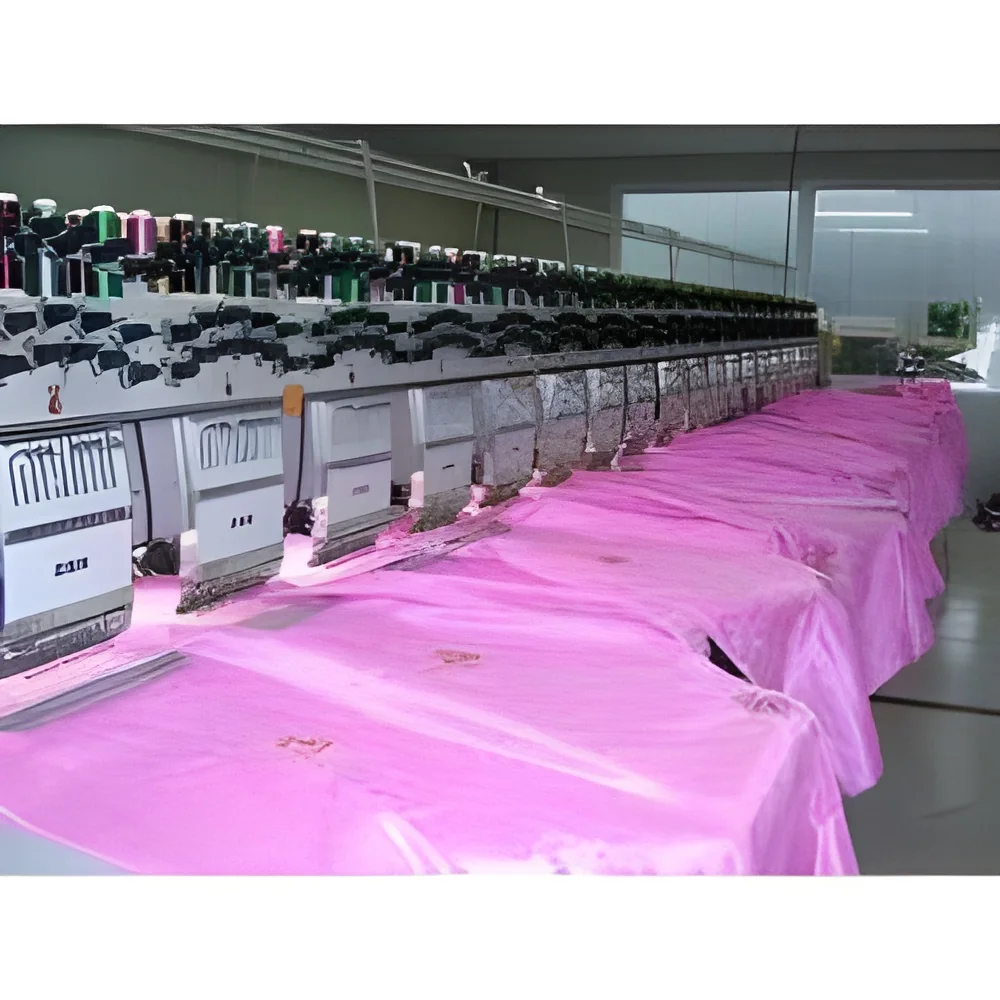
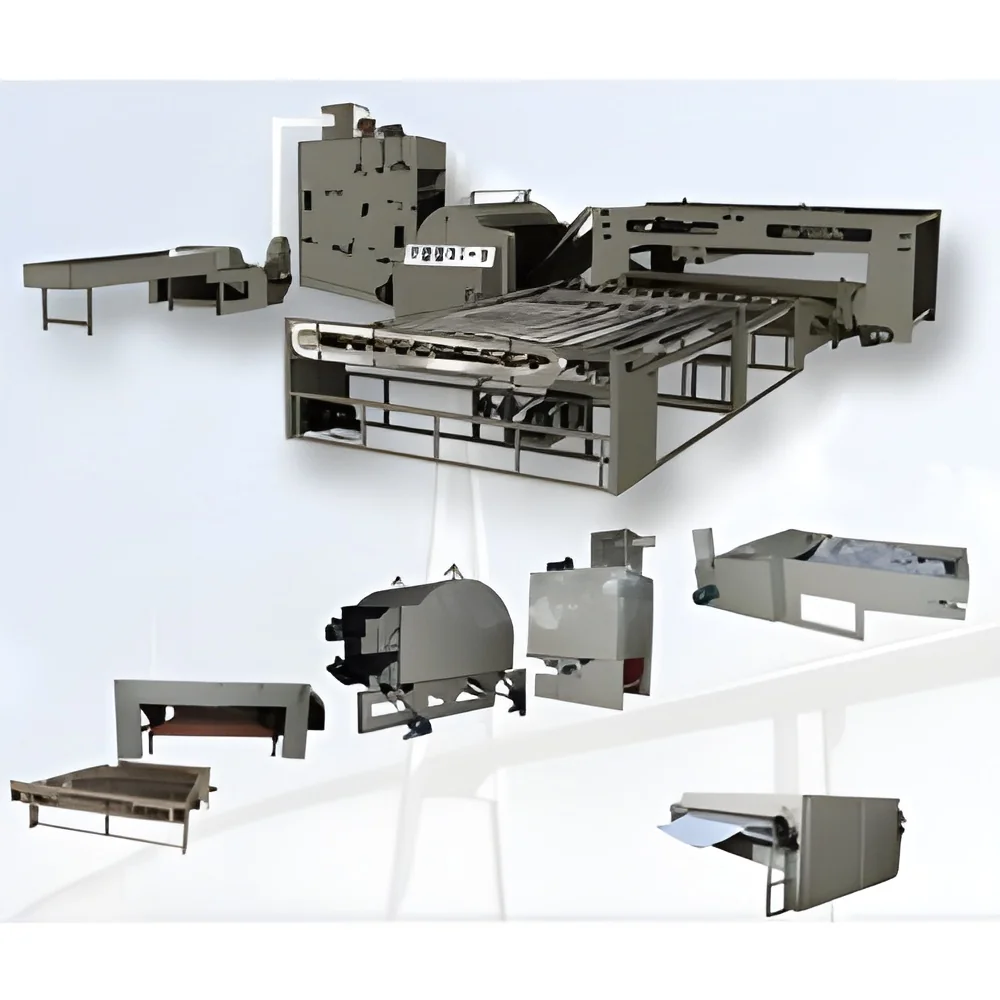
Industrial thermal bonding machines represent advanced manufacturing technology specifically engineered for quilt and textile production. These systems utilize precise heat and pressure application to create permanent, seamless bonds between fabric layers, eliminating the need for traditional thread-based stitching. The automated production lines ensure consistent quality across large volumes while handling diverse materials including polyester fills, cotton blends, and various synthetic fabrics. With reliable performance and robust construction, these machines provide manufacturers with efficient solutions for creating durable textile products that maintain fabric flexibility and comfort without compromising structural integrity.

These thermal bonding systems serve critical roles across multiple manufacturing sectors. Bedding and mattress producers rely on them for creating quilted mattress covers, comforters, and pillow protectors with uniform stitch patterns and consistent quality....
Industrial thermal bonding machines represent advanced manufacturing technology specifically engineered for quilt and textile production. These systems utilize precise heat and pressure application to create permanent, seamless bonds between fabric layers, eliminating the need for traditional thread-based stitching. The automated production lines ensure consistent quality across large volumes while handling diverse materials including polyester fills, cotton blends, and various synthetic fabrics. With reliable performance and robust construction, these machines provide manufacturers with efficient solutions for creating durable textile products that maintain fabric flexibility and comfort without compromising structural integrity.

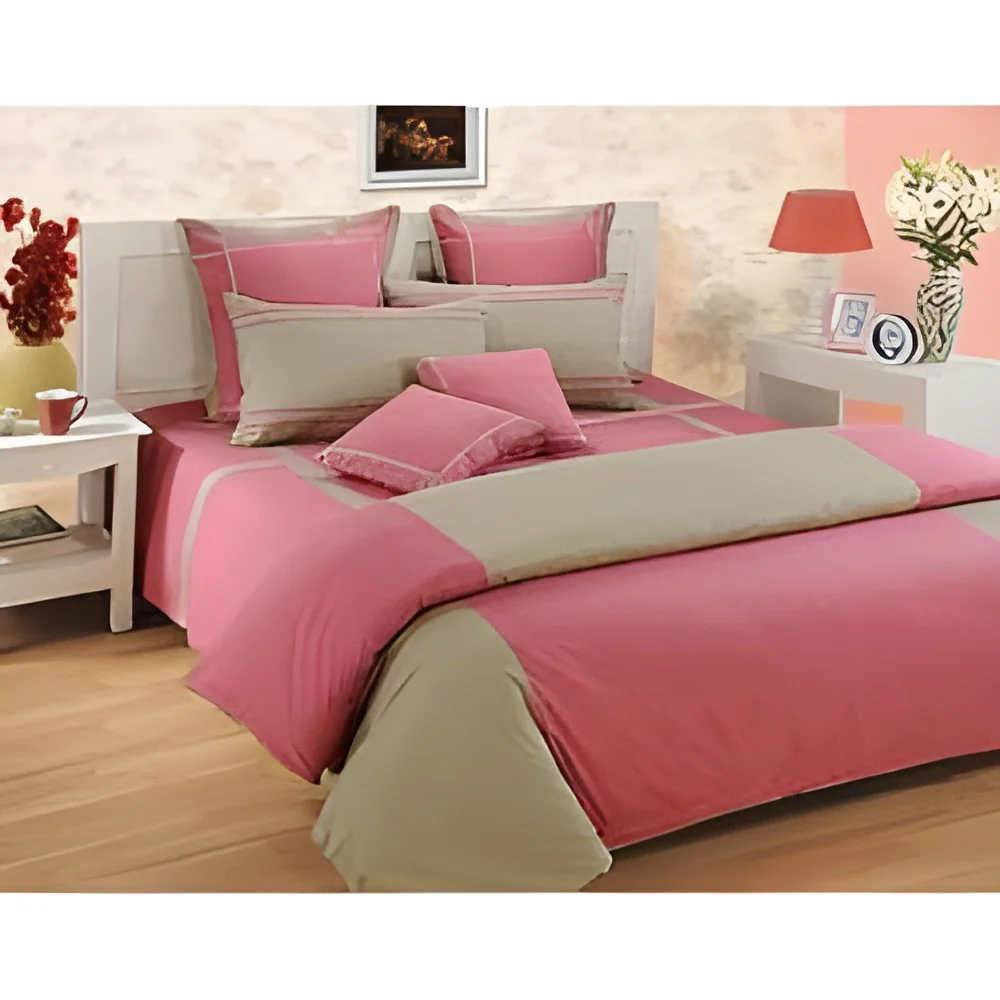
These thermal bonding systems serve critical roles across multiple manufacturing sectors. Bedding and mattress producers rely on them for creating quilted mattress covers, comforters, and pillow protectors with uniform stitch patterns and consistent quality. Automotive interior manufacturers utilize these machines for producing seat covers, headliners, and interior padding that require durable, seamless bonding without thread lines that could wear or tear. Technical textile producers employ them for medical padding, protective gear, and insulation materials where traditional stitching would compromise product performance or patient comfort. Upholstery manufacturers also benefit from creating decorative textiles with complex patterns and designs.

The business value of these thermal bonding machines lies in their exceptional reliability and operational efficiency. These systems significantly reduce material consumption by eliminating thread requirements while minimizing labor costs through automation. The precision engineering ensures consistent output quality, reducing waste and improving product uniformity across production runs. With durable construction and minimal maintenance requirements, these machines deliver long-term performance and excellent return on investment for manufacturing operations. Their adaptability to different materials and product specifications provides competitive advantages in specialized markets, enabling businesses to meet diverse customer requirements while maintaining production efficiency.

Key Features:
- Precision temperature control system ensures consistent bonding quality across all production runs
- Automated production line with adjustable speed and width settings for flexible manufacturing
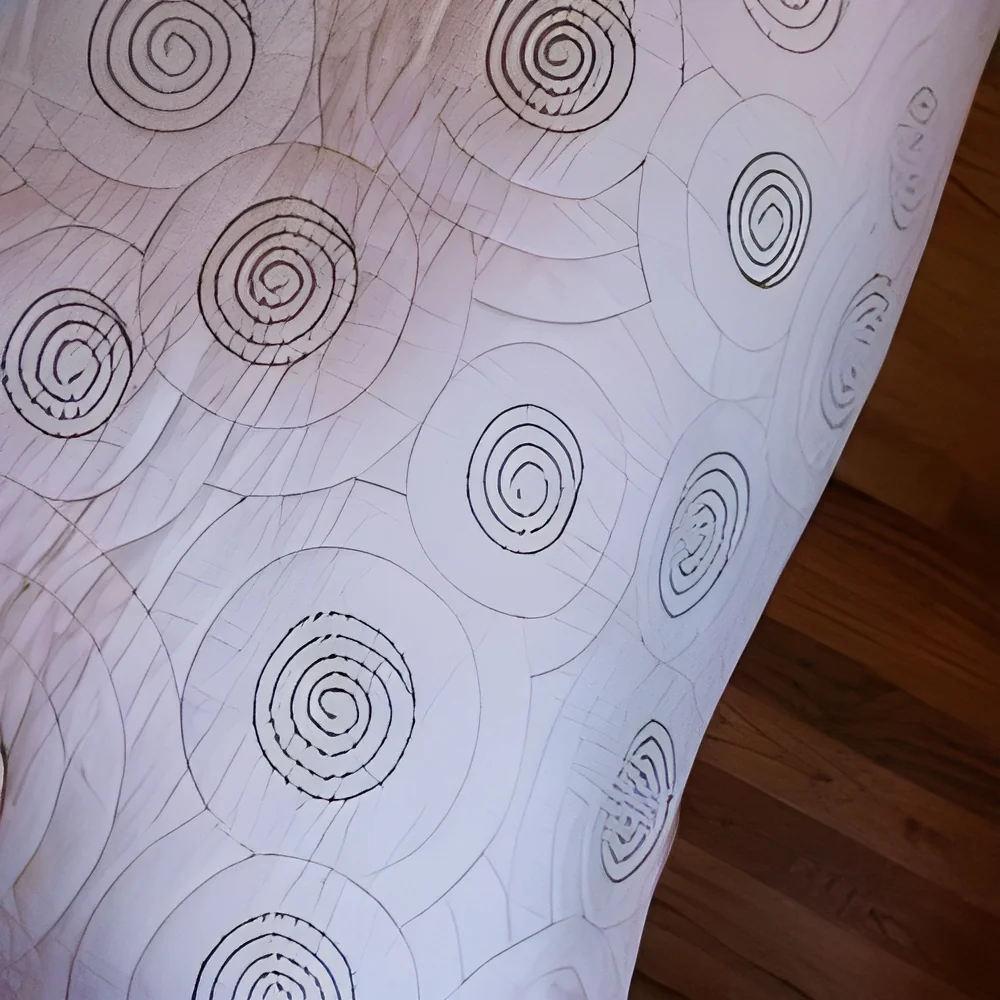
- Customizable bonding patterns and designs accommodate diverse product specifications
- Heavy-duty construction with durable components ensures long-term reliability and minimal downtime
- Energy-efficient heating system reduces operational costs while maintaining optimal performance

Benefits:
- Creates durable, seamless fabric bonds without traditional stitching for improved product integrity
- Automated operation reduces labor requirements and increases production efficiency
- Handles various materials including polyester, cotton blends, and synthetic fabrics with consistent results
- Robust construction ensures reliable performance with minimal maintenance needs
- Energy-efficient design lowers operational costs while maintaining high-quality output
Specifications
| Additional Information | |
|---|---|
| Country of Origin | India |
Application
These thermal bonding machines create strong, permanent fabric bonds without traditional stitching, revolutionizing textile production. They handle materials like polyester, cotton blends, and synthetics with consistent quality, making them essential for high-volume manufacturing where durability and efficiency are critical.
Designed for diverse industrial needs, these systems serve bedding manufacturers, automotive suppliers, and technical textile producers. They accommodate various product thicknesses and designs, ideal for creating quilted mattress covers, padded garments, insulation materials, and decorative textiles with reliable, repeatable results.
- Manufacturing quilted mattress covers, comforters, and bedspreads for residential and commercial use
- Producing automotive interior components including seat covers, headliners, and door panel padding
- Creating medical textiles such as surgical padding, healthcare mattress covers, and patient positioning aids
- Manufacturing insulated workwear, protective clothing, and padded garments for industrial safety
- Producing home furnishing items including padded wall panels, decorative throws, and upholstery fabrics
Trade Details
| Available Stock | In Stock |
| Sample Availability | No |
Payment Terms
| Payment Terms |
|
Company Profile
Berry Impex Industries, Punjab
 Punjab, India
Punjab, IndiaHome & Lifestyle•Manufacturer•Distributor / Wholesaler•Importer / Exporter
Factory Details
Factory SizeBelow 1000 sqm
Annual Production Capacity0
Industrial Thermal Bonding Machines For Quilt And Textile Manufacturing
Industrial thermal bonding machines for quilt and textile manufacturing deliver reliable automated production with precise heat control for durable, seamless fabric bonds. Trusted for quality and performance.
Min. Order Quantity: 1 unit
Shipping
Shipping fee and delivery date to be negotiated. Contact supplier now for more details.
Berry Impex Industries
 Punjab, India
Punjab, IndiaHome & LifestyleManufacturer