What are Circular Knitting Machines?
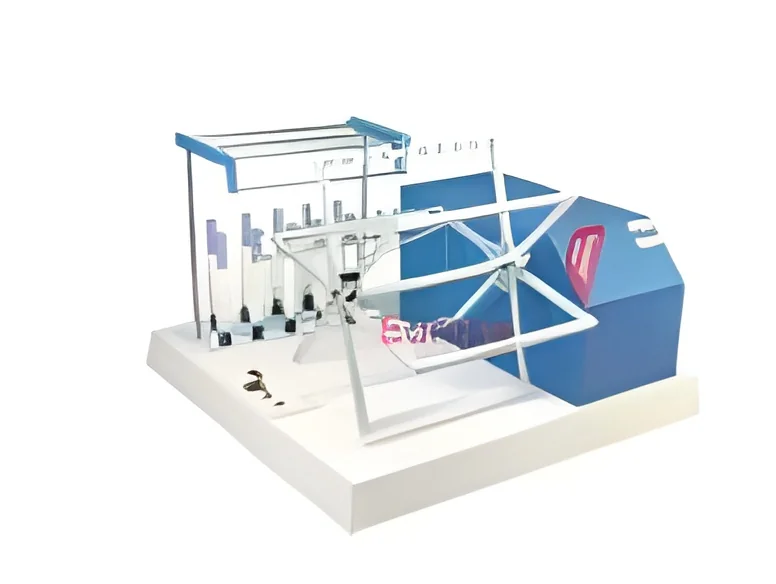
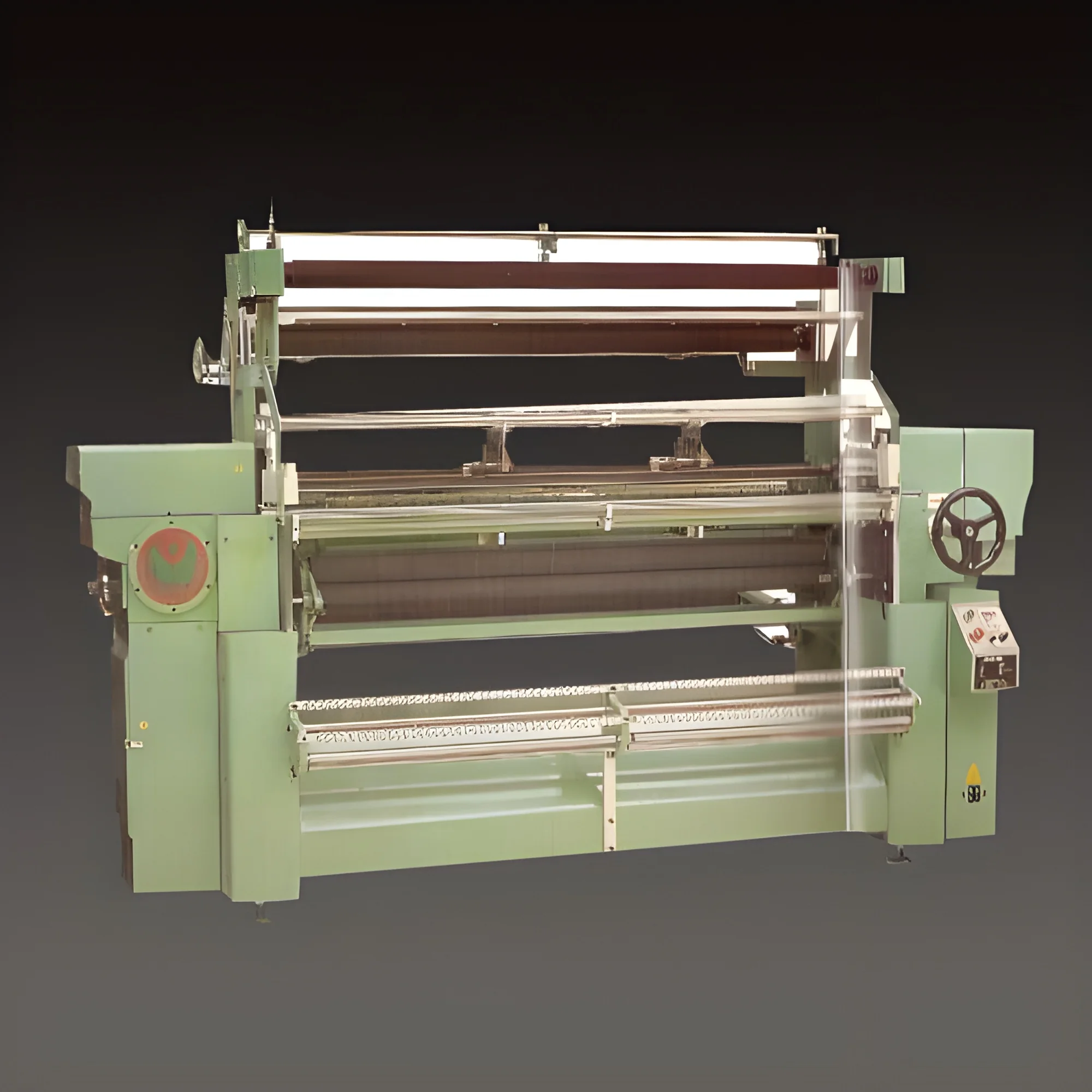
Circular knitting machines are advanced textile manufacturing devices designed to produce knitted fabrics in a continuous tubular form. Unlike traditional flat knitting machines, circular knitting machines use a series of needles arranged in a circular configuration to create seamless tubes of fabric. This design allows for high-speed production and greater efficiency in fabric creation, making them essential in the textile industry.
These machines are primarily used for producing various types of knitted materials, including garments, sportswear, and industrial textiles. Their ability to create seamless tubes is particularly beneficial for producing items like socks, hosiery, and t-shirts. As a result, circular knitting machines have significant applications in clothing manufacturing, home textiles, and even technical textiles, meeting the diverse needs of modern consumers. Given the increasing demand for fast fashion and custom textiles, the relevance of circular knitting machines in the industry continues to grow.
Key Features and Specifications
Circular knitting machines come equipped with several features that enhance their performance and usability. These features help manufacturers optimize their production processes, ensuring high-quality output.
Key specifications include:
1. Needle Gauge
- Determines the density and fineness of the knitted fabric.
- Commonly ranges from 5 to 40 needles per inch.
2. Machine Diameter
- Influences the width of the fabric produced.
- Available diameters typically range from 16 inches to 60 inches.
3. Speed
- Refers to the number of revolutions per minute (RPM) the machine can achieve.
- Standard speeds can vary from 30 to 120 RPM.
4. Yarn Type Compatibility
- The machine's ability to work with various yarn types, including cotton, wool, and synthetic fibers.
- Supports different yarn counts for diverse fabric outcomes.
5. Control System
- Involves electronic or computerized systems for precision and monitoring.
- Features programmable settings for different fabric patterns.
6. Fabric Width
- The maximum width of the fabric that can be produced.
- Typically ranges from 30 inches to 120 inches.
7. Production Capacity
- Refers to the volume of fabric produced within a specified timeframe.
- Can range from 50 to 1,000 kg per day depending on machine efficiency.
8. Energy Consumption
- Indicates the power usage during operation.
- Energy-efficient models consume less than 10 kW per hour.
These specifications provide insight into the capabilities of circular knitting machines, allowing businesses to select models that best suit their production needs.
Common Applications and Use Cases
Circular knitting machines are versatile and serve various industries effectively.
1. Apparel Industry: They are widely used to produce seamless garments, including t-shirts, leggings, and activewear, which require flexibility and comfort.
2. Home Textiles: These machines are employed in manufacturing knitted fabrics for home use, such as blankets, bed linens, and upholstery.
3. Sportswear Manufacturing: Circular knitting machines are ideal for creating moisture-wicking and breathable fabrics suitable for athletic apparel.
4. Medical Textiles: In the healthcare sector, they produce compression garments and bandages that require specific elasticity and comfort.
5. Industrial Textiles: These machines are used to create technical fabrics that are durable and resistant to wear and tear.
6. Fashion Accessories: Circular knitting machines can produce knitted accessories like scarves, hats, and socks, allowing for design flexibility.
7. Automotive Textiles: They are also utilized in producing fabric for car interiors, which require durability and aesthetic appeal.
Product Variants and Subcategories
Circular knitting machines come in various types, each designed to meet specific production needs and fabric requirements.
High-Speed Circular Knitting Machines
These machines are engineered for maximum output, significantly reducing production time while maintaining fabric quality. They are ideal for high-volume production runs.
Wide Width Circular Knitting Machines
Designed to produce broader fabrics, these machines are perfect for industries requiring large textile sheets, such as home furnishings and automotive applications.
Multi-Feeder Circular Knitting Machines
These machines can handle multiple yarn types simultaneously, enabling the production of complex fabric patterns and textures. They are commonly used in fashion and specialty textile markets.
Benefits and Advantages
Circular knitting machines offer numerous advantages that enhance manufacturing efficiency and product quality.
1. Increased Production Efficiency: With higher speed capabilities, these machines significantly reduce the time needed for fabric production.
2. Seamless Fabric Production: Their design allows for the creation of tubular fabrics without seams, enhancing comfort and reducing material waste.
3. Versatility in Fabric Types: They can work with a variety of yarns and fabric weights, making them suitable for diverse applications.
4. Cost-Effective Operation: The efficiency and speed of circular knitting machines lower overall production costs, benefiting businesses financially.
5. Advanced Control Systems: Many models feature computerized controls that improve precision and allow for customization of fabric patterns.
6. Reduced Labor Costs: Automation in circular knitting machines reduces the need for extensive manual labor, streamlining operations.
Buying Guide for B2B Buyers
When sourcing Circular Knitting Machines, it is essential for B2B buyers to consider several key factors to ensure a successful purchase.
1. Quality Assessment: Evaluate machines based on durability, build quality, and performance ratings. Look for models that comply with industry standards.
2. Supplier Verification: Vet potential suppliers by checking references, certifications, and industry reputation. A reliable supplier ensures better service and support.
3. Pricing and MOQ: Understand the price range for different models and inquire about minimum order quantities. Budgeting is crucial for large-scale procurement.
4. Delivery and Lead Times: Clarify lead times for production and delivery to plan your operations effectively. Timely delivery is critical to maintaining production schedules.
5. Compliance Requirements: Ensure that the machines meet relevant safety and regulatory standards. This is vital to avoid legal issues and ensure product quality.
Compliance and Certifications
Compliance is a critical aspect of circular knitting machines, ensuring they meet industry standards for quality and safety.
Circular knitting machines often adhere to quality standards such as ISO 9001, which emphasizes consistent quality management systems. Additionally, HACCP and GDP standards may apply in contexts where fabric safety is paramount, particularly in medical and food-related textiles.
Industry certifications such as CE and UL demonstrate that the machines meet European and North American safety and performance requirements. Compliance with these certifications is essential for manufacturers aiming to access global markets.
Furthermore, regional compliance considerations may vary, requiring manufacturers to stay informed about local regulations. This ensures that their products meet necessary legal standards, thereby enhancing marketability and consumer trust.
Why Source Circular Knitting Machines from Pepagora?
Choosing Pepagora as a sourcing partner for Circular Knitting Machines offers several advantages.
Pepagora provides a verified supplier network, ensuring that buyers connect with reputable manufacturers. This verification process helps mitigate risks associated with sourcing machinery.
The streamlined RFQ process simplifies obtaining quotations, allowing buyers to quickly compare options and make informed decisions. This efficiency is crucial in the fast-paced textile industry.
Pepagora also offers trade assurance and support, providing buyers with protection throughout the purchasing process. This feature fosters confidence in transactions, enabling businesses to focus on their production goals.
With regional coverage across India, the GCC, and Southeast Asia, Pepagora enhances access to a wide range of suppliers and products. This geographic reach ensures that businesses can find the right circular knitting machines tailored to their specific needs, no matter where they are located.

 IN
IN