What are Spindle Spinning Systems?
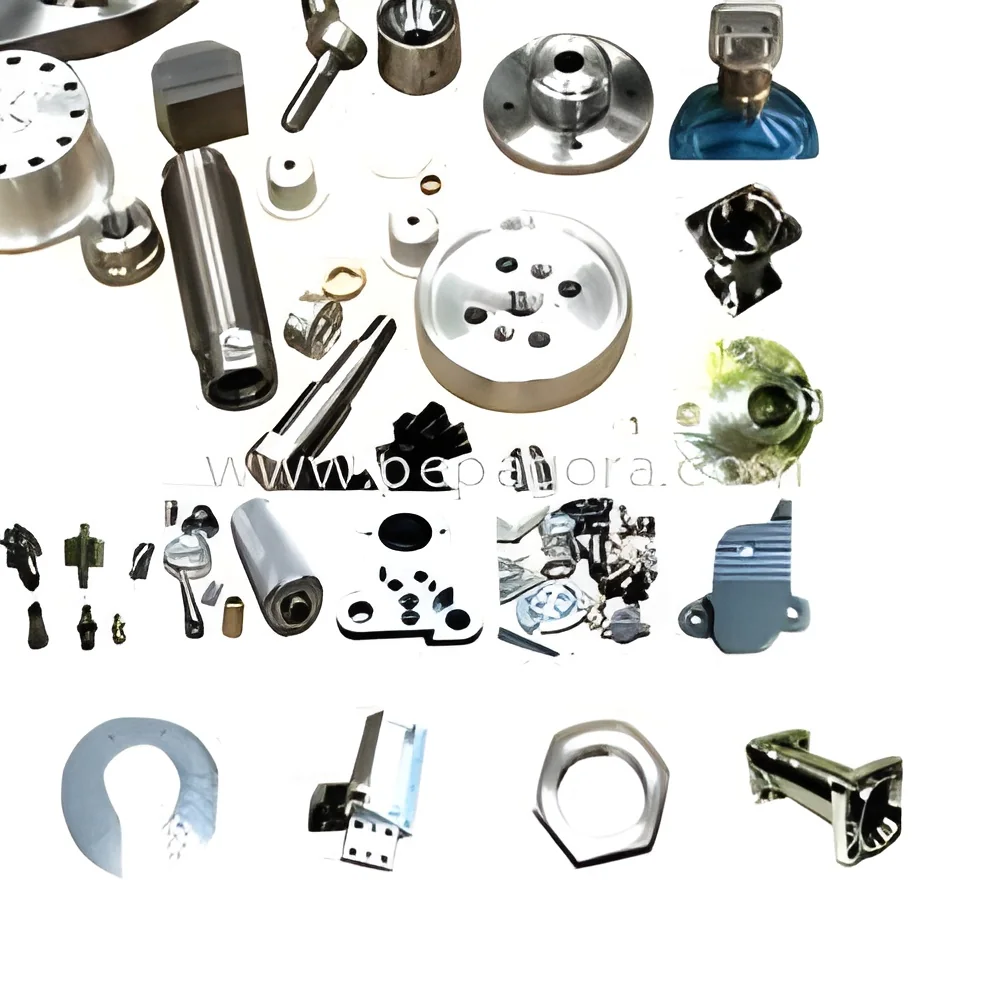
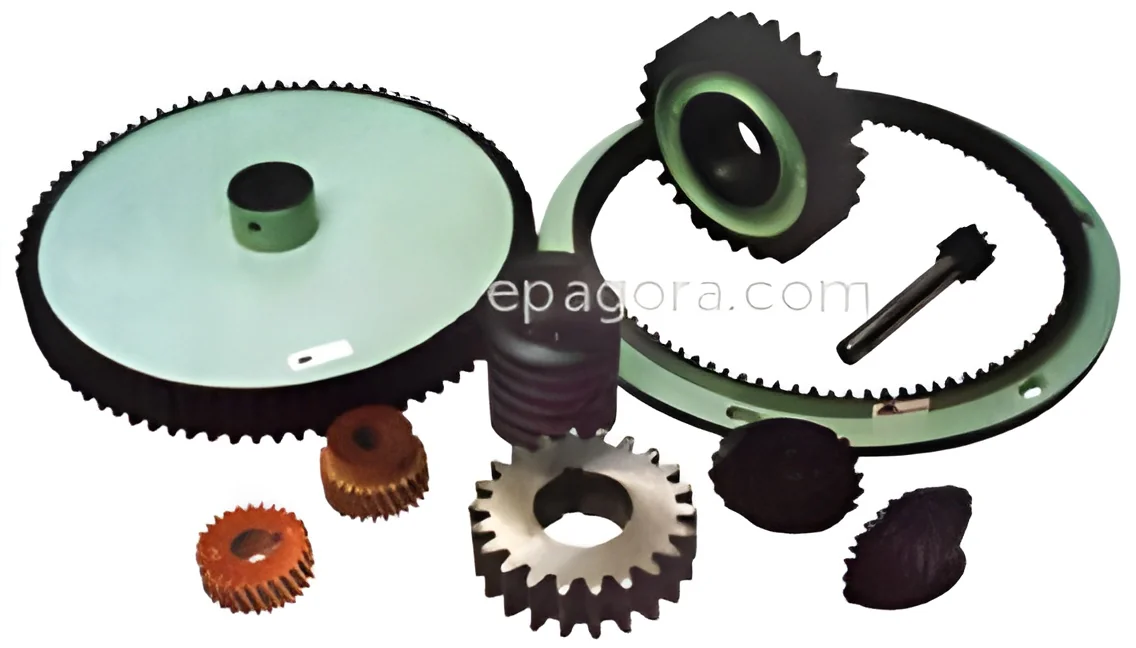
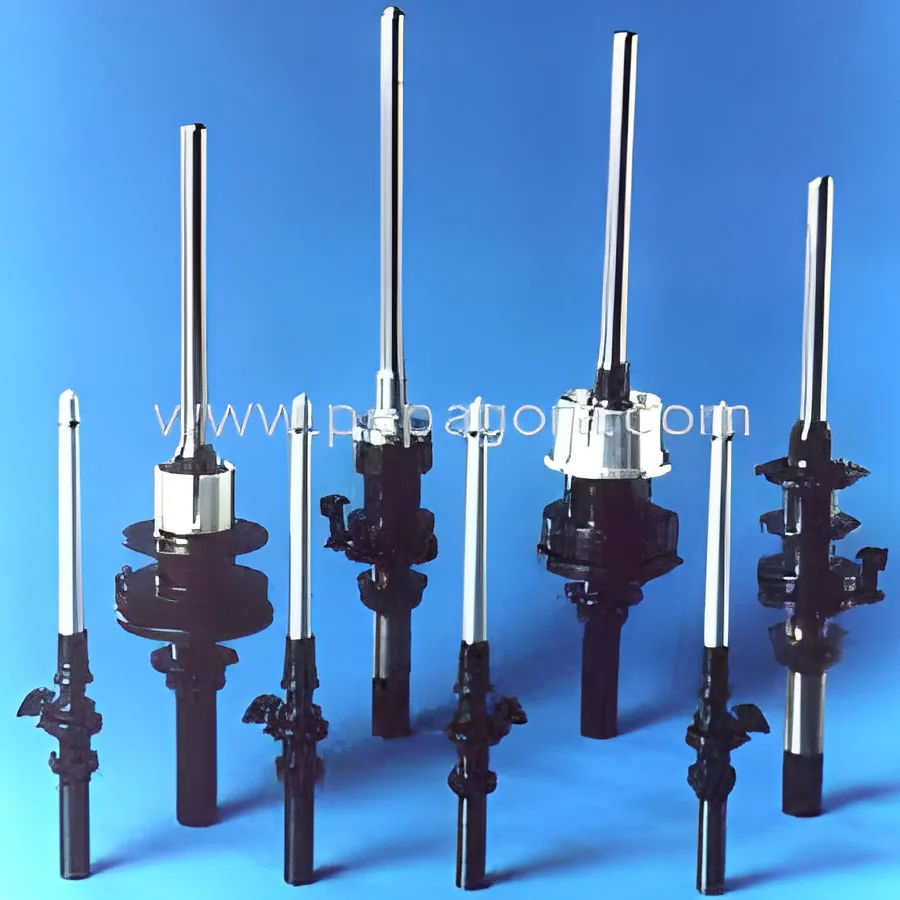
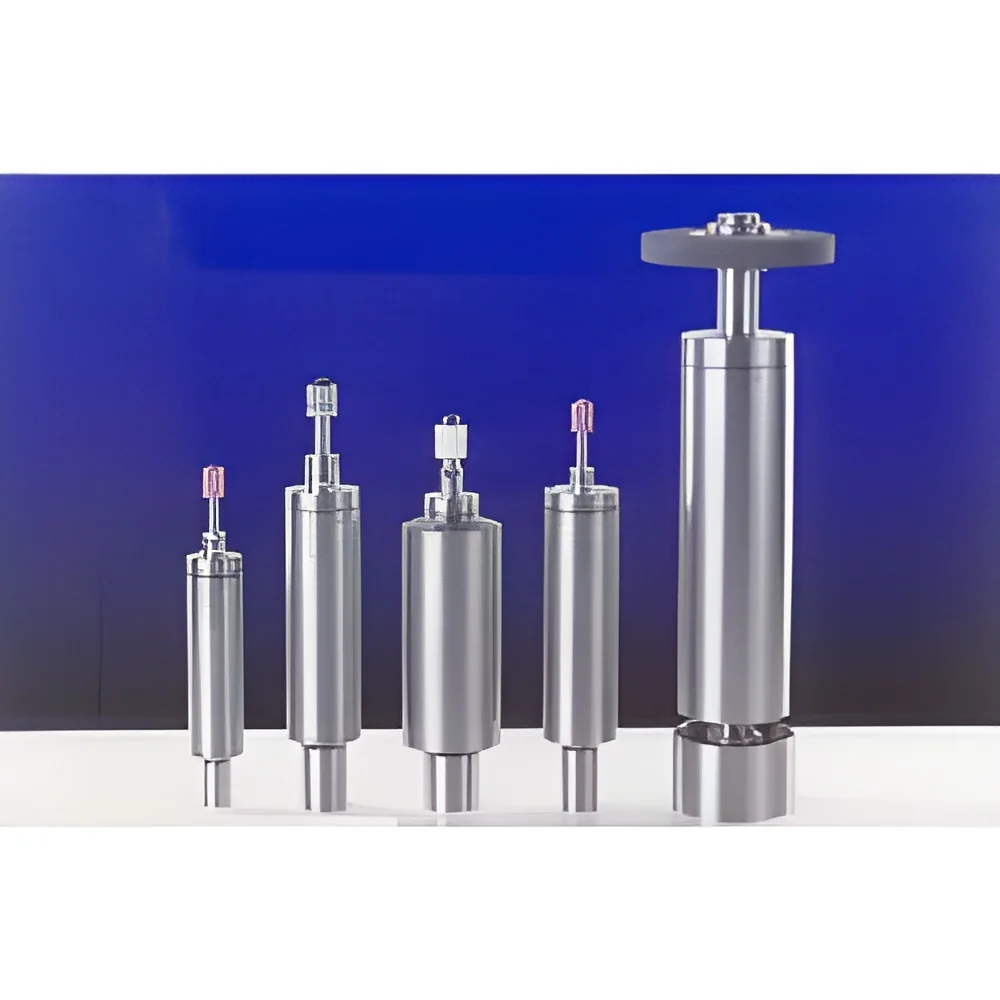
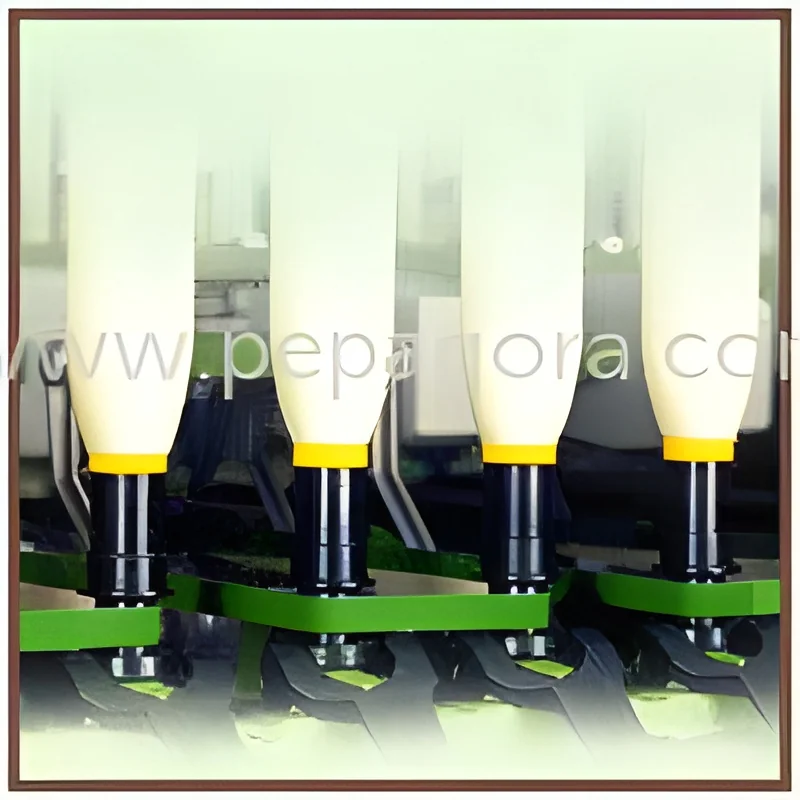
Spindle spinning systems are specialized machinery used in the textile industry to convert raw fiber into yarn. These systems utilize a series of spindles that rotate, drawing out and twisting the fiber to form continuous strands. The technology allows for high-speed production and efficient processing of various types of fibers, including cotton, wool, and synthetic materials.
These systems are primarily used in the manufacturing of textiles, where they play a crucial role in the production of yarns for fabrics. Businesses in the apparel, automotive, and home furnishing sectors heavily rely on spindle spinning systems to meet their production demands. As the textile industry continues to evolve, these systems are increasingly relevant due to their ability to enhance productivity and reduce waste.
The market for spindle spinning systems has been expanding, driven by the rising demand for high-quality textiles and sustainable production methods. Manufacturers are investing in advanced spinning technology to improve efficiency and meet the growing expectations of consumers regarding quality and sustainability.
Key Features and Specifications
Spindle spinning systems come equipped with several key features that enhance their performance and efficiency. Understanding these specifications is essential for businesses looking to invest in this technology.
Key specifications include:
1. Spindle Speed
- Typical ranges from 10,000 to 20,000 RPM
- Affects the overall production rate and yarn quality
2. Yarn Count Capability
- Supports a range from 10 to 100 counts
- Allows for the production of various yarn thicknesses
3. Fiber Type Compatibility
- Suitable for natural and synthetic fibers
- Versatile in application across different textile products
4. Energy Efficiency
- Designed to minimize power consumption
- Can lead to significant cost savings over time
5. Automation Features
- Incorporates automated tension control
- Enhances consistency in yarn production
6. Control Systems
- Equipped with advanced monitoring and control software
- Facilitates precise adjustments during operation
7. Maintenance Requirements
- Low maintenance design for reduced downtime
- Regular checks recommended to ensure optimal performance
8. Safety Features
- Includes emergency stop mechanisms
- Complies with industry safety standards
In summary, spindle spinning systems are characterized by high spindle speeds, versatility in fiber types, and energy-efficient designs, making them a valuable asset in textile manufacturing.
Common Applications and Use Cases
Spindle spinning systems are utilized across various industries, each with specific applications that leverage the capabilities of this technology.
1. Textile Manufacturing: These systems are fundamental in producing yarns for fabrics, catering to both fashion and industrial textile needs.
2. Automotive Industry: Spindle spinning systems produce specialized yarns used in car interiors, enhancing durability and aesthetics.
3. Home Furnishings: They are employed in the production of upholstery and home textiles, ensuring high quality and diverse fabric options.
4. Technical Textiles: The systems are also used to manufacture yarns for applications such as geotextiles and medical textiles, which require specific performance characteristics.
5. Apparel Production: Spindle spinning systems are essential for creating yarns used in clothing, enabling manufacturers to meet fashion trends efficiently.
6. Non-Woven Fabrics: These systems contribute to the production of non-woven materials used in various applications, including hygiene products and filtration.
7. Specialty Yarns: They support the creation of high-performance yarns for niche markets, such as those requiring flame-retardant or water-repellent properties.
Product Variants and Subcategories
Spindle spinning systems come in diverse configurations, catering to the varying needs of different industries.
High-Performance Spindle Systems
These systems are designed for high output and efficiency. They feature advanced automation and control technologies, making them ideal for large-scale textile manufacturers who require consistent quality and speed.
Compact Spinning Systems
Compact spindle systems are designed for smaller production runs. They offer flexibility and are suitable for manufacturers who need to produce a variety of yarn types without significant investment in large machinery.
Benefits and Advantages
Investing in spindle spinning systems provides numerous advantages for businesses in the textile sector.
Key benefits include:
1. Increased Production Efficiency: These systems enable faster yarn production, helping businesses meet market demands promptly.
2. Improved Yarn Quality: Advanced technology ensures consistent yarn thickness and strength, leading to higher-quality end products.
3. Cost-Effective Operation: Energy-efficient designs reduce operational costs, allowing businesses to improve their profit margins.
4. Versatility: Spindle spinning systems can handle various fiber types, making them suitable for diverse applications.
5. Reduced Waste: Precision in the spinning process minimizes material waste, contributing to more sustainable manufacturing practices.
6. Enhanced Automation: Automation features streamline operations, reducing the need for manual intervention and lowering labor costs.
Buying Guide for B2B Buyers
When sourcing spindle spinning systems, B2B buyers should consider several critical factors to ensure they make informed decisions.
1. Quality Assessment: It is vital to evaluate the quality of the systems based on performance metrics and industry standards. Look for systems that have undergone rigorous testing and meet relevant quality certifications.
2. Supplier Verification: Vetting suppliers is crucial. Ensure that suppliers have a track record of reliability and can provide references from other clients in the textile industry.
3. Pricing and MOQ: Understanding pricing structures and minimum order quantities is essential for budgeting. Compare prices but also consider the total cost of ownership, including maintenance and operational expenses.
4. Delivery and Lead Times: Inquire about delivery schedules and lead times. Timely delivery is critical to maintaining production schedules.
5. Compliance Requirements: Ensure the systems comply with regional regulations and quality standards, such as CE certification, to avoid legal issues and ensure safety.
Compliance and Certifications
Spindle spinning systems must adhere to several quality standards and certifications to ensure safety and performance in the textile industry.
ISO 9001 is a widely recognized standard that focuses on quality management systems. Compliance with ISO 9001 indicates that a manufacturer maintains high-quality processes and meets customer expectations consistently.
The CE certification is essential for products sold in the European market. It demonstrates that the equipment meets health, safety, and environmental protection standards.
Additionally, safety and testing requirements are critical in the design and operation of spindle spinning systems. Systems must undergo rigorous testing to ensure they operate safely and efficiently.
Regional compliance considerations are also important. For instance, manufacturers must be aware of specific regulations that apply in different countries or regions where the equipment will be used.
Why Source Spindle Spinning Systems from Pepagora?
Pepagora provides a trusted platform for sourcing spindle spinning systems with several key advantages that benefit B2B buyers.
Verified Supplier Network: Pepagora has established a robust network of verified suppliers who have been vetted for quality and reliability. This ensures that buyers can source systems from reputable manufacturers.
Streamlined RFQ Process: The platform offers a simple and efficient request for quotation (RFQ) process, allowing buyers to compare different offerings and negotiate terms easily.
Trade Assurance and Support: Pepagora offers trade assurance, providing buyers with protection during transactions. This includes support in case of disputes or issues with suppliers.
Regional Coverage: With a strong presence in India, the GCC, and Southeast Asia, Pepagora connects buyers with suppliers across these regions, facilitating access to a wide array of spindle spinning systems tailored to meet diverse industrial needs.

 IN
IN