What are Open-End Spinning Machines?
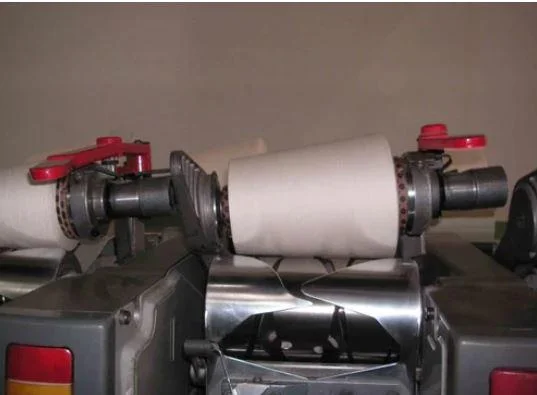
Open-End Spinning Machines are specialized textile manufacturing equipment used to produce yarn from fibers without the need for a traditional spindle. Unlike conventional spinning methods, these machines employ a rotor mechanism to twist and draw fibers into yarn, enabling higher production rates and reduced labor costs. The open-end spinning process allows for the creation of various yarn types, including cotton, polyester, and blends, making it versatile for different textile applications.
These machines are primarily used in the textile industry for producing a wide range of yarns for woven and knitted fabrics. They are particularly advantageous in settings where bulk production is necessary, as they can operate continuously with minimal downtime. Open-End Spinning Machines are relevant in today’s market, especially with the increasing demand for faster production cycles and cost-effective manufacturing solutions in the textile sector.
Key Features and Specifications
Open-End Spinning Machines come with various features that enhance their performance and efficiency. These machines are designed to meet the demands of modern textile production while ensuring high-quality output.
Key specifications include:
1. Yarn Count Range
- The machines can produce yarn counts typically ranging from coarse to fine.
- Common counts include Ne 6 to Ne 40, depending on the fiber type.
2. Production Speed
- These machines offer high production speeds, with output rates often exceeding 20-30 kg of yarn per hour.
- Speed can vary based on the material and settings used.
3. Fiber Input Types
- Open-End Spinning Machines can process a variety of fiber inputs, including cotton, polyester, and blended fibers.
- This versatility allows for adaptability in production.
4. Energy Efficiency
- Many models are designed to optimize energy consumption, reducing operational costs.
- Energy-saving features may include efficient drive systems.
5. Control Systems
- Advanced models come equipped with digital control systems for precise monitoring and adjustments.
- Features may include real-time data tracking and automated adjustments.
6. Maintenance Requirements
- Machines are built for easy maintenance with accessible components for routine checks.
- Regular maintenance helps in sustaining performance and longevity.
7. Safety Features
- Safety mechanisms are integrated to protect operators and ensure safe operation.
- Common features include emergency stop buttons and protective guards.
8. Compact Design
- Many machines are designed to occupy minimal floor space while maximizing output.
- Compact designs facilitate easier integration into existing production lines.
In summary, Open-End Spinning Machines are equipped with advanced specifications that cater to the evolving demands of the textile industry, ensuring high efficiency and quality in yarn production.
Common Applications and Use Cases
Open-End Spinning Machines find applications across various industries, contributing to multiple sectors of textile production.
1. Apparel Manufacturing: These machines are widely used to produce yarn for clothing, allowing manufacturers to create fabrics that are both durable and comfortable.
2. Home Textiles: Open-End Spinning Machines are utilized in the production of yarns used for bed linens, curtains, and upholstery fabrics, enhancing the quality and texture of home textiles.
3. Industrial Textiles: The machines are essential in producing yarn for industrial applications such as automotive interiors, geotextiles, and other specialized fabric requirements.
4. Non-Woven Fabrics: They help in creating yarns that are used in non-woven textile applications, which are common in hygiene products and medical supplies.
5. Upholstery Fabrics: The versatility of yarn produced by these machines allows for a wide range of upholstery fabrics, suitable for furniture and decorative purposes.
6. Technical Textiles: Open-End Spinning Machines play a role in producing yarns for technical textiles, which are used in various engineering and construction applications.
7. Carpet Manufacturing: These machines are used to produce the yarn required for carpets, ensuring a variety of textures and colors for aesthetic and functional uses.
Product Variants and Subcategories
Open-End Spinning Machines come in various models and configurations to meet the diverse needs of manufacturers.
Standard Model
The standard model of Open-End Spinning Machines is designed for high-volume production and is suitable for a range of fiber types. Its robust construction ensures reliability in continuous operations.
High-Performance Model
This variant offers enhanced speed and efficiency, making it ideal for manufacturers looking to optimize production. It typically features advanced automation and control systems for precise operation.
Energy-Efficient Model
Focusing on sustainability, this model is designed to consume less energy without compromising on output. It is perfect for companies aiming to reduce their operational costs and environmental footprint.
Compact Model
The compact model is designed for facilities with limited space. It offers flexibility in production while maintaining high output levels, suitable for small to medium-sized enterprises.
Benefits and Advantages
Open-End Spinning Machines provide numerous benefits that enhance production efficiency and product quality.
1. Higher Production Rates: These machines enable manufacturers to achieve faster yarn production compared to traditional spinning methods, thus increasing overall productivity.
2. Cost-Effectiveness: Open-End Spinning Machines reduce labor costs and operational expenses, making them a financially viable option for manufacturers.
3. Versatility: The ability to process various fiber types allows textile producers to adapt to market demands and diversify their product offerings.
4. Improved Yarn Quality: The spinning process minimizes flaws in the yarn, resulting in a higher quality end product suitable for various applications.
5. Reduced Waste: The open-end process generates less waste material, contributing to more sustainable manufacturing practices.
6. Easy Maintenance: With user-friendly designs, these machines facilitate straightforward maintenance, ensuring minimal downtime and prolonged machine life.
Buying Guide for B2B Buyers
When sourcing Open-End Spinning Machines, it is essential to consider various factors to ensure a successful purchase.
1. Quality Assessment: Evaluate the quality of the machines by reviewing manufacturer certifications and customer feedback. Ensure the machines meet industry standards.
2. Supplier Verification: Vet suppliers thoroughly by checking their reputation in the market, previous customer reviews, and their compliance with industry regulations.
3. Pricing and MOQ: Compare pricing among different suppliers while being aware of minimum order quantities. Look for options that offer the best value for your investment.
4. Delivery and Lead Times: Discuss delivery schedules and lead times with suppliers to ensure timely acquisition of machinery for your production needs.
5. Compliance Requirements: Understand any regional compliance requirements that may affect the operation of the machines in your location. Ensure that your selected machinery adheres to these regulations.
Compliance and Certifications
Compliance is crucial in the textile manufacturing industry, particularly for Open-End Spinning Machines. Manufacturers are encouraged to comply with relevant quality standards such as ISO 9001, which ensures consistent quality management systems. Compliance with HACCP and GDP standards can also be important for companies that prioritize safety and quality in their production processes.
Additionally, these machines should carry industry certifications, such as CE, which indicates that they meet European safety, health, and environmental protection standards. Regular testing for safety and operational performance is essential to ensure that machines operate efficiently and safely.
Regional compliance considerations are also significant. Different regions may have specific regulations governing textile machinery, and manufacturers must ensure their machines meet these local compliance standards to avoid potential legal issues.
Why Source Open-End Spinning Machines from Pepagora?
Pepagora provides a trusted platform for sourcing Open-End Spinning Machines, offering several key advantages for buyers.
Verified Supplier Network: Pepagora maintains a robust network of verified suppliers, ensuring that buyers have access to high-quality machines from reputable manufacturers. This verification process helps mitigate risks associated with sourcing.
Streamlined RFQ Process: The platform features a streamlined request for quotation (RFQ) system, making it easier for buyers to obtain competitive quotes from multiple suppliers. This process saves time and helps buyers make informed decisions.
Trade Assurance and Support: Pepagora offers trade assurance and support to protect buyers throughout the purchasing process. This assurance provides peace of mind, knowing that buyer interests are safeguarded.
Regional Coverage: With a strong presence in India, the GCC, and Southeast Asia, Pepagora is well-positioned to serve a diverse range of markets. This regional coverage allows for localized support and faster delivery options, ensuring buyers receive their machinery promptly.

 IN
IN