What are Used Textile Machinery?
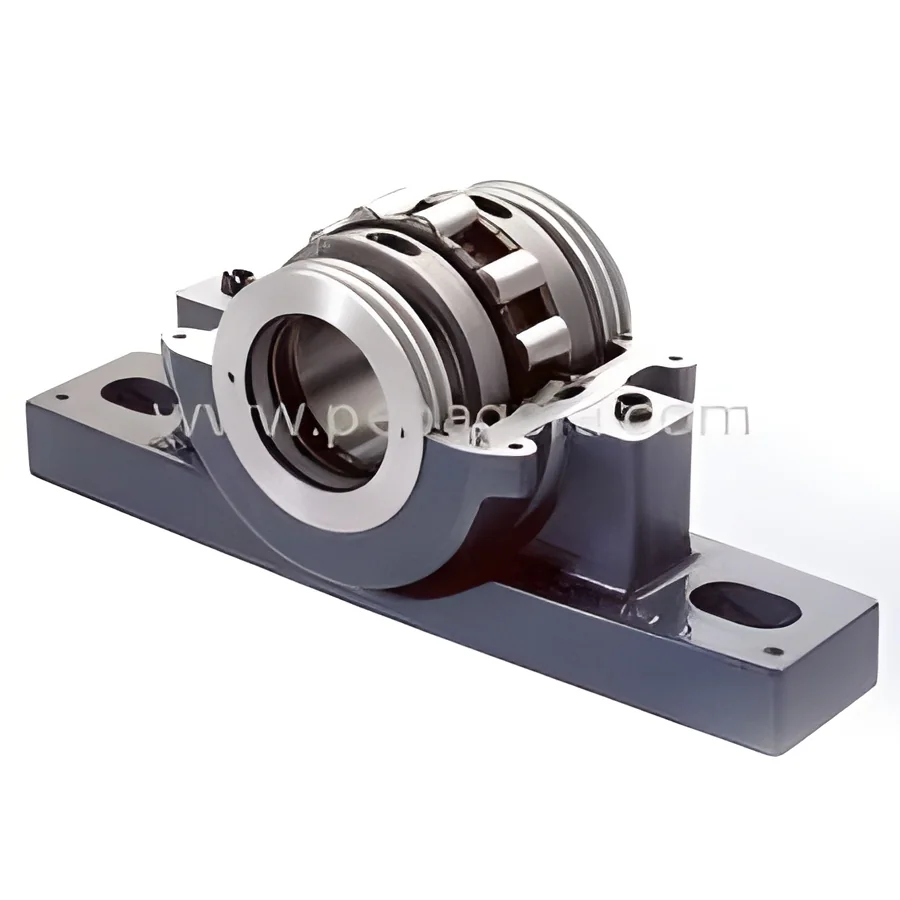
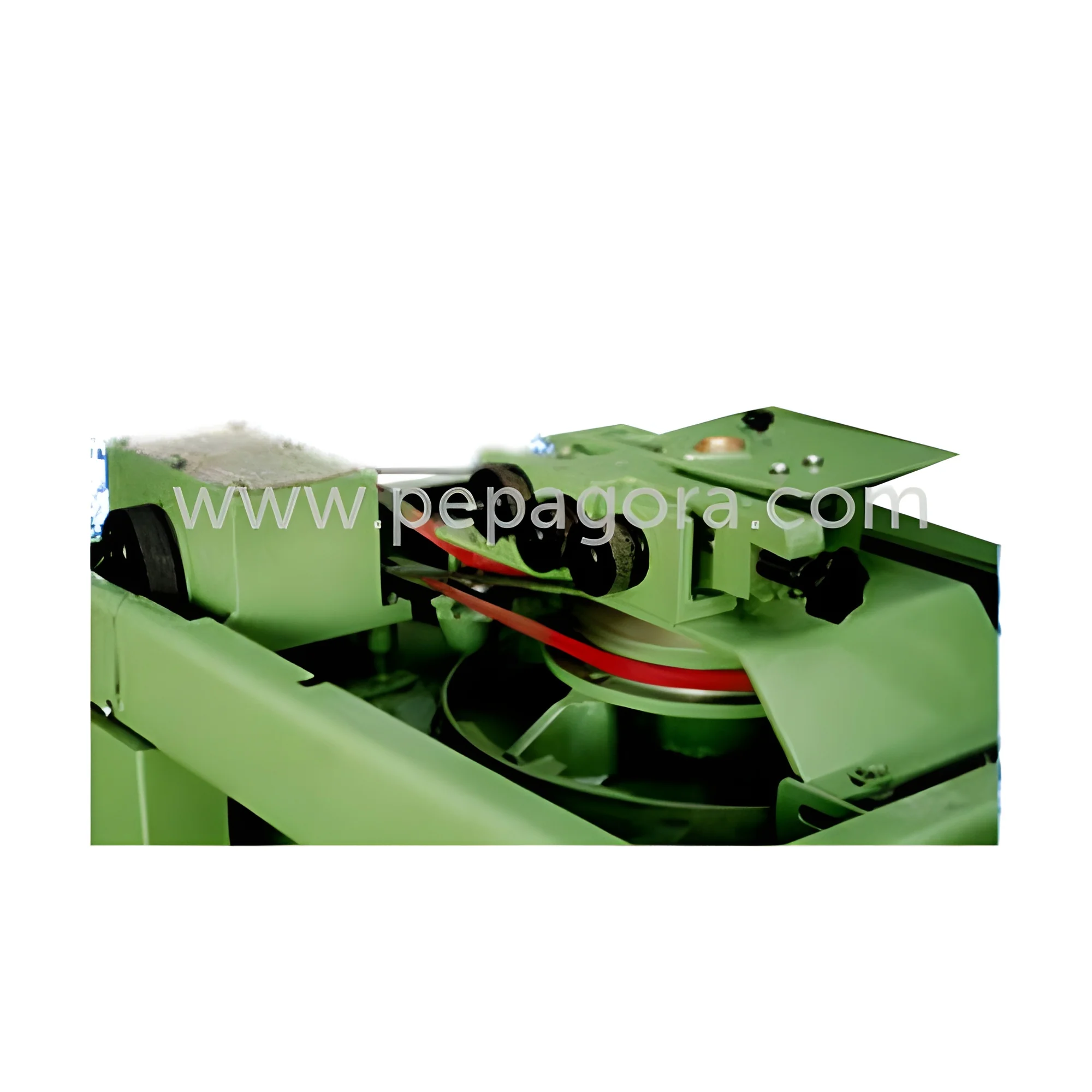
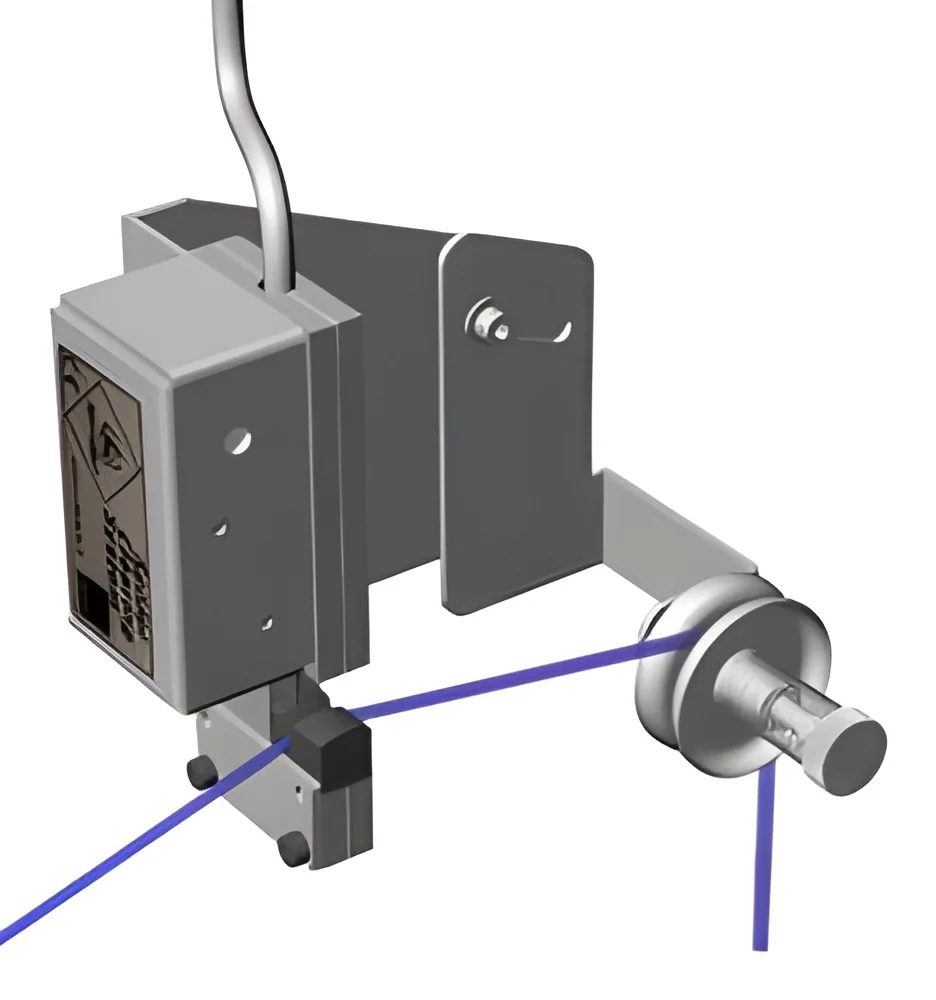
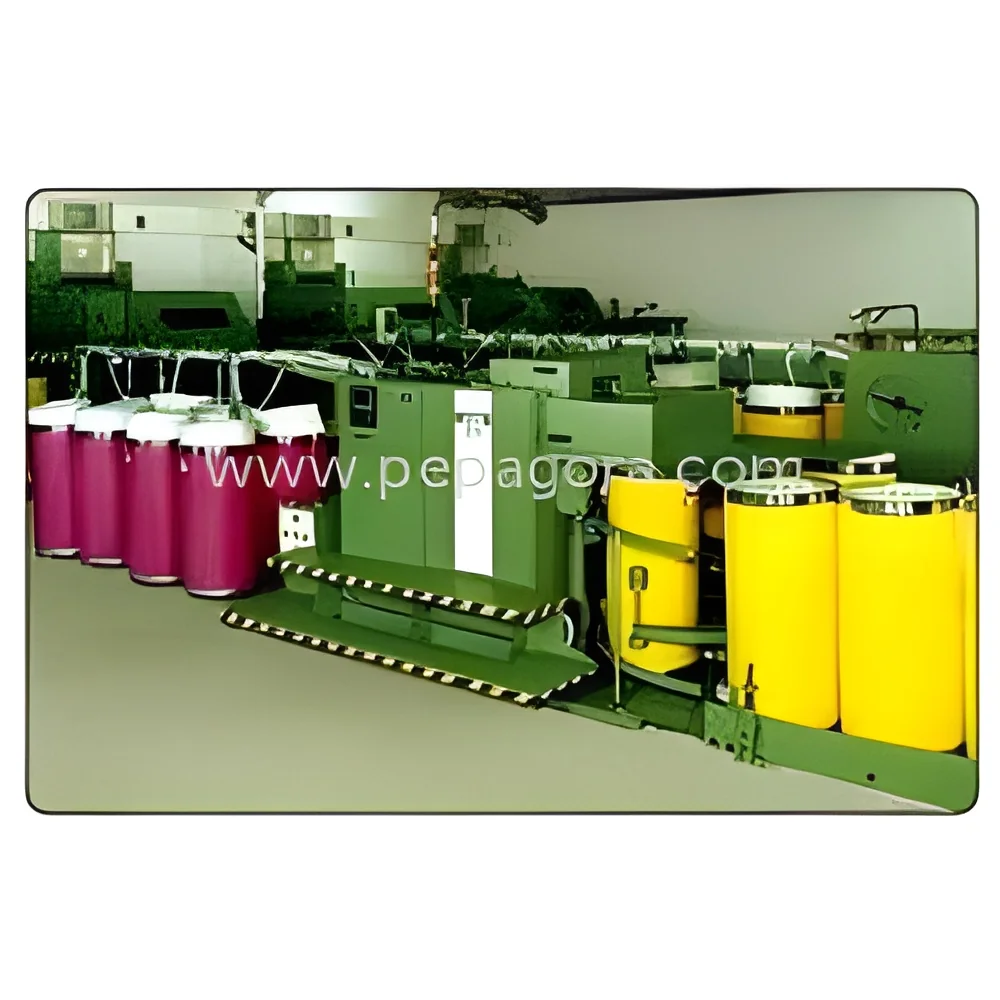
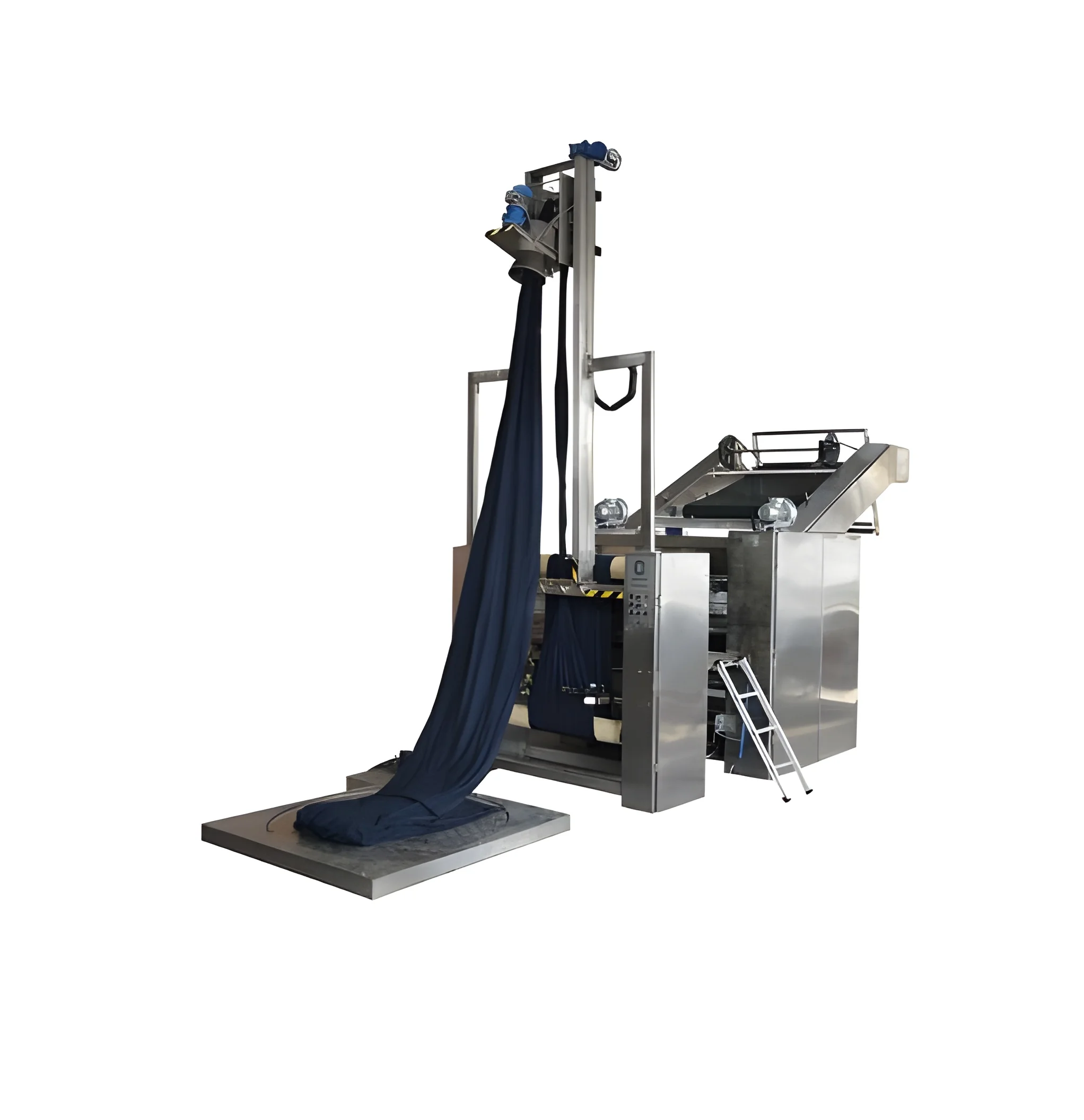
Used textile machinery refers to previously owned and operated equipment utilized in the textile manufacturing process. This category encompasses a wide array of machines that are essential for various stages of textile production, including spinning, weaving, knitting, dyeing, and finishing. These machines can vary significantly in age, condition, and technological capabilities, making them a flexible solution for businesses looking to enhance their production capabilities without incurring the costs of new equipment.
The primary use of used textile machinery is to enable manufacturers to produce textiles efficiently and cost-effectively. Businesses often opt for these machines to expand their production lines, replace outdated equipment, or enter new markets. By acquiring used machinery, companies can access high-quality equipment at a fraction of the price of new counterparts. This approach is particularly relevant in the textile industry, where margins can be tight and operational efficiency is crucial for maintaining competitiveness.
In the current market, the demand for used textile machinery remains strong due to the ongoing need for textile production across various sectors. The industry is characterized by rapid technological advancements, leading to a high turnover of machinery as companies seek to upgrade. Consequently, a robust market for used equipment has emerged, allowing manufacturers to benefit from high-quality machinery while being environmentally conscious by reusing existing resources.
Key Features and Specifications
Used textile machinery comes with a variety of features that can be tailored to suit different production needs. When evaluating such machinery, it is essential to consider the specifications that define their performance and suitability for specific applications.
Key specifications include:
1. Machine Type
- This refers to the specific kind of textile machinery, such as looms, knitting machines, or dyeing machines.
- Technical parameters may include the machine's production speed, capacity, and compatibility with various fabrics.
2. Year of Manufacture
- The age of the machine can significantly impact its technology and efficiency.
- Buyers should consider machines that are relatively recent to ensure better performance and lower maintenance costs.
3. Condition
- Machines may be classified as refurbished, fully operational, or requiring repairs.
- Detailed condition reports should be requested to understand the level of investment needed post-purchase.
4. Manufacturer and Model
- Reputable brands are often preferred due to their reliability and the availability of spare parts.
- Specific models may offer unique features or efficiencies desirable for particular applications.
5. Energy Efficiency
- Energy consumption is a critical factor in the operational costs of textile machinery.
- Machines that have high energy efficiency ratings can lead to significant cost savings.
6. Size and Footprint
- The physical dimensions of the machinery are crucial for space planning in manufacturing facilities.
- Buyers should assess their available floor space and ensure the machinery will fit within their operational layout.
7. Automation Level
- The degree of automation in a machine can affect production efficiency.
- Higher automation typically results in lower labor costs and increased productivity.
8. After-sales Support
- Availability of support services and parts post-purchase is vital for machine longevity.
- Buyers should inquire about warranties and the supplier's ability to provide ongoing support.
Used textile machinery often represents a cost-effective solution for manufacturers, provided that buyers thoroughly evaluate these specifications to align machinery capabilities with operational needs.
Common Applications and Use Cases
Used textile machinery serves various industries with diverse applications.
1. Apparel Manufacturing: This industry relies heavily on used machinery for processes such as cutting, sewing, and finishing garments. By using refurbished equipment, manufacturers can maintain high production levels while keeping costs down.
2. Home Textiles: Companies producing curtains, upholstery, and bed linens often seek used machinery to meet their production demands. The flexibility and variety of available equipment allow them to adapt to changing market trends.
3. Technical Textiles: Industries such as automotive and aerospace utilize specialized textile machinery for creating composite materials. Used machines can be an economical choice for companies entering these high-tech sectors.
4. Carpet and Flooring: The manufacturing of carpets and rugs frequently employs used tufting and weaving machines. These machines provide the necessary versatility to produce various styles and types of flooring.
5. Medical Textiles: The growing demand for medical fabrics, such as those used in surgical applications, has led to the use of specialized machinery. Used textile machines can be adapted to meet the stringent requirements of this industry.
6. Non-Woven Fabrics: The production of non-woven textiles used in hygiene products and filtration applications often utilizes used machinery. The ability to acquire high-quality machines at reduced prices is an attractive option for new market entrants.
7. Fashion Accessories: Manufacturers of bags, belts, and other fashion items often benefit from acquiring used machinery. This allows for creative production techniques without the need for substantial capital investment.
Product Variants and Subcategories
Used textile machinery encompasses a diverse range of equipment types, each suited to specific applications in the textile production process.
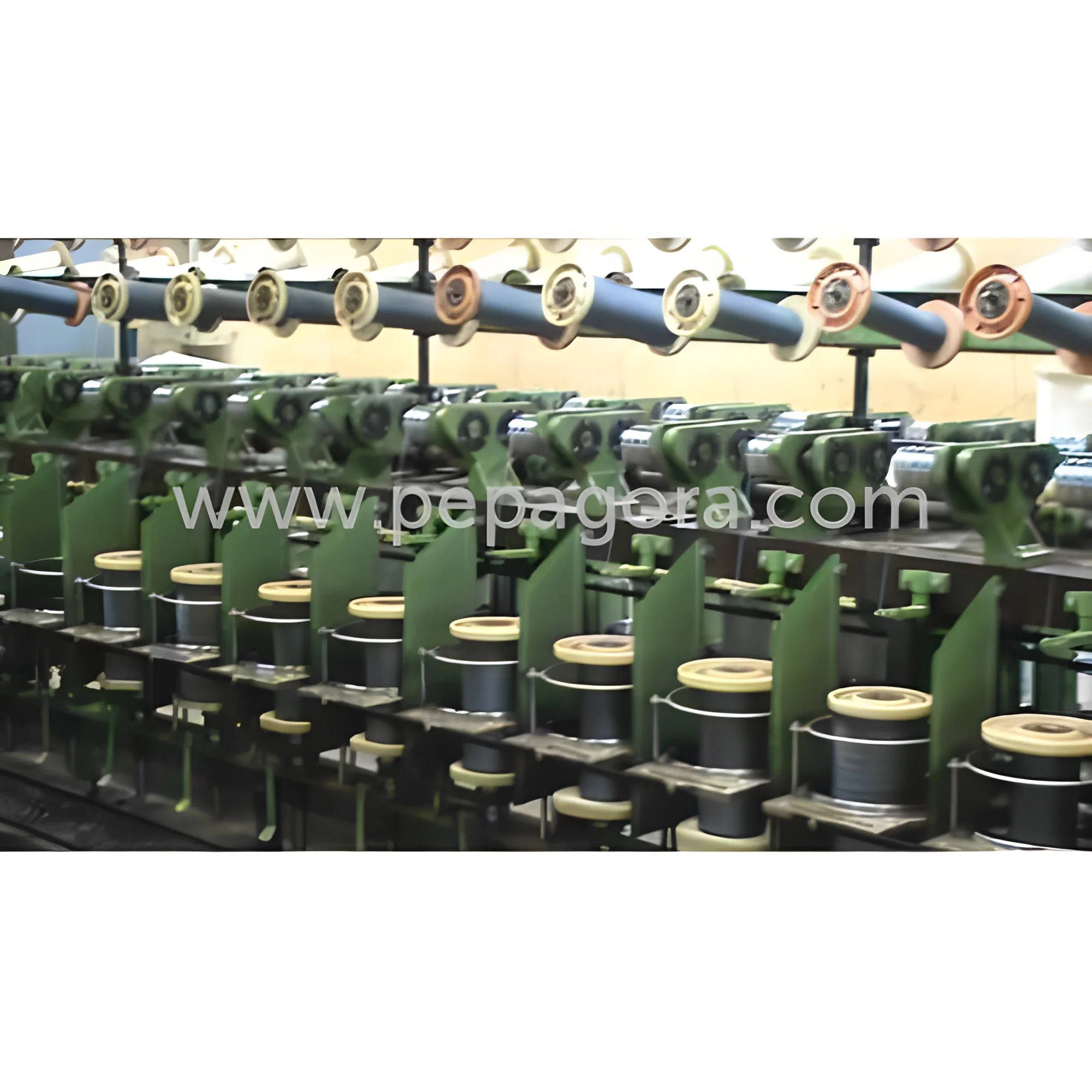
Spinning Machines: These machines are designed to convert fiber into yarn. They come in various configurations, including ring spinning and open-end spinning, making them suitable for different types of fibers.
Weaving Machines: Used looms are essential for producing woven fabrics. They can range from traditional shuttle looms to modern air-jet and rapier looms, each offering different production capabilities.
Knitting Machines: These machines are utilized for creating knitted fabrics and can be configured for circular or flat knitting. Their versatility allows for a wide range of textile products, from apparel to technical textiles.
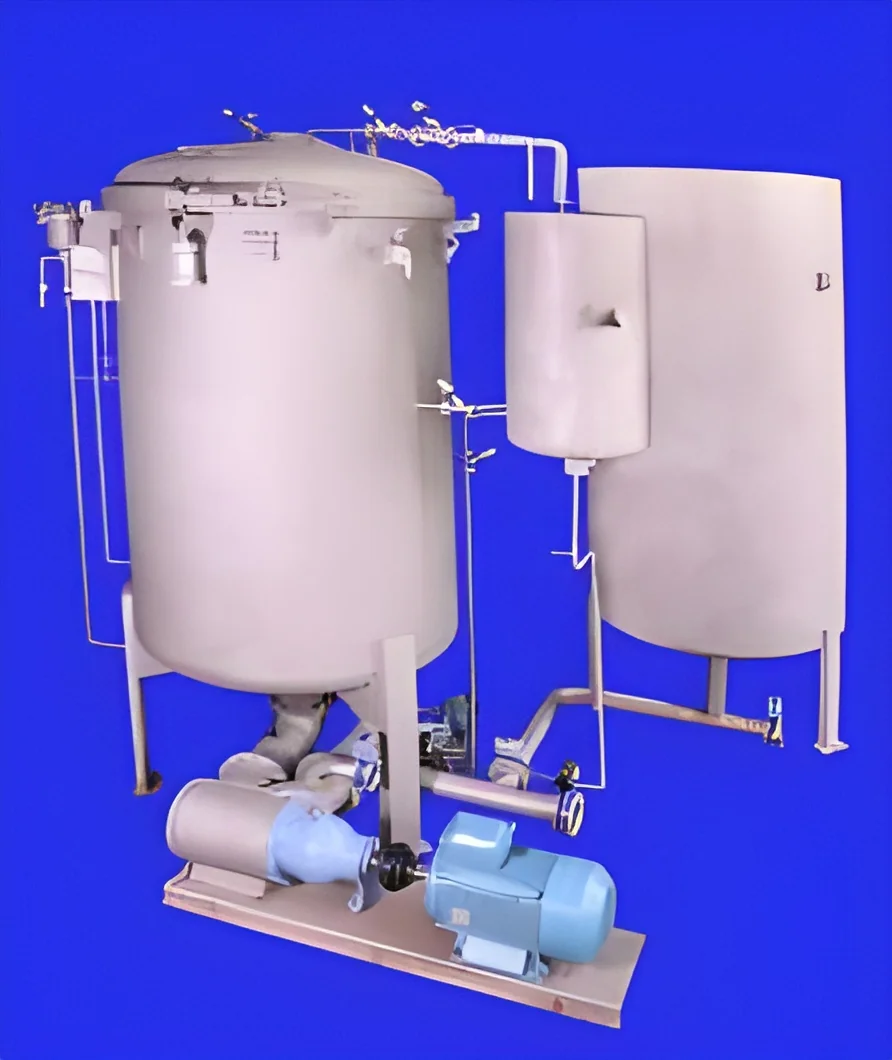
Dyeing Machines: Used dyeing equipment is critical for adding color to textiles. They vary in size and technology, from batch dyeing to continuous dyeing processes.
Finishing Machines: These machines apply final treatments to fabrics, improving their look and feel. Options include calenders, sanforizers, and heat-setting machines.
Benefits and Advantages
Acquiring used textile machinery offers several compelling benefits for businesses.
1. Cost Savings: One of the most significant advantages is the reduced cost compared to new machinery, allowing businesses to allocate resources effectively.
2. Immediate Availability: Used machinery is often available for immediate purchase, enabling manufacturers to ramp up production quickly without the long lead times associated with new equipment.
3. Quality and Reliability: Many used machines are still in excellent working condition and can provide reliable performance for years, depending on maintenance history.
4. Environmental Impact: By choosing used machinery, companies contribute to sustainability efforts by reducing waste and promoting the reuse of existing resources.
5. Flexibility: Businesses can find used machinery that meets their specific needs without the commitment of investing in new technology that may become outdated quickly.
6. Diverse Options: The market for used textile machinery offers a wide range of choices, allowing manufacturers to find machines that fit their unique production requirements.
Buying Guide for B2B Buyers
When sourcing used textile machinery, it is essential to consider several factors to ensure a successful purchase.
1. Quality Assessment: Buyers should conduct thorough inspections and request detailed condition reports. Understanding the machine's maintenance history can help gauge its reliability.
2. Supplier Verification: Vetting suppliers is crucial to ensure they offer quality products. Buyers should look for established suppliers with positive customer reviews and transparent business practices.
3. Pricing and MOQ: It is important to compare prices among different suppliers and understand the minimum order quantities. This helps in budgeting and negotiating the best deals.
4. Delivery and Lead Times: Buyers should inquire about delivery options and lead times to ensure that the machinery can be integrated into their production schedules without delays.
5. Compliance Requirements: Understanding regulatory standards applicable to textile machinery is critical. Buyers should confirm that the machinery meets necessary compliance and safety requirements.
Compliance and Certifications
Used textile machinery should adhere to relevant quality standards and certifications to ensure safety and operational efficiency.
ISO 9001 is a widely recognized quality management standard that ensures suppliers implement effective quality management systems. Compliance with this standard indicates a commitment to consistent quality and customer satisfaction.
CE certification is essential for machinery sold in the European market, indicating compliance with health, safety, and environmental protection standards. It is vital for buyers to verify that used machinery carries this certification to ensure it meets necessary safety requirements.
Safety and testing requirements must be adhered to, particularly for machines operating in high-speed or high-pressure environments. Ensuring that all safety features are functional is crucial to maintaining a safe working environment.
Regional compliance considerations may vary based on local regulations. Buyers should familiarize themselves with the specific compliance requirements in their operating regions to avoid legal issues and ensure smooth operations.
Why Source Used Textile Machinery from Pepagora?
Pepagora provides a trusted platform for sourcing used textile machinery, offering numerous advantages that set it apart from other suppliers.
Verified Supplier Network: Pepagora has a robust network of verified suppliers, ensuring that buyers can trust the quality and reliability of the machinery they purchase. This network is built on a foundation of supplier transparency and accountability.
Streamlined RFQ Process: The platform's Request for Quotation (RFQ) process simplifies the purchasing journey. Buyers can easily submit inquiries for specific machinery, receiving timely responses and competitive quotes from multiple suppliers.
Trade Assurance and Support: Pepagora offers trade assurance to protect buyers against potential risks. This includes support for negotiations and assistance in resolving any issues that may arise during the purchasing process.
Regional Coverage: With strong geographic reach across India, the GCC, and Southeast Asia, Pepagora connects buyers with local suppliers, making it easier to access used textile machinery that meets specific regional needs. This regional presence further enhances customer service and support.
By choosing Pepagora, businesses can confidently navigate the used textile machinery market, ensuring they make informed decisions that align with their operational goals.

 IN
IN