
 IN
Color Fastness Testing Equipment
9 products available
What are Color Fastness Testing Equipment?
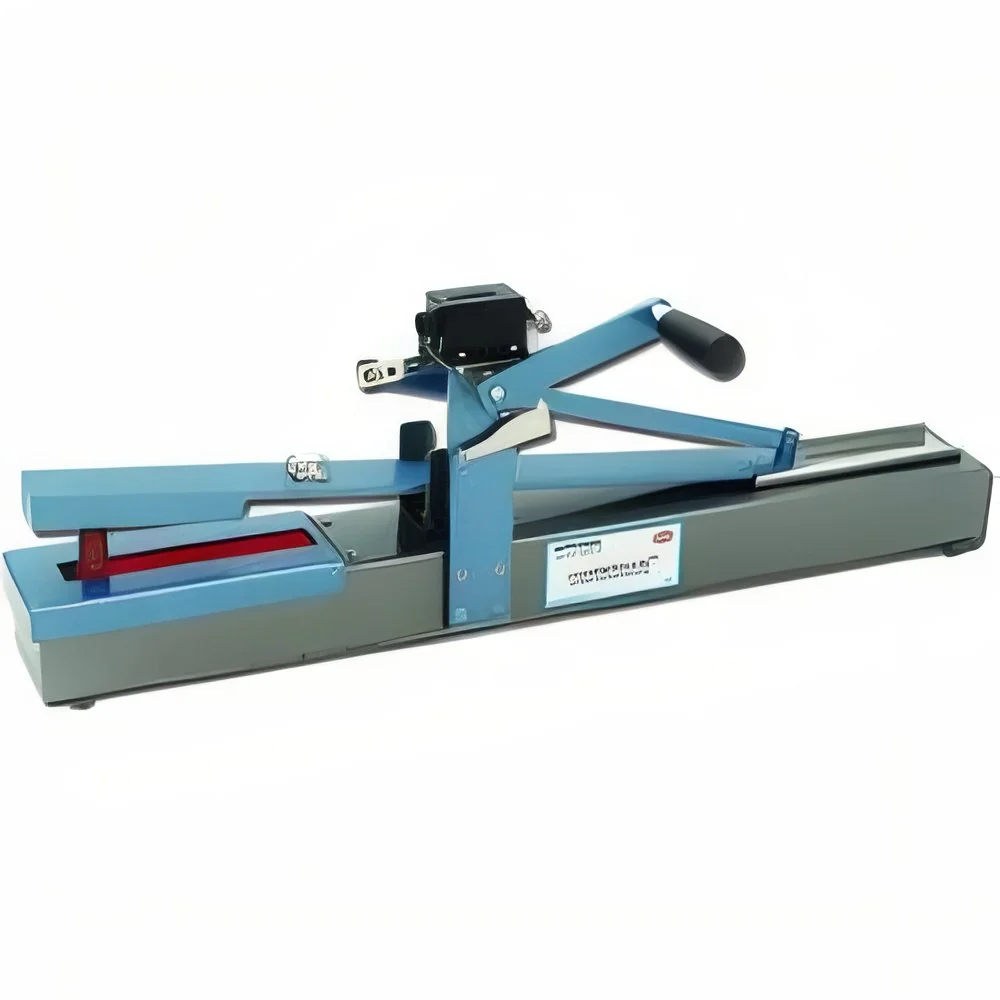
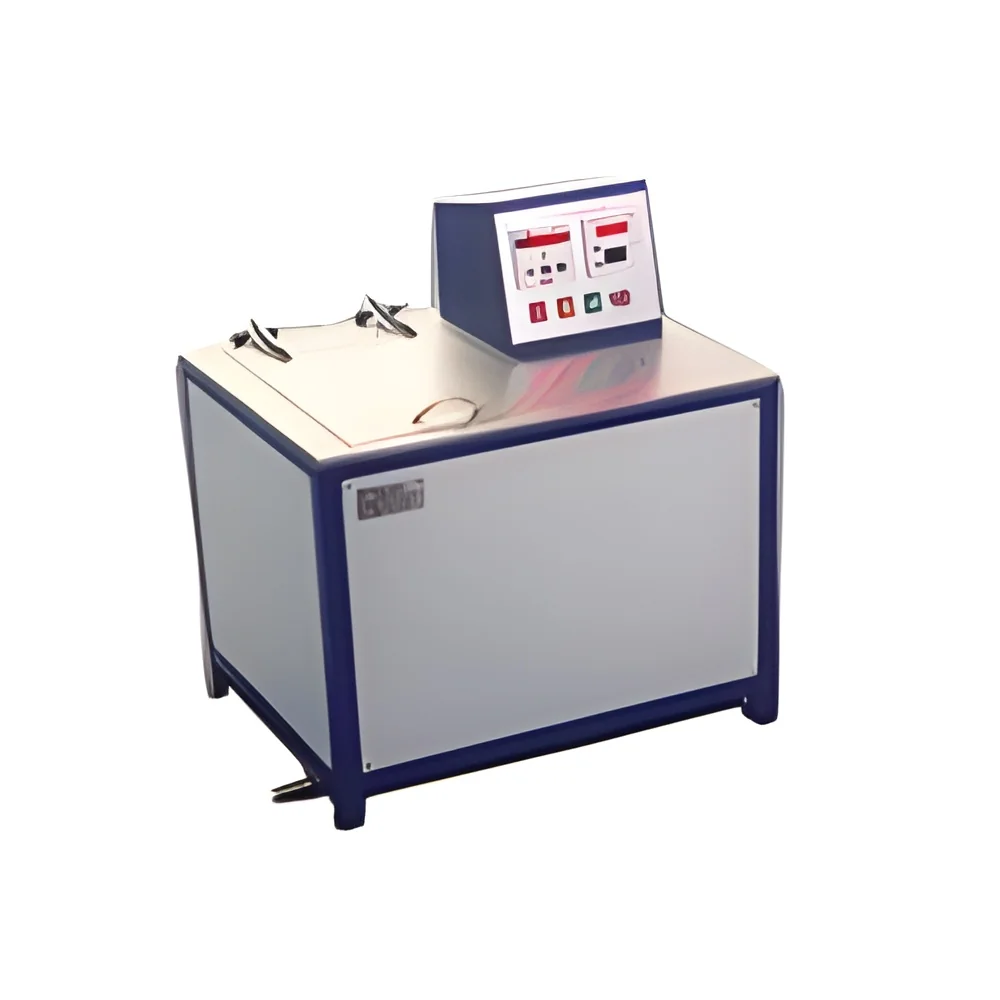
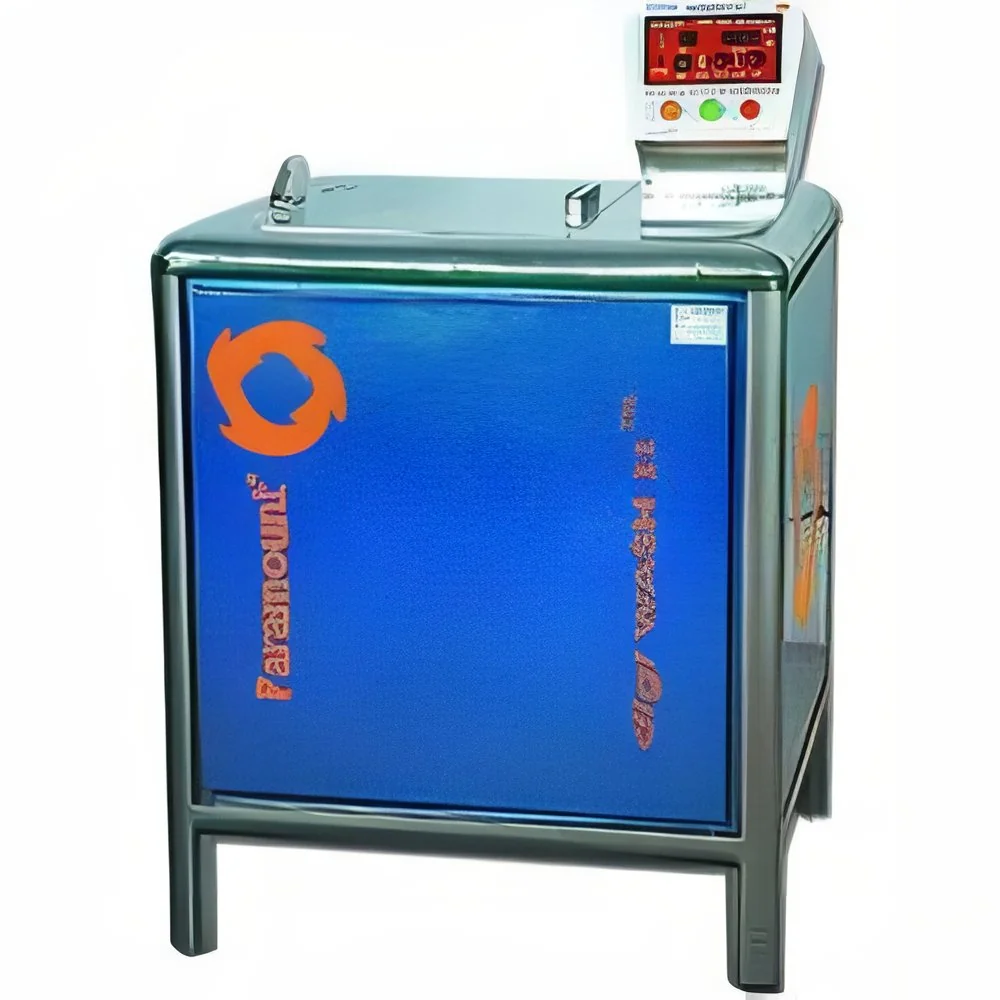
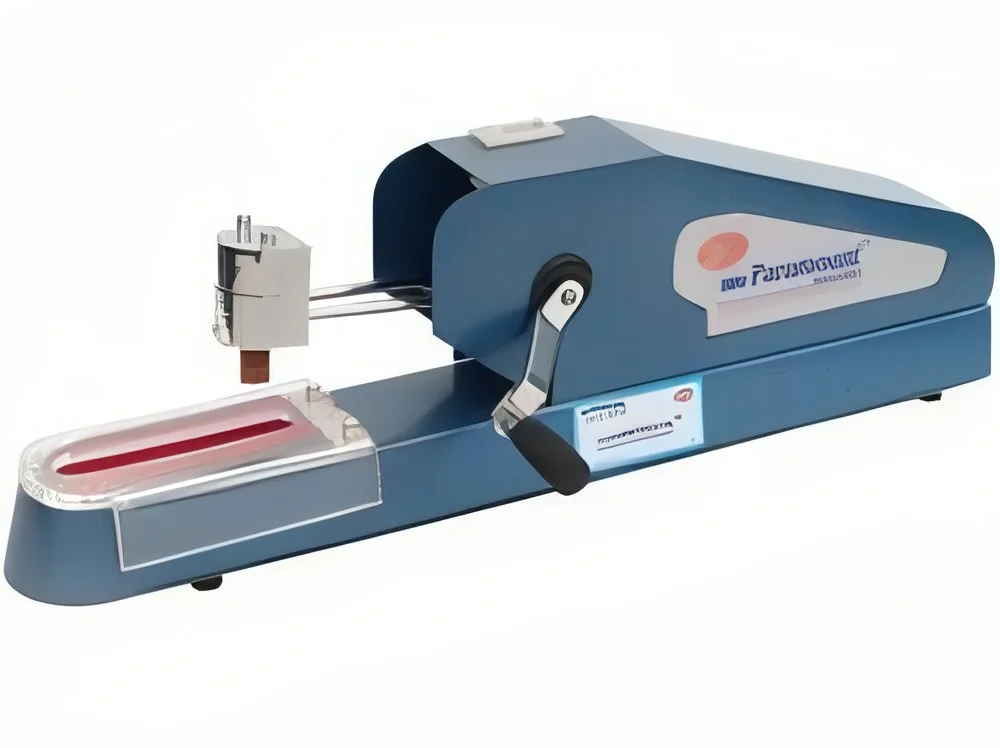
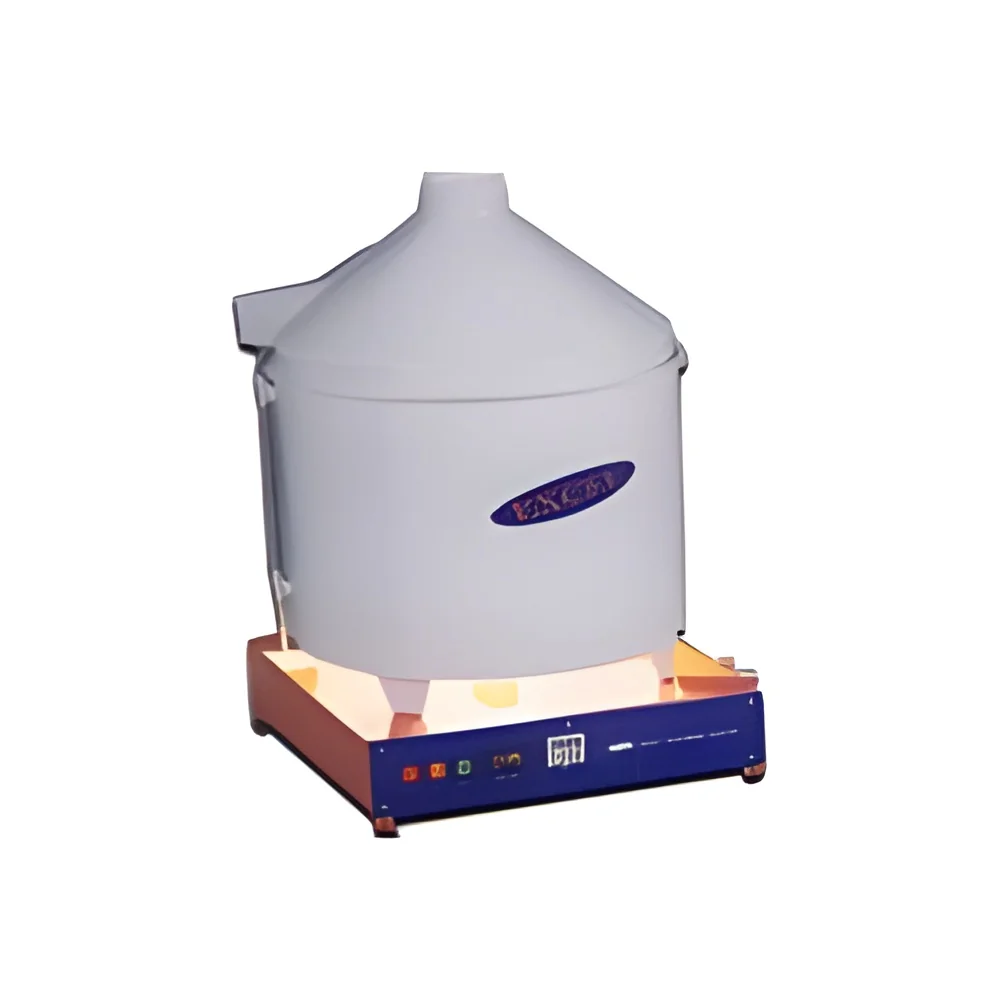
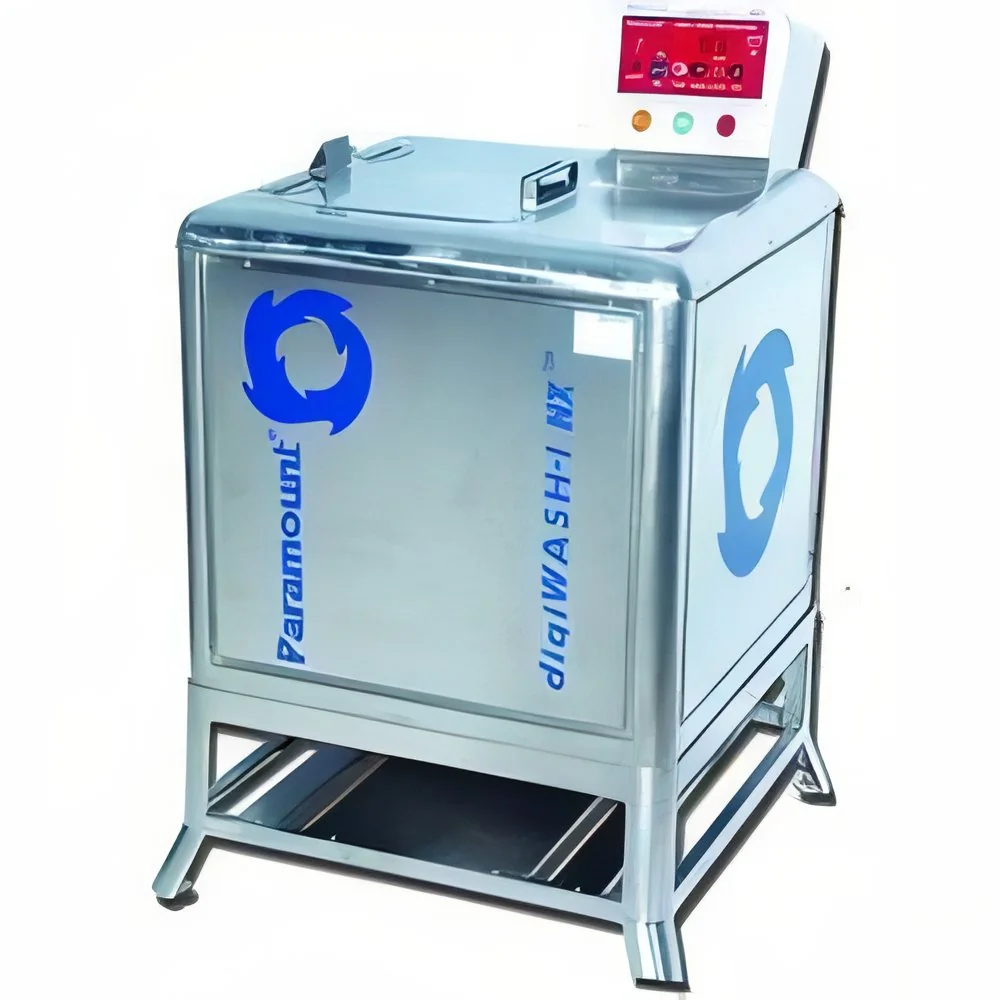
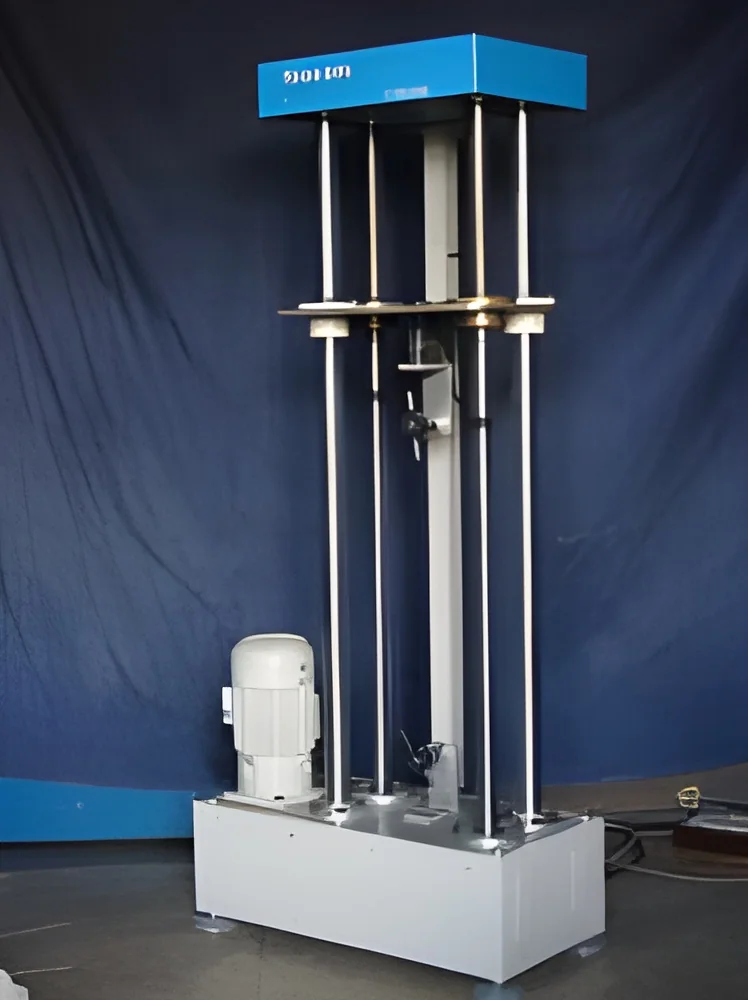
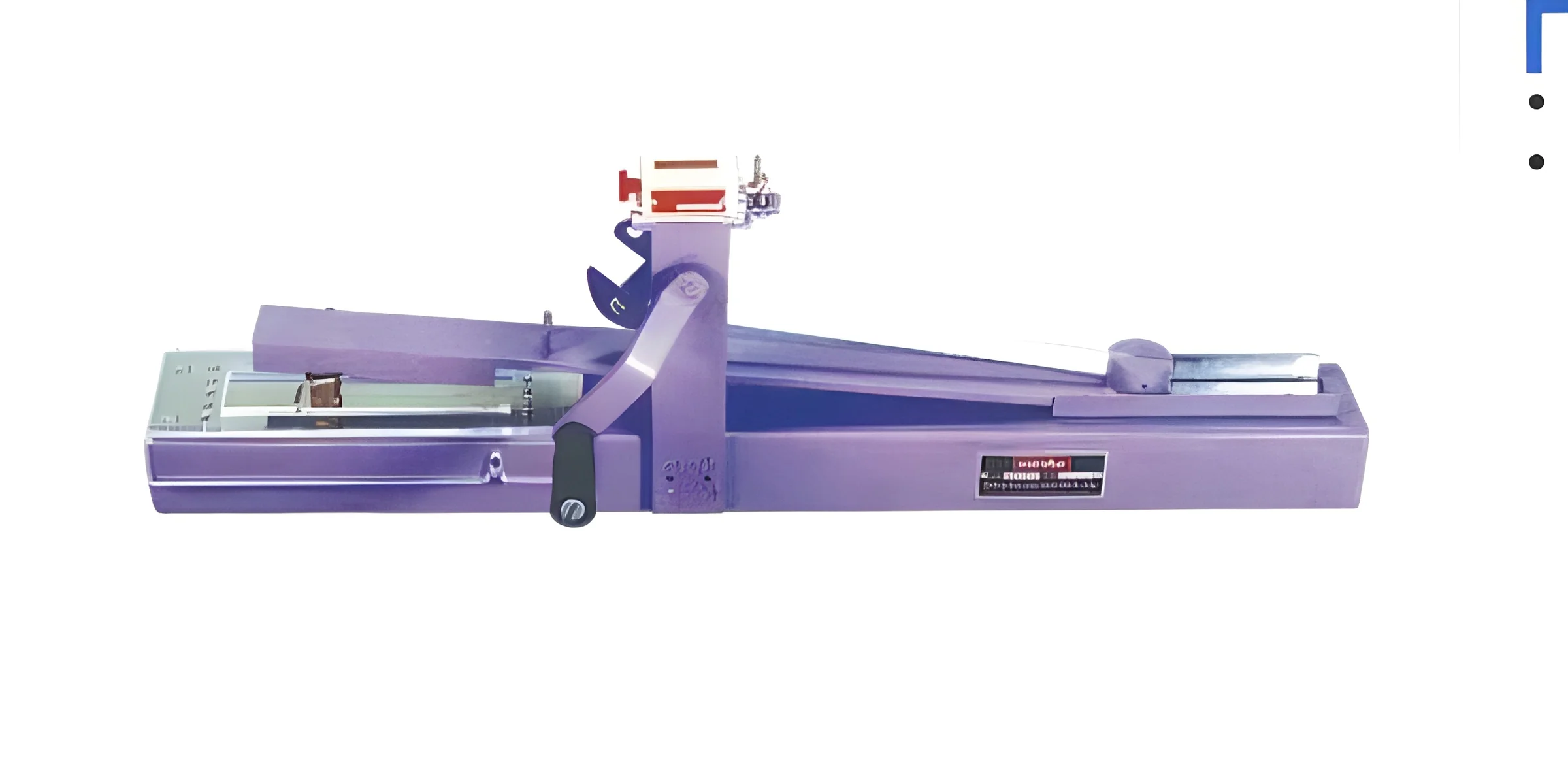
Color fastness testing equipment refers to specialized devices used to evaluate the resistance of fabrics, textiles, and other materials to color fading and bleeding when exposed to various environmental conditions. These tests are essential for manufacturers and quality control departments to ensure that their products maintain color integrity over time. This equipment typically measures how well a material can withstand washing, light exposure, rubbing, and other conditions that may affect its color.
The primary uses of color fastness testing equipment include quality assurance in textile manufacturing, compliance with industry standards, and research and development in textile technology. Businesses in the apparel, upholstery, and carpet industries rely on this equipment to validate their products before they reach the market. As consumers increasingly demand high-quality and durable textiles, the relevance of color fastness testing becomes critical in maintaining brand reputation and consumer satisfaction.
In the current market context, color fastness testing equipment is becoming more sophisticated, incorporating advanced technology for more accurate results. The rise of sustainable practices in the textile industry further emphasizes the need for reliable testing methods to ensure that eco-friendly dyes and materials meet consumer and regulatory expectations.
Key Features and Specifications
Color fastness testing equipment is designed with various features that enhance its functionality and reliability. Understanding the key specifications can help buyers make informed purchasing decisions.
Key specifications include:
1. Temperature Control
- Ensures consistent testing environments.
- Typically operates within specified temperature ranges.
2. Humidity Control
- Maintains necessary moisture levels during testing.
- Important for simulating real-world conditions.
3. Monitoring Features
- Allows for real-time observation of testing conditions.
- Enhances accuracy and repeatability of results.
4. Sample Size Capacity
- Determines the amount of material that can be tested at once.
- Usually accommodates standard sample sizes used in the industry.
5. User Interface
- Simplifies operation with intuitive controls and displays.
- Facilitates ease of use for various personnel.
6. Compliance with Standards
- Meets industry standards such as ISO or CE.
- Essential for ensuring reliability and credibility of test results.
7. Portability
- Some models are designed for easy transport.
- Useful for on-site testing and inspections.
8. Data Output Options
- Provides results in various formats.
- Facilitates reporting and documentation for quality assurance.
In summary, selecting color fastness testing equipment with the right features and specifications is crucial for achieving accurate and reliable test results in diverse applications.
Common Applications and Use Cases
Color fastness testing equipment finds applications across various industries, ensuring that products meet quality and durability standards.
1. Textile Industry: In the textile sector, this equipment is vital for evaluating the color durability of fabrics used in clothing and home furnishings. Manufacturers perform tests to verify that their products can withstand washing and exposure to light.
2. Automotive Industry: Automotive upholstery and interior fabrics undergo color fastness testing to ensure that they retain their appearance under sunlight and regular usage conditions. This testing helps maintain the aesthetic quality of vehicles over time.
3. Carpet Manufacturing: Carpets are subjected to rigorous testing to ensure that colors remain vibrant despite heavy foot traffic and cleaning processes. Color fastness testing equipment helps manufacturers meet customer expectations for longevity and quality.
4. Printing Industry: In the printing sector, color fastness tests are performed on printed materials to assess their resistance to fading during exposure to light and environmental factors. This is crucial for ensuring customer satisfaction with printed products.
5. Fashion Retail: Retailers in the fashion industry utilize color fastness testing to ensure that garments maintain their color after washing and wearing. This testing is essential for building brand loyalty and minimizing returns.
6. Home Textiles: Manufacturers of bed linens, curtains, and upholstery fabrics use this equipment to guarantee that their products will remain colorfast throughout their lifecycle, enhancing customer trust.
7. Outdoor Gear: In the outdoor equipment sector, color fastness testing is important for items like tents and backpacks, ensuring that the colors do not fade with exposure to the elements.
Product Variants and Subcategories
Color fastness testing equipment is diverse, catering to various testing needs across industries. Each variant offers unique features tailored for specific applications.
Standard Color Fastness Tester
This variant is designed for general testing of color fastness across multiple conditions, such as washing, light exposure, and rubbing. It features adjustable settings for temperature and humidity, making it versatile for different materials.
Advanced Color Fastness Tester
This model includes enhanced monitoring features and data output options, allowing for more precise testing. It is suitable for research and development purposes in laboratories where accuracy is paramount.
Portable Color Fastness Tester
Designed for on-the-go testing, this variant is lightweight and easy to transport. It is ideal for field inspections and quality checks in various locations, ensuring that testing can occur wherever needed.
Benefits and Advantages
Investing in color fastness testing equipment offers numerous advantages for businesses focused on quality and compliance.
Key benefits include:
1. Enhanced Product Quality: Ensures that products maintain color integrity, leading to higher customer satisfaction and reduced returns.
2. Compliance Assurance: Helps manufacturers meet industry standards and regulations, minimizing the risk of non-compliance issues.
3. Improved Brand Reputation: Reliable color fastness testing enhances brand trust, as consumers are more likely to choose products known for quality and durability.
4. Cost Efficiency: By identifying color issues early in the production process, businesses can reduce waste and avoid costly rework.
5. Data-Driven Decisions: Provides valuable data that can inform product development and improve overall manufacturing processes.
6. Competitive Advantage: Companies that utilize advanced testing equipment can differentiate themselves in the market by offering superior quality products.
Buying Guide for B2B Buyers
When sourcing color fastness testing equipment, it is important for buyers to consider several key factors to ensure they select the right product for their needs.
1. Quality Assessment: Evaluate the build quality and reliability of equipment. Look for models that comply with recognized industry standards to ensure accurate results.
2. Supplier Verification: Research and vet suppliers to confirm their credibility and experience in the market. Consider requesting references or reviewing customer testimonials.
3. Pricing and MOQ: Understand the pricing structures and minimum order quantities required by suppliers. Compare quotes to ensure competitive pricing while considering the total cost of ownership.
4. Delivery and Lead Times: Discuss delivery schedules and lead times with suppliers to ensure that the equipment can be obtained when needed without unnecessary delays.
5. Compliance Requirements: Ensure that the equipment meets all relevant regulatory and compliance requirements in your region, including safety certifications and testing standards.
Compliance and Certifications
Color fastness testing equipment must adhere to various quality standards to ensure reliable performance and safety. Relevant standards include ISO 9001, which focuses on quality management systems, and CE certification, indicating compliance with European health, safety, and environmental protection standards.
Industry certifications play a critical role in establishing the credibility of testing equipment. Compliance with regulations ensures that products not only meet quality expectations but also adhere to safety and environmental requirements.
Regional compliance considerations can vary, and it is essential for buyers to understand local regulations that may impact testing procedures and equipment specifications. This knowledge ensures that companies remain compliant with legal requirements while maintaining high quality in their products.
Why Source Color Fastness Testing Equipment from Pepagora?
Pepagora offers a trusted platform for sourcing color fastness testing equipment, providing several key advantages for B2B buyers.
Verified Supplier Network: Pepagora connects businesses with verified suppliers, ensuring that buyers can find reliable manufacturers with a proven track record in the industry. This verification process enhances the likelihood of receiving quality products.
Streamlined RFQ Process: The platform simplifies the request for quotation process, allowing buyers to easily compare options and make informed decisions. This efficiency saves time and ensures that buyers receive competitive offers.
Trade Assurance and Support: Pepagora provides trade assurance, protecting buyers throughout the purchasing process. This includes support for any disputes that may arise, ensuring a smooth transaction experience.
Regional Coverage: With a strong presence in India, the GCC, and Southeast Asia, Pepagora facilitates connections for businesses across diverse markets, enhancing opportunities for sourcing quality testing equipment tailored to regional needs.

Frequently Asked Questions
What are Color Fastness Testing Equipment?
Color fastness testing equipment is designed to evaluate the resistance of textiles and dyes to fading or discoloration when exposed to various conditions such as light, washing, and rubbing. These tests are crucial for manufacturers to ensure that their products meet industry standards and customer expectations.
What are the different types of Color Fastness Testing Equipment?
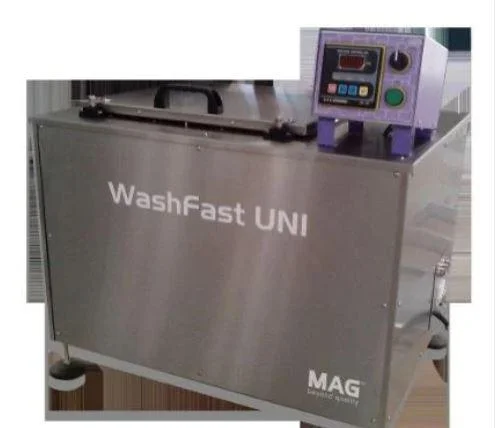
The different types of color fastness testing equipment include light fastness testers, wash fastness testers, rub fastness testers, and perspiration fastness testers. Each type is specifically designed to assess the color retention of fabrics under different environmental conditions.
How do I choose the right Color Fastness Testing Equipment?
Choosing the right color fastness testing equipment involves considering factors such as the type of materials being tested, the specific fastness properties you need to assess, and the standards that must be met. It is also important to evaluate the equipment's ease of use, accuracy, and maintenance requirements.
What are the standard specifications for Color Fastness Testing Equipment?
Standard specifications for color fastness testing equipment typically include parameters such as testing temperature, duration, and exposure levels. Additionally, the equipment should comply with relevant international testing standards, such as ISO and AATCC, to ensure reliable results.
What is the price range for Color Fastness Testing Equipment?
The price range for color fastness testing equipment can vary widely depending on the type and features of the equipment. Basic models may start from a few thousand Indian Rupees, while advanced or fully automated systems can cost significantly more, often exceeding several lakhs.
What quality standards apply to Color Fastness Testing Equipment?
Color fastness testing equipment must adhere to various quality standards, such as ISO 105 and AATCC 61, which outline testing methods for assessing color fastness. Compliance with these standards ensures that the equipment provides accurate and reliable testing results.
Where can I find Color Fastness Testing Equipment suppliers in India?
You can find color fastness testing equipment suppliers in India through B2B marketplaces like Pepagora, industry trade shows, and specialized suppliers' websites. It is advisable to compare multiple suppliers to assess their product offerings, quality, and pricing.
Can Color Fastness Testing Equipment be customized?
Yes, many manufacturers offer customization options for color fastness testing equipment to meet specific testing needs. Customizations may include modifications to test conditions, additional features, or tailored designs to fit particular laboratory requirements.
What is the typical minimum order quantity for Color Fastness Testing Equipment?
The typical minimum order quantity (MOQ) for color fastness testing equipment can vary by supplier and equipment type. Generally, MOQs can range from one unit for standard equipment to larger quantities for custom or specialized models.
What is the typical lead time for Color Fastness Testing Equipment?
The typical lead time for color fastness testing equipment can vary based on factors such as the manufacturer's production capacity and the complexity of the order. Generally, lead times can range from a few weeks to several months, especially for customized equipment.
Why Businesses Trust Pepagora
Thousands of companies trust Pepagora to source smarter and sell faster
Expand Your Sales Globally

Source Smarter,Grow Faster
