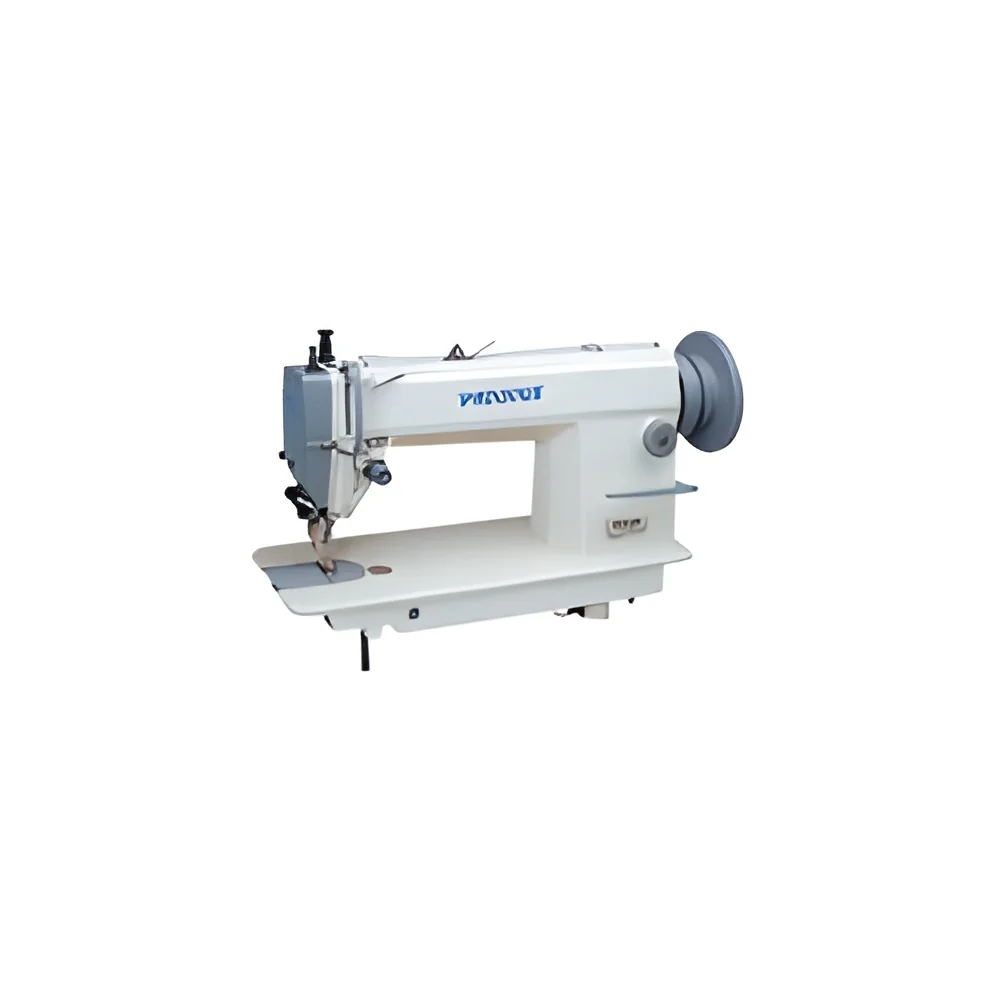
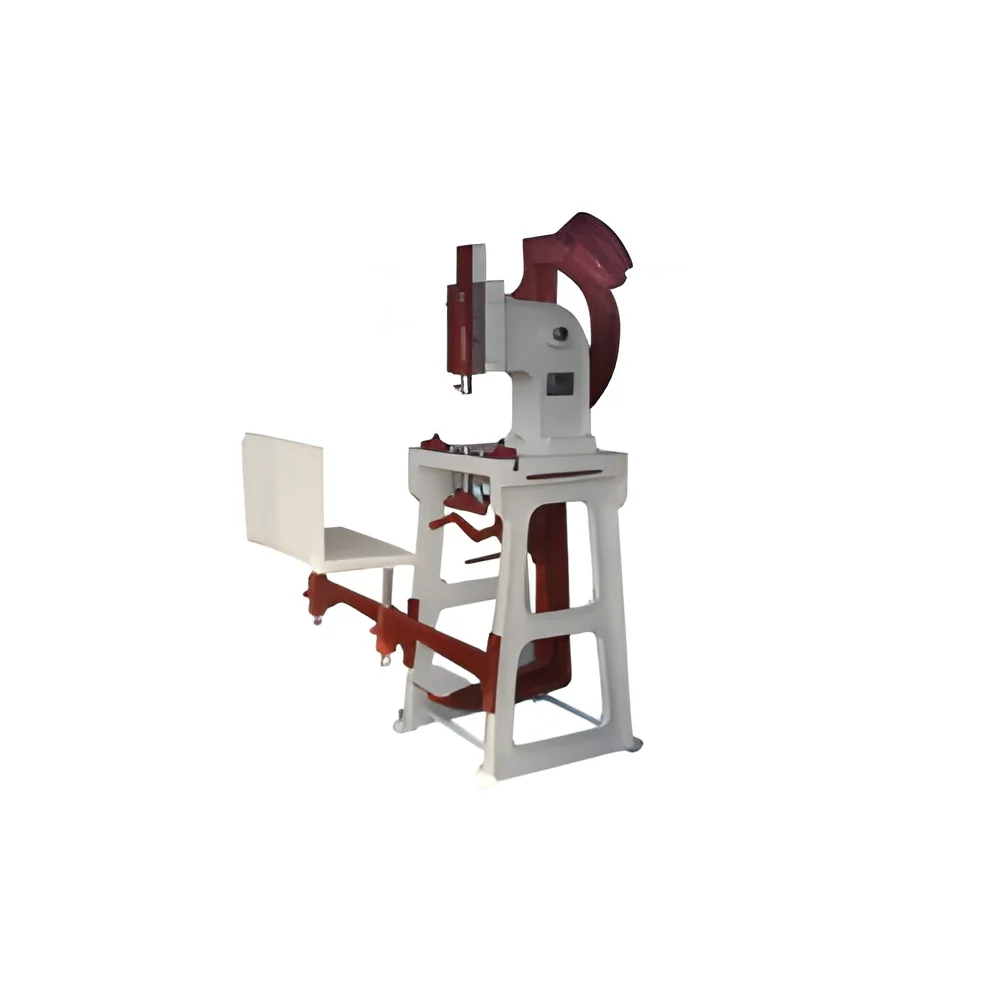
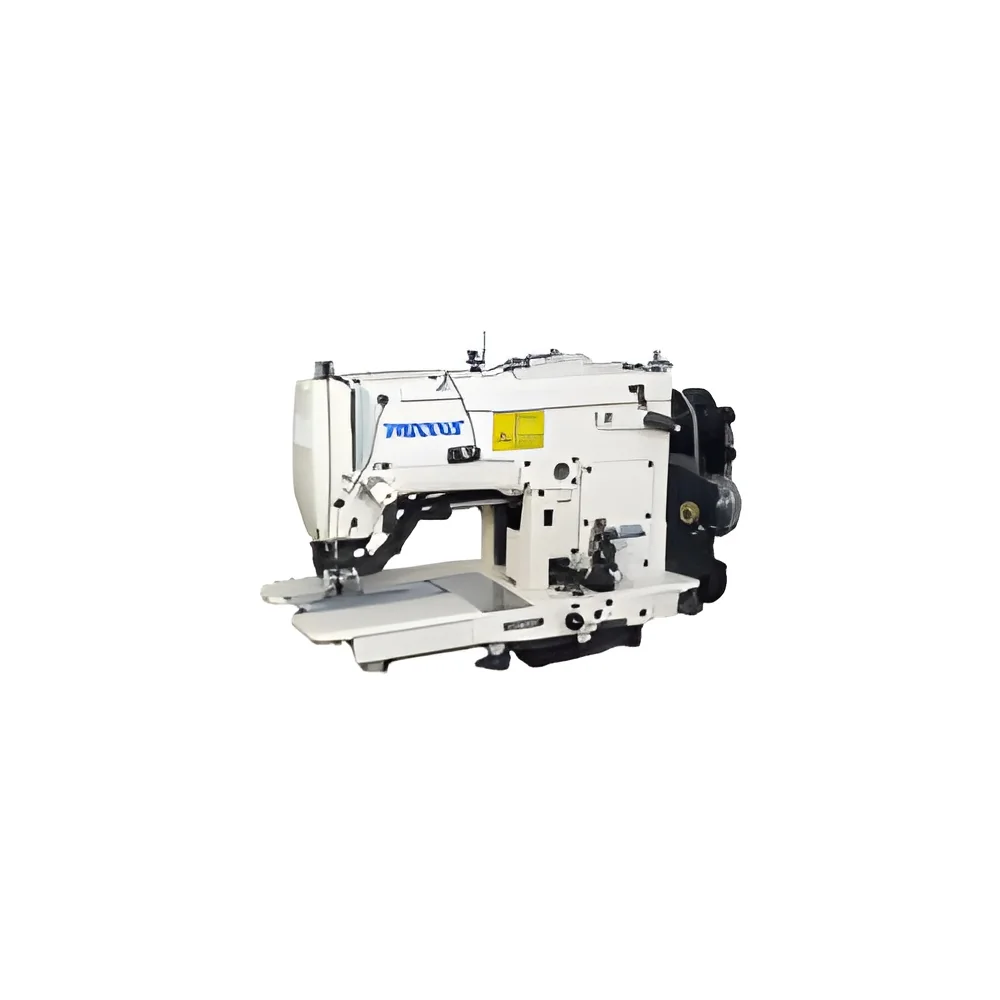
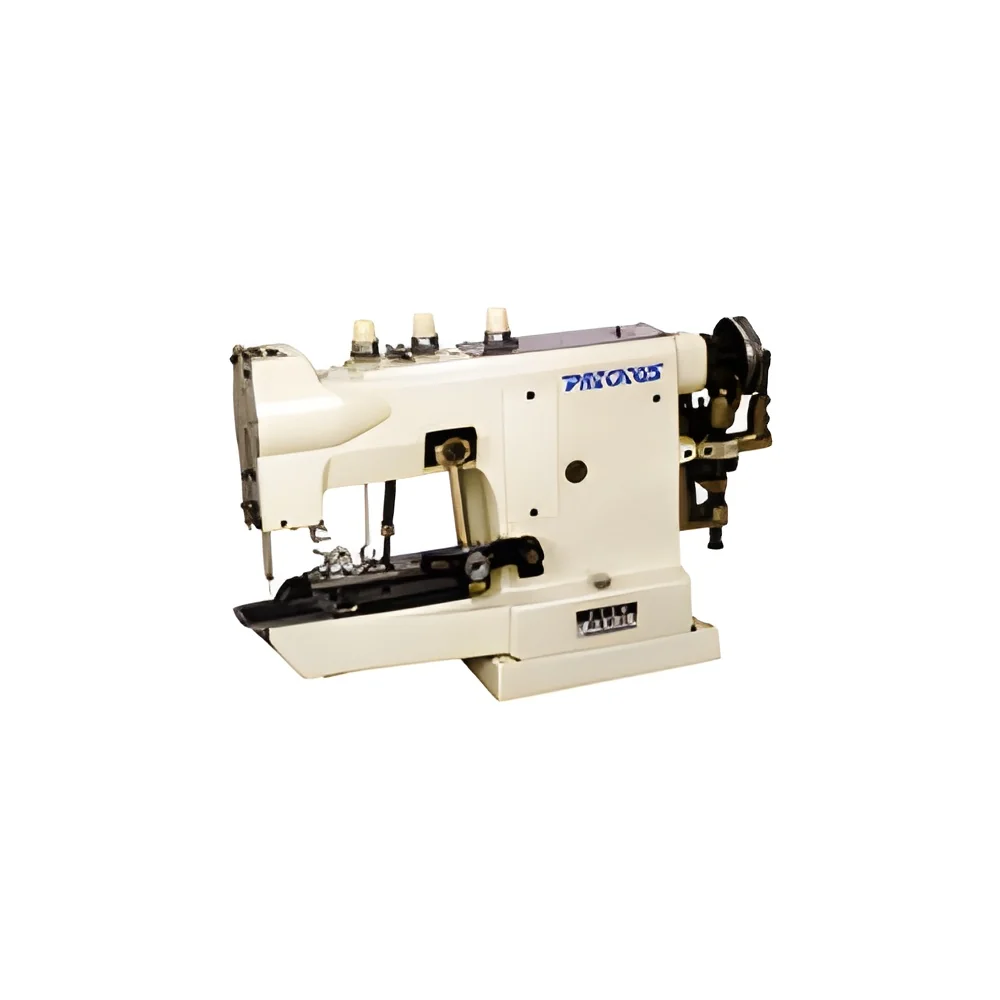
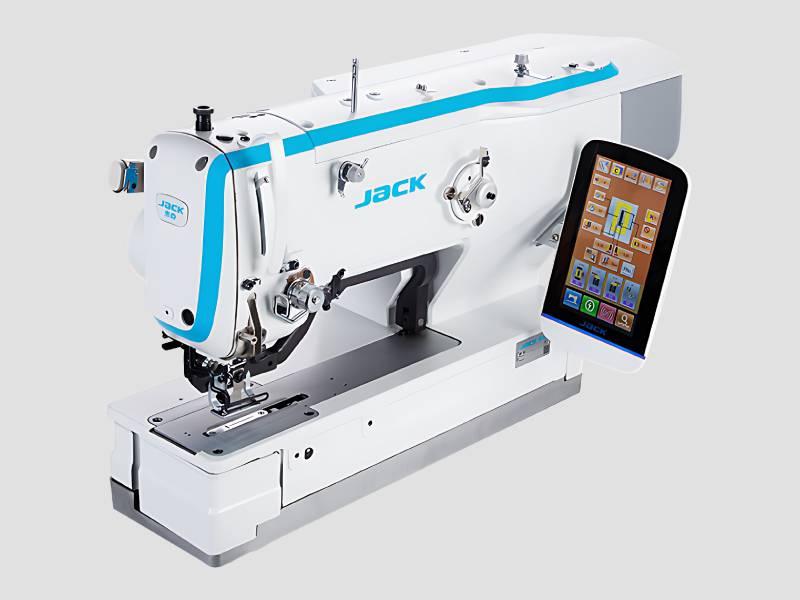
What are Buttonhole Machinery?
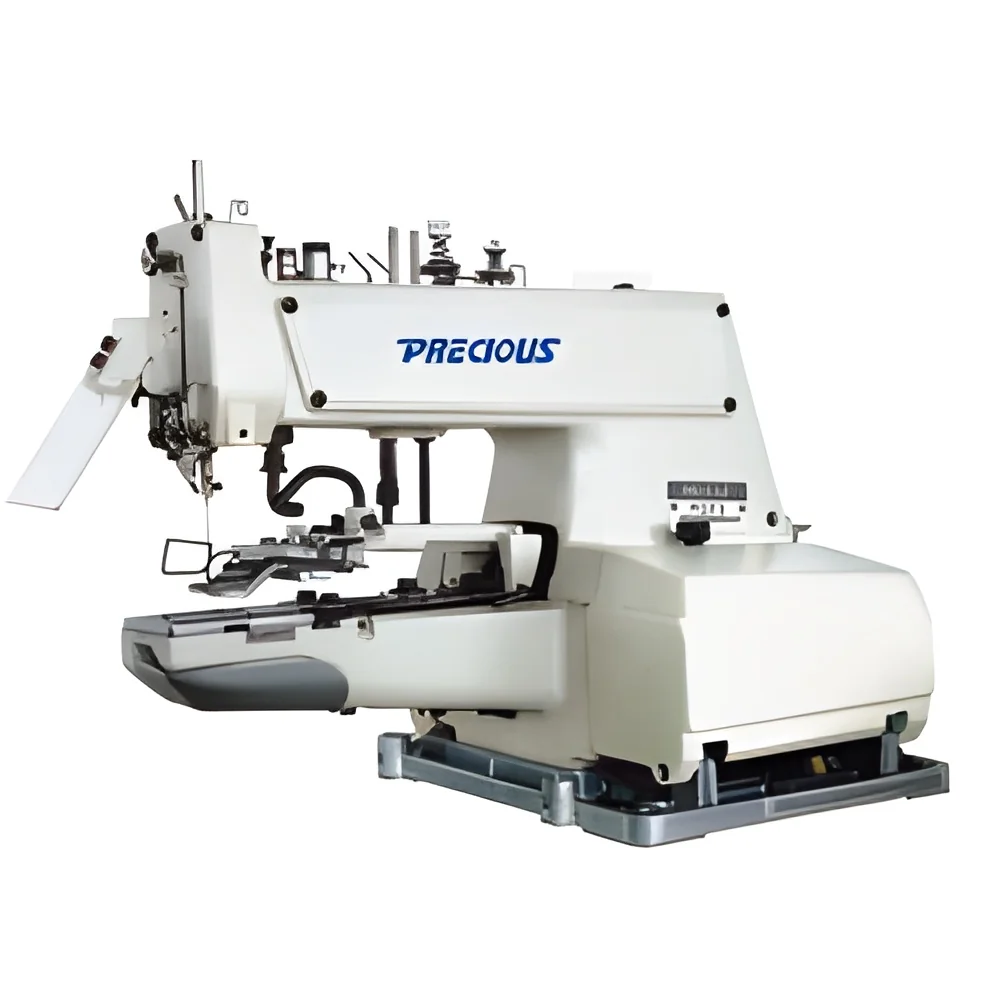
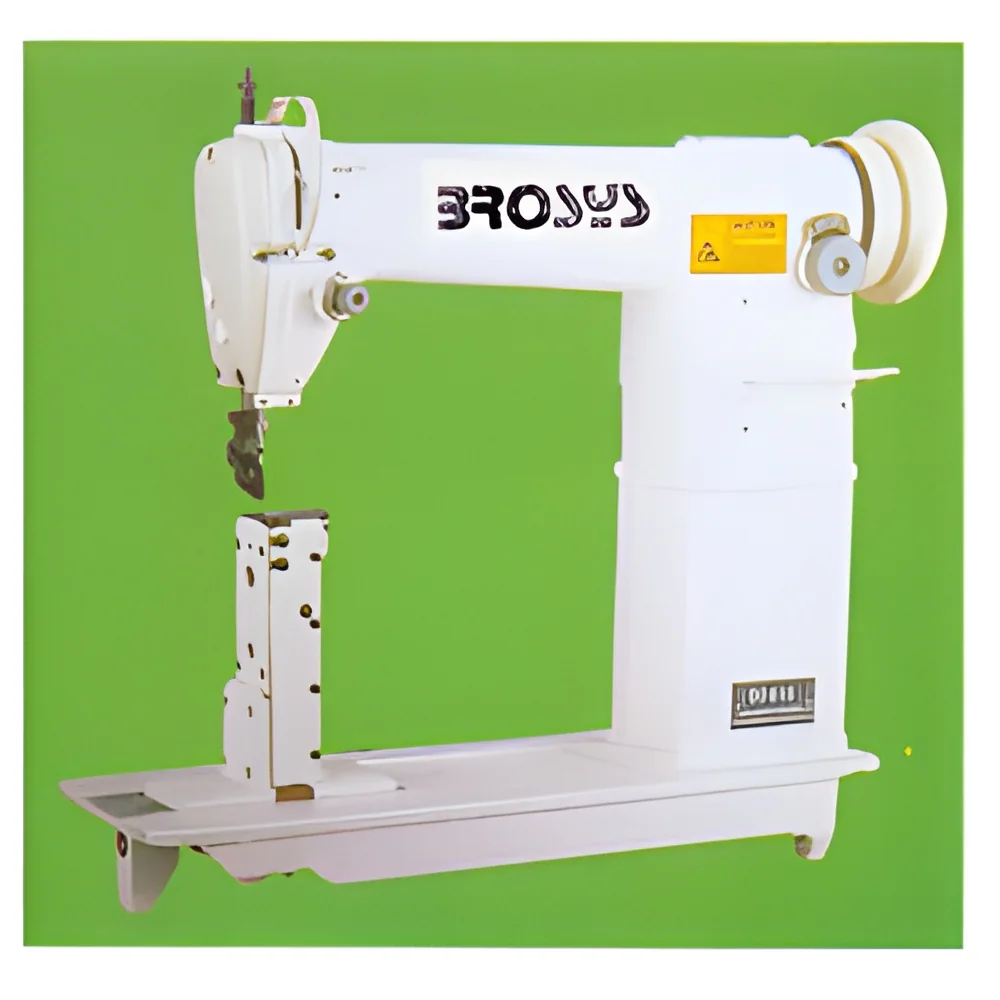
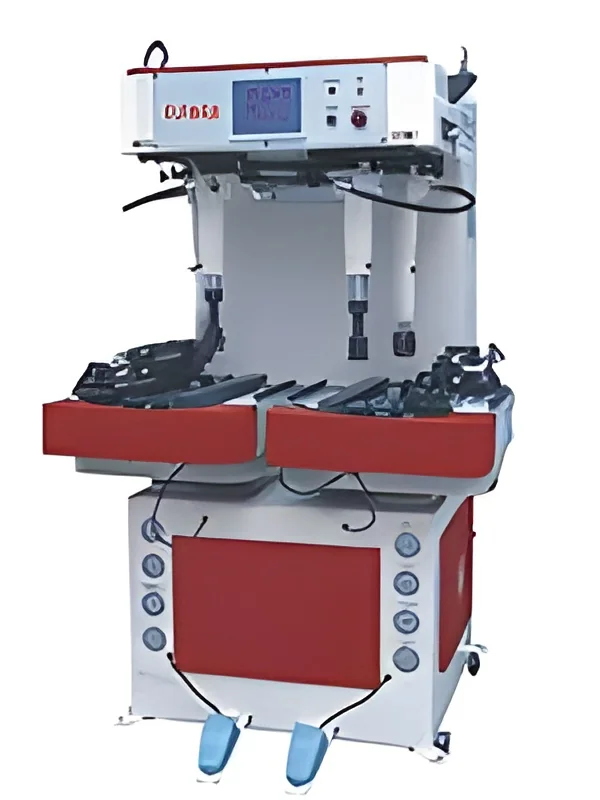
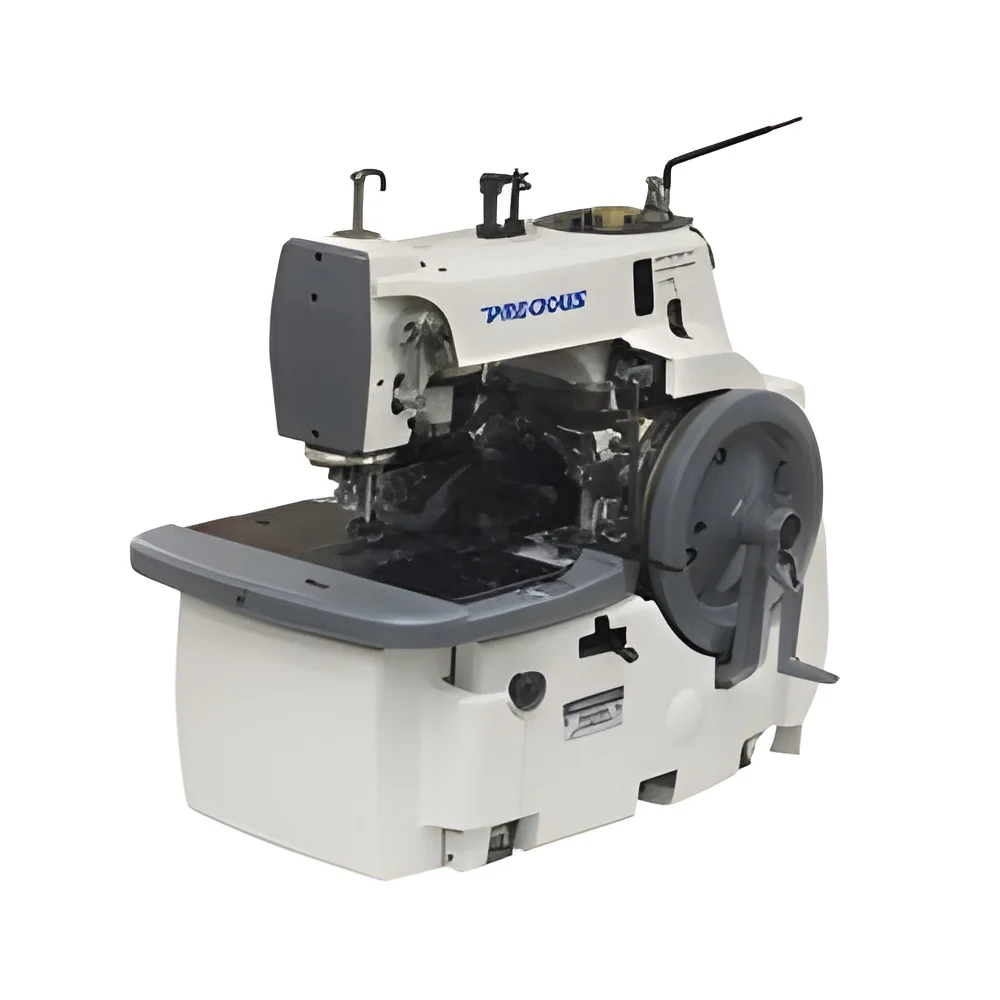
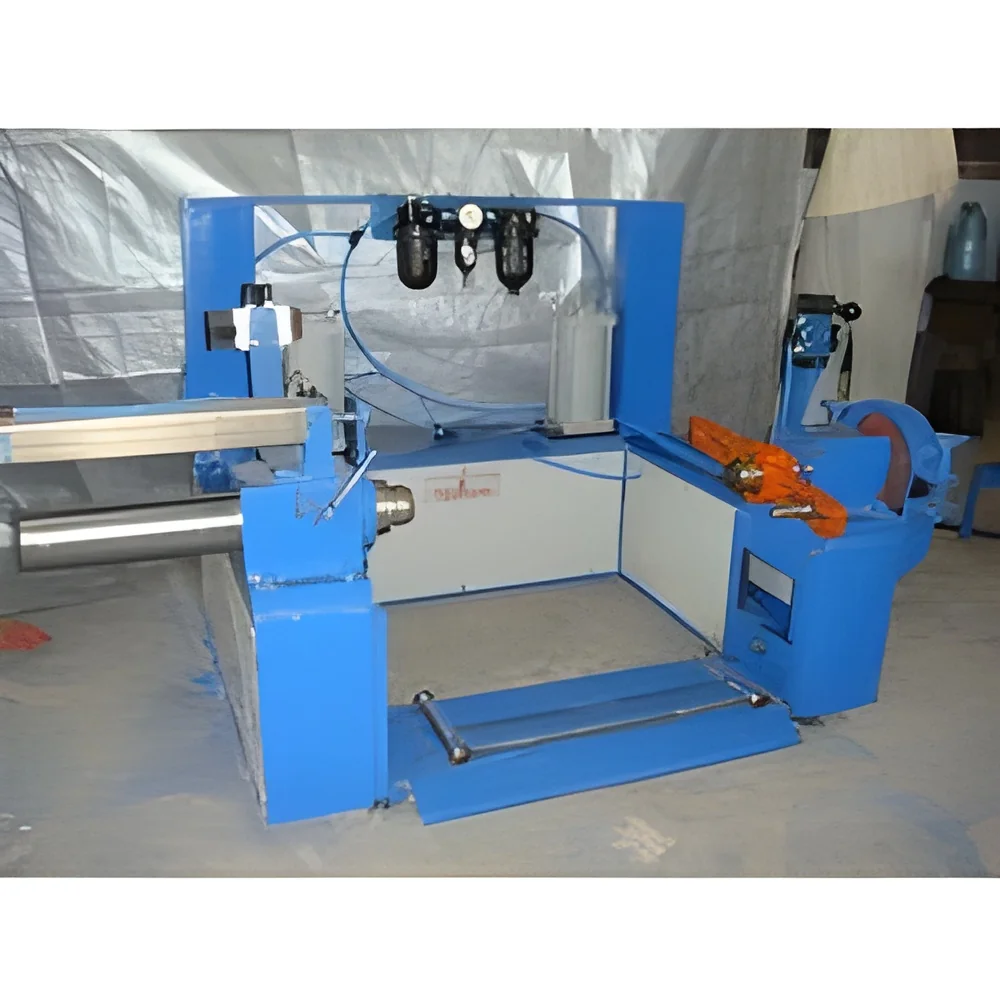
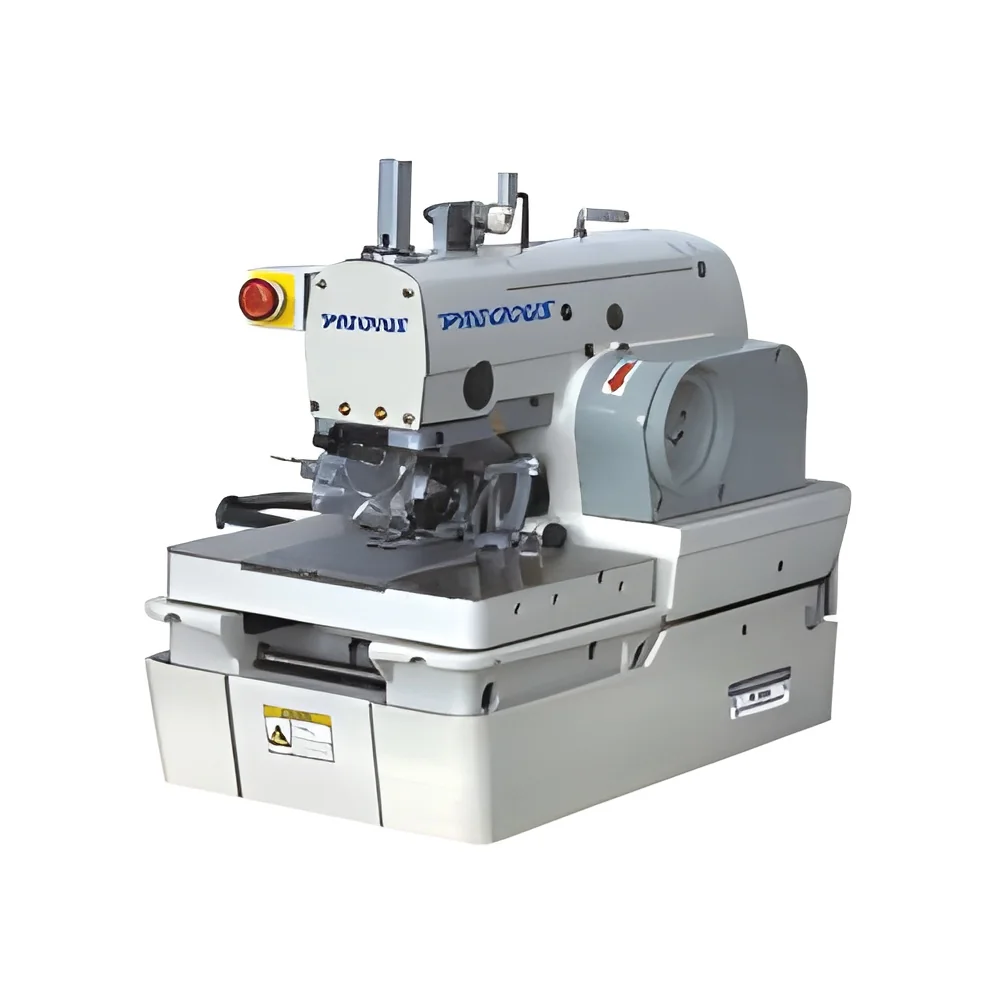
Buttonhole machinery refers to specialized industrial equipment designed to create buttonholes in various fabric materials. These machines are vital for the garment manufacturing process, ensuring that buttonholes are precisely formed to fit buttons securely. They can vary in complexity from manual devices to fully automated systems that integrate with other sewing operations. The main purpose of these machines is to enhance efficiency and accuracy in garment production.
The primary applications of buttonhole machinery span across the textile and apparel industries. They are used in the production of shirts, blouses, jackets, and other clothing items that require button closures. Businesses in this sector rely on reliable buttonhole machines to maintain quality standards while meeting production demands. Given the growing global fashion market, the relevance of buttonhole machinery continues to rise, as manufacturers seek to optimize their operations and reduce lead times.
Key Features and Specifications
Buttonhole machinery offers several features that enhance its functionality and efficiency. These machines are designed to handle various types of fabrics and can be equipped with advanced technology to ensure high-quality buttonhole production.
Key specifications include:
1. Operation Type
- Available as manual, semi-automatic, or fully automatic
- Varies according to production scale and complexity
2. Stitch Type
- Capable of producing different stitch patterns, such as zigzag or straight
- Adaptable to specific fabric types and button sizes
3. Speed
- Operating speed typically ranges from 500 to 2000 stitches per minute
- Influences overall production efficiency
4. Power Source
- Operates on electric or pneumatic power
- Determines ease of use and maintenance requirements
5. Needle Size
- Compatible with various needle sizes based on fabric thickness
- Ensures precision in buttonhole creation
6. Programmability
- Features programmable settings for different buttonhole sizes and styles
- Enhances versatility for manufacturers
7. Safety Features
- Equipped with safety guards and automatic shut-off options
- Reduces risk of accidents during operation
8. Maintenance Requirements
- Low maintenance designs with easy access to parts
- Facilitates regular upkeep and longevity
In summary, the key features and specifications of buttonhole machinery ensure that manufacturers can achieve high-quality results while optimizing their production processes.
Common Applications and Use Cases
Buttonhole machinery serves various industries beyond clothing manufacturing, demonstrating its versatility.
1. Apparel Manufacturing: Used extensively in the production of shirts, trousers, and dresses for creating high-quality buttonholes.
2. Upholstery: Employed in making upholstered furniture and automotive interiors where buttons are used for design and functionality.
3. Leather Goods: Utilized in the manufacturing of leather products such as bags and jackets, providing durable buttonholes.
4. Costume Design: Essential for theatrical and cosplay costume creation, allowing for intricate designs and secure closures.
5. Technical Textiles: Applied in specialized textile products, where button closures are required for functionality and aesthetics.
6. Home Textiles: Used in the production of curtains and bedding items that feature button closures for decorative purposes.
7. Industrial Applications: Found in the production of uniforms and workwear where durability and functionality are paramount.
Product Variants and Subcategories
Buttonhole machinery is diverse, catering to different manufacturing needs and operational scales.
Standard Buttonhole Machine
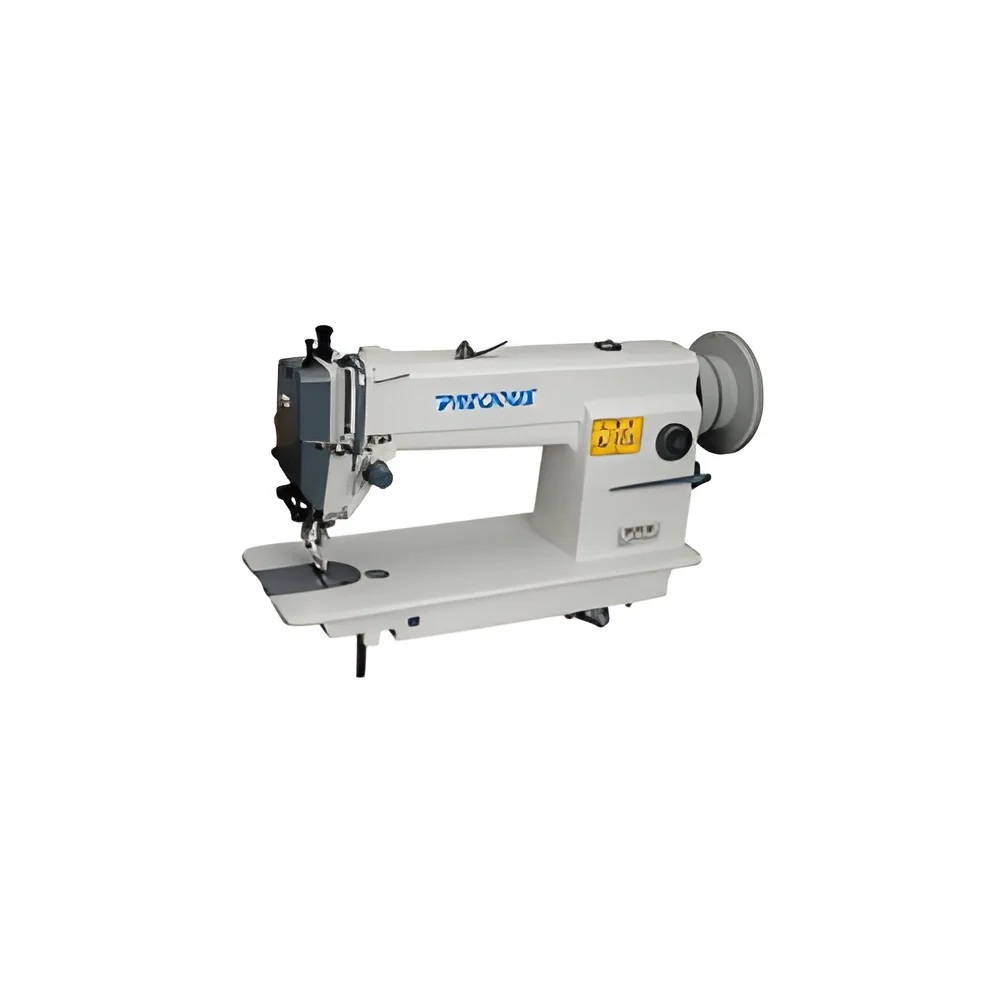
This variant is designed for general use in garment manufacturing, providing efficiency and reliability for high-volume production.
Heavy-Duty Buttonhole Machine
Designed for thicker fabrics and materials, this machine offers robust performance and durability, making it suitable for upholstery and leather goods.
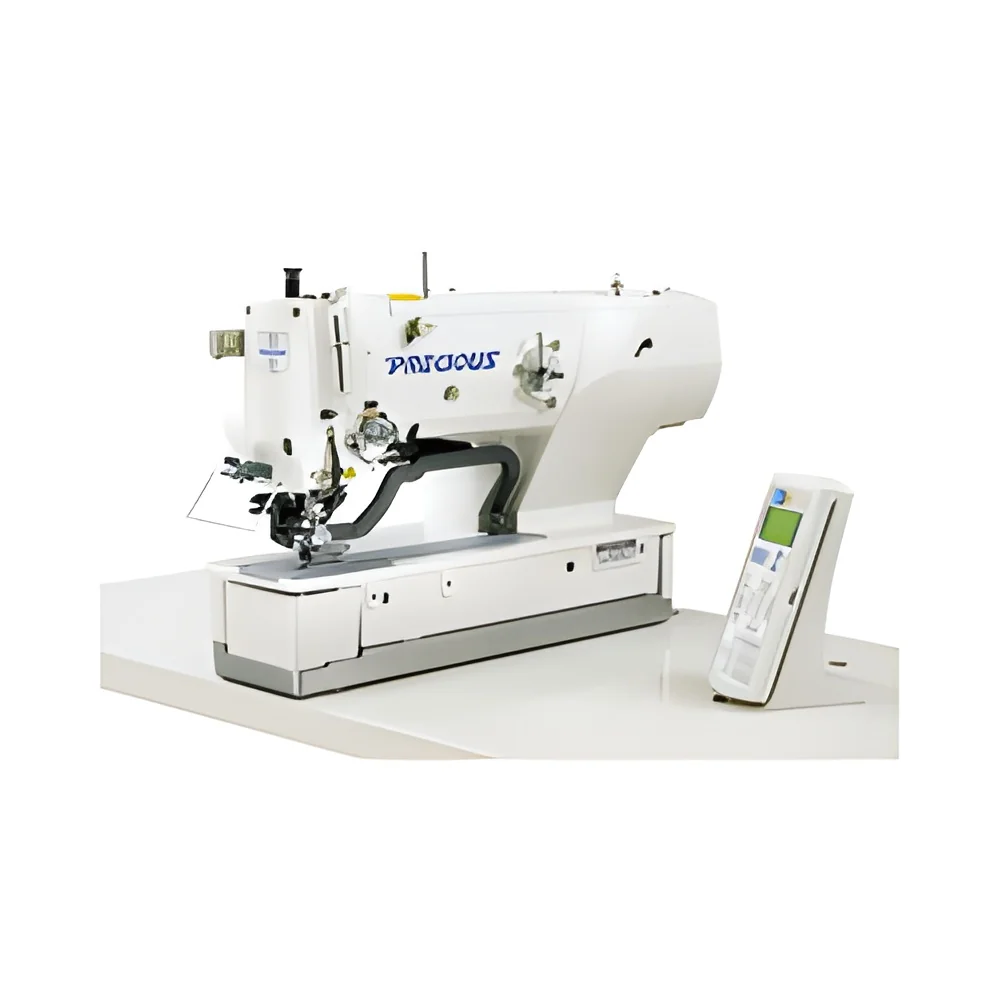
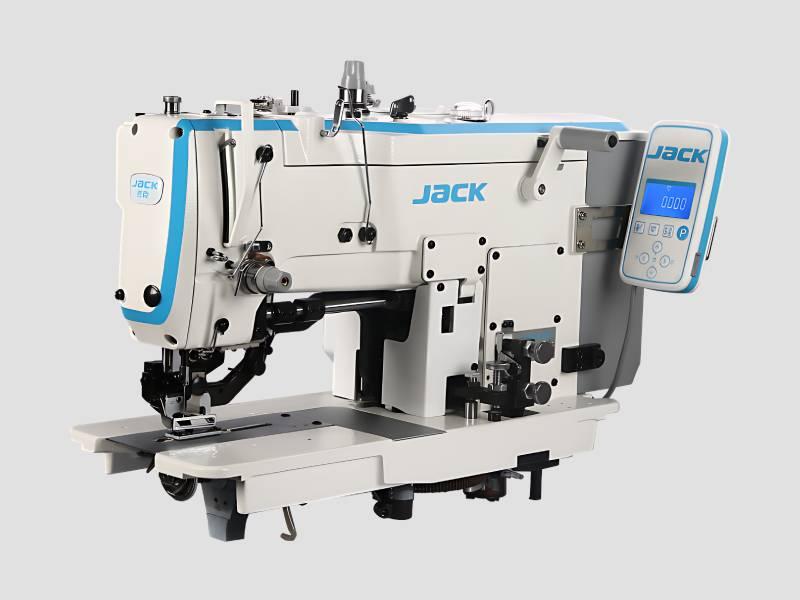
Computerized Buttonhole Machine
Equipped with advanced technology, this machine allows for programmable settings, enabling the production of various buttonhole styles and sizes with precision.
Portable Buttonhole Machine
Ideal for small-scale operations or on-site repairs, this compact machine offers convenience without sacrificing performance.
Benefits and Advantages
Investing in buttonhole machinery brings several advantages to manufacturers.
1. Increased Efficiency: Automated systems significantly reduce production time, allowing manufacturers to meet tight deadlines.
2. Consistent Quality: Precision engineering ensures uniformity in buttonhole sizes and stitching quality, enhancing the overall product quality.
3. Versatility: The ability to produce various stitch patterns and sizes makes these machines adaptable to different fabric types and designs.
4. Labor Savings: Reducing manual labor through automation leads to cost savings and allows skilled workers to focus on more complex tasks.
5. Enhanced Safety: Modern buttonhole machines come with safety features that protect operators and reduce workplace accidents.
6. Scalability: Manufacturers can choose machines that fit their production scale, from small workshops to large factories, facilitating growth.
Buying Guide for B2B Buyers
When sourcing buttonhole machinery, several factors should be considered to make an informed decision.
1. Quality Assessment: Evaluate the machine’s build quality, reliability, and user reviews. Ensure it meets your production standards and operational needs.
2. Supplier Verification: Vet potential suppliers by checking their reputation, customer feedback, and industry experience. Reliable suppliers provide better support and service.
3. Pricing and MOQ: Understand the pricing structure and minimum order quantity (MOQ) for buttonhole machines. Compare costs among different suppliers to find the best value.
4. Delivery and Lead Times: Discuss logistics and lead times with suppliers to ensure timely delivery, especially for urgent production schedules.
5. Compliance Requirements: Ensure the machinery adheres to relevant industry standards and certifications, such as CE, to guarantee safety and quality.
Compliance and Certifications
Buttonhole machinery must comply with various quality standards and regulations to ensure safety and reliability. Organizations often seek certification under ISO 9001, which focuses on quality management systems. This certification assures buyers that the manufacturer maintains a high standard of quality throughout the production process.
Additionally, CE certification is crucial for machines sold in European markets, indicating compliance with health, safety, and environmental protection standards. Manufacturers should also be aware of safety and testing requirements related to buttonhole machinery, ensuring that their products are thoroughly tested and certified.
Regional compliance considerations may vary based on local regulations. It is essential for manufacturers to stay informed about these requirements to avoid legal issues and ensure market access.
Why Source Buttonhole Machinery from Pepagora?
Pepagora provides a trusted platform for sourcing buttonhole machinery, offering several key advantages to B2B buyers.
Verified Supplier Network: Pepagora connects buyers with a network of verified suppliers, ensuring that all listed manufacturers meet strict quality standards. This reduces the risk of dealing with unreliable vendors and ensures peace of mind.
Streamlined RFQ Process: The platform simplifies the request for quotation (RFQ) process, allowing buyers to easily compare offers from multiple suppliers. This efficiency helps buyers make informed decisions quickly.
Trade Assurance and Support: Pepagora offers trade assurance and buyer protection, mitigating risks associated with online transactions. Buyers can feel secure in their purchases, knowing they have support throughout the process.
Regional Coverage: With a strong presence in India, the GCC, and Southeast Asia, Pepagora provides access to a wide range of suppliers and products. This geographic reach ensures that buyers can find the right machinery to meet their specific needs, regardless of location.

 IN
IN