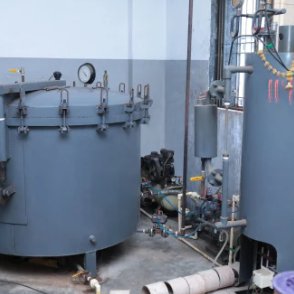
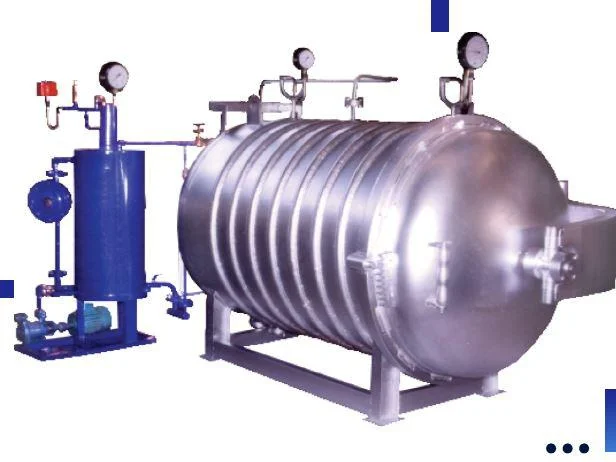
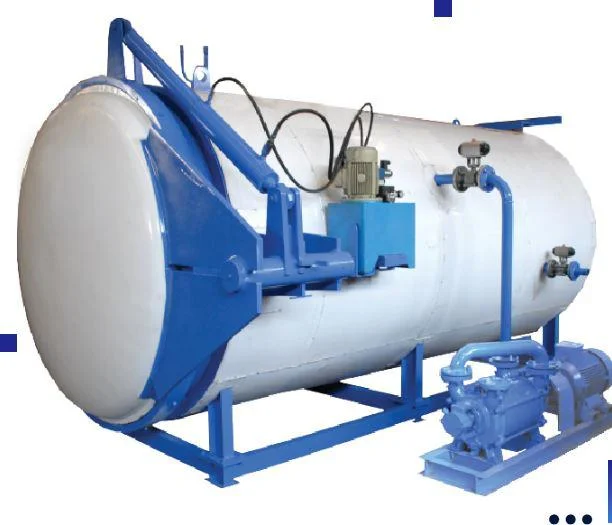
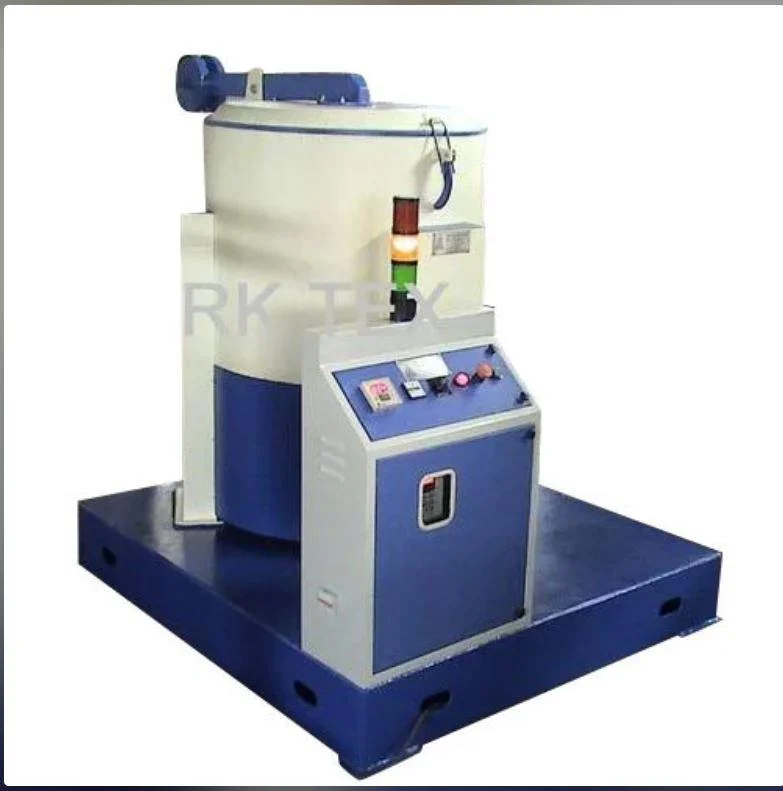
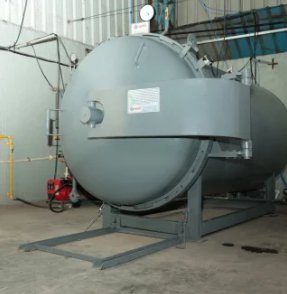
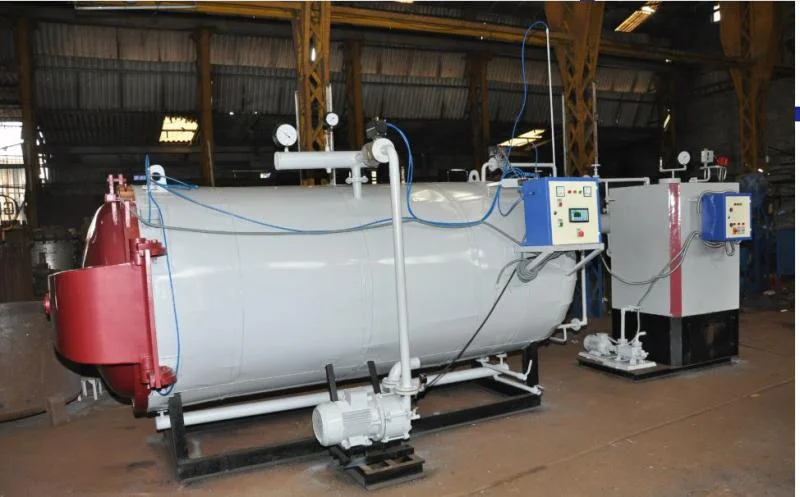
What are Yarn Conditioning Machines?
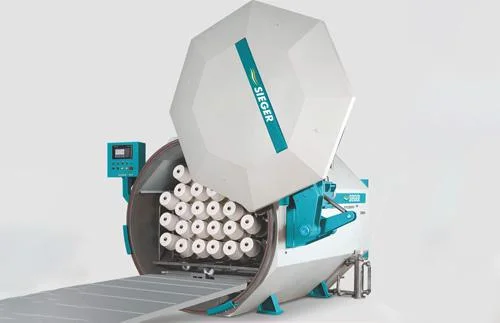
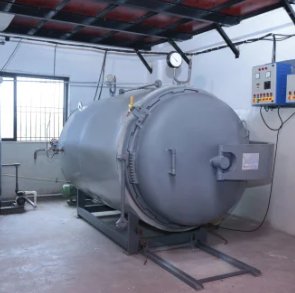
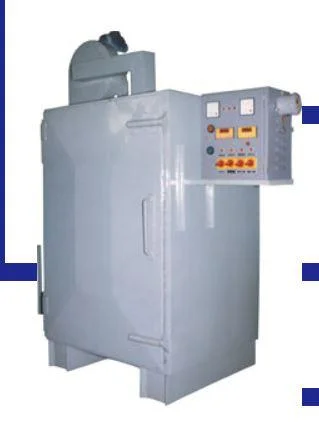
Yarn Conditioning Machines are specialized equipment designed to treat yarn to improve its physical properties and performance characteristics. These machines function by applying controlled humidity and temperature to the yarn, which helps to relax the fibers, reduce tension, and enhance overall quality. This conditioning process is crucial for preparing yarn for subsequent manufacturing processes such as weaving or knitting.
The primary uses of Yarn Conditioning Machines include improving yarn strength, reducing defects, and enhancing dye uptake. Industries such as textiles, apparel manufacturing, and carpet production heavily rely on these machines to ensure that the yarn maintains optimal performance during production. As these industries continue to evolve, the demand for high-quality yarn conditioning is critical, making these machines a vital component in the textile supply chain.
In the current market context, the relevance of Yarn Conditioning Machines is underscored by the growing emphasis on quality assurance in textile production. With consumers increasingly demanding high-quality fabrics, manufacturers must invest in advanced machinery to meet these expectations. The market for yarn conditioning equipment is expanding, driven by innovation and the need for efficiency in production processes.
Key Features and Specifications
Yarn Conditioning Machines come equipped with a variety of features that enhance their functionality and efficiency. These features ensure that the yarn is treated adequately to meet industry standards and customer expectations.
Key specifications include:
1. Humidity Control
- Precise humidity control systems to maintain optimal levels during conditioning
- Typical humidity range: 50% to 80%
2. Temperature Regulation
- Adjustable temperature settings for different yarn types
- Temperature range: 20°C to 60°C
3. Processing Capacity
- Varies based on machine model and design
- Typical capacity: 50 kg/h to 500 kg/h
4. Control Interface
- User-friendly digital displays for easy operation
- Options for programmable settings for different yarn specifications
5. Energy Efficiency
- Designed to minimize power consumption during operation
- Compliance with energy efficiency standards
6. Compact Design
- Space-saving designs suitable for various production environments
- Modular options available for scalability
7. Maintenance Features
- Easy access for routine maintenance and inspections
- Built-in diagnostics for troubleshooting
In summary, Yarn Conditioning Machines are equipped with advanced features that significantly enhance the conditioning process, ensuring the production of high-quality yarn.
Common Applications and Use Cases
Yarn Conditioning Machines find applications across various industries, each benefiting from the improved quality of yarn produced.
1. Textile Industry: Yarn conditioning is essential for producing high-quality fabrics. The machines help reduce defects and enhance the dyeing process, resulting in vibrant colors and improved fabric integrity.
2. Apparel Manufacturing: In this sector, yarn conditioning ensures that the yarn is pliable and ready for weaving or knitting. This process minimizes breakage during production, leading to higher efficiency.
3. Carpet Production: Carpet manufacturers use these machines to treat yarn, ensuring durability and resilience in the final product. The conditioning process also aids in achieving consistent texture and appearance.
4. Knitting Mills: Yarn conditioning is crucial for maintaining the quality of yarn used in knitwear. It ensures that the yarn has the right tension and is free from knots for smooth production.
5. Home Textiles: Manufacturers of home textiles, such as curtains and upholstery, benefit from yarn conditioning to enhance the performance and longevity of their products.
6. Technical Textiles: In specialized applications, such as automotive or medical textiles, yarn conditioning enhances the performance characteristics needed for specific uses.
7. Non-Woven Fabrics: Yarn conditioning plays a role in the production of non-woven fabrics, where quality consistency is critical for the final product's performance.
Product Variants and Subcategories
Yarn Conditioning Machines come in various configurations to cater to different production needs. Each variant offers unique features tailored for specific applications.
Automatic Yarn Conditioning Machine
This machine features automated controls for humidity and temperature, making it ideal for large-scale operations. It is designed for high throughput while ensuring consistent yarn quality.
Semi-Automatic Yarn Conditioning Machine
This variant allows operators to manually adjust settings while still offering some automated features. It is suitable for medium-sized production facilities that require flexibility in processing.
Batch Yarn Conditioning Machine
Designed for processing smaller quantities of yarn, this machine is ideal for specialized applications where high precision is required. It allows for controlled conditioning of different yarn types.
Continuous Yarn Conditioning Machine
This machine provides a continuous flow of yarn through the conditioning process, making it efficient for high-volume production. It is often used in large textile mills.
Benefits and Advantages
Investing in Yarn Conditioning Machines offers several benefits that can significantly impact production quality and efficiency.
1. Improved Yarn Quality: Conditioning enhances the strength and flexibility of yarn, resulting in better performance during subsequent manufacturing processes.
2. Reduced Defects: By minimizing tension and relaxing fibers, these machines help reduce defects, leading to higher-quality end products.
3. Enhanced Dye Uptake: Properly conditioned yarn absorbs dyes more effectively, resulting in vibrant and consistent colors across large batches.
4. Increased Production Efficiency: With reduced breakage and smoother processing, manufacturers can achieve higher output levels, optimizing production schedules.
5. Cost Savings: High-quality yarn leads to fewer reworks and defects, ultimately saving costs associated with waste and production delays.
6. Versatile Applications: Yarn Conditioning Machines serve a variety of industries, making them a valuable investment for manufacturers looking to diversify their product offerings.
Buying Guide for B2B Buyers
When sourcing Yarn Conditioning Machines, it is essential to consider several key factors to ensure the right fit for your operations.
1. Quality Assessment: Evaluate the machine's construction and performance capabilities. Look for features that meet industry standards and ensure reliability during operation.
2. Supplier Verification: It is crucial to vet suppliers thoroughly. Check for their reputation in the market, customer reviews, and post-sale support services.
3. Pricing and MOQ: Understand the pricing structure and minimum order quantities. This will help you budget effectively and negotiate terms that suit your business needs.
4. Delivery and Lead Times: Discuss logistics with suppliers to ensure timely delivery. Understand the lead times involved in manufacturing and shipping the machines to avoid production delays.
5. Compliance Requirements: Ensure that the machines meet relevant industry regulations and standards. This includes safety certifications and operational compliance for your specific region.
Compliance and Certifications
Yarn Conditioning Machines must adhere to various quality standards and certifications to ensure safe and efficient operation.
Relevant quality standards, such as ISO 9001, ensure that the machines are manufactured to meet consistent quality management principles. Compliance with HACCP and GDP standards may also be necessary for specific applications, particularly in industries that require stringent quality controls.
Industry certifications, such as CE, indicate that the machines meet European safety and health requirements. This certification is essential for ensuring that the equipment can be safely used within the European market.
Safety and testing requirements are crucial aspects of compliance. Manufacturers should ensure that their machines are tested for operational safety, efficiency, and performance under industry standards.
Regional compliance considerations may vary. It is important to be aware of specific regulations in your area to ensure that the machines meet all local requirements.
Why Source Yarn Conditioning Machines from Pepagora?
Pepagora provides a trusted platform for sourcing Yarn Conditioning Machines, offering numerous advantages for B2B buyers.
Verified Supplier Network: Pepagora has established a robust network of verified suppliers, ensuring that you can find reliable manufacturers who meet your quality standards.
Streamlined RFQ Process: The Request for Quotation process is designed to be efficient, allowing you to compare multiple suppliers easily and select the best option for your needs.
Trade Assurance and Support: Pepagora offers trade assurance to protect your investment. Buyers benefit from support throughout the purchasing process, ensuring peace of mind.
Regional Coverage: With a strong presence in regions such as India, GCC, and Southeast Asia, Pepagora provides extensive coverage, facilitating connections with suppliers across diverse markets. This geographic reach enhances your sourcing options and helps you find the right solutions for your production needs.

 IN
IN