IN
IN₹
Apparel & Fashion
Description
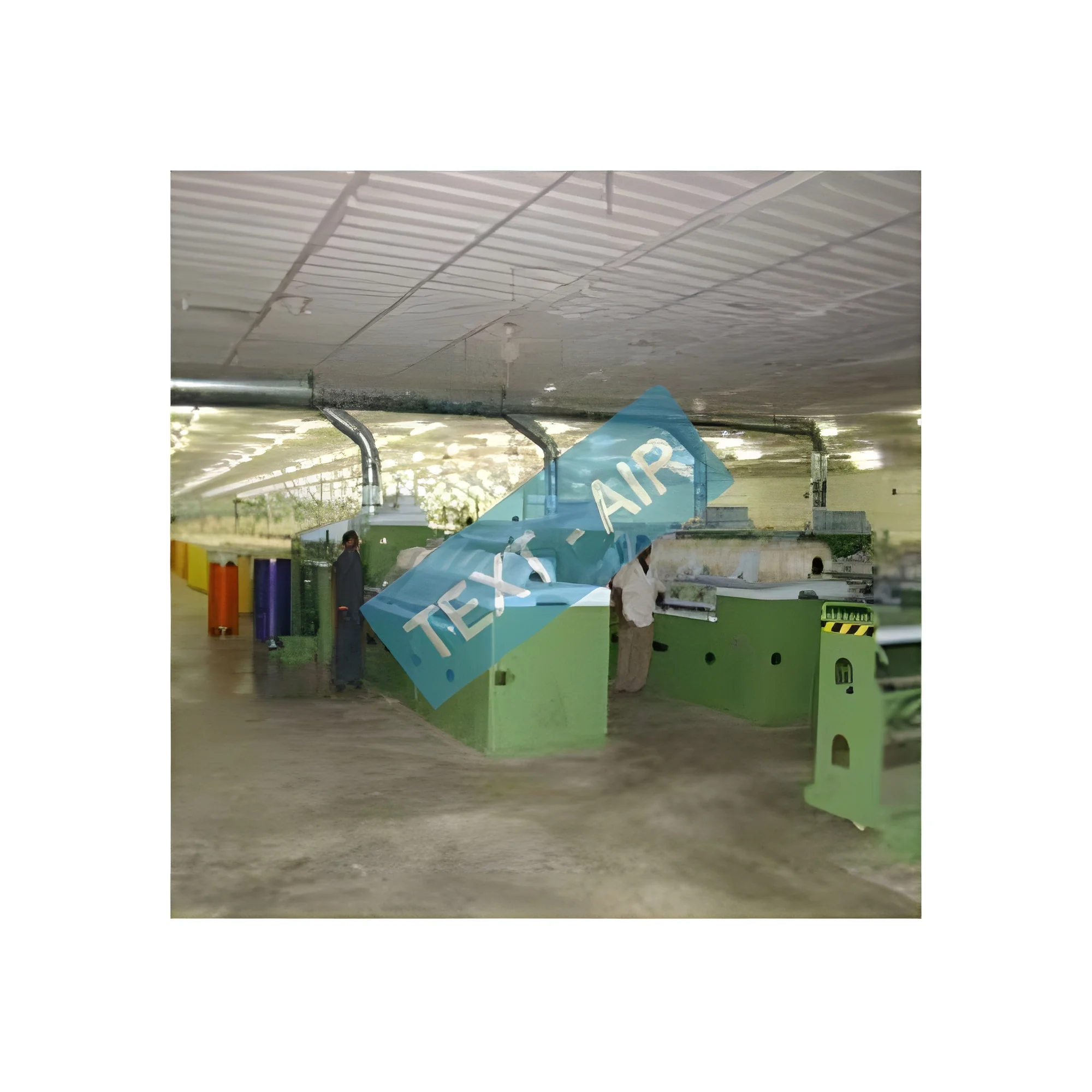
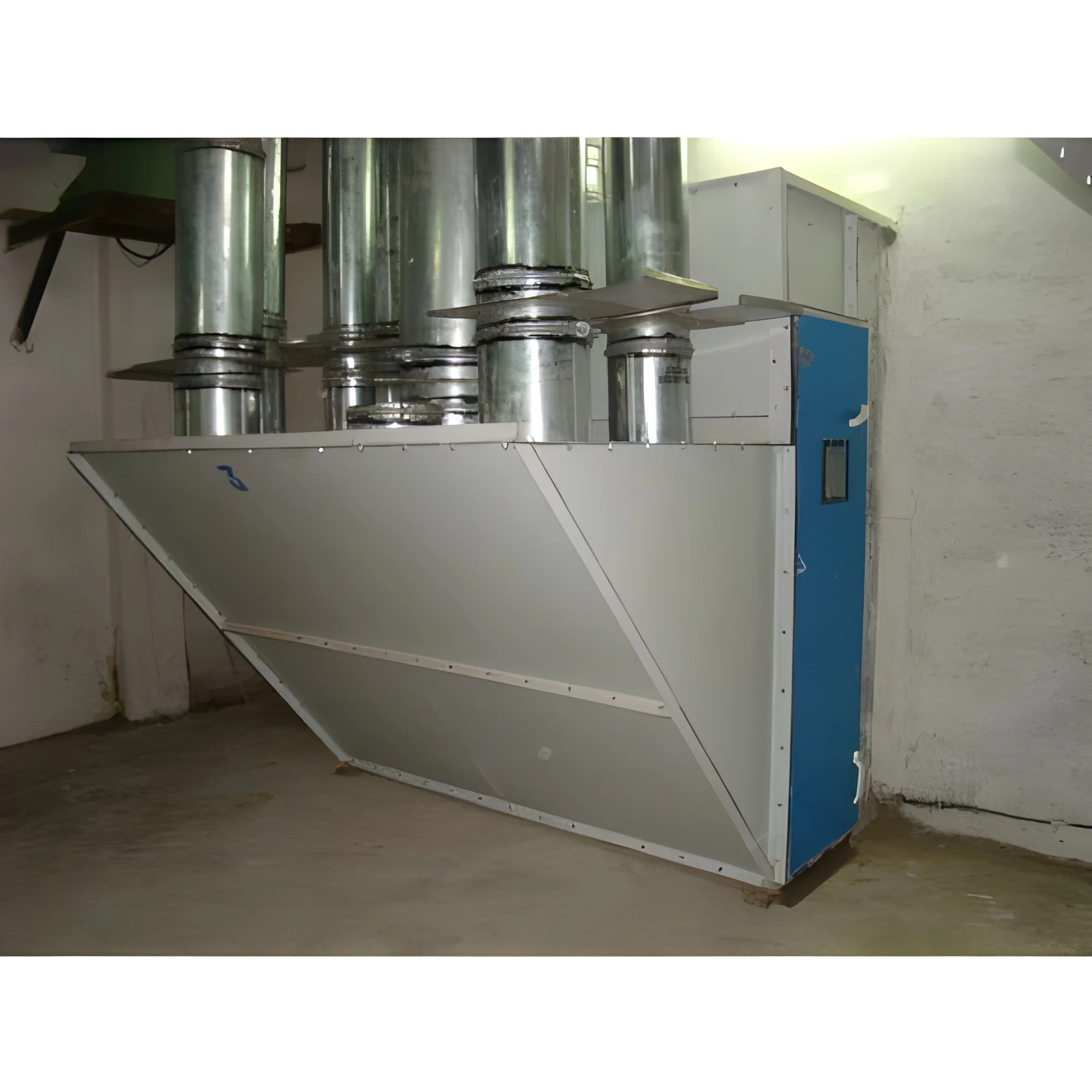
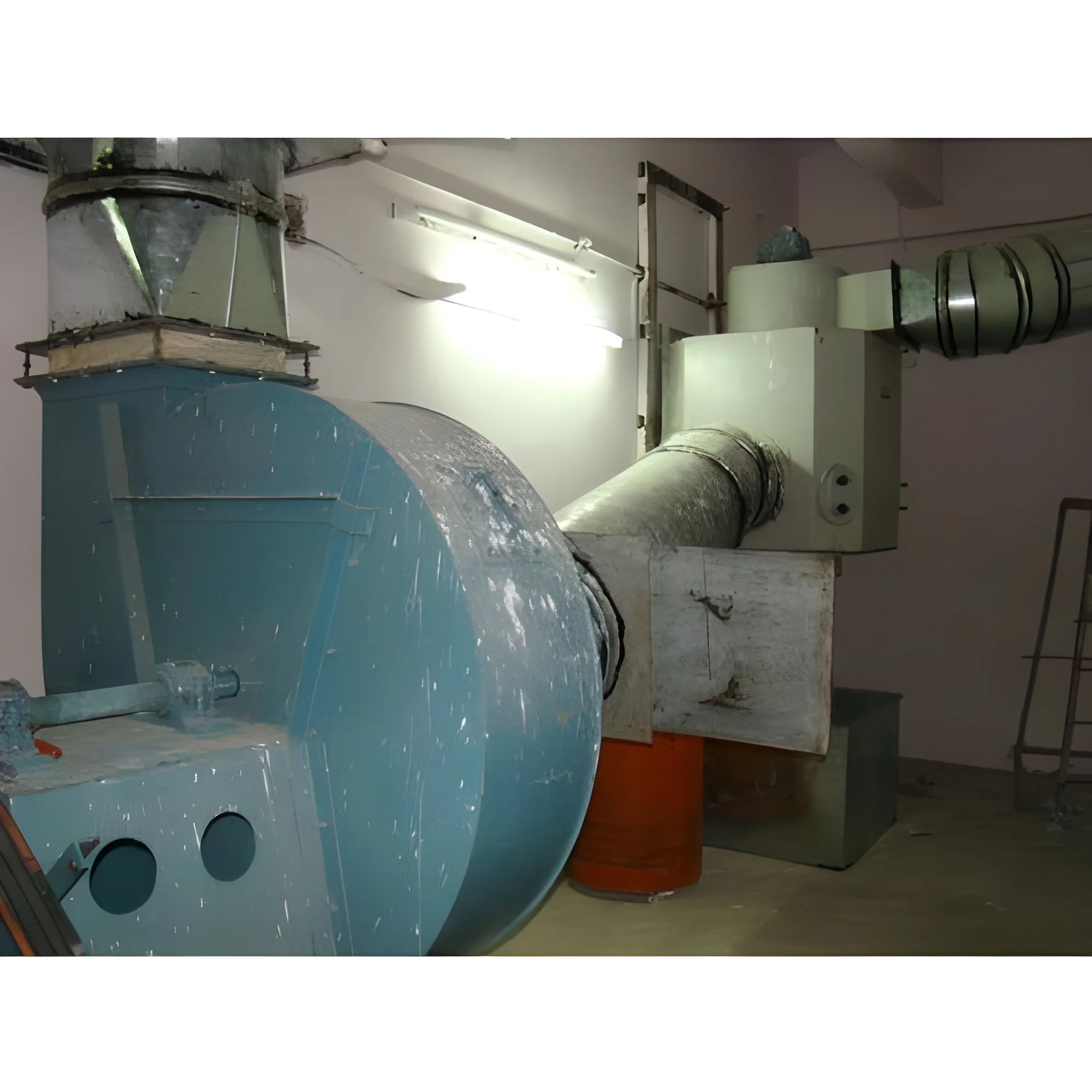
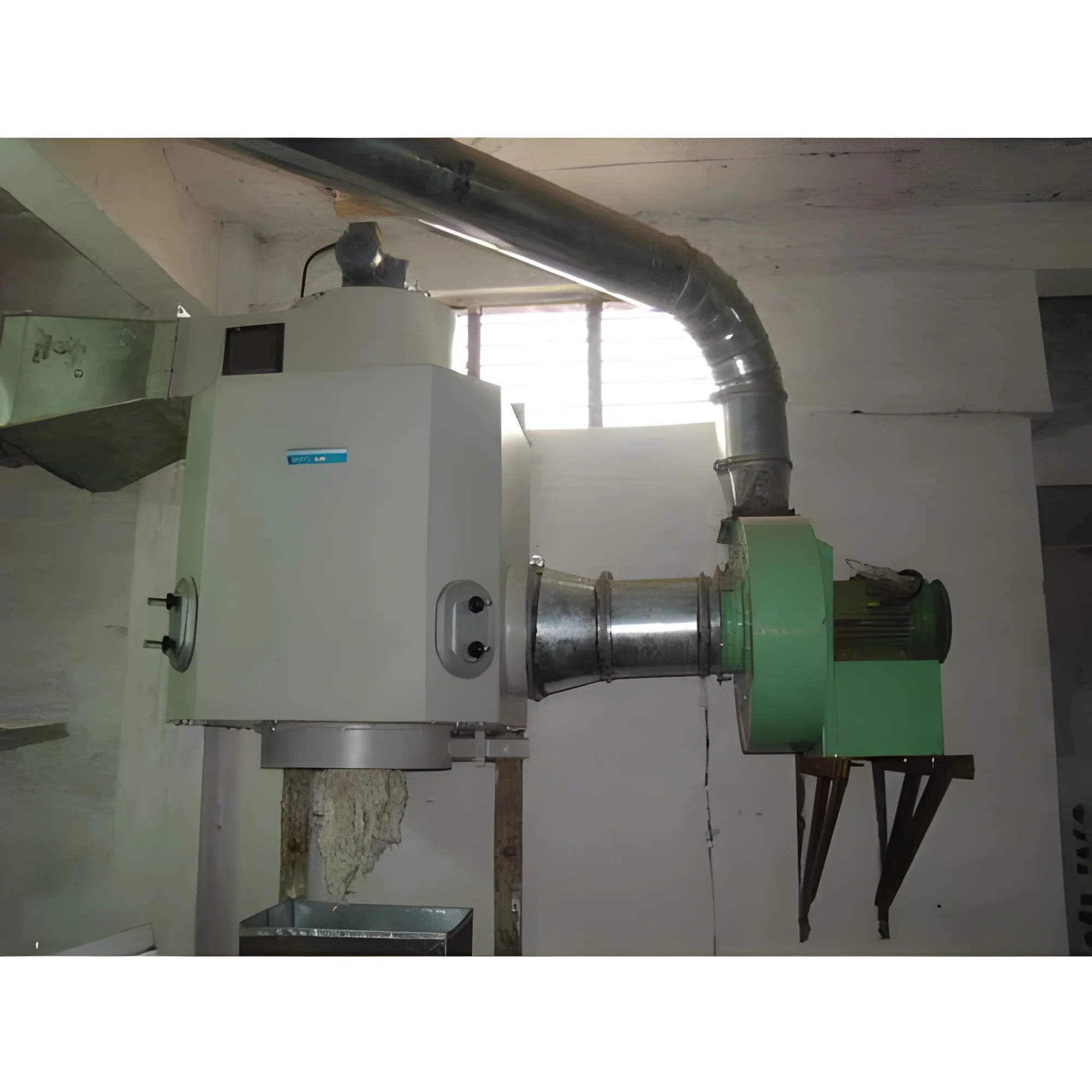
Our industrial blowroom compactor represents advanced textile waste management technology engineered for modern manufacturing facilities seeking optimal production efficiency. This robust system efficiently separates fibrous materials and dust particles from conveying air streams while compacting the waste for simplified disposal or recycling processes. Engineered with precision components and durable construction, the compactor features a screw conveyor mechanism that systematically transports, compresses, and expels waste material through a dedicated outlet. The system incorporates spring-loaded diaphragm technology that automatically discharges compacted waste into collection containers, ensuring continuous operation without requiring manual intervention. This equipment maintains optimal air quality in material handling systems while recovering valuable textile byproducts, making it an essential component for facilities prioritizing both production efficiency and environmental respo...
Our industrial blowroom compactor represents advanced textile waste management technology engineered for modern manufacturing facilities seeking optimal production efficiency. This robust system efficiently separates fibrous materials and dust particles from conveying air streams while compacting the waste for simplified disposal or recycling processes. Engineered with precision components and durable construction, the compactor features a screw conveyor mechanism that systematically transports, compresses, and expels waste material through a dedicated outlet. The system incorporates spring-loaded diaphragm technology that automatically discharges compacted waste into collection containers, ensuring continuous operation without requiring manual intervention. This equipment maintains optimal air quality in material handling systems while recovering valuable textile byproducts, making it an essential component for facilities prioritizing both production efficiency and environmental responsibility in their operations.

The blowroom compactor serves critical functions across multiple textile industry segments including spinning mills, weaving units, non-woven manufacturing plants, and textile recycling facilities. In spinning operations, it effectively manages waste generated during carding, combing, and drawing processes, preventing fiber accumulation that could disrupt production flow and compromise output quality. Weaving and knitting mills utilize the compactor to control lint and fiber particles released during fabric formation, maintaining clean working environments and reducing potential fire hazards associated with airborne fibers. Non-woven manufacturers benefit from its ability to handle diverse fiber types including synthetic materials, while recycling operations value its efficiency in separating reusable fibers from waste streams for economic and environmental advantages. The equipment's versatility makes it suitable for both large-scale integrated textile complexes and specialized processing units with varying production requirements.

Businesses investing in our blowroom compactor gain significant operational advantages through reduced downtime, lower maintenance costs, and improved production consistency across manufacturing cycles. The system's reliability stems from its heavy-duty construction, precision engineering, and simplified maintenance design that minimizes operational interruptions and extends equipment lifespan. The compactor offers reliable performance that matches specific production requirements and facility constraints, ensuring optimal integration into existing operations without compromising efficiency. The equipment's efficient operation translates to tangible cost savings through reduced energy consumption, minimized waste handling labor requirements, and extended lifespan of connected machinery through improved air quality. Manufacturers can expect enhanced production quality through consistent air flow management and reduced contamination risks, ultimately supporting higher output rates and improved product quality that strengthens competitive positioning in the market.

Key Features:
- Advanced screw conveyor system for efficient waste transportation and compaction
- Spring-loaded diaphragm mechanism for automatic waste discharge into collection containers
- Heavy-duty construction with durable components for continuous industrial operation
- Precision engineering for reliable performance in demanding textile manufacturing environments
- Integrated separation technology for effective fiber and dust removal from air streams

Benefits:
- Reduced operational downtime through reliable automatic waste management systems
- Lower maintenance costs with durable construction and simplified service requirements
- Improved production consistency by maintaining clean air flow in material handling
- Enhanced workplace safety through effective control of airborne fibers and dust
- Cost savings through reduced energy consumption and efficient waste processing
Specifications
| Additional Information | |
|---|---|
| Country of Origin | India |
Application
The blowroom compactor serves as a critical component in textile manufacturing facilities where efficient waste management directly influences production quality and equipment performance. It seamlessly integrates into automated material handling systems, effectively processing various textile byproducts including loose fibers, dust particles, and other waste generated during spinning, carding, and blending operations. This equipment maintains clean air circulation while capturing valuable recyclable materials for potential reuse in manufacturing processes.
Industries ranging from large-scale yarn production to non-woven fabric manufacturing depend on this compactor for consistent performance and operational efficiency. Its robust construction withstands continuous operation in demanding industrial environments while requiring minimal maintenance interventions. The system effectively processes waste from multiple machinery sources, making it ideal for modern textile plants seeking to enhance operational productivity while maintaining environmental compliance standards and workplace safety protocols.
- Integrated into blowroom lines for continuous removal of cotton waste and foreign particles during initial fiber processing stages
- Installed in spinning mills to capture and compact fly and micro-dust generated during carding and combing operations
- Used in non-woven manufacturing facilities to manage fiber waste from web formation and bonding processes
- Implemented in textile recycling plants to separate and compact reusable fiber materials from various waste streams
- Deployed in weaving and knitting mills to maintain clean air systems and collect lint during fabric production operations
Trade Details
| Available Stock | In Stock |
| Sample Availability | No |
Payment Terms
| Payment Terms |
|
Company Profile

Manvi Textile Air Engineers Pvt Ltd, Maharashtra
 Maharashtra, India
Maharashtra, IndiaHome & Lifestyle•Manufacturer•Importer / Exporter
Factory Details
Factory SizeBelow 1000 sqm
Annual Production Capacity0
Textile Mill Blowroom Compactor For Efficient Fibrous Waste Management
Textile Mill Blowroom Compactor efficiently separates and compacts fibrous waste from air flow, ensuring reliable operation and optimal production output in industrial textile manufacturing facilities.
Min. Order Quantity: 1 unit
Shipping
Shipping fee and delivery date to be negotiated. Contact supplier now for more details.
Manvi Textile Air Engineers Pvt Ltd
 Maharashtra, India
Maharashtra, IndiaHome & LifestyleManufacturer