IN
IN₹
Apparel & Fashion
Description
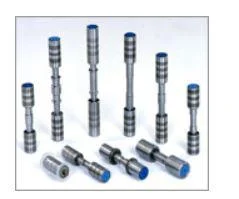
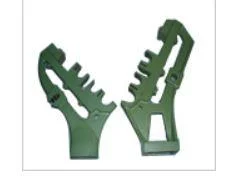
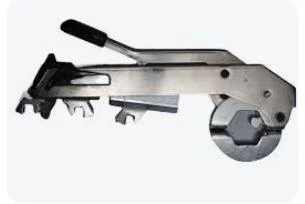
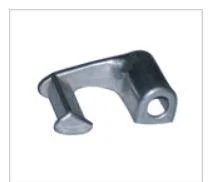
Nathan bottom apron tension devices represent precision-engineered solutions specifically designed for ring frame and speed frame textile machinery. These components play a crucial role in maintaining consistent yarn quality by ensuring smooth rotation of bottom aprons during spinning operations. Available in three distinct types—double row ball bearing, aluminum fork, and dead weight—each variant addresses specific operational requirements while delivering reliable performance. The devices are manufactured with attention to detail, using quality materials that withstand the demanding conditions of textile production environments. Their design focuses on optimizing apron life while minimizing friction and wear, contributing to overall machine efficiency and reduced operational disruptions.

Textile mills across various spinning operations utilize these tension devices to enhance their production capabilities. Ring frame applications benefit from the consistent tension control that prev...
Nathan bottom apron tension devices represent precision-engineered solutions specifically designed for ring frame and speed frame textile machinery. These components play a crucial role in maintaining consistent yarn quality by ensuring smooth rotation of bottom aprons during spinning operations. Available in three distinct types—double row ball bearing, aluminum fork, and dead weight—each variant addresses specific operational requirements while delivering reliable performance. The devices are manufactured with attention to detail, using quality materials that withstand the demanding conditions of textile production environments. Their design focuses on optimizing apron life while minimizing friction and wear, contributing to overall machine efficiency and reduced operational disruptions.

Textile mills across various spinning operations utilize these tension devices to enhance their production capabilities. Ring frame applications benefit from the consistent tension control that prevents yarn quality variations, while speed frame installations experience improved operational stability. The devices find particular value in facilities processing cotton, synthetic fibers, and blended materials where precise tension management directly impacts final product quality. Operations ranging from small-scale spinning units to large integrated textile plants incorporate these components as part of their maintenance and upgrade strategies, recognizing their importance in sustaining production continuity and meeting quality standards consistently.

The business value of these tension devices lies in their ability to reduce maintenance costs and extend equipment lifespan while maintaining production quality. Their reliable performance translates to fewer machine stoppages and consistent output, directly impacting operational profitability. The availability of multiple types allows mills to select solutions that align with their specific technical requirements and budget considerations, providing flexibility in equipment management. These devices demonstrate durability under continuous operation, with designs that minimize wear on associated components, thereby reducing overall maintenance expenses and supporting long-term operational planning.

Key Features:
- Double row ball bearing design for friction-free operation and smooth rotation
- Aluminum fork construction using pressure die-cast aluminum for economical performance
- Dead weight type offering traditional tension device functionality
- Precision engineering ensuring consistent yarn tension control
- Durable materials built to withstand continuous textile production conditions

Benefits:
- Extends apron life by preventing sharp bending and reducing wear
- Minimizes maintenance requirements through reliable, long-lasting performance
- Improves yarn quality consistency across spinning operations
- Reduces operational downtime with durable construction and smooth operation
- Offers flexibility with multiple types to match specific mill requirements and budgets
Specifications
| Additional Information | |
|---|---|
| Country of Origin | India |
Application
These precision tension devices are engineered for textile mills operating ring frames and speed frames, where consistent yarn quality and reduced downtime are critical. They serve as essential components in spinning operations, replacing worn devices to maintain optimal machine performance and production efficiency.
Manufacturers rely on these tension devices to minimize apron wear and extend equipment lifespan across various spinning setups. The availability of different types allows mills to select solutions based on specific operational needs, from high-performance ball bearing options to economical aluminum fork alternatives for cost-sensitive applications.
Real-world applications:
- Installing in ring frame machines to ensure smooth bottom apron rotation and consistent yarn tension
- Upgrading speed frame machines with durable tension devices that reduce maintenance frequency
- Replacing worn or outdated tension mechanisms in spinning mills to restore optimal performance
- Implementing aluminum fork tension devices in operations seeking economical yet reliable solutions
- Using double row ball bearing types in high-speed spinning applications requiring friction-free operation
Trade Details
| Available Stock | In Stock |
| Sample Availability | No |
Payment Terms
| Payment Terms |
|
| Payment Methods |
|
Company Profile

Nathan Industries, Tamil Nadu
 Tamil Nadu, India
Tamil Nadu, IndiaIndustrial Equipment & Machinery•Manufacturer
Factory Details
Factory SizeBelow 1000 sqm
Textile Machine Bottom Apron Tension Devices For Ring & Speed Frames
Nathan bottom apron tension devices for ring frame and speed frame textile machines ensure smooth operation, durability, and optimized apron life with double row ball bearing, aluminum fork, and dead weight types.
Min. Order Quantity: 1 piece
Shipping
Shipping fee and delivery date to be negotiated. Contact supplier now for more details.
Nathan Industries
 Tamil Nadu, India
Tamil Nadu, IndiaIndustrial Equipment & MachineryManufacturer