
 IN
Hardness Testers (Rockwell, Brinell, Vickers)
38 products available
Key Features and Specifications
Hardness testers come equipped with various features designed to enhance accuracy and ease of use. Understanding the key specifications helps buyers choose the right model for their applications.
Key specifications include:
1. Measurement Scales
- Rockwell: Different scales (A, B, C, etc.) for various materials
- Brinell: Uses a 10 mm ball indenter and measures diameter of indentation
- Vickers: Indentation measurement based on the diagonal of the indent
2. Load Capacity
- Rockwell: Typically ranges from 15 kgf to 150 kgf
- Brinell: Standard load usually around 500 kgf to 3000 kgf
- Vickers: Load range varies from 1 kgf to 100 kgf
3. Accuracy
- Generally within 1% of the measured value for Rockwell and Vickers
- For Brinell, accuracy can vary based on the indenter and material type
4. Display Type
- Digital displays for easy reading
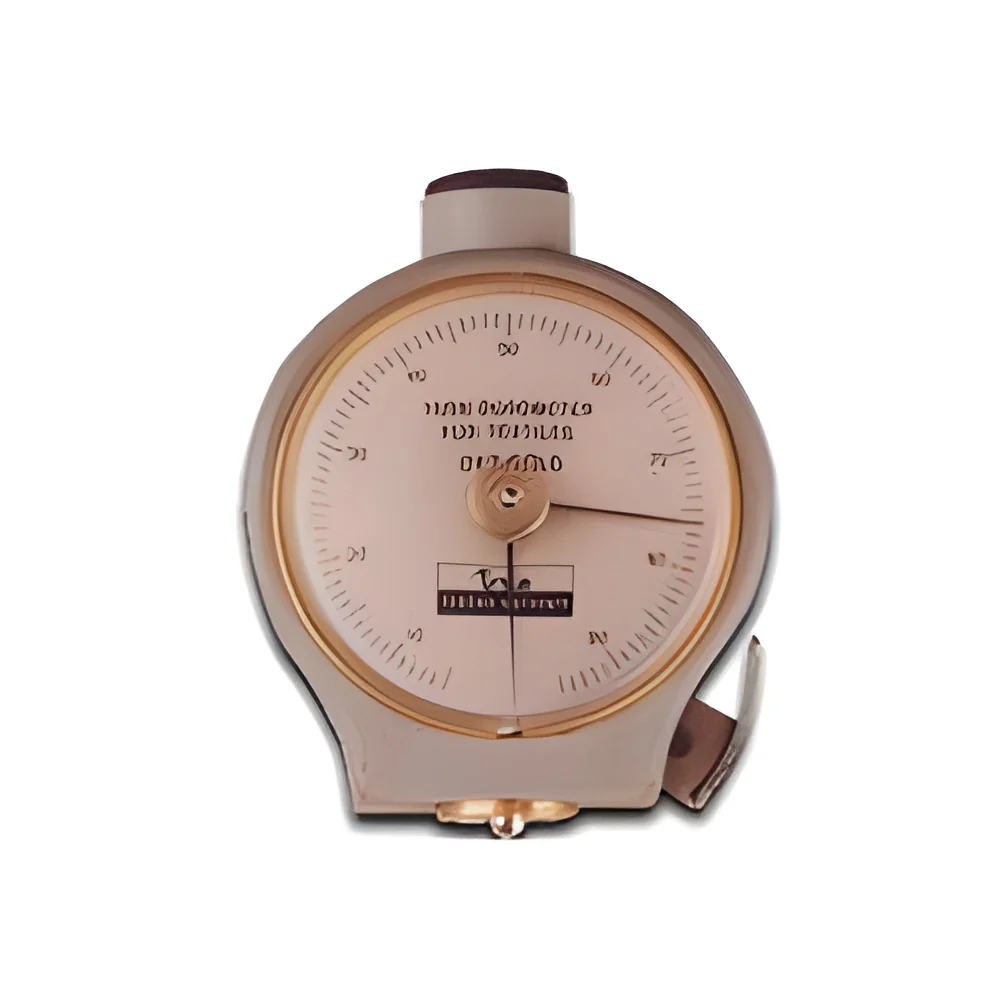
- Analog displays available on some older models
5. Indentation Depth Measurement
- Automatic depth measurement in advanced models
- Manual measurement in basic models
6. Testing Speed
- Fast testing cycles, often under a minute
- Variable speed options for different materials
7. Portability
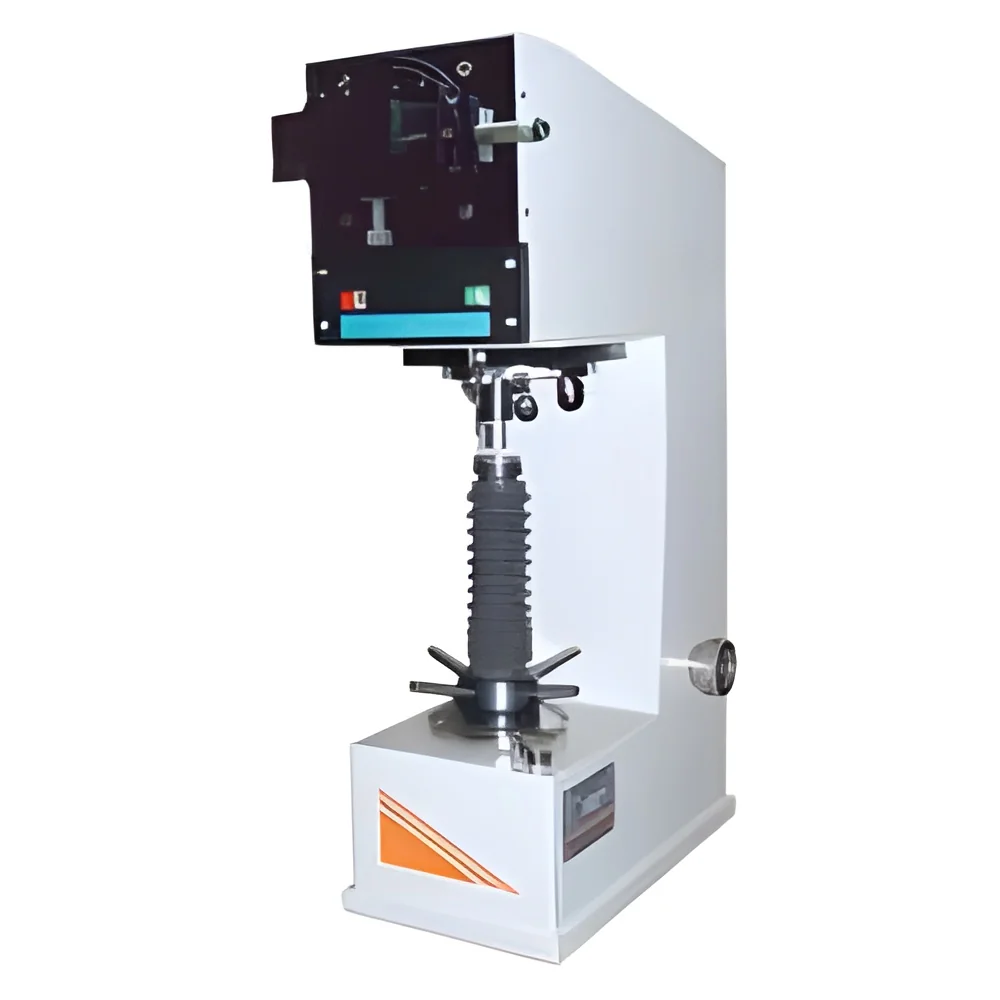
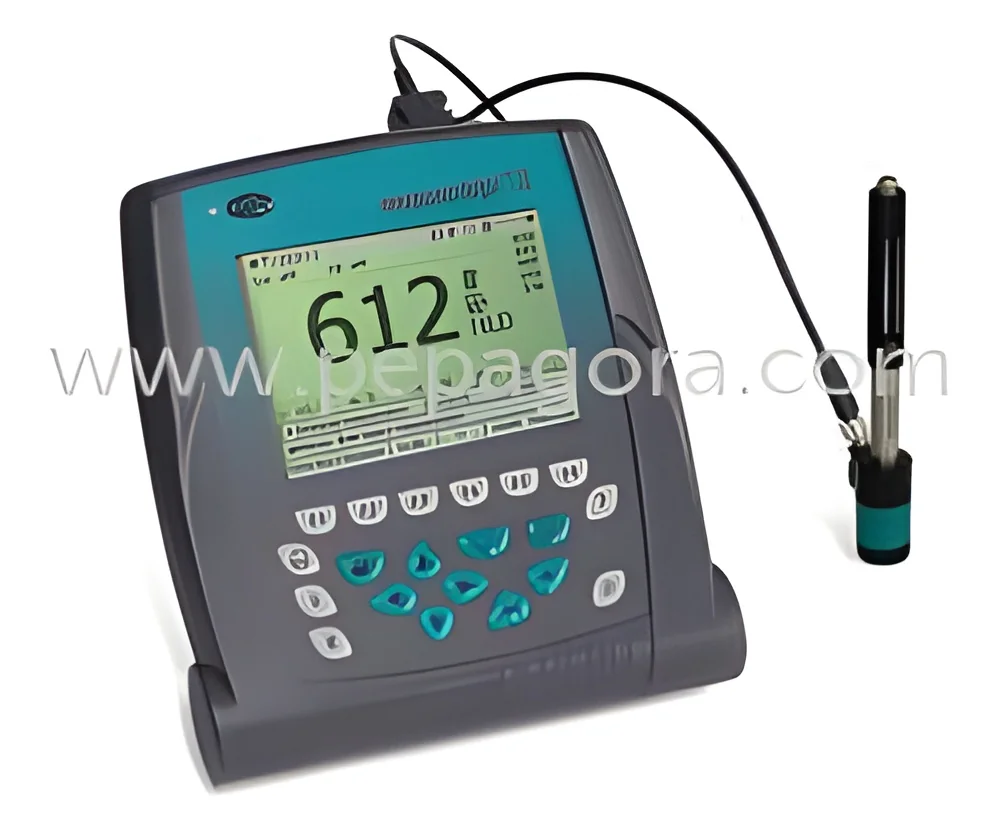
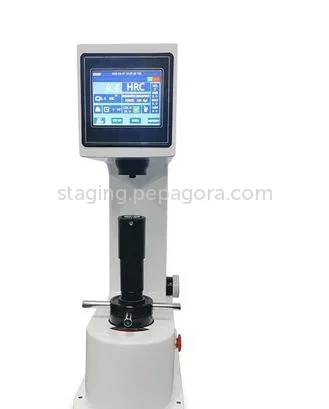
- Desktop models for laboratory use
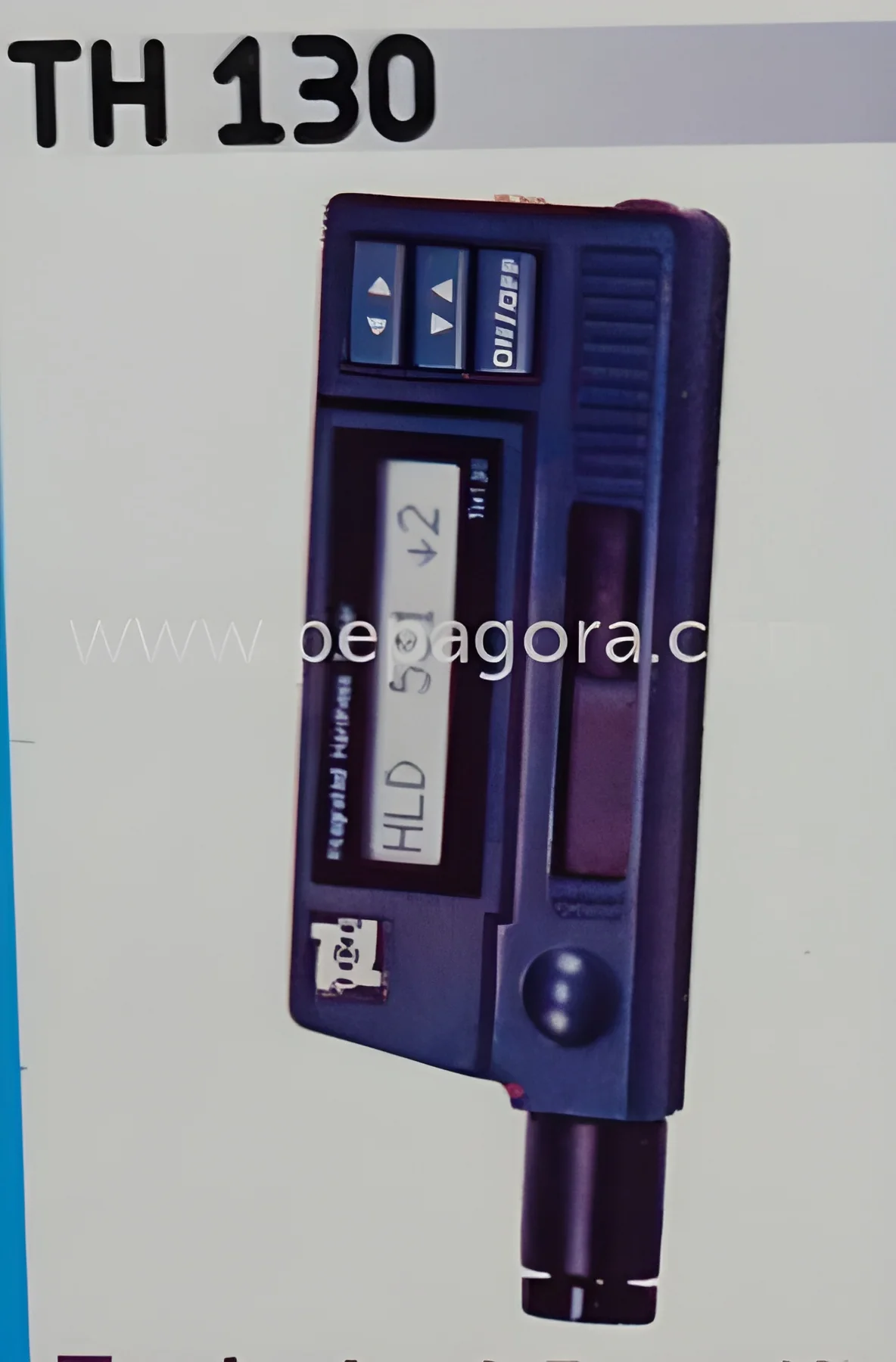
- Portable models for field testing
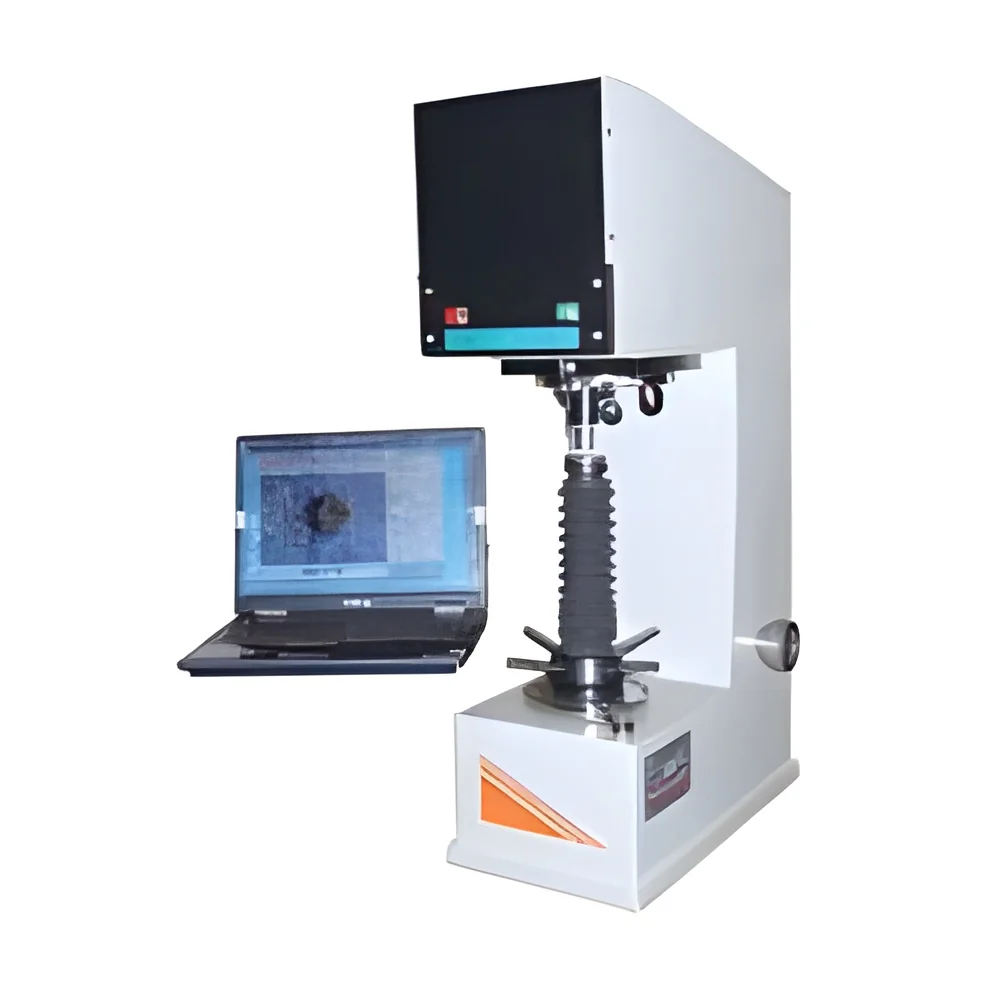
8. Software Integration
- Some models offer software for data analysis and reporting
- Compatibility with various operating systems
In summary, hardness testers are equipped with features that enhance their usability and accuracy, making them vital tools in material testing.
Common Applications and Use Cases
Hardness testers serve a multitude of industries, each with unique applications.
1. Manufacturing: Hardness testers are critical in manufacturing processes to ensure that raw materials meet specific hardness standards before production begins.
2. Aerospace: In the aerospace industry, hardness testing is essential to guarantee the strength and durability of components used in aircraft and spacecraft.
3. Automotive: Hardness testing helps automotive manufacturers ensure that materials used in engines and structural components can withstand wear and stress.
4. Metalworking: Metalworking industries frequently use hardness testers to evaluate the quality of metal parts and ensure they meet stringent specifications.
5. Construction: Hardness testing is important for assessing the durability of materials like concrete and steel used in construction.
6. Tooling: Manufacturers of cutting tools use hardness testers to ensure their products maintain edges and resist wear.
7. Oil and Gas: In the oil and gas industry, hardness testing helps evaluate materials that will be exposed to extreme conditions.
Product Variants and Subcategories
The diversity of hardness testers allows for specialized applications across various fields.
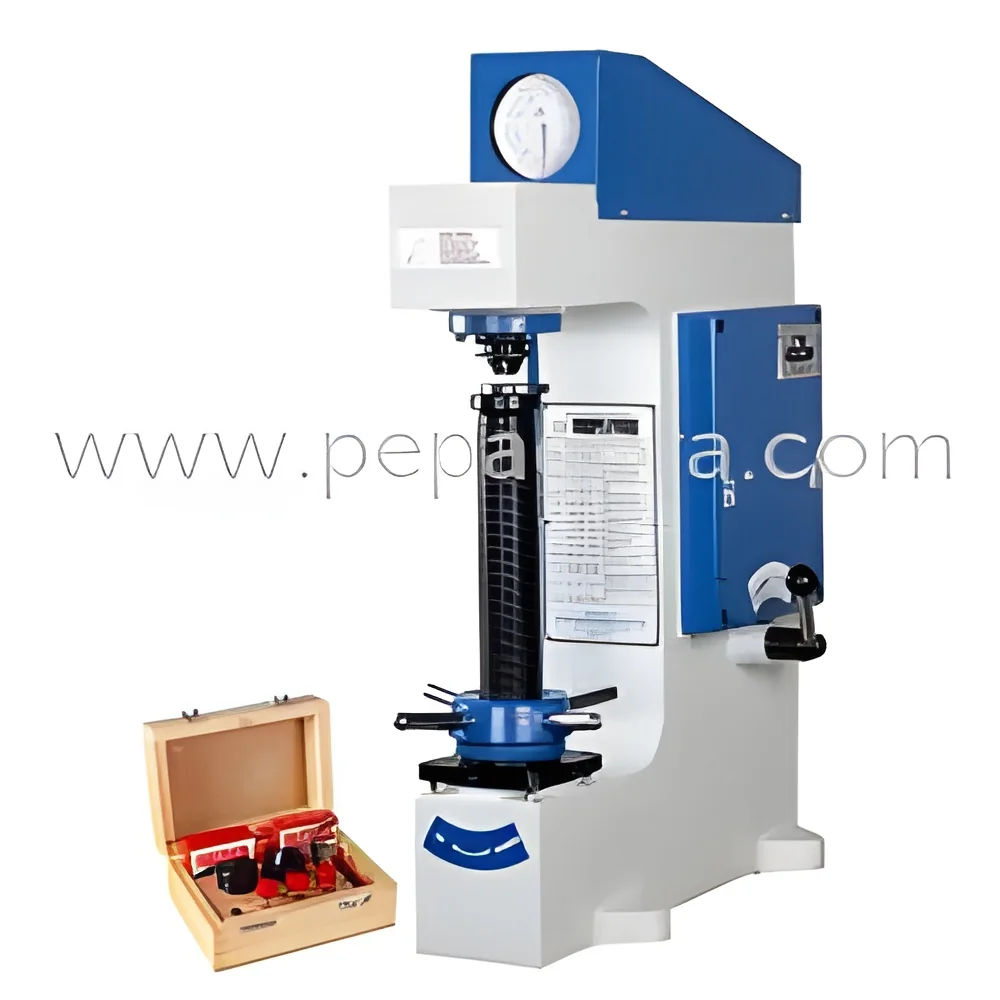
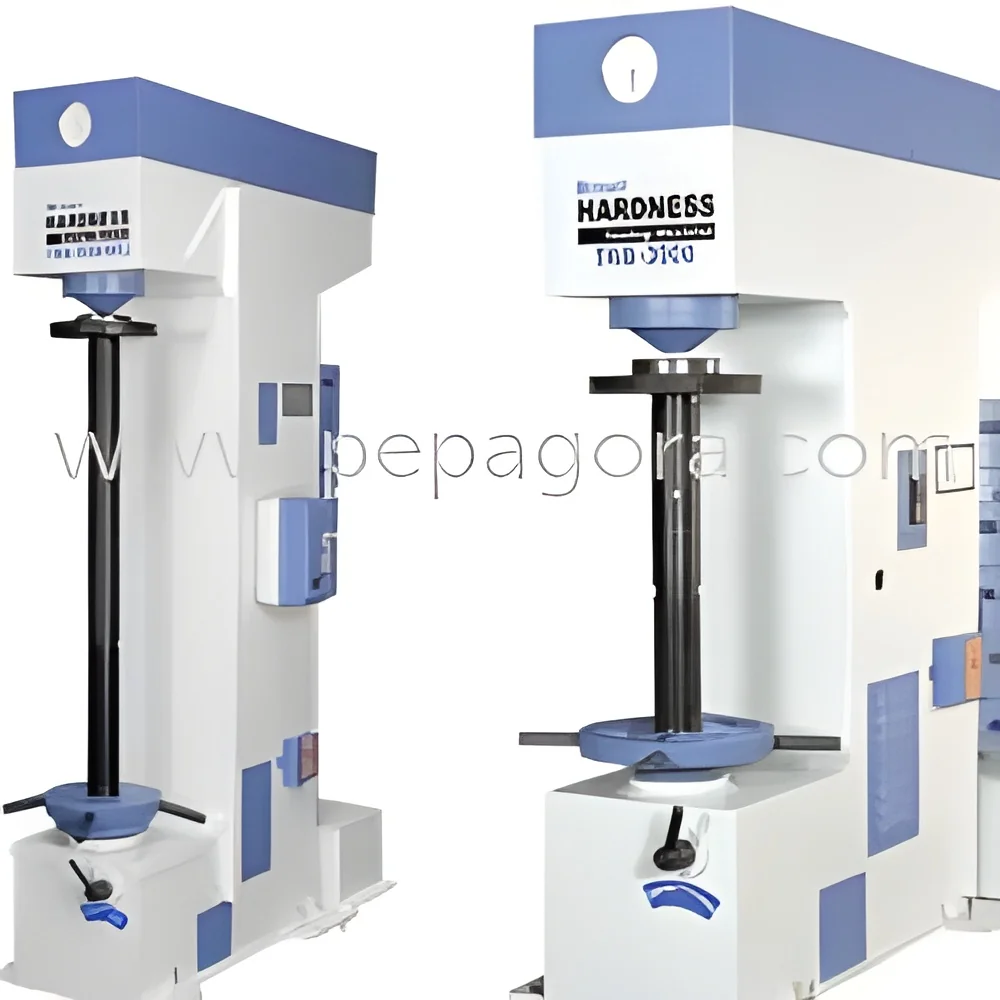
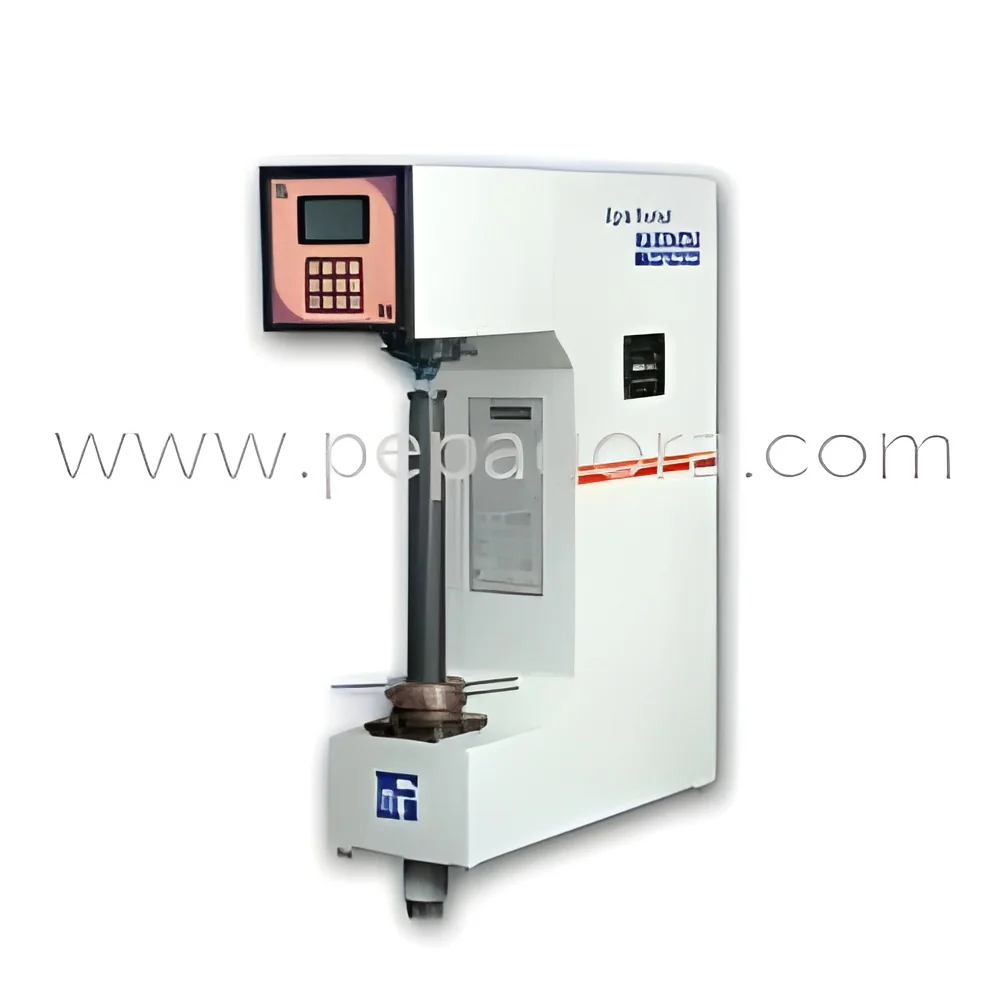
Rockwell Hardness Testers: These testers provide quick and reliable hardness measurements using different scales suited for various materials. They are particularly favored for their ease of use and fast results.
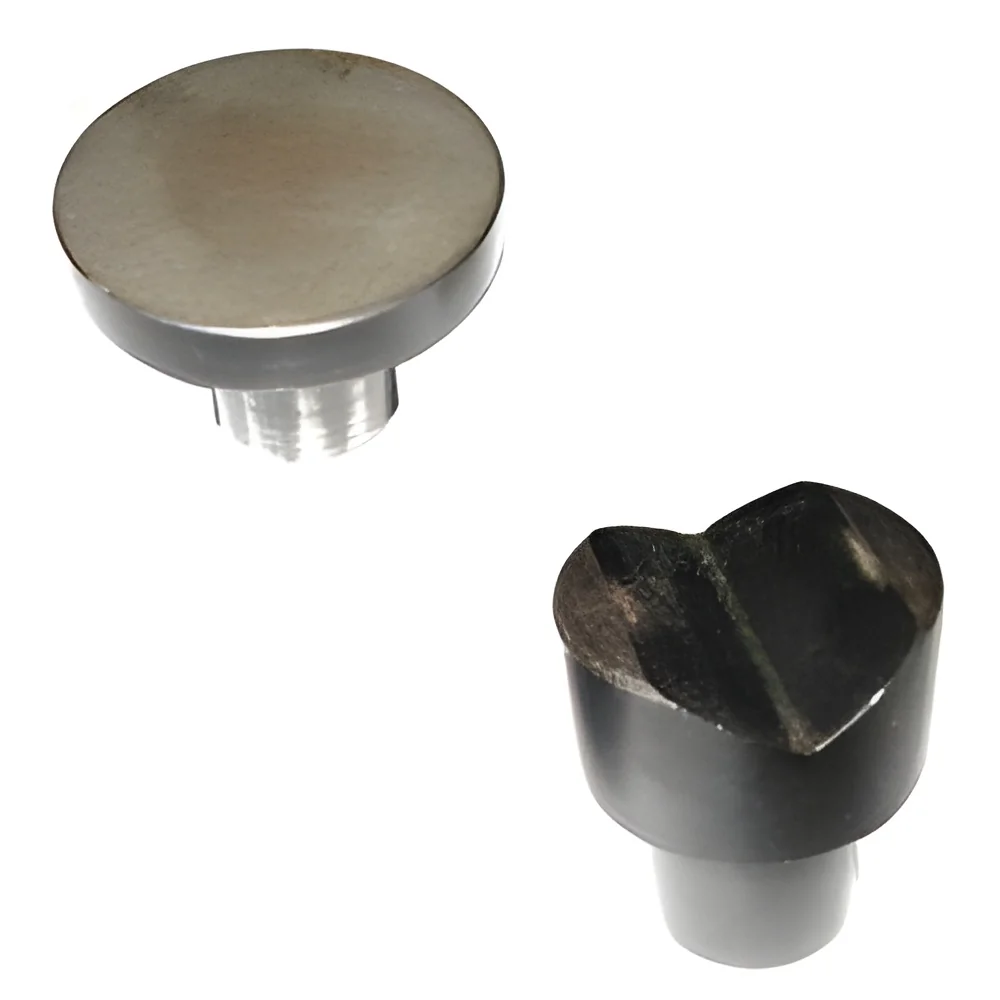
Brinell Hardness Testers: Ideal for larger materials, Brinell testers use a hardened steel ball to create an indentation. This method is effective for materials like castings and forgings.
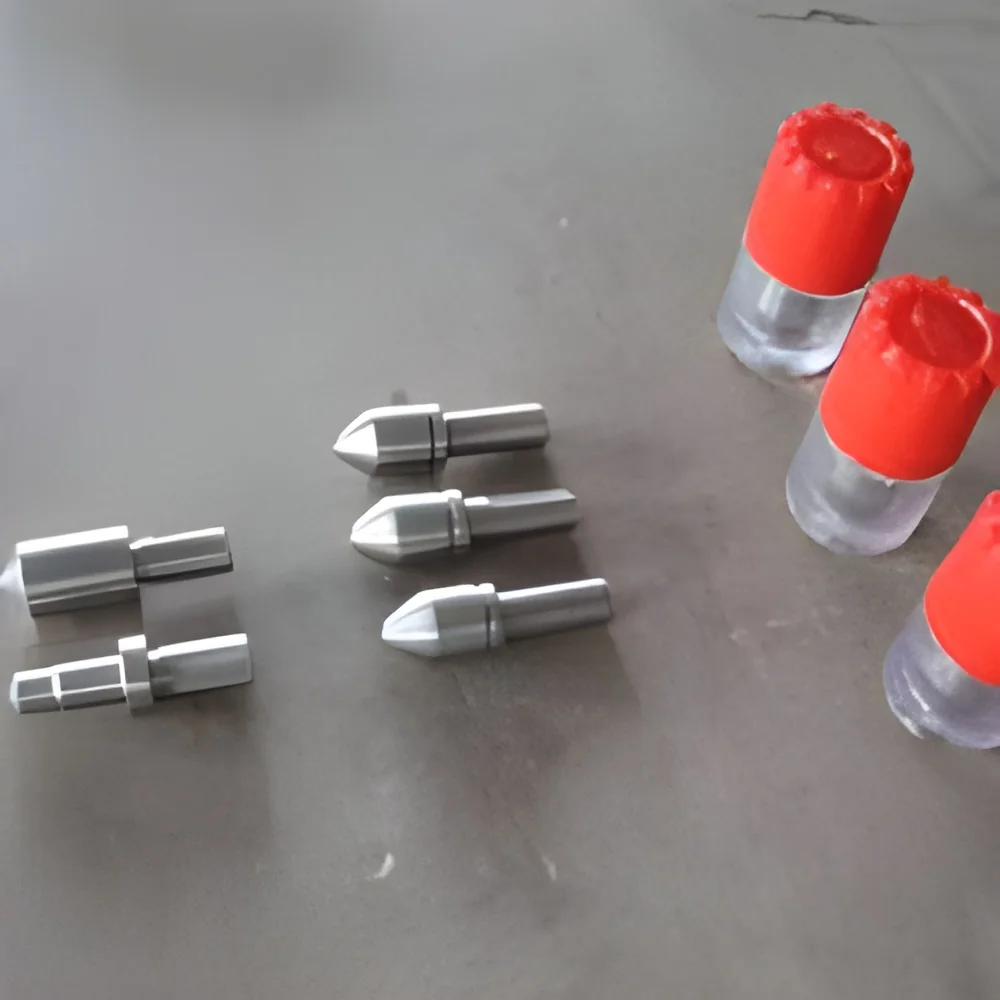
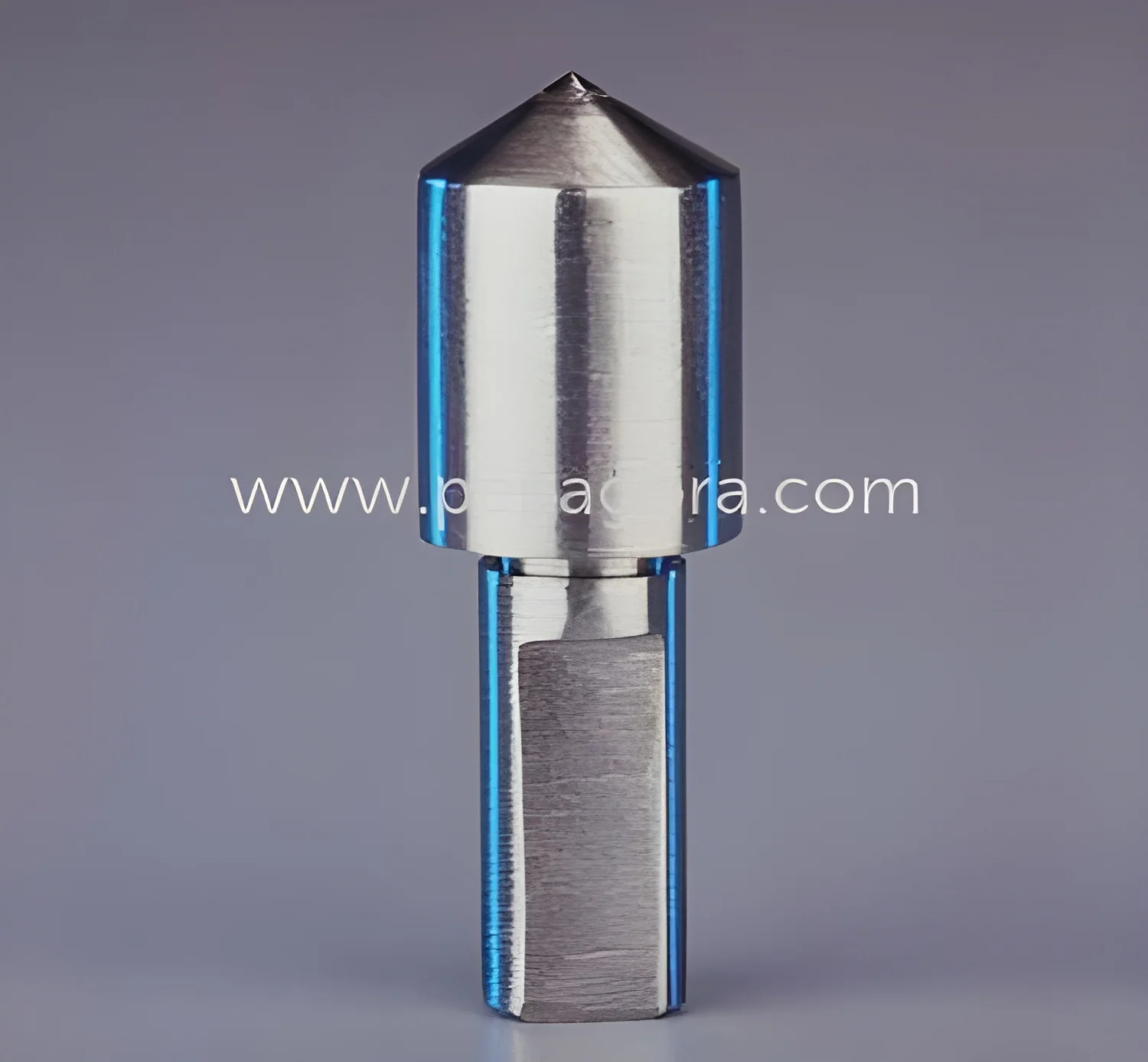
Vickers Hardness Testers: Vickers testers are known for their versatility and precision. With a diamond indenter, they can assess both soft and hard materials, making them suitable for a wide range of applications.
Benefits and Advantages
Investing in hardness testers yields numerous advantages for businesses.
1. Enhanced Quality Control: Hardness testers help ensure that materials meet industry standards, leading to improved product reliability.
2. Cost Efficiency: By identifying materials with optimal hardness, companies can minimize waste and reduce costs associated with material failure.
3. Versatility: With different testing methods available, hardness testers can be adapted to various materials and applications.
4. Accurate Measurements: Modern hardness testers offer high precision, contributing to better material performance and longevity.
5. Ease of Use: Many testers are designed for user-friendly operation, allowing for quick training and implementation in production lines.
6. Data Management: Advanced models with software integration help in tracking and analyzing testing data, enhancing decision-making processes.
Buying Guide for B2B Buyers
When sourcing hardness testers, buyers should consider several critical factors to ensure they select the right equipment.
1. Quality Assessment: Evaluate the quality of hardness testers based on manufacturer reputation, user reviews, and compliance with industry standards.
2. Supplier Verification: Vet potential suppliers to ensure they provide reliable products and support services. Look for certifications and customer feedback.
3. Pricing and MOQ: Consider the total cost of ownership, including the purchase price, maintenance, and any minimum order quantities that may apply.
4. Delivery and Lead Times: Assess the supplier’s ability to meet delivery timelines, which is essential for maintaining production schedules.
5. Compliance Requirements: Ensure the hardness testers meet relevant regulatory and safety standards to avoid potential legal issues.
Compliance and Certifications
Hardness testers must adhere to various quality standards to ensure reliability and performance. Common standards include ISO 9001, which focuses on quality management systems, and CE certification, which indicates compliance with European health and safety regulations.
Industry-specific certifications may also apply, particularly in sectors like aerospace and automotive, where stringent quality standards are mandatory. Safety and testing requirements vary by region, necessitating that buyers confirm compliance based on their operational location.
Regional considerations may include adherence to local regulations and industry standards, emphasizing the importance of choosing suppliers familiar with these requirements.
Why Source Hardness Testers (Rockwell, Brinell, Vickers) from Pepagora?
Pepagora offers a trusted platform for sourcing hardness testers with multiple advantages for B2B buyers.
Verified Supplier Network: Pepagora connects buyers with a network of verified suppliers, ensuring that the products meet high-quality standards and compliance requirements.
Streamlined RFQ Process: The platform simplifies the Request for Quotation process, allowing buyers to easily compare options and make informed decisions based on their specific needs.
Trade Assurance and Support: Pepagora provides buyer protection through trade assurance, ensuring that transactions are secure and that buyers receive the products as promised.
Regional Coverage: With a strong presence in India, the GCC, and Southeast Asia, Pepagora facilitates access to suppliers across diverse markets, helping buyers find the best options for their hardness testing needs.

 India
 India
 India
 India
 India
 India

 India
 India
 India

 India
 India
 India
 India
 India
 India
 India

 India
 India
Frequently Asked Questions
What are Hardness Testers (Rockwell, Brinell, Vickers)?
Hardness Testers are devices used to measure the hardness of materials. The Rockwell, Brinell, and Vickers methods are three common techniques, each utilizing different scales and indenters to determine material hardness.
What are the different types of Hardness Testers (Rockwell, Brinell, Vickers)?
The main types of Hardness Testers include Rockwell testers, which use a specific load and depth measurement; Brinell testers, which use a larger ball indenter for softer materials; and Vickers testers, which employ a diamond indenter for a wide range of materials. Each type is suited to different applications based on material properties.
How do I choose the right Hardness Testers (Rockwell, Brinell, Vickers)?
Choosing the right hardness tester depends on the material you are testing and the required accuracy. Consider factors such as the type of material, expected hardness range, and the testing environment to select the most appropriate tester.
What are the standard specifications for Hardness Testers (Rockwell, Brinell, Vickers)?
Standard specifications for hardness testers include the load range, indenter type, and measurement accuracy. Additionally, they should comply with international standards such as ASTM and ISO to ensure reliable results.
What is the price range for Hardness Testers (Rockwell, Brinell, Vickers)?
The price range for hardness testers varies widely based on type and features, typically ranging from INR 15,000 to over INR 1,00,000. Advanced models with automated features may cost more, while basic models are more affordable.
What quality standards apply to Hardness Testers (Rockwell, Brinell, Vickers)?
Quality standards for hardness testers typically include compliance with ISO 6508 for Rockwell, ISO 6506 for Brinell, and ISO 6507 for Vickers. Adhering to these standards ensures the accuracy and reliability of test results.
Where can I find Hardness Testers (Rockwell, Brinell, Vickers) suppliers in India?
You can find suppliers of hardness testers in India through B2B marketplaces like Pepagora.com, industry trade shows, and manufacturer directories. It is advisable to compare multiple suppliers to find the best options.
Can Hardness Testers (Rockwell, Brinell, Vickers) be customized?
Yes, many manufacturers offer customization options for hardness testers to meet specific testing requirements. Custom features can include load capacity adjustments, indenter types, and software enhancements.
What is the typical minimum order quantity for Hardness Testers (Rockwell, Brinell, Vickers)?
The typical minimum order quantity (MOQ) for hardness testers varies by supplier, but it generally ranges from 1 to 5 units. Larger orders may qualify for discounts or better pricing.
What is the typical lead time for Hardness Testers (Rockwell, Brinell, Vickers)?
The typical lead time for hardness testers can range from 2 to 6 weeks, depending on the manufacturer and the extent of customization required. It is advisable to confirm lead times with your supplier before placing an order.
Why Businesses Trust Pepagora
Thousands of companies trust Pepagora to source smarter and sell faster
Expand Your Sales Globally

Source Smarter,Grow Faster
