IN
IN₹
Apparel & Fashion
Loading subcategories...
View More
Description
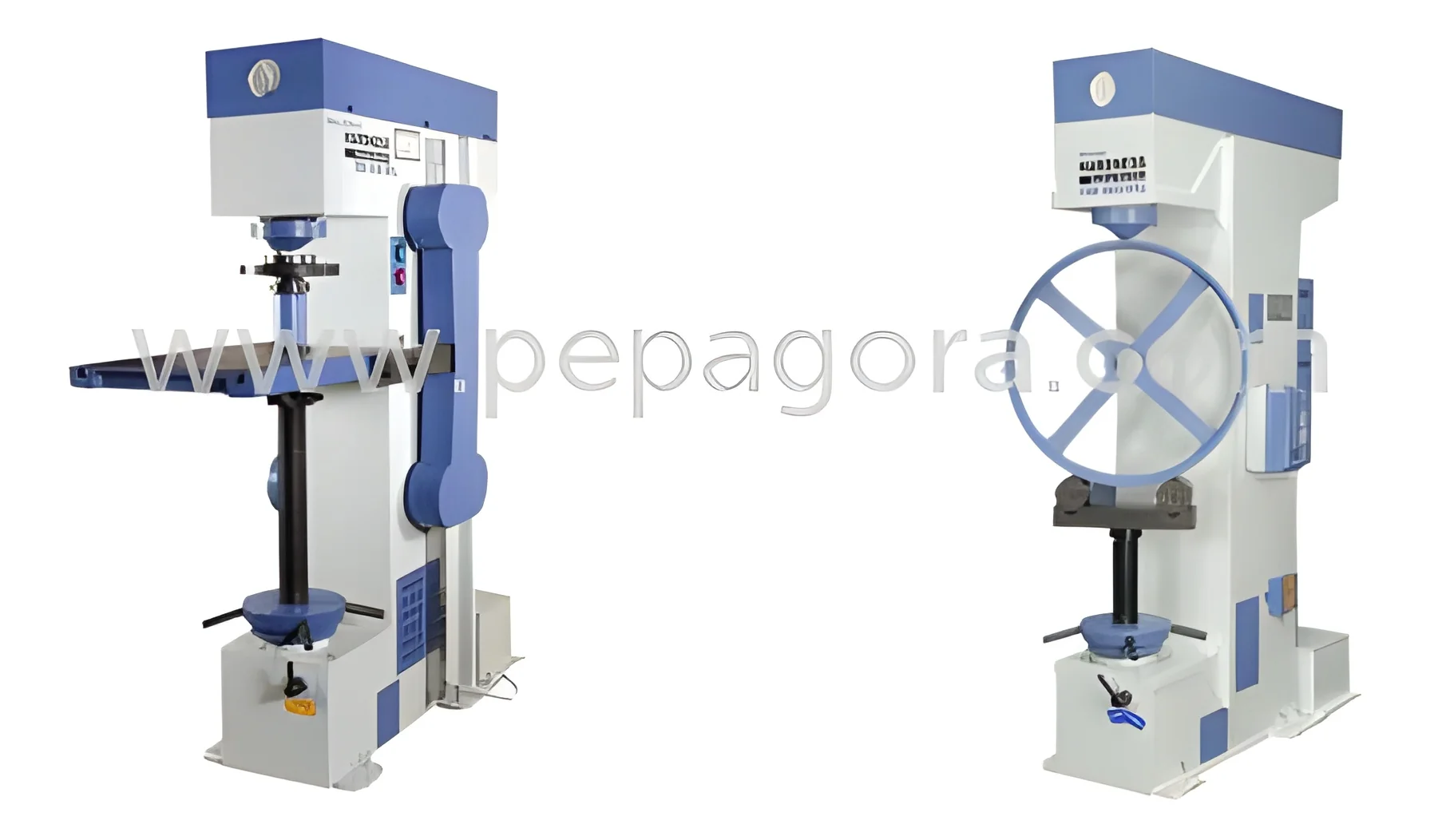
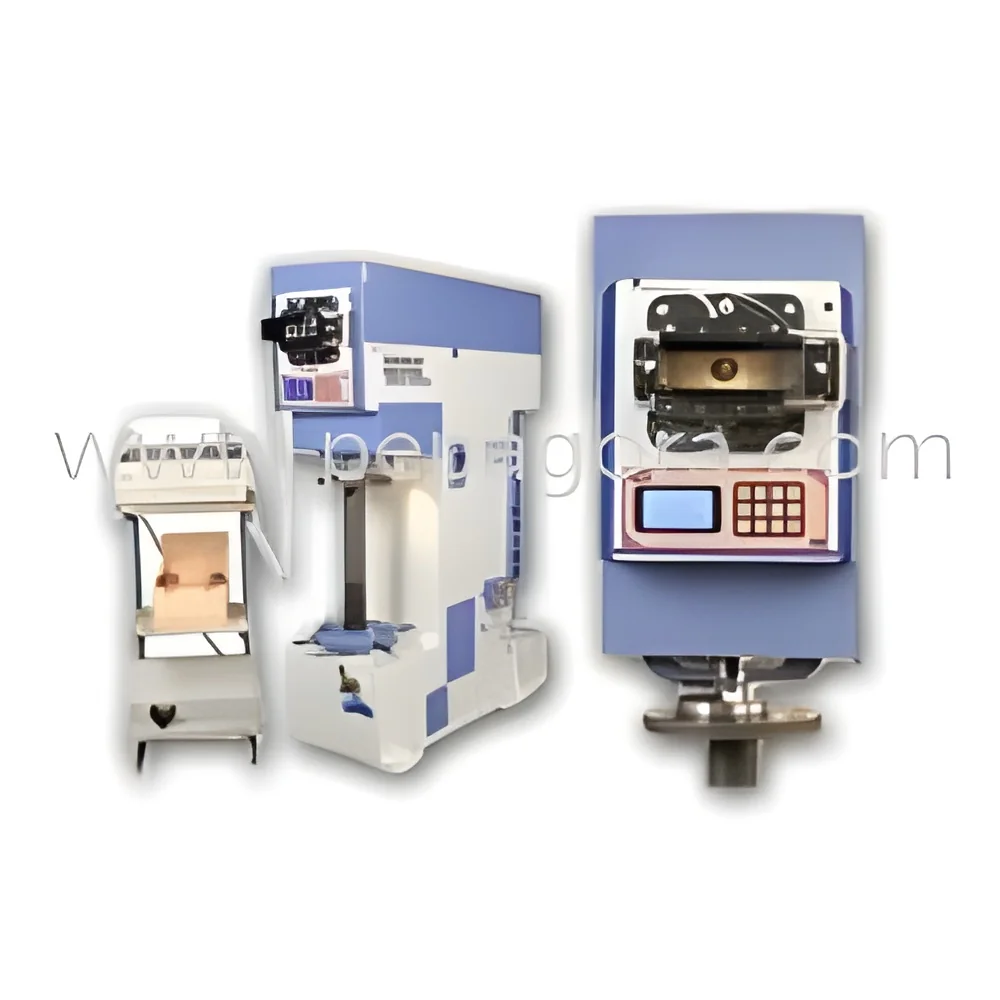
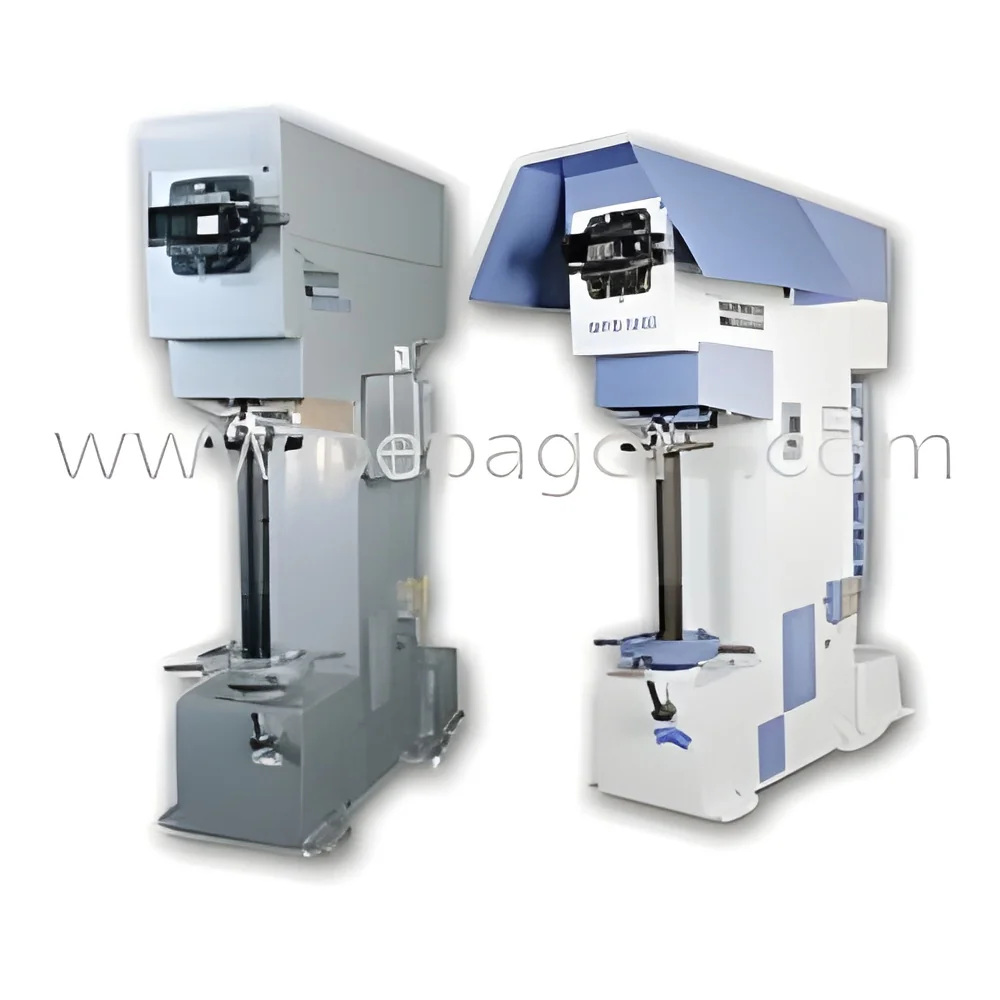
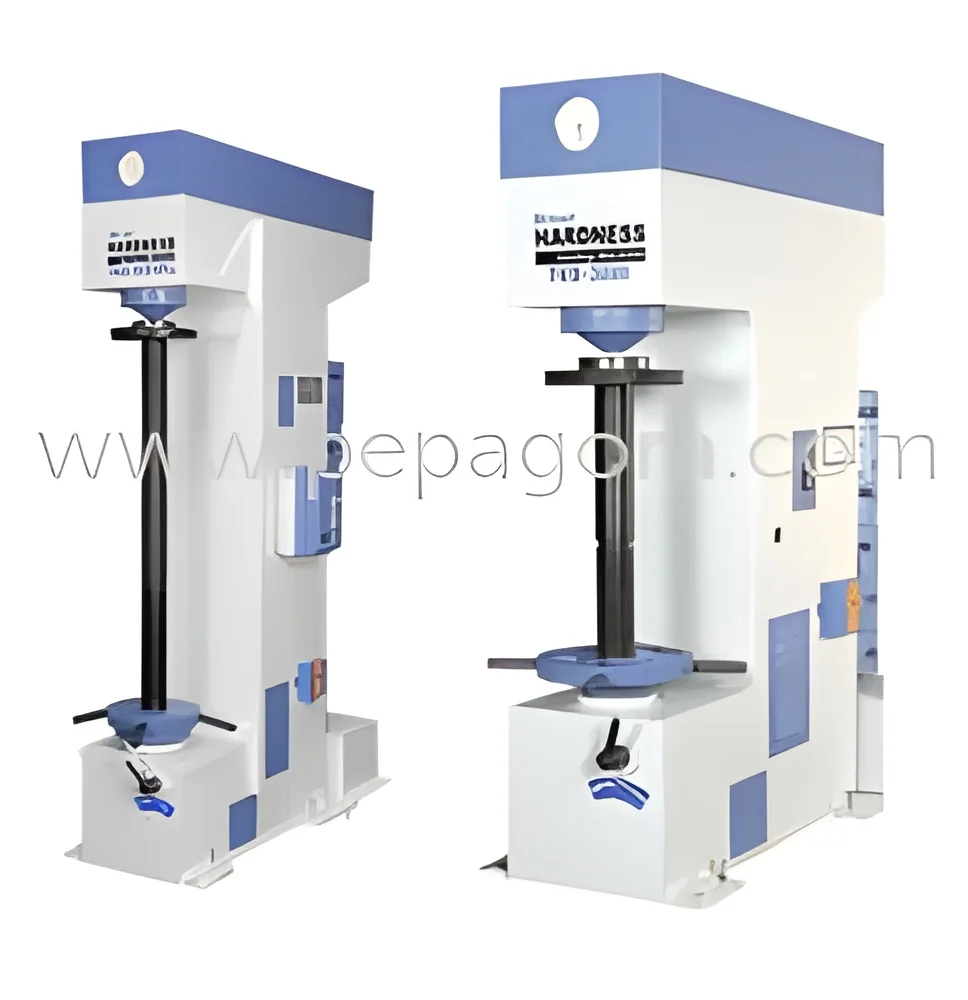
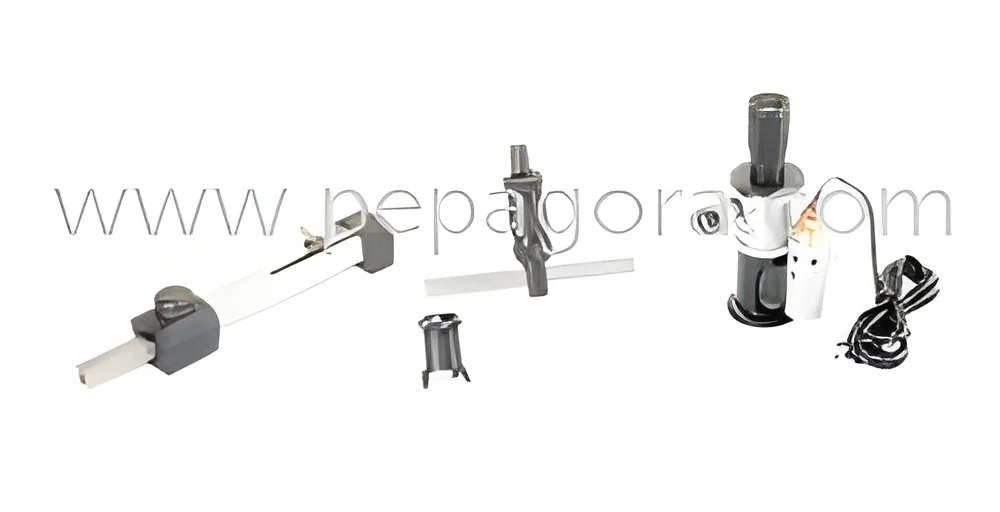
The Poldi Hardness Tester represents precision engineering for material hardness verification across demanding industrial environments. This portable testing instrument delivers accurate hardness measurements for various metals including steel, cast iron, steel castings, and forgings with laboratory-grade precision. Designed for both controlled laboratory settings and challenging field applications, it enables quality professionals to perform reliable non-destructive testing on large components that cannot be transported to traditional testing facilities. The tester's robust construction ensures consistent performance in demanding industrial conditions while maintaining measurement accuracy comparable to stationary testing equipment, providing trustworthy data for critical quality decisions.

Multiple industrial sectors depend on Poldi Hardness Testers for essential quality assurance processes throughout their manufacturing operations. Metal fabrication facilities utilize these testers...
The Poldi Hardness Tester represents precision engineering for material hardness verification across demanding industrial environments. This portable testing instrument delivers accurate hardness measurements for various metals including steel, cast iron, steel castings, and forgings with laboratory-grade precision. Designed for both controlled laboratory settings and challenging field applications, it enables quality professionals to perform reliable non-destructive testing on large components that cannot be transported to traditional testing facilities. The tester's robust construction ensures consistent performance in demanding industrial conditions while maintaining measurement accuracy comparable to stationary testing equipment, providing trustworthy data for critical quality decisions.

Multiple industrial sectors depend on Poldi Hardness Testers for essential quality assurance processes throughout their manufacturing operations. Metal fabrication facilities utilize these testers to verify material hardness before machining operations, while foundries employ them for quality control of cast components at various production stages. Forging operations rely on these instruments to confirm proper heat treatment results and material consistency, and construction companies utilize them for verifying structural steel properties on-site. The automotive industry benefits from hardness testing during component manufacturing and failure analysis investigations, while heavy equipment manufacturers use them for quality verification on large gear components and structural parts that require immediate on-site assessment.

Organizations select Poldi Hardness Testers for their proven reliability and significant operational value. These testing instruments substantially reduce production downtime by enabling immediate hardness verification without the delays and costs associated with sending components to external laboratories. The equipment's durable construction and consistent performance ensure long-term operational reliability across various industrial environments. This dependability translates into reduced inspection expenses, streamlined quality control procedures, and enhanced customer confidence in material specifications and final product quality standards, making it a valuable investment for serious manufacturing operations.

Key Features:
- Portable design for convenient on-site hardness testing applications
- Accurate measurement capability for steel, cast iron, and forged materials
- Suitable for testing very large industrial components and structures
- Durable construction ensuring reliable performance in industrial environments
- Consistent measurement accuracy comparable to laboratory equipment

Benefits:
- Enables immediate hardness verification without laboratory delays
- Reduces inspection costs and production downtime significantly
- Provides reliable data for critical quality control decisions
- Ensures compliance with industry standards and specifications
- Supports quality assurance throughout manufacturing processes
Specifications
| Additional Information | |
|---|---|
| Country of Origin | India |
| Customisable | No |
Application
The Poldi Hardness Tester performs essential quality verification across metal manufacturing and fabrication sectors. Its portable design enables accurate on-site hardness testing for large industrial components that cannot be moved to laboratory settings, making it indispensable for production floor inspections and field quality assessments where immediate results are required for decision-making processes.
This testing instrument proves particularly valuable for verifying material properties in steel production facilities, foundry operations, and forging plants. It delivers immediate hardness readings for heat-treated components, welded structures, and incoming raw materials, ensuring compliance with industry standards and specifications before further processing, assembly, or final product delivery to customers.
- Quality verification of structural steel beams and construction components
- Hardness testing of automotive engine blocks and transmission parts
- Inspection of pipeline welds in oil and gas infrastructure projects
- Testing forged components in agricultural and construction machinery
- Material verification for tool steel and industrial die castings
Trade Details
| Available Stock | In Stock |
| Sample Availability | No |
Payment Terms
| Payment Terms |
|
Company Profile
Fine Manufacturing Industries, Maharashtra
 Maharashtra, India
Maharashtra, IndiaConstruction•Manufacturer•Importer / Exporter
Factory Details
Factory SizeBelow 1000 sqm
Annual Production Capacity0
Industrial Metal Hardness Tester For Steel Castings Forgings Quality Control
Poldi Hardness Tester delivers precise material hardness testing for steel, castings, and forgings. This industrial-grade instrument provides reliable quality control measurements for large components in metalworking applications with consistent accuracy.
Min. Order Quantity: 1 unit
Shipping
Shipping fee and delivery date to be negotiated. Contact supplier now for more details.
Fine Manufacturing Industries
 Maharashtra, India
Maharashtra, IndiaConstructionManufacturer