IN
IN₹
Apparel & Fashion
Loading subcategories...
View More
Description
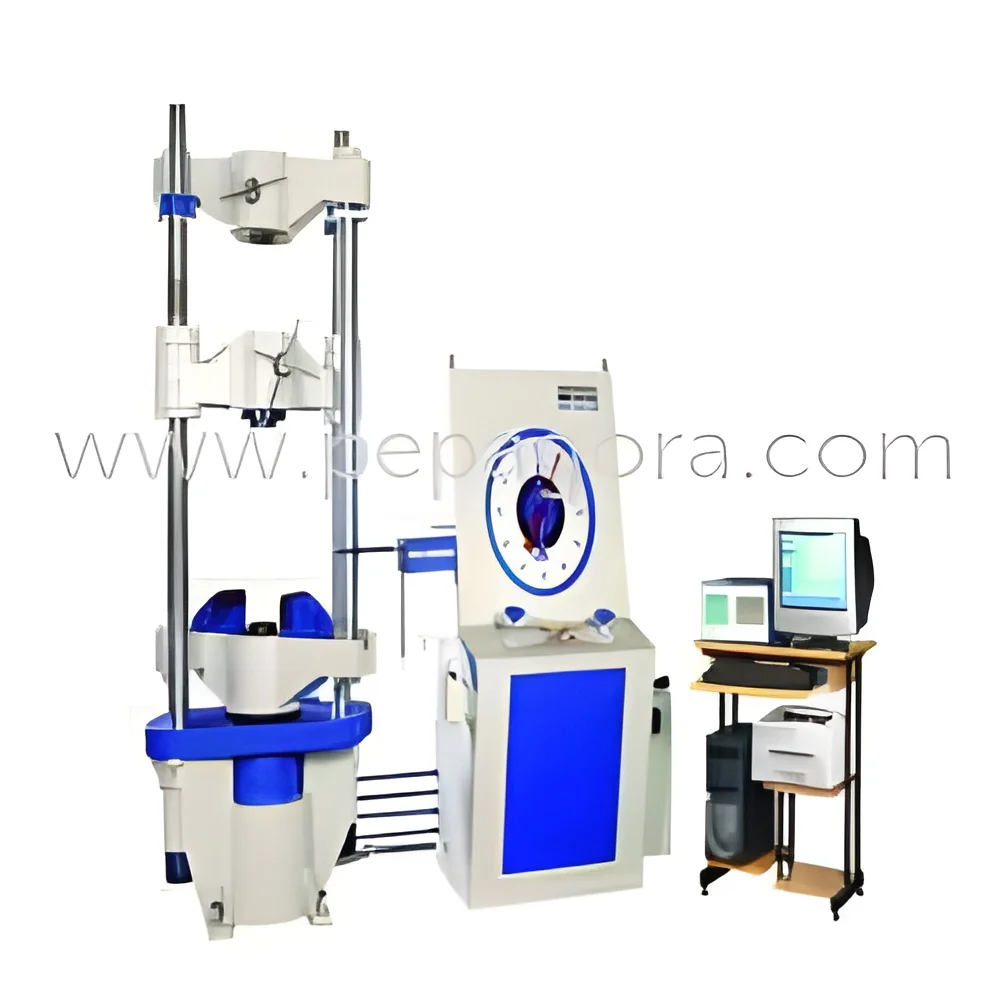
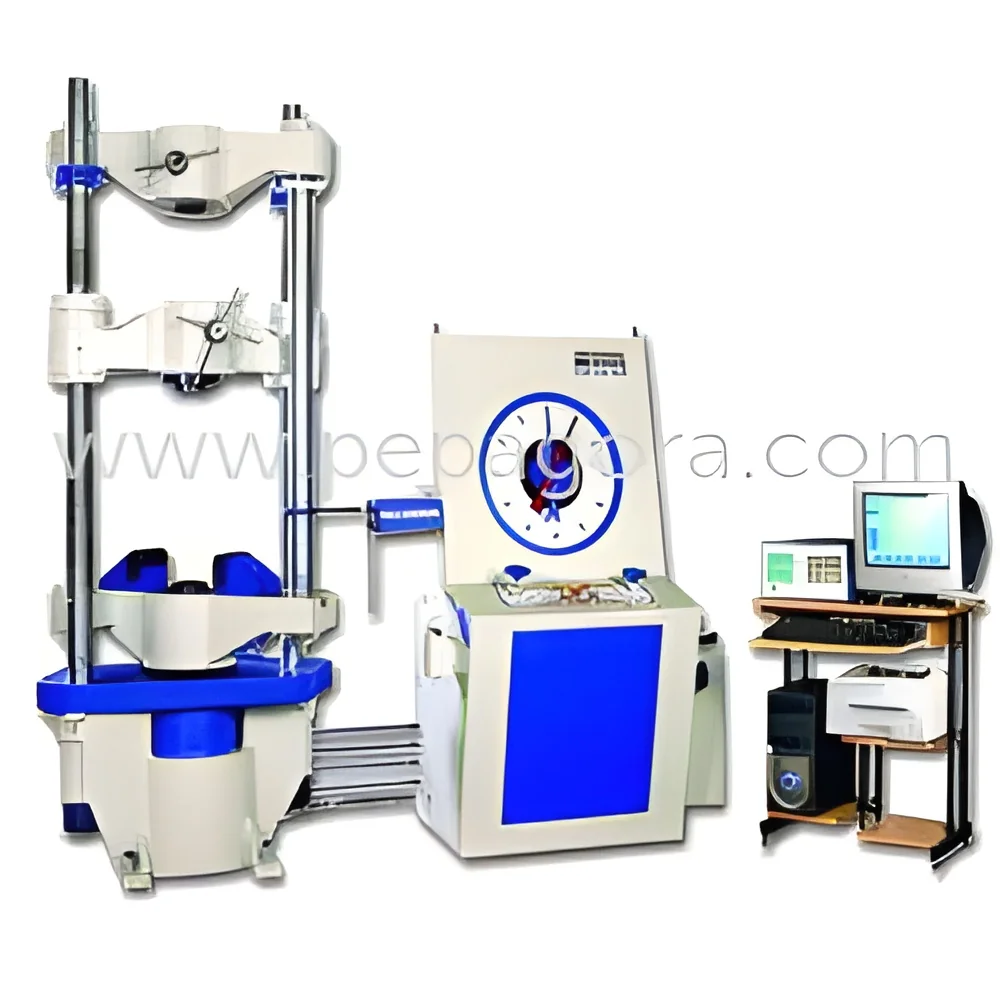
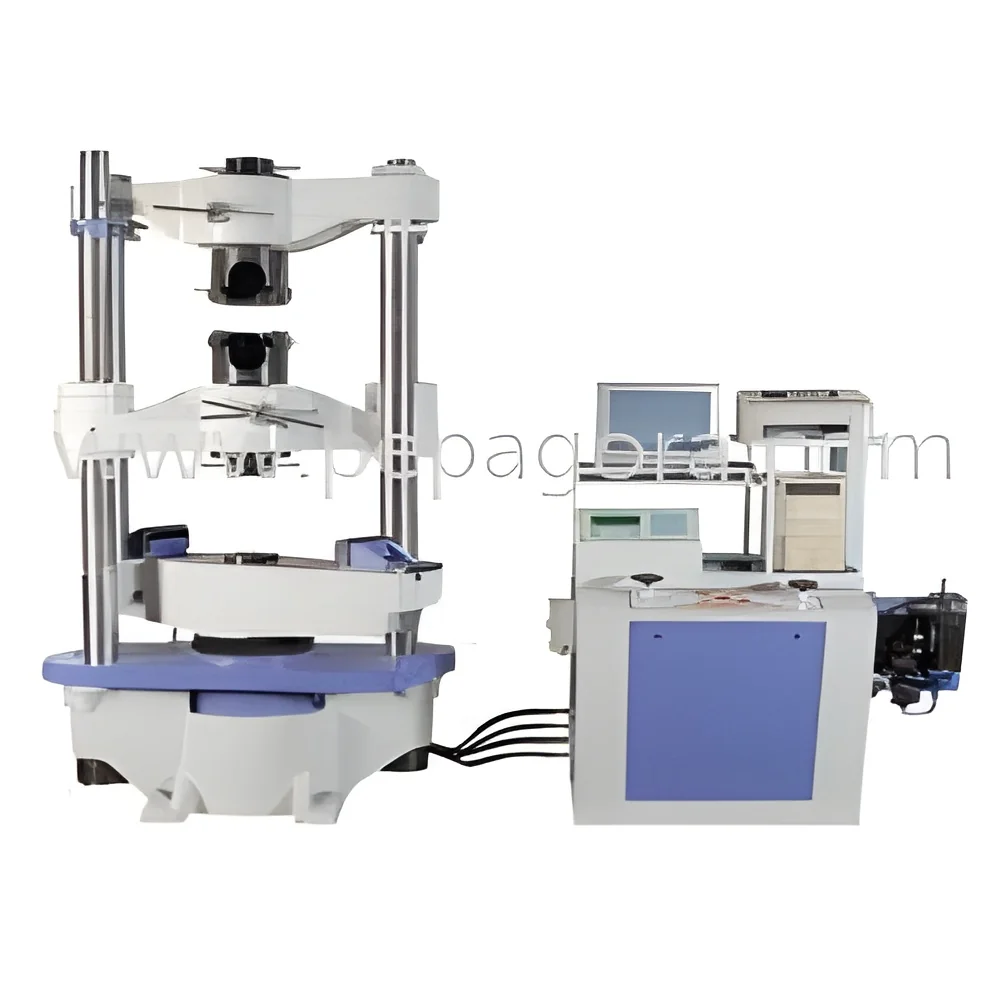
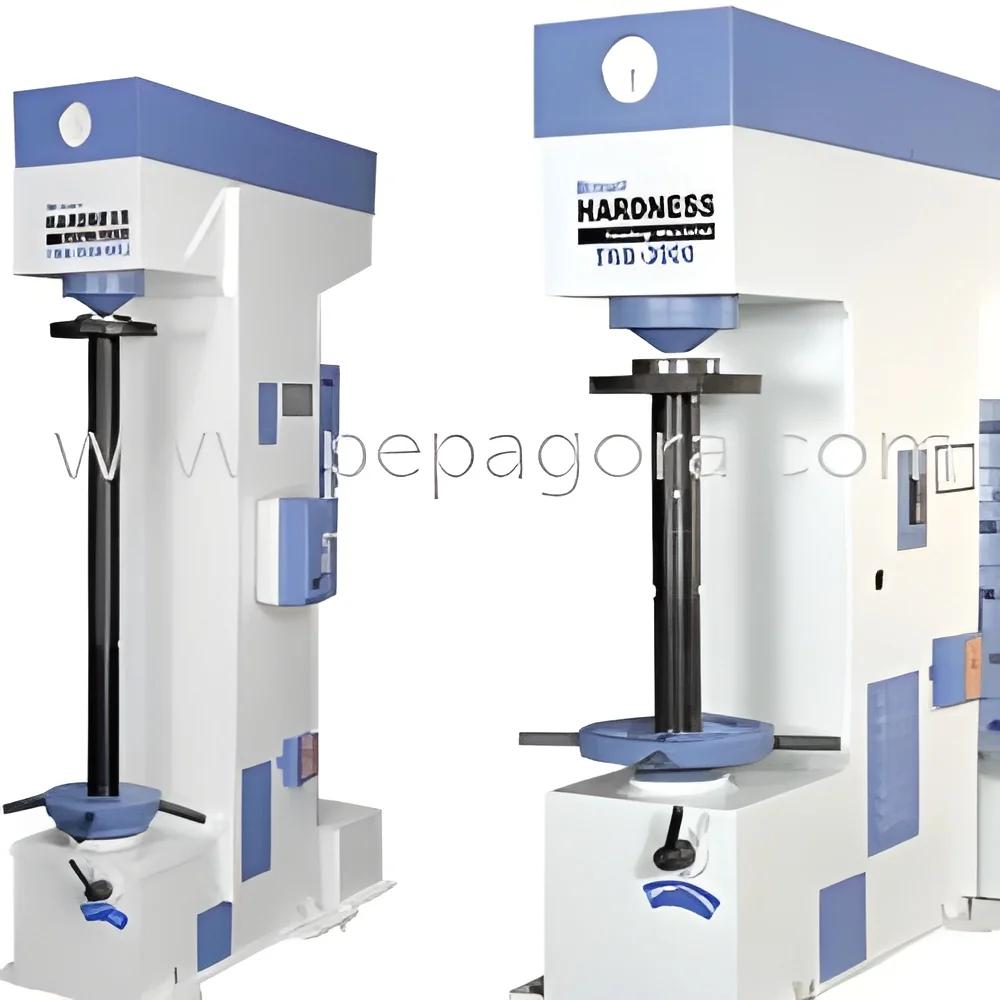
The TKB-3000 Hydraulic Brinell Hardness Tester is a precision-engineered instrument designed for accurate and reliable hardness evaluation of metals and alloys. It strictly conforms to international standards IS:2281-2005 and BS:240, ensuring that every measurement is credible and globally recognized. The machine utilizes a robust hydraulic system to apply test loads consistently, eliminating variability and delivering dependable results for both hard and soft materials. Its construction is built to withstand the rigors of continuous operation in industrial settings, providing quality control professionals with a tool they can trust for critical material verification. The separate, bottom-mounted hydraulic power pack enhances operational stability while allowing for straightforward maintenance access, contributing to long-term reliability and uptime.

This hardness tester serves a vital role across numerous sectors where material properties dictate product integrity. Manufacturing plan...
The TKB-3000 Hydraulic Brinell Hardness Tester is a precision-engineered instrument designed for accurate and reliable hardness evaluation of metals and alloys. It strictly conforms to international standards IS:2281-2005 and BS:240, ensuring that every measurement is credible and globally recognized. The machine utilizes a robust hydraulic system to apply test loads consistently, eliminating variability and delivering dependable results for both hard and soft materials. Its construction is built to withstand the rigors of continuous operation in industrial settings, providing quality control professionals with a tool they can trust for critical material verification. The separate, bottom-mounted hydraulic power pack enhances operational stability while allowing for straightforward maintenance access, contributing to long-term reliability and uptime.

This hardness tester serves a vital role across numerous sectors where material properties dictate product integrity. Manufacturing plants for metal casting, forging, and fabrication rely on it to verify the hardness of raw materials and finished products, ensuring they meet specified requirements. In the automotive industry, it is used to test components such as crankshafts, connecting rods, and suspension parts. Aerospace manufacturers employ it for qualifying critical flight components, while heavy machinery and construction companies use it to assess the hardness of structural steel and wear parts. Research institutions and independent testing laboratories also utilize the TKB-3000 for material certification, comparative studies, and compliance testing against industry specifications.

The TKB-3000 delivers substantial business value through its unwavering reliability and precision, which directly reduces costly testing errors and material rejections. Its durable build ensures a long service life, minimizing downtime and lowering the total cost of ownership. Compliance with established international standards provides confidence in test results, facilitating smoother quality audits and supporting business in regulated or export-focused markets. The machine's consistent hydraulic operation removes operator-dependent force application errors, generating trustworthy data for making informed quality decisions. This reliability translates into enhanced production efficiency, stronger supplier quality agreements, and ultimately, a more robust and defensible quality management system.

Key Features:
- Hydraulic operation system ensures consistent, precise, and repeatable force application for every test.
- Full compliance with IS:2281-2005 and BS:240 international hardness testing standards.
- Separate, bottom-mounted hydraulic power pack design for superior stability and easier maintenance.
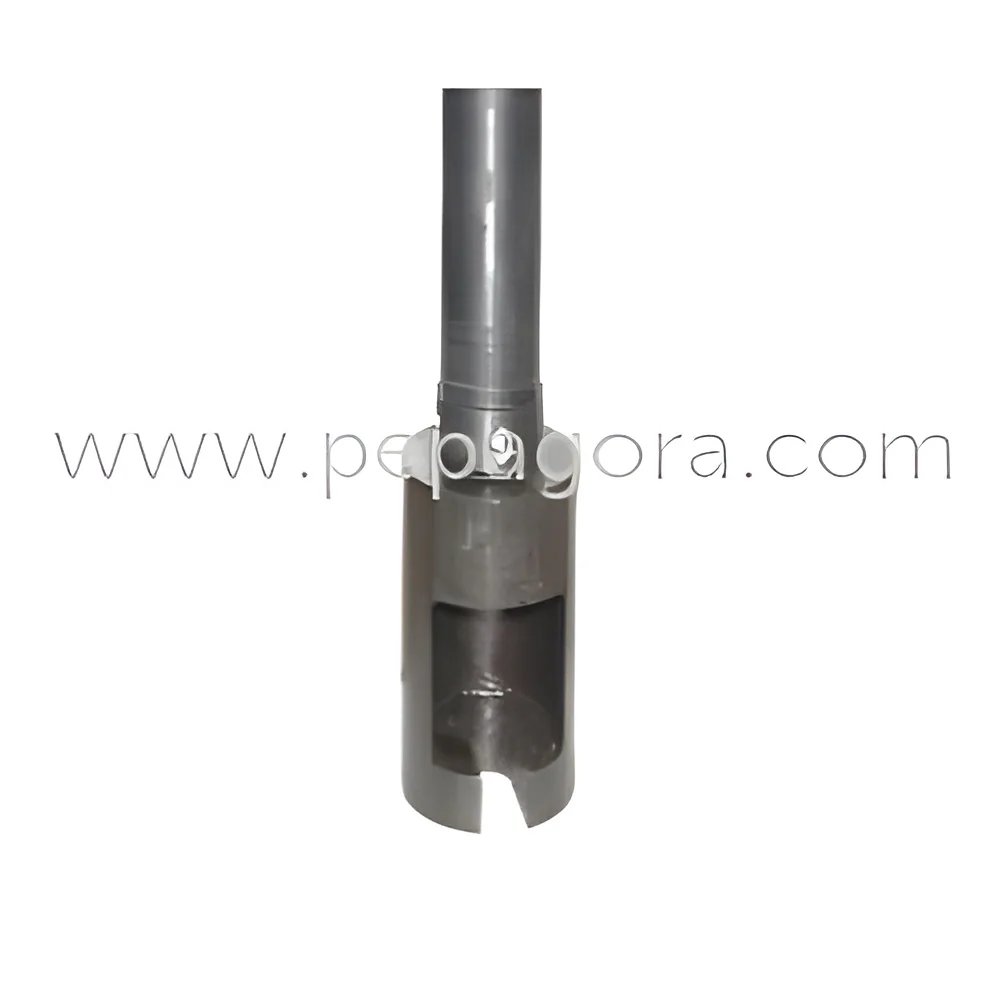
- Versatile testing capability for flat, round, and irregularly shaped metal samples and alloys.
- Robust industrial construction built for reliable performance in continuous production environments.

Benefits:
- Achieve highly accurate and repeatable hardness measurements, reducing quality-related disputes and rejections.
- Ensure test results are globally recognized and accepted, supporting compliance and export activities.
- Experience stable operation and simplified servicing, leading to greater machine uptime and productivity.
- Test a wide variety of component shapes and sizes with a single, reliable machine, increasing lab versatility.
- Depend on durable construction designed for long-term use in demanding industrial settings, protecting your investment.
Specifications
| Additional Information | |
|---|---|
| Country of Origin | India |
| Customisable | No |
Application
The TKB-3000 Hydraulic Brinell Hardness Tester is engineered for demanding production environments where consistent, accurate material testing is non-negotiable. Its robust hydraulic system ensures repeatable hardness measurements across a wide spectrum of metals and alloys, from softer materials to hardened components. This reliability makes it a cornerstone for quality assurance processes that require adherence to strict international standards.
The separate hydraulic power pack design provides exceptional operational stability and simplifies maintenance, supporting continuous, high-volume testing schedules. It accommodates diverse sample geometries—including flat surfaces, round bars, and irregular shapes—with uniform precision. This versatility, combined with its compliance to recognized standards, makes it suitable for industries where material integrity directly impacts product performance and safety.
- Quality control and batch testing of metal castings and forgings in foundries and forging facilities.
- Material verification and hardness testing for automotive components like engine parts, gears, and axles.
- Testing critical metal parts and alloy components within the aerospace manufacturing supply chain.
- Material science research, development, and failure analysis in metallurgical laboratories.
- Educational and training purposes in engineering institutions for practical materials testing instruction.
Trade Details
| Available Stock | In Stock |
| Sample Availability | No |
Payment Terms
| Payment Terms |
|
Company Profile
Fine Spavy Associates Engineers Pvt Ltd, Maharashtra
 Maharashtra, India
Maharashtra, IndiaManufacturer•Retailer•Importer / Exporter
Factory Details
Factory SizeBelow 1000 sqm
Annual Production Capacity0
Hydraulic Brinell Hardness Tester TKB 3000 for Metals and Alloys
TKB-3000 Hydraulic Brinell Hardness Tester delivers precise, reliable hardness testing for metals and alloys. Conforms to IS:2281-2005 and BS:240 standards for quality control labs and production environments.
Min. Order Quantity: 1 unit
Shipping
Shipping fee and delivery date to be negotiated. Contact supplier now for more details.
Fine Spavy Associates Engineers Pvt Ltd
 Maharashtra, India
Maharashtra, IndiaManufacturer