
 IN
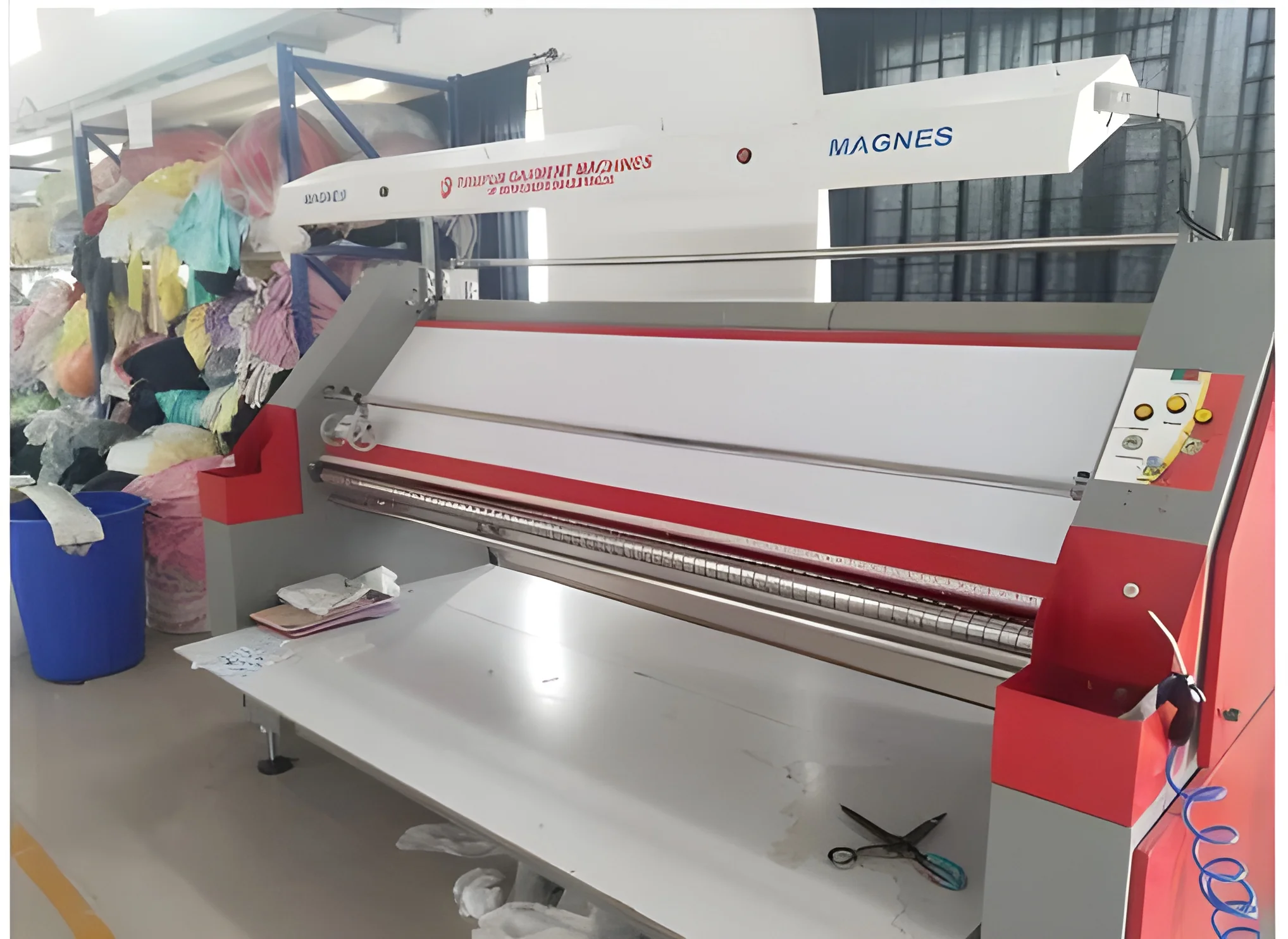
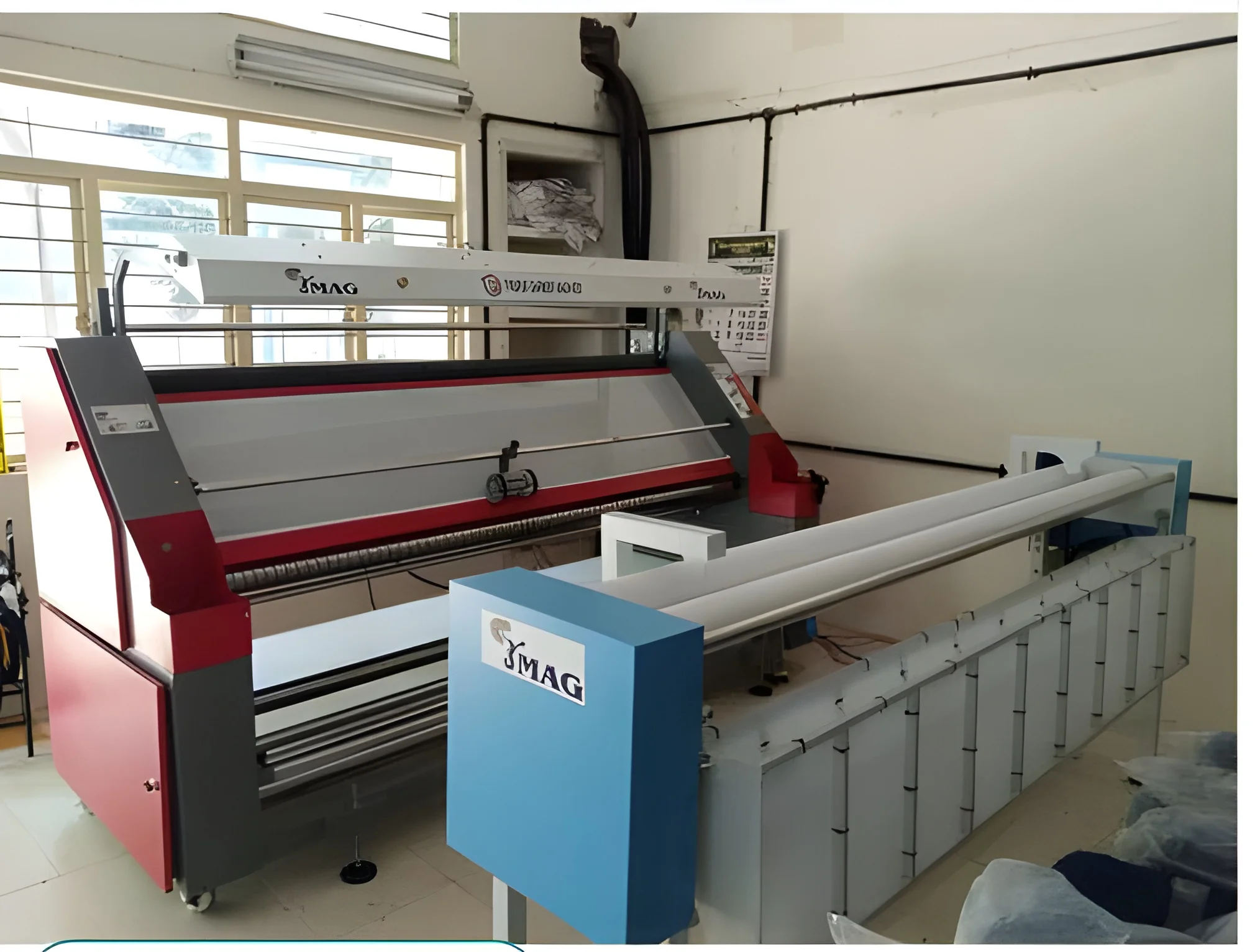
Fabric Inspection Machines
4 products available
What are Fabric Inspection Machines?
Fabric Inspection Machines are specialized equipment used to assess the quality and integrity of textile materials before they are processed or manufactured into final products. These machines systematically examine fabrics for defects, ensuring that any imperfections are detected early in the production process. By inspecting various parameters of the fabric, these machines help maintain quality control and reduce waste, which is critical in the textile industry.
The primary uses of fabric inspection machines include checking for flaws such as tears, holes, color inconsistencies, and other defects that could affect the usability of the fabric. Businesses in the textile and apparel sectors leverage these machines to enhance quality assurance processes and meet customer expectations. Additionally, fabric inspection machines play a vital role in maintaining compliance with industry standards by ensuring that only high-quality materials are used in production.
In the current market context, fabric inspection machines are increasingly relevant due to the growing demand for high-quality textiles. As competition intensifies, manufacturers are investing in advanced inspection technology to improve their product offerings and operational efficiencies. This trend reflects a broader shift towards automation and precision in manufacturing, where quality assurance is paramount.
Key Features and Specifications
Fabric Inspection Machines come equipped with a variety of features designed to enhance their functionality and efficiency. These machines are built to meet the demands of modern textile production, combining speed with accuracy.
Key specifications include:
1. Inspection Speed
- High-speed inspection capabilities
- Typically ranges from 100 to 300 meters per minute
2. Fabric Width Capacity
- Ability to accommodate various fabric widths
- Standard widths range from 1.5 meters to 3 meters
3. Defect Detection Technology
- Utilizes advanced imaging and sensory technology
- Capable of identifying minute defects as small as 0.5 mm
4. Control System
- Equipped with user-friendly software interfaces
- Allows for real-time monitoring and adjustments
5. Reporting Features
- Generates detailed reports on fabric quality
- Provides data analytics for production optimization
6. Durability and Build Quality
- Constructed for long-term use in industrial environments
- Materials used are resistant to wear and tear
7. Electrical Requirements
- Typically operates on standard industrial voltage
- Power consumption varies based on machine size and capability
8. Compliance with Safety Standards
- Meets necessary safety regulations for industrial machinery
- Often includes emergency stop features and safety guards
These specifications make fabric inspection machines an essential tool for textile manufacturers seeking to enhance quality control and operational efficiency.
Common Applications and Use Cases
Fabric Inspection Machines are widely utilized across various industries, each benefiting from their ability to enhance quality control.
1. Textile Manufacturing: In textile manufacturing, these machines are critical for ensuring that raw materials meet quality standards before they are processed. They help in identifying defects that may affect production quality.
2. Apparel Production: Apparel manufacturers use fabric inspection machines to ensure that the fabrics used in clothing are free from flaws. This is essential for maintaining brand reputation and customer satisfaction.
3. Home Textile Industry: Companies producing home textiles, such as curtains and upholstery, rely on fabric inspection machines to guarantee that their products are of the highest quality, as any defects can lead to costly returns.
4. Automotive Textiles: In the automotive industry, fabric inspection machines are used to inspect materials for car interiors. Flawless fabrics are crucial for safety and aesthetics in vehicles.
5. Technical Textiles: Manufacturers of technical textiles, such as those used in medical or military applications, utilize these machines to ensure compliance with strict performance standards.
6. Non-Woven Fabrics: The non-woven fabric industry benefits from these machines by ensuring consistent quality in products used for medical, hygiene, and industrial applications.
Product Variants and Subcategories
Fabric Inspection Machines come in a variety of configurations to suit different operational needs. The diversity of these machines allows manufacturers to select the best fit for their specific processes.
Automatic Fabric Inspection Machine
This variant automates the inspection process, significantly increasing efficiency while reducing labor costs. It features advanced sensors and software that provide real-time feedback on fabric quality.
Manual Fabric Inspection Machine
Designed for smaller operations, this machine requires manual input for inspection. It is typically more affordable and allows for detailed hands-on quality assessment by operators.
Portable Fabric Inspection Unit
This variant is lightweight and mobile, making it suitable for on-site inspections. It is ideal for businesses that require flexibility in their quality control processes.
Benefits and Advantages
Investing in a Fabric Inspection Machine offers numerous advantages for textile manufacturers.
1. Enhanced Quality Control: These machines provide precise inspection capabilities, ensuring only high-quality fabrics are utilized in production.
2. Reduced Waste: By identifying defects early, manufacturers can minimize material waste and improve overall efficiency.
3. Improved Productivity: Automation features allow for faster inspection speeds, leading to higher throughput in manufacturing processes.
4. Cost Savings: With better quality control, companies can reduce returns and rework, ultimately saving costs in the long run.
5. Data-Driven Insights: The reporting features provide valuable data that can be used to optimize production processes and improve decision-making.
6. Compliance Assurance: Fabric inspection machines help manufacturers meet industry standards and regulations, reducing the risk of non-compliance penalties.
Buying Guide for B2B Buyers
When sourcing Fabric Inspection Machines, several factors are crucial for making an informed decision.
1. Quality Assessment: Ensure that the machines meet recognized quality standards. Look for certifications such as CE to guarantee reliability and performance.
2. Supplier Verification: Vet suppliers thoroughly to ensure they have a solid track record and offer support services. Check references and previous customer feedback.
3. Pricing and MOQ: Analyze pricing structures and minimum order quantities. Compare options to find the best value while considering quality.
4. Delivery and Lead Times: Discuss logistics in advance to understand delivery timelines and ensure timely integration into production schedules.
5. Compliance Requirements: Be aware of any specific regulatory requirements that may apply to your industry. Ensure that the machines meet these compliance needs.
Compliance and Certifications
Compliance with industry standards is critical for Fabric Inspection Machines. Many manufacturers seek to align with quality standards such as ISO 9001, which ensures that products meet customer and regulatory requirements.
Furthermore, industry certifications like CE are essential as they indicate that the machines conform to European safety, health, and environmental protection standards.
Additionally, safety and testing requirements must be met to ensure the machines operate safely in an industrial environment. This includes emergency shut-off features and regular maintenance checks.
Regional compliance considerations may also play a role, as different regions may have specific regulations governing machinery safety and environmental impact.
Why Source Fabric Inspection Machines from Pepagora?
Pepagora provides a trusted platform for sourcing Fabric Inspection Machines, offering several key advantages that cater to the needs of B2B buyers.
Verified Supplier Network: Pepagora boasts a comprehensive network of verified suppliers, ensuring that buyers can trust the quality and reliability of the machines they purchase. This network is built on rigorous supplier vetting processes that prioritize quality and service.
Streamlined RFQ Process: The platform features an efficient request for quotation (RFQ) process, allowing buyers to easily obtain quotes from multiple suppliers. This system simplifies decision-making and saves time, facilitating better purchasing outcomes.
Trade Assurance and Support: Buyers are protected through trade assurance programs that offer financial security and support in case of disputes. This added layer of protection fosters a trustworthy purchasing environment.
Regional Coverage: Pepagora has extensive reach in key markets such as India, the GCC, and Southeast Asia. This geographic coverage allows buyers to access a wide range of suppliers and products tailored to their specific regional needs.

 India
 India
Frequently Asked Questions
What are Fabric Inspection Machines?
Fabric Inspection Machines are specialized equipment used in the textile industry to examine fabric quality before production. They help in identifying defects, ensuring that only high-quality materials are used in manufacturing processes.
What are the different types of Fabric Inspection Machines?
There are several types of Fabric Inspection Machines, including manual inspection machines, automatic inspection machines, and digital inspection systems. Each type varies in functionality and efficiency, catering to different production needs.
How do I choose the right Fabric Inspection Machines?
Choosing the right Fabric Inspection Machine depends on factors such as the type of fabric being inspected, production volume, and specific inspection requirements. It is advisable to assess the machine's features, technology, and supplier reputation before making a decision.
What are the standard specifications for Fabric Inspection Machines?
Standard specifications for Fabric Inspection Machines typically include inspection speed, fabric width compatibility, defect detection capabilities, and user interface features. These specifications can vary by manufacturer, so it's important to review them according to your needs.
What is the price range for Fabric Inspection Machines?
The price range for Fabric Inspection Machines can vary widely based on the type and features, generally ranging from a few thousand to several lakhs of Indian Rupees. Higher-end models with advanced technology and automation tend to be on the pricier side.
What quality standards apply to Fabric Inspection Machines?
Quality standards for Fabric Inspection Machines usually include compliance with international textile industry standards such as ISO and ASTM. Ensuring that the machines meet these standards can help in maintaining consistent fabric quality.
Where can I find Fabric Inspection Machines suppliers in India?
You can find Fabric Inspection Machines suppliers in India through online B2B marketplaces like Pepagora, industry trade shows, or textile machinery exhibitions. It is advisable to compare different suppliers to find the best options for your requirements.
Can Fabric Inspection Machines be customized?
Yes, many manufacturers offer customization options for Fabric Inspection Machines to meet specific operational needs. Customizations can include features such as size modifications, specialized inspection capabilities, and software integration.
What is the typical minimum order quantity for Fabric Inspection Machines?
The minimum order quantity (MOQ) for Fabric Inspection Machines typically depends on the manufacturer and the specific machine type. It can range from one unit for smaller manufacturers to multiple units for larger orders.
What is the typical lead time for Fabric Inspection Machines?
The typical lead time for Fabric Inspection Machines varies based on the manufacturer's production schedule and customization requirements. Generally, it can range from a few weeks to several months for delivery after placing an order.
Why Businesses Trust Pepagora
Thousands of companies trust Pepagora to source smarter and sell faster
Expand Your Sales Globally

Source Smarter,Grow Faster
