IN
IN₹
Description
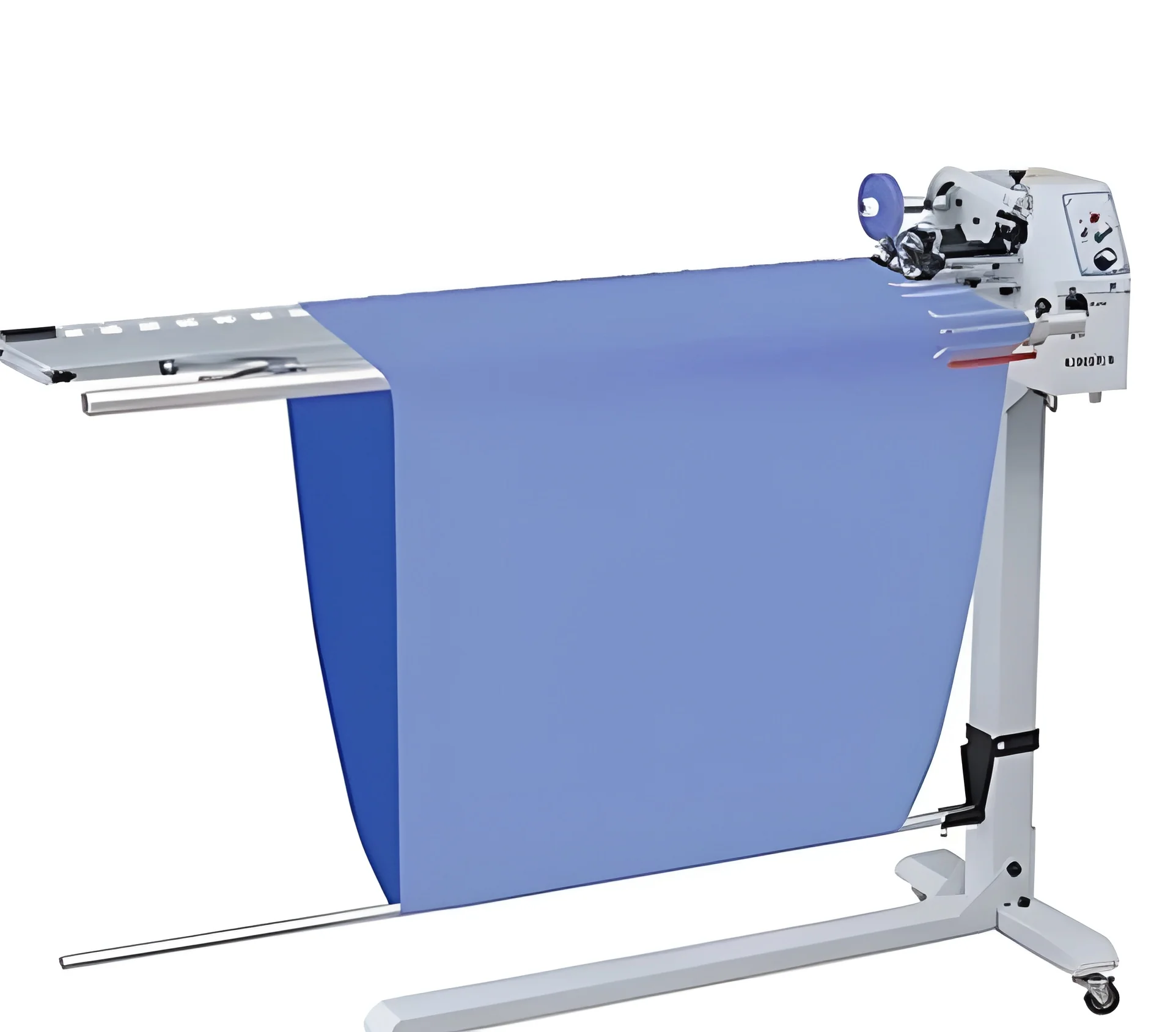
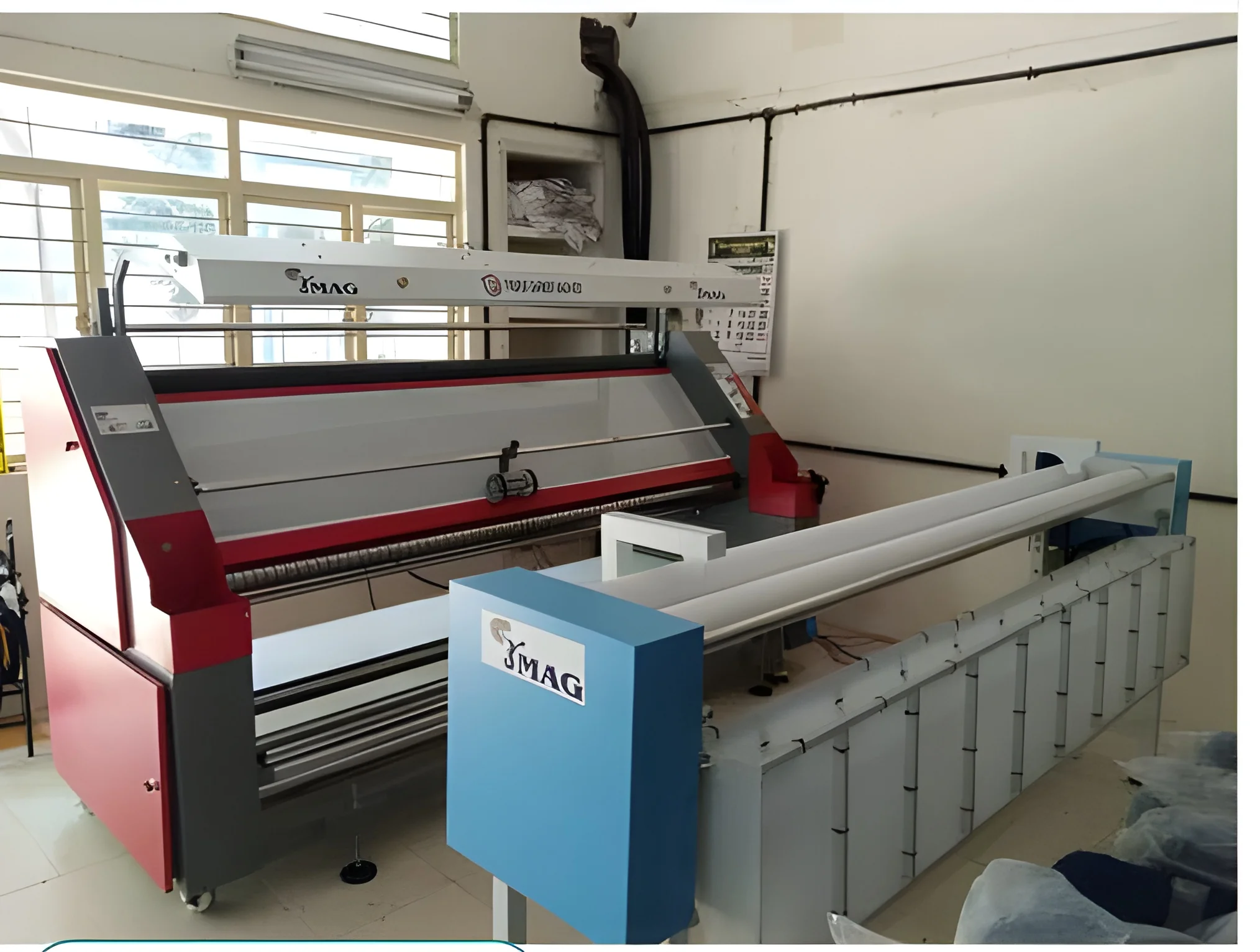
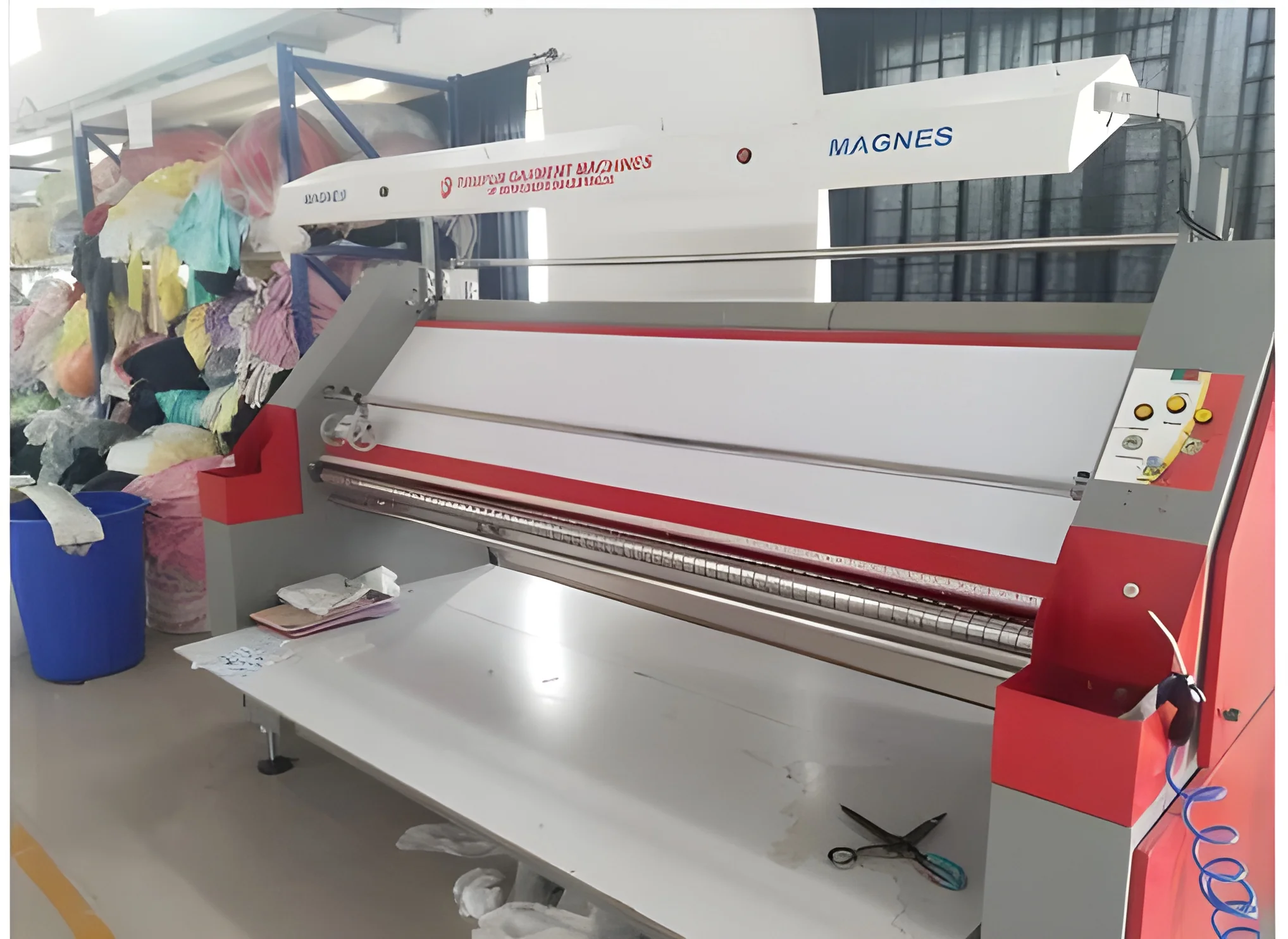
Automatic fabric inspection machines represent advanced technological systems engineered to identify defects including holes, stains, and weaving faults in fabric rolls with exceptional precision and speed. Utilizing high-resolution cameras and sophisticated sensors, these machines perform comprehensive scans at rapid rates while maintaining uninterrupted production flow. They deliver real-time data displays that empower operators to immediately detect and address fabric flaws, preventing defective materials from advancing to subsequent manufacturing stages. This technology proves essential for upholding stringent quality standards within textile manufacturing, offering dependable solutions for businesses focused on waste reduction and operational efficiency improvement. By automating the inspection process, these machines eliminate human error and deliver consistent, reliable outcomes, establishing themselves as indispensable tools for contemporary textile operations.

These inspectio...
Automatic fabric inspection machines represent advanced technological systems engineered to identify defects including holes, stains, and weaving faults in fabric rolls with exceptional precision and speed. Utilizing high-resolution cameras and sophisticated sensors, these machines perform comprehensive scans at rapid rates while maintaining uninterrupted production flow. They deliver real-time data displays that empower operators to immediately detect and address fabric flaws, preventing defective materials from advancing to subsequent manufacturing stages. This technology proves essential for upholding stringent quality standards within textile manufacturing, offering dependable solutions for businesses focused on waste reduction and operational efficiency improvement. By automating the inspection process, these machines eliminate human error and deliver consistent, reliable outcomes, establishing themselves as indispensable tools for contemporary textile operations.

These inspection systems find widespread application across multiple industries, particularly in textile mills, garment manufacturing facilities, and fabric processing units where they serve critical roles in quality assurance protocols. Within textile mills, they examine raw fabric before production commences to guarantee only flawless materials enter the manufacturing process, while garment factories depend on them to verify fabric integrity prior to cutting and sewing operations. Fabric processing and finishing plants implement these systems to monitor quality following treatments such as dyeing or printing, ensuring adherence to rigorous industry standards. Furthermore, industries specializing in technical textiles and premium apparel benefit from their capacity to handle diverse fabric varieties including knits and wovens, supporting extensive applications ranging from fashion to industrial textile production.

The business value offered by automatic fabric inspection machines manifests through their capacity to enhance operational reliability, reduce costs, and improve overall productivity. By identifying defects during initial production stages, they substantially decrease material waste and rework expenses, resulting in improved profit margins and accelerated turnaround times. Their sturdy construction ensures long-term durability with minimal operational downtime, while customization capabilities allow adaptation to specific production requirements. These machines also strengthen customer confidence by consistently delivering high-quality products, thereby enhancing brand reputation and competitive positioning. With user-friendly interfaces and seamless integration into existing production infrastructure, they provide scalable solutions that evolve alongside business growth, representing intelligent investments for enterprises committed to sustainable development and quality excellence.

Key Features:
- Advanced sensors and high-resolution cameras for precise defect detection
- High-speed scanning capabilities to maintain production efficiency
- Digital data display for real-time monitoring and decision-making
- Customization options to suit various fabric types and operational requirements
- Robust and durable design for reliable performance in demanding environments

Benefits:
- Reduces material waste and rework costs by identifying defects early
- Enhances quality control and ensures consistent fabric standards
- Improves production throughput and operational efficiency
- Supports compliance with industry regulations and customer expectations
- Boosts customer satisfaction and brand reliability through flawless outputs
Specifications
| Additional Information | |
|---|---|
| Country of Origin | India |
Application
Automatic fabric inspection machines deliver high-speed scanning to identify fabric defects before production begins, serving textile mills, garment factories, and processing units. They maintain strict quality standards while minimizing material waste, ensuring only flawless fabrics move forward to cutting and finishing stages. These systems accommodate various fabric types including knits and wovens, providing digital data displays that help operators make quick decisions and streamline workflows in demanding production environments.
Across printing, dyeing, and quality assurance operations, these machines guarantee consistent fabric quality by detecting irregularities at early stages. They play a crucial role in maintaining compliance with industry standards, increasing production throughput, and enhancing end-product quality. Their seamless integration into existing production lines offers reliable performance tailored to specific operational requirements, making them ideal for businesses seeking efficient and scalable quality control solutions.
- Textile mills conduct pre-production fabric quality checks to identify defects like holes and stains
- Garment factories ensure defect-free fabric cutting operations to minimize material waste
- Fabric processing units monitor quality after finishing treatments to maintain consistency
- Printing and dyeing facilities inspect fabric condition to prevent flawed output
- Quality assurance teams uphold consistent product standards across diverse fabric types
Trade Details
| Available Stock | In Stock |
| Sample Availability | No |
Payment Terms
| Payment Terms |
|
Company Profile

TIRUPUR GARMENT MACHINES, Tamil Nadu
 Tamil Nadu, India
Tamil Nadu, IndiaManufacturer•Distributor / Wholesaler•Retailer
Factory Details
Factory SizeBelow 1000 sqm
Textile Manufacturing Automatic Fabric Inspection Machine For Quality Control
Automatic fabric inspection machine detects defects like holes, stains, and weaving faults in fabric rolls using advanced sensors and cameras, enhancing quality control for textile mills and garment factories while reducing waste and improving production efficiency.
Min. Order Quantity: 1 piece
Shipping
Shipping fee and delivery date to be negotiated. Contact supplier now for more details.
TIRUPUR GARMENT MACHINES
 Tamil Nadu, India
Tamil Nadu, IndiaManufacturer