IN
IN₹
Apparel & Fashion
Description
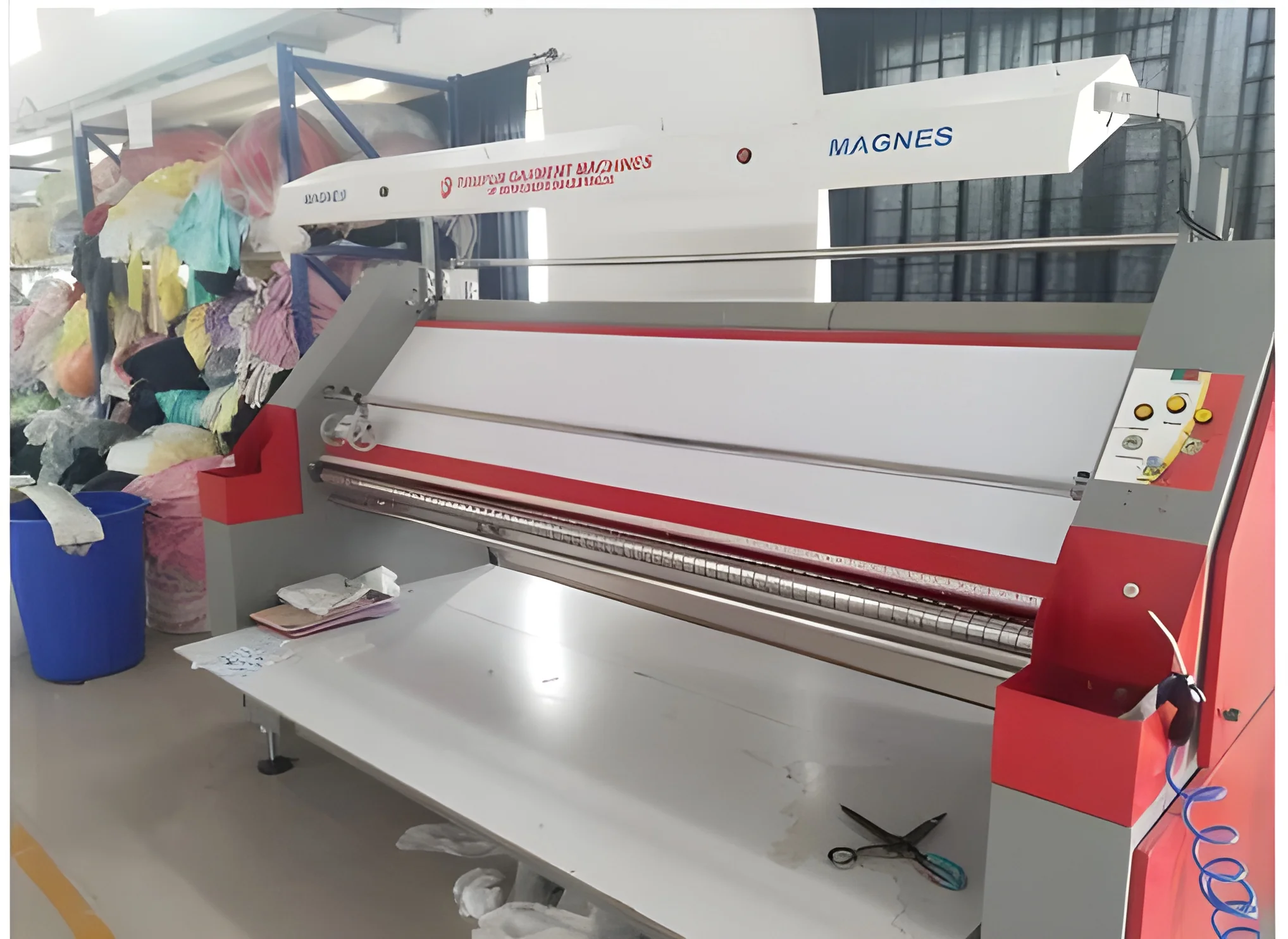
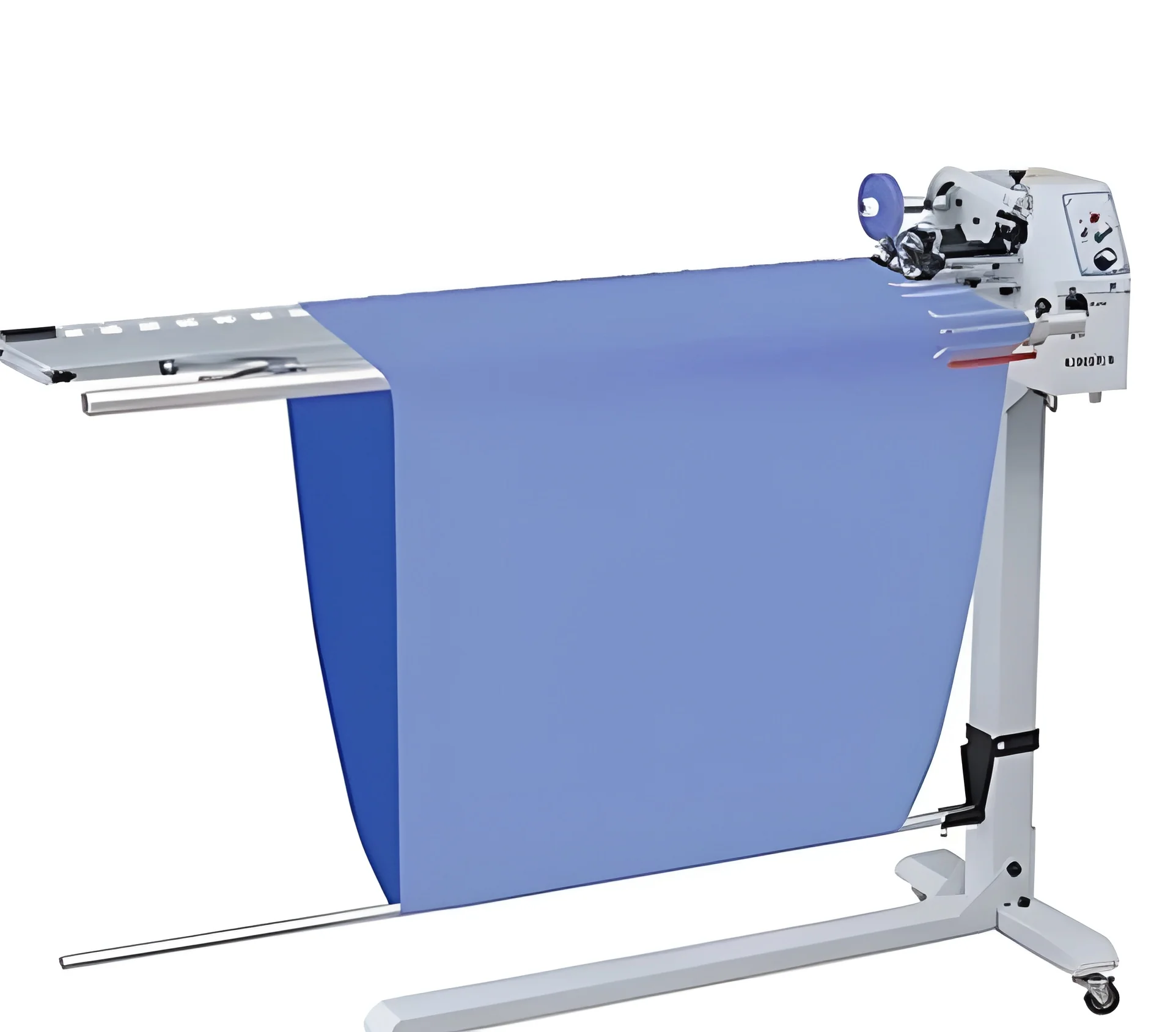
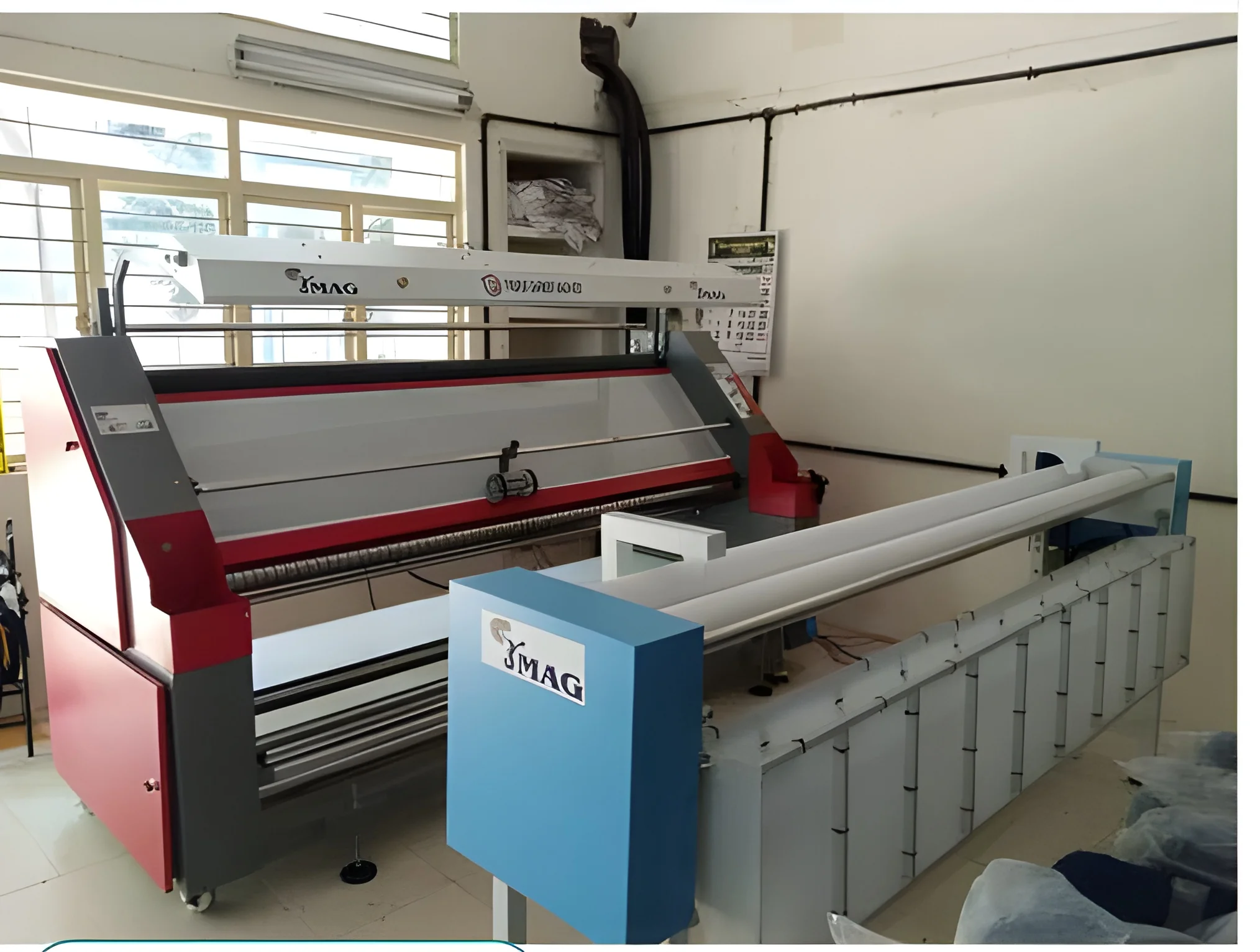
The Automatic Fabric Inspection Relaxing Machine is a precision industrial system designed to unwind fabric rolls while simultaneously detecting defects and releasing built-up tension. Equipped with advanced sensors and digital monitoring, this machine identifies imperfections such as holes, stains, or weaving faults in real-time, ensuring only flawless fabric proceeds to cutting and further processing. The integrated relaxing function gently reduces fabric stress, preventing distortion and shrinkage, which is critical for maintaining consistent dimensions and quality. This dual-action approach enhances operational efficiency, reduces material waste, and supports seamless integration into modern textile production environments, making it an indispensable tool for quality-focused manufacturers.

These machines serve critical functions across multiple textile industry segments. In textile mills, they prepare fabric for printing, dyeing, or finishing by ensuring it is defect-free and prop...
The Automatic Fabric Inspection Relaxing Machine is a precision industrial system designed to unwind fabric rolls while simultaneously detecting defects and releasing built-up tension. Equipped with advanced sensors and digital monitoring, this machine identifies imperfections such as holes, stains, or weaving faults in real-time, ensuring only flawless fabric proceeds to cutting and further processing. The integrated relaxing function gently reduces fabric stress, preventing distortion and shrinkage, which is critical for maintaining consistent dimensions and quality. This dual-action approach enhances operational efficiency, reduces material waste, and supports seamless integration into modern textile production environments, making it an indispensable tool for quality-focused manufacturers.

These machines serve critical functions across multiple textile industry segments. In textile mills, they prepare fabric for printing, dyeing, or finishing by ensuring it is defect-free and properly relaxed. Garment production facilities rely on them to inspect incoming fabric rolls, safeguarding against quality issues that could disrupt assembly lines and cause production delays. Fabric processing units utilize these systems to verify product quality before shipment, while research and development departments employ them to test fabric behavior under relaxed conditions, aiding in the development of new materials and improving existing manufacturing processes. The versatility of these machines makes them valuable across the entire textile supply chain.

The business value of automatic fabric inspection relaxing machines lies in their reliability, precision engineering, and ability to deliver consistent, high-quality results. By minimizing fabric defects and tension-related issues, they significantly reduce waste, lower production costs, and enhance overall productivity. Their robust construction and user-friendly interfaces ensure long-term durability and ease of operation, building trust among serious buyers. These differentiators make them a smart investment for businesses seeking to optimize their supply chain, meet stringent quality standards, and gain a competitive edge in the global textile market through superior product quality and operational efficiency.

Key Features:
- Real-time defect detection for holes, stains, and weaving faults.
- Automatic tension relaxation to prevent fabric distortion and shrinkage.
- Digital displays and sensors for precise monitoring and control.
- Customizable settings to accommodate various fabric types and widths.
- Robust construction ensuring durability and long-term reliability.

Benefits:
- Reduces fabric waste and material rejection rates significantly.
- Enhances production efficiency by ensuring smooth, uninterrupted workflows.
- Maintains consistent fabric quality and dimensions for reliable output.
- Lowers operational costs through minimized rework and downtime.
- Builds buyer trust with high-quality, defect-free fabric deliveries.
Specifications
| Additional Information | |
|---|---|
| Country of Origin | India |
Application
Automatic fabric inspection relaxing machines are essential in textile manufacturing, where they unwind fabric rolls to detect flaws and relax tension before cutting. This process ensures that only high-quality, defect-free fabric moves to the next production stage, minimizing waste and enhancing overall efficiency in garment and fabric processing units. These machines are widely used across various industries, including apparel manufacturing and fabric finishing, to maintain consistent fabric quality. By integrating seamlessly into production lines, they support rigorous quality assurance protocols, helping businesses meet stringent standards and reduce material rejection rates during printing, dyeing, or assembly operations.
Real-world applications:
- Inspecting and relaxing fabric rolls in textile mills to prevent defects before cutting and sewing.
- Ensuring quality control in garment factories for incoming fabric, reducing waste and rework.
- Preparing fabric in processing units for printing or dyeing by eliminating tension and imperfections.
- Integrating into production lines to maintain consistent fabric dimensions and minimize shrinkage.
- Testing fabric performance in R&D departments under relaxed conditions for product development.
Trade Details
| Available Stock | In Stock |
| Sample Availability | No |
Payment Terms
| Payment Terms |
|
Company Profile
TIRUPUR GARMENT MACHINES, Tamil Nadu
 Tamil Nadu, India
Tamil Nadu, IndiaManufacturer•Distributor / Wholesaler•Retailer
Factory Details
Factory SizeBelow 1000 sqm
Automatic Fabric Inspection Relaxing Machine For Textile Quality Control
Automatic Fabric Inspection Relaxing Machine detects defects and releases tension in fabric rolls for superior textile quality control. Ideal for mills and factories, it ensures smooth, defect-free fabric ready for cutting, reducing waste and improving production efficiency.
Min. Order Quantity: 1 piece
Shipping
Shipping fee and delivery date to be negotiated. Contact supplier now for more details.
TIRUPUR GARMENT MACHINES
 Tamil Nadu, India
Tamil Nadu, IndiaManufacturer