IN
IN₹
Apparel & Fashion
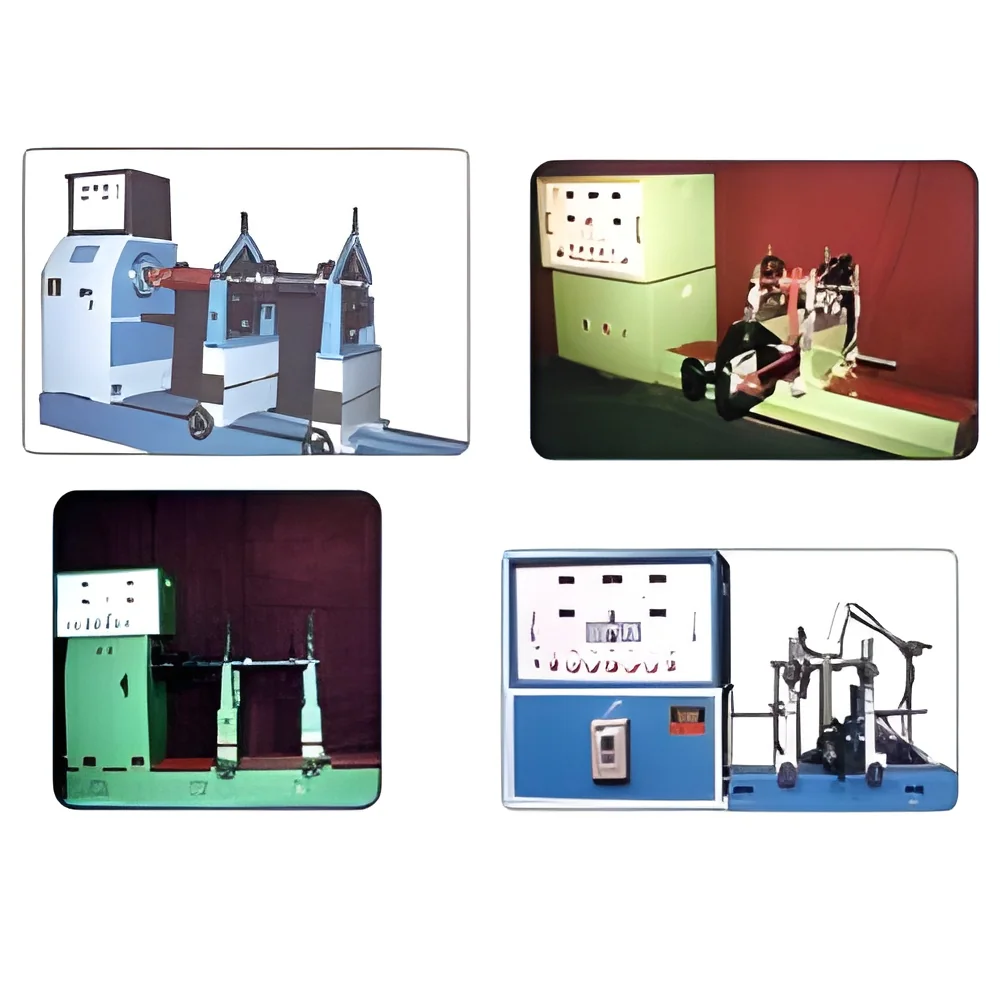
Description
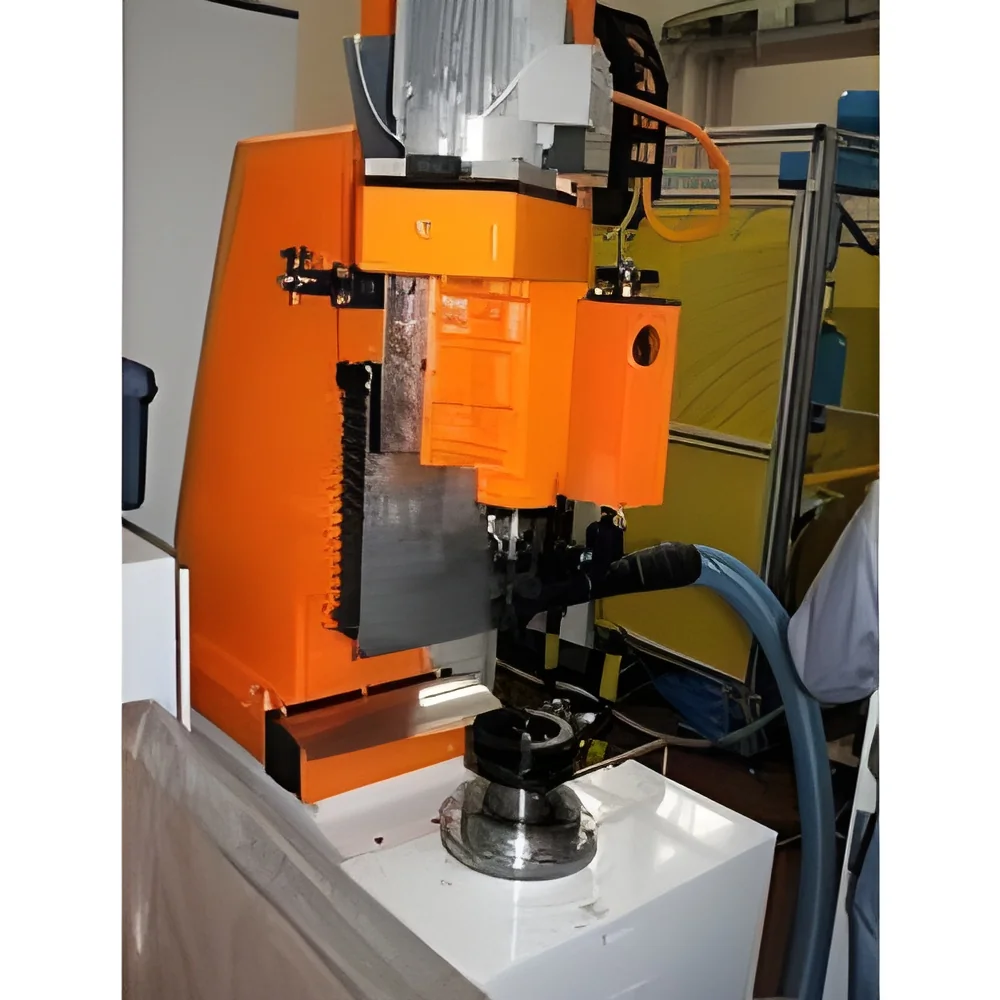
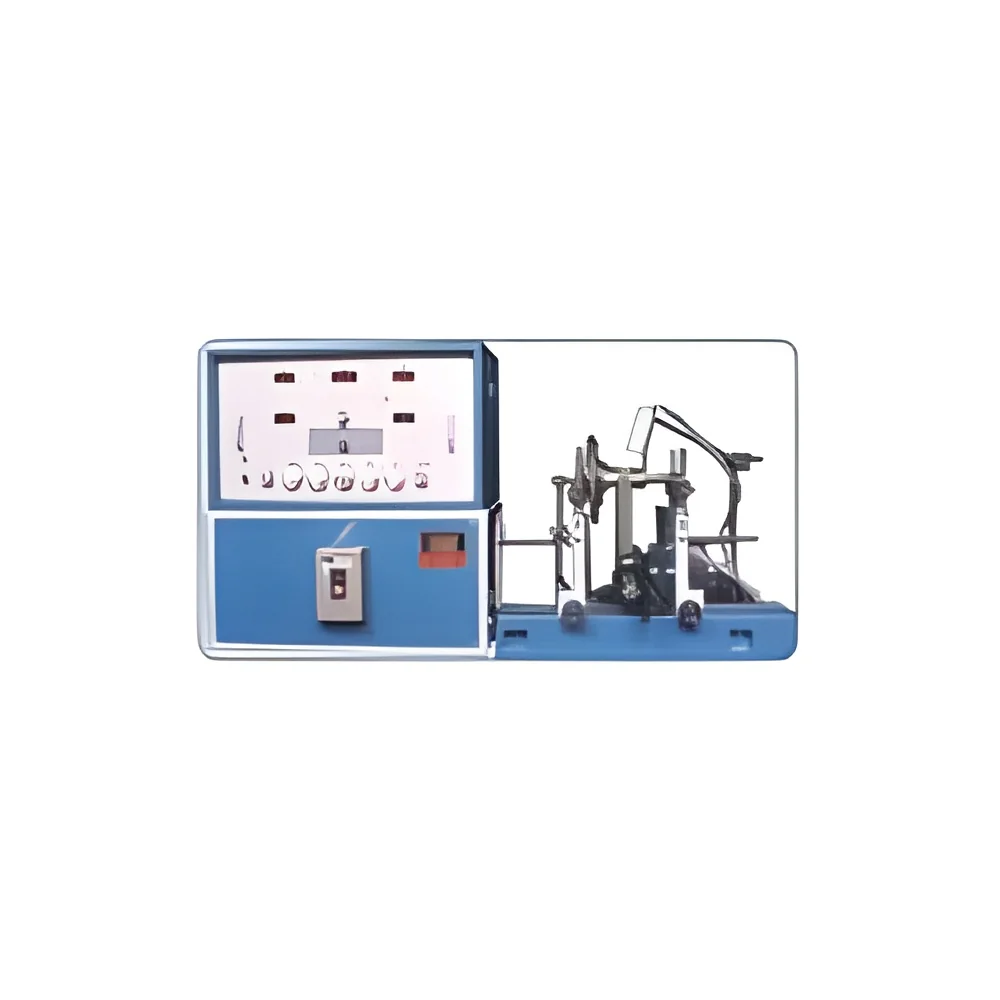
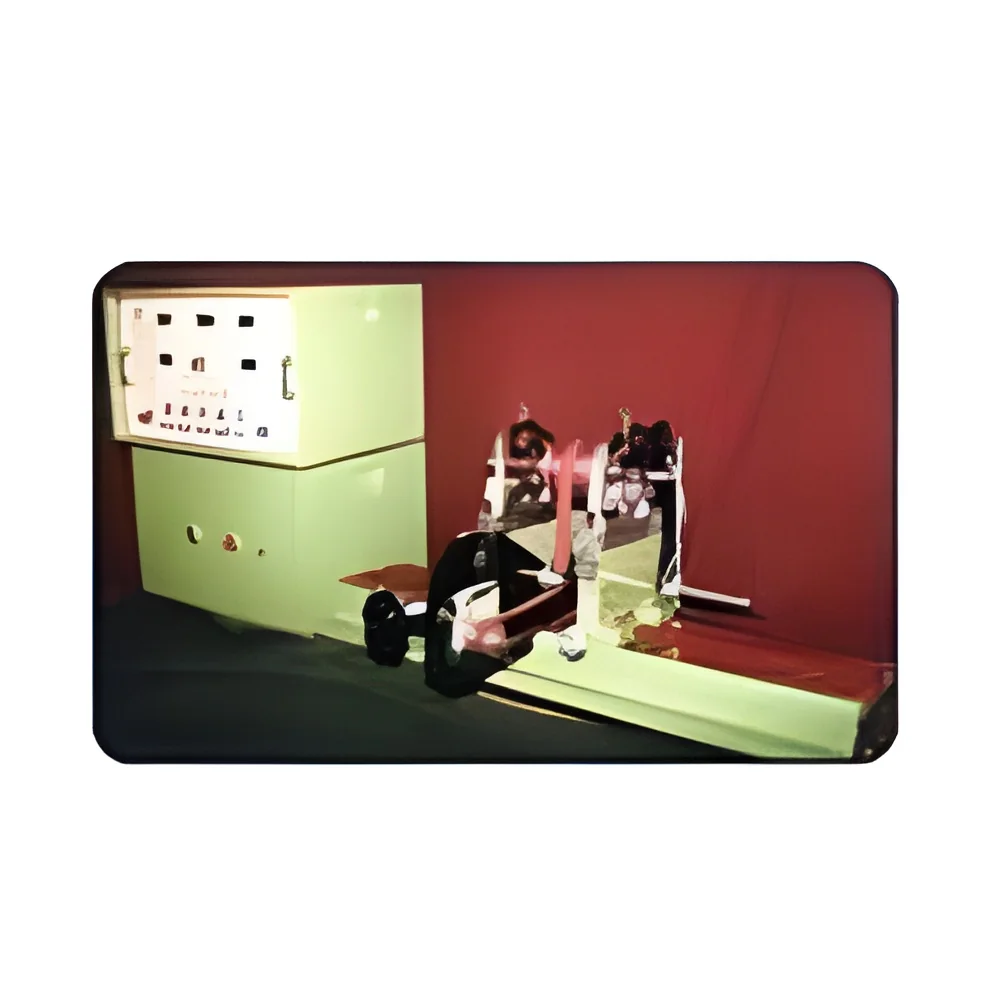
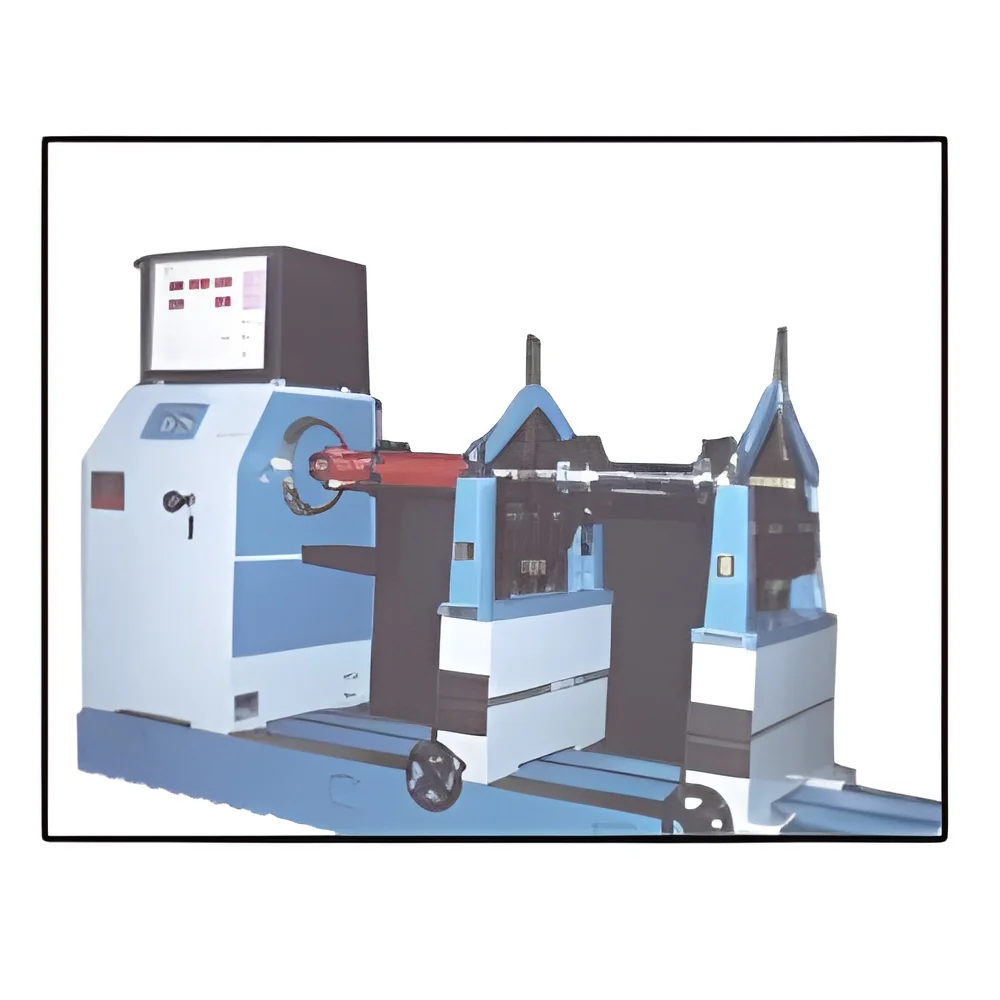
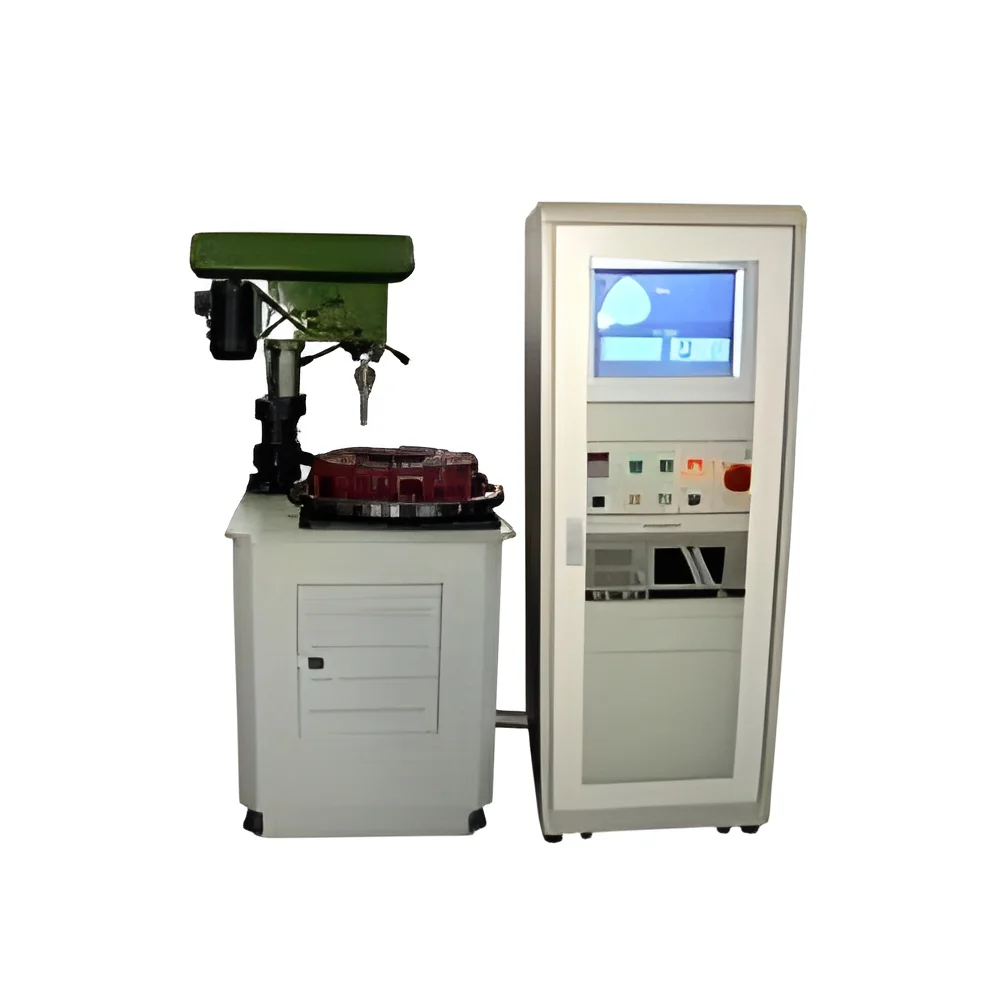
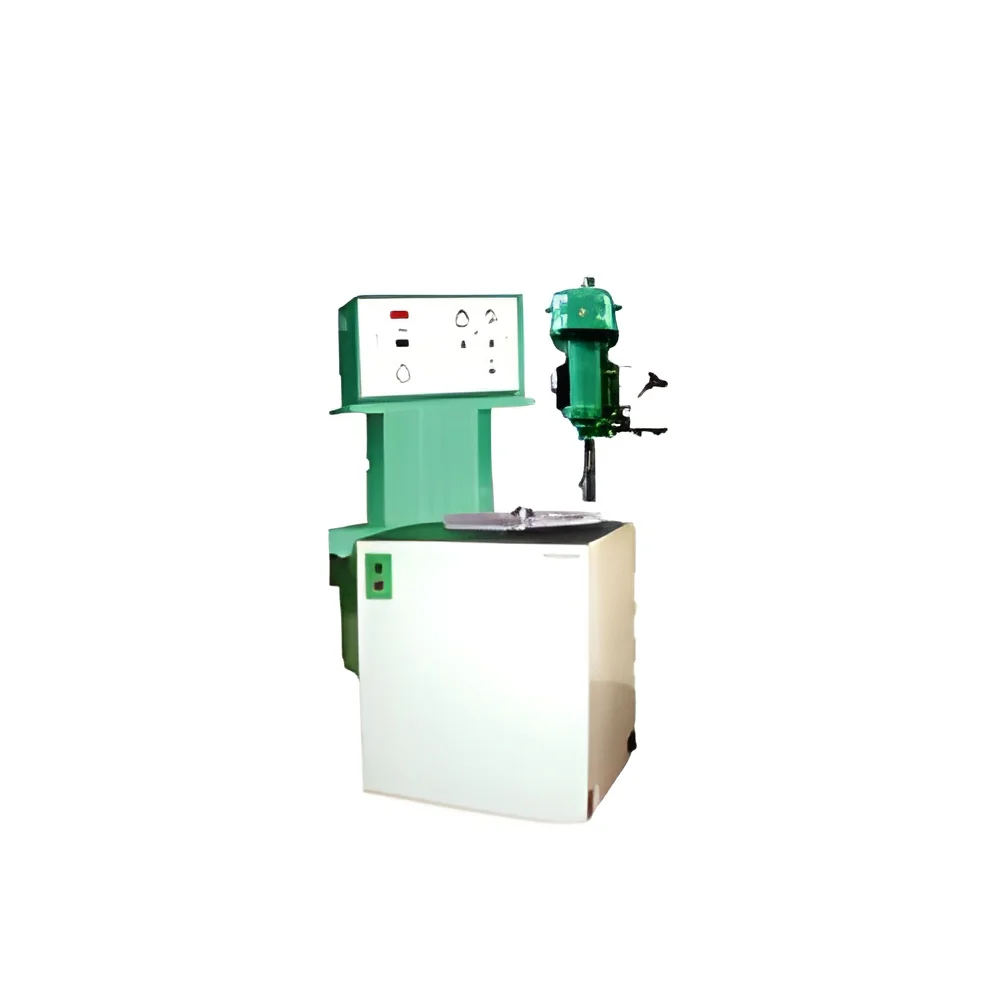
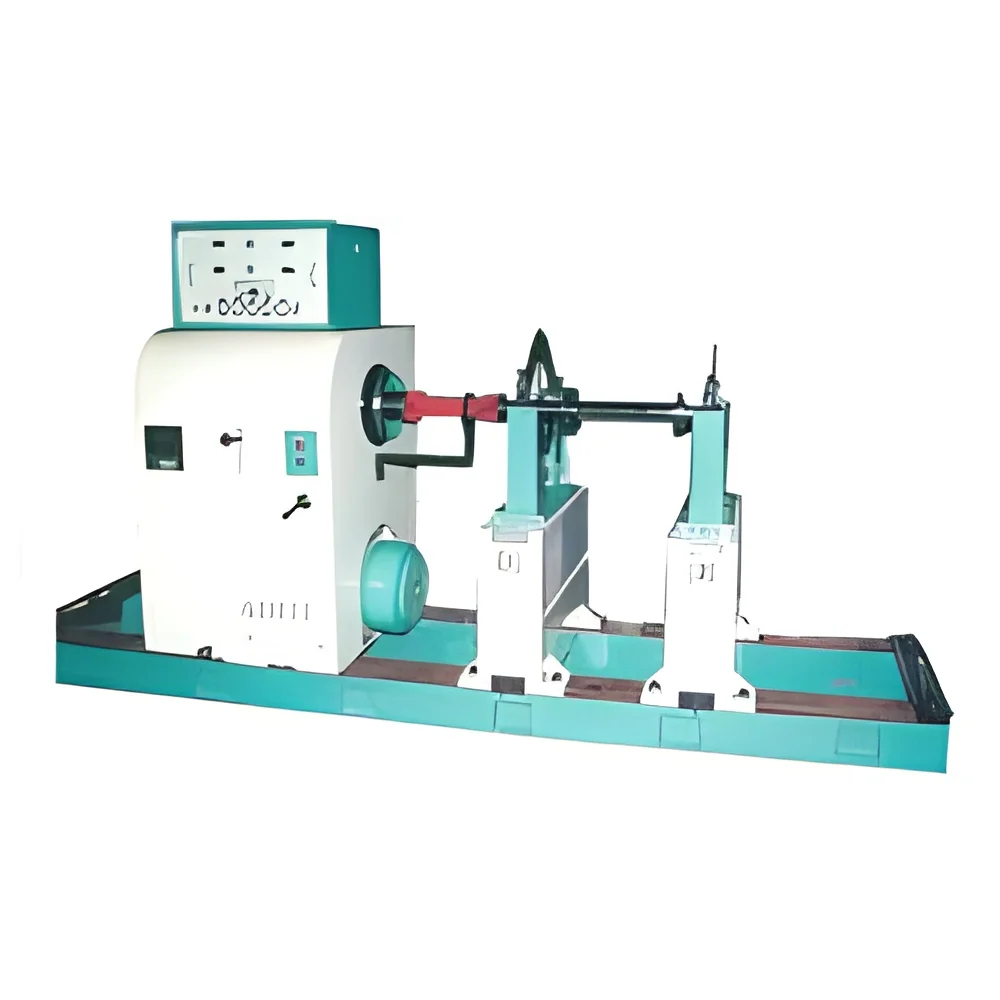
Industrial dynamic balancing machines are precision instruments designed to measure and correct imbalance in rotating machinery components. Through advanced vibration analysis and frequency measurement, these systems identify unbalance locations and guide operators in making accurate corrections. This process is vital for enhancing machinery performance, operational efficiency, and equipment longevity. Built with robust components and sophisticated technology, our dynamic balancers deliver reliable, repeatable results for demanding industrial environments. The user-friendly interface with intuitive controls simplifies operation while maintaining exceptional accuracy standards. These machines help maintain safe working conditions by reducing excessive vibration and preventing mechanical failures that could compromise workplace safety.

These balancing systems find extensive application across industries where rotating equipment performance is critical. In automotive manufacturing, they ...
Industrial dynamic balancing machines are precision instruments designed to measure and correct imbalance in rotating machinery components. Through advanced vibration analysis and frequency measurement, these systems identify unbalance locations and guide operators in making accurate corrections. This process is vital for enhancing machinery performance, operational efficiency, and equipment longevity. Built with robust components and sophisticated technology, our dynamic balancers deliver reliable, repeatable results for demanding industrial environments. The user-friendly interface with intuitive controls simplifies operation while maintaining exceptional accuracy standards. These machines help maintain safe working conditions by reducing excessive vibration and preventing mechanical failures that could compromise workplace safety.

These balancing systems find extensive application across industries where rotating equipment performance is critical. In automotive manufacturing, they balance crankshafts, flywheels, and turbochargers to ensure smooth vehicle operation and extended component life. Aerospace manufacturers depend on them for precision balancing of turbine blades and engine components where millimeter-perfect balance is essential for safety. Heavy industries utilize them for large rotors, industrial fans, and pumping systems in mining, energy generation, and manufacturing facilities. The technology is equally crucial in consumer goods production, balancing electric motor rotors in appliances and power tools. Any industry involving high-speed rotation benefits from these machines to meet rigorous quality and safety standards while maintaining production efficiency.

Investing in dynamic balancing technology delivers substantial business value through reduced operational costs and enhanced productivity. These systems significantly minimize machinery downtime by preventing failures caused by imbalance, leading to extended equipment lifespan and lower maintenance expenditures. Their proven reliability ensures consistent product quality, which is essential for meeting client specifications and achieving industry certifications. The machines' robust construction and precision engineering provide long-term operational stability, while their intuitive operation reduces training requirements and operational complexity. This combination delivers rapid return on investment through improved production efficiency, reduced material waste, and higher output reliability that strengthens competitive positioning in the market.

Key Features:
- Advanced vibration measurement technology for precise imbalance detection
- Robust construction using industrial-grade materials for durability
- User-friendly interface with intuitive controls for easy operation
- High-accuracy correction capabilities for various rotating components
- Safe operational design that reduces maintenance requirements

Benefits:
- Extended machinery lifespan through reduced vibration and wear
- Minimized operational downtime by preventing imbalance-related failures
- Enhanced product quality meeting industry standards and specifications
- Lower maintenance costs through proactive imbalance correction
- Improved workplace safety by reducing vibration-related hazards
Specifications
| Additional Information | |
|---|---|
| Country of Origin | India |
Application
Dynamic balancing machines are essential for industries requiring smooth operation of rotating components. These systems accurately measure vibration and unbalance, enabling precise corrections that reduce wear, minimize noise, and prevent mechanical failures. They maintain operational integrity in high-speed applications where balance is critical for safety and efficiency.
These machines serve diverse sectors including automotive, aerospace, heavy machinery, and energy production. They balance components like turbines, fans, pumps, rotors, and impellers to optimal performance levels. By ensuring perfect balance, businesses avoid costly downtime, enhance product quality, and meet stringent industry standards for reliability and performance.
- Balancing turbocharger rotors and crankshafts in automotive manufacturing for smooth engine operation
- Precision correction of aircraft turbine blades and jet engine components for aerospace safety
- Correcting imbalance in industrial fans and blowers within HVAC systems to reduce vibration
- Balancing pump impellers and shafts in water treatment and chemical processing plants
- Ensuring accuracy of spindle and motor rotors in precision manufacturing equipment
Trade Details
| Available Stock | In Stock |
| Sample Availability | No |
Payment Terms
| Payment Terms |
|
Company Profile

Aditi Engineers & Instruments, Maharashtra
 Maharashtra, India
Maharashtra, IndiaManufacturer•Distributor / Wholesaler•Importer / Exporter
Factory Details
Factory SizeBelow 1000 sqm
Annual Production Capacity0
Main Markets
South Asia
Industrial Dynamic Balancing Machines For Vibration Analysis And Precision Correction
Industrial dynamic balancing machines provide precision vibration analysis and correction for rotating machinery. These reliable systems enhance performance and lifespan across manufacturing, automotive, and energy sectors with high-accuracy balancing solutions.
Min. Order Quantity: 1 unit
Shipping
Shipping fee and delivery date to be negotiated. Contact supplier now for more details.
Aditi Engineers & Instruments
 Maharashtra, India
Maharashtra, IndiaManufacturer