IN
IN₹
Apparel & Fashion
Description
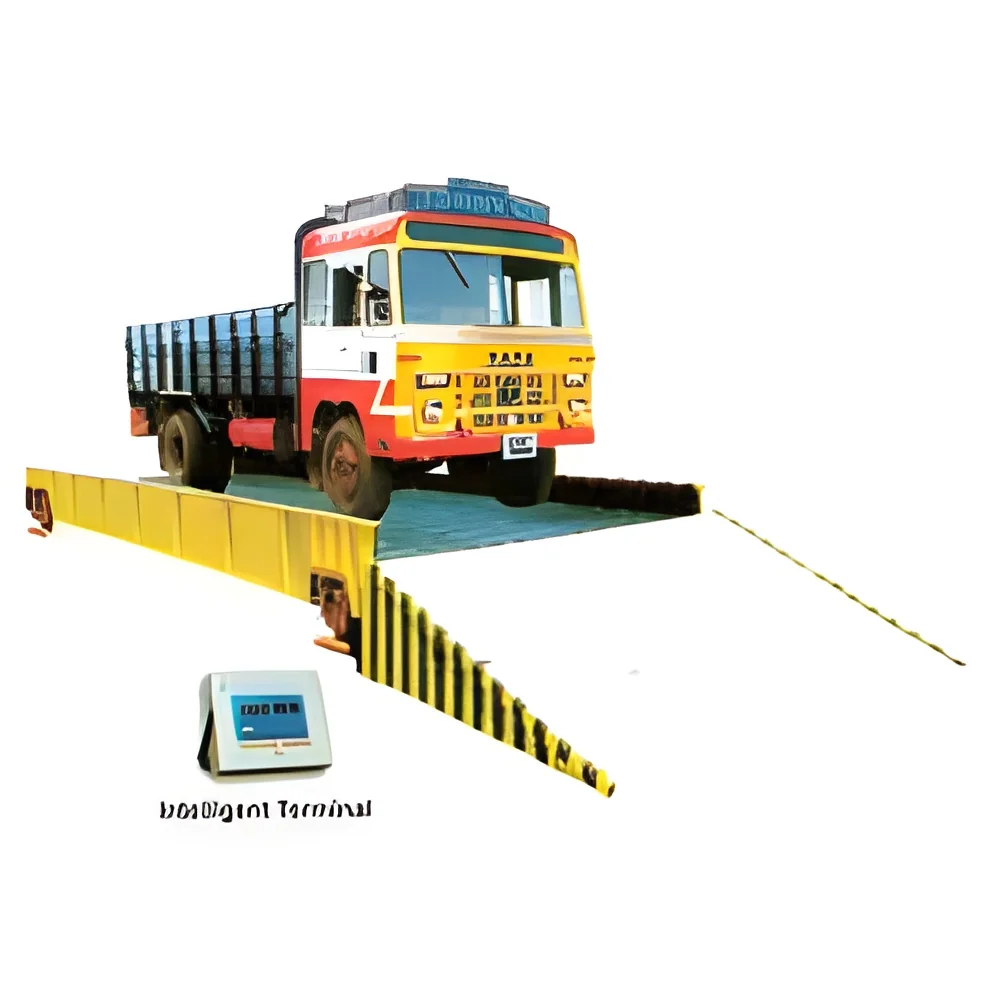
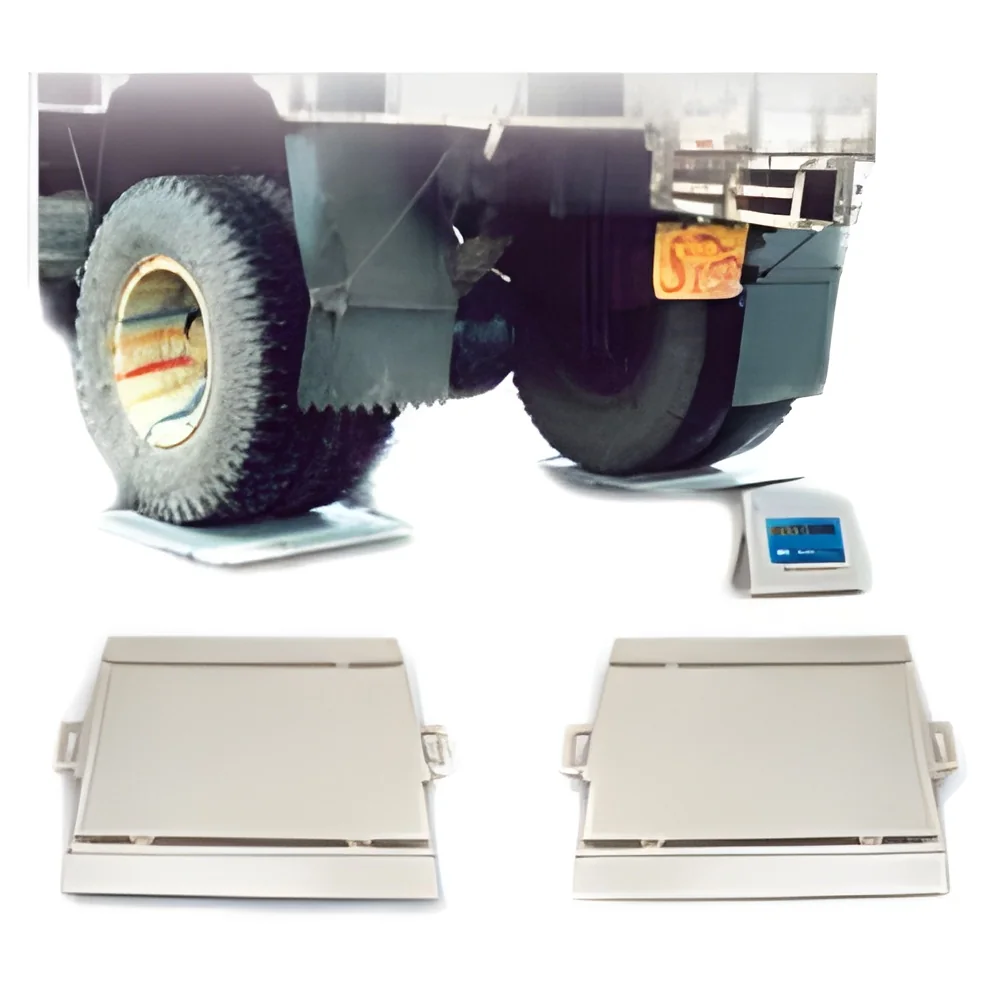
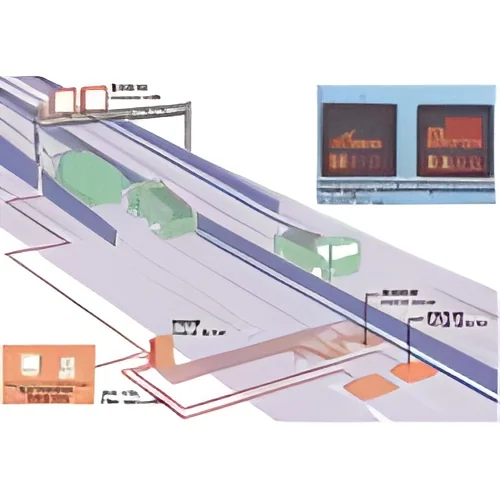
Aiwa's Weighing In Motion technology represents a significant advancement in vehicle weighing systems, designed to capture precise weight data while vehicles move at slow speeds through designated areas. This innovative solution eliminates the traditional requirement for vehicles to come to a complete stop, thereby streamlining operations at high-traffic locations including toll plazas, checkpoints, and industrial weigh stations. The system utilizes durable sensors and sophisticated data processing algorithms to ensure accurate measurements even under continuous operational demands, providing reliable data for billing, compliance verification, and operational efficiency improvements. Its ability to function without interrupting normal traffic flow makes it an essential tool for modern infrastructure management and transportation efficiency.

This advanced weighing technology serves multiple industries including transportation infrastructure, logistics operations, mining sectors, and go...
Aiwa's Weighing In Motion technology represents a significant advancement in vehicle weighing systems, designed to capture precise weight data while vehicles move at slow speeds through designated areas. This innovative solution eliminates the traditional requirement for vehicles to come to a complete stop, thereby streamlining operations at high-traffic locations including toll plazas, checkpoints, and industrial weigh stations. The system utilizes durable sensors and sophisticated data processing algorithms to ensure accurate measurements even under continuous operational demands, providing reliable data for billing, compliance verification, and operational efficiency improvements. Its ability to function without interrupting normal traffic flow makes it an essential tool for modern infrastructure management and transportation efficiency.

This advanced weighing technology serves multiple industries including transportation infrastructure, logistics operations, mining sectors, and government regulatory bodies. Toll operators implement these systems for seamless toll collection based on actual vehicle weights, while municipal authorities utilize them for tax collection at city border crossings. Mining and quarrying companies depend on these systems for continuous load monitoring and overload prevention, ensuring compliance with weight regulations and preventing road damage. Port authorities and logistics hubs employ them to verify container weights rapidly, enhancing operational throughput and maintaining safety standards. The system's adaptability also makes it suitable for enforcement agencies monitoring weight restrictions on highways and bridges to protect infrastructure integrity.

Aiwa's Weighing In Motion systems deliver substantial business value by significantly reducing operational delays, decreasing fuel consumption from idling vehicles, and minimizing manual intervention requirements. Their proven reliability across diverse environmental conditions offers exceptional durability and consistent performance with minimal maintenance demands. The technology's design allows seamless integration with existing toll software, payment processing systems, and regulatory databases, providing a forward-compatible solution that grows with operational needs. Beyond enhancing operational efficiency, these systems improve weight data accuracy, reducing billing disputes and ensuring equitable transactions. The non-stop weighing capability also supports environmental objectives by reducing emissions from stationary vehicles waiting to be weighed.

Key Features:
- Accurate weight measurement while vehicles are in motion at controlled speeds
- Rugged construction built for continuous operation in all weather conditions
- Seamless integration capability with existing toll and regulatory systems
- Advanced sensor technology delivering consistent and repeatable measurements
- Low maintenance design featuring durable components for extended service life

Benefits:
- Eliminates traffic congestion by removing need for vehicle stops
- Reduces operational costs through automated weight data collection
- Enhances regulatory compliance with precise weight documentation
- Improves throughput efficiency at weighing and checkpoint facilities
- Minimizes environmental impact by reducing vehicle idling time
Specifications
| Additional Information | |
|---|---|
| Country of Origin | India |
Application
Aiwa's Weighing In Motion systems are specifically engineered for high-traffic environments where stopping vehicles causes significant operational delays. These robust systems deliver precise weight measurements while vehicles remain in motion, ensuring seamless operations at toll collection points, municipal checkpoints, and busy industrial facilities. Built to withstand continuous use and varying weather conditions, they maintain consistent performance around the clock without interrupting traffic patterns or requiring vehicle stops for data collection.
These advanced weighing solutions provide exceptional value for transportation authorities, logistics operators, and industrial facilities requiring accurate weight data for compliance, billing, and load monitoring purposes. By eliminating the need for vehicles to stop, they substantially reduce traffic congestion, lower fuel consumption from idling vehicles, and minimize operational downtime across weighing facilities. The technology supports both pre-verification and post-audit requirements, making it essential for fair transactions and regulatory compliance throughout transportation and goods movement sectors.
- Automated weight-based toll collection at highway and expressway plazas
- Municipal tax collection at city entry points without stopping trucks
- Load monitoring and overload prevention in mining and quarry operations
- Vehicle weighing at port terminals and logistics parks for cargo handling
- Enforcement and compliance verification at state border checkpoints
Trade Details
| Available Stock | In Stock |
| Sample Availability | No |
Payment Terms
| Payment Terms |
|
Company Profile
Eagle Weigh Instruments India Pvt Ltd, Maharashtra
 Maharashtra, India
Maharashtra, IndiaManufacturer•Distributor / Wholesaler
Factory Details
Factory SizeBelow 1000 sqm
Annual Production Capacity0
Main Markets
South Asia
Weighing In Motion Systems For Toll Plazas And Logistics Hubs
Aiwa Weighing In Motion systems capture accurate vehicle weights without stopping vehicles. Ideal for toll plazas and logistics hubs, these reliable systems provide efficient weight data collection while maintaining continuous traffic flow.
Min. Order Quantity: 1 unit
Shipping
Shipping fee and delivery date to be negotiated. Contact supplier now for more details.
Eagle Weigh Instruments India Pvt Ltd
 Maharashtra, India
Maharashtra, IndiaManufacturer