
 IN
Weaving Machinery
43 products available
What are Weaving Machinery?
Weaving machinery refers to a range of industrial equipment designed for the production of woven textiles. This machinery utilizes various weaving techniques to interlace threads or yarns together, creating fabrics used in diverse applications. Weaving machines can vary in complexity, from simple hand-operated looms to advanced automated systems capable of producing high volumes of fabric with intricate patterns.
The primary uses of weaving machinery span several industries, including textiles, fashion, automotive, and home furnishings. Businesses rely on these machines to produce materials like clothing, upholstery, and technical textiles, which are essential for a wide array of products. The market for weaving machinery continues to grow, driven by advancements in technology and increasing demand for customized fabrics.
In the current industrial landscape, weaving machinery holds significant relevance due to its role in enhancing production efficiency and quality. As global textile markets expand, manufacturers are increasingly investing in innovative weaving technologies to remain competitive. This machinery not only facilitates mass production but also supports sustainable practices by optimizing resource usage and minimizing waste.
Key Features and Specifications
Weaving machinery is equipped with various features designed to maximize efficiency and output. These machines come with a range of specifications that cater to different weaving needs and fabric types. Understanding these specifications is crucial for businesses when selecting the appropriate machinery for their production requirements.
Key specifications include:
1. Weaving Width
- This specification indicates the maximum width of fabric that can be woven.
- Typical ranges vary from 30 inches to over 150 inches.
2. Loom Type
- Different types of looms include shuttle looms, rapier looms, and air-jet looms.
- Each type offers unique advantages in terms of speed and fabric variety.
3. Production Speed
- This refers to the speed at which the machine can produce fabric, generally measured in meters per minute.
- Speeds can range from 150 to 1200 meters per minute, depending on the machine type.
4. Yarn Count Capacity
- This specification defines the range of yarn thickness the machine can handle.
- It typically ranges from 20 to 1000 denier, depending on the loom.
5. Control System
- Modern weaving machines may feature computerized control systems for precise operation.
- These systems enhance automation and reduce manual intervention.
6. Energy Consumption
- Information on how much energy the machine uses during operation.
- Energy-efficient models can significantly reduce operational costs.
7. Maintenance Requirements
- Specifications concerning how often the machine needs servicing.
- Regular maintenance plans are typically suggested by manufacturers.
8. Safety Features
- Overview of built-in safety mechanisms to protect operators.
- Features may include automatic shut-off and safety guards.
In summary, understanding the key features and specifications of weaving machinery is essential for businesses to make informed purchasing decisions that align with their production goals.
Common Applications and Use Cases
Weaving machinery finds applications across various industries, each utilizing the technology for specific fabric needs.
1. Textile Industry: Weaving machinery is essential for producing a wide range of fabrics, including cotton, polyester, and blends, used in clothing and accessories.
2. Automotive Industry: Specialized woven fabrics are used for upholstery, seat covers, and interior components, enhancing both aesthetics and durability.
3. Home Furnishings: These machines produce textiles for curtains, upholstery, and linens, providing consumers with stylish and functional home décor options.
4. Industrial Textiles: Weaving machinery is used to create technical fabrics for applications like geotextiles, filters, and protective clothing.
5. Fashion Industry: Designers rely on advanced weaving techniques to produce unique patterns and textures for high-end apparel.
6. Medical Textiles: Specialized woven materials are used in medical applications, such as bandages and surgical textiles, ensuring safety and efficacy.
7. Sports Equipment: Weaving technology is employed in creating durable and lightweight materials for sports gear and apparel.
Product Variants and Subcategories
Weaving machinery comes in various forms, each designed to meet specific production needs and market demands.
Shuttle Looms
Shuttle looms are traditional weaving machines that utilize a shuttle to carry the weft thread across the warp threads. This type of loom is known for producing strong and durable fabrics, making it suitable for industries requiring high-quality textiles.
Rapier Looms
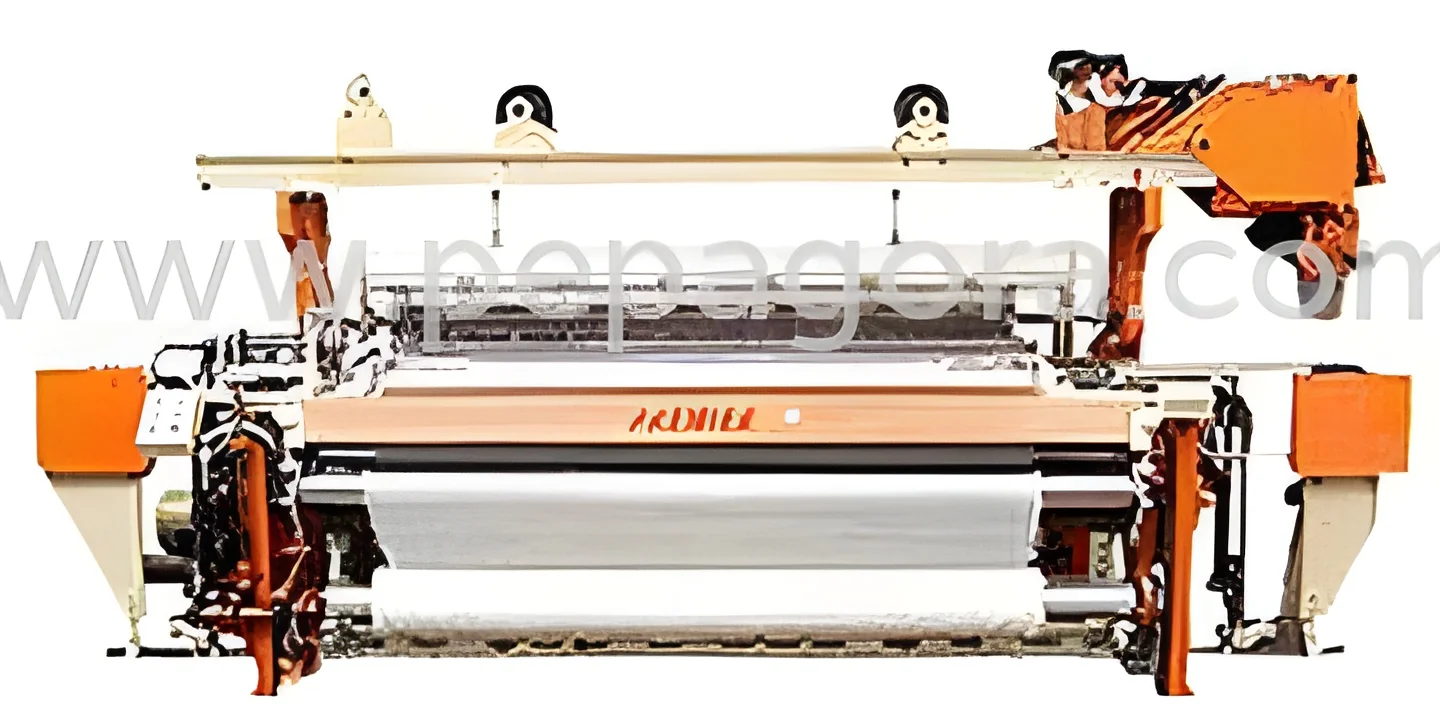
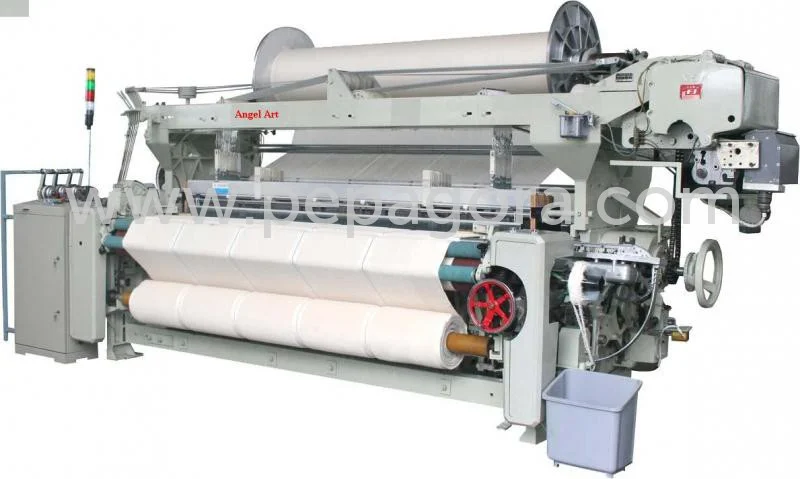
Rapier looms are designed for versatility and speed. They use a pair of rapiers to insert the weft thread, allowing for greater flexibility in fabric design. These looms are often used in the production of complex patterns and lightweight fabrics.
Air-Jet Looms
Air-jet looms use jets of air to propel the weft thread, achieving high production speeds. They are ideal for creating lightweight and high-density fabrics, making them popular in the automotive and fashion industries.
Benefits and Advantages
Investing in weaving machinery offers numerous benefits for businesses looking to enhance production capacity and fabric quality.
1. Increased Production Efficiency: Advanced weaving machines significantly reduce production times, allowing businesses to meet market demands more effectively.
2. High Fabric Quality: Modern weaving technology ensures consistent fabric quality, reducing defects and enhancing overall product performance.
3. Customization Capabilities: Many weaving machines can produce customized patterns and textures, enabling businesses to differentiate their products in the market.
4. Cost-Effective Operations: Automation and energy-efficient designs lead to lower operational costs, improving profit margins for manufacturers.
5. Enhanced Flexibility: Weaving machinery can adapt to various yarn types and fabric requirements, providing manufacturers with the ability to pivot based on market trends.
6. Improved Safety Features: Modern machines come equipped with safety mechanisms that protect operators, reducing workplace accidents and ensuring compliance with industry standards.
Buying Guide for B2B Buyers
When sourcing weaving machinery, there are several key factors to consider to ensure you choose the right equipment for your business needs.
1. Quality Assessment: Evaluate the quality of the machinery by checking for industry certifications and user reviews. High-quality machines typically offer better durability and performance.
2. Supplier Verification: Vet suppliers by researching their reputation in the industry and checking for references. Reliable suppliers often provide excellent customer support and service.
3. Pricing and MOQ: Understand the pricing structure and minimum order quantities (MOQ) set by suppliers. This helps in budgeting your investment and ensuring you meet your production needs.
4. Delivery and Lead Times: Consider the logistics of sourcing machinery, including delivery times and installation support. Timely delivery is crucial for maintaining production schedules.
5. Compliance Requirements: Ensure that the machinery meets relevant industry standards and regulations. Compliance with safety and quality standards is vital for operational integrity.
Compliance and Certifications
When investing in weaving machinery, compliance with industry standards and certifications is essential for ensuring quality and safety. Relevant quality standards such as ISO 9001 guarantee that manufacturing processes meet high-quality benchmarks.
Additionally, industry certifications like CE indicate that the machinery complies with European health and safety requirements, ensuring safe operation.
Manufacturers should also adhere to safety and testing requirements, which may vary by region. Understanding local compliance regulations is crucial, especially for businesses operating in multiple markets.
Overall, adherence to these certifications and standards not only enhances product reliability but also builds trust with customers and partners.
Why Source Weaving Machinery from Pepagora?
Pepagora is a trusted platform for sourcing weaving machinery, providing several key advantages for B2B buyers.
Verified Supplier Network: Pepagora connects buyers with a network of verified suppliers, ensuring that businesses can source high-quality machinery from reputable manufacturers. This reduces the risk associated with purchasing from unknown vendors.
Streamlined RFQ Process: The platform offers a streamlined Request for Quotation (RFQ) process, making it easy for buyers to obtain competitive pricing and terms from multiple suppliers quickly. This efficiency saves time and helps businesses make informed decisions.
Trade Assurance and Support: Pepagora provides trade assurance, protecting buyer investments and ensuring that transactions are secure. Additionally, the platform offers support throughout the purchasing process, addressing any concerns that may arise.
Regional Coverage: With a strong presence in India, the GCC, and Southeast Asia, Pepagora facilitates access to a diverse market. This regional coverage allows buyers to tap into local suppliers and manufacturers, enhancing their sourcing capabilities and market reach.

 India

 India
 India
 India
 India
 India
 India
 India
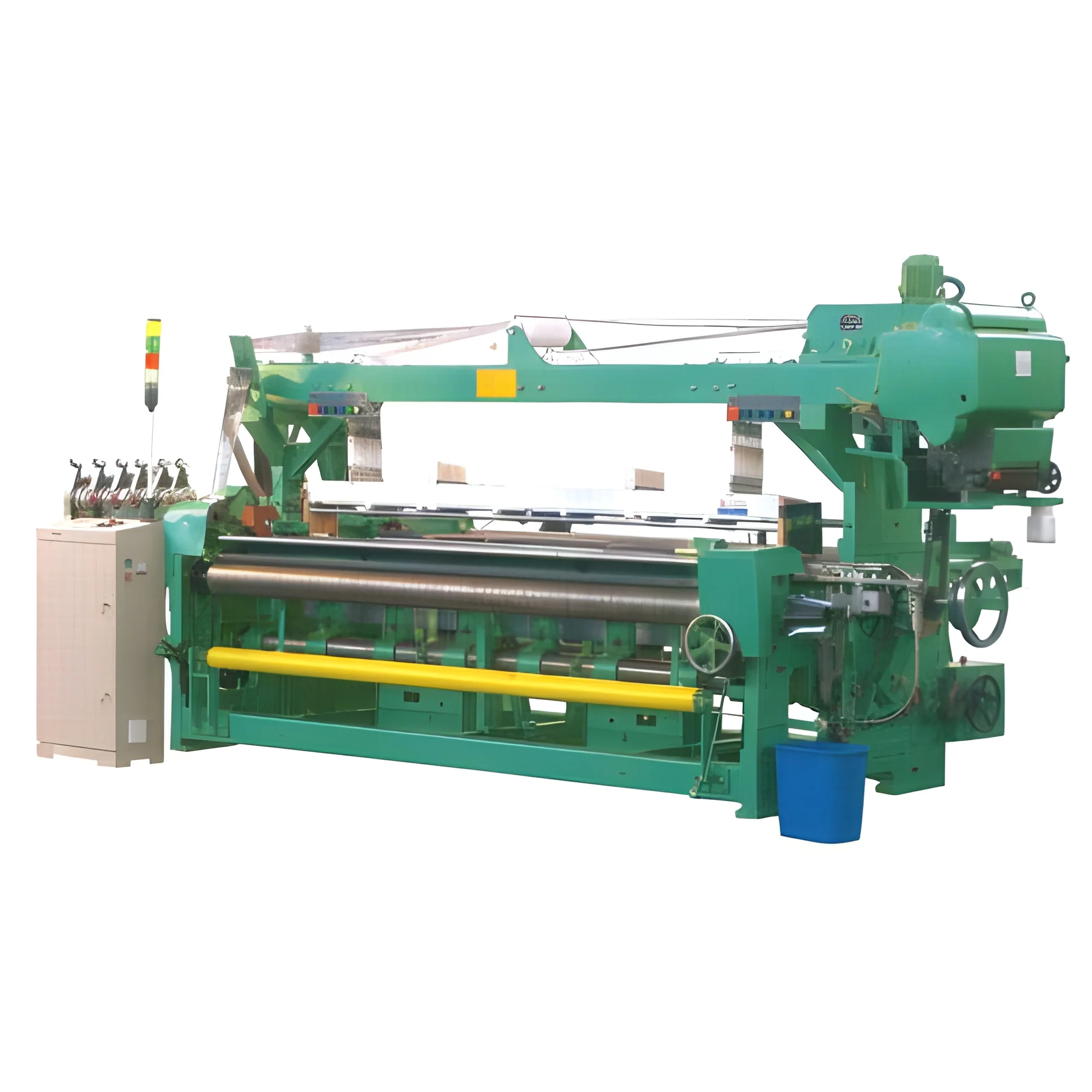
 India
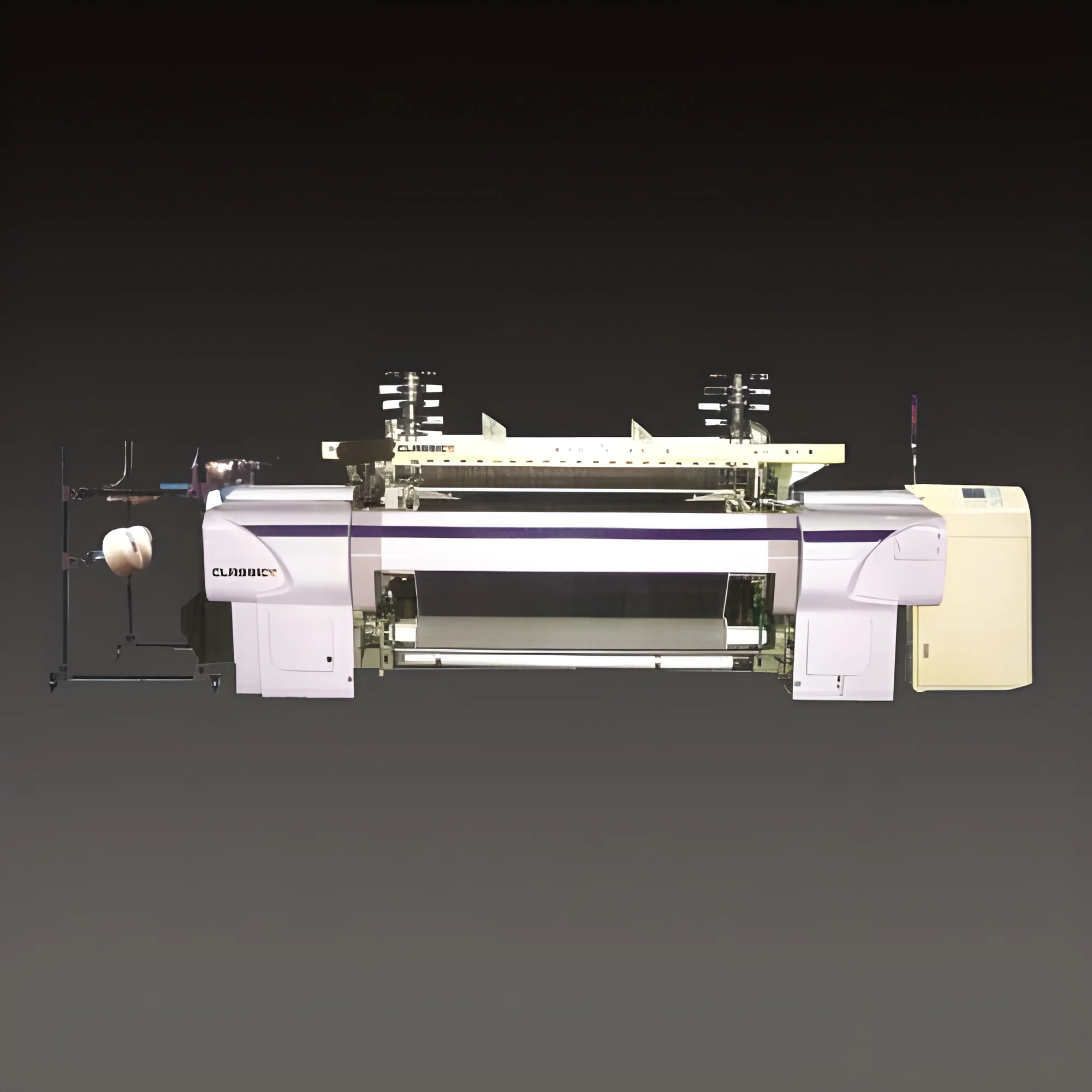
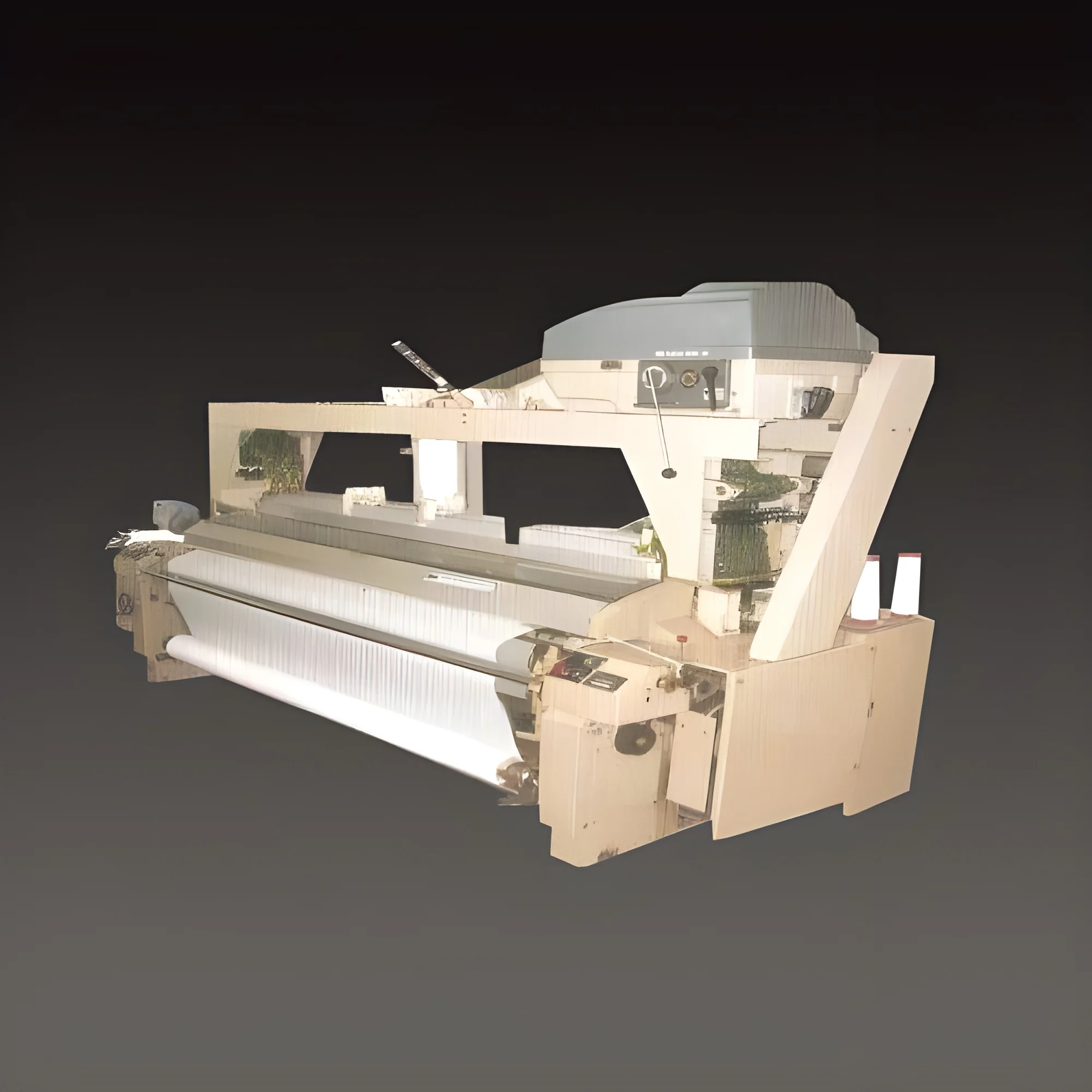
 India
 India
 India
 India
 India
 India
 India
Frequently Asked Questions
What are Weaving Machinery?
Weaving machinery refers to the equipment used in the process of weaving threads or yarns to create fabric. These machines can vary in complexity and functionality, ranging from manual looms to fully automated weaving systems.
What are the different types of Weaving Machinery?
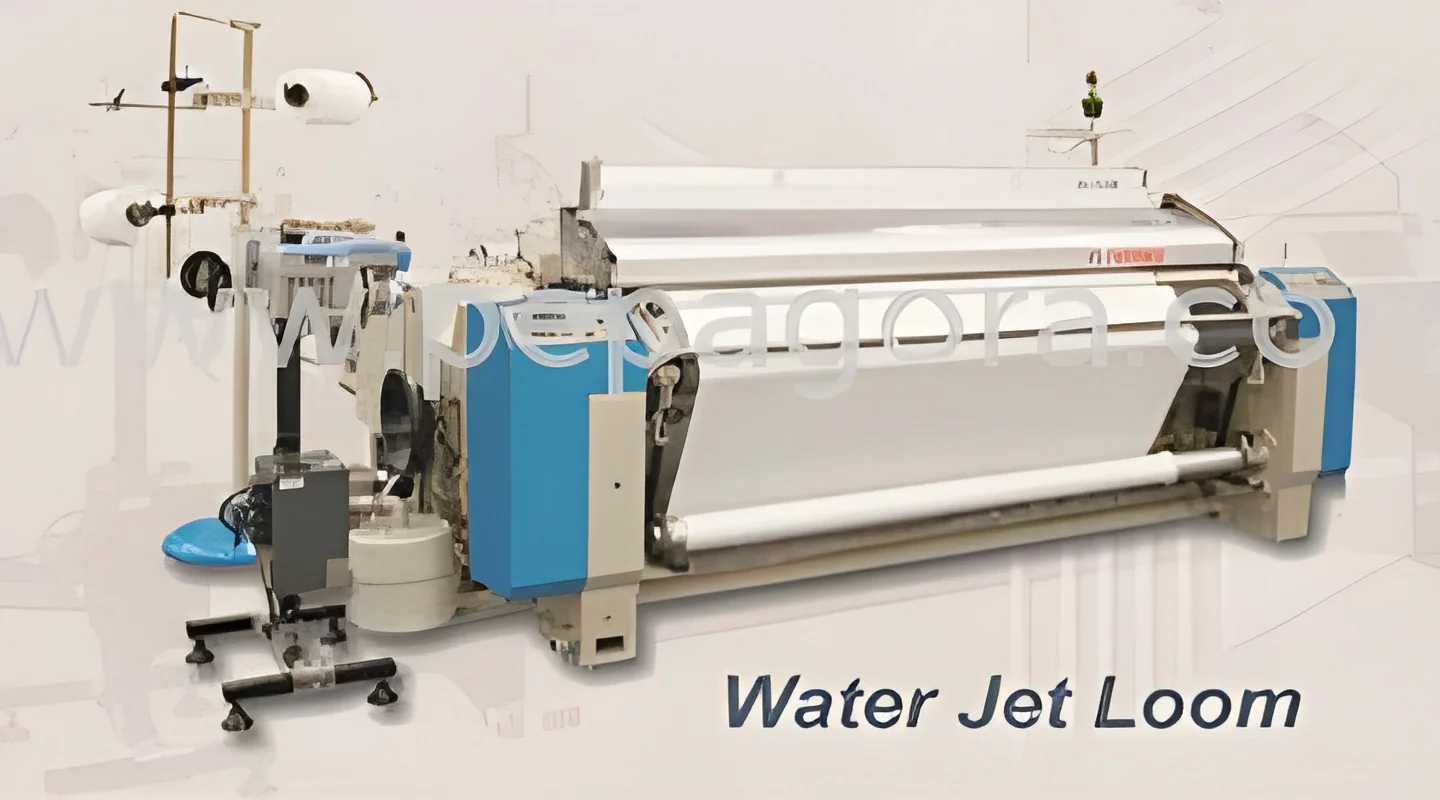
There are several types of weaving machinery, including shuttle looms, rapier looms, air-jet looms, and water-jet looms. Each type has unique characteristics suited for different types of fabrics and production needs.
How do I choose the right Weaving Machinery?
Choosing the right weaving machinery involves considering factors such as the type of fabric you intend to produce, production volume, and budget. It's also important to assess the machine's specifications and features to ensure they align with your operational requirements.
What are the standard specifications for Weaving Machinery?
Standard specifications for weaving machinery typically include the machine's width, speed, type of shuttle or weft insertion, and the maximum number of threads it can handle. Additionally, energy consumption and the level of automation are also critical specifications.
What is the price range for Weaving Machinery?
The price range for weaving machinery can vary widely depending on the type, brand, and features. Generally, prices can start from a few thousand dollars for basic models to several hundred thousand dollars for advanced, automated systems.
What quality standards apply to Weaving Machinery?
Quality standards for weaving machinery often include ISO certifications and compliance with safety regulations. Additionally, manufacturers may adhere to specific industry standards that ensure durability, efficiency, and performance.
Where can I find Weaving Machinery suppliers in India?
You can find weaving machinery suppliers in India through various platforms, such as trade directories, industry exhibitions, and online marketplaces like Pepagora. Additionally, networking within industry associations can also lead to reliable suppliers.
Can Weaving Machinery be customized?
Yes, many manufacturers offer customization options for weaving machinery to meet specific production needs. Customizations can include modifications to the machine's size, features, and functionalities.
What is the typical minimum order quantity for Weaving Machinery?
The typical minimum order quantity (MOQ) for weaving machinery can vary depending on the manufacturer and the type of machinery. Generally, MOQs can range from single units for smaller machines to larger quantities for bulk orders.
What is the typical lead time for Weaving Machinery?
The typical lead time for weaving machinery varies based on the supplier and the complexity of the order. Generally, lead times can range from a few weeks to several months, depending on factors such as customization and production schedules.
Why Businesses Trust Pepagora
Thousands of companies trust Pepagora to source smarter and sell faster
Expand Your Sales Globally

Source Smarter,Grow Faster
