
 IN
Textile Tester
33 products available
What are Textile Tester?
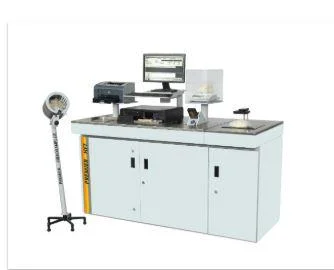
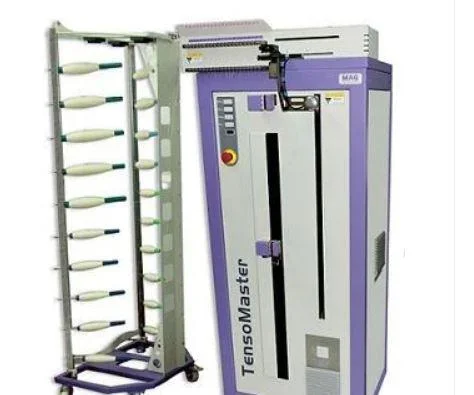
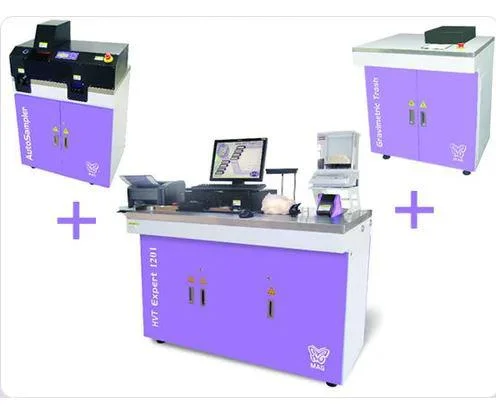
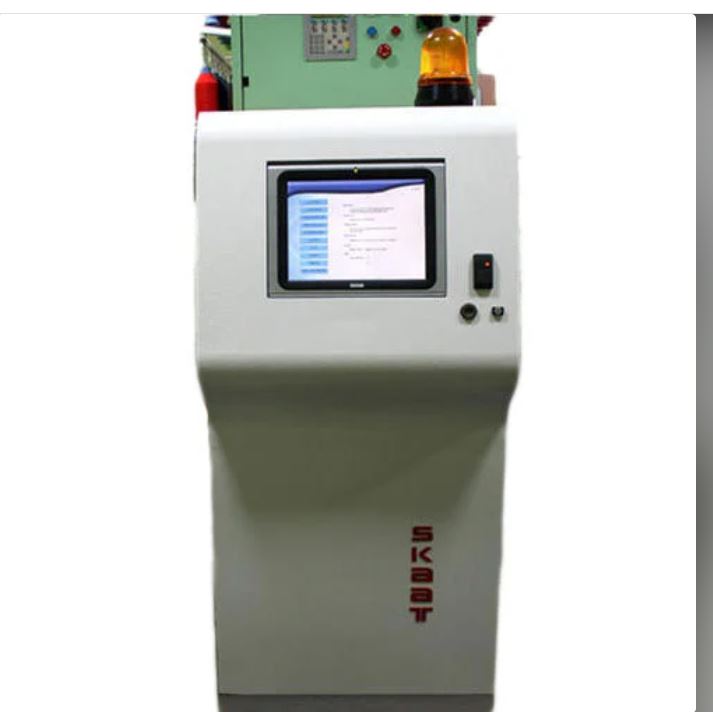
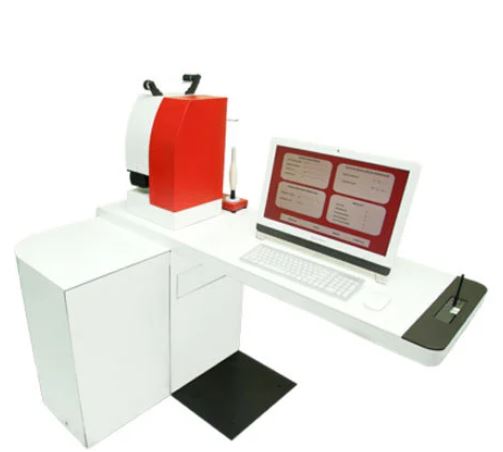
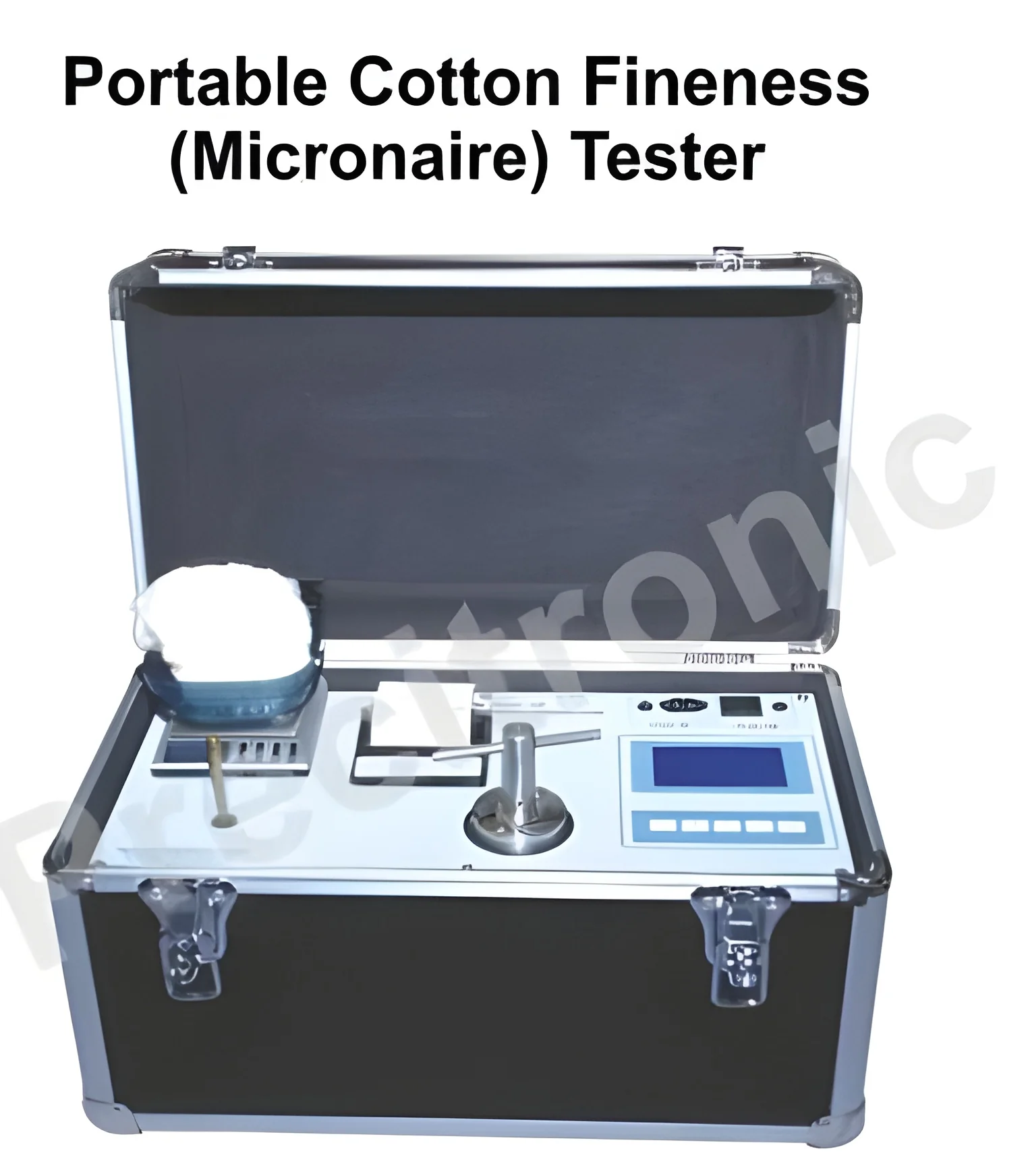
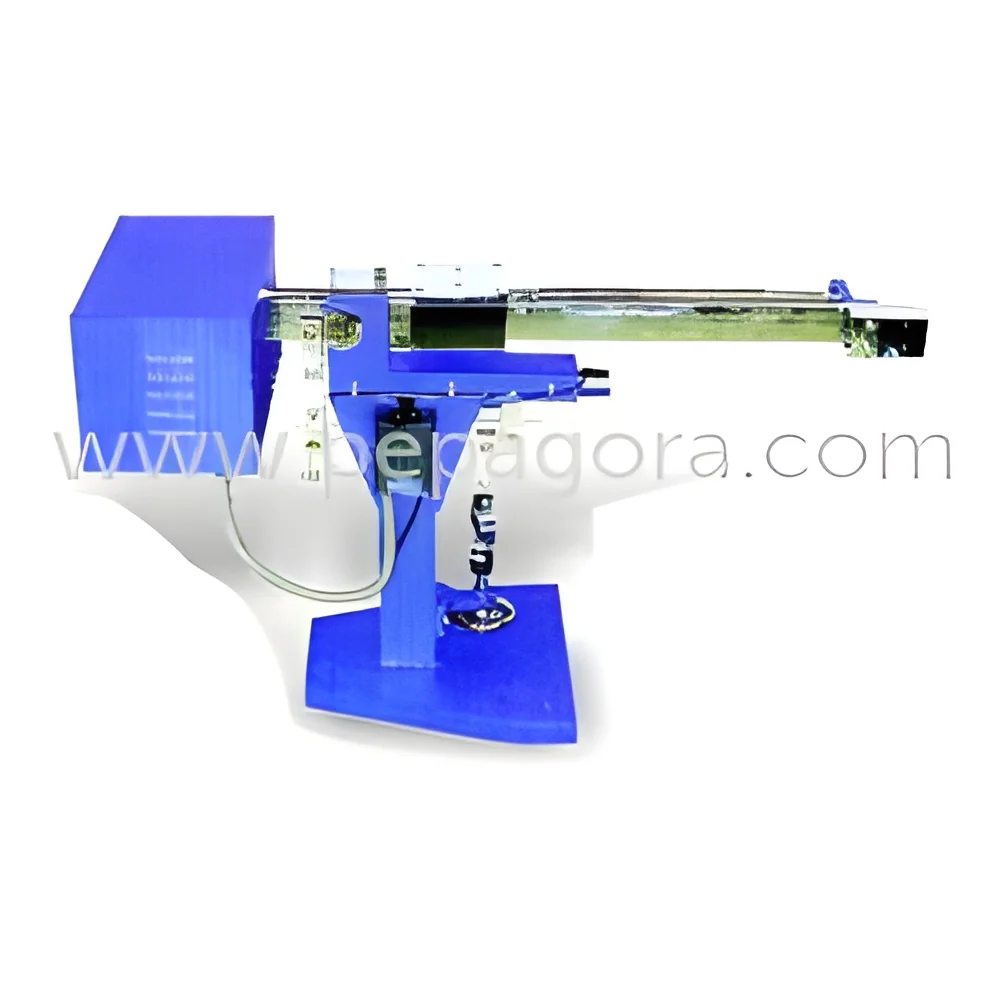
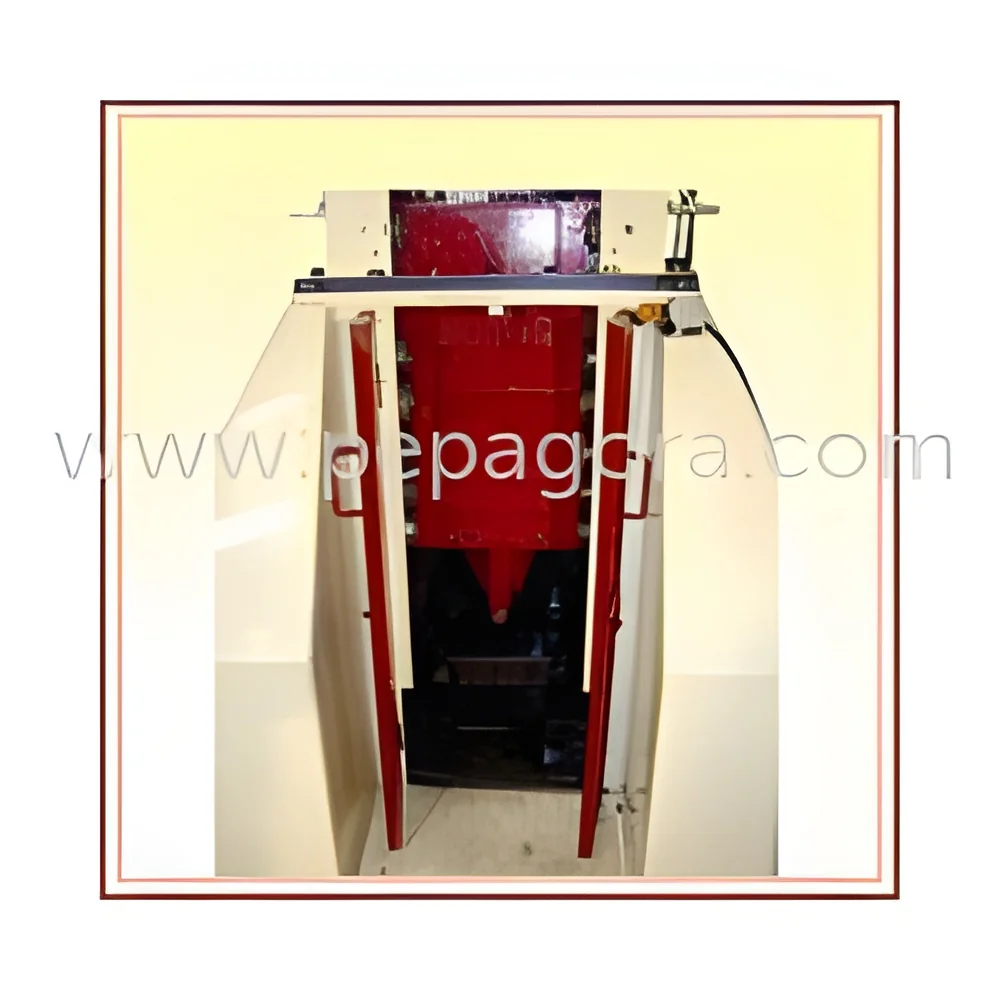
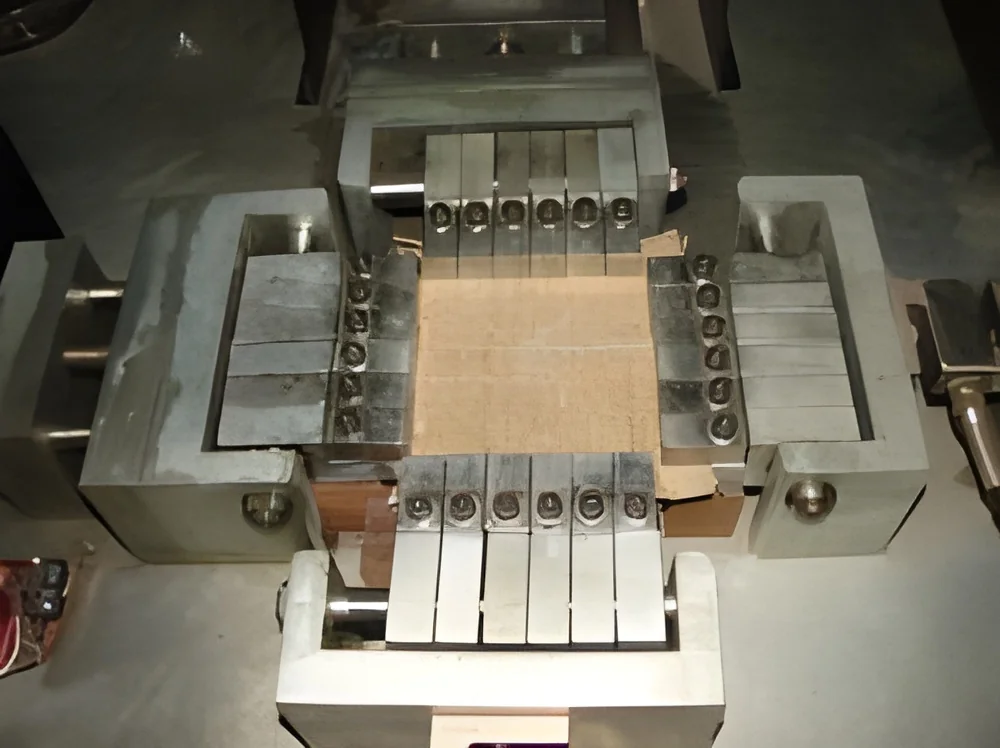
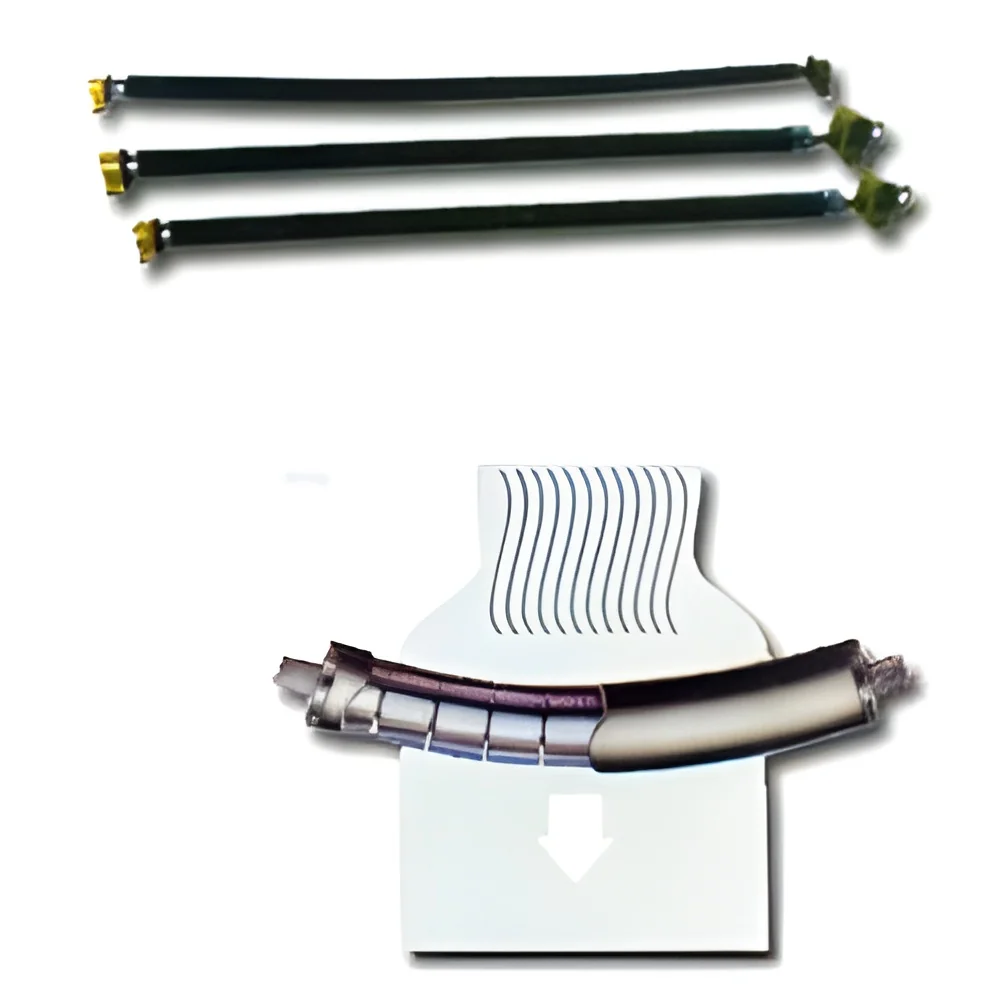
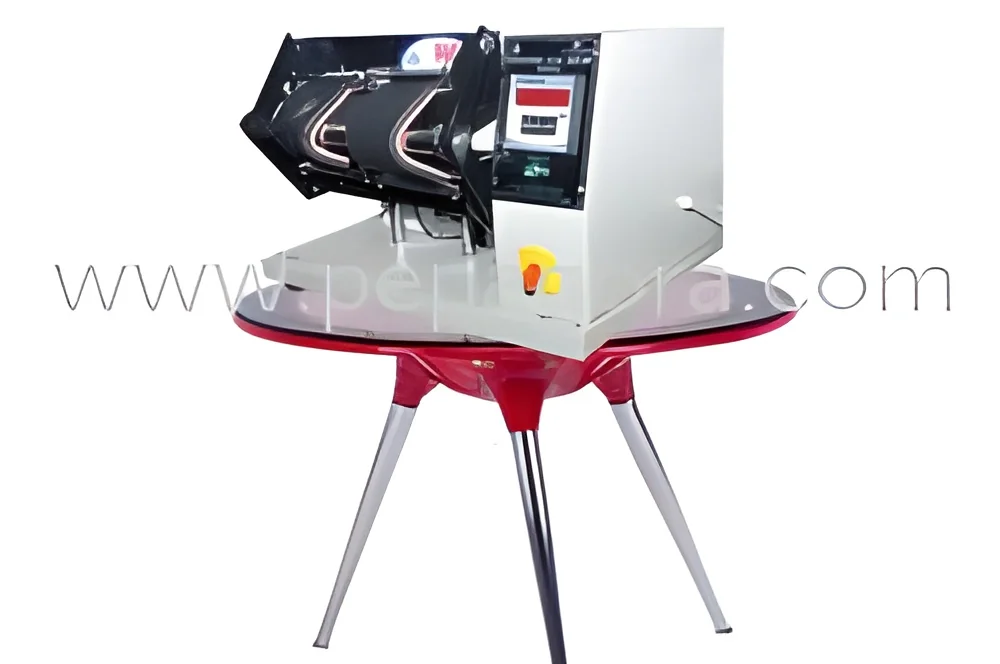
Textile testers are specialized instruments designed to assess the quality and performance characteristics of various textile materials. These devices measure several key attributes, such as fabric strength, colorfastness, and pilling resistance. By employing advanced technologies, textile testers ensure that products meet industry standards and consumer expectations. They are essential tools in the textile manufacturing and quality assurance processes.
Textile testers find primary applications in the textile industry, where they serve manufacturers, suppliers, and retailers alike. Their main purpose is to evaluate the quality of raw materials and finished products, ensuring that they are suitable for their intended uses. Industries such as apparel, upholstery, and technical textiles rely on these testers to maintain high standards of product quality and safety. As global competition in the textile market intensifies, the importance of reliable testing equipment continues to grow.
In the current market context, the demand for textile testers is driven by the increasing emphasis on quality control and compliance with international standards. Companies are investing in these devices to improve their product offerings and reduce the likelihood of defects. Moreover, as consumers become more quality-conscious, having robust testing capabilities is crucial for businesses aiming to enhance their reputation and market position.
Key Features and Specifications
Textile testers come with a variety of features and specifications that cater to different testing needs in the textile industry. Their design prioritizes accuracy, reliability, and ease of use, making them indispensable tools for quality control.
Key specifications include:
1. Fabric Strength Testing
- Measures the tensile strength of fabrics
- Provides data on maximum load and elongation at break
2. Colorfastness Testing
- Assesses how well fabrics retain color when exposed to washing, light, or rubbing
- Uses standardized methods to ensure consistency
3. Pilling Resistance Testing
- Evaluates the tendency of fabrics to form small balls or pills
- Determines the durability of the fabric surface over time
4. Abrasion Resistance Testing
- Measures the resistance of fabric to wear from friction
- Provides insights into the longevity of textile products
5. Dimensional Stability Testing
- Tests fabric for shrinkage or expansion after laundering
- Ensures that garments maintain their intended size and shape
6. Moisture Management Testing
- Analyzes the ability of fabrics to wick away moisture
- Important for performance in active wear and sports apparel
7. Compliance with International Standards
- Many testers meet relevant standards such as ISO and ASTM
- Ensures that products are market-ready and compliant
8. User-Friendly Interface
- Features simple controls and digital displays
- Allows for easy operation and data interpretation
Overall, textile testers play a pivotal role in ensuring product quality, enabling businesses to meet consumer expectations and regulatory requirements.
Common Applications and Use Cases
Textile testers are utilized across various industries, each with unique applications that leverage their capabilities.
1. Apparel Industry: These testers assess the quality of fabrics used in clothing, ensuring that garments meet durability and comfort standards.
2. Upholstery Manufacturing: Textile testers evaluate materials used for furniture and décor, focusing on strength and colorfastness to maintain aesthetic appeal and longevity.
3. Technical Textiles: In this sector, testers are crucial for verifying the performance of specialized fabrics used in applications like automotive, aerospace, and medical devices.
4. Home Textiles: Testing is essential for bed linens, towels, and curtains to ensure they withstand washing and maintain their appearance over time.
5. Footwear Production: Textile testers analyze materials used in shoes for both comfort and durability, affecting consumer satisfaction and brand reputation.
6. Sportswear: Performance fabrics are tested for moisture management and abrasion resistance, ensuring they meet the demands of athletes.
7. Industrial Textiles: Heavy-duty materials are assessed for strength and resilience, critical for applications in construction and manufacturing.
Product Variants and Subcategories
Textile testers exhibit a range of variants tailored to specific testing needs within the industry. While subcategories are not available, the diversity in testing capabilities offers businesses choices to suit their requirements.
Universal Fabric Tester: This variant provides comprehensive testing capabilities, including strength, pilling, and colorfastness. It is ideal for manufacturers looking for an all-in-one solution for quality assurance.
Colorfastness Tester: Specifically designed for assessing color retention under various conditions, this variant is crucial for dye houses and fabric producers focused on aesthetic durability.
Strength Tester: Focused on fabric tensile strength, this variant is essential for companies that require precise measurements for safety and performance standards.
Benefits and Advantages
Investing in textile testers presents numerous benefits for businesses involved in textile production and quality control.
Key benefits include:
1. Enhanced Quality Control: Textile testers allow for thorough examination of materials, leading to higher product quality and fewer defects.
2. Compliance Assurance: By adhering to industry standards, companies can avoid penalties and enhance their reputation in the marketplace.
3. Improved Product Longevity: Testing ensures that textiles maintain their performance characteristics over time, ultimately leading to increased customer satisfaction.
4. Cost Efficiency: Identifying defects early in production reduces waste and costly recalls, improving overall profitability.
5. Competitive Advantage: Businesses that utilize advanced testing equipment can differentiate themselves through superior product offerings.
6. Data-Driven Decisions: The precise data generated from textile testers enables informed decision-making regarding material selection and process improvements.
Buying Guide for B2B Buyers
When sourcing a textile tester, several critical factors should be considered to ensure the selection of the right equipment.
1. Quality Assessment: Evaluate the accuracy and reliability of the testing methods used by the device. Look for testers that comply with recognized standards to ensure credible results.
2. Supplier Verification: Vet suppliers for their reputation and reliability. Ensure they provide robust support and service options to address any issues post-purchase.
3. Pricing and MOQ: Understand the pricing structure and minimum order quantities. Compare costs across suppliers while considering the value provided by the equipment.
4. Delivery and Lead Times: Assess the lead times for delivery to ensure that you can meet your production schedules. Timely delivery is crucial in maintaining operational efficiency.
5. Compliance Requirements: Investigate any regulatory needs specific to your industry. Ensure that the testing device meets these compliance standards to avoid future complications.
Compliance and Certifications
Compliance with industry standards is a fundamental aspect of textile testing. Many textile testers meet quality standards such as ISO 9001, which ensures that the manufacturing processes adhere to globally recognized quality management principles.
In addition, CE certification is often required for textile testing equipment sold in European markets. This certification indicates that the product meets safety, health, and environmental protection standards.
Testing requirements may vary by region, and businesses must be aware of specific compliance needs in their operating areas. Understanding these requirements helps ensure that products are ready for market and minimizes the risk of regulatory penalties.
Why Source Textile Tester from Pepagora?
Pepagora offers a trusted platform for sourcing textile testers, with several key advantages that make it an ideal choice for B2B buyers.
Verified Supplier Network: Pepagora connects buyers with a network of verified suppliers, ensuring that the products offered meet high-quality standards. This verification process provides peace of mind, knowing you're working with reputable manufacturers.
Streamlined RFQ Process: The request for quotation (RFQ) system simplifies the procurement process. Buyers can easily submit requests and receive competitive quotes, making it easier to compare options and make informed decisions.
Trade Assurance and Support: Pepagora provides trade assurance, protecting buyers throughout the purchasing process. This support includes assistance with resolving disputes and ensuring that transactions are secure.
Regional Coverage: With a strong presence in India, the GCC, and Southeast Asia, Pepagora facilitates access to a diverse range of textile testers. This geographic reach allows businesses to source products tailored to their specific market needs, enhancing operational flexibility.



 India
 India
 India
 India
 India
 India
 India
 India
 India
 India
 India
 India
 India

 India

 India
 India
 India
Frequently Asked Questions
What are Textile Tester?
Textile testers are specialized instruments used to assess the physical and chemical properties of textiles. They help in determining the quality, durability, and performance of fabrics by conducting various tests such as tensile strength, colorfastness, and abrasion resistance.
What are the different types of Textile Tester?
There are several types of textile testers, including tensile testers, colorfastness testers, and abrasion testers. Each type is designed for specific testing purposes, allowing manufacturers to evaluate various characteristics of textiles accurately.
How do I choose the right Textile Tester?
When selecting a textile tester, consider the specific properties you need to measure, the materials you will be testing, and the required accuracy. Additionally, evaluate the tester's features, ease of use, and compatibility with your testing standards.
What are the standard specifications for Textile Tester?
Standard specifications for textile testers vary by type but generally include parameters such as load capacity, measurement accuracy, and testing speed. It is essential to refer to industry standards and guidelines for specific requirements relevant to your testing needs.
What is the price range for Textile Tester?
The price range for textile testers can vary significantly based on the type and specifications. Generally, basic models may start from a few thousand Indian Rupees, while advanced testers with specialized features can cost several lakhs.
What quality standards apply to Textile Tester?
Textile testers must adhere to various quality standards, including ISO and ASTM standards, which ensure the reliability and accuracy of test results. Compliance with these standards is crucial for manufacturers to maintain product quality and consistency.
Where can I find Textile Tester suppliers in India?
You can find textile tester suppliers in India through various online B2B marketplaces, industry trade shows, and manufacturing directories. Platforms like Pepagora provide a comprehensive list of reputable suppliers and manufacturers in the textile testing equipment sector.
Can Textile Tester be customized?
Yes, many manufacturers offer customization options for textile testers to meet specific testing requirements. Custom features may include tailored testing parameters, specialized software, or modifications to suit particular types of textiles.
What is the typical minimum order quantity for Textile Tester?
The typical minimum order quantity (MOQ) for textile testers can vary by supplier and model. Generally, MOQs can range from one unit for standard models to larger quantities for customized or bulk orders.
What is the typical lead time for Textile Tester?
The typical lead time for textile testers can vary depending on the supplier and the complexity of the order. Generally, lead times may range from a few days for standard models to several weeks for customized units.
Why Businesses Trust Pepagora
Thousands of companies trust Pepagora to source smarter and sell faster
Expand Your Sales Globally

Source Smarter,Grow Faster
