
 IN
Textile Raw Materials Processing Machinery
5 products available
What are Textile Raw Materials Processing Machinery?
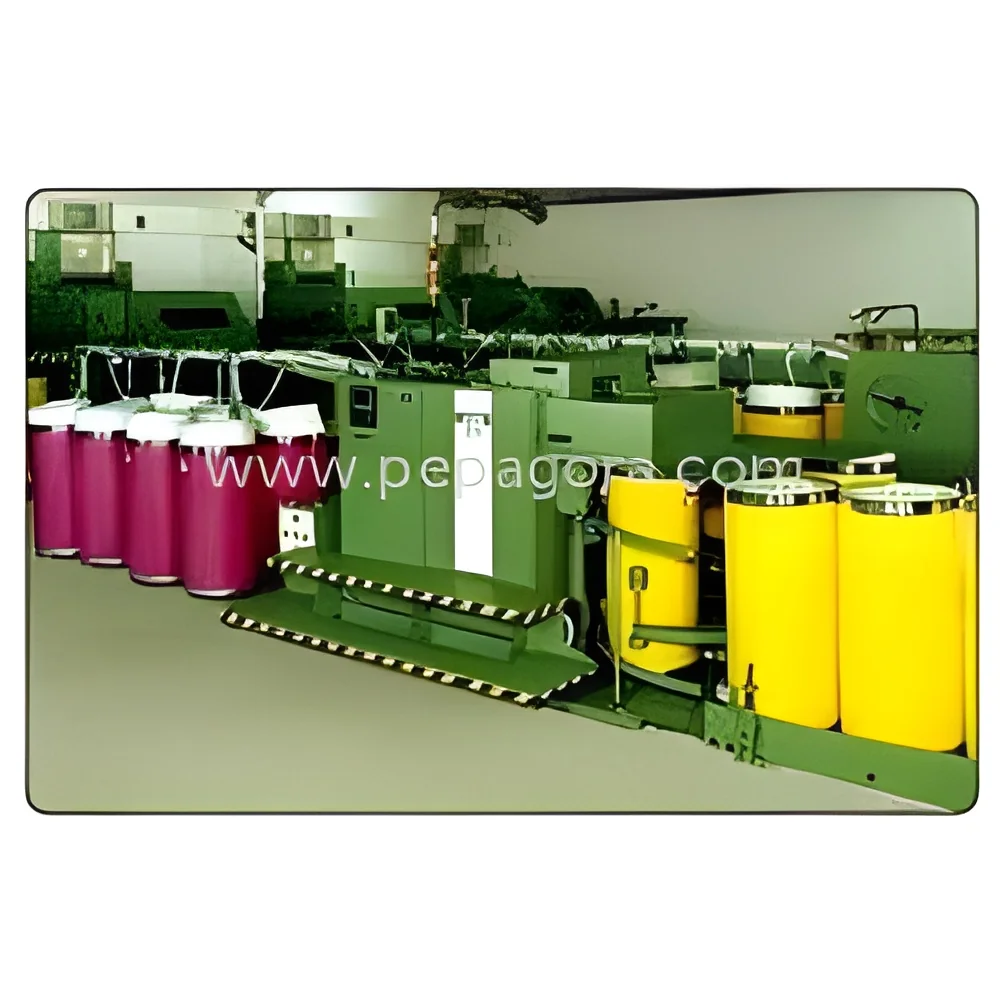
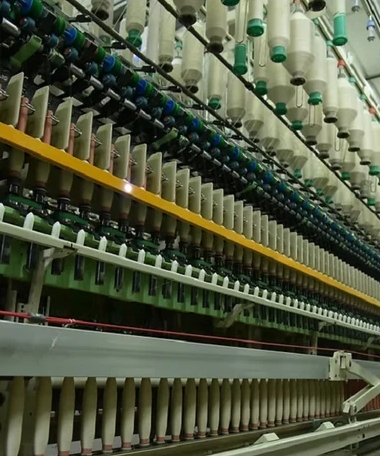
Textile Raw Materials Processing Machinery refers to the equipment and systems used in the preparation and processing of raw materials for the textile industry. These machines are designed to handle various tasks such as spinning, weaving, dyeing, and finishing textiles. They play a critical role in transforming raw fibers into usable fabrics that meet the specified quality and design requirements for various applications.
The primary uses of Textile Raw Materials Processing Machinery include the processing of natural and synthetic fibers, which are then converted into yarns and fabrics. Businesses utilize these machines for mass production, ensuring efficiency and consistency in output. This machinery is vital for manufacturers in the textile sector, enabling them to meet market demand while adhering to quality standards and reducing production costs. Given the global nature of the textile industry, the machinery's relevance is underscored by the increasing demand for innovative fabric solutions and sustainable practices.
Key Features and Specifications
Textile Raw Materials Processing Machinery comes equipped with various features designed to enhance productivity and efficiency. These specifications play a significant role in determining the suitability of the machinery for specific applications within the textile sector.
Key specifications include:
1. Production Capacity
- Measures the volume of raw materials processed per hour or day.
- Ranges can vary widely based on machine type and size.
2. Power Consumption
- Indicates the energy requirements for operation.
- Typical ranges may include low, medium, and high consumption levels depending on the machine.
3. Processing Speed
- Refers to the speed at which the machinery operates.
- Speeds can vary based on model but generally range from moderate to high.
4. Automation Level
- Describes the extent of automated features in the machinery.
- Options may include fully automated, semi-automated, or manual operations.
5. Material Compatibility
- Specifies the types of raw materials that can be processed.
- Common materials include cotton, polyester, and blends.
6. Maintenance Requirements
- Details the frequency and type of maintenance needed.
- Machines may require periodic checks, lubrication, and part replacements.
7. Safety Features
- Includes built-in safety protocols and emergency shutdown mechanisms.
- Essential for ensuring operator safety and compliance with regulations.
8. Certifications
- Indicates compliance with industry standards such as CE.
- Important for ensuring that the machinery meets safety and quality benchmarks.
These specifications are crucial for businesses looking to invest in Textile Raw Materials Processing Machinery, as they directly impact operational efficiency and product quality.
Common Applications and Use Cases
Textile Raw Materials Processing Machinery serves various industries beyond traditional textile manufacturing.
1. Apparel Industry: This machinery is essential for processing fabrics used in clothing production, enabling high-volume garment manufacturing with consistent quality.
2. Home Textiles: Used in the production of linens, curtains, and upholstery fabrics, these machines ensure that household textiles are durable and aesthetically pleasing.
3. Automotive Textiles: Machinery processes specialized fabrics for automotive interiors, ensuring materials meet specific safety and durability standards.
4. Technical Textiles: Used in manufacturing fabrics for medical, construction, and industrial applications, these machines support the production of innovative materials with unique properties.
5. Nonwoven Fabrics: This machinery is crucial for producing nonwoven materials used in hygiene products, filters, and insulation, highlighting versatility in applications.
6. Sustainable Textiles: With the increasing demand for eco-friendly materials, machinery that processes organic and recycled fibers is becoming more prominent, aiding the transition to sustainable practices.
7. Fashion and Design: Specialized machines cater to high-end fashion applications, enabling intricate designs and custom fabrications that meet designer specifications.
Product Variants and Subcategories
Textile Raw Materials Processing Machinery includes a variety of types designed for specific processing tasks.
Spinning Machines: These machines convert raw fibers into yarn, utilizing various spinning techniques. They are essential for creating yarns with desired thickness and strength, suitable for different fabric types.
Weaving Machines: Used to interlace yarns to create fabrics, weaving machines come in various configurations, including shuttle and shuttle-less types. They are critical for producing a wide range of woven textiles.
Dyeing Machines: These machines apply dyes to fabrics, ensuring uniform color application. They are important for achieving the desired aesthetic and meeting industry color standards.
Finishing Machines: Used for post-processing fabrics, these machines provide treatments that enhance the texture, appearance, and durability of textiles. They are vital for meeting final product specifications.
Benefits and Advantages
Investing in Textile Raw Materials Processing Machinery provides numerous advantages for businesses in the textile industry.
Key benefits include:
1. Increased Efficiency: Machinery optimizes production processes, allowing for higher output in less time.
2. Consistent Quality: Advanced technology ensures that products meet strict quality standards, reducing defects and rework.
3. Cost Savings: Automated processes can lower labor costs and minimize waste, contributing to better overall profitability.
4. Flexibility: Many machines are designed to handle various materials and production runs, allowing businesses to adapt to market demands.
5. Sustainability: Modern machines often incorporate energy-efficient technologies, reducing the environmental impact of textile production.
6. Enhanced Innovation: The latest machinery offers features that support the development of new fabric types and designs, keeping businesses competitive in the market.
Buying Guide for B2B Buyers
When sourcing Textile Raw Materials Processing Machinery, it is essential to consider several critical factors to make an informed purchase.
1. Quality Assessment: Evaluate the quality of machinery based on manufacturer reputation, customer reviews, and compliance with industry standards.
2. Supplier Verification: Conduct thorough research on suppliers to ensure they are reputable and provide reliable machinery with appropriate support services.
3. Pricing and MOQ: Understand the cost structure, including pricing, minimum order quantities, and any additional fees that may apply.
4. Delivery and Lead Times: Discuss logistics with suppliers to ensure timely delivery of machinery, which is crucial for maintaining production schedules.
5. Compliance Requirements: Verify that the machinery meets relevant safety and regulatory requirements, such as certifications and industry standards.
Compliance and Certifications
Textile Raw Materials Processing Machinery must adhere to various compliance standards and certifications to ensure safety and quality in production.
Relevant quality standards include ISO 9001, which focuses on quality management systems, ensuring that manufacturers consistently provide products that meet customer and regulatory requirements.
Industry certifications such as CE indicate that the machinery complies with European safety standards, ensuring that it meets essential health, safety, and environmental protection requirements.
Safety and testing requirements are crucial for machinery used in textile processing. This includes the evaluation of mechanical safety features, performance testing, and adherence to operational guidelines to minimize risks.
Regional compliance considerations may vary, with different countries having specific regulations governing machinery operation and safety. Buyers should be aware of these requirements to ensure compliance in their respective markets.
Why Source Textile Raw Materials Processing Machinery from Pepagora?
Pepagora provides a trusted platform for sourcing Textile Raw Materials Processing Machinery, offering several key advantages for B2B buyers.
Verified Supplier Network: Pepagora ensures that all suppliers on its platform have undergone a rigorous verification process. This gives buyers confidence in the quality and reliability of the machinery they are sourcing.
Streamlined RFQ Process: The request for quotation process is simplified on Pepagora, allowing businesses to easily compare offers from multiple suppliers. This efficiency helps buyers make informed decisions faster.
Trade Assurance and Support: Pepagora offers buyer protection through trade assurance services, ensuring that transactions are secure and that buyers receive the support they need throughout the purchasing process.
Regional Coverage: With a wide geographic reach that includes India, the GCC, and Southeast Asia, Pepagora connects buyers with suppliers across different regions, facilitating international trade and expanding market opportunities.


 India
Frequently Asked Questions
What are Textile Raw Materials Processing Machinery?
Textile Raw Materials Processing Machinery refers to the equipment and machines used in the processing of raw textile materials. This includes machinery for spinning, weaving, dyeing, finishing, and other processes that transform raw fibers into finished textiles.
What are the different types of Textile Raw Materials Processing Machinery?
There are several types of Textile Raw Materials Processing Machinery, including spinning machines, weaving looms, dyeing machines, and finishing equipment. Each type serves a specific purpose in the textile production process, catering to various stages of material processing.
How do I choose the right Textile Raw Materials Processing Machinery?
Choosing the right Textile Raw Materials Processing Machinery involves considering factors such as production volume, type of raw materials, and specific processing requirements. It's essential to assess the machine's efficiency, durability, and compatibility with existing production setups.
What are the standard specifications for Textile Raw Materials Processing Machinery?
Standard specifications for Textile Raw Materials Processing Machinery often include dimensions, power requirements, production capacity, and operational speeds. Additionally, compliance with safety and environmental standards is crucial for ensuring safe and efficient operation.
What is the price range for Textile Raw Materials Processing Machinery?
The price range for Textile Raw Materials Processing Machinery can vary significantly based on the type and specifications of the machine. Generally, prices can range from a few thousand to several lakhs of Indian Rupees, depending on the complexity and technology used.
What quality standards apply to Textile Raw Materials Processing Machinery?
Quality standards for Textile Raw Materials Processing Machinery typically include ISO certifications, CE marking, and compliance with industry-specific regulations. These standards ensure that the machinery meets safety, reliability, and performance criteria.
Where can I find Textile Raw Materials Processing Machinery suppliers in India?
You can find Textile Raw Materials Processing Machinery suppliers in India by exploring B2B marketplaces, industry trade shows, and online directories. Additionally, local textile associations and trade organizations can provide valuable contacts and recommendations.
Can Textile Raw Materials Processing Machinery be customized?
Yes, many manufacturers offer customization options for Textile Raw Materials Processing Machinery to meet specific production needs. Customization can include modifications in size, features, and functionality to better align with the user's requirements.
What is the typical minimum order quantity for Textile Raw Materials Processing Machinery?
The typical minimum order quantity (MOQ) for Textile Raw Materials Processing Machinery can vary by supplier and machine type. Generally, MOQs can range from one unit for specialized machines to multiple units for standard production equipment.
What is the typical lead time for Textile Raw Materials Processing Machinery?
The typical lead time for Textile Raw Materials Processing Machinery can vary based on factors such as machine type, customization requirements, and the manufacturer's production schedule. Generally, lead times can range from a few weeks to several months.
Why Businesses Trust Pepagora
Thousands of companies trust Pepagora to source smarter and sell faster
Expand Your Sales Globally

Source Smarter,Grow Faster
